


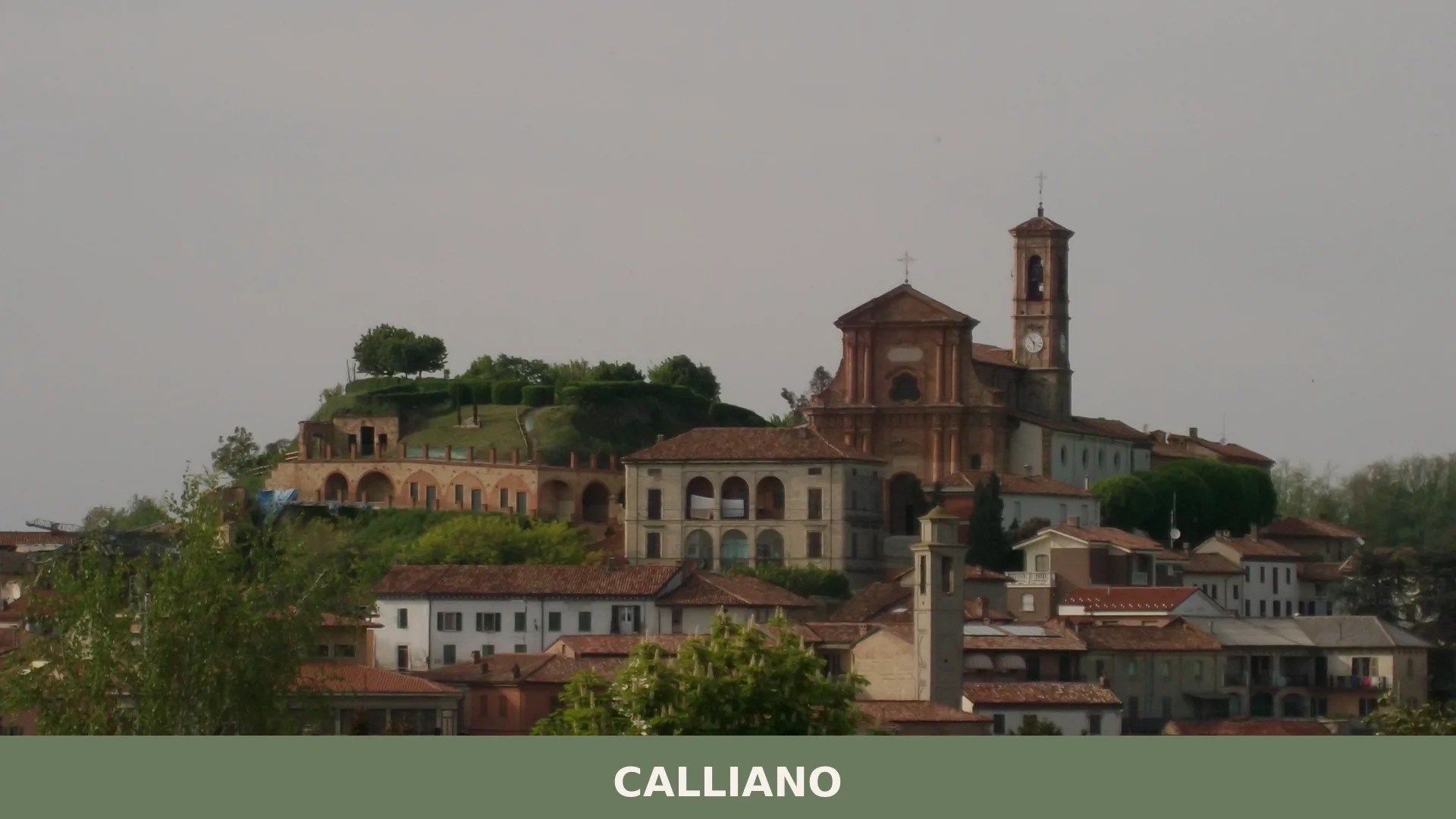

Calliano Monferrato is a hillside commune of around 1,200 people in the province of Asti, Piedmont, known for its donkey race, barbera vineyards, and medieval churches on the ridge between the Valle V
Discover Calliano
Calliano is a hill municipality in the province of Asti, Piedmont, a hill municipality in the province of Asti and spread across roughly 17.44 square kilometres at an elevation of 258 metres above sea level. Positioned on a ridge separating the Valle Versa from the Valle Grana, it sits north of Asti and forms part of both the Comunità collinare Monferrato Valleversa and the Associazione dei Comuni del Monferrato. Since July 2022 it has carried the official name Calliano Monferrato, adopted unanimously by the town council following a proposal by assessor Vittoria Poggio.
Visitors researching Calliano village in Trentino-South Tyrol should note that this Calliano is an entirely distinct place: it belongs to the Monferrato heartland of Piedmont, a landscape of rolling vineyards planted with Barbera and Grignolino, where medieval churches, a sulfurous spring known as La Pirenta, and a lively calendar of local festivals — including the annual Palio degli asini in October — give the village a character firmly rooted in the Asti hills.
Calliano Monferrato: history, symbols and identity
Calliano is a Monferrato hill village in the province of Asti, Piedmont, whose recorded architectural heritage reaches back at least to the tenth century, when the church of San Michele was built, followed in the eleventh century by the Romanesque church of San Pietro, and later by the eighteenth-century parish church of the Santissimo Nome di Maria.
A notable chapter in the village’s cultural life unfolded during the 1980s, when the local parish ran a small television station called Tele Comunità Calliano (CTC). The channel produced a considerable amount of original local content, but was forced off air on 31 July 1990, just before the Mammì broadcasting law of 6 August 1990 came into force — legislation that required every private broadcaster to operate as a commercial enterprise, effectively ending the existence of non-commercial community stations. The station’s director, Rev. Luigi Venesia, publicly explained the reasons for the closure during the final broadcast.
Churches, a Sulphur Spring and a Pallone Court: Calliano’s Built Heritage
Calliano has three churches of historical note, a sulphur spring with a long reputation for therapeutic properties, and a civic pallone court that doubles as the arena for the town’s annual donkey race.
Chiesa di San Michele
Dating from the tenth century, this is the oldest religious building on Calliano’s territory. The sources record its age without further architectural detail.
Chiesa romanica di San Pietro
Built in the eleventh century, San Pietro is Romanesque in character and stands as the most architecturally defined of the three churches the village preserves.
Chiesa parrocchiale del Santissimo Nome di Maria
The parish church dates from the eighteenth century and contains a number of paintings described in the sources as noteworthy, though their authors and subjects are not recorded there.
La Pirenta
A sulphur spring known locally as La Pirenta, long regarded for its curative and purifying qualities.
Sferisterio comunale
The municipal pallone court — commonly referred to as the Piazza del Palio — serves as the venue for the annual Paglio ragliante donkey race, with the surrounding space used for the procession of flag-throwers that precedes the contest.
Calliano and Its Territory: Donkey Agnolotti, Barbera, and the Flavours of Monferrato
Calliano’s most distinctive culinary identity centres on the donkey — the same animal that stars in the town’s famous Palio — transformed into agnolotti d’asino, a local variation of the classic Piedmontese stuffed pasta filled with pure donkey meat. This singular dish takes centre stage at the Sagra dell’Agnolotto d’Asino held each June, while late August brings another community gathering around the Sagra dello Stufato. Both events reflect a living food culture tied directly to local traditions rather than tourist invention.
The hills surrounding Calliano are planted with barbera and grignolino vines, placing the village within some of Piedmont’s most celebrated wine territories. Bottles carrying the Barbera d’Asti DOCG and Barbera del Monferrato DOCG labels are among the wines associated with this stretch of the Monferrato. The sparkling Asti DOCG and the delicate Brachetto d’Acqui / Acqui DOCG are also produced across the wider provincial area.
From the broader Asti province and Piedmont region, visitors can encounter protected products such as Robiola di Roccaverano DOP, Nocciola Piemonte IGP, and Grana Padano DOP, alongside traditional preparations like Vermouth, Ratafià, and Rosolio — though none of these are exclusive to Calliano itself.
Planning your visit and getting there
Calliano can be reached easily from the lower Val Pellice and the Turin area. The practical distances and journey times below are kept concise on purpose, so the access information stays clear and consistent.
| Departure | Distance | Time |
|---|---|---|
| Asti | approx. 15 km | approx. 20 min |
| Turin (city centre) | ||
| Alessandria | approx. 40 km | approx. 35 min |
These practical reference points are enough to plan the journey without overloading the text with unstable logistics. Once on site, the village is best understood slowly, on foot and in relation to the surrounding landscape.
Frequently asked questions about Calliano
What is the best time to visit Calliano Monferrato?
October is ideal, when the village celebrates its patron saint festival (Santissimo Nome di Maria) on the third Sunday, coinciding with the spectacular Palio degli asini donkey race. The autumn season offers pleasant weather and showcases Monferrato's harvest season. Spring (April–May) is also excellent for exploring the rolling vineyard landscape and medieval churches without summer crowds.
How do I reach Calliano Monferrato from Asti?
Calliano lies approximately 15 kilometres north of Asti. By car, follow provincial roads through the Monferrato hills; the journey takes around 20–25 minutes. Public transport connections exist via regional bus services linking Asti to surrounding communes. For train travellers, Asti railway station is the nearest major hub, from which local buses connect to the village.
What are the main attractions in Calliano besides the Palio degli asini?
The village features medieval churches reflecting its historical identity and La Pirenta, a distinctive sulfurous natural spring. The surrounding Monferrato landscape offers opportunities for hiking and cycling through terraced vineyards planted with Barbera and Grignolino grapes. A traditional pallone court (historic ball game facility) represents local cultural heritage and recreational traditions.
Why is Calliano sometimes confused with another place?
There is a separate Calliano village in the Trentino-South Tyrol region in northern Italy. The Piedmont Calliano is entirely distinct, belonging to the Monferrato wine country near Asti, approximately 350 kilometres south. Always verify you are researching Calliano Monferrato (Asti) when planning a visit to this specific hill village.
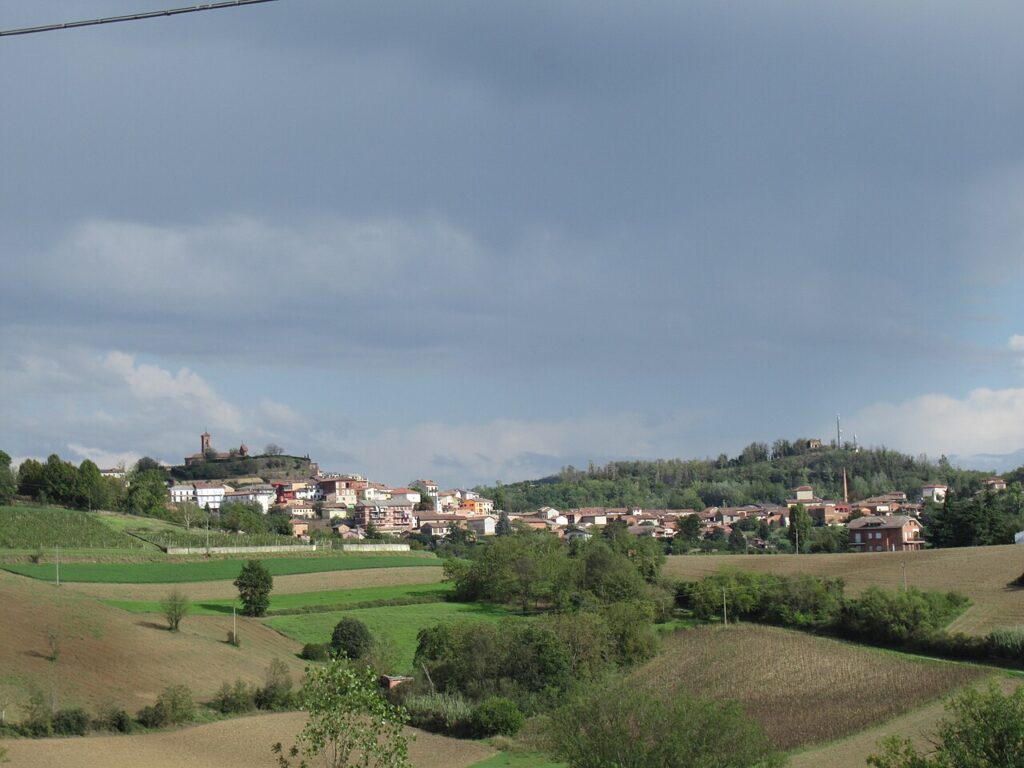
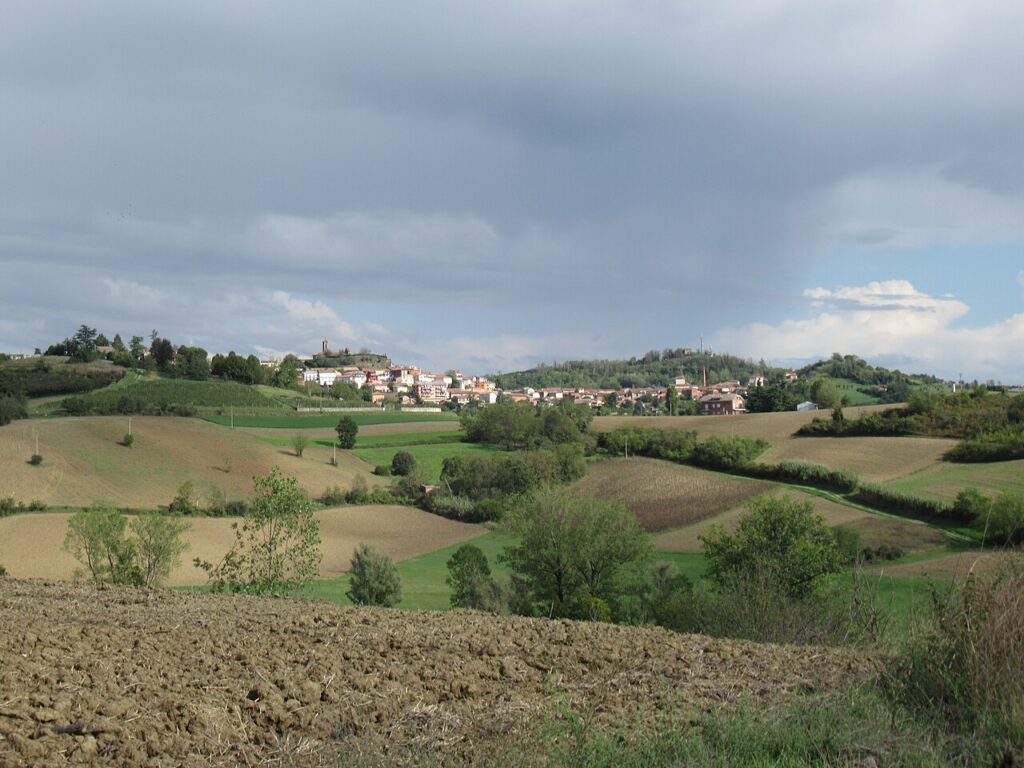
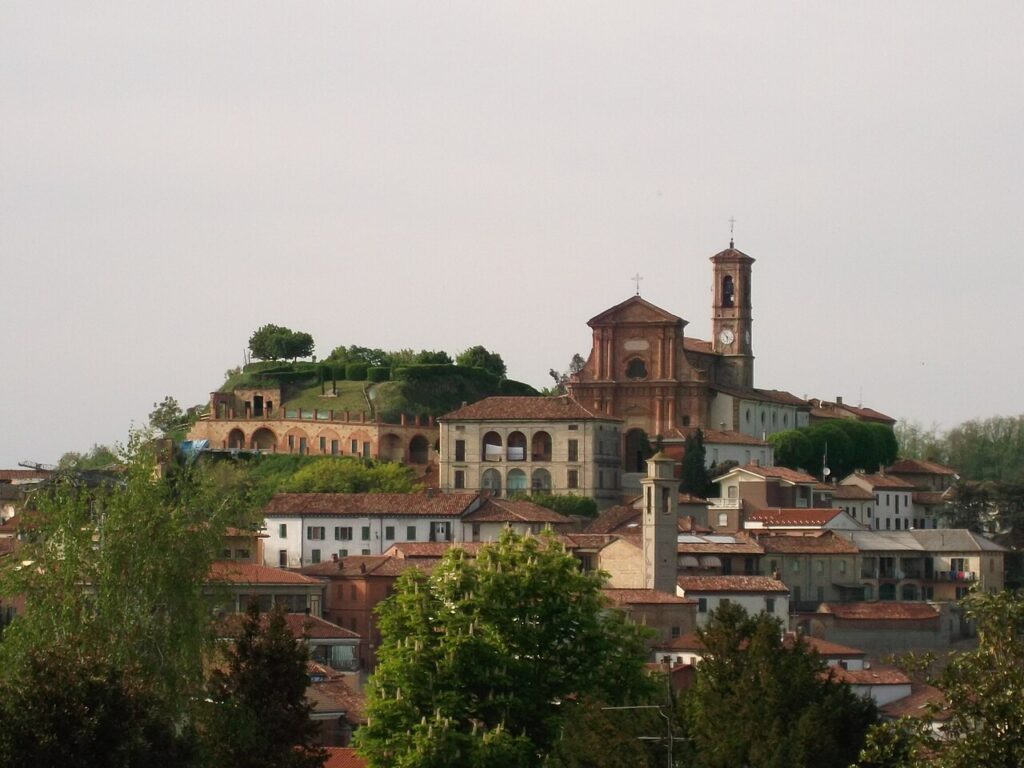
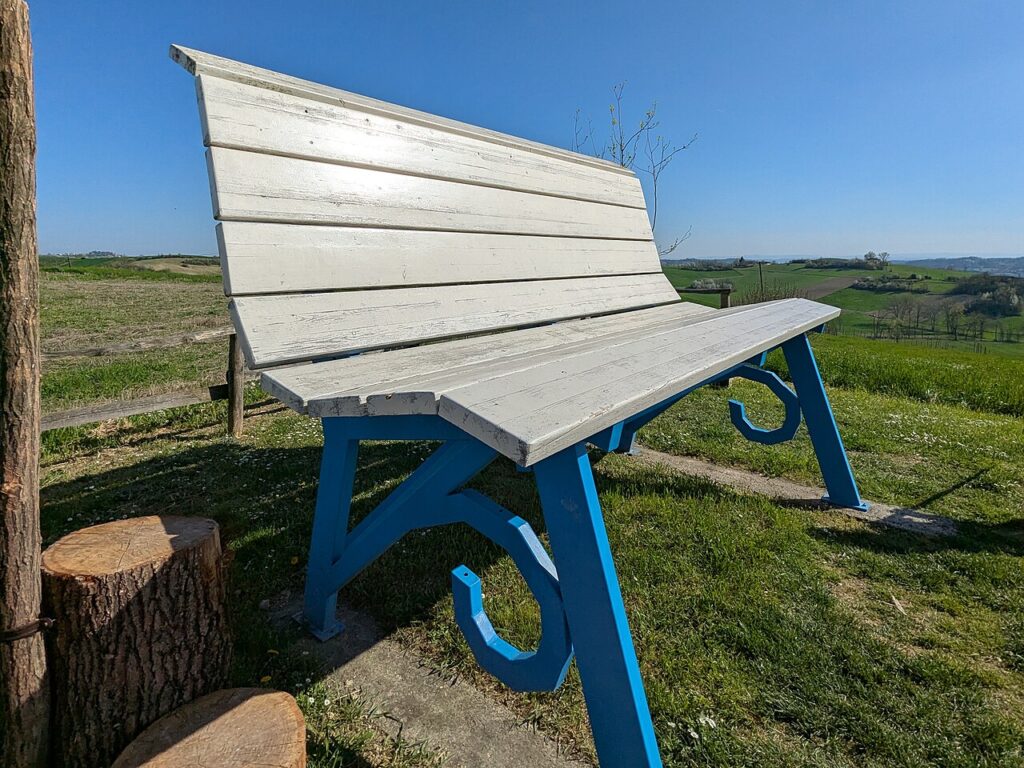
📷 Photo Gallery — Calliano
In Trentino-South Tyrol More villages to discover
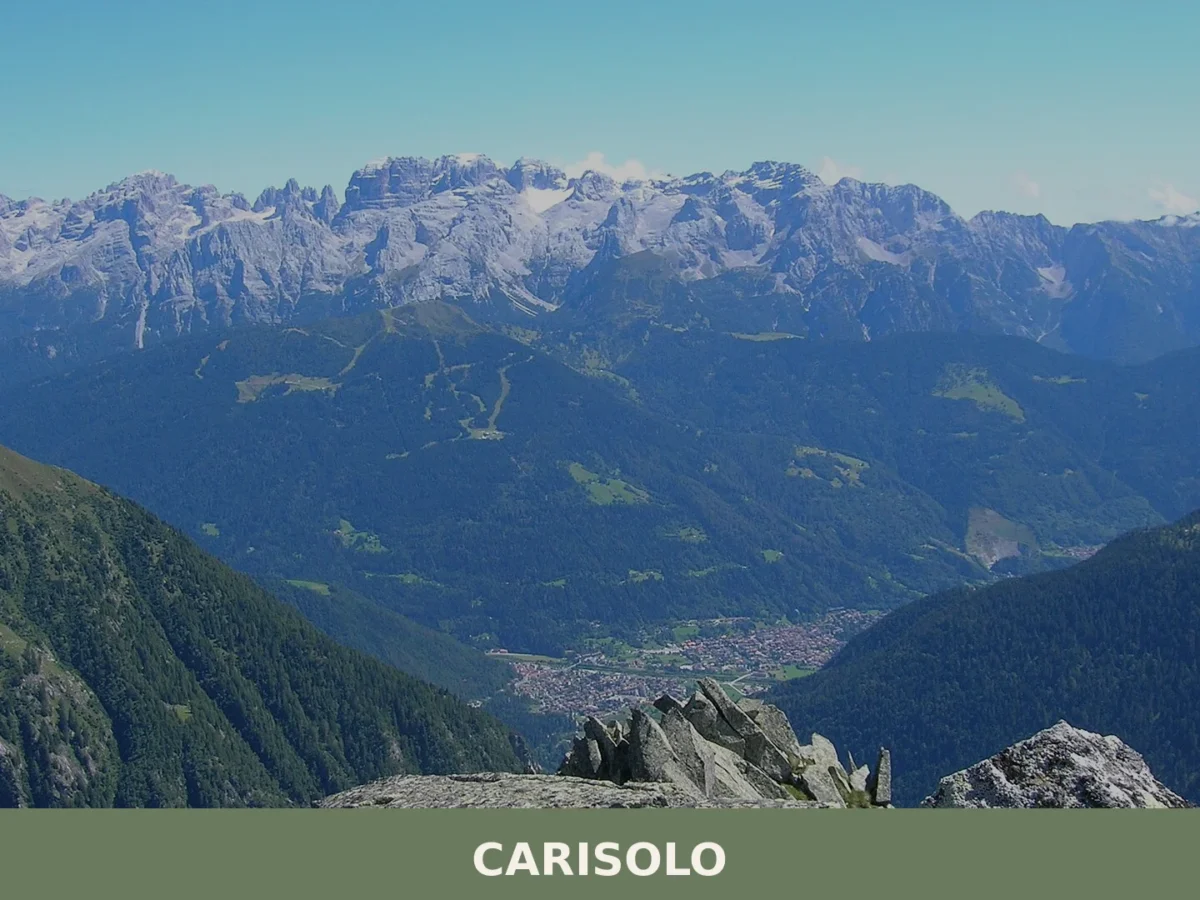
Carisolo
 Mountain
Carisolo is a mountain village of around 910 inhabitants in Val Rendena, province of Trento, standing at 813 metres and offering medieval religious heritage, a historic glassworks and direct access to
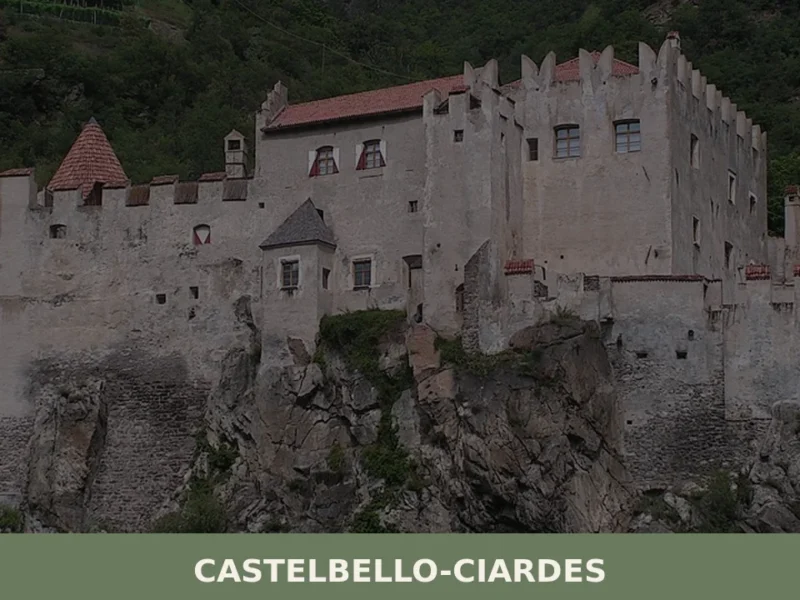
Castelbello-Ciardes
 Hills
Hills
The municipality of Castelbello-Ciardes, home to 2,379 inhabitants at 587 metres above sea level in the Venosta Valley, owes its existence to a dual administrative identity: in 1928 the two separate villages of Castelbello (Kastelbell) and Ciardes (Tschars) were merged into a single municipality. Anyone looking into what to see in Castelbello-Ciardes will find an […]
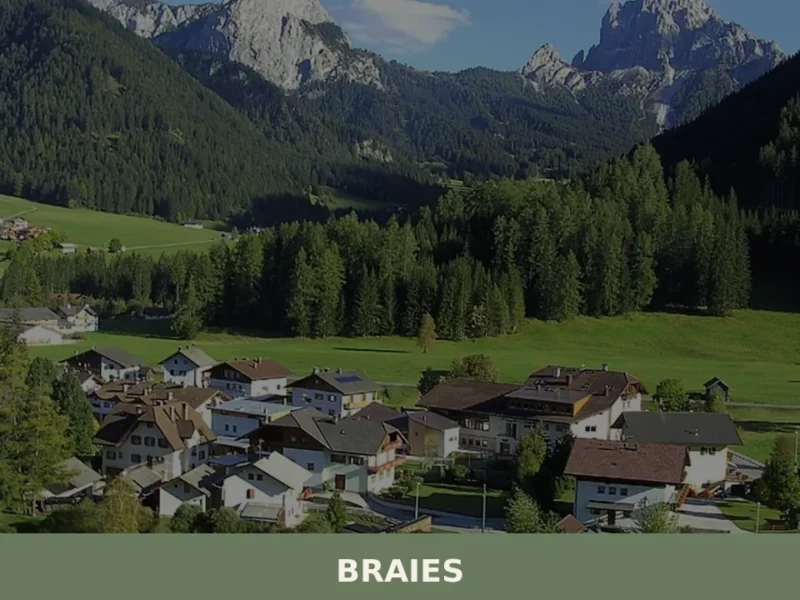
Braies
Mountain
Lake Braies, sitting at 1496 metres above sea level, is the deepest natural lake in South Tyrol: 36 metres at its maximum point, fed by underground springs that filter through the Dolomite rock. This geological fact alone explains why hundreds of thousands of people reach this side valley off the Puster Valley every year. But […]
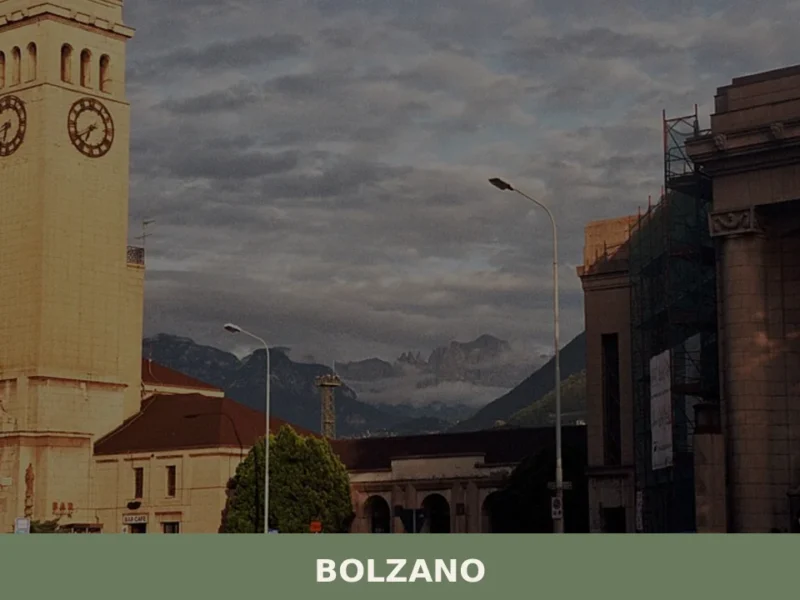
Bolzano
Hills
what to see in bolzano at 262m altitude. Discover the South Tyrol Museum of Archaeology, home to Ötzi the Iceman, and stroll along the historic Portici Street.
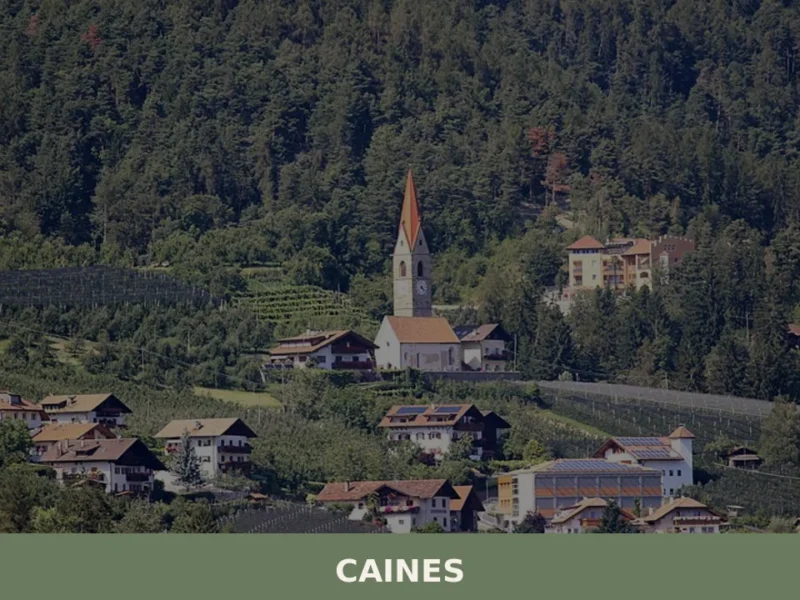
Caines
Hills
With just 398 registered inhabitants and an elevation of 592 metres above sea level, Caines — Kuens in German — is one of the smallest municipalities in the province of Bolzano. It extends across the sun-facing slope of the middle Passiria Valley, a few kilometres from Merano, on a natural terrace overlooking the confluence of […]
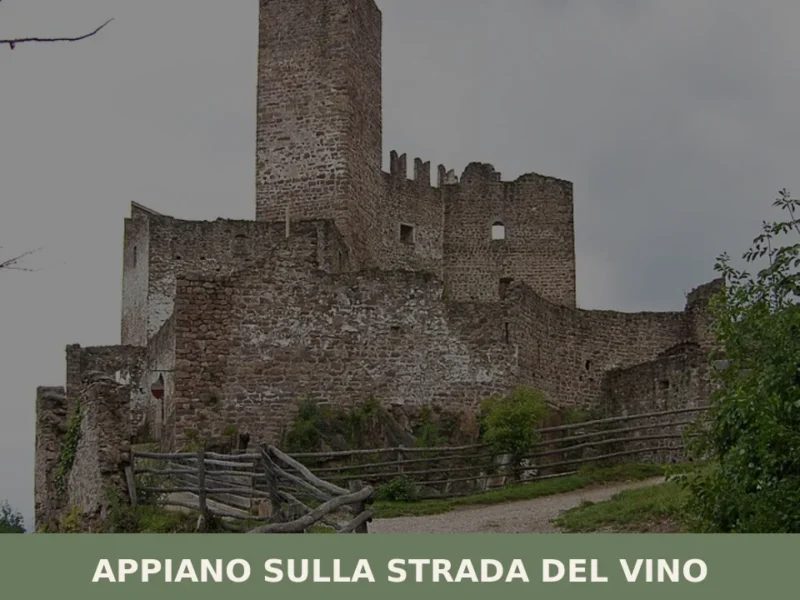
Appiano sulla strada del vino
Hills
The municipality of Appiano sulla strada del vino has 14,304 inhabitants spread across eight hamlets — San Michele, San Paolo, Cornaiano, Frangarto, Missiano, Monticolo, Gaido and Girlan (Cornaiano) — set between 200 and 500 metres above sea level on the left bank of the Adige river, in the middle of the Bassa Atesina (Lower South […]
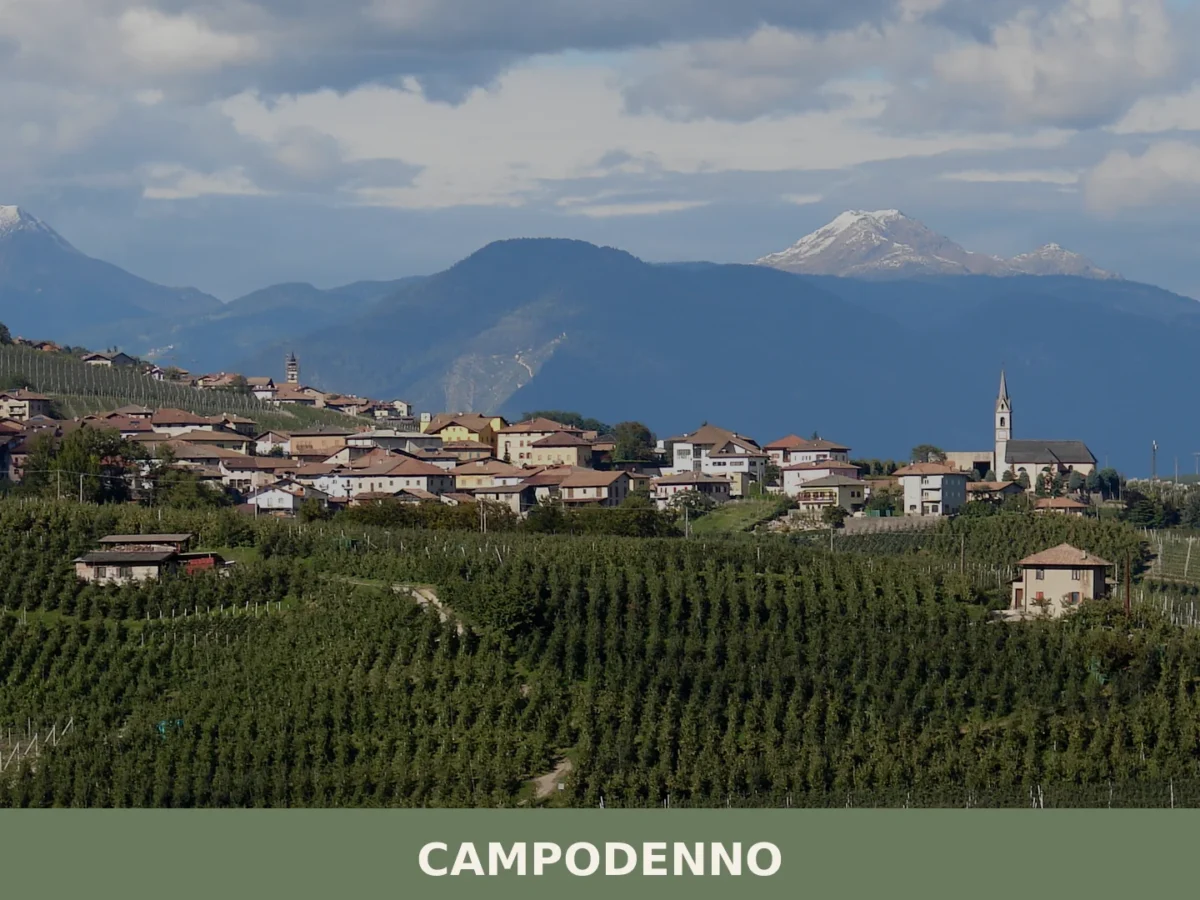
Campodenno
Mountain
Campodenno is a municipality of about 1,500 inhabitants in the lower Val di Non, province of Trento, whose documented history stretches back to 1276 and whose territory rises from 269 metres to the 2,
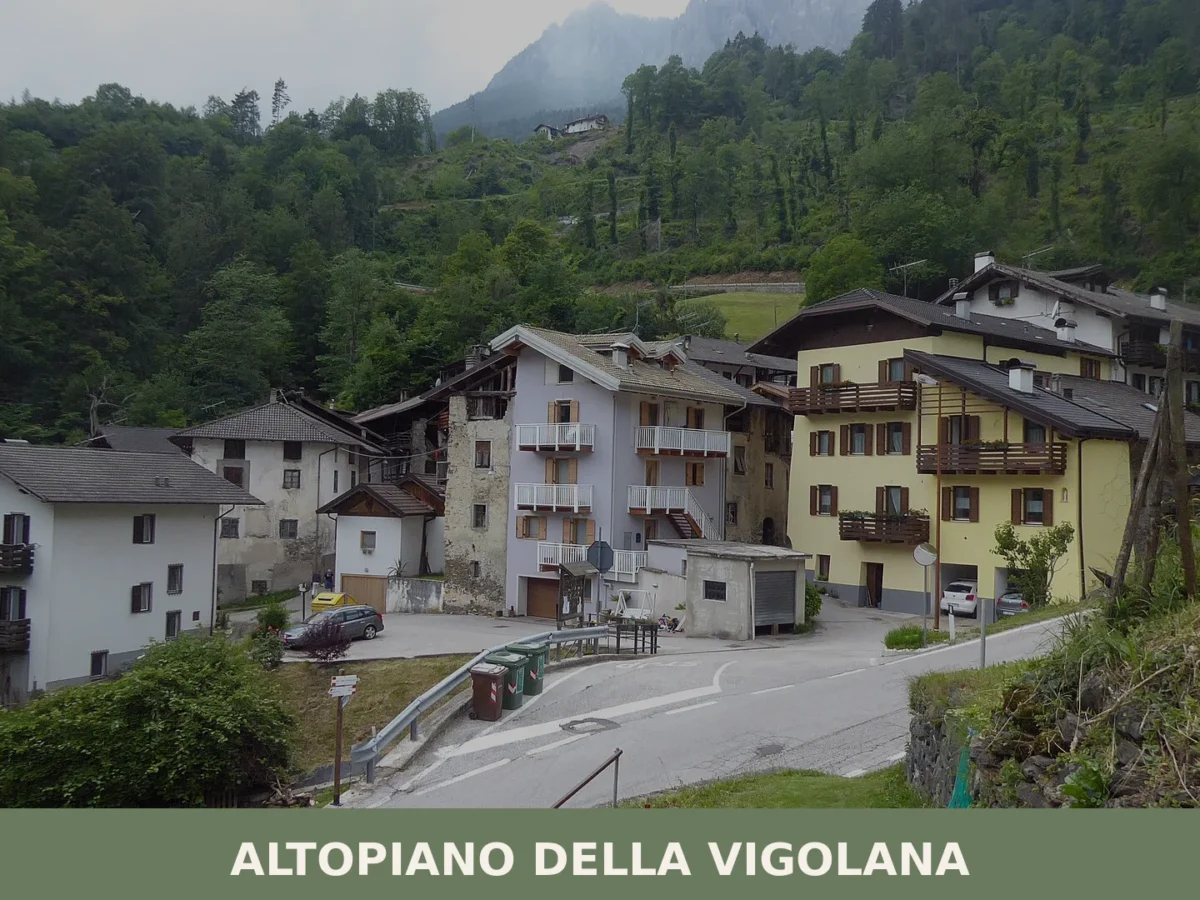
Altopiano della Vigolana
Mountain
Five thousand inhabitants spread across four frazioni at 725 metres altitude. Roman roads, medieval churches and a 2015 municipal reunification anchor this mountain village in the Upper Valsugana.

Renon
Mountain
At 1154 m above sea level, Renon offers earth pyramids, medieval castle ruins and a narrow-gauge railway surviving from 1907.
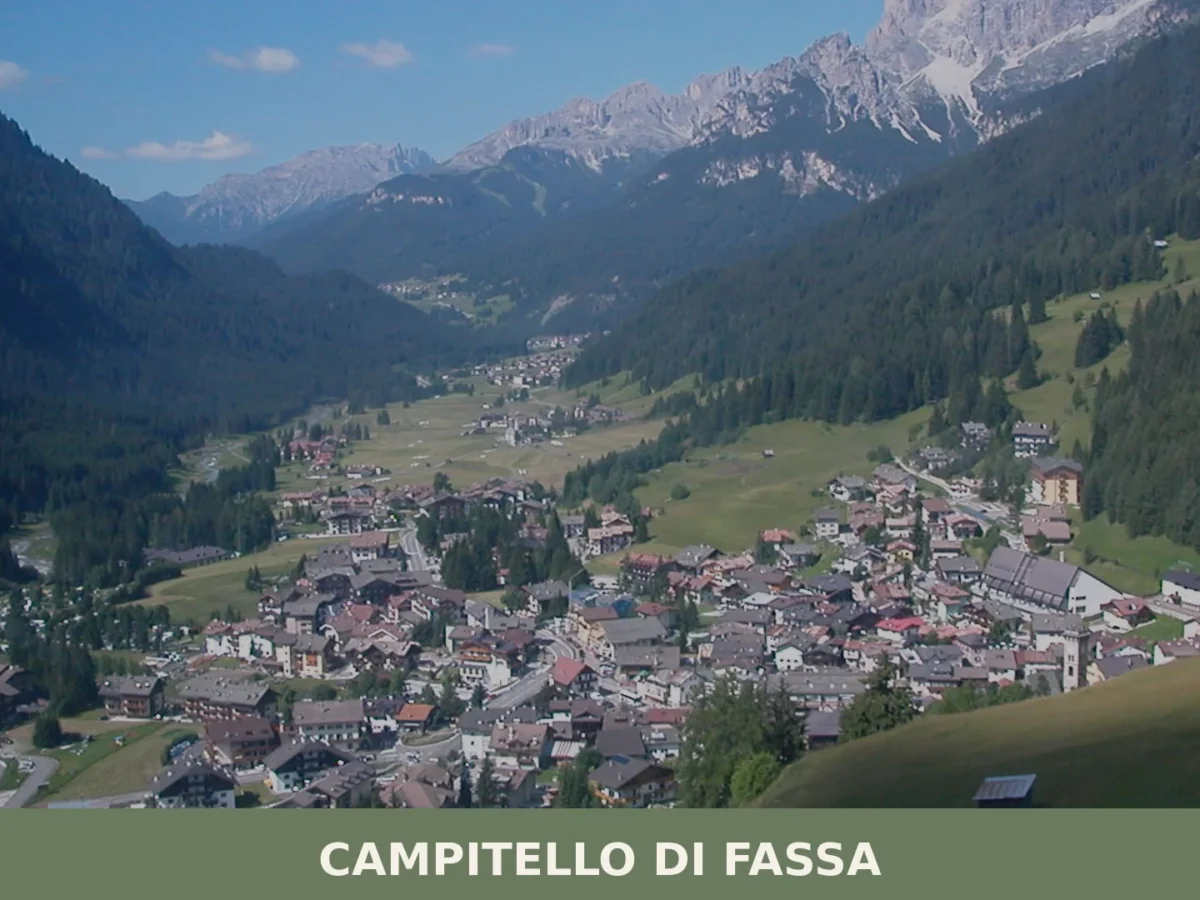
Campitello di Fassa
Mountain
Campitello di Fassa is a Ladin mountain comune of 674 inhabitants at 1,427 metres in Val di Fassa, province of Trento, framed by the Marmolada, Sella, Sassolungo and Catinaccio groups.
🧀 Italian traditional products


🏡 Know Calliano better than we do?
If you’re a local or have been there, your knowledge matters: add what’s missing or fix a detail on this page.