


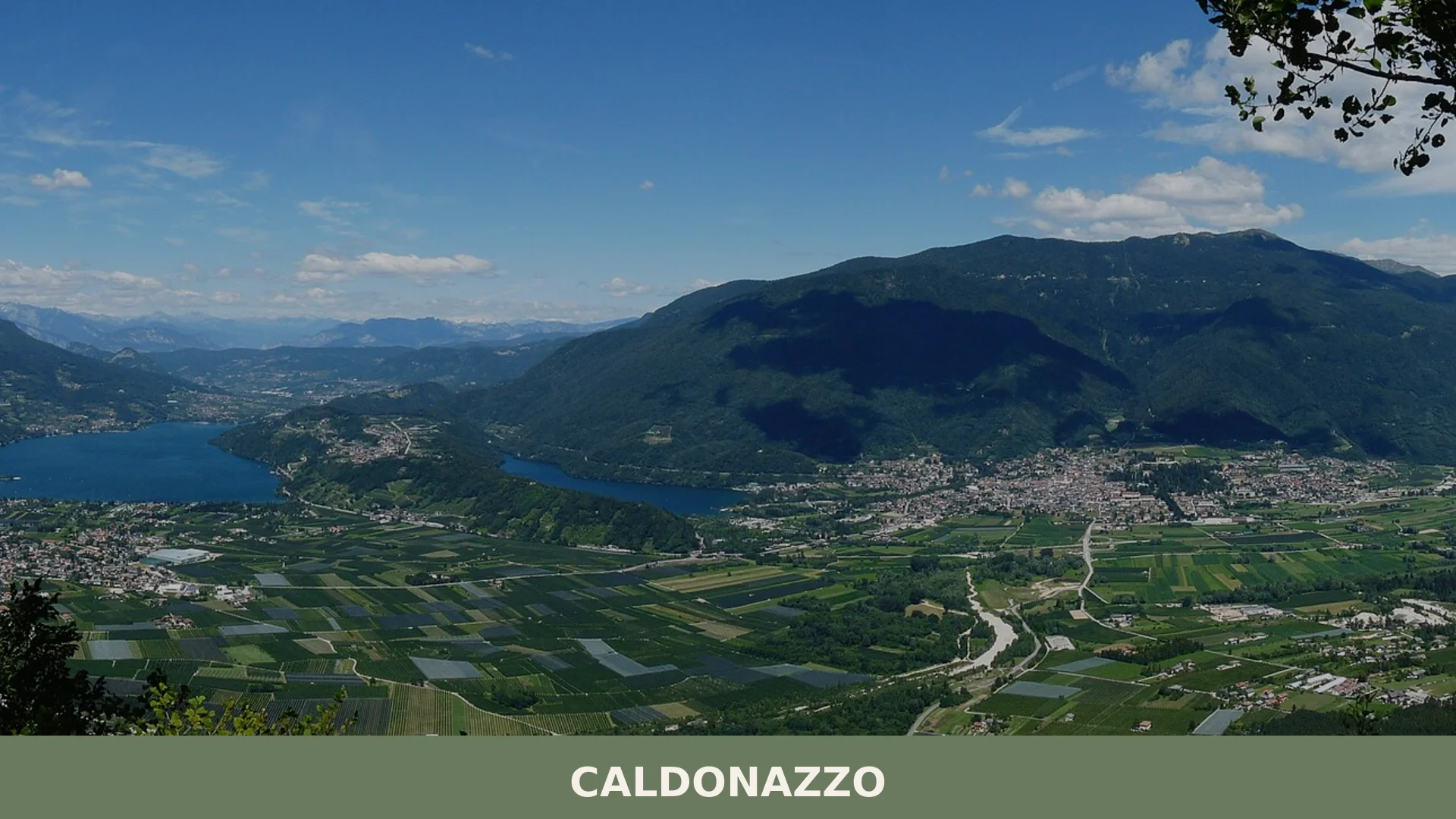

Caldonazzo is a municipality of around 4,000 inhabitants in the Province of Trento, set at 486 metres above sea level at the gateway to the Valsugana valley, where the river Brenta rises from its glac
Discover Caldonazzo
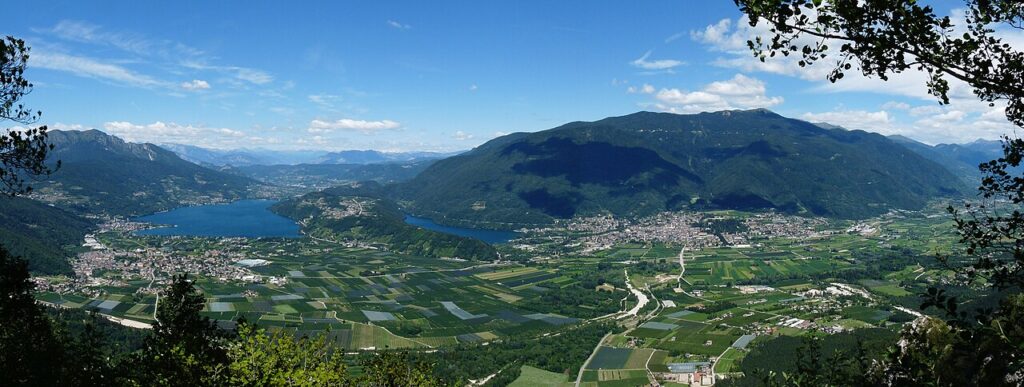
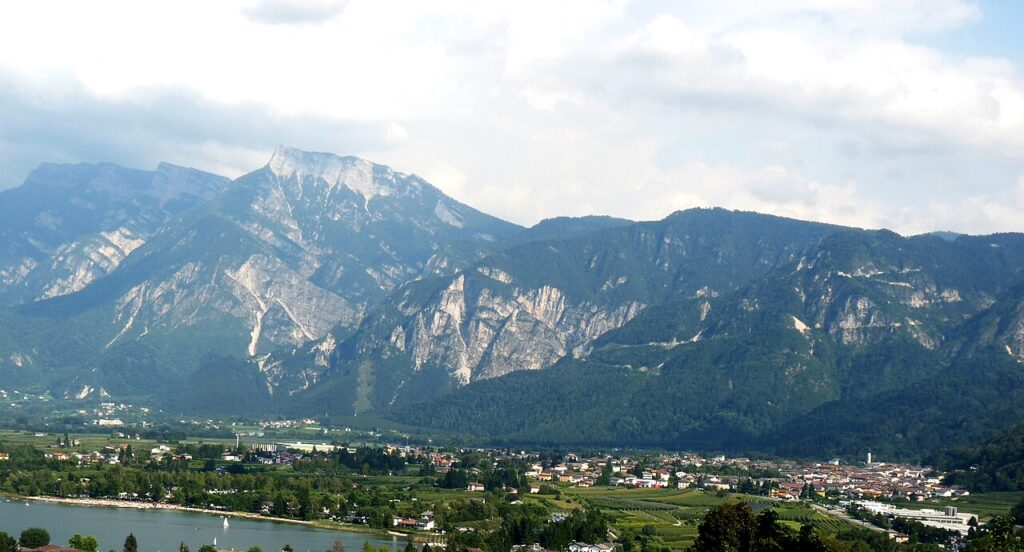
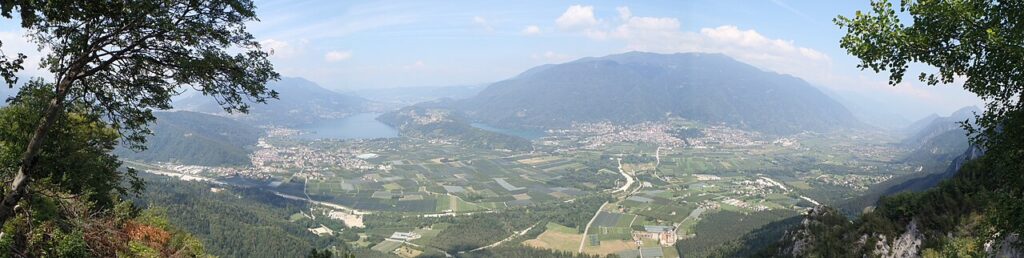
Caldonazzo is a municipality of around 4024 inhabitants in the autonomous province of Trento, Trentino-South Tyrol, set at an elevation of 480 m s. l. m. at the mouth of the Valsugana valley, roughly 20 kilometres south-east of Trento. The Lago di Caldonazzo lies at its heart, and from that lake the Brenta river begins its long journey south-east to the Adriatic. To the west rises the peak of the Vigolana; to the south stretch the high plateaux of Folgaria, Lavarone and Luserna. The State Road 47 of the Valsugana crosses the northern part of the territory, while the Provincial Road 133 — known both as the Strada del Menador and the Kaiserjägerstraße — links the village to the Cimbrian highlands.
Caldonazzo village in Trentino-South Tyrol carries more than nine centuries of recorded history within a compact area of just over 21.46 square kilometres. First named in a document of 1116, it preserves the traces of Roman presence on the Colle di Tenna, a twelfth-century chapel, medieval castle remains, and the enduring imprint of the Trapp noble family, who shaped local life for more than three hundred years until the close of the eighteenth century.
Caldonazzo village in Trentino-South Tyrol: history from Roman settlements to the modern era
Caldonazzo, first recorded in a document of 1116 and situated at the entrance to the Valsugana valley around 20 kilometres south-east of Trento, carries traces of human presence stretching back to Roman times, when a network of mule tracks on the Colle di Tenna led to an ancient military staging post known as a Statio Militaris; a chapel built around the twelfth century still stands on that same site today.
For more than three centuries the fortunes of Caldonazzo were bound up with those of the Tyrolean noble family of Trapp. Having departed from their principal seat of Trautenburg near Leutschach in Styria in 1461, the Trapps made the village their own until 1794, when the last member of the line died. The old Castel Trapp, standing between the parish church and the cemetery, preserves on its walls the red-white-red heraldic fresco of the family. The church of San Valentino, whose existence is attested by a document connected to Bishop Egnone of Trento before 1259, also bears the Trapp-Matsch arms of 1528 inside its presbytery, reflecting the family’s long hold over local religious and civic life.
Churches, Castles and Archaeological Finds in Caldonazzo
Caldonazzo preserves two historic churches, two castle structures, a Colle di Tenna with traces of Roman occupation, and an early medieval tombstone fragment currently held in the parish church of San Sisto.
Chiesa di San Sisto
The parish church dates from the first half of the eighteenth century. Its current façade was added in 1836 and differs markedly in character from the older Romanesque bell tower. Inside, a painting from 1632 depicts San Sisto accompanied by Saints Borromeo, Francis and Sebastian, commemorating the plague of 1630.
Chiesa di San Valentino
Documents associated with Bishop Egnone of Trento, from before 1259, provide an early reference to this church, which tradition traces back to the twelfth century. The small bell tower sits within the tympanum of the façade, and its bell is shielded by iron grilles dating to around 1700. The brick arches of the portico, brought to light during restoration work, carry a date of 1544. The apse was built directly onto exposed rock and is articulated in three lunettes. Ceiling frescoes represent the Madonna with the Christ Child, Saint Valentine and Saint Rocco. In the presbytery, the coats of arms of the Trapp-Matsch family, dated 1528, recall the dynasty that held Caldonazzo for more than three centuries. The wooden altar is the work of Minati da Pergine; the altarpiece showing Saint Valentine and Saint Charles Borromeo was painted by Gioacchino Antonio Mayr in 1759.
Castel Trapp and the Torre dei Sicconi
Between the parish church and the cemetery stands the old Castel Trapp, on whose walls the family’s red-white-red heraldic shield remains visible. The Trapp family became associated with Caldonazzo from 1461 and retained their connection to the village for over three hundred years, until 1794. The tower known as the Torre dei Sicconi and the structure referred to as Castel Brenta are also recorded among the castle remains of the area.
Colle di Tenna and the Archaeological Finds
On the Colle di Tenna, Roman mule tracks once led to an ancient military station, a Statio Militaris; a twelfth-century chapel now occupies the site. Separately, in 1872 a substantial fragment of a tombstone slab was recovered from a vineyard on the Colle di Brenta, close to the church of San Valentino. Decorated with a raised cross and a three-line inscription, its epigraphic features place it between the seventh and eighth century. The fragment is now kept in the parish church of San Sisto, and the local Vetrine Archeologiche di Caldonazzo also document the area’s material past.
Caldonazzo and Its Area: Certified Products and Regional Flavours
The territory around Caldonazzo sits within a province whose food landscape is anchored by several certified products, including Carne Salada del Trentino IGP, Mele del Trentino IGP, and the DOP-designated Mela Val di Non, alongside Grana Padano DOP and Asiago DOP, both produced across a broader Alpine area that takes in this corner of the Valsugana.
The province is also recognised for Garda DOP olive oil, reflecting the climatic range of Trentino’s valleys. Beyond certified goods, the wider regional tradition includes distilled spirits such as acquavite di ginepro and distillati di frutta trentina, alongside fruit syrups — raspberry, elderflower, and blackcurrant — that speak to the forested terrain rising above the lake basin. Liqueurs such as the amaro from Valle di Ledro and the herbal Stomatica foletto belong to the same Alpine distilling heritage shared across Trentino.
None of these products is exclusive to Caldonazzo itself, but taken together they give a clear picture of what to look for at local markets and in the restaurants that serve the village’s lakeside visitors each summer.
Getting to Caldonazzo and Planning Your Visit
Caldonazzo is most easily reached by car or train: it lies approximately 20 km south-east of Trento along the SS47 Valsugana road, the nearest motorway exit being Trento Sud on the Autostrada del Brennero, and the village is also served by its own station on the Trento–Venice railway line.
The lake-facing position and ISTAT classification as a comune del turismo lacuale make late spring through early autumn the natural window for a visit, when Lake Caldonazzo — the source of the river Brenta — is at its most inviting. June brings a literary dimension with the annual TrentinoBookFestival, held each year since 2011.
Drivers can extend their stay into the surrounding highlands via the Strada Provinciale 133 di Monterovere (also known as the Strada del Menador or Kaiserjägerstraße), which climbs south from the village toward the Altipiani Cimbri. To the west, the heights of the Altopiano della Vigolana form a natural backdrop visible from the village centre, while further excursions along the valley floor can lead toward Aldeno and the lower Adige basin.
| Departure | Distance | Time |
|---|---|---|
| Trento (uscita Trento Sud) | approx. 20 km | approx. 25 min |
| Levico Terme | approx. 5 km | approx. 10 min |
| Pergine Valsugana | approx. 10 km | approx. 15 min |
| Aldeno | approx. 25 km | approx. 30 min |
These practical references help organise the journey clearly, while the village itself is best understood slowly and on foot once you arrive.
Frequently asked questions about Caldonazzo
What is the best time to visit Caldonazzo?
Summer months (June to September) are ideal for lake activities and hiking around Lago di Caldonazzo. The patron saint feast of San Sisto on August 6 brings festive celebrations to the village. Spring and autumn offer mild weather and fewer crowds, perfect for exploring the surrounding Valsugana valley and nearby plateaux of Folgaria, Lavarone, and Luserna. Winter suits those interested in mountain scenery and quieter exploration of historical sites.
How do I reach Caldonazzo from Trento?
Caldonazzo is located approximately 20 kilometres south-east of Trento. The State Road 47 of the Valsugana crosses the northern part of the village territory, providing convenient vehicle access. The Provincial Road 133, also known as the Strada del Menador and Kaiserjägerstraße, connects Caldonazzo to the Cimbrian highlands. Public transportation via regional buses serves the Valsugana valley, linking Trento to Caldonazzo efficiently.
What historical sites should I see in Caldonazzo?
Caldonazzo preserves over nine centuries of history. Key sites include Roman archaeological remains on Colle di Tenna, a twelfth-century chapel, and medieval castle remains that reflect the village's strategic importance. The Trapp noble family, who dominated local life for three centuries until the late eighteenth century, left significant architectural and cultural imprints throughout the settlement. These monuments showcase the evolution from Roman settlement to medieval stronghold.
What outdoor activities are available at Lago di Caldonazzo?
Lago di Caldonazzo, the village's central feature, offers swimming, sailing, and fishing opportunities. The lake serves as the source of the Brenta river. The surrounding area is ideal for hiking and cycling, with trails leading to the Vigolana peak to the west and access to the high plateaux of Folgaria, Lavarone, and Luserna to the south. The lake environment provides scenic outdoor recreation year-round.
How long should I plan to spend in Caldonazzo?
A one-day visit allows exploration of the village centre, historical sites like the medieval chapel and castle remains, and a leisurely walk around Lago di Caldonazzo. For a more thorough experience, two to three days enable hiking in the Valsugana valley, visiting Colle di Tenna, and enjoying water activities on the lake. Extended stays allow deeper immersion into the surrounding mountain plateaux and villages.
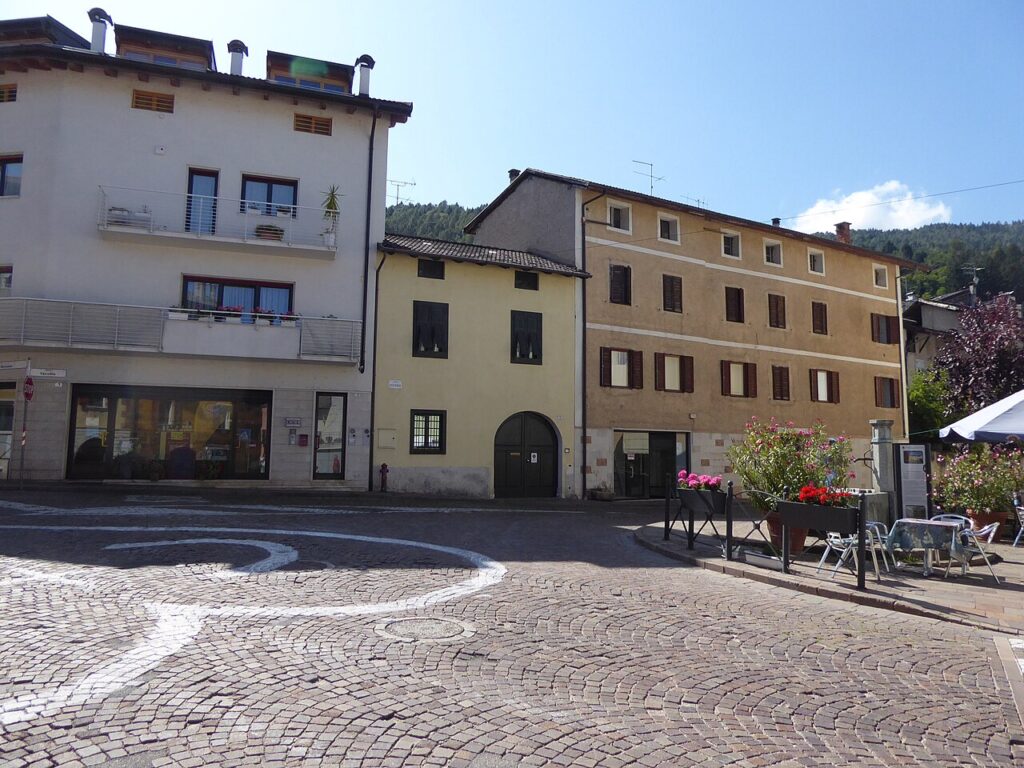
📷 Photo Gallery — Caldonazzo
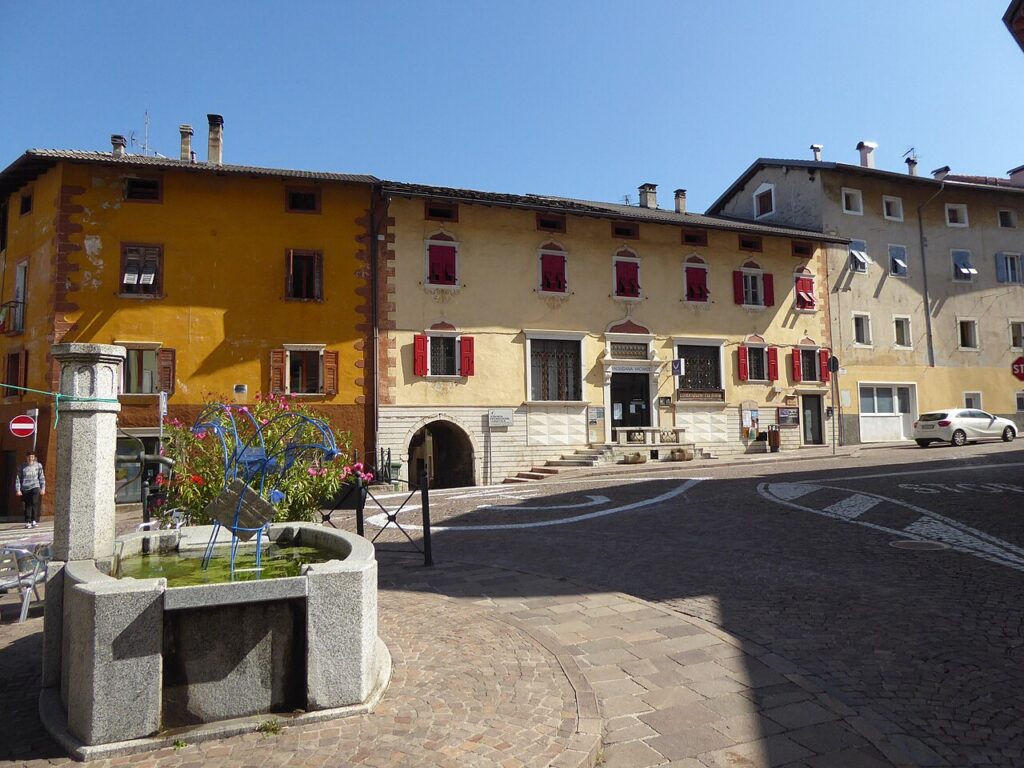
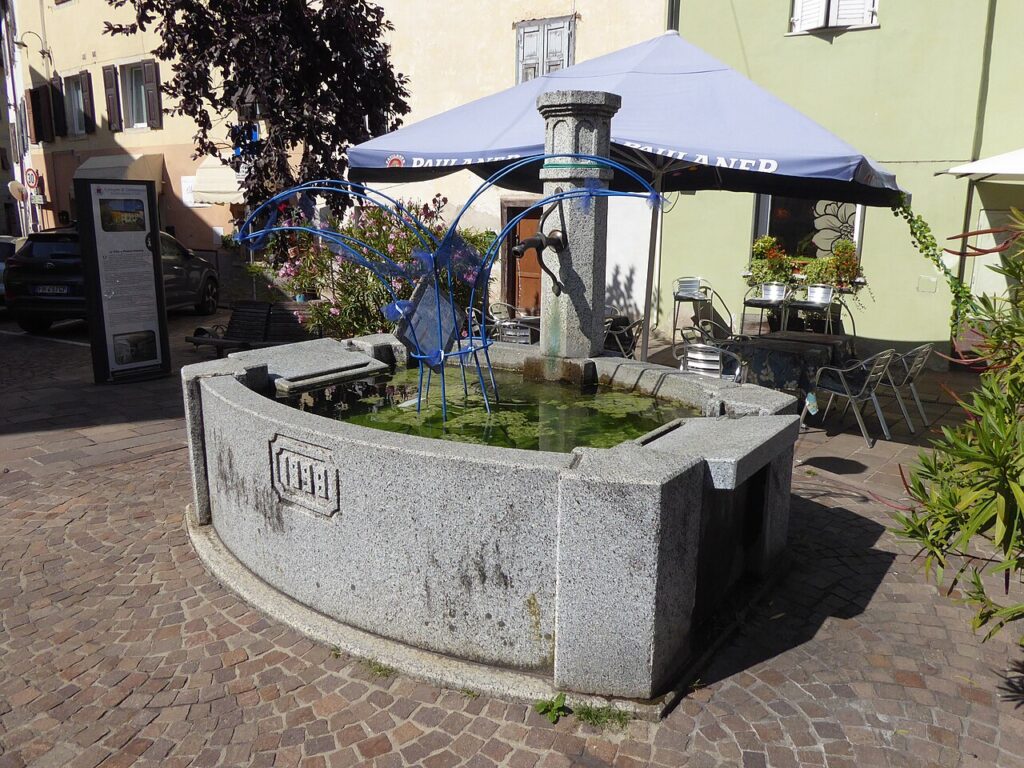
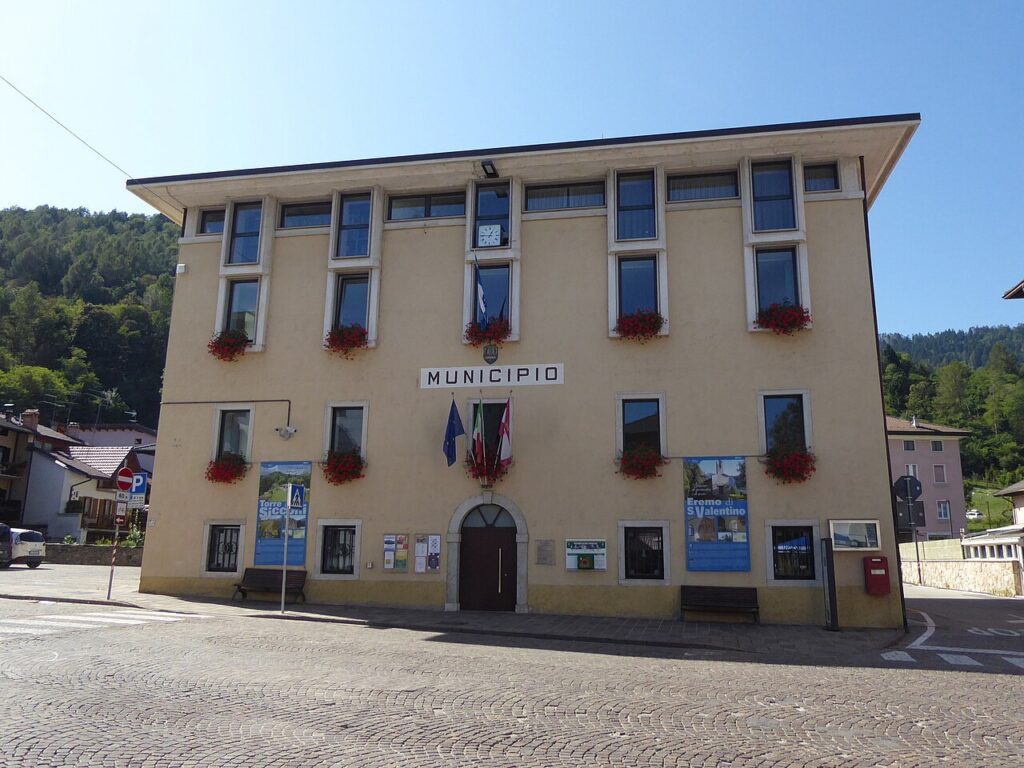
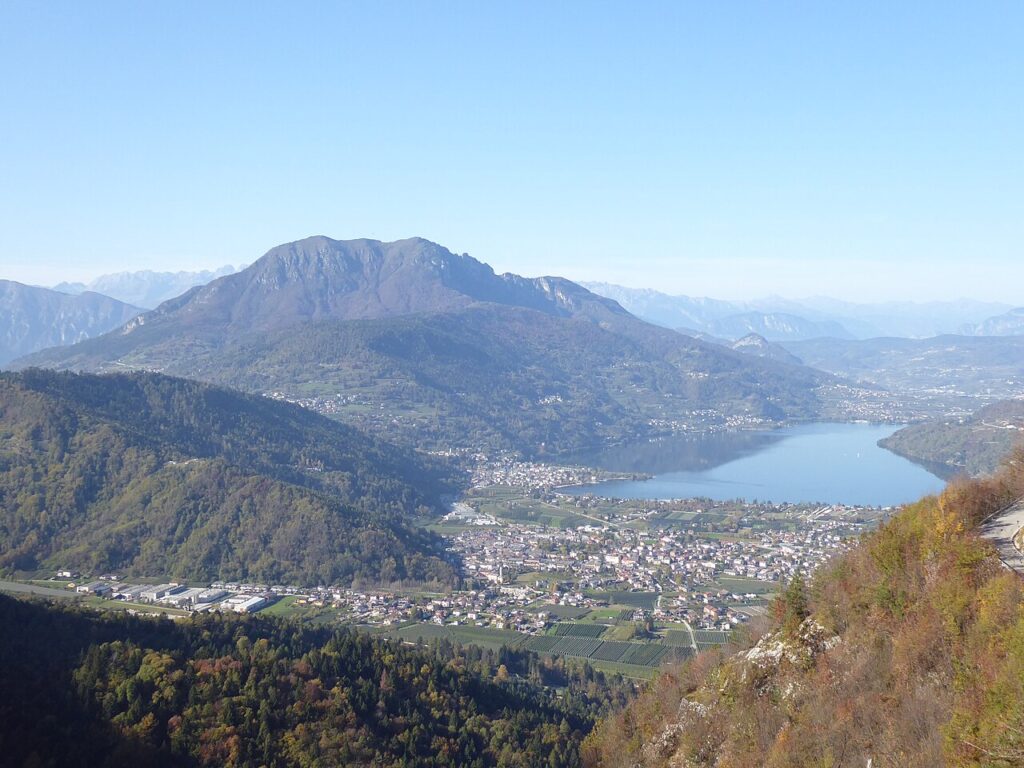
In Trentino-South Tyrol More villages to discover
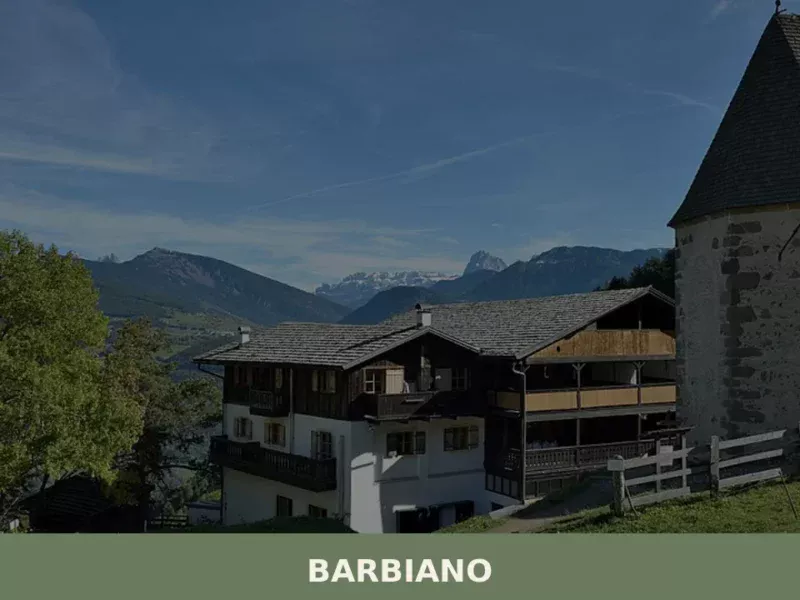
Barbiano
 Mountain
Barbiano covers 25.26 square kilometres on the right-hand slope of the Isarco Valley, spread across five hamlets — Barbiano village, Colma, San Giacomo, Saubach and Dreikirchen — each with its own architectural identity and historical function. Understanding what to see in Barbiano means crossing a territory that rises from 471 metres on the valley floor […]
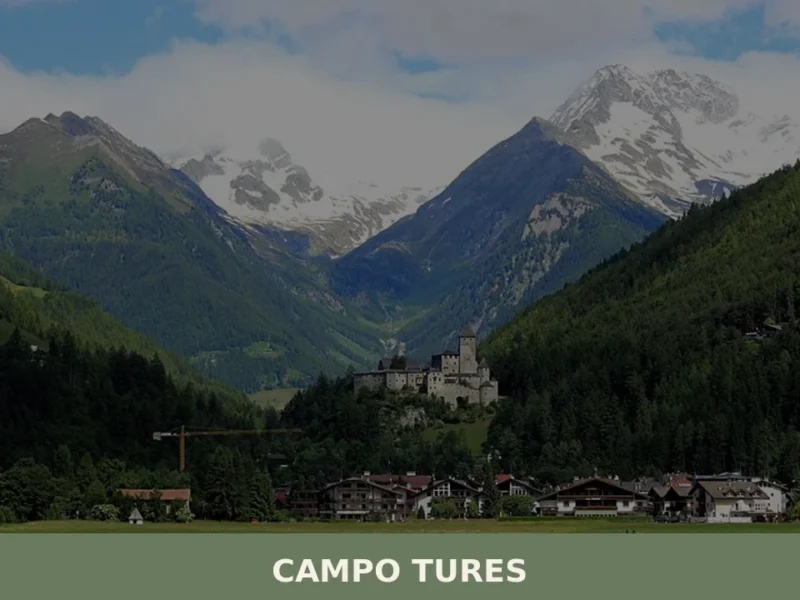
Campo Tures
Mountain
Tures Castle, first documented in 1136, dominates Campo Tures from a rocky spur at the entrance to the Tures Valley, a side valley of the Aurina Valley. The village has 5,321 inhabitants, spread across an elevation of 864 metres, in a basin where the Aurino torrent slows before continuing south. Understanding what to see in […]
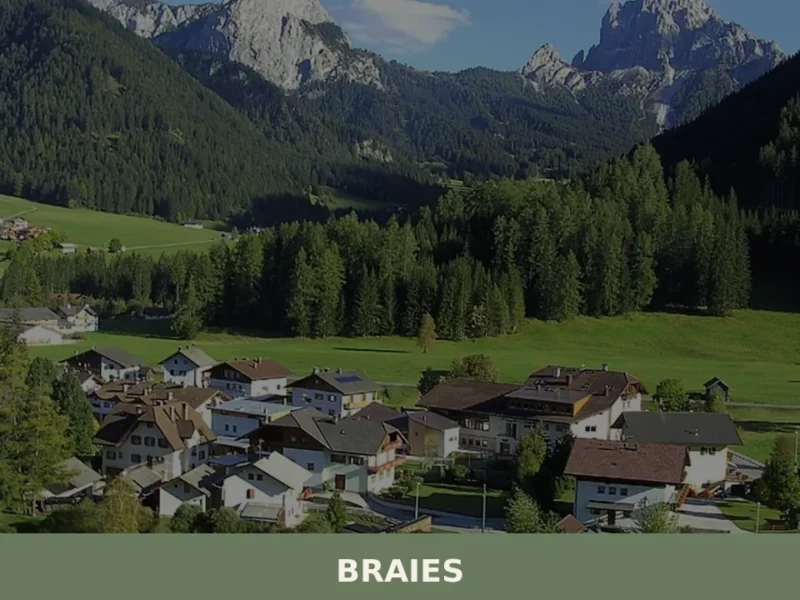
Braies
Mountain
Lake Braies, sitting at 1496 metres above sea level, is the deepest natural lake in South Tyrol: 36 metres at its maximum point, fed by underground springs that filter through the Dolomite rock. This geological fact alone explains why hundreds of thousands of people reach this side valley off the Puster Valley every year. But […]
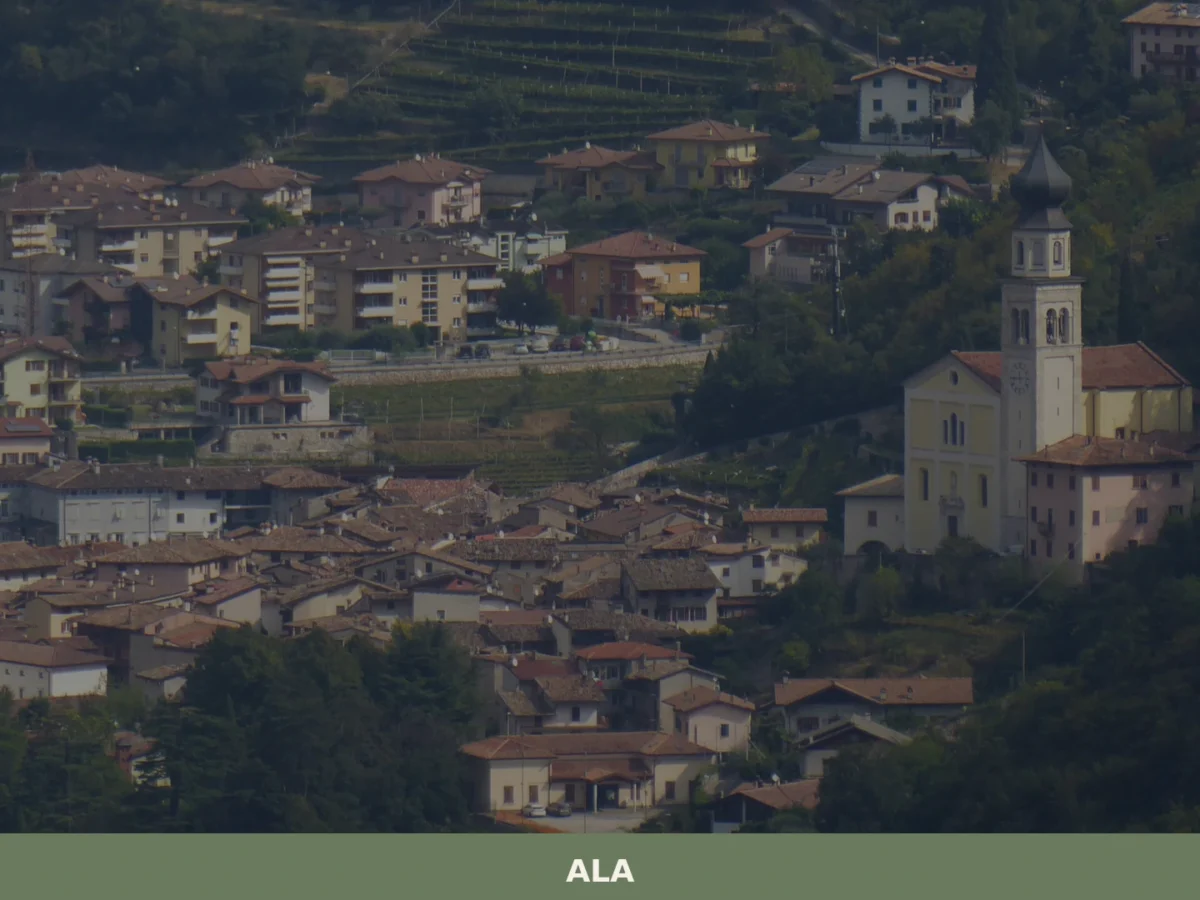
Ala
Mountain
Discover what to see in Ala, Trentino: silk merchant palazzi, Habsburg border history, Vallagarina wines and the Valle dei Ronchi. Practical tips included.

Trento
 Plains
What to see in Trento, a city of 119,359. Discover its Duomo, Castello del Buonconsiglio, and typical cuisine. Explore its rich Council history.

Castelrotto
Mountain
7,000 residents, three languages and one of the Alps' highest-altitude market towns. Castelrotto offers medieval architecture, Ladin heritage and alpine pastures.
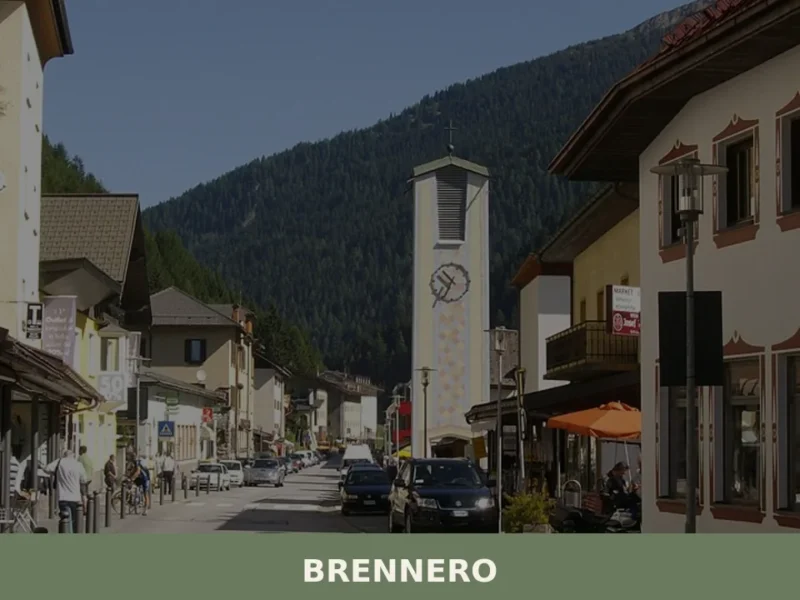
Brennero
Mountain
The Brenner Pass, at 1,370 metres above sea level, is the lowest Alpine crossing between Italy and Austria, and this geographical circumstance has shaped every aspect of life in the village that bears its name. With 2,111 inhabitants spread across the hamlets of Brennero, Fleres, Ponticolo and Terme di Brennero, the municipality marks the northern […]
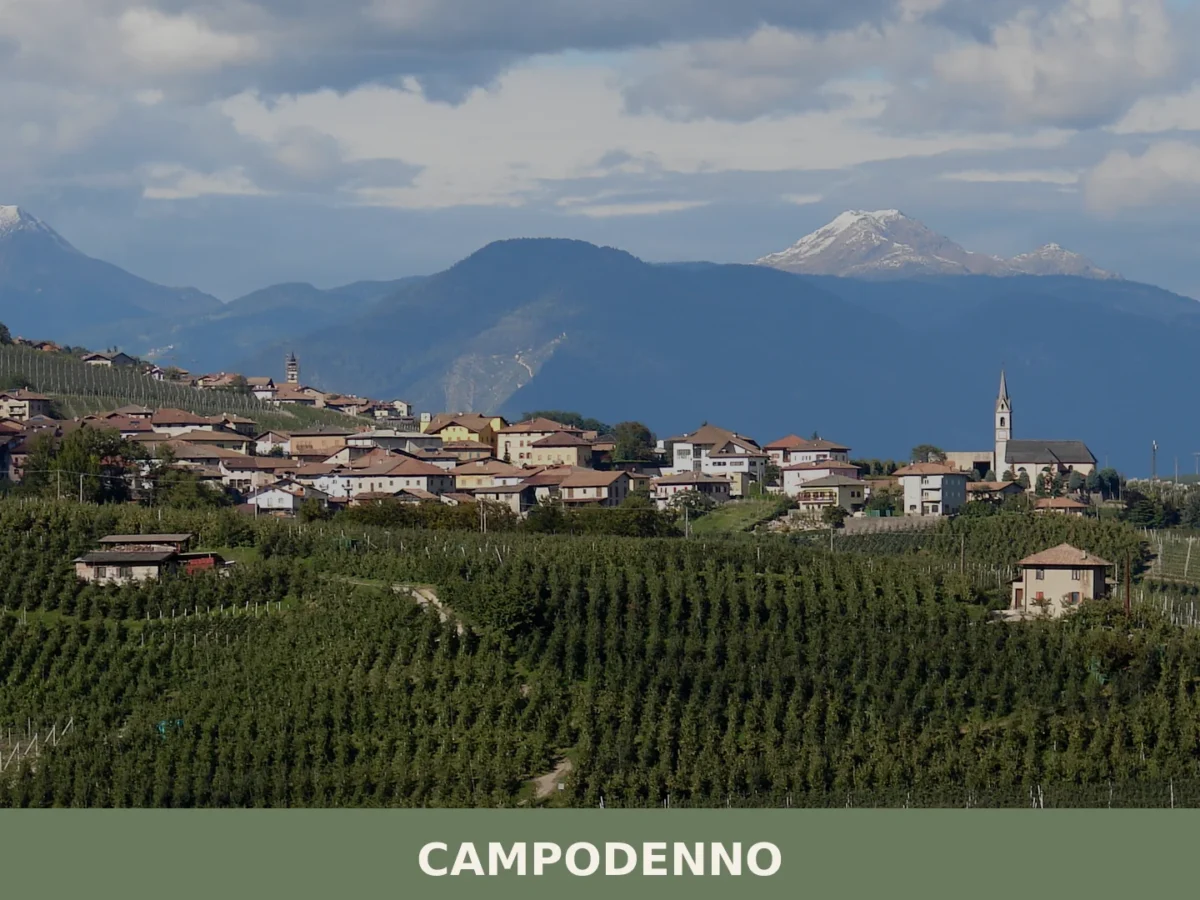
Campodenno
Mountain
Campodenno is a municipality of about 1,500 inhabitants in the lower Val di Non, province of Trento, whose documented history stretches back to 1276 and whose territory rises from 269 metres to the 2,
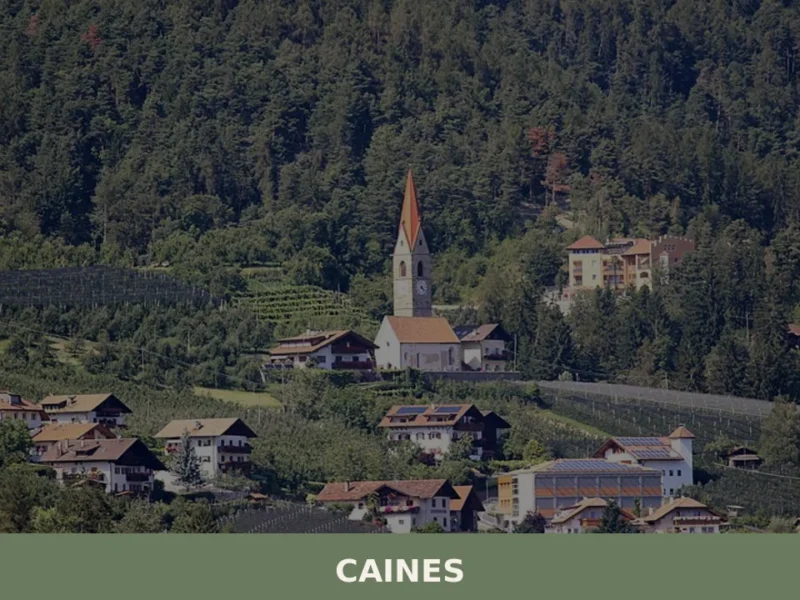
Caines
 Hills
Hills
With just 398 registered inhabitants and an elevation of 592 metres above sea level, Caines — Kuens in German — is one of the smallest municipalities in the province of Bolzano. It extends across the sun-facing slope of the middle Passiria Valley, a few kilometres from Merano, on a natural terrace overlooking the confluence of […]
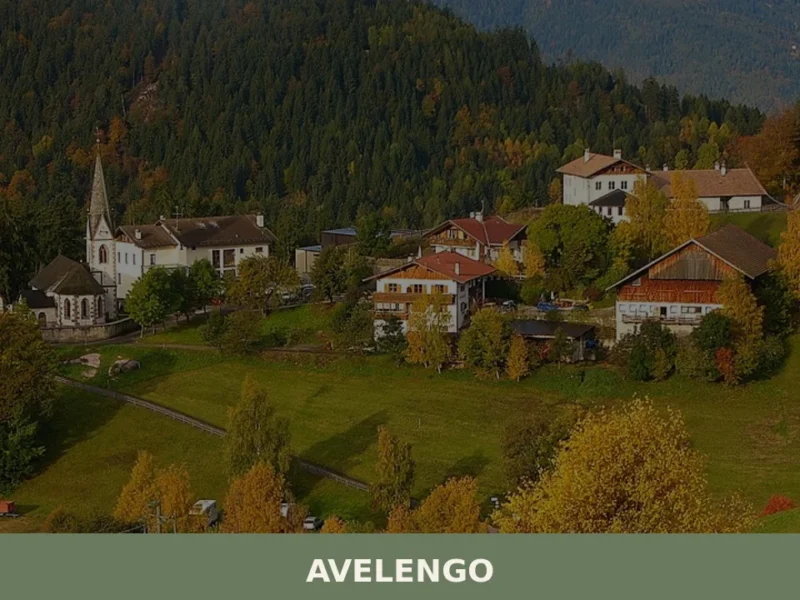
Avelengo
Mountain
Population 816. A high-altitude comune in South Tyrol offering mountain access and traditional alpine settlement patterns without mass tourism infrastructure.




🏡 Know Caldonazzo better than we do?
If you’re a local or have been there, your knowledge matters: add what’s missing or fix a detail on this page.