


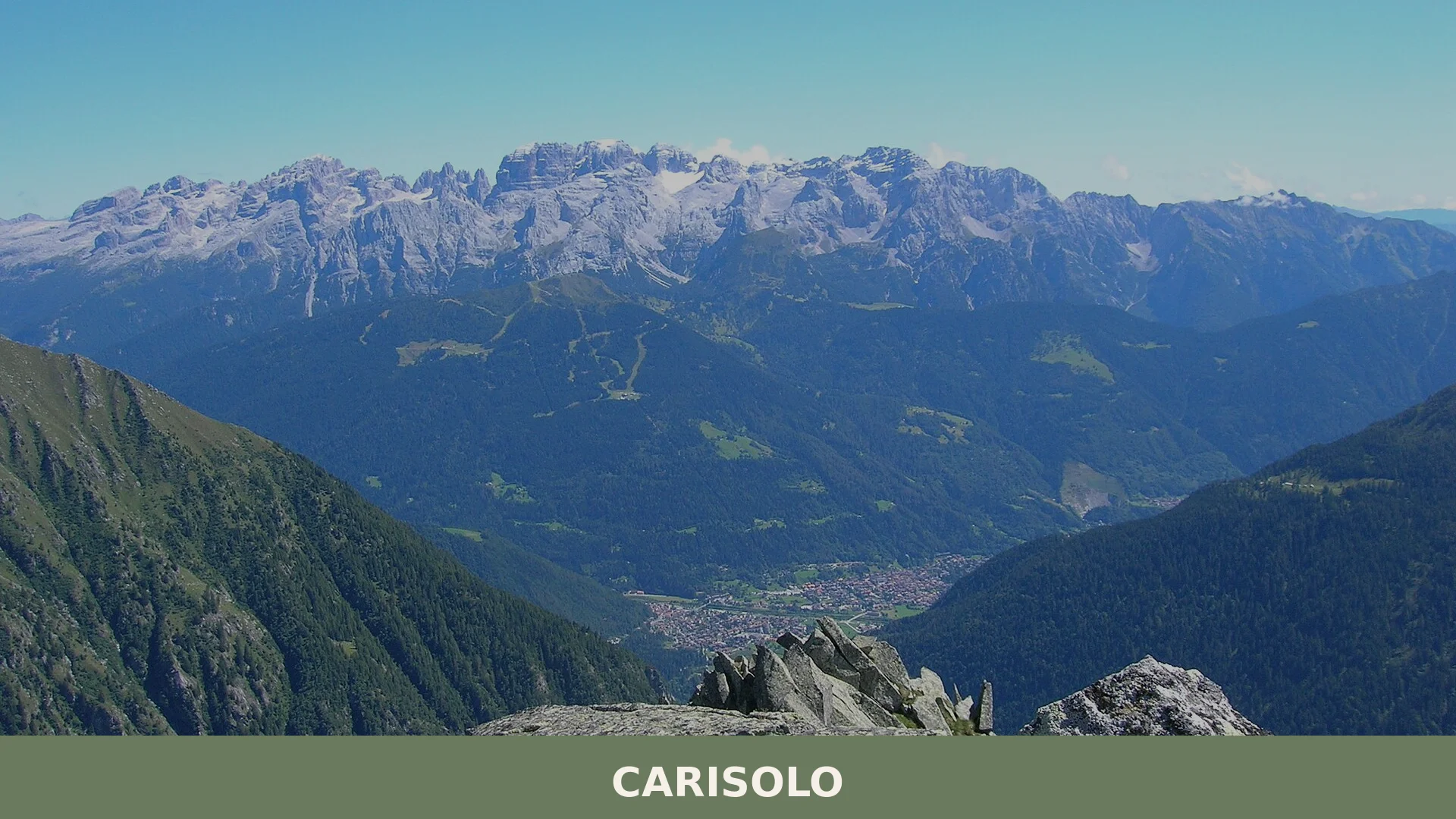
Carisolo
 Mountain
Carisolo is a mountain village of around 910 inhabitants in Val Rendena, province of Trento, standing at 813 metres and offering medieval religious heritage, a historic glassworks and direct access to
Discover Carisolo
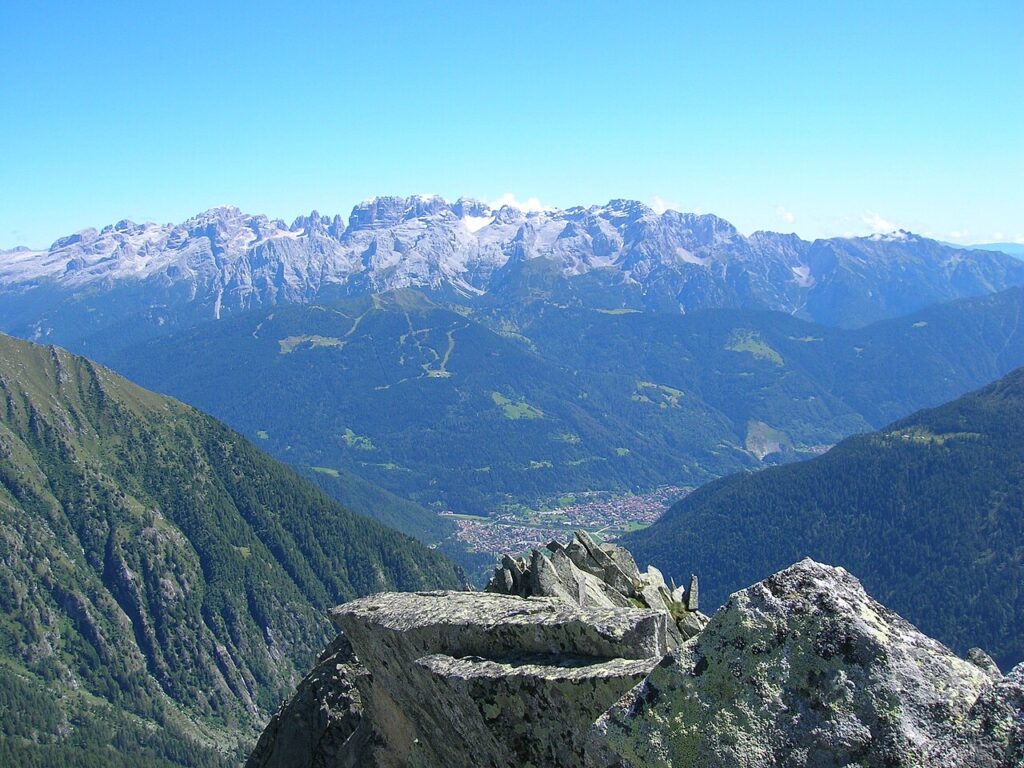
Carisolo is a mountain village of around 910 inhabitants in the Val Rendena, province of Trento, standing at 808 metres above sea level and covering approximately 24.75 square kilometres of terrain that includes both the slopes near the village centre and the more remote lake district of Val Nambrone. It sits at the entrance to Val Genova and Val di Campiglio, roughly 59 kilometres from Trento and about 5 kilometres from Pinzolo, with a large part of its territory protected within the Adamello-Brenta natural park, the most extensive protected area in Trentino.
Carisolo village in Trentino-South Tyrol carries a layered past shaped by documentary records going back to 1244, by a succession of devastating fires — one in 1790, another in 1873 — and by the resilience of a community that rebuilt repeatedly and recovered its administrative independence in 1952 after a period of forced merger under Fascism. Today the village offers visitors an ancient hermitage on the slopes of Monte Lancia, a reconsecrated medieval church on a rocky spur above the valley, a restored glassworks complex that traces an unexpected industrial chapter in these mountains, and direct access to trails, lakes and summits within one of the Alps’ most significant protected landscapes.
Carisolo village in Trentino-South Tyrol: history, fires and resilience
Carisolo is a mountain village in the Val Rendena whose recorded history stretches back to at least the mid-thirteenth century, marked by repeated destruction from fire, flood and landslide, a period of suppressed autonomy under Fascism, and a long process of communal reconstruction that continued into the twentieth century. The earliest documentary evidence for its religious life dates to 1244, when the church of Santo Stefano received its first written mention in a parchment now preserved at the church of Giustino. In the first half of the fifteenth century the building was substantially remodelled — its orientation shifted from east to south — and in 1454 it was reconsecrated in the form that survives today. The eremo di San Martino, on the southern slopes of Monte Lancia, is attested even earlier, already existing by 1312, and functioned as a place of hermitage until the eighteenth century.
Fire proved the defining threat to the village across several centuries. An outbreak on 5 August 1790, starting before dawn, reduced Carisolo to ruins within an hour and cost six lives. A further fire in 1857 was checked largely because residents of nearby Pinzolo rushed to help. The most devastating blaze came on 19 August 1873, ignited by a lightning strike: only three houses survived, and neither the church nor the campanile was spared. Alongside these disasters, the river Sarca brought recurring floods and landslides that compounded the damage. In 1736 Carisolo achieved the ecclesiastical milestone of becoming an autonomous curacy, and in 1751 the church of San Nicolò was opened for worship as the new parish church, at which point Santo Stefano took on the role of a cemetery church.
The early twentieth century brought the hardships of the First World War. From 1915, owing to its position at the entrance to Val Genova, Carisolo found itself directly involved in the fighting until 2 November 1918, when Italian Alpine troops entered the village. Those years later formed the subject of the novel La penna del Corvo Bianco by Stefano Squassina. In 1928, during the Fascist period, the commune of Carisolo was dissolved and merged with Pinzolo, together with the neighbouring communes of Giustino and Massimeno. Autonomy was restored in 1952 when all three communes were re-established as independent municipalities. Decades later, a proposal to reunite Carisolo, Giustino and Massimeno into a single new commune was debated but ultimately came to nothing.
Churches, an Hermitage, and an Ancient Glassworks
Carisolo’s main sites include the medieval church of Santo Stefano with its cycle of frescoes by Simone II Baschenis, the parish church of San Nicolò, the hermitage of San Martino at 808 metres, and the restored buildings of the Antica Vetreria — Fondazione Maria Pernici.
Church of Santo Stefano
The church stands on a spur of rock just above the village, at 808 metres, at the entrance to Val Genova. Its first documented mention dates to 1244, in a parchment preserved at the church of Giustino. During the first half of the fifteenth century the building was reoriented from east to south, and in 1454 it was reconsecrated in its current form. The architecture is broadly Gothic, adapted to the particular conditions of the site.
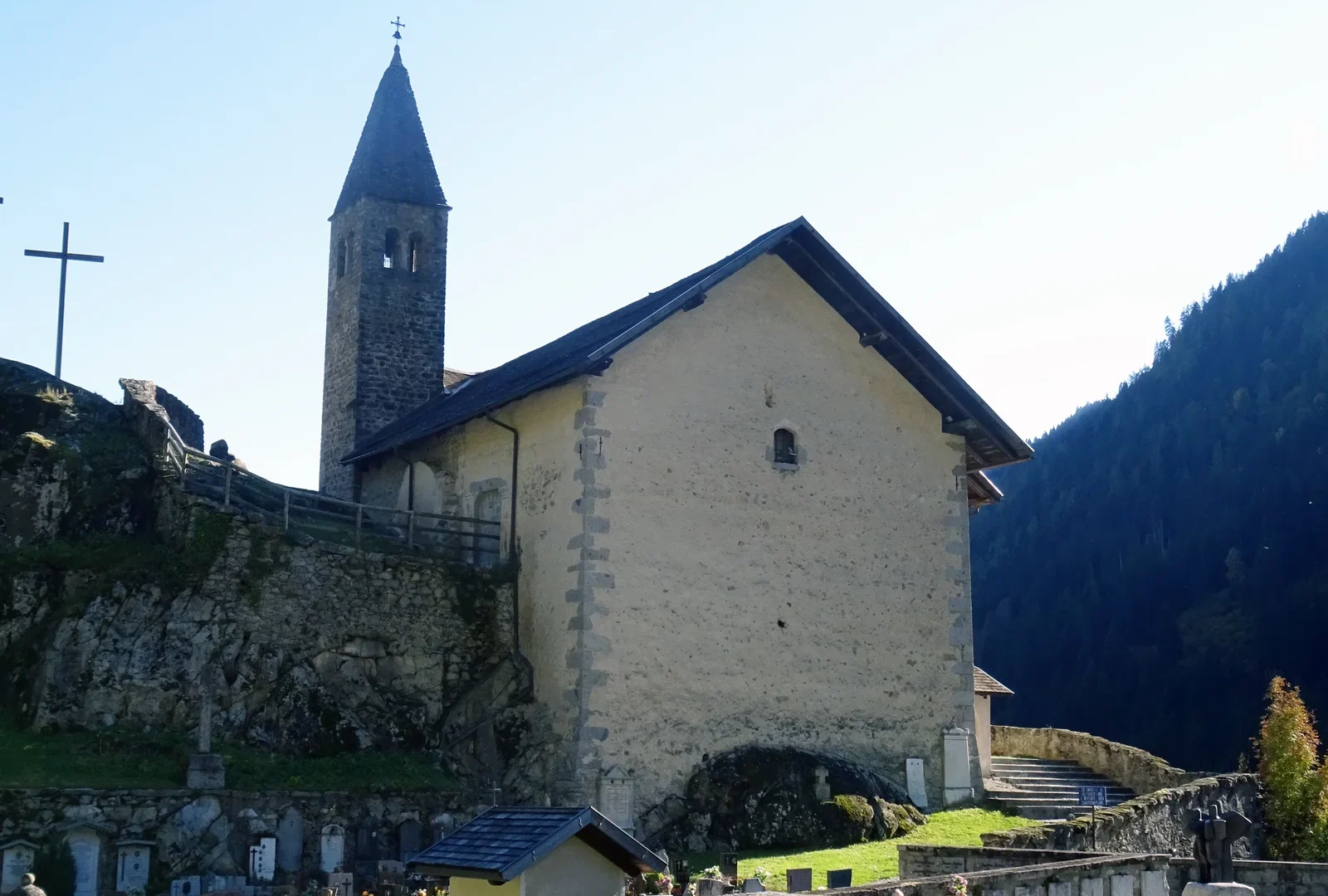
The interior is dominated by the fresco cycle attributed to Simone II Baschenis. On the left wall, a Madonna and Child shows markedly fine and delicate features. The right wall carries three horizontal bands: the Last Supper at the top, a procession of saints in the middle, and a small Christ Child below. The Last Supper follows a compositional formula recurring in other Baschenis works across the Trentino and the Bergamo area: all the apostles are seated on one side of a white-covered table, with symbolic foods, and a thirteenth figure in the foreground receiving communion from Christ — a detail interpreted as a representation of Judas Iscariot. Among the frescoes of Prophets and Kings of Israel, the figure of Daniel is identifiable. After 1736, when Carisolo became an autonomous curacy, and especially after 1751 when San Nicolò opened, Santo Stefano served as the village cemetery church. Beside the building, three crosses mark a symbolic Golgotha on the same rocky outcrop.
Hermitage of San Martino
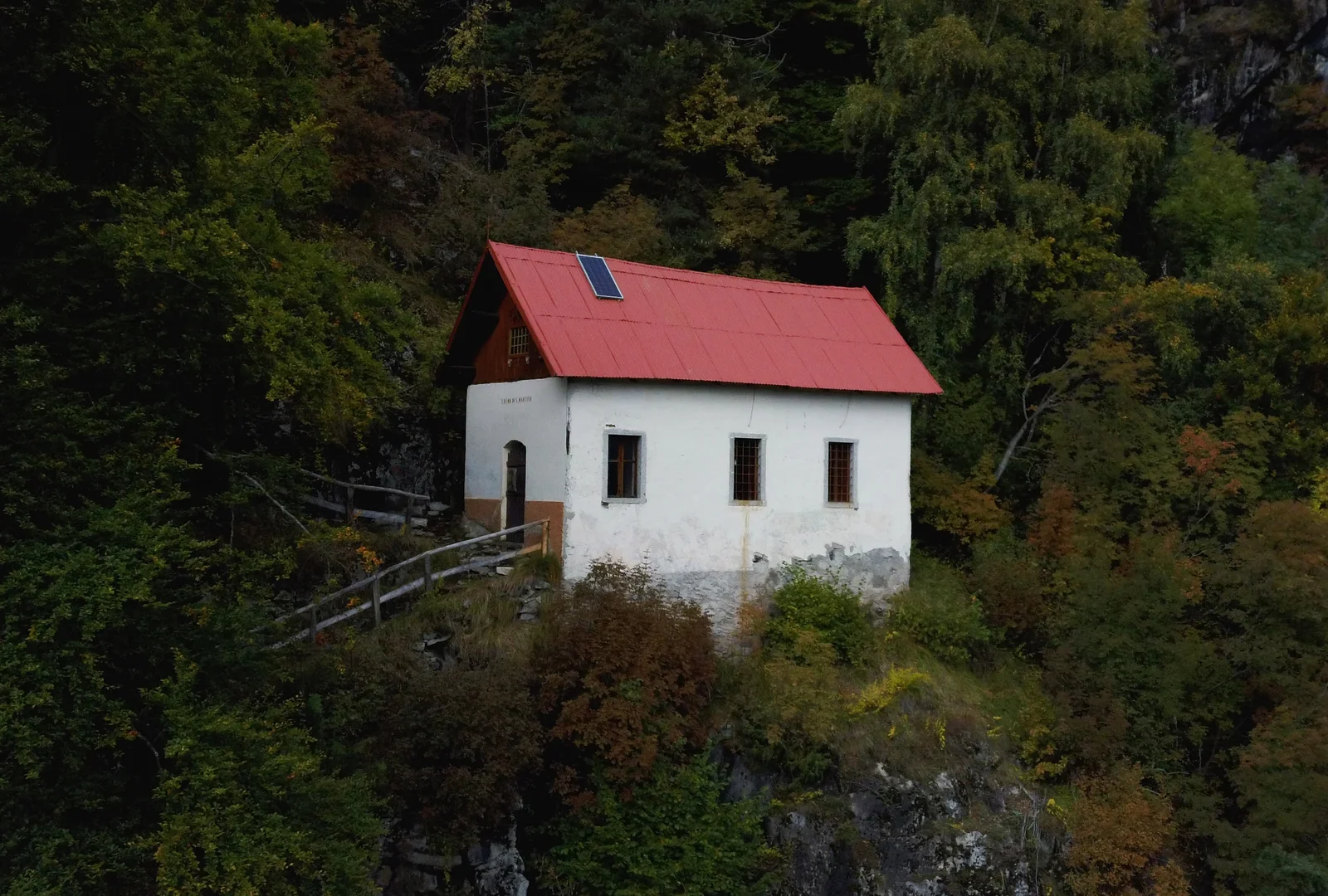
The hermitage sits on the southern slopes of Monte Lancia at 808 metres, at the entrance to Val Genova. It is documented as early as 1312 and served as a place of eremitic retreat until the eighteenth century. A mass is celebrated there each year on the feast of San Martino. The small forecourt offers a view towards the Brenta peaks and the Sarca plain.
Church of San Nicolò
San Nicolò is the parish church of Carisolo, opened for worship in 1751.
Antica Vetreria — Fondazione Maria Pernici
The Fondazione Maria Pernici has brought back to light the history of Carisolo’s former crystal factory. The restored buildings now function as a tourist residence. The site preserves the old quartz mill, with a reconstructed granite millstone used for crushing the mineral and the water wheel that powered it. A short walk — retracing the route once taken by the glassworkers — leads to the Casa delle Maestranze, where the craftsmen and their families lived, and then to the ruins of the large Halle that housed the furnace.
Flavours of the Val Rendena: What to Eat Around Carisolo
Carisolo sits within a province whose food traditions include several certified products: Carne Salada del Trentino IGP, Mele del Trentino IGP, Mela Val di Non DOP, Grana Padano DOP, Asiago DOP, and Garda DOP olive oil. None of these is exclusive to Carisolo itself — they belong to the broader Trentino and provincial heritage — but all are readily found across the area and offer a genuine taste of the region.
Among the traditional preparations listed for the territory, distillati di frutta trentina, acquavite di ginepro, and sciroppo di lampone reflect the mountain character of the valleys. Sciroppo di sambuco — known locally also as conserva de sambùc or Dulzen — alongside sciroppo di mirtillo nero and ribes nero speak to the wild-berry landscape that surrounds the village. Amaro Valle di Ledro and the herbal Stomatica foletto round out a picture of spirits and liqueurs rooted in alpine plant traditions. The acquavite di Imperatoria and Picco rosso complete the range of local distillates produced in this corner of Trentino.
Reaching Carisolo and Planning Your Stay in the Adamello Brenta Park
Carisolo lies 59 kilometres from Trento along the Val Rendena, at 808 metres above sea level, and is reachable from Pinzolo in approximately 5 kilometres and around 10 minutes by road — making it a straightforward destination whether you approach from the provincial capital or from the nearby valley centre. The village is open to visitors in both summer and winter, consistent with its ISTAT classification as a comune with a mountain tourism vocation, and the surrounding Adamello Brenta Natural Park — the largest protected area in Trentino — gives the territory year-round outdoor appeal.
Summer opens access to the higher ground: the Cima Lancia at 808 metres, the malghe Geridol and Sarodul, the Bivacco Massimo Nella, and the lakes of Cornisello in Val Nambrone with their rifugio and malga. The Cammino San Vili, a 97-kilometre pilgrimage route, also passes through this part of Trentino for those seeking a longer journey on foot. Winter draws visitors to the Val di Campiglio area, whose access begins at the imbocco just above the village. Travellers coming from Trento will find the drive along the Sarca valley one of the more scenic approaches in the region; those already exploring the lower Trentino villages — such as Aldeno or Albiano — can include Carisolo as a mountain counterpoint to an itinerary through varied altitudes.
| Departure | Distance | Time |
|---|---|---|
| Trento | 59 km | approx. 55–65 min |
| Pinzolo | approx. 5 km | approx. 10 min |
These practical references help organise the journey clearly, while the village itself is best understood slowly and on foot once you arrive.
Frequently asked questions about Carisolo
How do you get to Carisolo from Trento or other major cities?
From Trento, take the A22 motorway northbound and exit at Trento Nord or Lago di Garda Nord, then follow the SS239 through Tione di Trento and Val Rendena — a drive of roughly 59 kilometres. The nearest railway station is Trento; from there, Trentino Trasporti operates bus services through Pinzolo toward Val Rendena. Pinzolo, approximately 5 kilometres away, is the main local hub for connections into the valley.
When is the best time to visit Carisolo?
Summer (June to September) is ideal for hiking, lake visits and exploring Val Genova and Val Nambrone. Winter attracts skiers heading to the Madonna di Campiglio ski area, easily reachable from the village. A particularly evocative moment is 6 December, the feast of the patron saint San Nicolò, when the village celebrates with local traditions. Spring and autumn offer quieter visits with lush scenery inside the Adamello-Brenta Natural Park.
What outdoor activities and hiking trails are available near Carisolo?
Carisolo sits at the gateway to Val Genova, one of the most scenic valleys in the Adamello-Brenta Natural Park, offering marked CAI trails leading to waterfalls, alpine lakes and high-altitude refuges. Val Nambrone, within the municipal territory, provides access to a cluster of mountain lakes popular with hikers. The wider network connects to the Adamello and Brenta Dolomites massifs, with routes suited to both casual walkers and experienced mountaineers.
How long should you plan to spend in Carisolo?
A half-day is enough to visit the village centre, its historic churches and the restored glassworks complex. To explore Val Genova properly — including its waterfalls and park trails — allow a full day. Visitors combining Carisolo with Val Nambrone lakes, the Monte Lancia hermitage and nearby Pinzolo should plan at least two days. Staying overnight gives access to early-morning trails before day-trippers from Madonna di Campiglio arrive.
Are there accommodation options in and around Carisolo?
Carisolo and the surrounding Val Rendena offer a range of accommodation including small hotels, B&Bs and agriturismos typical of Trentino mountain villages. The nearby town of Pinzolo, just 5 kilometres away, provides a wider selection of hotels and holiday apartments, particularly oriented toward ski and hiking tourism. For confirmed availability and current listings, the official tourism portal Visittrentino.info and the APT Valle di Campiglio Dolomiti di Brenta office are reliable sources.
📷 Photo Gallery — Carisolo
In Trentino-South Tyrol More villages to discover
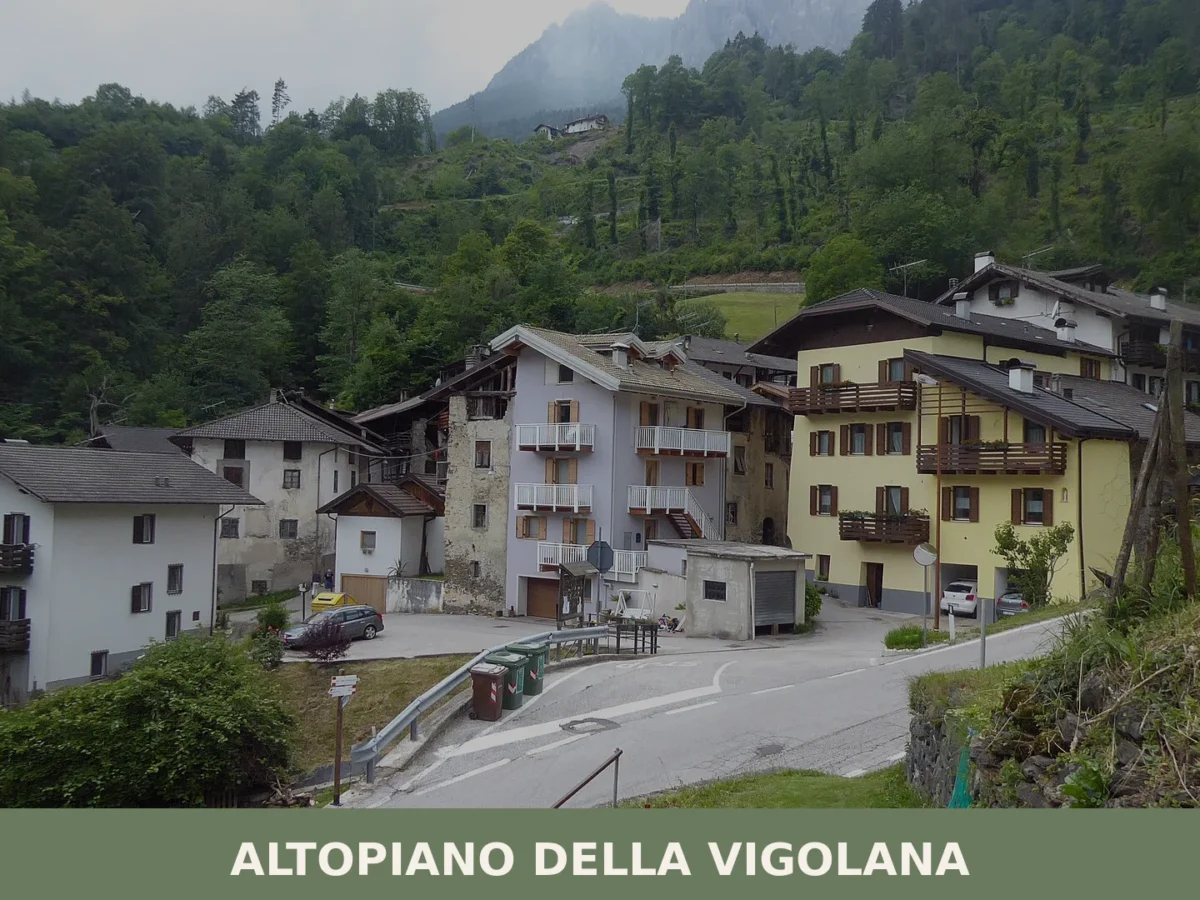
Altopiano della Vigolana
Mountain
Five thousand inhabitants spread across four frazioni at 725 metres altitude. Roman roads, medieval churches and a 2015 municipal reunification anchor this mountain village in the Upper Valsugana.
Campo Tures
Mountain
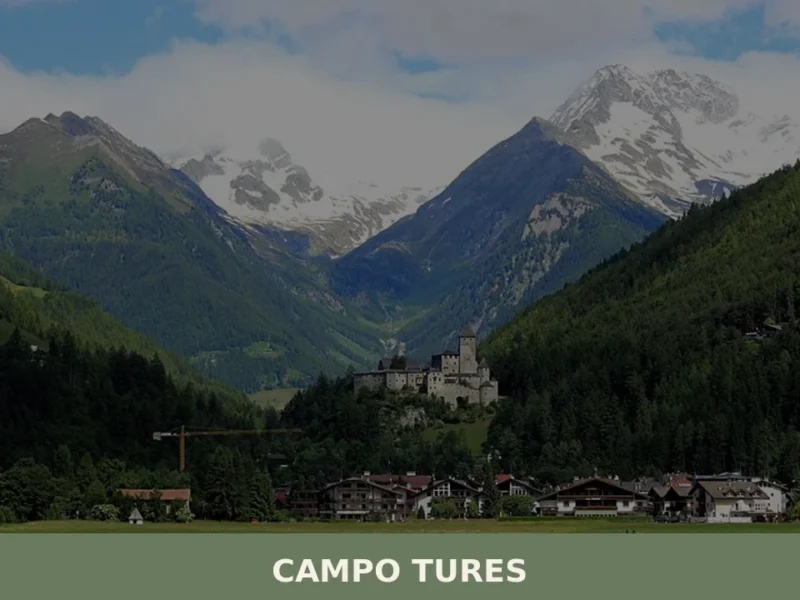
Tures Castle, first documented in 1136, dominates Campo Tures from a rocky spur at the entrance to the Tures Valley, a side valley of the Aurina Valley. The village has 5,321 inhabitants, spread across an elevation of 864 metres, in a basin where the Aurino torrent slows before continuing south. Understanding what to see in […]
Caines
 Hills
Hills
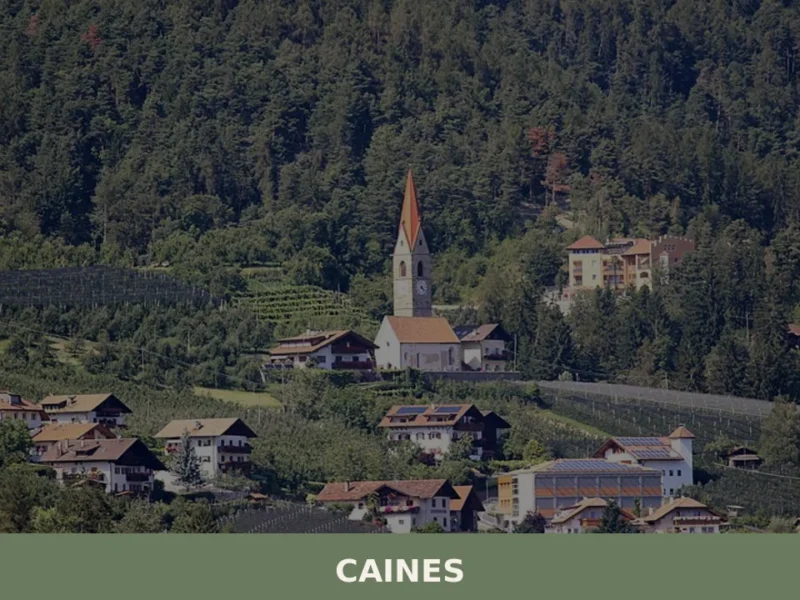
With just 398 registered inhabitants and an elevation of 592 metres above sea level, Caines — Kuens in German — is one of the smallest municipalities in the province of Bolzano. It extends across the sun-facing slope of the middle Passiria Valley, a few kilometres from Merano, on a natural terrace overlooking the confluence of […]
Campo di Trens
Mountain
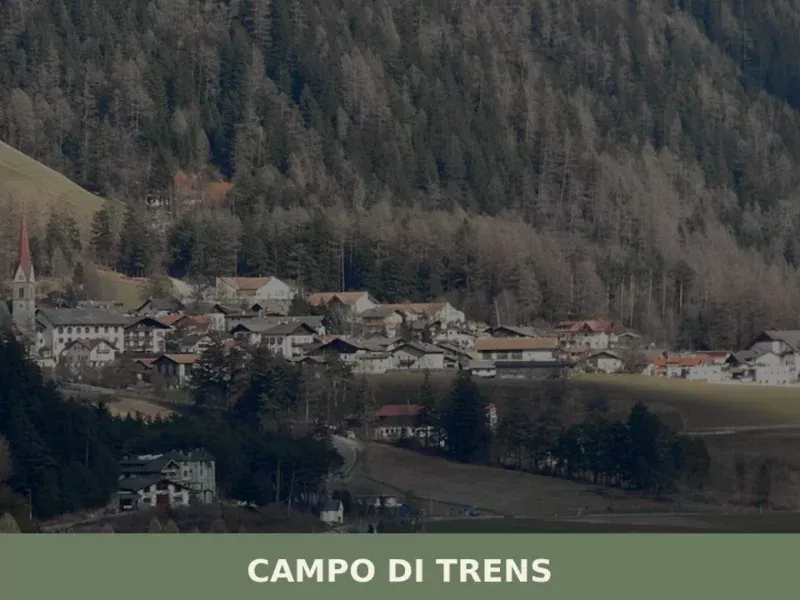
At 937 metres above sea level, along the Isarco valley between Vipiteno and Fortezza, the municipality of Campo di Trens has 2,679 inhabitants spread across the hamlets of Trens, Stilves and Mules. Anyone looking into what to see in Campo di Trens will find an area where the German language predominates — the official German […]
Bressanone
Hills
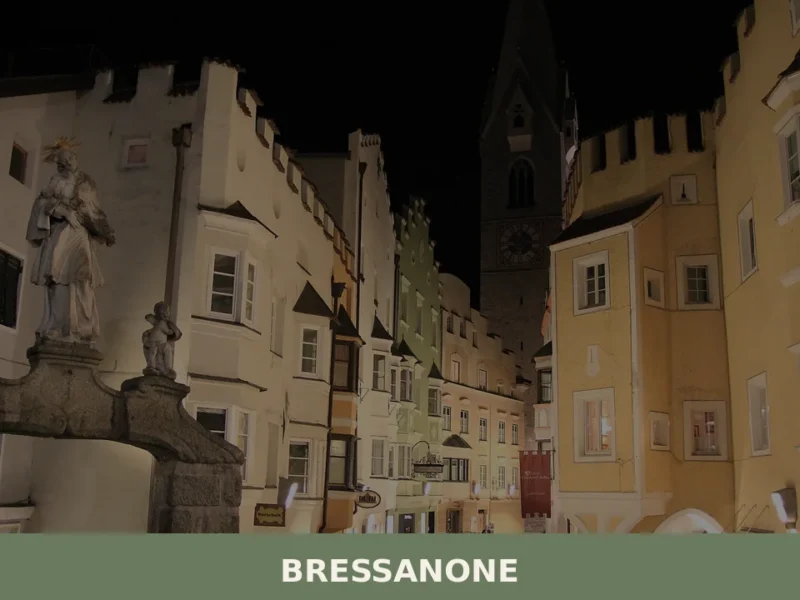
Bressanone is the oldest city in Tyrol, with a bishopric founded around 990 AD that shaped the urban, economic and cultural structure of the entire valley for centuries. Situated at 559 metres above sea level, at the point where the Rienza river flows into the Isarco, the city has a current population of 22,816 and […]
Anterivo
Mountain
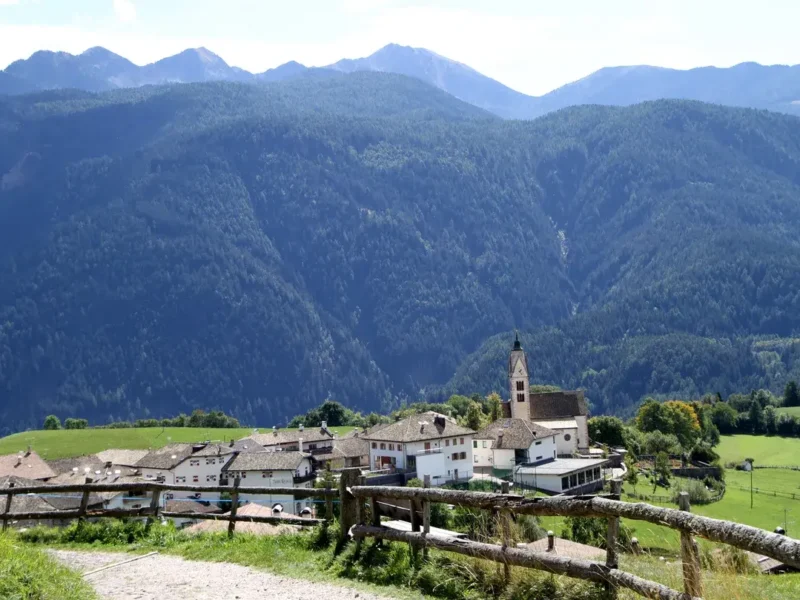
In the valleys of Trentino-Alto Adige, at 1209 meters above sea level, lies Anterivo, a small mountain village with just 393 inhabitants. Here, the rhythm of life is dictated by the surrounding nature, with coniferous forests embracing wooden and stone houses, and the crisp air carrying the scent of alpine pastures. In this article History […]
Badia
Mountain
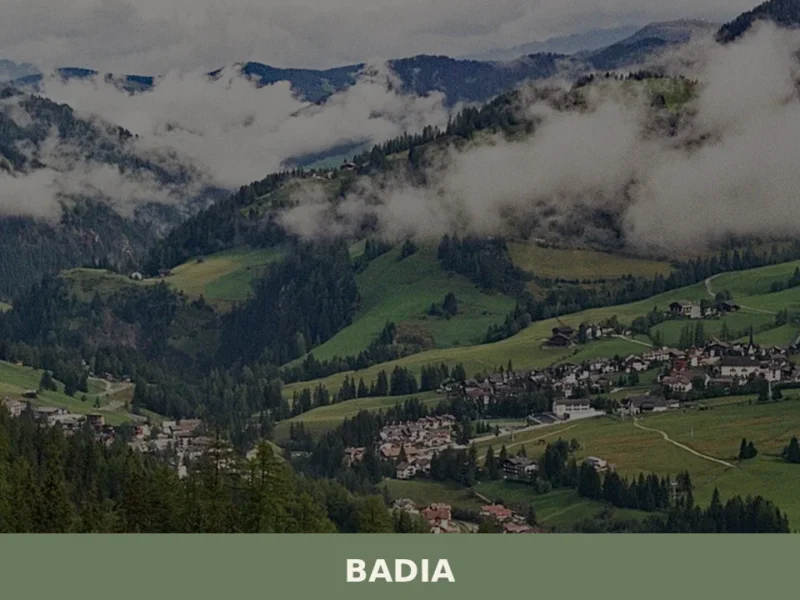
Badia has 3,396 inhabitants spread across six hamlets — San Leonardo, Pedraces, La Villa, San Cassiano, La Val and Antermoia — and occupies a stretch of the Val Badia where Ladin is the mother tongue for over ninety per cent of the population. Understanding what to see in Badia means entering a Dolomite valley where […]
Aldeno
Mountain
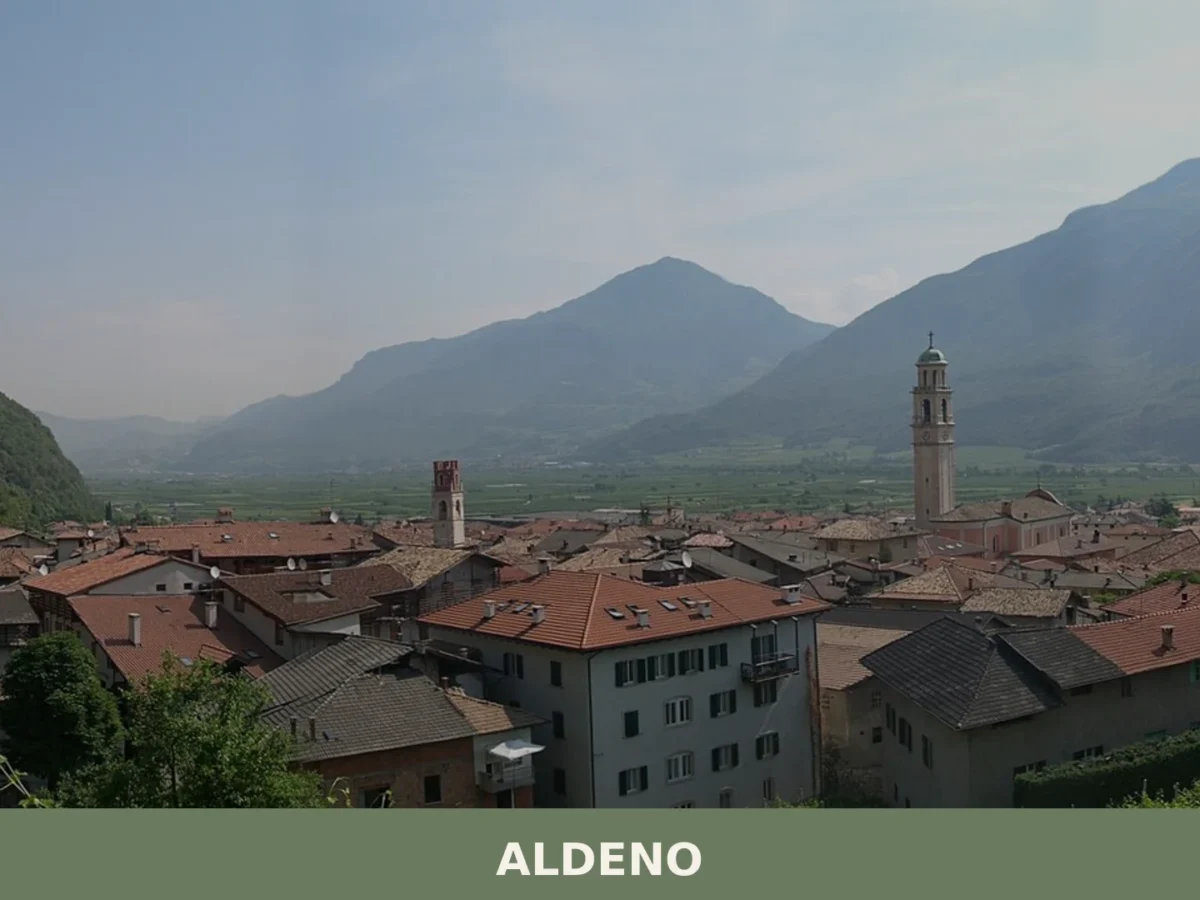
A 3,374-inhabitant comune on the Adige's bank, Aldeno blends prehistoric trade crossings with baroque churches and the memory of the Austro-Hungarian Great War command.

Trento
 Plains
What to see in Trento, a city of 119,359. Discover its Duomo, Castello del Buonconsiglio, and typical cuisine. Explore its rich Council history.
Braies
Mountain
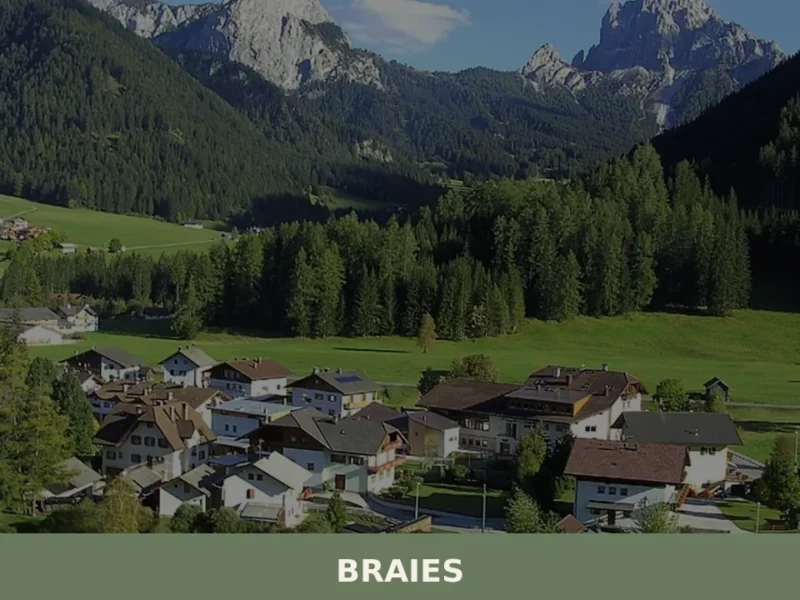
Lake Braies, sitting at 1496 metres above sea level, is the deepest natural lake in South Tyrol: 36 metres at its maximum point, fed by underground springs that filter through the Dolomite rock. This geological fact alone explains why hundreds of thousands of people reach this side valley off the Puster Valley every year. But […]
🏡 Know Carisolo better than we do?
If you’re a local or have been there, your knowledge matters: add what’s missing or fix a detail on this page.