


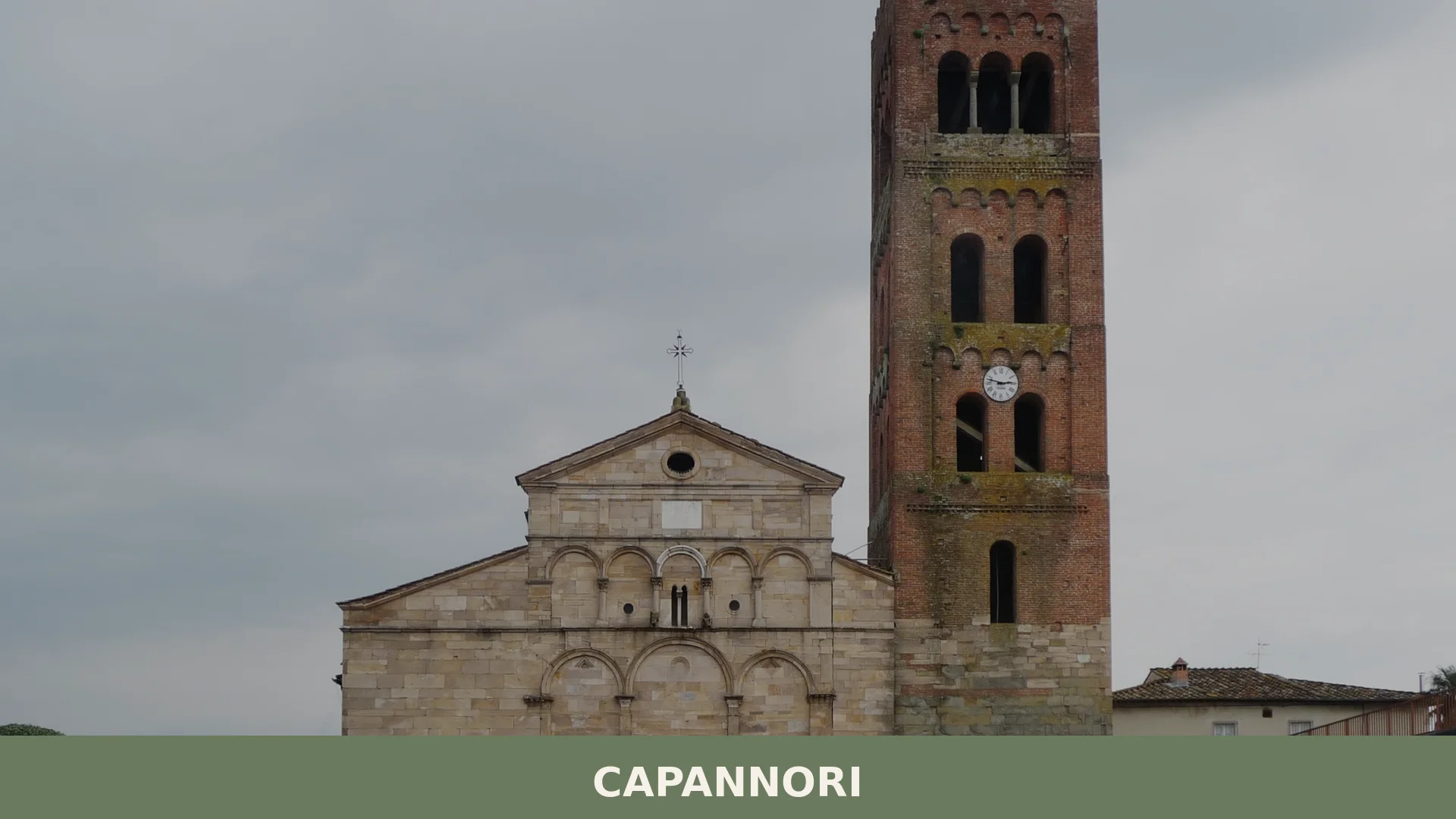

Capannori is a large, multi-hamlet municipality in the province of Lucca, where Baroque villas, medieval churches and the Via Francigena pilgrim route unfold across the Piana di Lucca.
Discover Capannori
Capannori is a municipality of around 46644 inhabitants in the province of Lucca, Toscana, occupying roughly 156.6 square kilometres of the Piana di Lucca and extending north toward the Altopiano delle Pizzorne and south to the slopes of the Monte Pisano and the Compitese. Sitting at about 15 metres above sea level, it is one of the largest comuni by area in its province and was recognised with the honorary title of Città by President Sergio Mattarella on 27 February 2017. The town lies approximately 5 kilometres and ten minutes from Lucca, around 25 kilometres and thirty minutes from Pisa, and roughly 20 kilometres and twenty-five minutes from Borgo a Mozzano.
Scattered across dozens of hamlets — among them Marlia, Segromigno in Monte, Tassignano, Vorno and Castelvecchio di Compito — the Capannori village in Tuscany presents a layered landscape where working paper mills and farms sit alongside Baroque villas, medieval pievi, and stretches of the Via Francigena pilgrim route, together offering the kind of unhurried, textured journey that rewards visitors who move beyond the better-known centres of the region.
History of the Capannori village in Tuscany: from medieval origins to the present day
Capannori’s recorded history begins around 745, when a monk settled in the area and built a chapel dedicated to San Quirico, drawing other inhabitants to cluster around it and establishing what would grow into a significant agricultural centre serving nearby Lucca. Through the medieval period the settlement’s exposed position made it a repeated target: Pisan and Florentine forces attacked repeatedly, obliging the Republic of Lucca to strengthen the town’s defences. The Pisan army invaded outright in 1313, but the Lucchese condottiere Castruccio Castracani drove them out and subsequently extended Lucca’s reach across a wide territory that came to include Luni, Pisa, Pistoia and Volterra.
Capannori’s administrative standing grew considerably in 1673, when it was designated the seat of the Commissariato delle Sei Miglia, a jurisdiction that grouped together the districts of Capannori, Massarosa, Pescaglia and Borgo a Mozzano. That role ended with the Napoleonic conquest, after which the commissariat was relocated to Lucca. Following the Congress of Vienna, the town became part of the Duchy of Lucca, remaining so until 1847, when the Lucchese state was absorbed into the Grand Duchy of Tuscany.
The Second World War left a direct mark on the territory. A prisoner-of-war camp for Anglo-American soldiers opened in the Compitese area in the summer of 1942; by the end of 1943 the Italian Social Republic had converted it into a concentration camp for Jewish detainees and political prisoners. During 1943 and 1944 a number of Jewish families also sought refuge in the wider municipality, though eight arrests were recorded in the hamlet of Marlia. The local council has since established a commemorative itinerary linking the sites connected to those events. On 27 February 2017, President of the Republic Sergio Mattarella conferred on Capannori the honorary civic title of Città.
Villas, Churches and Museums across Capannori’s Hamlets
Capannori holds a substantial collection of historic villas, medieval churches spread across dozens of hamlets, two rural-life museums, an archaeological museum, and a protected natural area — all within a municipal territory of around 156.6 square kilometres on the Piana di Lucca.
Villa Mansi at Segromigno in Monte
The first floor of Villa Mansi is open to visitors and contains rooms frescoed by Stefano Tofanelli (1752–1812), along with paintings attributed to Pietro Longhi, Salvator Rosa, Bernardo Bellotto and Pompeo Batoni. Eighteenth-century furniture from Lucca and Venice completes the interior. The surrounding park combines a formal Italian-style section with an English landscape garden.
Villa Reale di Marlia
The villa’s park extends southward from the main façade, opening onto a broad sloping lawn that ends at a lake set in precise axial alignment with the building. To the south-east, partly concealed by woodland, stands a Renaissance nympheum associated with the Villa del Vescovo. The baroque garden to the north-east of the villa is laid out with outdoor garden rooms and fountains; behind the villa, a seventeenth-century water theatre survives as a further example of the baroque layout.
Churches
The municipal area contains a large number of historic churches distributed across its hamlets. Among those recorded in the sources: the Pieve di San Gennaro, the Pieve di San Frediano, the Chiesa di San Leonardo in Treponzio, the Chiesa dei Santi Quirico e Giulitta, and the Chiesa di San Cristoforo. The Chiesa di San Pietro a Marcigliano preserves a Sacra Conversazione painted in 1548 by Zacchia il Vecchio. Other churches include the Pieve di San Paolo, the Pieve di San Lorenzo, the Chiesa di San Bartolomeo a Ruota, the Chiesa di San Colombano, the Chiesa dei Santi Donato e Biagio in Carraia, the Badia di San Bartolomeo, the Chiesa di San Giorgio a Parezzana, and several further parish churches at Lammari, Matraia, Tassignano, Tofori, Compito, Ducentola and Marlia.
Acquedotto del Nottolini
The Acquedotto del Nottolini is listed among the civil architectural heritage within the municipal territory.
Further Civil Architecture
Several historic villas are recorded within the commune: Villa Torrigiani at Camigliano, Villa Minutoli-Tegrimi at Vorno, Villa Mazzarosa and Villa Mansi at Segromigno in Monte, Villa Banchieri at Lunata, Villa Guinigi at Matraia, Villa e Fattoria di Petrognano, and Villa Fanini at Gragnano.
Museums
The Museo Archeologico ed Etnografico Athena, situated in the centre of Capannori, grew from earlier exhibitions of archaeological material recovered from the municipal territory, including a display first mounted at Palazzo Pera in 1987 and a permanent installation opened in December 2003 at the local archaeological group’s premises in Segromigno in Monte. The collection was subsequently relocated and, from 2010, developed through collaboration between the Comune di Capannori, the Soprintendenza per i Beni Archeologici della Toscana, the Istituto Storico Lucchese and the Gruppo Archeologico Capannorese. The museum also includes a section dedicated to the explorer Carlo Piaggia. It serves as a credential point for pilgrims walking the Via Francigena.
The Mostra Permanente degli Attrezzi di Vita Contadina, organised by the Associazione Culturale La Ruota, reconstructs rural domestic and working environments — among them an old kitchen, a bedroom, a weaving room, a wine cellar and a blacksmith’s workshop — and holds a collection of carts, harrows, ploughs, agricultural machinery, water pumps and threshing equipment.
The Museo Contadino della Piana di Lucca is a permanent ethnographic display covering local peasant culture and related crafts from the nineteenth and twentieth centuries. Objects, period documents, photographs and explanatory drawings illustrate the crops historically grown on the Piana di Lucca, including wheat, maize, sorghum, beans, hemp, flax and mulberry, alongside some reconstructed period settings.
Protected Natural Area
In 1997 the Comune established the Area Naturale Protetta di Interesse Locale “Bosco del Bottaccio della Visona” in the hamlet of Castelvecchio, on the boundary with the Province of Pisa. The area protects one of the few remaining wetlands in north-western Tuscany. Its woodland is characterised by a hygrophilous formation of black alder (Alnus glutinosa) and by stands dominated by pedunculate oak (Quercus robur). The pool formed by the Rio Visona supports aquatic species including Hydrocharis morsus-ranae and Utricularia australis, as well as newts and other amphibians. Migratory birds — among them storks and little egrets — have been recorded here. The area faces pressure from several invasive species, including the coypu (Myocastor coypus), Louisiana red swamp crayfish (Procambarus clarkii), box elder (Acer negundo) and black locust (Robinia pseudoacacia).
Tastes of the Capannori Territory: Certified Products and Local Traditions
Capannori sits within a province and region that hold several certified food products, with the Colline Lucchesi DOC and Montecarlo DOC wines among the most locally rooted, alongside regional IGP and DOP designations including Cantuccini Toscani, Finocchiona, and Farina di Neccio della Garfagnana. The territory belongs to the broader Lucca district, where olive oil, cereals, and preserved meats have shaped the rural economy for generations.
The agricultural identity of the Capannori plain is documented in concrete detail by two permanent ethnographic collections. The Museo Contadino della Piana di Lucca preserves objects, photographs, period documents, and explanatory drawings related to the crops historically grown in the area — grain, maize, sorghum, beans, hemp, flax, and mulberry — together with tools linked to local crafts. The Mostra Permanente degli Attrezzi di Vita Contadina, created by the Associazione Culturale La Ruota, recreates the physical spaces of rural life: the old kitchen, the bedroom, the loom room, the wine cellar, the farmyard, and the blacksmith’s workshop, filled with carts, harrows, wooden and iron ploughs, sowing machines, hydraulic wheels, irrigation pumps, and threshing machines.
Among the regional PAT (traditional agri-food products) associated with this part of Tuscany, a number of traditional liqueurs and bitters are recorded, including Alkermes and China Massagli. Wines from the Costa Toscana IGT zone also cover the broader area. None of these should be read as exclusive specialities of the municipality itself, but they form the flavour landscape that surrounds a visit to Capannori.
Planning your visit and getting there
Capannori can be reached easily from the lower Val Pellice and the Turin area. The practical distances and journey times below are kept concise on purpose, so the access information stays clear and consistent.
| Departure | Distance | Time |
|---|---|---|
| Lucca | approx. 5 km | approx. 10 min |
| Pisa | approx. 25 km | approx. 30 min |
| Firenze | approx. 75 km | approx. 1 hour |
| Borgo a Mozzano | approx. 20 km | approx. 25 min |
These practical reference points are enough to plan the journey without overloading the text with unstable logistics. Once on site, the village is best understood slowly, on foot and in relation to the surrounding landscape.
Frequently asked questions about Capannori
How far is Capannori from Lucca, Pisa, and other major towns?
Capannori lies approximately 5 kilometres and ten minutes from Lucca by car. It is situated around 25 kilometres and thirty minutes from Pisa, and roughly 20 kilometres and twenty-five minutes from Borgo a Mozzano. The municipality's central location within the province of Lucca makes it easily accessible for day trips or as a base for exploring the broader Tuscany region.
What is the best time to visit Capannori?
July is particularly significant, as Capannori celebrates the feast of its patron saint, Madonna del Carmine, on 16 July. This festival offers an authentic glimpse into local traditions and community life. Spring and autumn provide pleasant weather for exploring the village's hamlets, villas, and countryside. Summer allows full access to outdoor routes and the Via Francigena pilgrim path.
What hamlets and localities make up Capannori?
Capannori encompasses dozens of hamlets scattered across its 156 square kilometre territory. Notable settlements include Marlia, Segromigno in Monte, Tassignano, Vorno, and Castelvecchio di Compito. These hamlets blend medieval architecture with Baroque villas, historic churches (pievi), and working mills, creating a layered landscape characteristic of the Piana di Lucca.
How long should I plan to spend visiting Capannori?
A full day allows exploration of multiple hamlets and key monuments. However, to properly experience the layered landscape—including villas, medieval churches, and sections of the Via Francigena—consider two to three days. This unhurried pace suits the village's character and rewards visitors who move beyond Tuscany's better-known centres.
Is Capannori suitable for pilgrims on the Via Francigena?
Yes, Capannori sits along stretches of the Via Francigena pilgrim route, offering a documented waypoint for those walking between Rome and Santiago de Compostela or to the shrines of northern Europe. The village's network of hamlets, rural landscape, and historical churches provide both spiritual and practical support for pilgrims passing through the region.
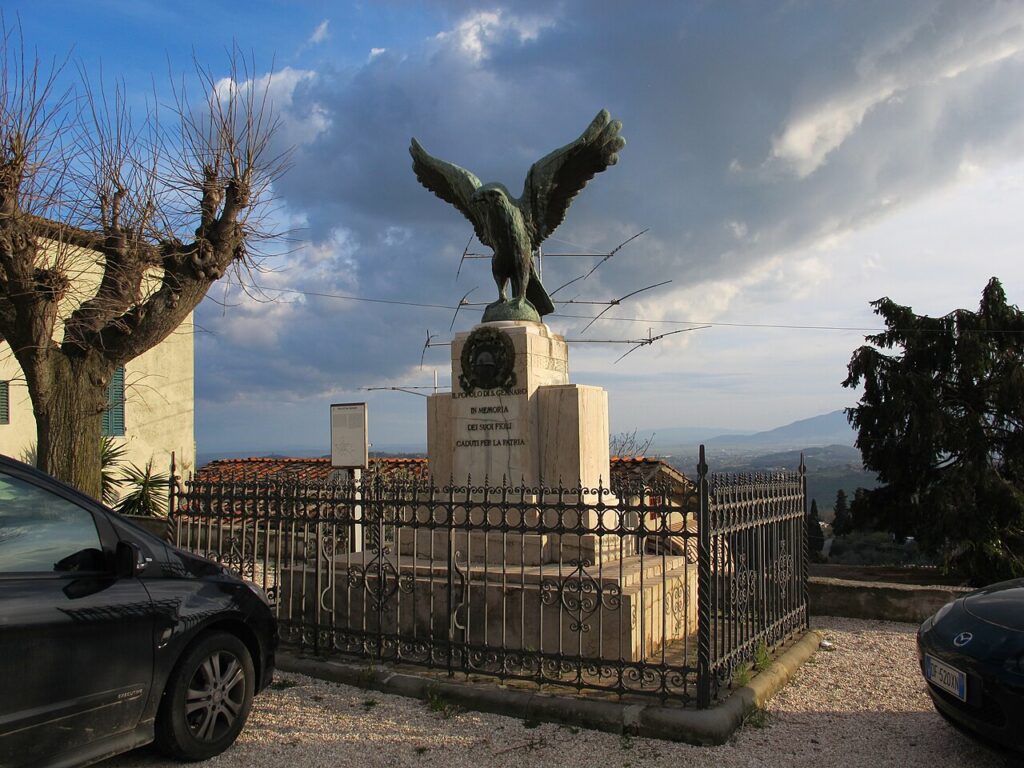
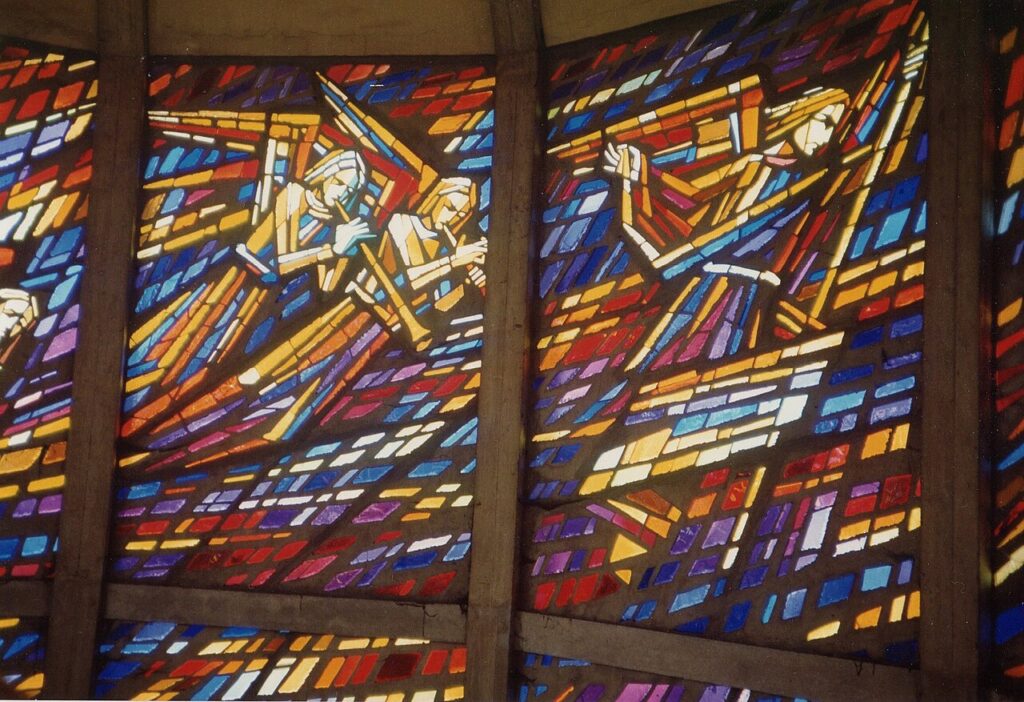
📷 Photo Gallery — Capannori



In Tuscany More villages to discover
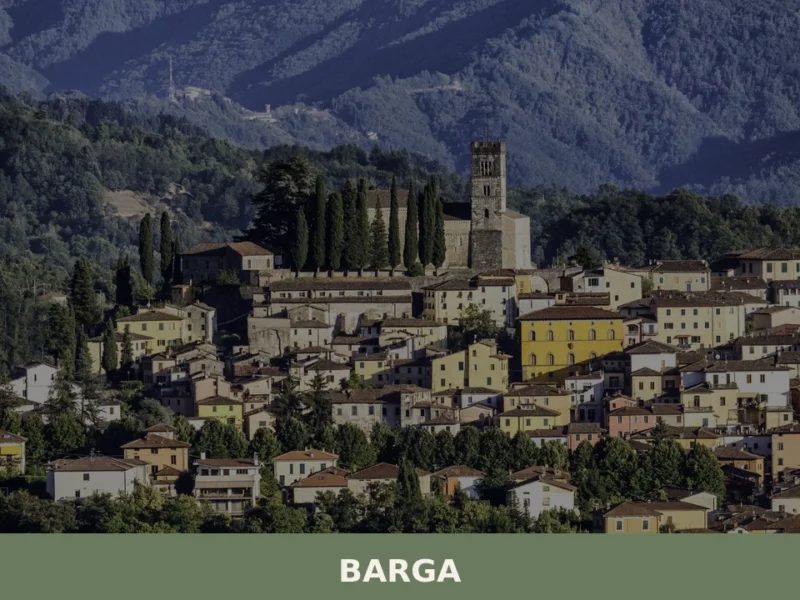
Barga
 Hills
Hills
what to see a Barga, village toscano a 410 m s.l.m.: Duomo di San Cristoforo, Teatro dei Differenti, cuisine della Garfagnana. guide pratica con consigli su quando andare e how to get there.
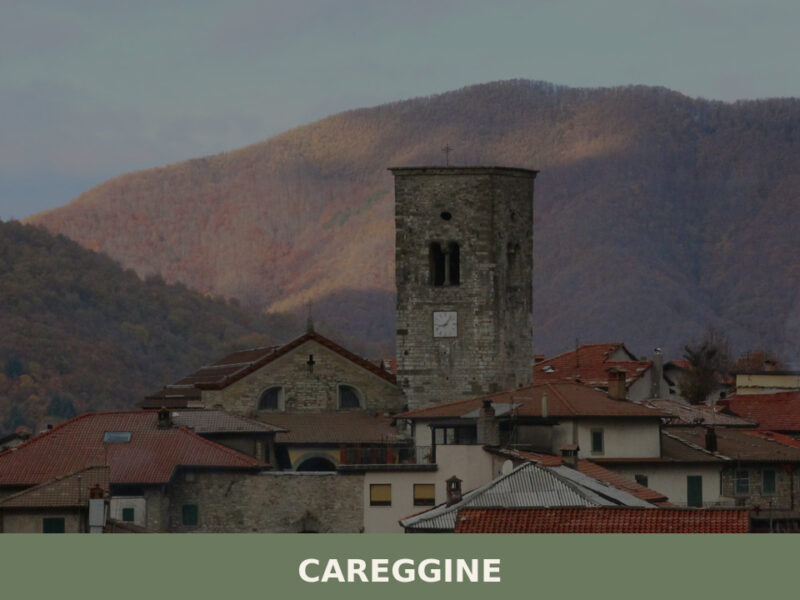
Careggine
 Mountain
Morning fog lifts from the Apuan Alps in slow, pale sheets, revealing a scatter of stone houses along a ridgeline above the Garfagnana valley. A church bell marks seven o’clock — the sound carries far in this thin, mountain air, reaching nobody in particular. With only 585 inhabitants, Careggine keeps its own unhurried tempo. Understanding […]
Firenze
 Plains
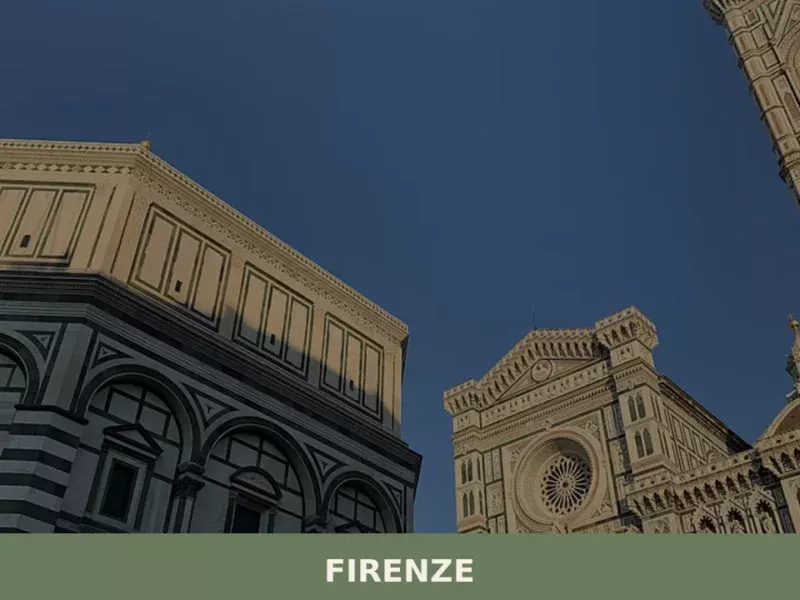
Founded by the Romans as a military colony around 59 BC under the name Florentia, the city we know today as Florence has passed through nearly two millennia of history without ever ceasing to reinvent itself. The regional capital of Tuscany, it sits 50 metres above sea level along the banks of the Arno, with […]
Castiglione di Garfagnana
Hills
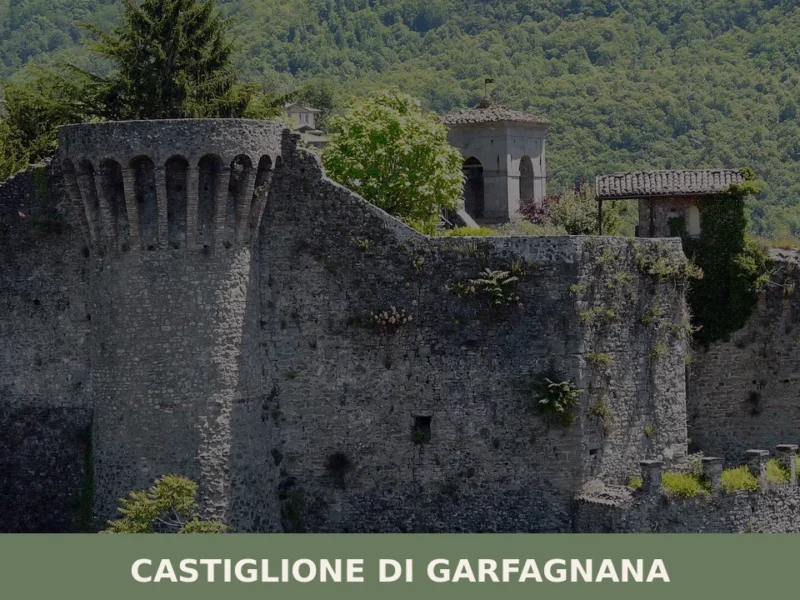
Castiglione di Garfagnana is a fortified mountain comune at 533 metres in the Lucca province of Tuscany, known for its medieval Rocca, ancient walls and Apennine cultural heritage.
Villafranca in Lunigiana
Plains
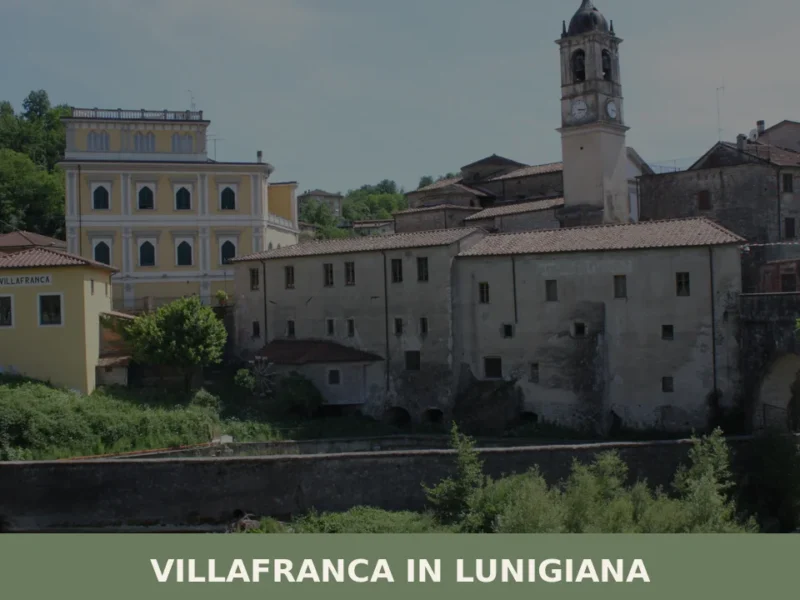
Villafranca in Lunigiana is a 4,729-inhabitant municipality in Massa-Carrara, Toscana, shaped by Malaspina lords and the Via Francigena pilgrimage route.
Podenzana
Hills
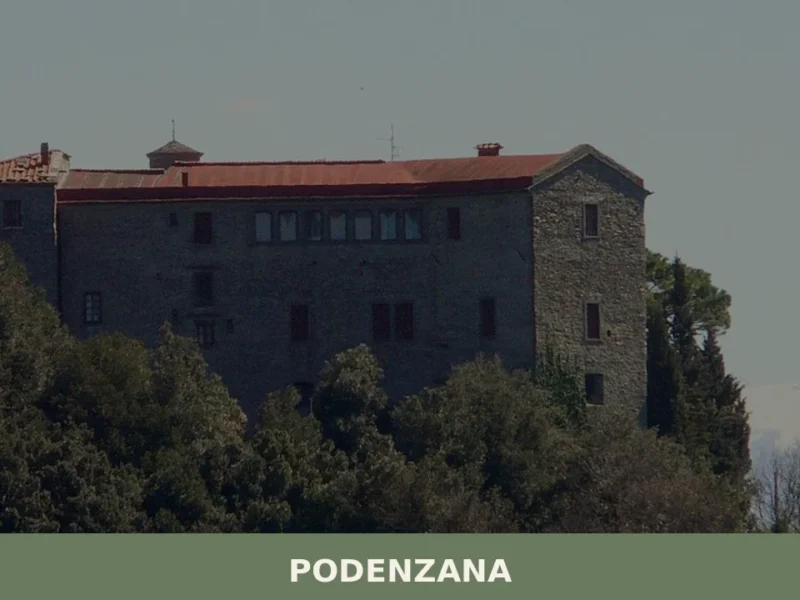
The panigaccio — a disc of unleavened dough cooked between red-hot terracotta moulds — is listed as a Traditional Agri-Food Product of Tuscany and bears the name of Podenzana in the regional specification. Anyone looking into what to see in Podenzana will find a scattered municipality at 350 metres above sea level in eastern Lunigiana, […]
Aulla
Plains
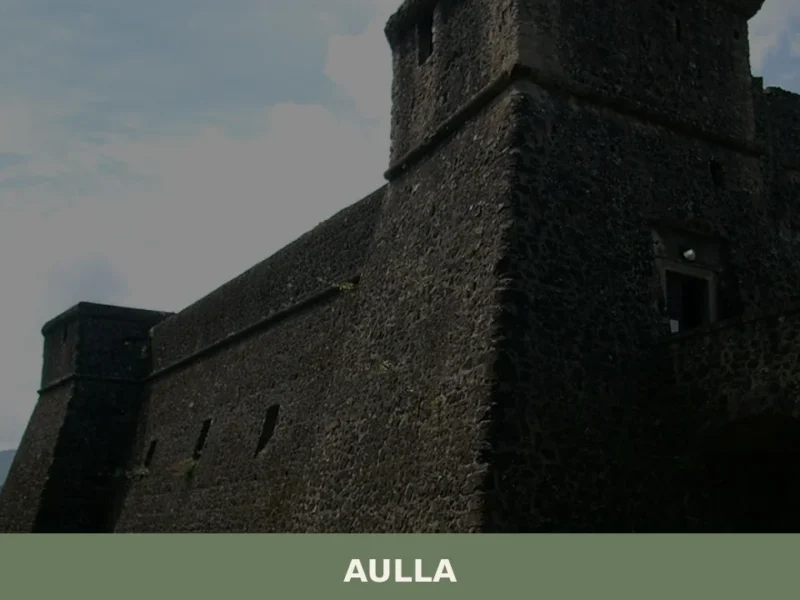
In 884 AD, Marquis Adalbert of Tuscany founded an abbey dedicated to Saint Caprasius at the confluence of the Magra and Aulella rivers, transforming a modest valley-floor settlement into an obligatory stopping point on the Via Francigena. Today, anyone wondering what to see in Aulla will find a lowland town at 64 metres above sea […]
Capolona
Hills
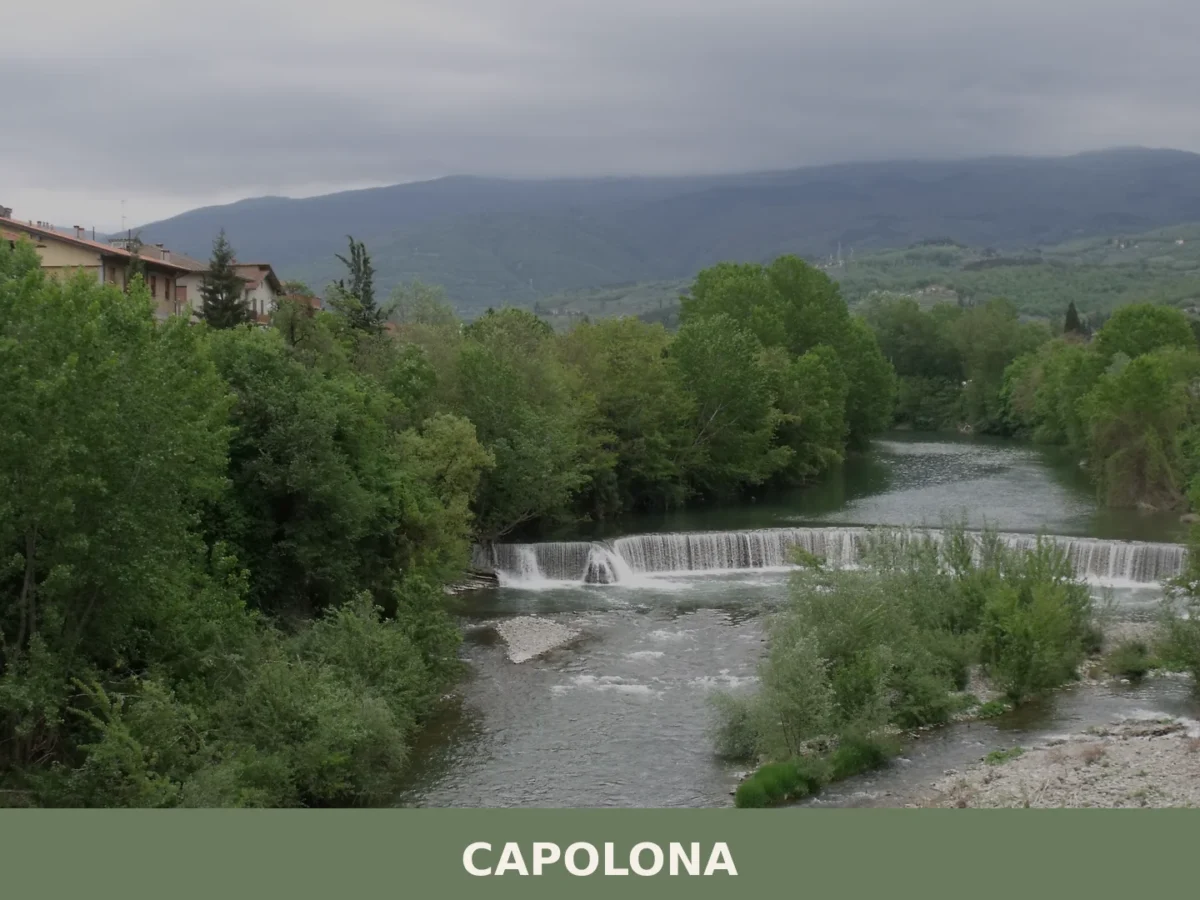
Capolona is a commune of about 5,200 inhabitants in the province of Arezzo, set on the right bank of the Arno at the gateway between the Casentino valley and the wider Valdarno.
Bagnone
Hills
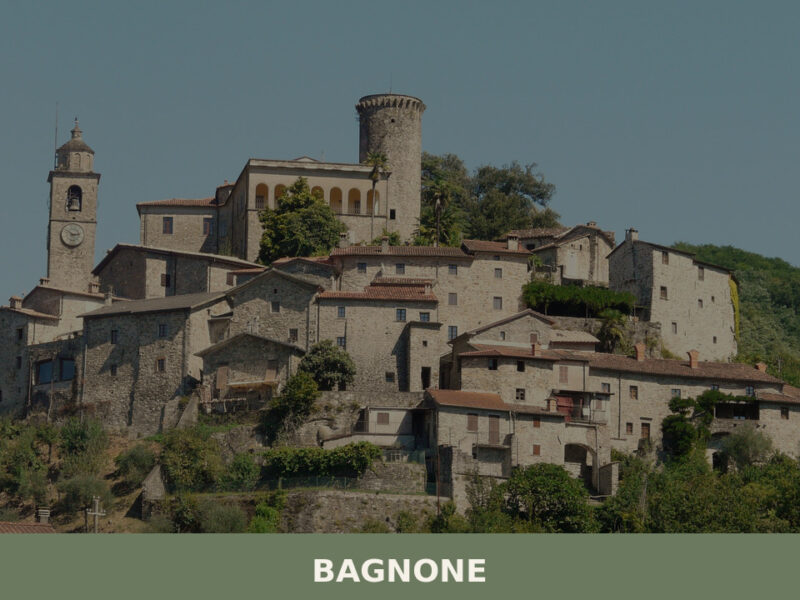
Morning mist lifts off the Bagnone creek and thins against stone walls that have stood since the eleventh century. The sound of water — always water — fills the narrow lanes, running beneath bridges and alongside houses built directly into the rock. With fewer than two thousand residents, this small settlement in the Massa e […]
Camporgiano
Hills
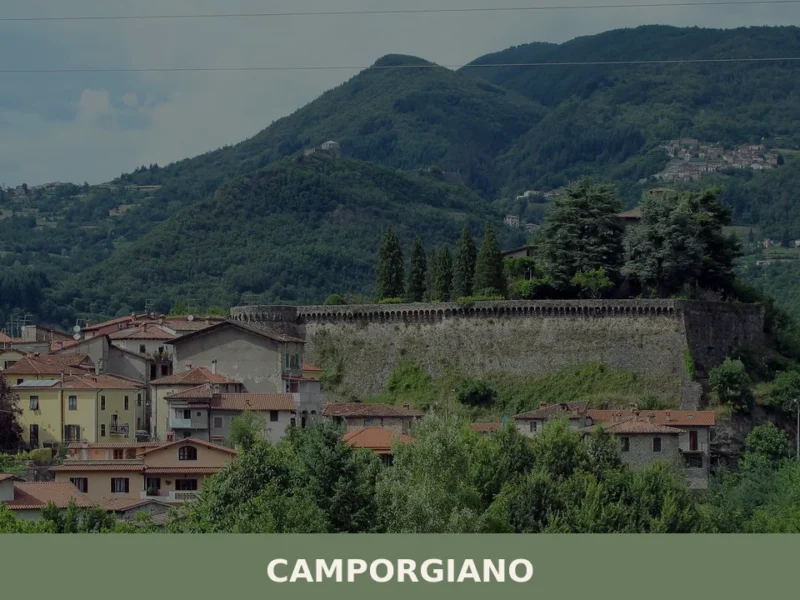
Camporgiano is a mountain comune in the Garfagnana, Lucca province, standing at 486 metres with 1,988 residents and a medieval skyline dominated by the Rocca Estense.


🏡 Know Capannori better than we do?
If you’re a local or have been there, your knowledge matters: add what’s missing or fix a detail on this page.