


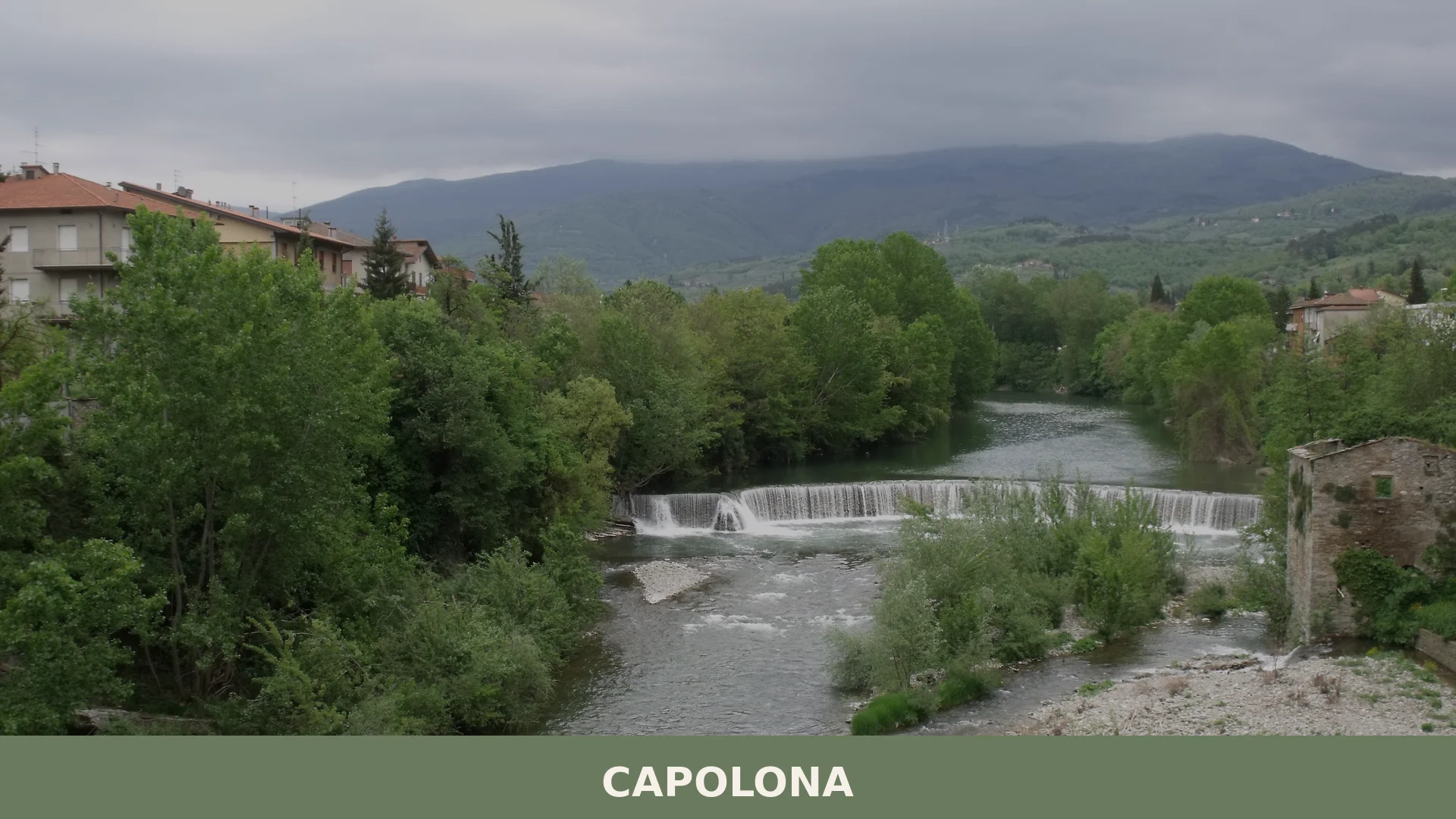

Capolona is a commune of about 5,200 inhabitants in the province of Arezzo, set on the right bank of the Arno at the gateway between the Casentino valley and the wider Valdarno.
Discover Capolona
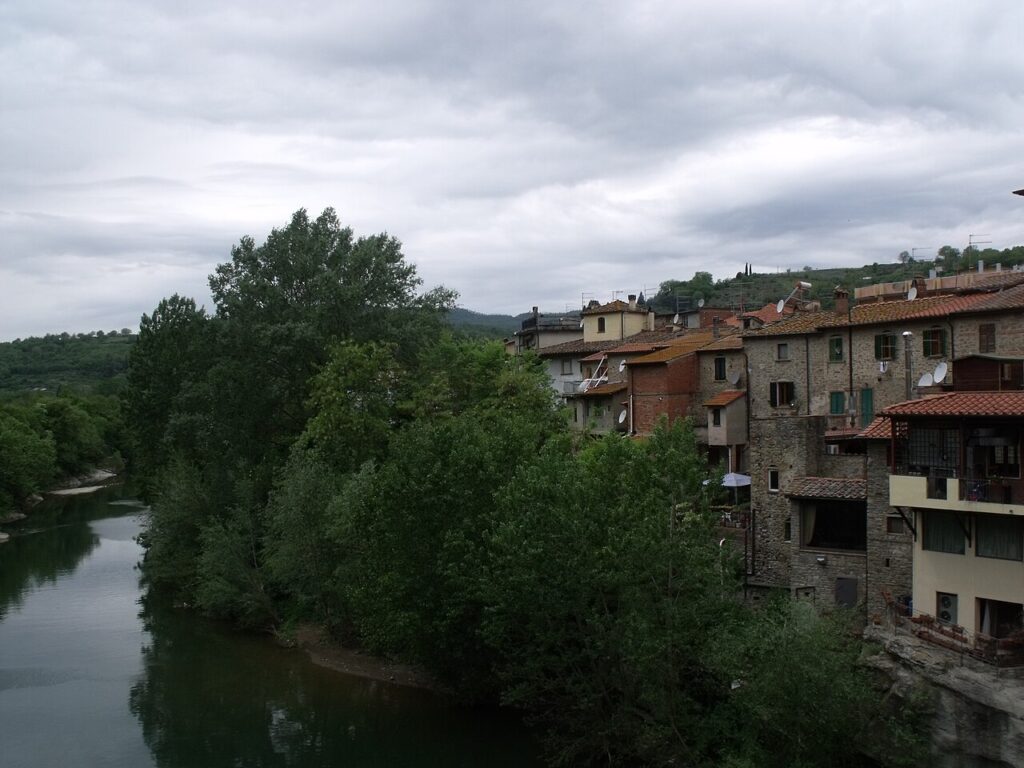
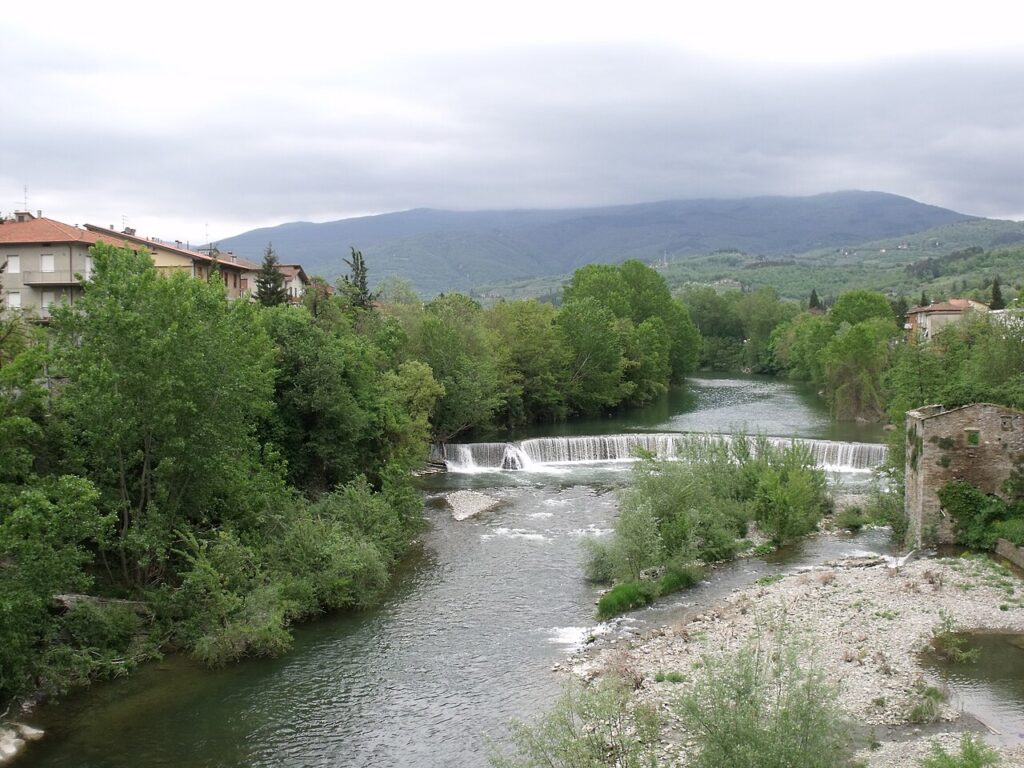
Capolona is a municipality of roughly 5218 inhabitants in the province of Arezzo, Tuscany, spread across some 47.36 square kilometres on the right bank of the Arno and along the southern slopes of the Pratomagno massif, about 12 kilometres from Arezzo and at the threshold of the Casentino valley. At an elevation of around 263 metres, the comune sits where the Casentino and the Arno valley open into a broad arc, anticipating the convergence with the Val di Chiana further downstream; short torrents descend from the Pratomagno across its territory, and both the regional road SR 71 and the Arezzo–Pratovecchio–Stia railway line pass through it.
Capolona village in Tuscany carries a layered past rooted in the medieval abbey of San Gennaro a Campoleone, founded in 972, whose influence once reached from the Casentino to Umbria; scattered across the area are ancient pievi, a castle at Bibbiano, localities with neolithic archaeological finds, and a living calendar of local events — from a truffle fair in March to the historical re-enactment of Campus Leonis each July in Castelluccio — that give visitors concrete reasons to linger beyond a single afternoon.
Capolona village in Tuscany: history and ancient origins
The history of Capolona village in Tuscany revolves around the abbey of San Gennaro a Campus Leonis, founded in 972 and later entrusted to Benedictine monks from Montecassino, whose vast landholdings — stretching from the Casentino to Umbria — shaped the entire territory from the tenth to the twelfth century. Among the abbey’s notable guests was Pope Alexander II, who stayed there in September 1064; a medal bearing his likeness was later discovered near the locality of Ierna, thought to be a gift from the Pope to a prominent local figure.
From the late fourteenth century the abbey entered a slow decline and was eventually abandoned, after which the territory was administratively merged with neighbouring communities, notably Subbiano across the Arno, until the Napoleonic period. In 1808 a district of Capolona, Bibbiano and Belfiore was established, with Castelluccio — the settlement closest to the old abbey — designated as its seat. The name Capolona had itself migrated over time: it had previously attached to a nearby locality, seat of the Pieve of San Giovanni, formerly known as Sulpiciano.
The current capoluogo grew up more recently at the foot of Caliano, around the Calzaturificio Fratelli Soldini, a shoemaking factory established in the late 1950s. Elsewhere across the commune, traces of a much older past survive: important archaeological finds of Neolithic origin have emerged around Cafaggio, Cafaggiolo, Cicaleto and Vico, while several hamlets — among them Castelluccio, Lorenzano, Caliano and Belfiore — retain remains of fortified structures believed to form part of an early medieval defensive system. The Pieve a Sietina, documented from the early eleventh century under the name Santa Maria Maddalena di Setrina, stands in the so-called terra barbaritana, an area between Arezzo and the Casentino where Germanic influences remained particularly strong around the year 1000.
Churches, Pievi and Medieval Villages across Capolona’s Territory
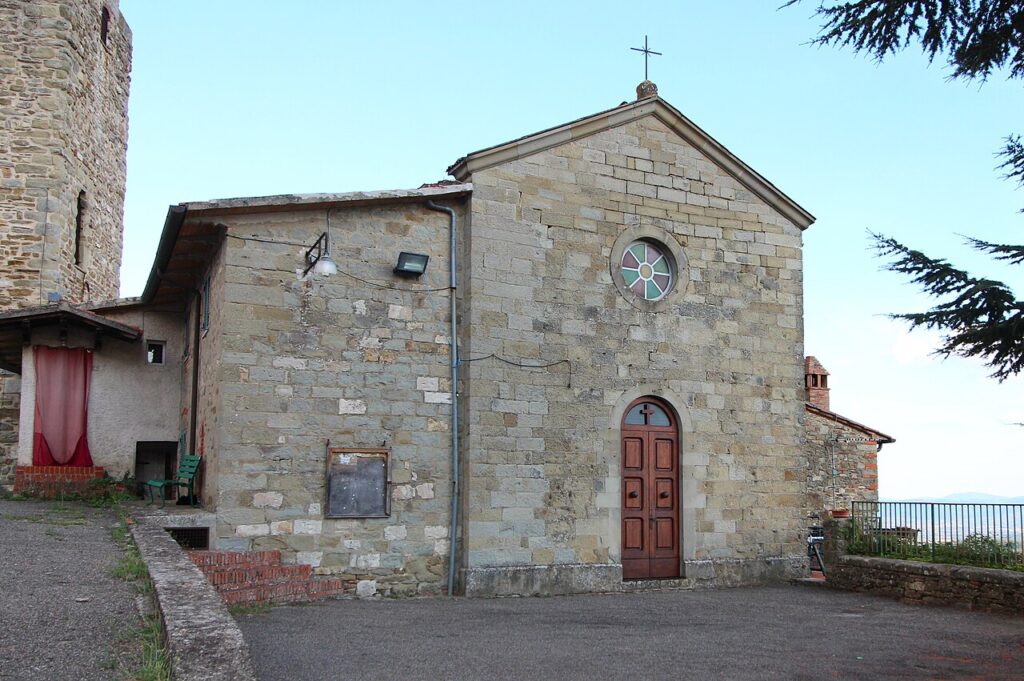
Capolona’s territory holds several ancient religious buildings — including multiple Romanesque pievi, a castle, and a series of medieval villages — scattered across the hills between the Arno valley and the lower slopes of the Pratomagno.
Pieve a Sietina (Santa Maria Maddalena)
This is the most significant monument in the commune. Documented from the early eleventh century under the name Santa Maria Maddalena di Setrina, the pieve has survived largely in its original form, apart from a campanile added at the beginning of the twentieth century. Inside, a cycle of fourteenth- and sixteenth-century frescoes was restored in a recent campaign that returned them to their earlier condition. The building stands in what medieval sources called the terra barbaritana, a zone between Arezzo and the Casentino where Germanic settlement left a marked imprint around the year one thousand.
Abbazia di San Gennaro a Campoleone
Founded in 972 and later entrusted to Benedictine monks from Montecassino, the abbey gave the entire commune its historical identity. Between the tenth and twelfth centuries it controlled an extensive network of castles and rural estates stretching from the Casentino to Umbria. Pope Alexander II stayed here in September 1064. The abbey declined from the late fourteenth century onward and was eventually abandoned.
Chiesa di Santa Maria a Bibbiano
This church preserves a wooden Crucifix attributed to Taddeo Curradi, dated to roughly the eighth decade of the sixteenth century.
Chiesa al Santo di Ponina
The church retains evidence of Byzantine origin.
Chiesa di San Michele Arcangelo, Castelluccio
Located in the village of Castelluccio, the former seat of the commune.
Pieve dei Santi Giovanni Battista e Marino, Pieve San Giovanni
An ancient pieve in the locality formerly known as Sulpiciano, which served as one of the successive seats of the communal name.
Pieve di San Martino Sopr’Arno and Pieve di Cenina
Two further Romanesque pievi within the commune’s boundaries.
Castello di Bibbiano and Medieval Settlements
Bibbiano retains substantial stretches of its medieval perimeter walls. Castelluccio still has a gate known as the Portaccia. Several other localities — among them Lorenzano, Caliano, Casella and Belfiore — show traces of defensive structures that probably formed part of an early medieval fortification system.
Flavours of Capolona and the Arezzo Territory
Capolona sits within an Aretine food landscape where certified products include Chianti DOCG wines, Finocchiona IGP, Cantuccini Toscani IGP, and Cinta Senese DOP pork, alongside other provincially recognised specialities. These products are not exclusive to the commune itself but represent the broader agricultural and artisan tradition of this corner of Tuscany between the Casentino and the Valdarno.
Among the wines produced in the zone, the Val d’Arno di Sopra DOC is particularly relevant to the territory around Capolona, with Chianti DOCG and Colli dell’Etruria Centrale DOC also falling within the area’s production zone. For those who enjoy Tuscan vin santo, Vin Santo del Chianti DOC rounds out a table that could also feature Agnello del Centro Italia IGP and the prized Marrone di Caprese Michelangelo DOP chestnut from nearby hills.
Each year in late March, Capolona’s main square hosts the Mostra filiera del tartufo marzuolo, a dedicated showcase of the spring truffle supply chain — a genuine local occasion rather than a large commercial fair, and a good excuse to visit the village at an otherwise quiet time of year.
Getting to Capolona and Planning Your Visit
Capolona is straightforward to reach: it lies just 12 km from Arezzo along the SR 71, and the Arezzo–Pratovecchio–Stia railway line passes directly through the commune, making it one of the few villages in the area accessible without a car. Spring and early summer offer the most varied calendar of events, from the March truffle show to the CORINCANTO national choral festival each May and a Pro Loco celebration in June.
| Departure | Distance | Time |
|---|---|---|
| Arezzo | approx. 12 km | approx. 20 min |
| San Giovanni Valdarno | approx. 30 km | approx. 35 min |
| Firenze | approx. 80 km | approx. 60 min |
July brings the historical re-enactment Campus Leonis in the fraction of Castelluccio, when the medieval heritage of the old abbey comes briefly back to life. Visitors combining Capolona with a wider itinerary will find it a natural gateway to the Casentino valley to the north and, via Bagno a Ripoli further along the Arno, to the Florentine hills to the west. The SR 71 through the village is the main road axis; parking is available in the village centre near the river.
Frequently asked questions about Capolona
How do I reach Capolona by train?
The Arezzo–Pratovecchio–Stia railway line passes directly through Capolona's territory. The nearest major station is Arezzo, approximately 12 kilometres away. From there, regional trains serve the Capolona area. Check Trenitalia's schedule for current connections and journey times. This makes Capolona accessible without a car for visitors arriving via Arezzo's main rail hub.
When is the best time to visit Capolona?
Visit Capolona between March and September for optimal experience. March hosts the truffle fair, while July features the historical re-enactment of Campus Leonis in Castelluccio. The patron saint feast, Natività di Maria Vergine, occurs on 8 September, bringing local festivities. Spring and autumn offer pleasant hill-country weather ideal for exploring medieval sites and walking the Pratomagno slopes.
What is the significance of the Abbey of San Gennaro a Campus Leonis?
Founded in 972, this medieval abbey represents Capolona's historical core and shaped the region's cultural identity for centuries. Its influence once extended across the Casentino valley into Umbria. The abbey's heritage is celebrated annually through the July historical re-enactment in nearby Castelluccio, allowing visitors to experience medieval life and understand the area's monastic past firsthand.
How far is Capolona from Arezzo?
Capolona lies approximately 12 kilometres from Arezzo, Tuscany's provincial capital. This proximity makes it an ideal day-trip destination or base for exploring both the Arezzo area and the Casentino valley. The short distance is easily covered by car in roughly 20 minutes via regional roads, or by regional train service connecting the two municipalities.
Are there archaeological sites to visit in Capolona?
Yes. Scattered across Capolona's 47-square-kilometre territory are localities containing neolithic archaeological finds, demonstrating prehistoric human settlement. Ancient pievi (rural parishes) and the medieval castle at Bibbiano also represent significant archaeological and historical points of interest. These sites reflect the area's continuous habitation from prehistoric times through the medieval period.
📷 Photo Gallery — Capolona
In Tuscany More villages to discover
Grosseto
 Sea
Sea
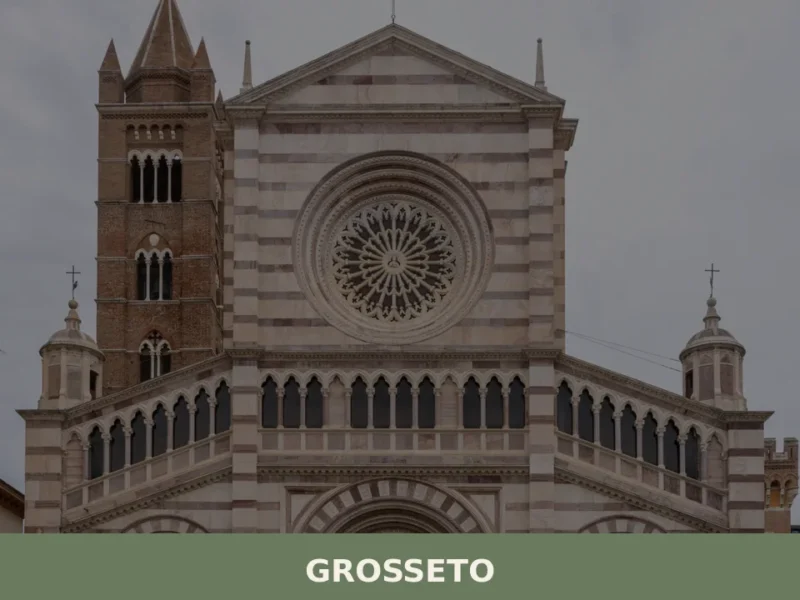
What to see in Grosseto: Medici walls, San Lorenzo Cathedral and the Maremma Natural Park in a city of 79,216 inhabitants. Plan your visit with our complete guide.
Barberino di Mugello
 Hills
Hills
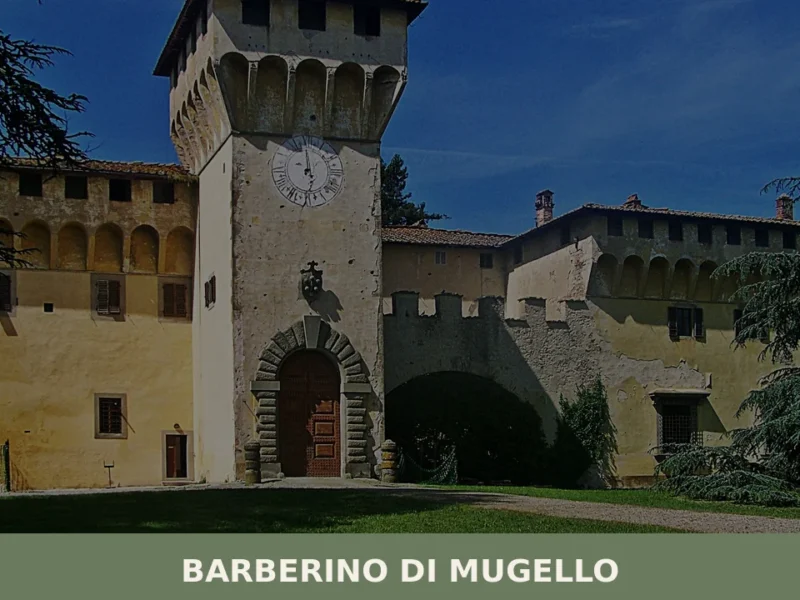
Barberino di Mugello is a Florentine hill town of around 10,939 residents in the Mugello valley, where Apennine landscapes, ancient pilgrimage routes and medieval parish churches reward travellers hea
Abetone Cutigliano
 Mountain
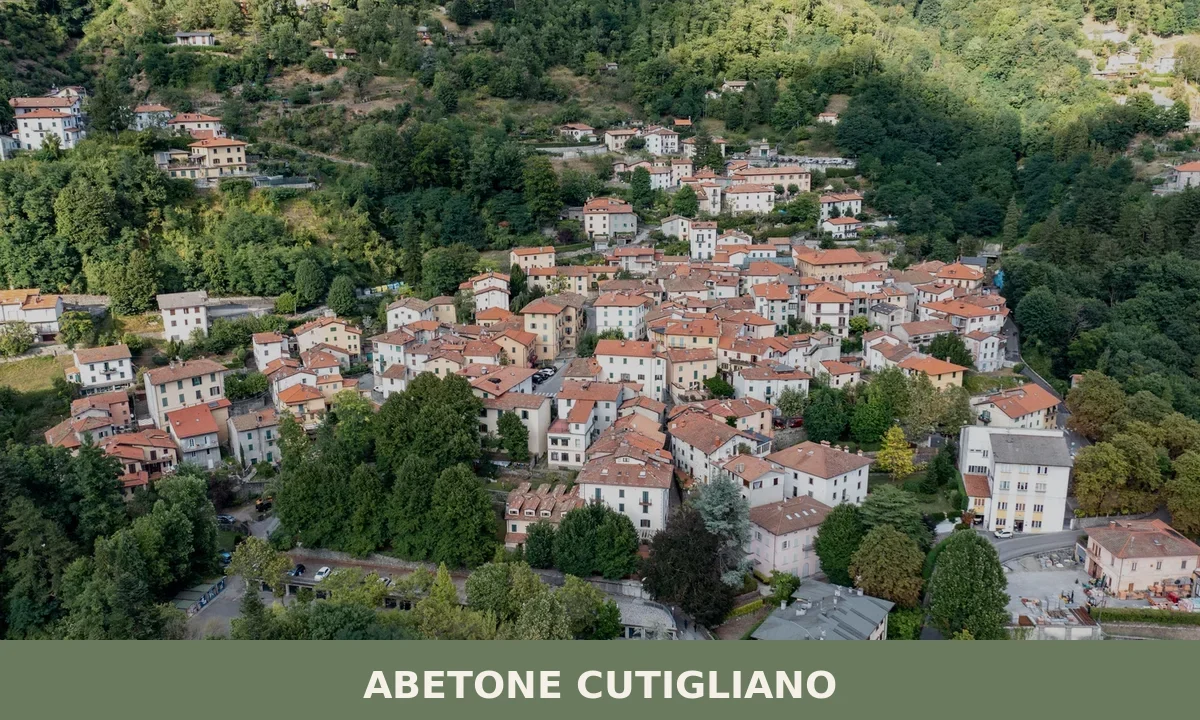
A 1,829-resident mountain comune in Pistoia province, Abetone Cutigliano unites two separate communities through alpine churches, natural reserves and access to the Apennine ridge.
Licciana Nardi
Hills
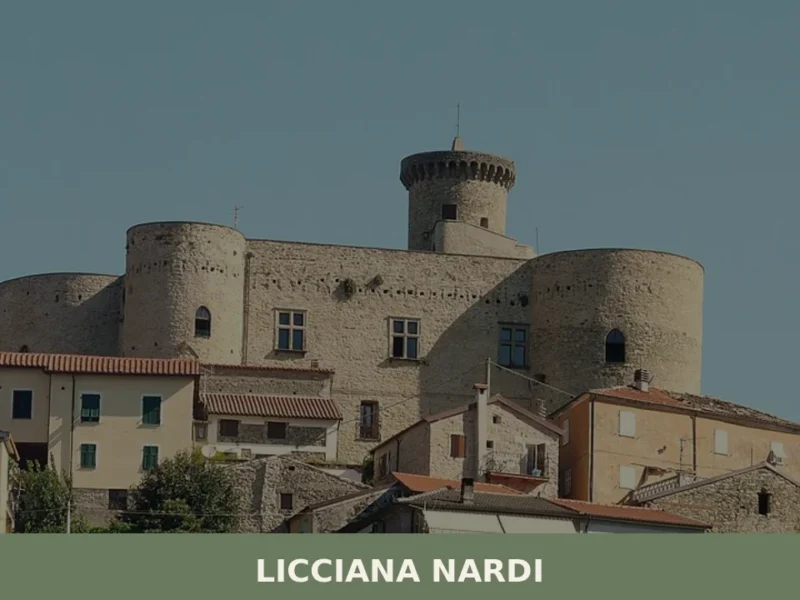
The territory of Licciana Nardi includes six castles spread between the valley floor and the Apennine slopes, a concentration of defensive structures that documents the strategic role of this stretch of Lunigiana in controlling the routes between the Po Plain and the Tyrrhenian coast. With its 4,894 inhabitants distributed across 55 square kilometres at an […]
Castelfiorentino
 Plains
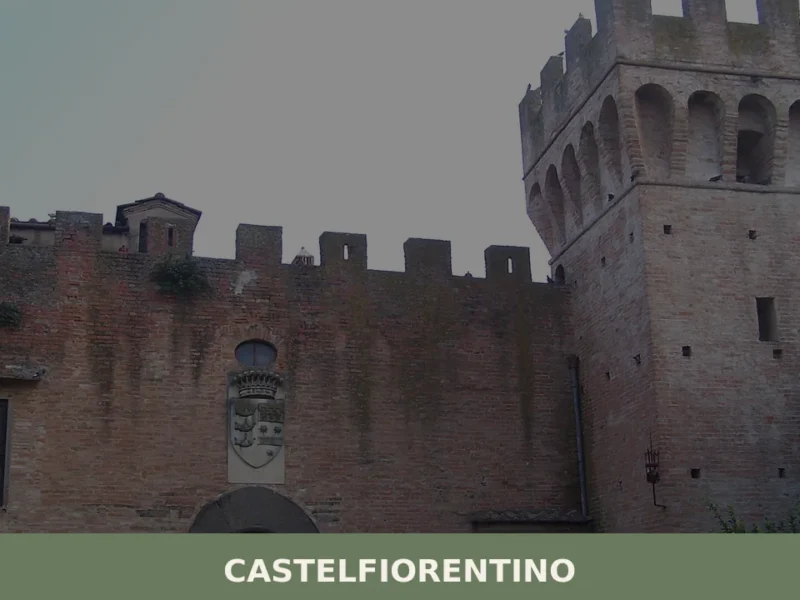
Castelfiorentino is a historic town in the Florentine Val d'Elsa, where Benozzo Gozzoli frescoes, medieval churches and a living devotion to Santa Verdiana reward every visit.
Careggine
Mountain
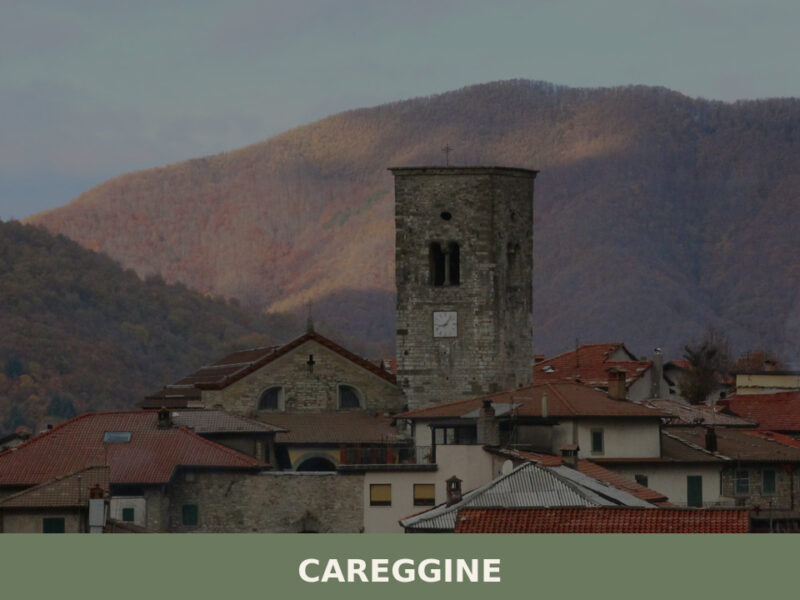
Morning fog lifts from the Apuan Alps in slow, pale sheets, revealing a scatter of stone houses along a ridgeline above the Garfagnana valley. A church bell marks seven o’clock — the sound carries far in this thin, mountain air, reaching nobody in particular. With only 585 inhabitants, Careggine keeps its own unhurried tempo. Understanding […]
Aulla
Plains
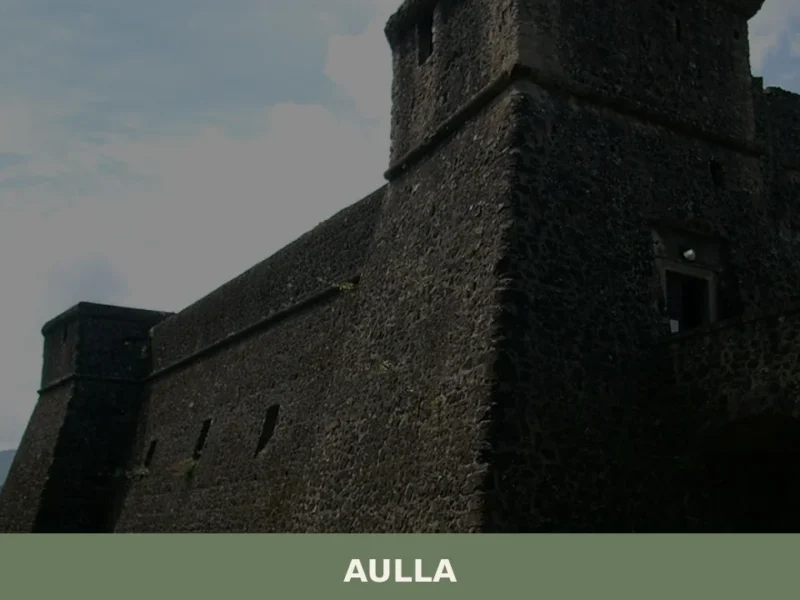
In 884 AD, Marquis Adalbert of Tuscany founded an abbey dedicated to Saint Caprasius at the confluence of the Magra and Aulella rivers, transforming a modest valley-floor settlement into an obligatory stopping point on the Via Francigena. Today, anyone wondering what to see in Aulla will find a lowland town at 64 metres above sea […]
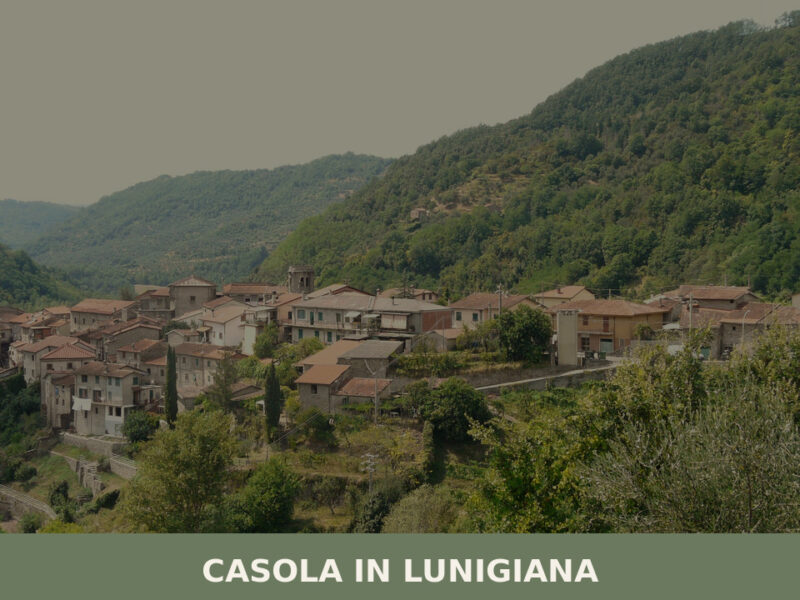
Casola in Lunigiana
Hills
Morning fog lifts slowly from the Aulella valley, revealing stone walls the colour of dried clay and a bell tower that has marked the hours here for centuries. The air carries woodsmoke and the faint mineral scent of chestnut groves climbing the surrounding slopes. With roughly one thousand inhabitants, Casola in Lunigiana remains one of […]
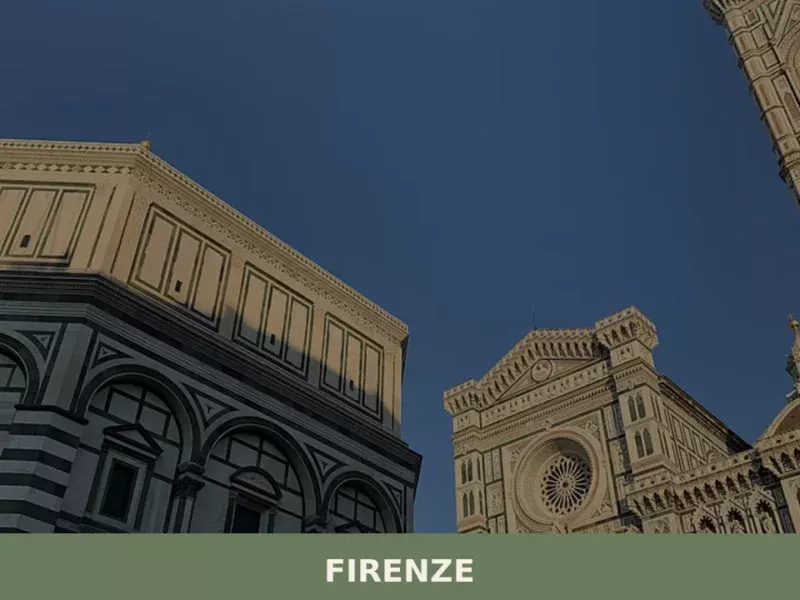
Firenze
Plains
Founded by the Romans as a military colony around 59 BC under the name Florentia, the city we know today as Florence has passed through nearly two millennia of history without ever ceasing to reinvent itself. The regional capital of Tuscany, it sits 50 metres above sea level along the banks of the Arno, with […]
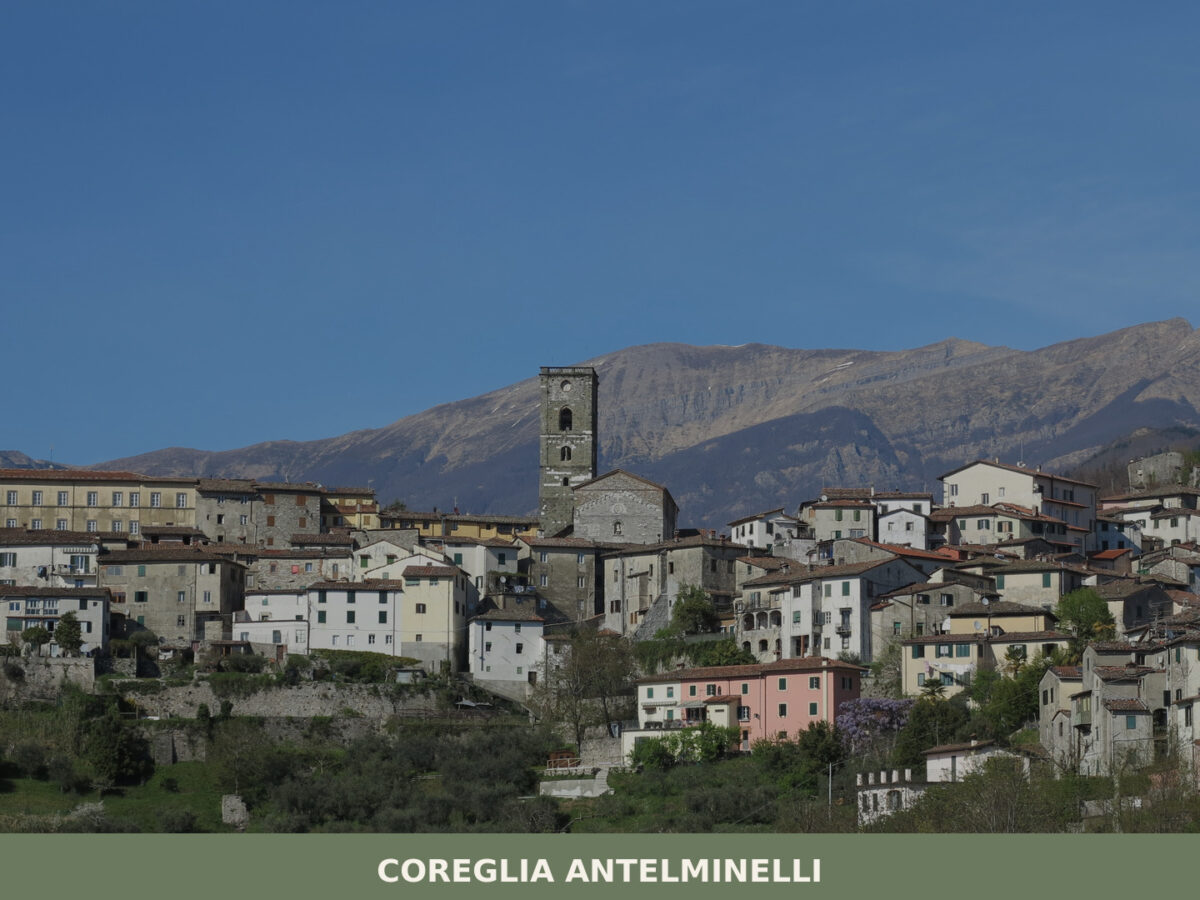
Coreglia Antelminelli
Hills
Coreglia Antelminelli is a mountain comune in the province of Lucca, set at 594 metres in the upper Valle del Serchio, known for its museum of plaster figurines and its cluster of historic churches.

🏡 Know Capolona better than we do?
If you’re a local or have been there, your knowledge matters: add what’s missing or fix a detail on this page.