


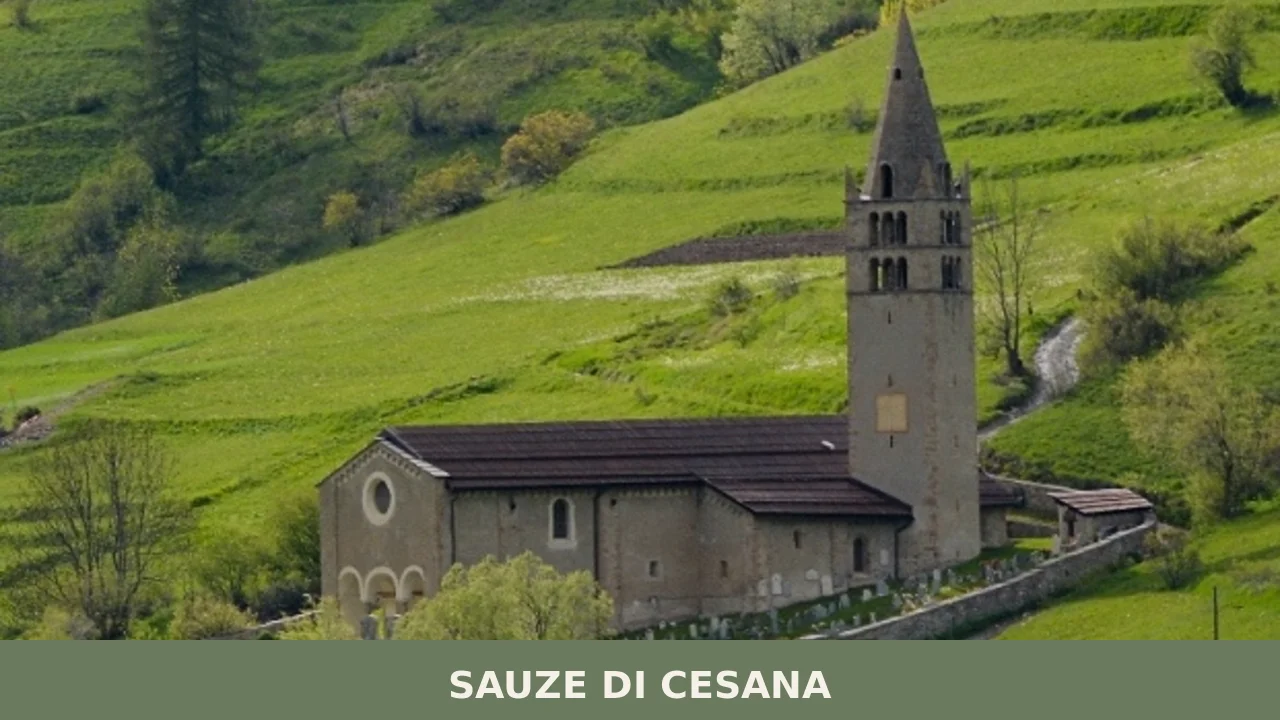
Sauze di Cesana
 Mountain
Population 226. A high-altitude mountain village in Val di Susa where stone architecture and a century of territorial struggle have shaped identity more than monuments.
Sauze di Cesana in Piedmont: Alpine Village of Stone and Autonomy
Stone hamlets cling to slopes at 1560 metres above sea level, their walls weathered by decades of Alpine wind and snow. The silence here is geological—broken only by seasonal traffic and quiet when tourism moves to larger resorts nearby. This is the rhythm of the high mountain, where a single road connects scattered frazioni and the calendar turns on weather, not crowds.
Sauze di Cesana village in Piedmont is a comune of 225 inhabitants in the Torino province, situated in Val di Susa. Its identity rests not on a single landmark but on territorial resilience: a small municipality that regained autonomy in 1947 after decades of annexation, and whose stone architecture and elevation make it representative of the upper Val di Susa landscape rather than a destination of monumental tourism.
A Century of Territorial Change
The 20th century saw Sauze di Cesana absorb and resist shifts in administrative boundaries. In 1928, the comune was aggregated into Cesana Torinese; it was incorporated into the newly created comune of Sestriere. With the fall of fascism in 1947, it recovered its autonomous status—a legal restoration that remains part of local memory. Its heraldic symbols were officially granted on 24 June 1977, affirming its distinct civic identity after three decades of independence.
A pivotal moment came on 14 July 1962, when a violent fire devastated the village. The event marks a territorial turning point in the settlement’s physical form, though reconstruction and modern development have reshaped the built landscape since then. Later, in 1987, Grangesises served as a filming location for the film Non scommettere mai con il cielo, directed by Mariano Laurenti and featuring Alessandra Mussolini, Eva Grimaldi and Saverio Vallone—a rare cultural moment that brought cinema to the upper valley.
The recovery of autonomy in 1947 was not merely administrative: it restored to a small mountain community the right to shape its own future after years of absorption into larger territorial entities.
Stone and Altitude: The Frazioni
Grangesises
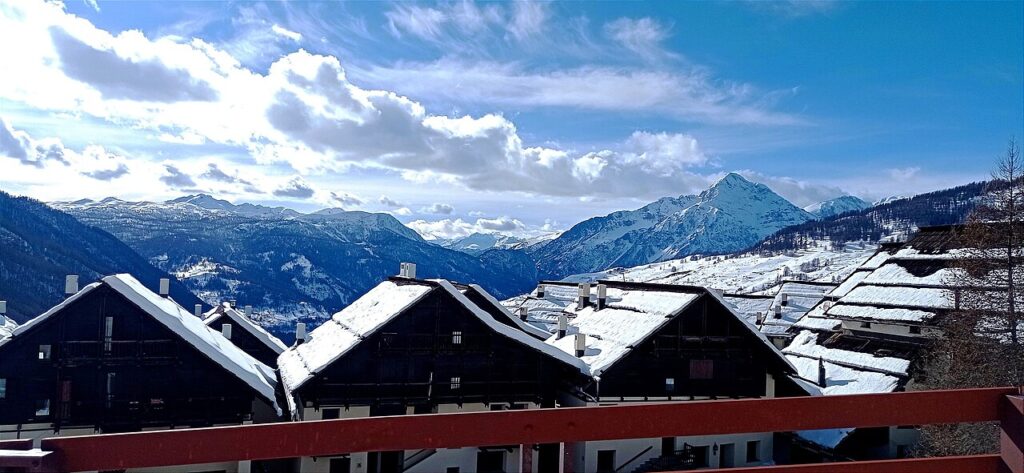
At 1840 metres, Grangesises occupies the slopes of Monte Sises, with origins tracing to the 18th century. The hamlet’s traditional stone architecture has influenced recent tourism-oriented construction; modern buildings on the same site attempt to echo the vernacular style, creating a landscape where old and new coexist visibly. The altitude and exposure here define the season: deep snow in winter, brief Alpine summer, and a working calendar aligned to weather rather than tourism demand.
Bessen Haut
The highest frazione rises to 1968 metres, where air pressure and temperature govern daily life more than municipal policy. Bessen Haut sits at the edge of what remains habitable year-round, and its small cluster of buildings reflects centuries of Alpine pastoralism and subsistence strategy. Visitors seeking to understand the geography of Val di Susa often overlook these upper hamlets, yet they anchor the territorial identity of Sauze di Cesana more firmly than any central piazza.
Chiesa Parrocchiale di San Restituto
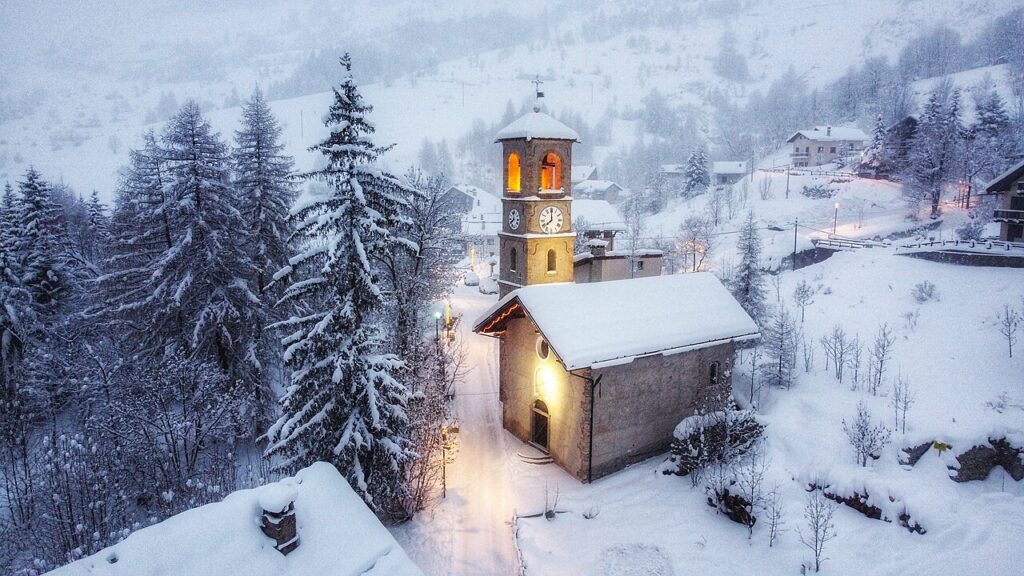
The parish church honours the village’s patron saint, San Restituto, whose feast day anchors the local calendar. The building stands as the spiritual centre of the comune and represents continuity in a landscape of repeated physical transformation. The church’s presence in the settlement reflects the religious traditions of Val di Susa and the role of the Catholic calendar in structuring mountain village life across the seasons.
Valle Argentera
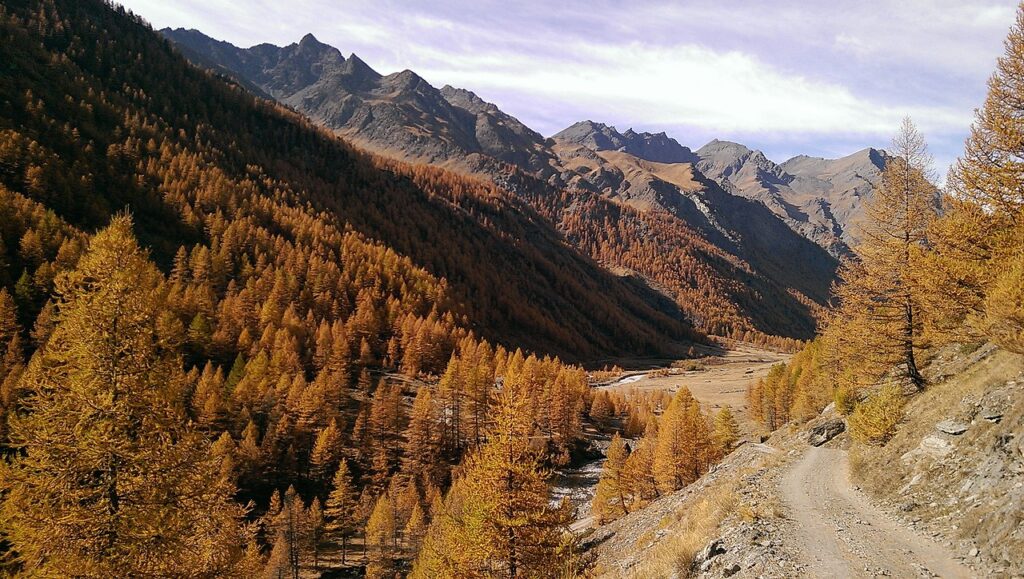
The valley that extends from the village territory offers access to higher Alpine terrain and seasonal pastoral routes, reflecting the watershed and grazing patterns that shape the upper Val di Susa landscape.
Mountain Flavours and Regional Heritage
Piedmont’s designated protected products—Nocciola del Piemonte (IGP), Toma Piemontese (DOP) and Marrone della Valle di Susa (IGP)—reflect the regional food heritage of Val di Susa and its immediate surroundings. High-altitude dairies and chestnut groves in neighbouring zones contribute to the regional food culture that sustains the mountain economy.
Access and Seasonal Rhythm
Sauze di Cesana occupies the upper reaches of Val di Susa, accessible by road from the main valley floor. The village sits within the administrative area that once belonged to the Comunità Montana Valle Susa e Val Sangone, a consortium of mountain communes that coordinated shared resources and infrastructure before regional reforms. Today, access depends on state and provincial roads that connect the frazione to neighbouring comuni: Cesana Torinese, Claviere, Sauze d’Oulx, Oulx, Sestriere and Pragelato are the immediate administrative neighbours in Torino province.
Visitors accustomed to lower-altitude tourism infrastructure should anticipate a different rhythm. Winter snow closes some minor routes; summer brings brief, intense seasonal activity. Autumn and spring remain transitional periods when the landscape shifts but tourism remains sparse. Accommodation is concentrated in the tourism buildings of Grangesises and in smaller guesthouses; services follow mountain village patterns rather than resort schedules.
| Departure Point | Distance | Journey Time |
|---|---|---|
| Turin City Centre | Distance varies | Approx. 90 minutes by car |
| Oulx (main valley station) | Distance varies | Journey time varies |
| Sestriere (neighbouring resort) | 8 km | Approx. 15 minutes by car |
The nearest railway station is in Oulx, where connections to Turin and the Italian rail network allow access via public transport. From there, local road or shuttle services connect to the upper valley hamlets. If arriving by car, expect single-track roads in winter and reduced visibility during snowfall. The comune’s small population means that many services are shared with or depend on larger settlements like Sestriere or Cesana Torinese. Plan supplies and fuel accordingly.
Frequently asked questions about Sauze di Cesana
How do I reach Sauze di Cesana from Turin?
Sauze di Cesana is located in Val di Susa, approximately 80 kilometres west of Turin. Take the A32 motorway towards Bardonecchia, exiting at Oulx or Cesana Torinese. From there, follow provincial roads into the valley. The nearest railway station is at Oulx (about 15 km away), connected to Turin by regional trains. A car is recommended for accessing the village's mountain location at 1,560 metres elevation.
What is the best time to visit Sauze di Cesana?
Summer (June to September) offers stable weather, clear mountain air, and accessibility via the single connecting road. Winter brings heavy snow, restricting access. The patron saint feast honouring San Restituto provides a cultural anchor point, though specific dates require local confirmation. Autumn showcases Alpine landscape colours. The village operates on a seasonal rhythm dictated by weather rather than tourism peaks, making it ideal for those seeking authentic mountain solitude.
Are there marked hiking trails around Sauze di Cesana?
The village sits within Val di Susa's Alpine network. Documented CAI (Italian Alpine Club) routes traverse the upper valley, connecting scattered frazioni and mountain pastures. Specific trail names and difficulty ratings require consultation with local mountain guides or the Oulx tourist office. The high elevation (1,560 m) makes trails suitable for experienced hikers. Winter access depends on snow conditions and avalanche risk assessment.
How long should I plan to spend in Sauze di Cesana?
This is a small village of 226 inhabitants focused on Alpine authenticity rather than attractions. A half-day visit suits those exploring Val di Susa's mountain architecture and landscape. Multi-day visits work better for hikers using the village as a base camp for regional trails. The appeal lies in geological silence and territorial character—expect immersion in mountain rhythm rather than structured monuments or extended entertainment.
What makes Sauze di Cesana historically significant?
In 1947, following fascism's collapse, Sauze di Cesana recovered autonomous municipal status after 19 years of administrative annexation (1928–1947). This territorial resilience remains central to local identity. The village was formally granted heraldic symbols—stem and gonfalon—on 24 June 1977, affirming civic distinctiveness. This history reflects broader 20th-century Alpine governance shifts and small mountain communities' struggle for self-determination.
📷 Photo Gallery — Sauze di Cesana
In Piedmont More villages to discover
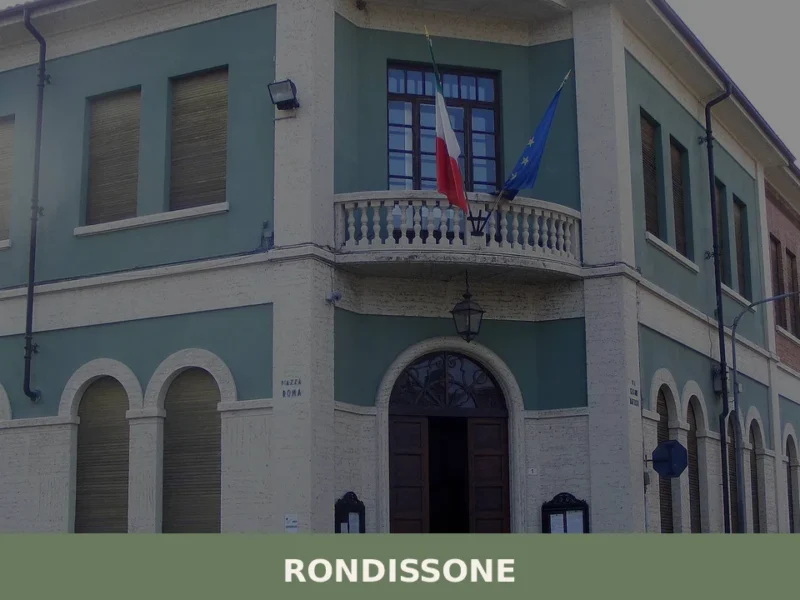
Rondissone
 Plains
Discover what to see in Rondissone, a Po plain comune near Turin inside the Parco Fluviale del Po torinese. History, food, travel tips and more.
Agliè
 Hills
Hills
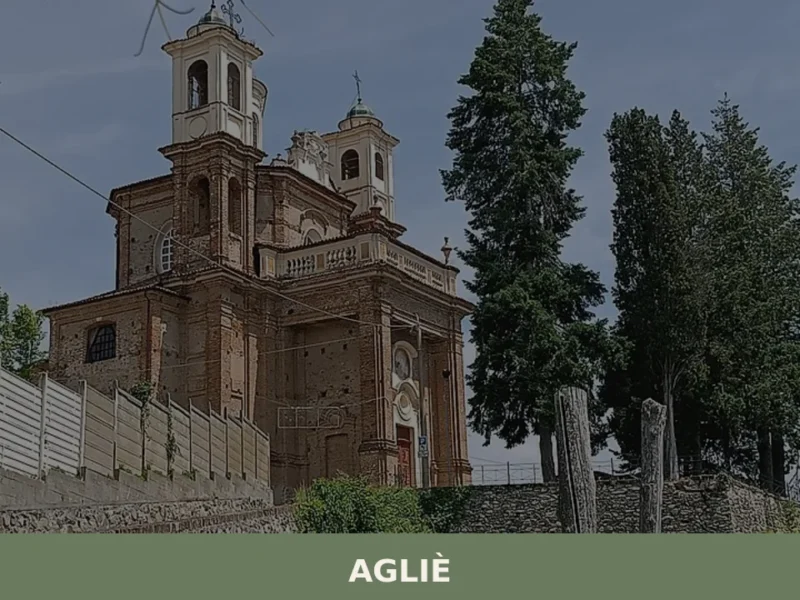
In 1646, Count Filippo San Martino d’Agliè — diplomat, poet, choreographer at the court of Christine of France — danced in the great hall of the castle that bears his name, directing baroque festivities destined to reshape Savoyard court ceremony. That castle still dominates the village’s skyline today with its eighteenth-century façade stretching over one […]
Andezeno
Hills
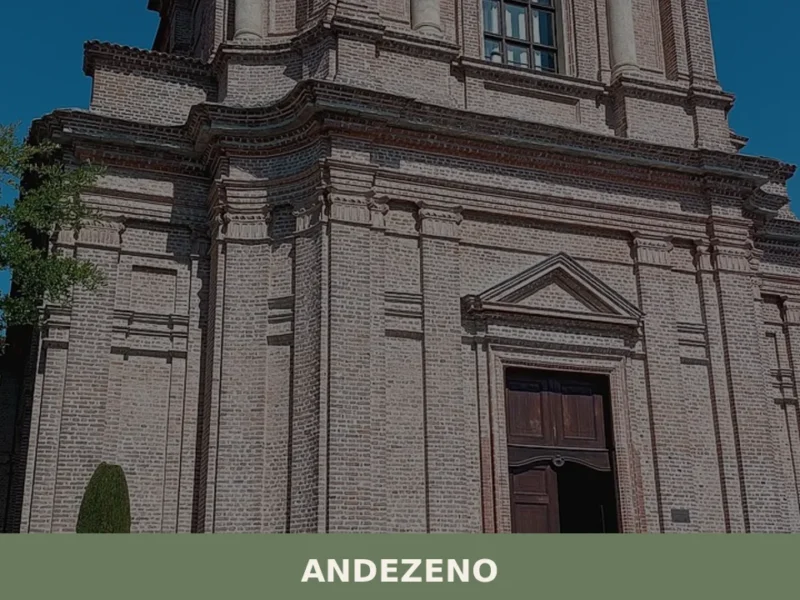
At 306 metres above sea level, on the eastern Turin hills, Andezeno has 2,012 inhabitants spread between the historic centre and its rural hamlets. The municipality appears in medieval documents as early as the 10th century, linked to the affairs of local lords and the Diocese of Turin. Today, anyone wondering what to see in […]
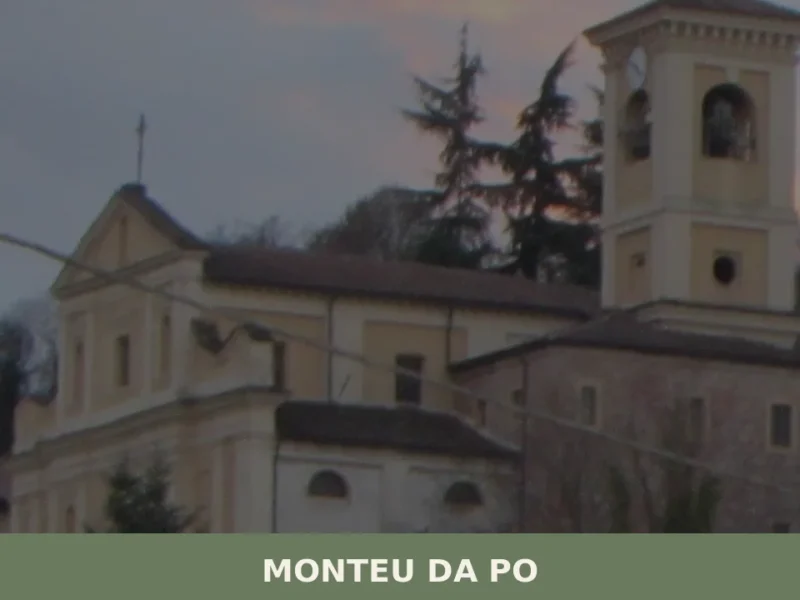
Monteu da Po
Hills
Scopri Monteu da Po, affascinante borgo piemontese sulle rive del Po. Storia, natura e tradizioni in un angolo autentico del Piemonte da non perdere.
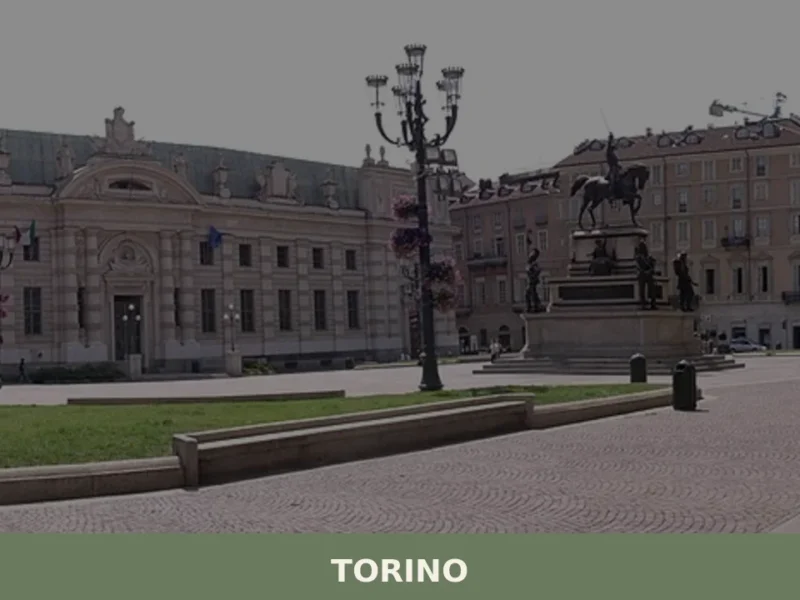
Torino
Hills
What to see in Torino: the city at 239m altitude with 841,600 residents. Explore 5 key attractions and Piedmontese cuisine. Read the full guide now.
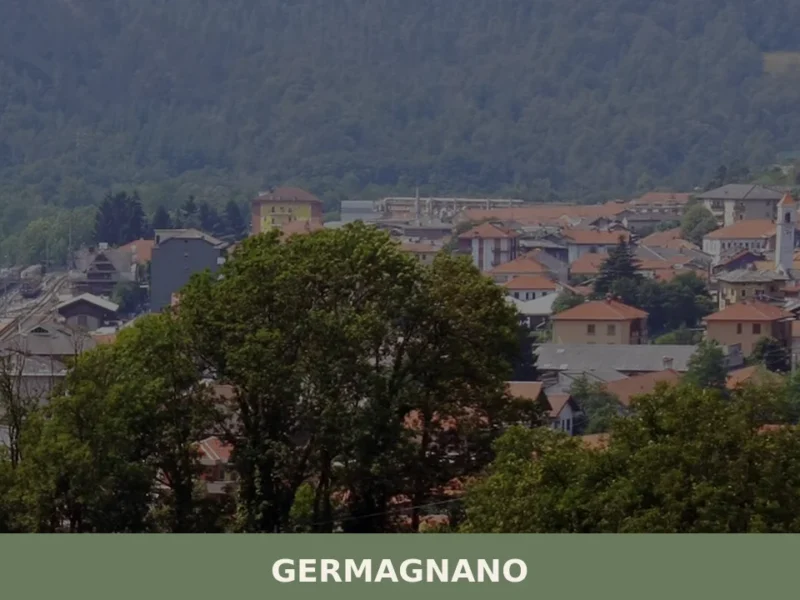
Germagnano
Mountain
What to see in Germagnano, Italy: 30 km from Turin in the Valli di Lanzo. Discover the railway village, local cuisine and best times to visit. Read the guide.
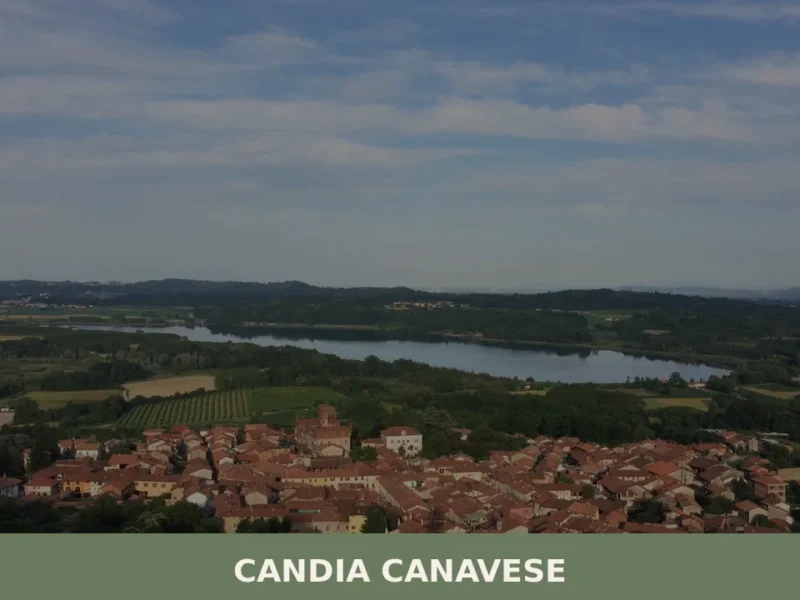
Candia Canavese
Hills
Scopri Candia Canavese, il gioiello del Piemonte affacciato sul lago. Storia, natura e tradizioni ti aspettano in questo borgo incantevole del Canavese.
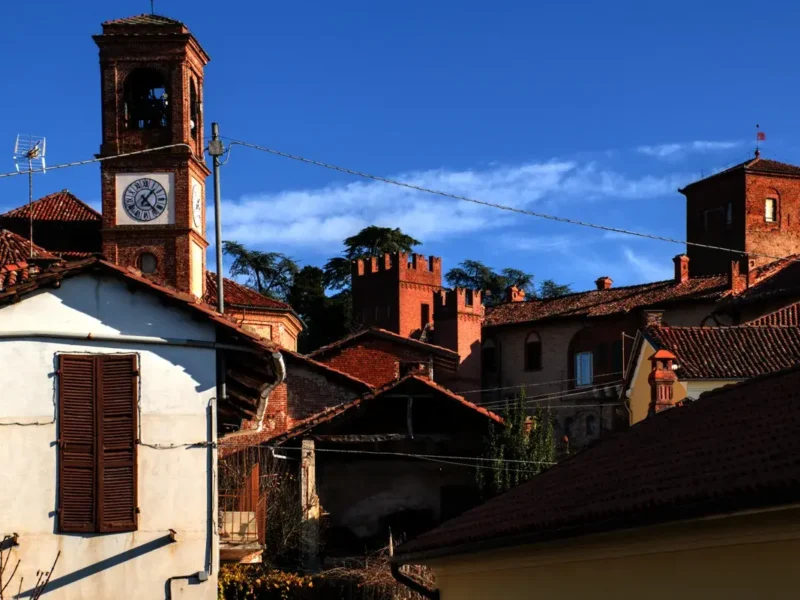
Moriondo Torinese
Hills
Scopri Moriondo Torinese, un affascinante borgo del Piemonte ricco di storia, natura e tradizioni. Lasciati conquistare dalla sua bellezza autentica!
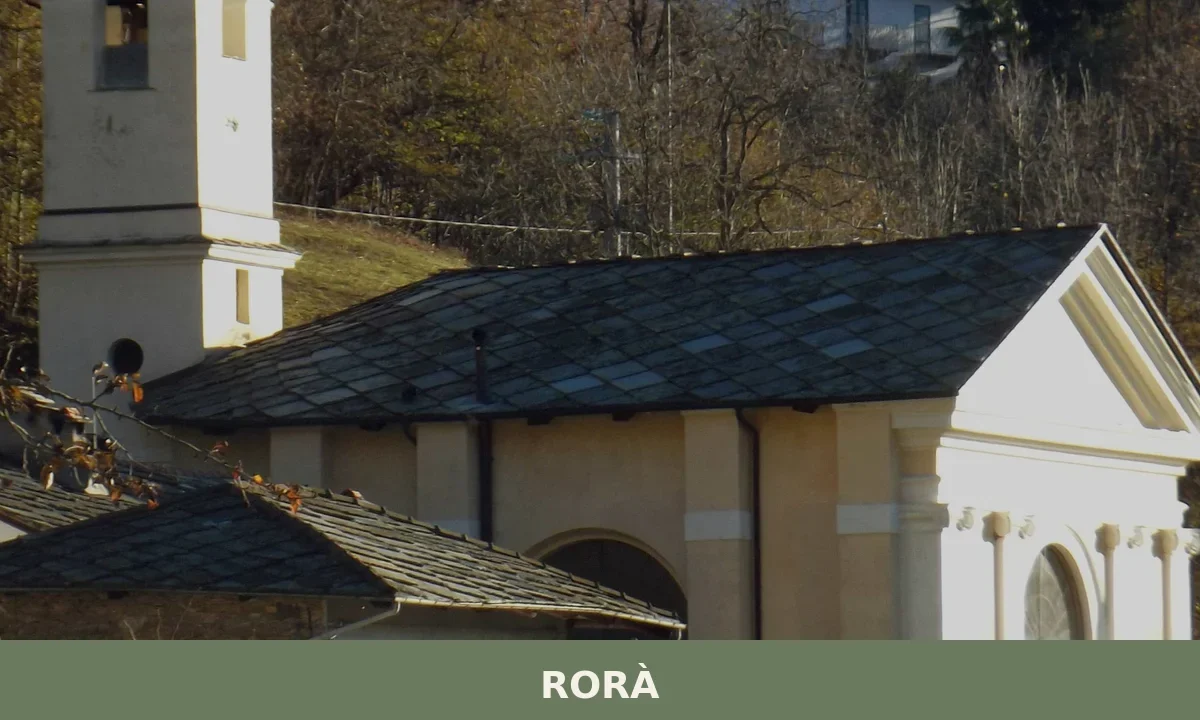
Rorà
Mountain
Population 221. Altitude 967 metres. Stone houses, Alpine silence, and a rhythm set by seasons and territorial links that connect to the Pellice valley network.

Beinasco
Plains
Beinasco traces its roots to a Roman frontier post. Discover how this small town survived plague, warfare and transformation to anchor modern metropolitan Turin.

🏡 Know Sauze di Cesana better than we do?
If you’re a local or have been there, your knowledge matters: add what’s missing or fix a detail on this page.