


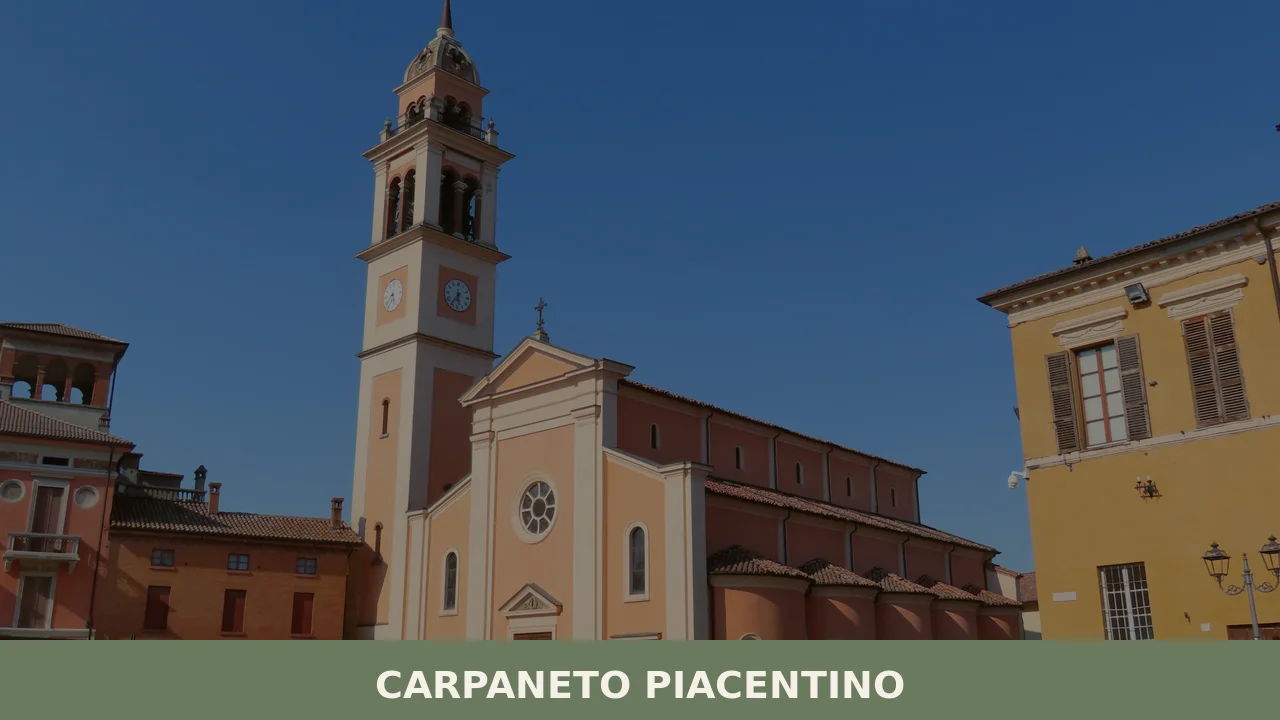
Carpaneto Piacentino
 Plains
What to see in Carpaneto Piacentino: 7,598 residents, 114 m altitude, Saints Fermo & Rustico festival on 9 Aug, DOP cured meats. Plan your visit now.
Discover Carpaneto Piacentino
Other Villages to Discover in Emilia-Romagna
Let me provide the complete translation now:The province of Piacenza, with its fertile plain and the settlements that have developed over the centuries, offers environments where agricultural activity has shaped both the landscape and the life of local communities. Carpaneto Piacentino, a lowland village of 7,598 inhabitants situated at 114 metres above sea level, is one such place.
Those asking what to see in Carpaneto Piacentino will find an environment that reflects its agricultural history and its role as a hub for the surrounding territory.
Its location in the western part of Emilia-Romagna, not far from the provincial capital, makes it easy to reach for anyone who wants to explore this part of the region.
History and Origins of Carpaneto Piacentino
The area where Carpaneto Piacentino stands today has seen human settlement since ancient times, as has much of the Po Valley.
General historical evidence for the province of Piacenza points to a significant Roman presence, with the founding of colonies and the development of a road network that influenced how the territory was later organised. Although specific sources for Carpaneto Piacentino do not provide a precise founding date or a detailed etymology for its name, it is reasonable to assume that its development was tied to land reclamation and cultivation — a gradual process that defined the region over the centuries.
During the Middle Ages, many centres on the Piacenza plain gained strategic and economic importance, often linked to the presence of fortifications or control over minor trade routes.
Carpaneto, like other surrounding villages, may well have followed this pattern of development, becoming a point of reference for agricultural communities. The limited documentation specific to the village makes it impossible to reconstruct key events with precise dates, but its existence as an independent municipality reflects a well-established territorial and administrative organisation that took shape over time.
Lowland villages, while lacking the imposing aspect of hilltop fortified centres, were nonetheless vital to the local economy.
The development of Carpaneto Piacentino through to the modern era is closely tied to its agricultural vocation.
The fertility of the soil and the availability of water encouraged farming practices that still represent a fundamental component of the local economy today.
The transition from a simple rural settlement to a municipal centre with its own identity is a process common to many villages across the region. This trajectory shaped the urban and social fabric of the place, making it a representative example of the municipalities on the Piacenza plain — a place where history is expressed in the rural landscape and civic architecture rather than in major individual monuments.
What to See in Carpaneto Piacentino: Main Attractions
For those wondering what to see in Carpaneto Piacentino, the village offers an experience centred on observing its urban layout and the structures that reflect its history as an agricultural and community hub on the Piacenza plain.
The attractions, while not monuments of international renown, carry value rooted in everyday life and local development.
A visit here allows you to understand the characteristics of a settlement that has maintained a strong connection with its surrounding territory.
The Parish Church of Saints Fermo and Rustico
The parish church, dedicated to Saints Fermo and Rustico, is the main place of worship in Carpaneto Piacentino and a key point of reference for the community.
Although current sources do not provide specific details about its architecture or construction date, it is standard practice for the principal church of a village to have undergone alterations and expansions over the centuries, reflecting different styles and periods. Its presence is central to the religious and social life of the town, offering an opportunity to observe how civic and spiritual life are organised here.
The Town Hall and the Main Square
The Town Hall is the administrative centre of Carpaneto Piacentino and faces onto the village’s main square, which serves as the focal point of public life. These spaces are typically where residents gather and where events and festivities take place.
The square, together with the buildings that surround it, presents an image of local civic architecture — generally characterised by simple, functional lines in keeping with the practical nature of lowland villages.
Observing how these elements interact helps you understand the organisation of the settlement.
Historic Residences in the Surrounding Countryside
The countryside around Carpaneto Piacentino is dotted with historic residences — often old noble farmsteads or country villas — that attest to the agricultural wealth of the territory.
These structures, though not always open to the public or specifically named in sources relating to Carpaneto, form a significant component of the Piacenza landscape. They illustrate the evolution of rural architecture and the organisation of landed estates that have defined the area for centuries, contributing to the visual identity of the surrounding countryside.
The Historic Streets and Urban Layout
Walking through the streets of Carpaneto Piacentino’s historic centre allows you to observe an urban layout that often reveals traces of an older structure.
Many lowland villages have maintained a plan that developed around an original core, with streets intersecting and leading to the main buildings. Exploring these streets allows you to absorb the atmosphere of the place and notice minor architectural details — such as doorways and windows — that speak to earlier periods without the need for grand monuments.
This aspect is fundamental to understanding what to see in Carpaneto Piacentino beyond individual buildings.
The Agricultural Landscape of the Piacenza Plain
One of the defining characteristics of Carpaneto Piacentino is its place within the vast agricultural landscape of the Piacenza plain.
The expanses of cultivated fields, the irrigation channels and ditches that cross the territory, and the small farm holdings represent a dominant visual and cultural element.
This landscape is the result of centuries of work and a deep interaction between people and their environment. Observing the crops — which change with the seasons — and the agricultural infrastructure around them offers a genuine perspective on the life and economy of the village and its province.
Local Food and Products of Carpaneto Piacentino
The gastronomic tradition of Carpaneto Piacentino sits firmly within the culinary context of the Piacenza area and, more broadly, of Emilia-Romagna — one of the most highly regarded cuisines in Italy for its richness and variety. The culinary influences of the area have historically been shaped by the availability of raw materials from farming and livestock rearing, typical of the fertile Po Valley.
Local cooking is the result of passed-down recipes that make the most of simple but high-quality ingredients, often prepared using techniques that bring out their natural flavour.
This historical and geographical context has given rise to a cuisine that is both substantial and full of flavour.
Among the typical dishes you can enjoy in the Carpaneto Piacentino area, many are representative of the province of Piacenza.
Fresh filled pasta is a cornerstone of the local table, with Tortelli alla Piacentina, often dressed with butter and sage, and Anolini in brodo, traditionally served during winter festivities. Another widely known first course is Pisarei e Fasö — small dumplings made from flour and breadcrumbs, served with a bean sauce.
Equally important are the main courses based on meat, often pork, and game, which reflect the dietary habits of the territory.
As regards certified products, available sources do not indicate any products with DOP, IGP or other designations directly attributed to the Carpaneto Piacentino area. However, the province of Piacenza is well known for its cured meats, including Coppa Piacentina DOP, Salame Piacentino DOP and Pancetta Piacentina DOP — products that represent the excellence of local cured meat production and are widely available and enjoyed in the village too.
These products are the result of a long tradition and strict adherence to production specifications, ensuring a high-quality culinary experience.
Although no detailed information is available on specific food festivals or markets in Carpaneto Piacentino, it is customary for villages on the Piacenza plain to host weekly markets or seasonal food events.
These occasions, often tied to agricultural cycles or local festivities, offer the chance to taste and purchase local products — from cheeses and cured meats to fresh vegetables and local wines.
Visitors to the area can check with local accommodation providers or the municipal website to find out about any events taking place during their stay.
Festivals, Events and Traditions of Carpaneto Piacentino
The calendar in Carpaneto Piacentino is marked by occasions that reflect local traditions and the spiritual life of its community. The most significant event is the patron saints’ festival, dedicated to Saints Fermo and Rustico, celebrated annually on 9 August. This occasion holds particular meaning for residents, serving as a moment of community gathering and celebration of local identity.
During the patron saints’ festival, religious events such as processions are customarily held alongside civic activities that may include concerts, performances and market stalls.
The celebrations for the patron saints are often accompanied by moments of communal enjoyment, with local food playing a central role.
Food festivals, even if not specifically documented for Carpaneto, are a common feature of village celebrations across Emilia-Romagna, giving visitors the chance to sample local dishes and products.
These events, together with other traditions tied to agricultural cycles or Christian festivities such as Christmas and Easter, help keep the community’s connection to its roots alive and offer visitors a genuine way to get to know the village.
When to Visit Carpaneto Piacentino and How to Get There
The best time to visit Carpaneto Piacentino and the Piacenza plain runs from spring through to autumn. During these months, the climate is generally mild and well suited to exploring the village and its surroundings. Spring brings the awakening of nature and flowering fields, while autumn is defined by warm colours in the landscape and activities related to the harvest, including the grape harvest. Summer, though warm, allows visitors to take part in the patron saints’ festival on 9 August. Those looking for a quieter visit more in tune with the rhythms of nature should consider the months of May, June and September.
For those arriving by car, Carpaneto Piacentino is easily accessible via the motorway network.
From the A1 (Milan–Bologna) or the A21 (Turin–Piacenza), the most convenient exit is Piacenza Sud.
From there, the village is approximately 15–20 kilometres away, a drive of around 20–25 minutes. For those who prefer to travel by train, the nearest railway station is Piacenza, served by regional and intercity connections. From the station, Carpaneto Piacentino can be reached by local bus or taxi in around 30 minutes.
Further details on services and timetables can be found on the Carpaneto Piacentino Municipal website.
The nearest airports to Carpaneto Piacentino are Milan Linate (LIN), approximately 80 kilometres away, Parma (PMF), approximately 60 kilometres away, and Bologna (BLQ), approximately 130 kilometres away. From these airports it is possible to hire a car or use public transport services to reach Piacenza and then Carpaneto. Milan Linate Airport, for example, offers numerous domestic and international connections and can be a good option for those travelling from further afield.
For planning flights and transfers to and from the airports, it is advisable to consult the websites of the relevant airlines or travel portals such as Milan Linate Airport.
Other Villages to Discover in Emilia-Romagna
Emilia-Romagna is a region rich in villages and towns that offer varied perspectives on its historical and cultural heritage.
Beyond exploring what to see in Carpaneto Piacentino, visitors may want to consider an itinerary that takes in other significant centres.
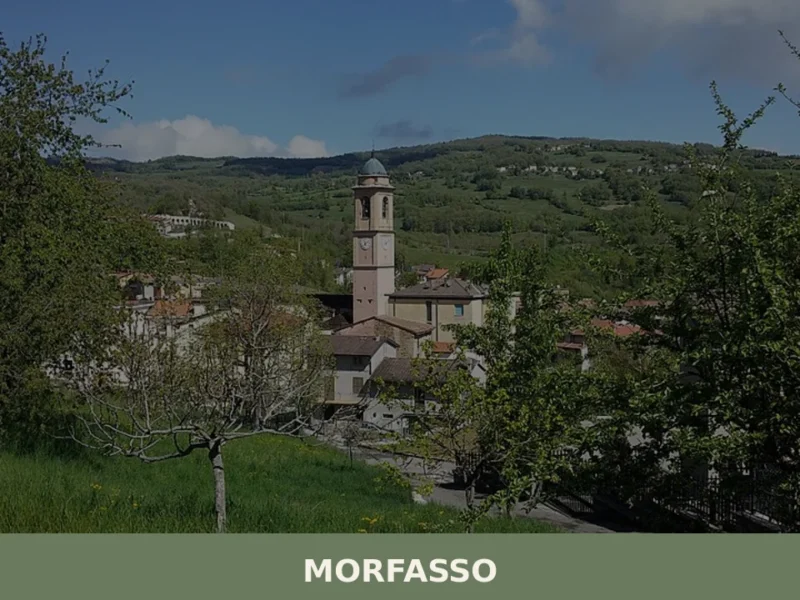
For example, Morfasso, in the Piacenza Apennines, offers a markedly different landscape from the plain, with its hills and valleys. Further afield, Lizzano in Belvedere, in the Bologna Apennines, is known for its mountain environment.
For those interested in larger urban centres, Bologna and Imola offer a wealth of art, history and gastronomy. A visit to Castel del Rio or a trip towards Rimini on the Adriatic coast can round out a broader exploration of the region, combining different landscapes, histories and local traditions within a single journey.
Frequently asked questions about Carpaneto Piacentino
What is the best time to visit Carpaneto Piacentino?
The most rewarding time to visit Carpaneto Piacentino is late spring (May–June) and early autumn (September–October), when the Po Valley climate is mild and the agricultural landscape is at its most scenic. Summer visits around 9 August are particularly special: the patron saints' festival of Saints Fermo and Rustico brings the community together with religious processions, concerts and local food. Avoid July and August for general sightseeing, as the plain can be intensely hot and humid. Autumn also coincides with the harvest season, making it ideal for exploring local food and wine traditions.
What to see in Carpaneto Piacentino? Main monuments and landmarks
The main point of reference in Carpaneto Piacentino is the Parish Church of Saints Fermo and Rustico, the historic heart of community life and the focal point of the annual patron saints' festival on 9 August. The Town Hall and central square represent the civic core of the village, offering a glimpse of lowland Emilia-Romagna's functional architecture. The surrounding countryside is dotted with historic rural estates and farmsteads. A walk through the historic streets reveals details of the village's gradual urban development, while the vast cultivated plain itself is a defining visual and cultural landmark.
What to eat in Carpaneto Piacentino? Local products and specialties
Carpaneto Piacentino sits within one of Italy's great food traditions. Must-try dishes include Anolini in brodo, Tortelli alla Piacentina with butter and sage, and Pisarei e Fasö — bread-flour dumplings with bean sauce. The province's three DOP cured meats are essential: Coppa Piacentina DOP, Salame Piacentino DOP and Pancetta Piacentina DOP, all widely available locally. These products follow strict production specifications rooted in centuries of craft. Piacenza also produces notable Gutturnio and Ortrugo DOC wines, ideal accompaniments to the rich local cuisine.
Who is Carpaneto Piacentino suitable for? Families, couples, hikers, solo travelers?
Carpaneto Piacentino suits visitors who enjoy authentic, unhurried rural Italy away from tourist crowds. Food and wine enthusiasts will appreciate its deep connection to Piacenza's DOP cured meat tradition and regional cuisine. It appeals to couples and slow-travel explorers interested in the agricultural landscape and village life. Families can enjoy the relaxed pace and the festive atmosphere around the 9 August patron saints' celebration. It is less suited to hikers seeking mountain trails or visitors looking for major museums and monuments, as its character is rooted in everyday civic and rural life.
What can you do in Carpaneto Piacentino? Activities and experiences
Visitors to Carpaneto Piacentino can explore the village on foot, observing the historic street layout and civic architecture around the central square. The surrounding agricultural plain invites cycling along rural roads between fields, irrigation channels and historic farmsteads — a common and well-suited activity in the flat Piacenza countryside. Attending the patron saints' festival on 9 August offers a genuine community experience with processions and local celebrations. The area is also an excellent base for food and wine tourism, with local trattorias serving traditional Piacenza cuisine and producers of the province's celebrated DOP cured meats nearby.
📷 Photo Gallery — Carpaneto Piacentino

Nearby Villages near Carpaneto Piacentino
In Emilia-Romagna More villages to discover
Bardi
 Mountain
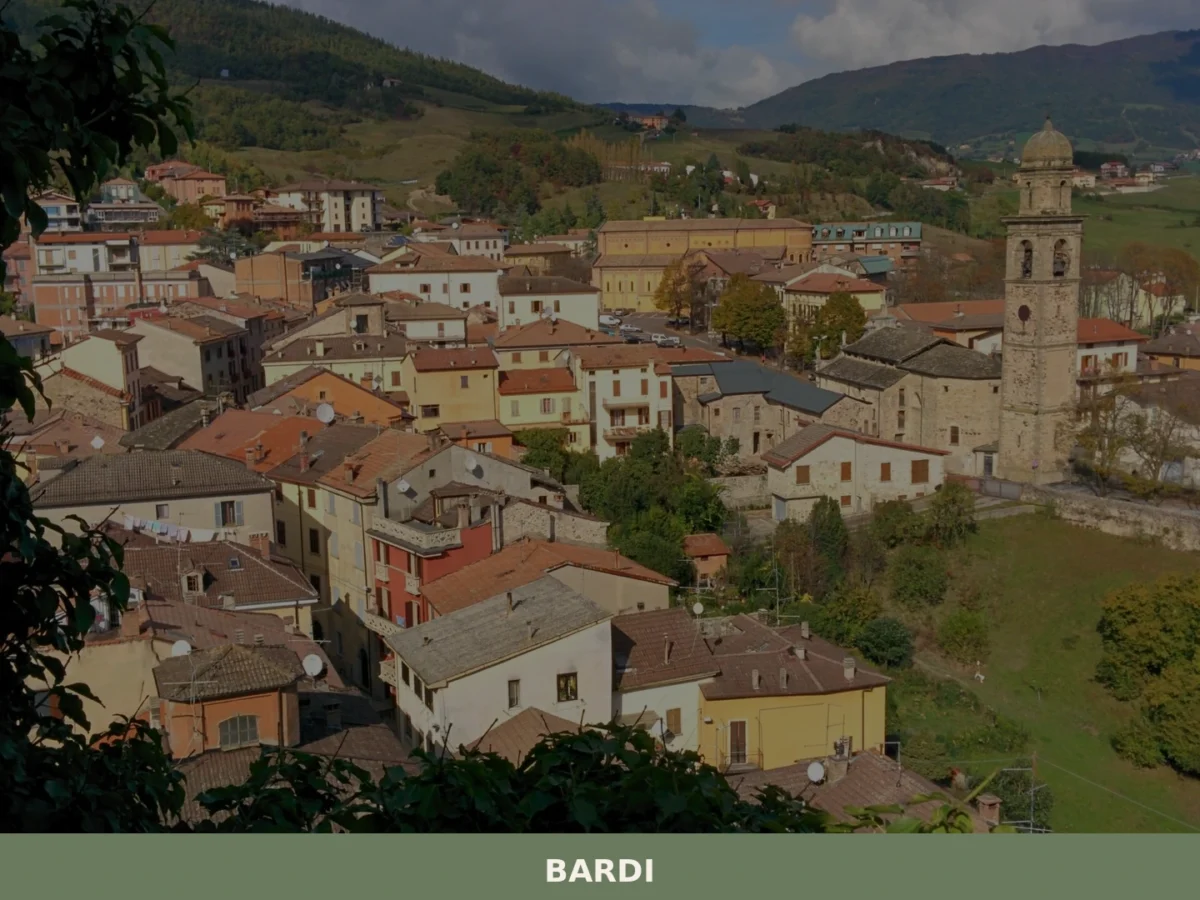
What to see in Bardi, Italy: Explore the Landi Castle and its 13th-century Oratory at 625 m altitude. Discover this mountain village in Emilia-Romagna.
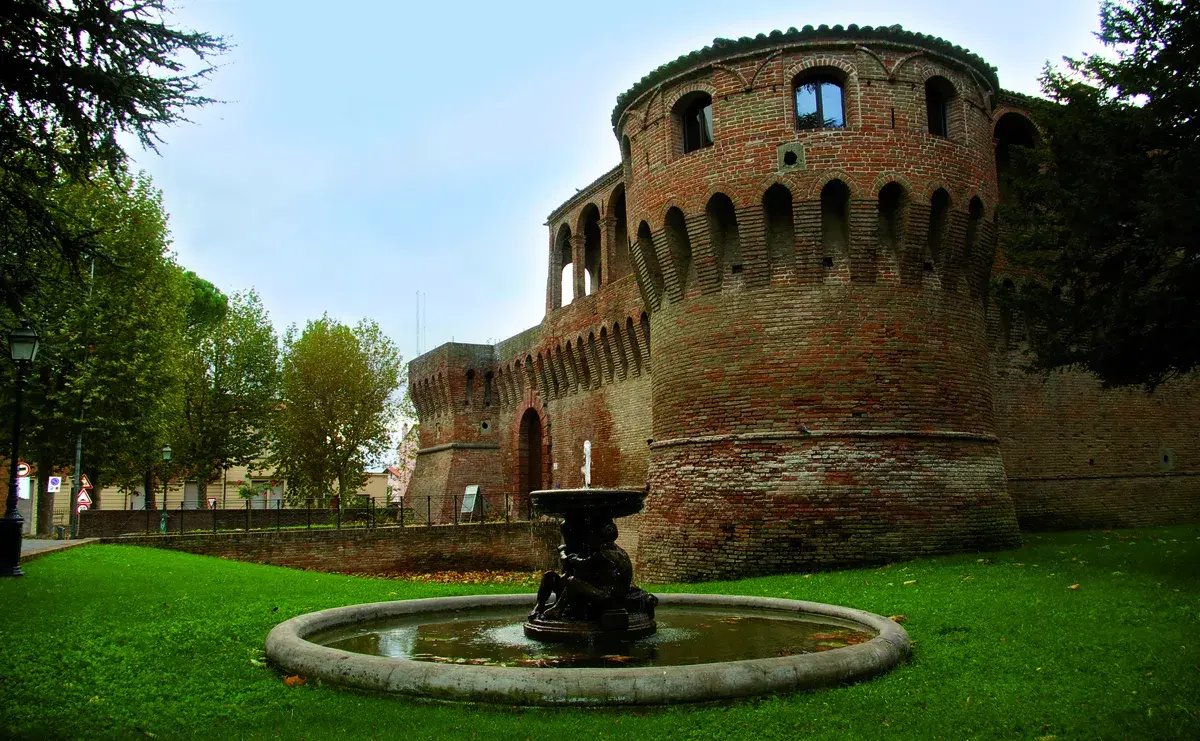
Bagnara di Romagna
Plains
What to see in Bagnara di Romagna, Italy? Explore this 'Borgo più bello' at 22 m (72 ft) altitude. Discover its historical charm and annual Patron Saint's Feast.
Argenta
Plains
What to see in Argenta, Italy: Explore the 7m altitude of Argenta. Discover top attractions like San Nicola di Bari and enjoy local foods.
Ravenna
 Sea
Sea
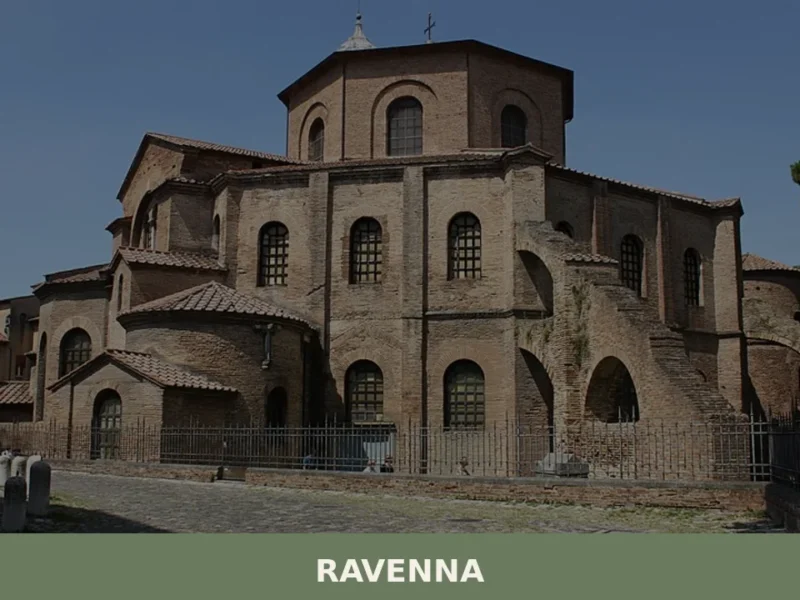
With a population of 155,751 inhabitants and located just 4 m above sea level, Ravenna stands out as one of Emilia-Romagna’s most significant centers, a historical crossroads that has shaped the region’s identity. In this article History and origins of Ravenna What to see in Ravenna: main attractions Typical cuisine and products of Ravenna Festivals, […]
Agazzano
Plains
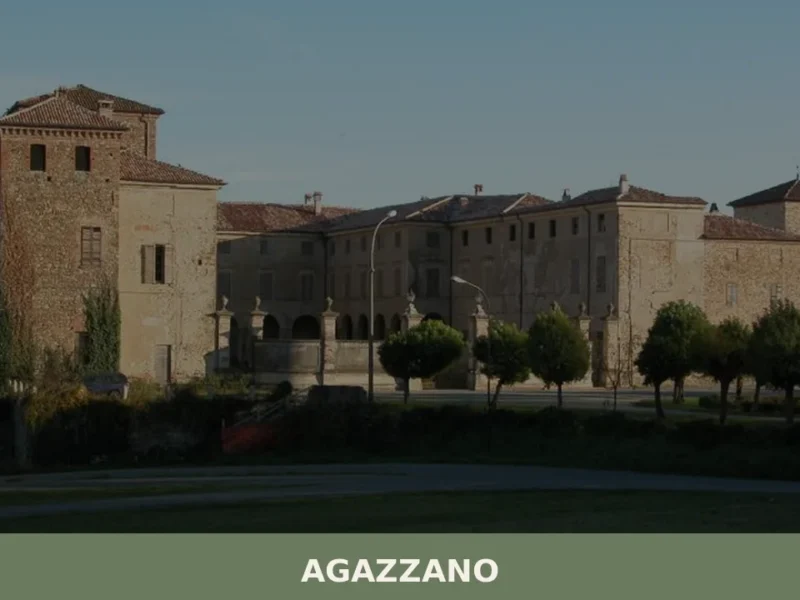
What to see in Agazzano, a village at 187 m in Piacenza province with 2,054 residents. Explore the medieval castle, Santa Maria Assunta church and Val Luretta. Plan your visit.
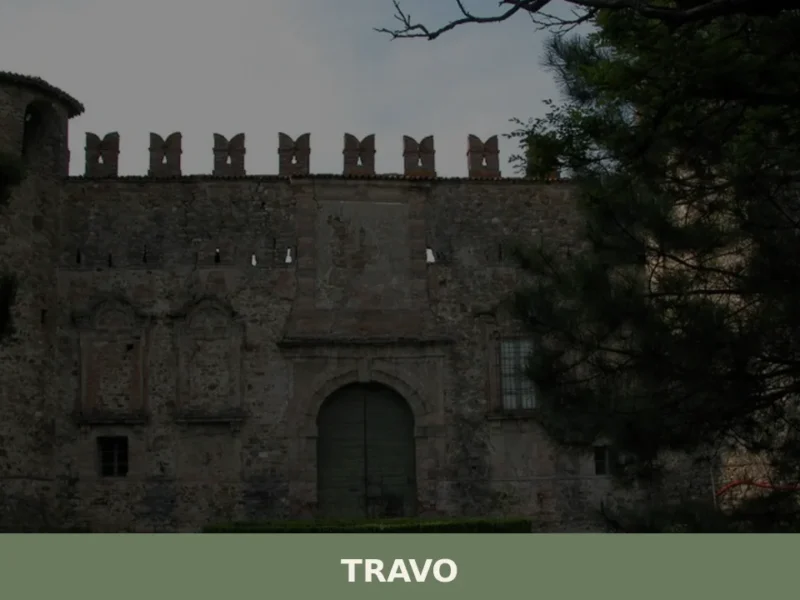
Travo
Plains
At 171 metres above sea level, in the lower Val Trebbia, Travo is one of those centres in the province of Piacenza where the historical layers of the past surface in visible, tangible ways: from pre-Roman foundations to the medieval domains of the Malaspina and Landi families, with traces of the Matildine Middle Ages in […]
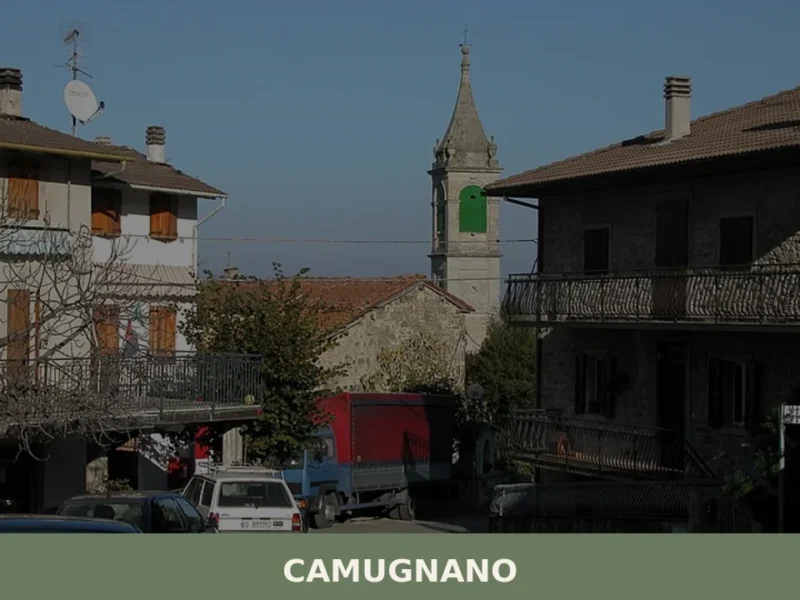
Camugnano
Mountain
In 1911, when the construction of the Suviana Dam transformed the course of the Limentra torrent, Camugnano changed its appearance forever. The water submerged farmland and footpaths, creating an artificial reservoir that now defines the landscape of the upper Bolognese Apennines at an altitude of 692 metres. This municipality of 1,948 inhabitants, spread across scattered […]
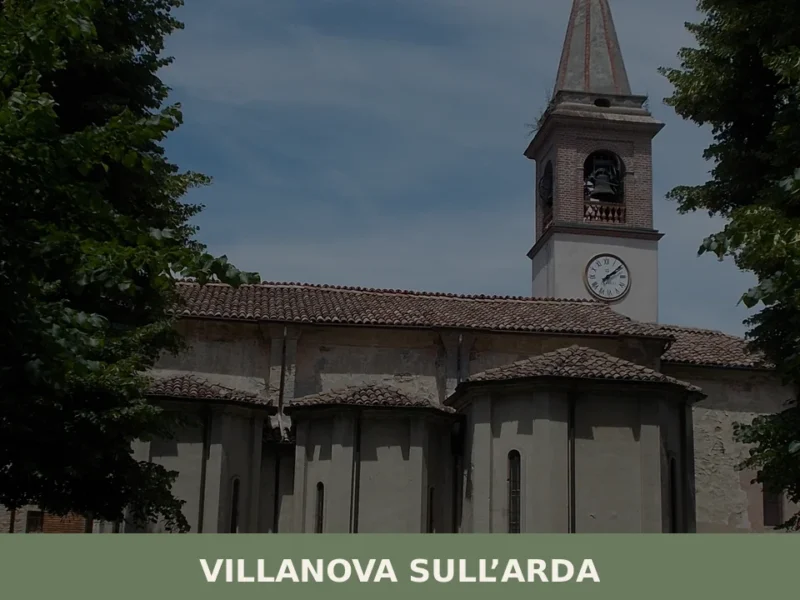
Villanova sull’Arda
Plains
In 1813, in the hamlet of Sant’Agata, Giuseppe Verdi was born — the composer who would rewrite the history of European melodrama. Villanova sull’Arda, home to 1,894 inhabitants in the Bassa Piacentina lowlands, still bears the marks of that bond: the villa where Verdi lived for over half a century with soprano Giuseppina Strepponi stands […]
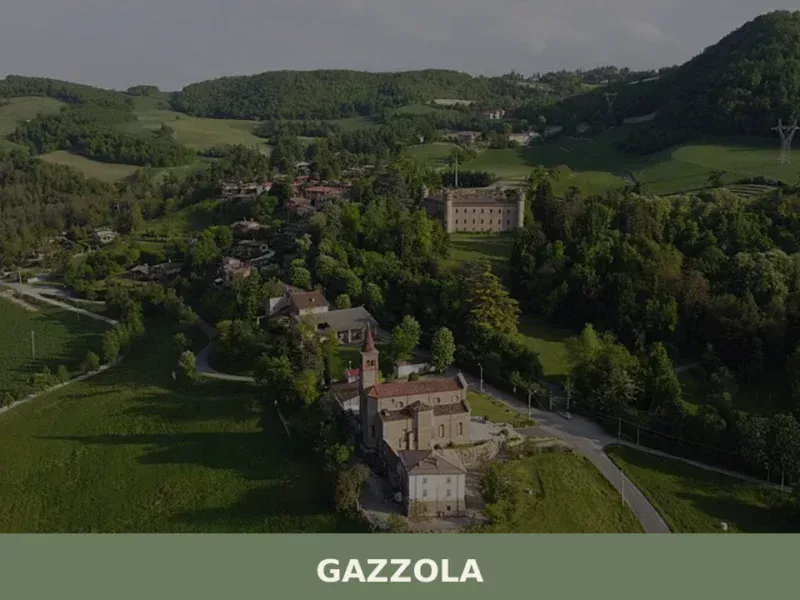
Gazzola
Plains
What to see in Gazzola, a Piacenza hill village at 146 m with 2,050 residents. Explore Rivalta Castle, the Luretta valley and Colli Piacentini DOC wines. Plan your visit.
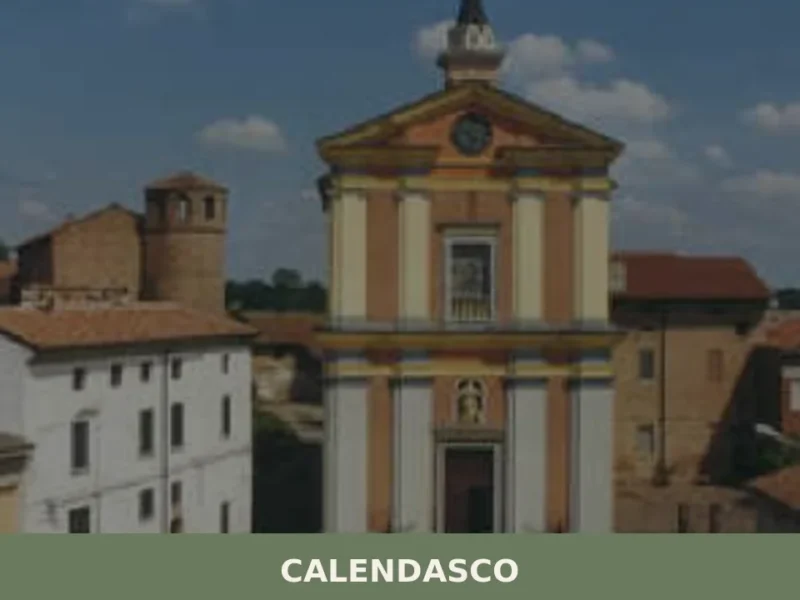
Calendasco
Plains
What to see in Calendasco, a village of 2,485 residents on the Po plain at 55 m elevation. Discover the medieval castle, the 19 February Saint Conrad festival and Piacenza cured meats.

🏡 Know Carpaneto Piacentino better than we do?
If you’re a local or have been there, your knowledge matters: add what’s missing or fix a detail on this page.