


Argenta
 Plains
What to see in Argenta, Italy: Explore the 7m altitude of Argenta. Discover top attractions like San Nicola di Bari and enjoy local foods.
Discover Argenta
The bells of Argenta chime daily, echoing through Emilia-Romagna’s plains, a sound long associated with tradition and community. Situated at just 7 meters above sea level, this town offers an intriguing blend of historical landmarks and cultural roots that run deep within the province of Ferrara.
A symphony of historical tales and regional flavors awaits visitors at every turn.
Understanding what to see in Argenta involves exploring both its cultural and architectural highlights.
Visitors to Argenta discover the community’s essence in spaces like the Church of San Nicolò and the Argenta Gap nature reserve. Rich history and vibrant traditions have shaped this town, drawing curious travelers from kilometers away. The Argenta highlights include these significant cultural and natural attractions, each offering a unique insight into the town’s vibrant soul.
History of Argenta
Argenta’s history begins with its founding as a strategic settlement in the fertile plains of Emilia-Romagna. Though its origins are somewhat shrouded in antiquity, the town has seen various civilizations pass through, leaving a lasting mark. Argenta developed over the centuries from a small settlement to an integral part of the province of Ferrara, reflecting the broader historical shifts in the region.
The Middle Ages introduced significant architectural developments, demonstrated by the construction of churches and fortifications.
One notable structure is the Church of San Nicolò, which continues to symbolize Argenta’s spiritual and cultural legacy.
The community thrived under varying rulers, adapting to the political and social changes that swept across Italy.
Modern Argenta retains its historical legacy while embracing growth and change. The community celebrates its past through festivals and the preservation of historical sites. With a population of 21,161 inhabitants, Argenta is a hub of both cultural heritage and contemporary Italian life, blending its historical roots with modern influences.
What to see in Argenta, Emilia-Romagna: top attractions
Church of San Nicolò
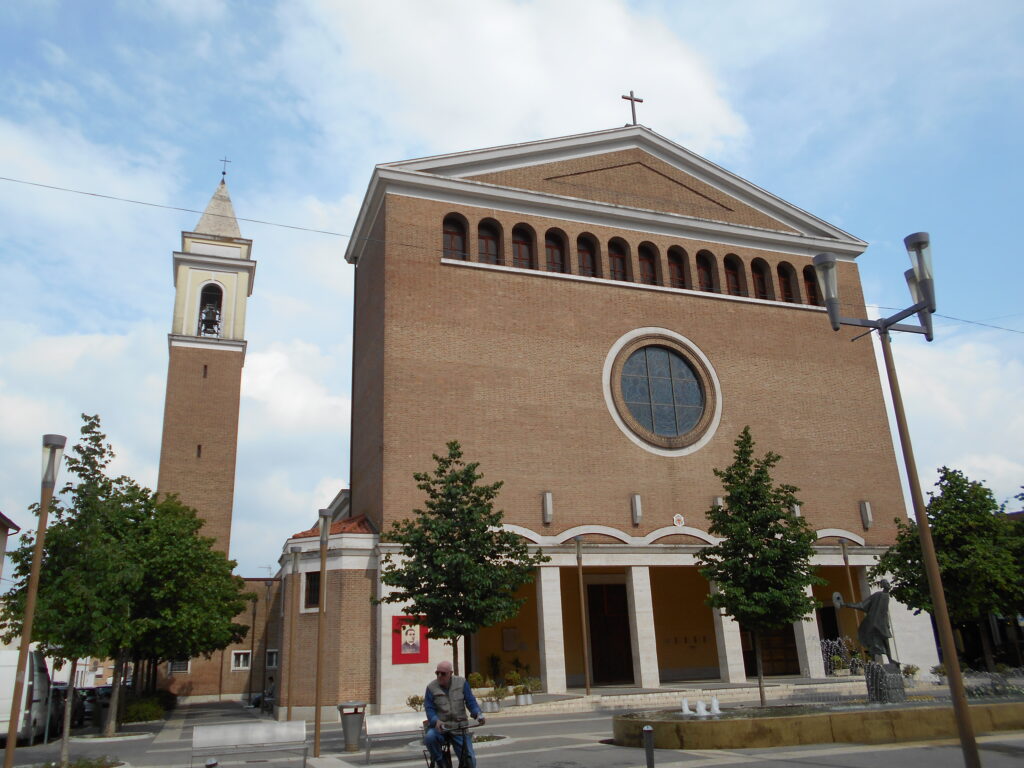
The wooden interior of the Church of San Nicolò invokes a sense of history. Built originally in the medieval era, its structure has witnessed centuries of worship and community gatherings. Visitors admire the intricate altarpieces and stained-glass windows, which narrate the town’s devotion and heritage. Accessible year-round, this site is best explored during quieter weekday mornings.
Argenta Gap Nature Reserve
Expansive wetlands define the Argenta Gap Nature Reserve, offering refuge and nesting grounds for various bird species.
This natural area emerged over millennia, shaped by the riverine processes of the Po Delta.
Visitors appreciate the well-marked trails that guide through the serene landscapes, especially during the spring migration season.
Argenta Archaeological Museum
The museum’s sandstone façade conceals a treasure trove of artifacts. Established in 1960, it curates collections that delve into the prehistoric to medieval periods, revealing the layers of civilization that once thrived here. Visitors gain insights through interactive displays and guided tours available in English by appointment.
Western Tower
The Torre Occidentale, or Western Tower, looms as a reminder of Argenta’s bygone fortifications. Constructed during the 12th century, its stone walls tell tales of defense and siege. Today, it offers panoramic views over the town and surrounding plains, particularly stunning as the sun sets behind the distant hills.
Palazzo Comunale
The facade of the Palazzo Comunale boasts intricate brickwork dating back to the Renaissance era.
This civic building remains a hub of town activity and governance.
Visitors to Argenta often stop here to admire its architecture and participate in seasonal civic events held in the adjacent square.
Local food and typical products of Argenta
Argenta’s gastronomic tradition is deeply intertwined with its geographical location and historical trade routes. The fertile plains of Emilia-Romagna provide an ideal environment for cultivating rich agricultural produce. Local cuisine reflects the region’s agrarian roots, with dishes that have been refined through generations.
The culinary scene features savory dishes like Tagliatelle al ragù, where pasta is lovingly crafted by hand, paired with a rich, slow-cooked meat sauce. Another staple is Salama da sugo, a robustly flavored cured meat, often served with polenta. These traditional recipes are passed down and perfected over the years, honoring the authenticity and flavors of Argenta.
Pecorino (CERT) — municipalities: Parma, Reggio Emilia, Ferrara.
This aged cheese, distinctive for its sharp flavor and crumbly texture, is a product of the local pastures.
Its quality and taste are recognized throughout Italy, embodying the region’s dedication to superior food production.
Festivals, events and traditions of Argenta
The town honors its patron saint, San Nicola di Bari, with a vibrant festival on December 6th. This day sees the streets filled with processions, traditional music, and festive markets, drawing locals and visitors alike to celebrate together. It is a time of joy and reflection, encapsulating the communal spirit of Argenta.
Throughout the year, Argenta hosts a range of cultural fairs and markets, such as the Spring Market in March. These events showcase local artisanal products, traditional foods, and offer a platform for community interaction. They provide a wonderful opportunity to experience the town’s lively atmosphere and cultural depth.
When to visit Argenta, Italy and how to get there
The best time to visit Argenta is during the spring and autumn months when the climate is mild and the natural beauty of the region is in full bloom. These seasons offer a perfect backdrop for exploring the town’s attractions and partaking in local events.
Travelers should be prepared for occasional rain, particularly in the spring.
Argenta is accessible by several means of transport.
Drivers can take the A13 motorway, exiting at Ferrara Sud, then continue for 35 km (22 mi) to reach the town. By train, the nearest station is Ferrara, with frequent services from Bologna and Venice. For international travelers, Bologna Guglielmo Marconi Airport is the closest airport, approximately 65 km (40 mi) away. Carrying cash euros is recommended, as some small establishments may not accept credit cards. Visit the official municipal website for more travel information.
Visitors to Argenta can extend their trip to Parma, which shares a rich culinary tradition and historical ties with the Emilia-Romagna region.
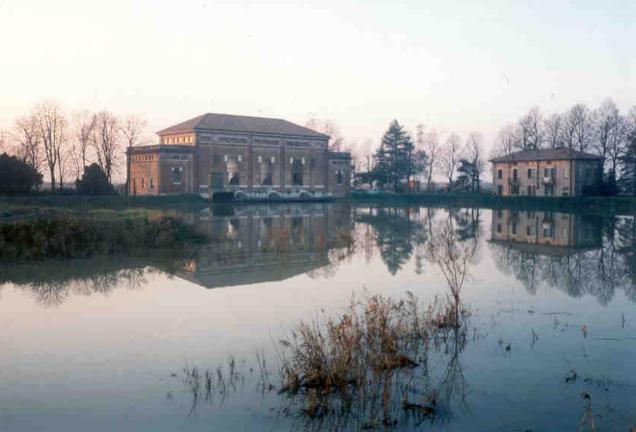
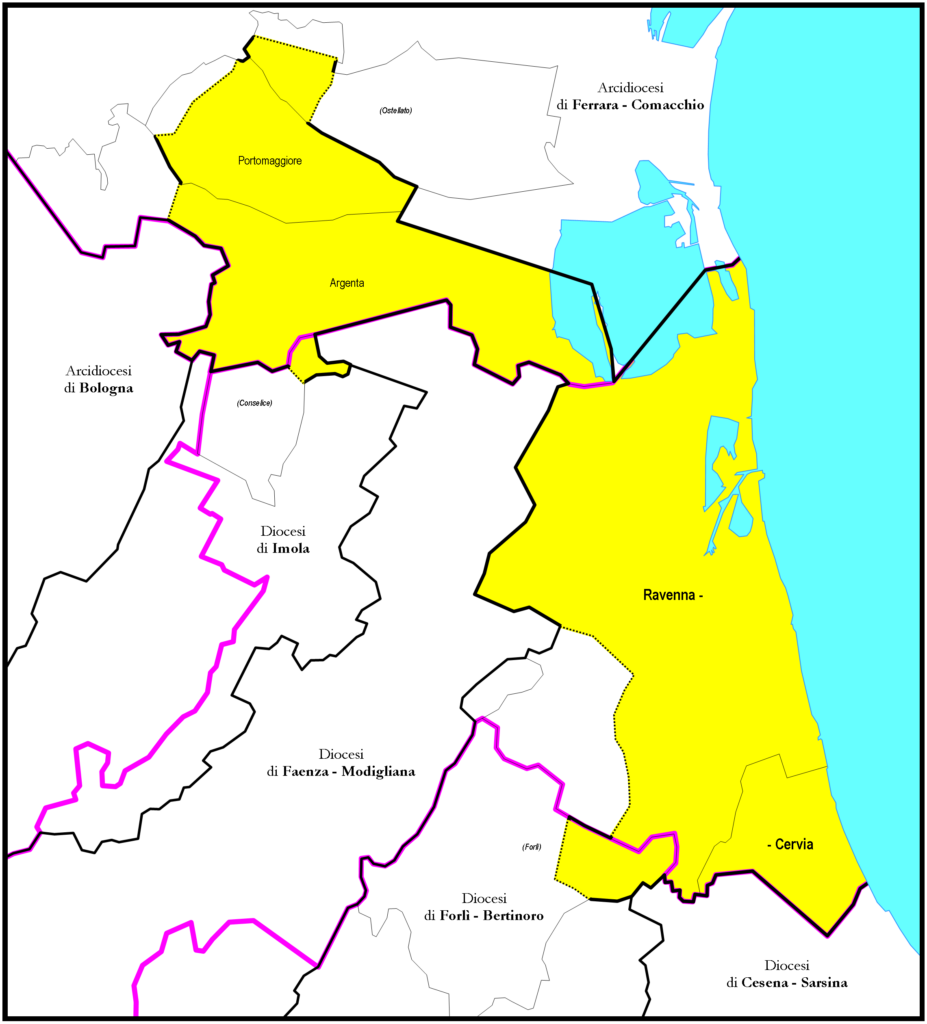
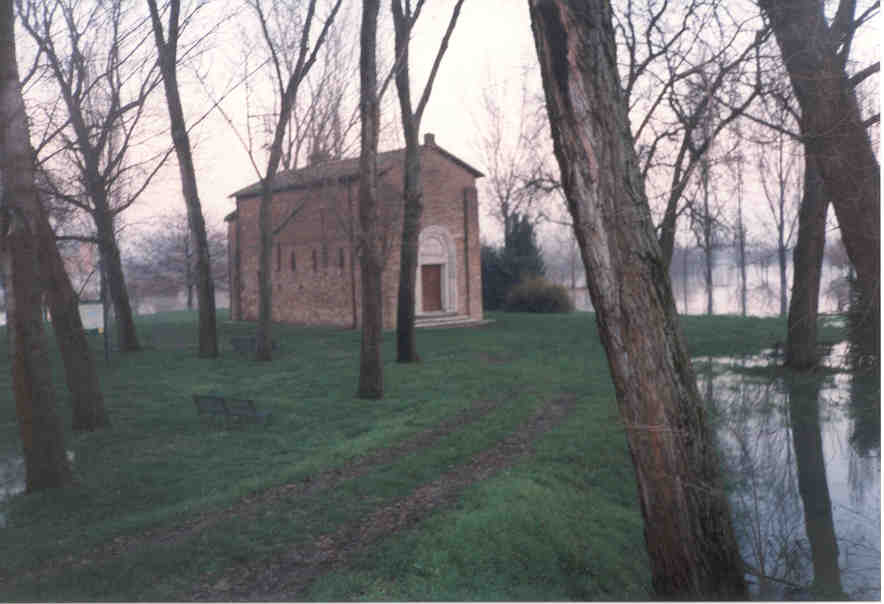
📷 Photo Gallery — Argenta
Getting there
Piazza Giuseppe Garibaldi, 44011 Argenta (FE)
Nearby Villages near Argenta
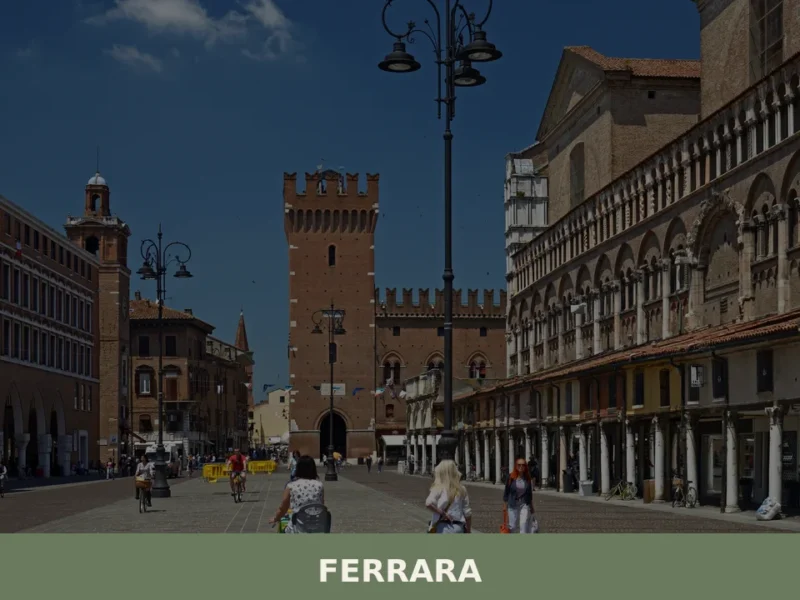
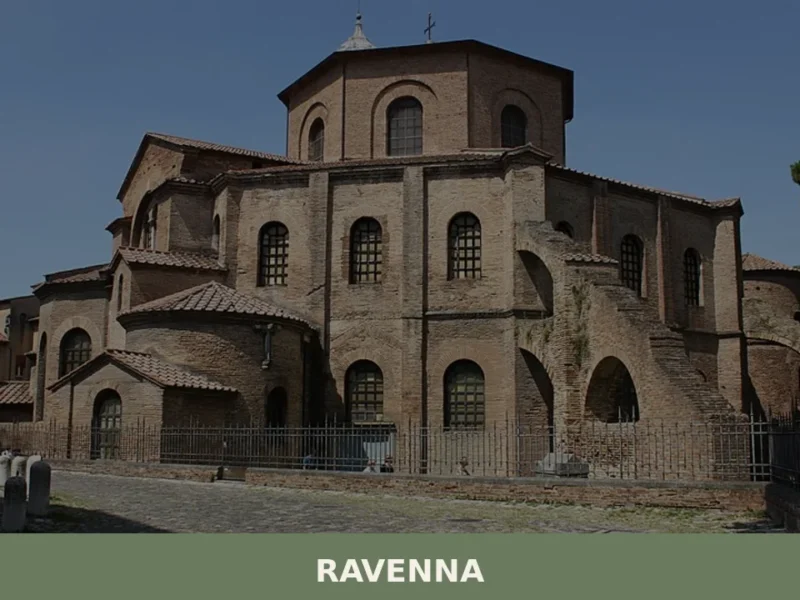
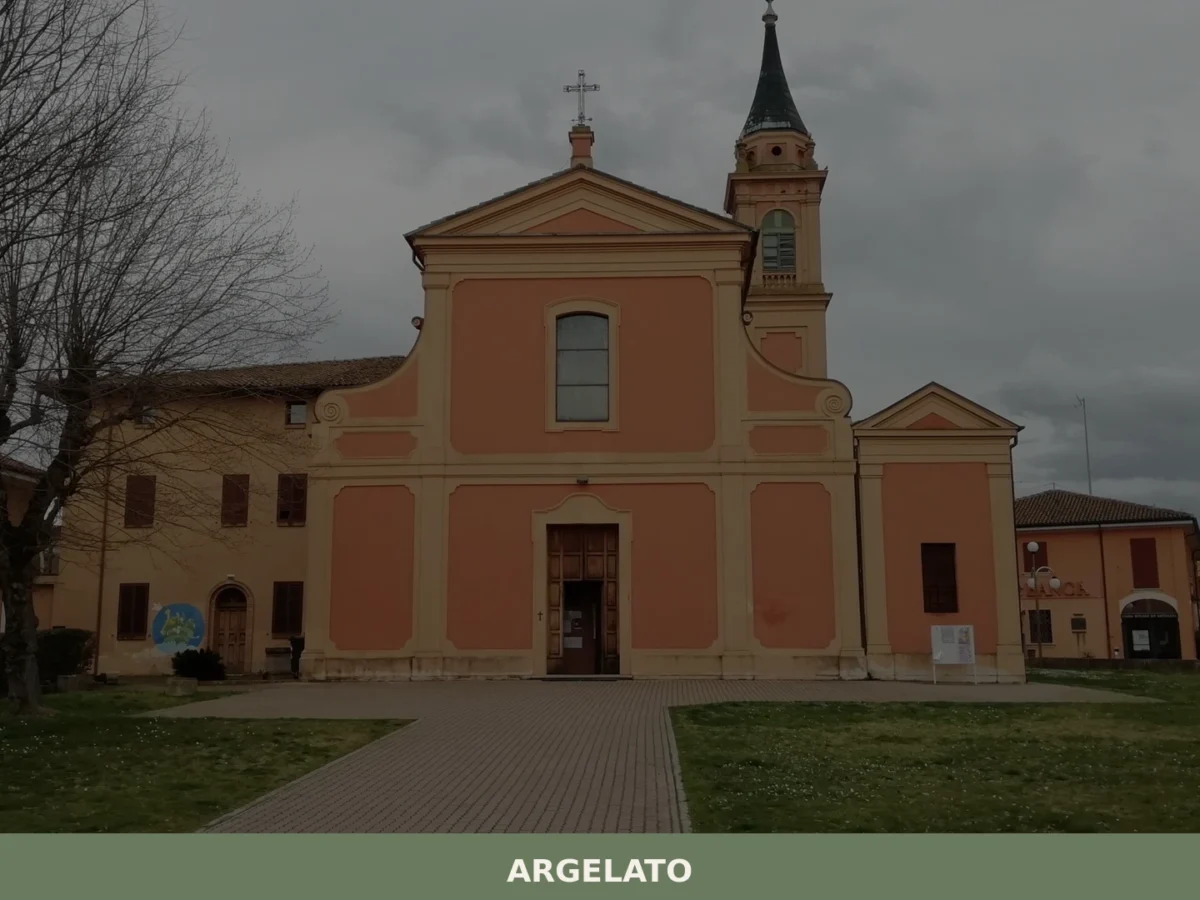
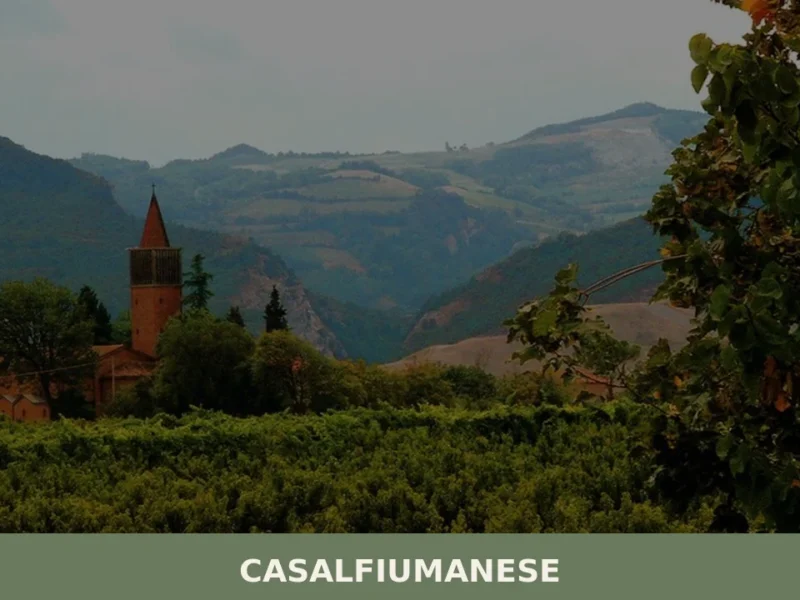
In Emilia-Romagna More villages to discover
Fontanelice
Plains
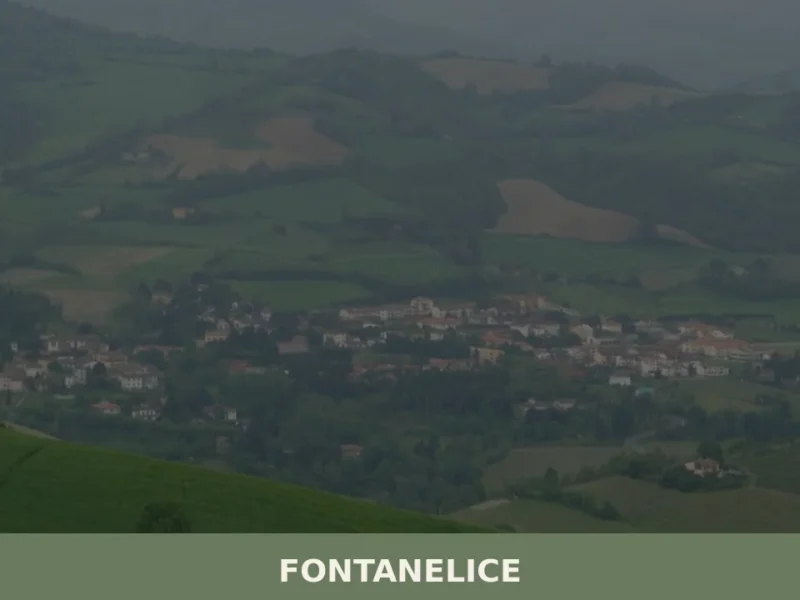
The provincial road climbing the Santerno valley passes through Imola and, after a few kilometres, reaches a compact settlement along the right bank of the river: this is Fontanelice, a municipality of 1,951 inhabitants at 165 metres above sea level, in the province of Bologna. The very name of the village refers to water — […]
Brescello
Plains
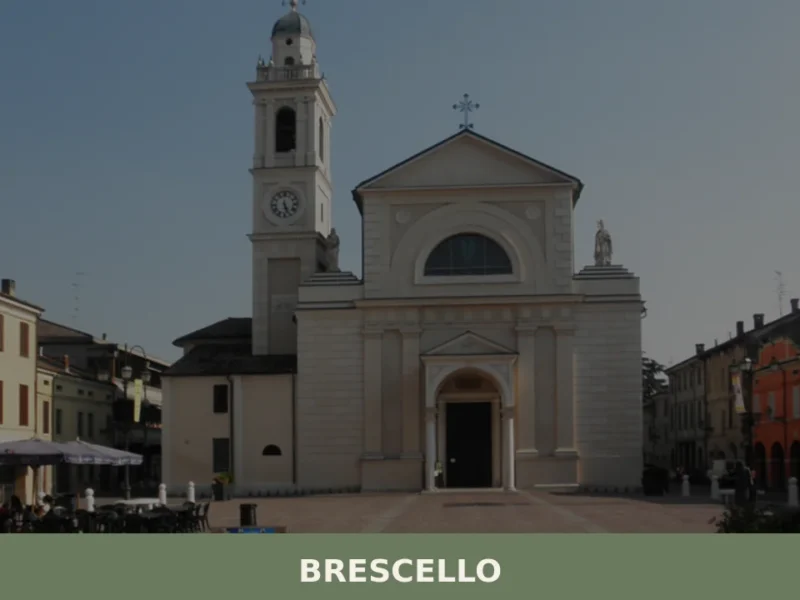
What to see in Brescello, Emilia-Romagna, Italy: explore the Don Camillo Museum, Roman ruins and local Po Valley cuisine. 5,554 inhabitants. Discover it now.
Campagnola Emilia
Plains
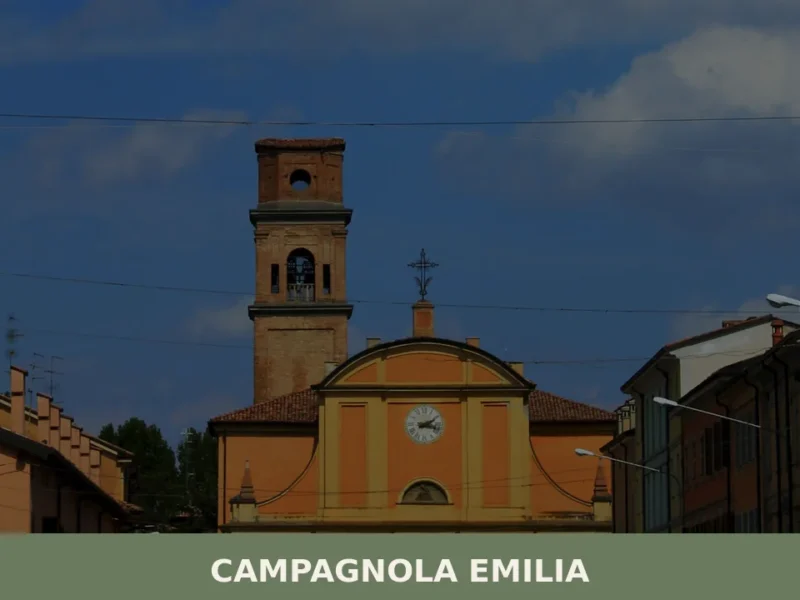
What to see in Campagnola Emilia, Italy: explore a Po Plain comune at 22 m altitude, 25 km from Reggio Emilia. Discover local festivals and food. Read the guide.
Albinea
Plains
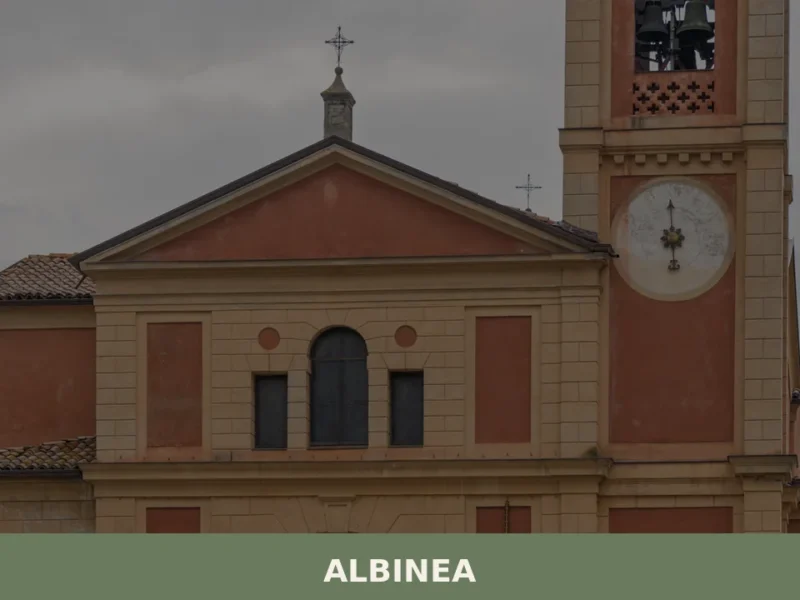
What to see in Albinea, Italy: explore 8,882 inhabitants, medieval history since 980 AD, Apennine foothills landscape and local food. Discover the full guide.
Imola
Plains
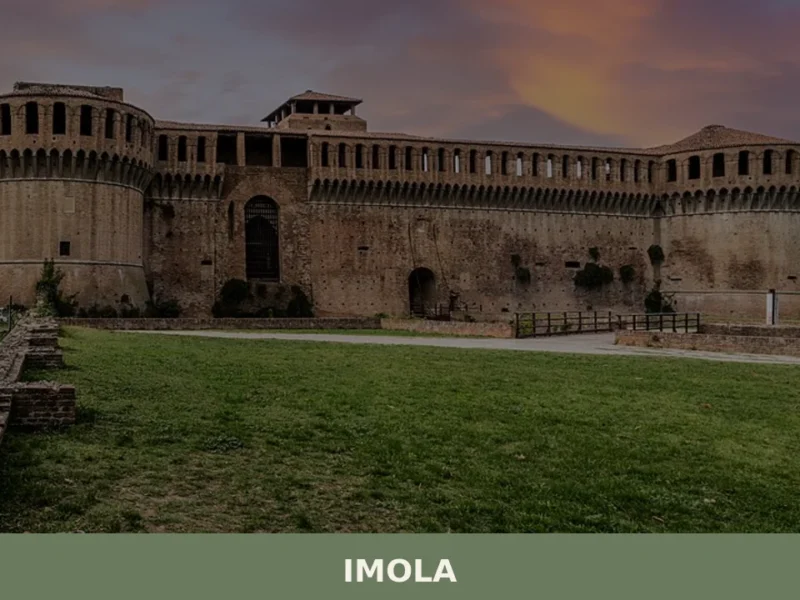
In 1953, on the track of the Autodromo Enzo e Dino Ferrari, Formula One cars raced in the Italian Grand Prix, placing Imola firmly in international motorsport history. But this city of 69,121 inhabitants, spread out at 47 metres above sea level along the banks of the River Santerno, had already existed for two thousand […]
Carpaneto Piacentino
Plains
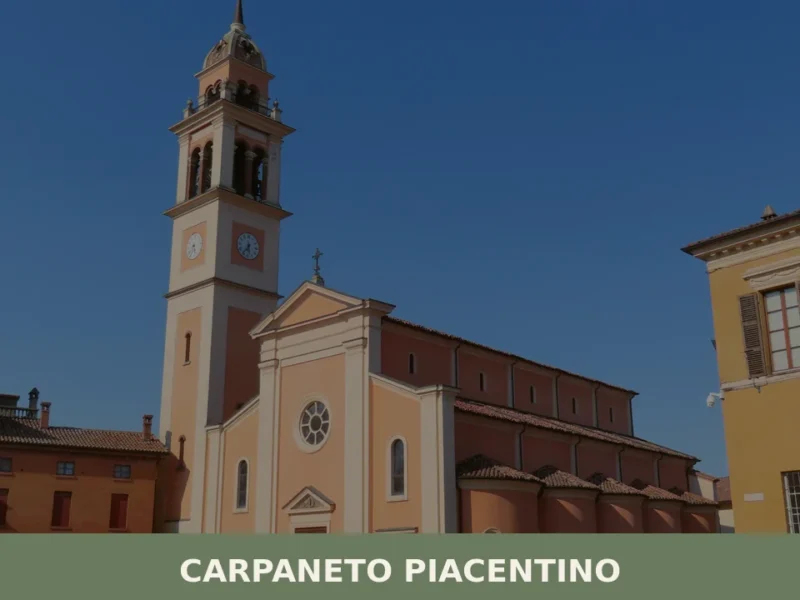
What to see in Carpaneto Piacentino: 7,598 residents, 114 m altitude, Saints Fermo & Rustico festival on 9 Aug, DOP cured meats. Plan your visit now.
Borgo Tossignano
Plains
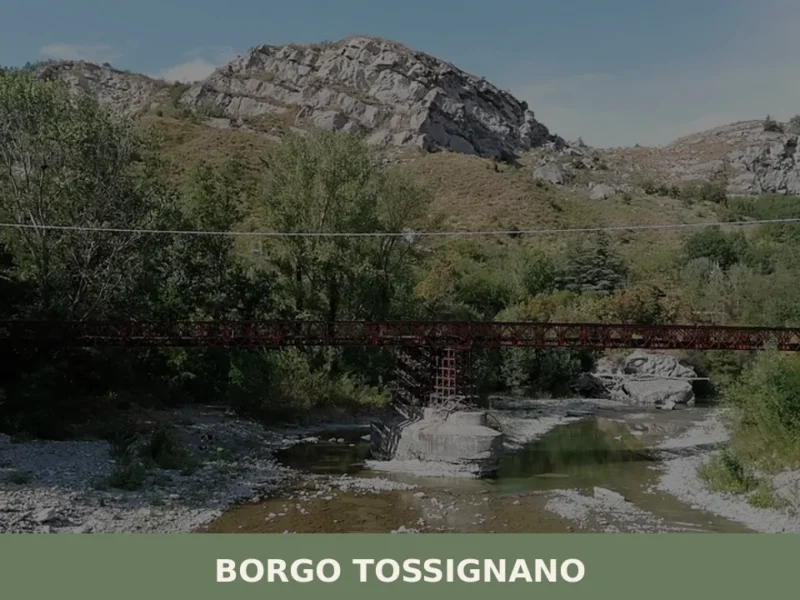
What to see in Borgo Tossignano: a complete guide to the village in the Santerno Valley In February 1945, Allied troops and retreating German units fought over every metre of the Santerno Valley, and Borgo Tossignano paid a devastating price: much of the settlement was levelled by bombing, and the post-war reconstruction reshaped the village […]
Bardi
 Mountain
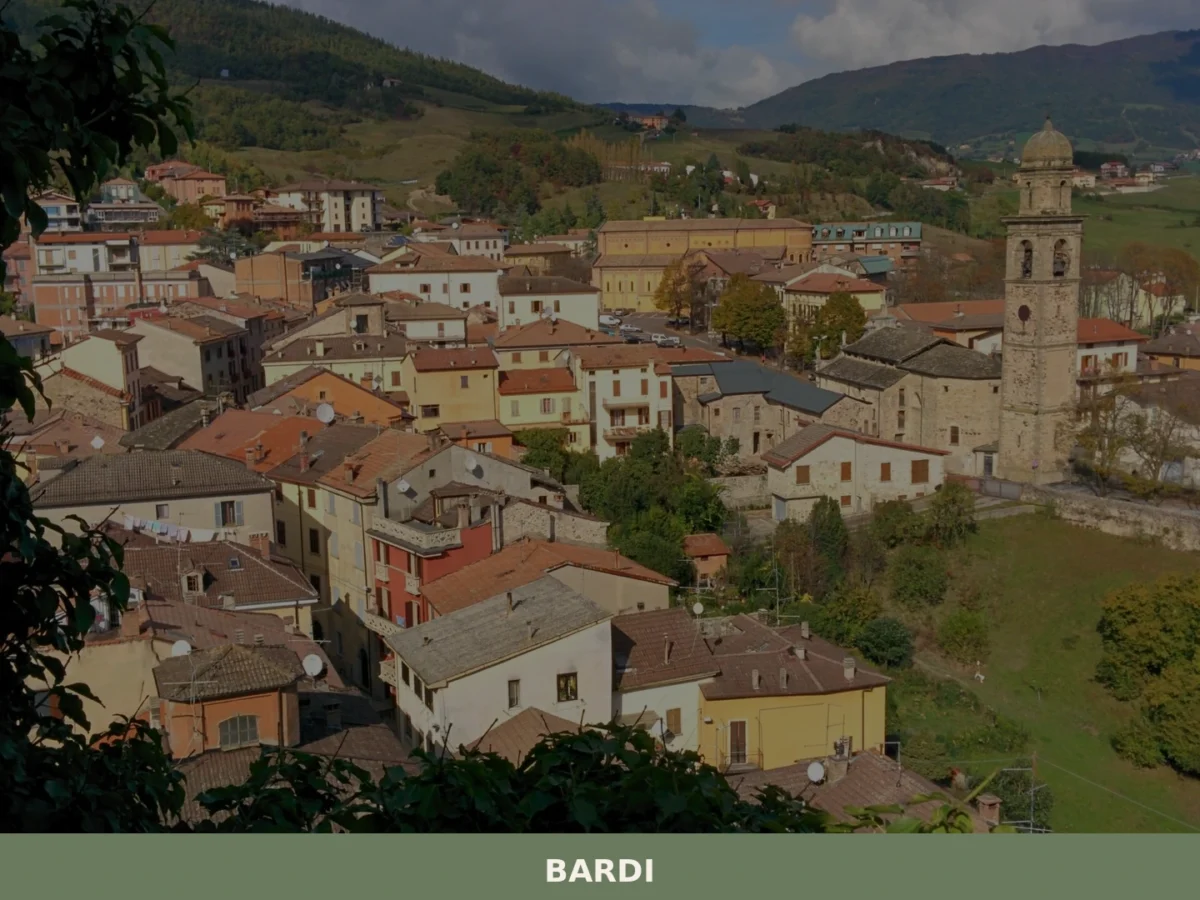
What to see in Bardi, Italy: Explore the Landi Castle and its 13th-century Oratory at 625 m altitude. Discover this mountain village in Emilia-Romagna.
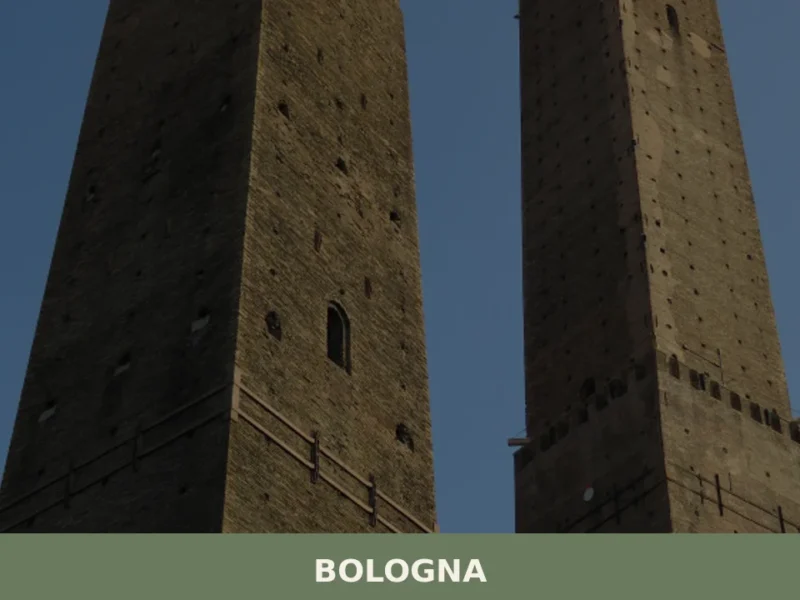
Bologna
Plains
What to see in Bologna: 388,000 inhabitants, UNESCO porticoes and the Two Towers. Plan your visit with our guide to tortellini, Mortadella IGP and top museums.
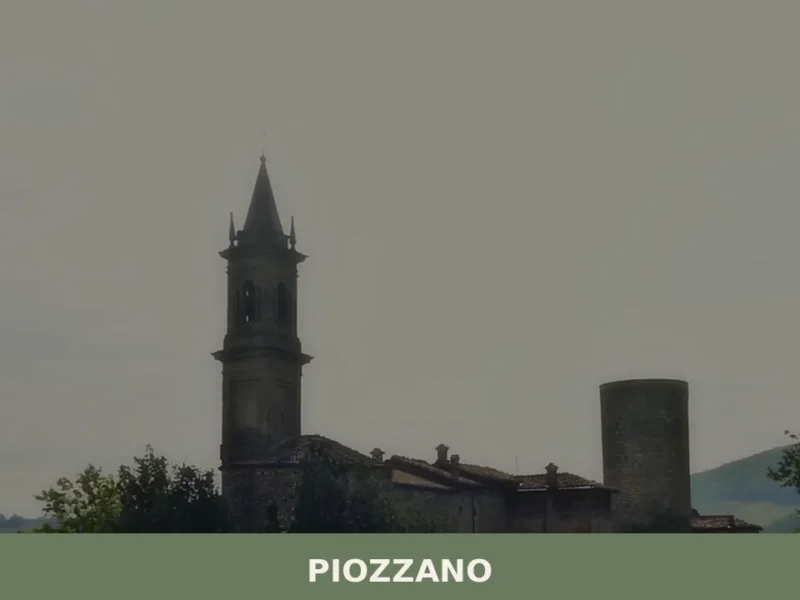
Piozzano
 Hills
Hills
What to see in Piozzano, Italy: Explore this village of 578 inhabitants, 222 m a.s.l., near Piacenza. Discover its history and local specialties.



🏡 Know Argenta better than we do?
If you’re a local or have been there, your knowledge matters: add what’s missing or fix a detail on this page.