


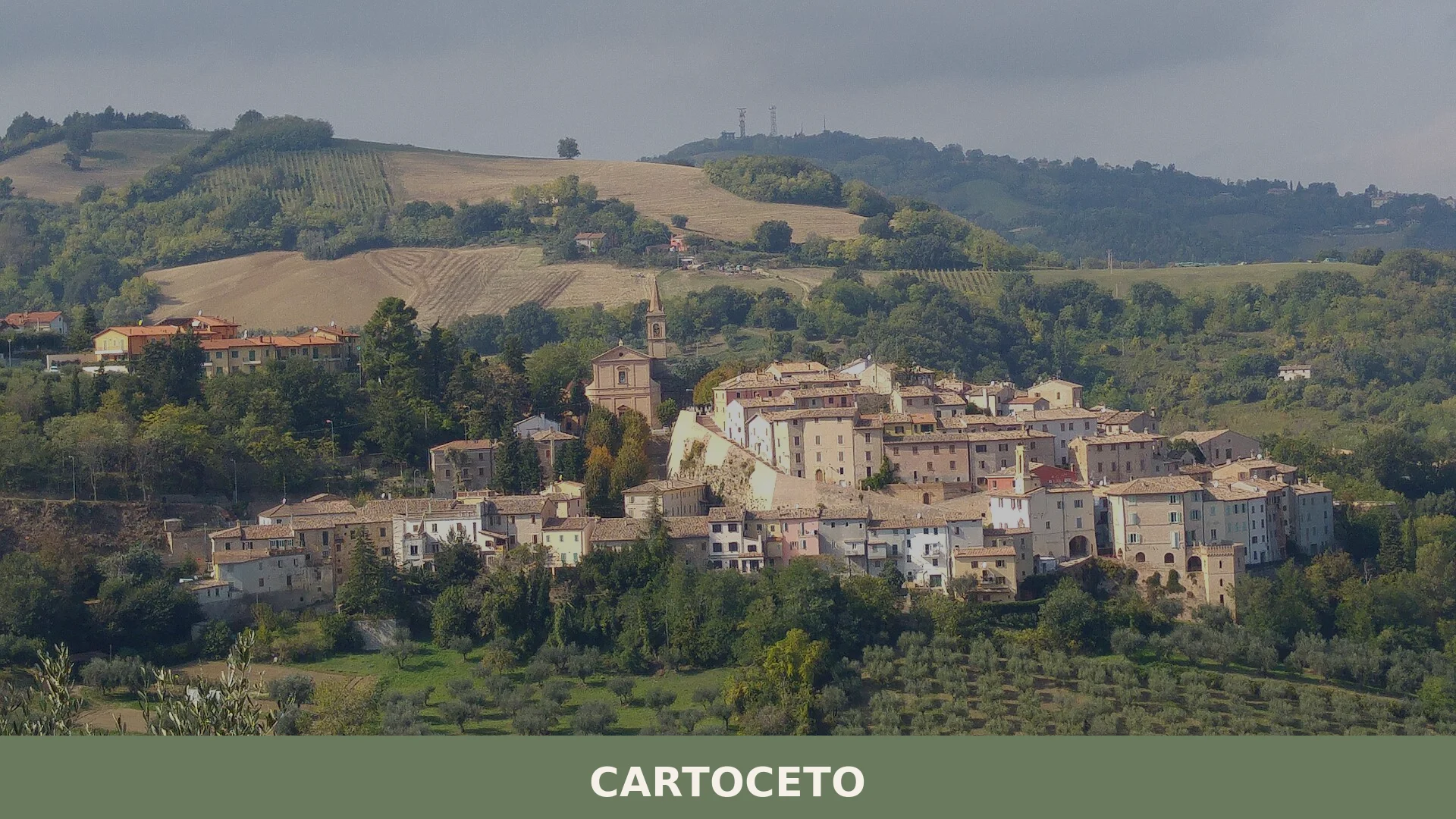

Cartoceto is a hilltop comune in the province of Pesaro e Urbino, renowned for its centuries-old olive oil tradition and the first olive oil DOP of the Marche region.
Discover Cartoceto
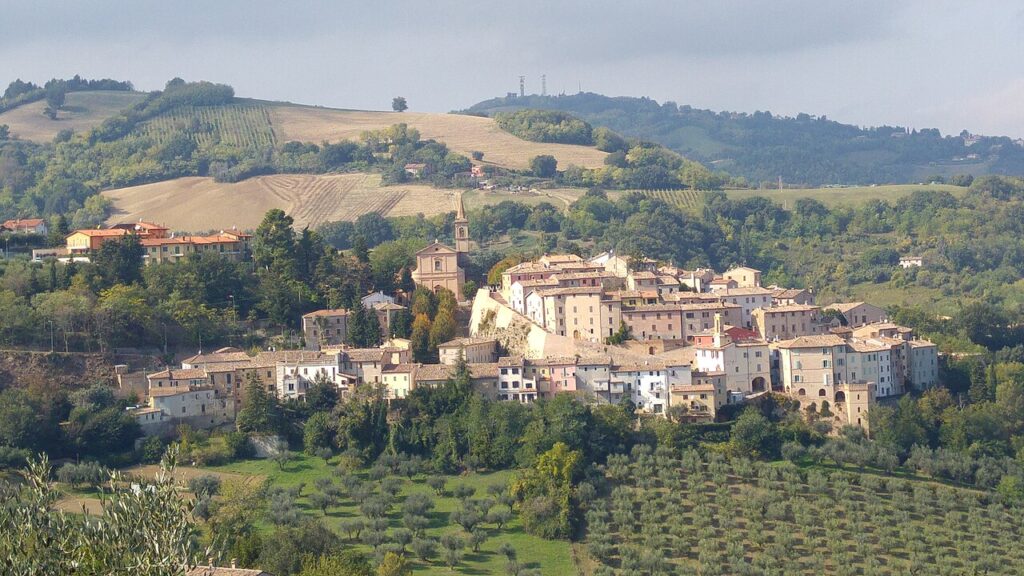
Cartoceto is a hilltop comune of roughly 7990 inhabitants sitting at 235 metres above sea level on the left bank of the Metauro river, within the province of Pesaro e Urbino in the Marche region of central Italy. Covering about 23.16 square kilometres of coastal hill country, it lies some 15 kilometres from both the city of Fano and the Adriatic coast, and its territory runs from the ridge-top historic centre down through the lower valley to the populous industrial fraction of Lucrezia, roughly 5 kilometres away.
Cartoceto village in Marche carries a layered identity that few places of its size can match: Roman-era estates and a horse-changing station once lined the nearby Via Flaminia, medieval lords built and lost a fortress here, and olive oil has been pressed on these slopes since at least the late thirteenth century — a continuity formally recognised in 2004 when Cartoceto became home to the first protected-designation olive oil in the entire Marche region.
Cartoceto village in Marche: history from Roman roads to olive oil heritage
Cartoceto is a hilltop settlement in the lower Metauro valley whose documented history stretches from Roman-era farming estates and sacred sites along the Via Flaminia, through medieval Malatesta rule and the construction of a now-vanished fortress, to its modern identity as the home of the Marche region’s first protected-designation olive oil, the DOP Cartoceto established in 2004. Near the fractions of Calcinelli and Tavernelle stood the ancient mutatio ad Octavo, a rest and horse-changing station midway between the Roman towns of Fanum Fortunae and Forum Sempronii, while the author Sebastiano Macci recorded a tradition that Carthaginian forces under Hasdrubal Barca camped near present-day Cartoceto before the Battle of the Metauro.
Between the sixth and ninth centuries a Pieve — regarded by the historian Bellini as the mother church of all subsequent places of worship in the surrounding area — probably took shape here. By the period between 1000 and 1200 the village was a well-established community, and documents from the late thirteenth century already record substantial olive oil production. In 1343 Galeotto Malatesta took control of Cartoceto and had a fortress built on the highest point of the castle hill; after the conflict between Sigismondo Malatesta and Federico da Montefeltro the stronghold fell into slow decline, then suffered severe structural damage in the earthquake of 13 July 1572 and was never rebuilt. Its last remains were cleared away in 1831 to make room for the Collegiate Church of Santa Maria della Misericordia.
The Napoleonic period brought heavy taxation, requisitions and confiscations, and the newly unified Italian state imposed the suppression of two convents in 1866. The Second World War spared the historic centre, but the fraction of Lucrezia was almost entirely destroyed by retreating German forces in 1944, only to re-emerge in the postwar decades as the municipality’s main industrial hub. When economic hardship in the 1970s caused the closure of many shops in the old village, a group of young Pro Loco members launched the Mostra Mercato dell’Olio e dell’Oliva in 1977, an annual olive-oil fair that grew into an event of national standing and helped lay the groundwork for the DOP Cartoceto recognition a generation later.
Within the Walls and Beyond: Cartoceto’s Historic Fabric
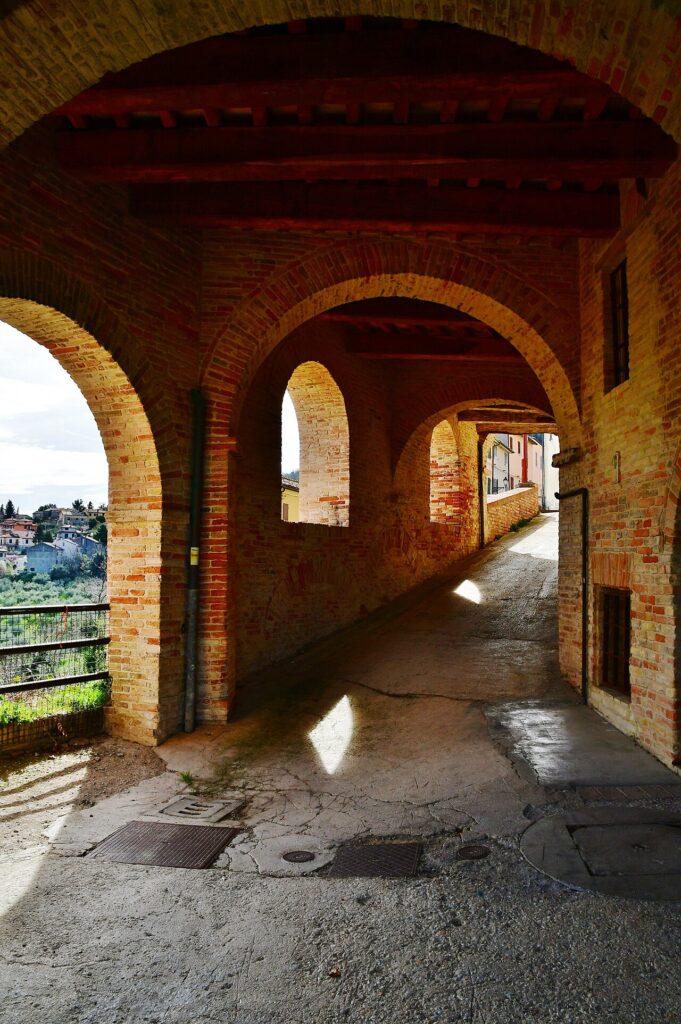
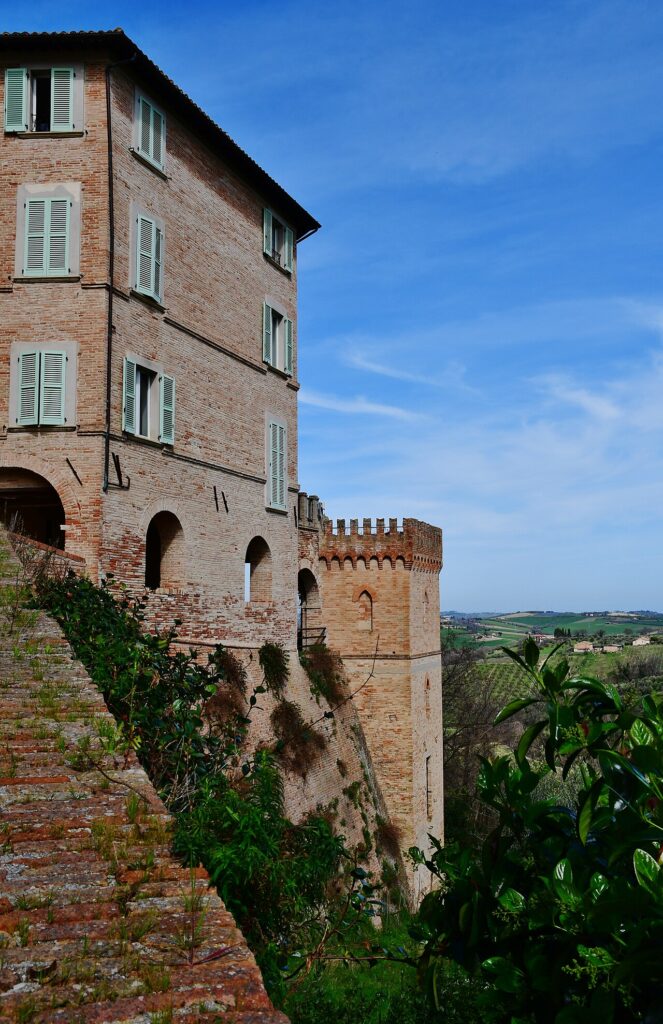
Cartoceto’s centro storico preserves a medieval street plan, a collegiate church, a small theatre, several noble palaces, and a handful of religious buildings scattered across the surrounding hills — all documented in the sources below.
Piazza Garibaldi and Palazzo del Popolo
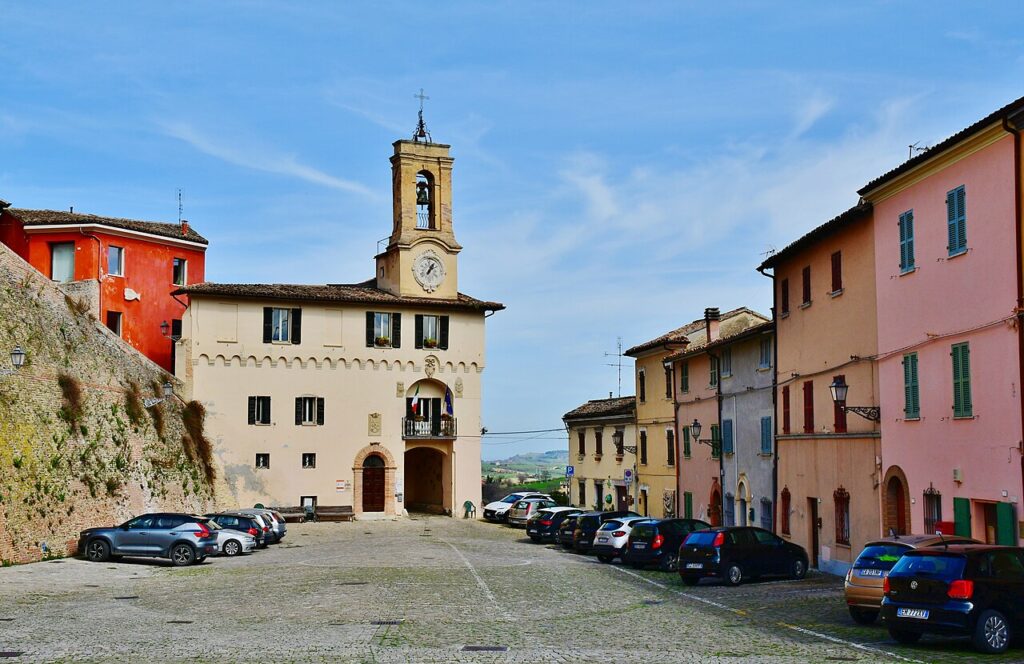
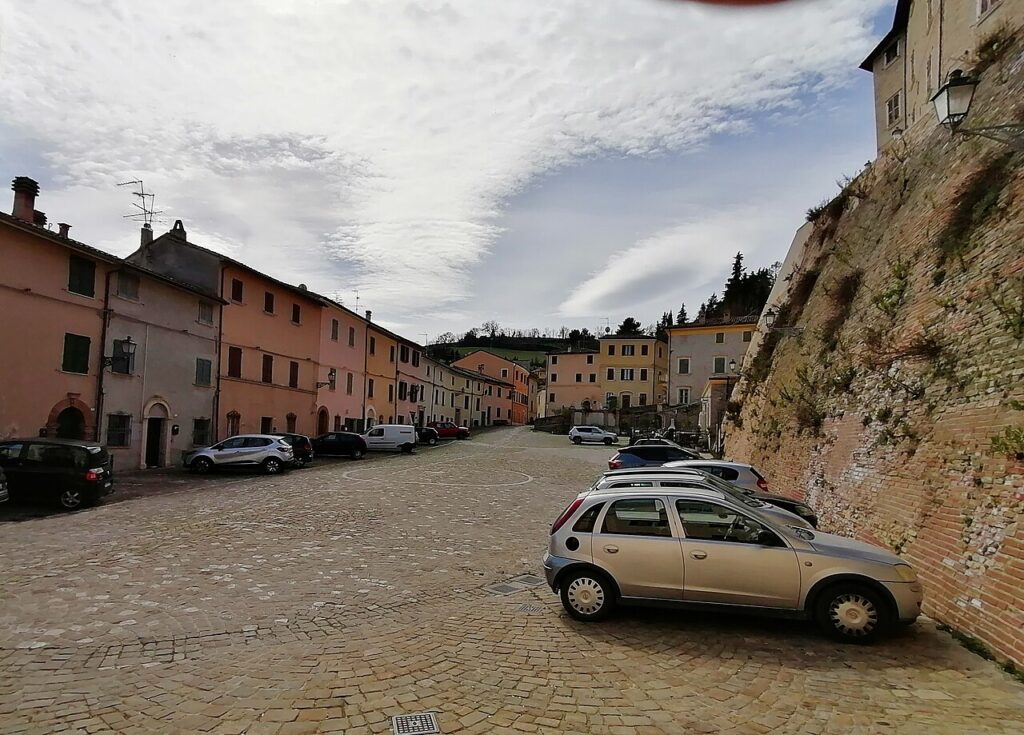
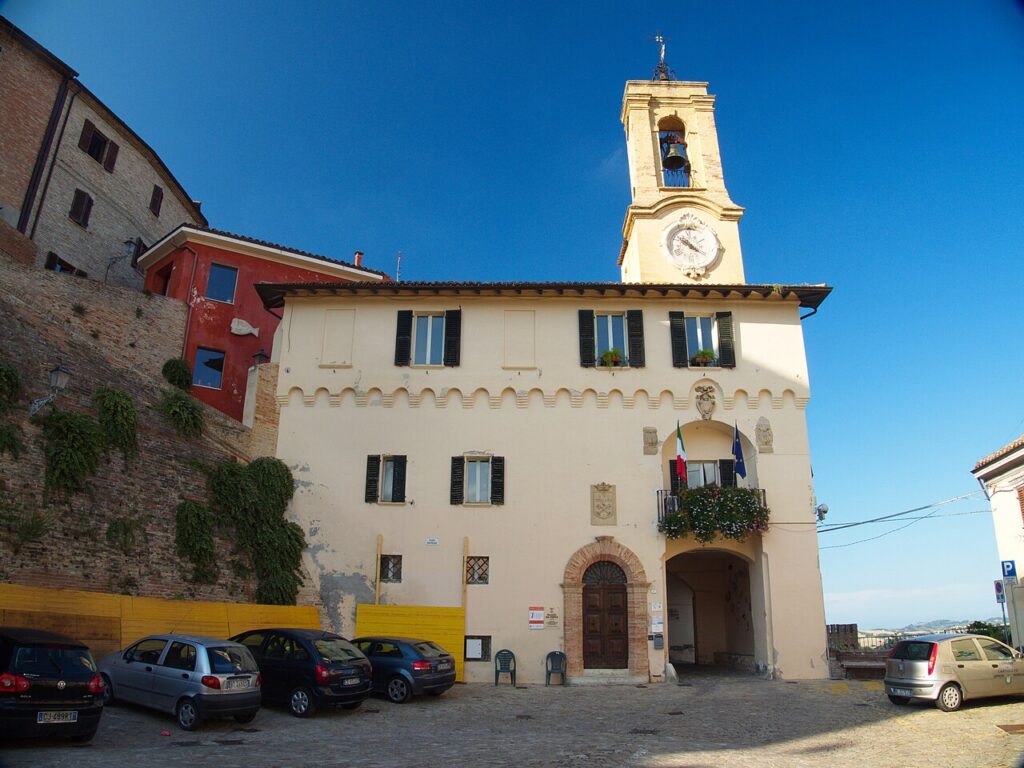
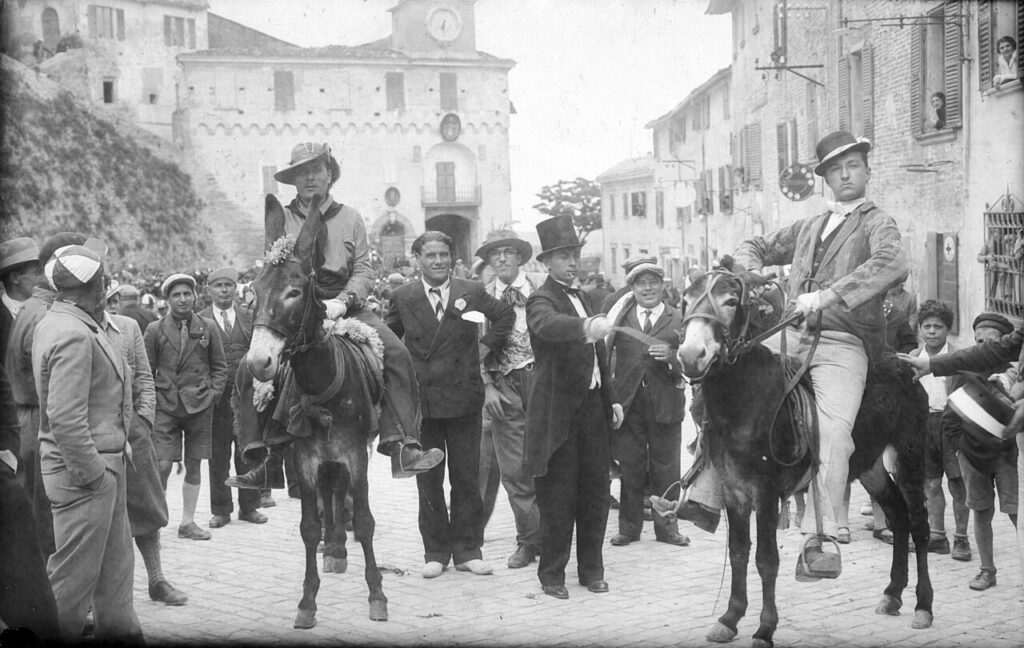
The main square, once known as Piazza del Mercato, is anchored by the Palazzo del Popolo, a building whose origins go back to the fourteenth century. A small clock tower rises above it. An archway at the square’s edge marks what was once the fortified entrance to the castle, formerly equipped with a drawbridge. The surrounding streets follow a fishbone layout of narrow alleys and stepped lanes running down the hillside.
Palazzo Marcolini and Piazza Marconi
Inside the town walls stands the nineteenth-century Palazzo Marcolini. Nearby, Piazza Marconi — known locally as La Turchia — takes its nickname from the fact that residents once used the vantage point to watch for Ottoman raids along the coast.
Teatro del Trionfo
Also on Piazza Marconi, the Teatro del Trionfo was built between 1725 and 1730 inside a former olive press. Its current configuration dates to 1801 and features an auditorium arranged on three tiers of boxes. A painted nineteenth-century curtain and a stage set have been preserved.
Collegiata di Santa Maria della Misericordia
Erected in 1831 on the site of the former Malatesta fortress, the Collegiata stands at the highest point of the old town. Inside, the Sanctuary of the Madonna delle Grazie houses a fourteenth-century fresco of the Madonna and Child. The church also contains a canvas depicting the Madonna of the Rosary with Saint Dominic, Saint Pius V, Cardinal Rusticucci, and his family, a work attributed to Federico Barocci.
Convento e Chiesa di Santa Maria del Soccorso
This complex holds a sixteenth-century panel of the Madonna del Soccorso and a fresco of the Madonna del Latte.
Pieve dei Santi Pietro e Paolo
Considered by local historian Bellini the founding church of the entire surrounding area, the Pieve preserves a fifteenth-century fresco of the Crucifixion.
Villas and the Castello di Ripalta
The countryside around Cartoceto holds several documented villas: Villa Corbelli, built in the seventeenth century on a commanding position above the lower Metauro valley; Villa Beatrice (also called Casa Montefiore); Villa Bellaria; and Villa Salomone, constructed around the turn of the eighteenth and nineteenth centuries. The Castello di Ripalta is also part of the territory’s historical heritage.
Cartoceto’s Olive Oil and the Flavours of the Metauro Valley
Cartoceto is best known for its extra virgin olive oil, recognised since 2004 with the DOP Cartoceto designation — the first olive oil DOP ever awarded in the Marche region — and a production tradition documented in local records as far back as the late thirteenth century. The town’s membership of the national association Città dell’Olio reflects how central olive growing remains to the identity of the territory. Every November, the Mostra Mercato dell’Olio e dell’Oliva, a fair of national standing that began in 1977, brings producers and visitors together around this single product; since 2014 the event has expanded into an arts and culture festival called Cartoceto DOP, il Festival.
Cheese and wine round out the local agricultural picture. The valley’s vineyards produce Bianchello del Metauro DOC, a white wine tied to the Metauro river corridor, alongside Colli Pesaresi DOC and the broader Marche IGT. From the wider provincial area come further certified products worth seeking out: Casciotta d’Urbino DOP, a mixed-milk cheese with ancient roots in the Urbino hinterland, and Formaggio di Fossa di Sogliano DOP, a pit-aged cheese typical of the Apennine border zone. IGP designations covering the area include Agnello del Centro Italia for lamb. Among the traditional preparations documented in the territory, Vincisgrassi — a rich baked pasta — has its own dedicated festival held every June since 1963.
Getting to Cartoceto and Planning Your Stay in the Metauro Hills
Cartoceto is easiest to reach via the Via Flaminia, which runs through the valley below the hill town, placing it roughly 15 km from the Adriatic coast city of Fano — reachable in around 20 minutes by car — and within comfortable striking distance of the wider Pesaro-Urbino province. The village sits at 235 m above sea level on the left bank of the Metauro river, and the industrial frazione of Lucrezia, about 5 km away on lower ground, is the more accessible entry point if arriving by train on the Fano–Fossombrone line.
Autumn is the most atmospheric season to visit: the olive harvest is underway and the November Mostra Mercato dell’Olio e dell’Oliva fills the historic centre. Spring is equally pleasant for walking the restored northwestern stretch of the medieval walls and exploring the hill-town streets. The feast of San Bernardino, patron of Cartoceto, falls on 20 May, while the Carnevale di Mezza Quaresima and the June Sagra dei Vincisgrassi offer further reasons to time a visit carefully. Travellers curious about the Metauro valley’s quieter hill villages can combine a stop in Cartoceto with a visit to Isola del Piano or the hilltop comune of Monteciccardo, both within the same provincial territory. The coastal city of Fano, with its rail connections and Roman heritage, serves as the natural base for day trips into the valley.
| Departure | Distance | Time |
|---|---|---|
| Fano | approx. 15 km | approx. 20 min |
| Pesaro | approx. 20 km | approx. 25 min |
| Urbino | approx. 35 km | approx. 40 min |
These practical references help organise the journey clearly, while the village itself is best understood slowly and on foot once you arrive.
Frequently asked questions about Cartoceto
When is the best time to visit Cartoceto?
May is particularly special, as the patron saint San Bernardino is celebrated on 20 May with the village feast day. Spring (April–May) and autumn (September–October) offer pleasant Mediterranean hill-country weather ideal for exploring olive groves and hiking. Summer can be warm, while winters are mild. The feast combines local tradition with opportunity to experience authentic community celebration and taste regional olive oil.
How do I reach Cartoceto from major cities?
Cartoceto lies 15 kilometres from Fano and the Adriatic coast, within Pesaro e Urbino province. The nearest motorway access is via the A14 highway serving the Marche coast. From Pesaro (roughly 40 km north), take regional roads toward the Metauro valley. The closest railway station is Fano on the Bologna–Ancona line; from there, local bus or car hire is recommended for the final 15 km journey into the hills.
What makes Cartoceto's olive oil special?
In 2004, Cartoceto received the first protected-designation-of-origin (PDO) certification for olive oil in the entire Marche region, formally recognising continuous oil production here since at least the late thirteenth century. The Metauro valley's slopes provide ideal terroir. This heritage certification guarantees authenticity and traditional methods, making local oil a prestigious culinary and cultural souvenir reflecting centuries of regional expertise.
How long should I plan to spend in Cartoceto?
A half-day to full day is suitable for most visitors. Allow 2–3 hours for the historic hilltop centre, local museums, and olive oil tastings or producer visits. If combining with outdoor activities—walking the Metauro valley or visiting the industrial fraction of Lucrezia 5 kilometres away—plan a full day. Overnight stays enable deeper engagement with agriturismos, evening atmosphere, and early-morning valley exploration.
What historical sites should I see in Cartoceto?
The ridge-top historic centre preserves medieval fortress remains built and contested by local lords. Roman-era estates and a horse-changing station once operated on the nearby Via Flaminia, connecting Rome to the Adriatic. While specific monument opening hours require local confirmation, the village's layered past—from Roman infrastructure through medieval fortifications to Renaissance olive cultivation—is visible throughout the town's fabric and landscape.
📷 Photo Gallery — Cartoceto
In Marche More villages to discover
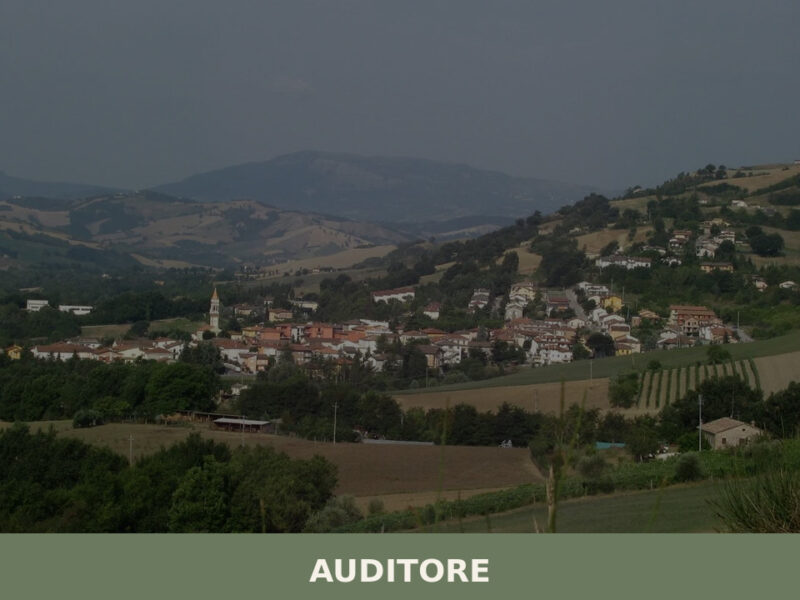
Auditore
 Hills
Hills
Morning light falls across a line of stone houses the colour of dry wheat, and somewhere below the rooftops a church bell marks the hour with a single, unhurried stroke. Auditore sits in the hill country of the province of Pesaro e Urbino, a settlement of 1,631 people where the Foglia river valley opens toward […]
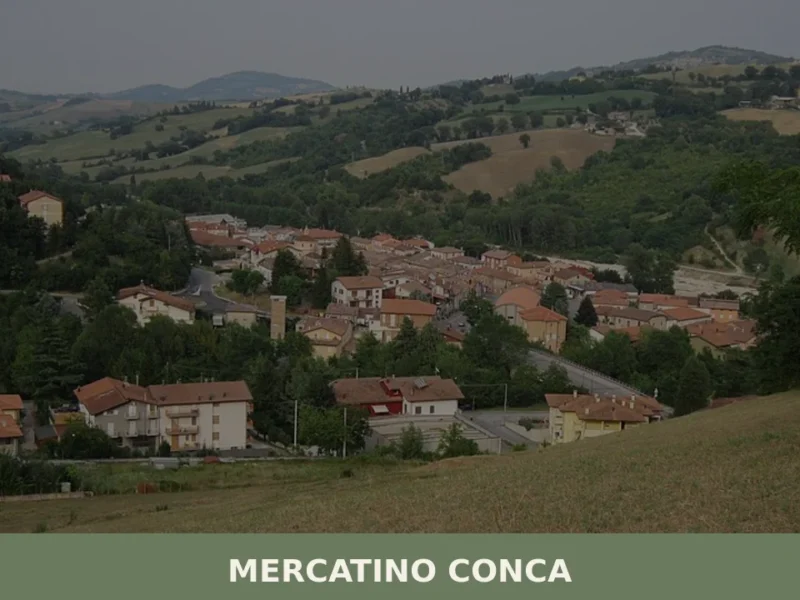
Mercatino Conca
Hills
At 275 meters above sea level, in the province of Pesaro and Urbino, lies Mercatino Conca, a settlement with 1,033 residents. The name itself, “Mercatino” (meaning “little market”), suggests a historical commercial function, likely linked to its position in the Conca river valley, a crossroads for trade and activities since ancient times. For those wondering […]
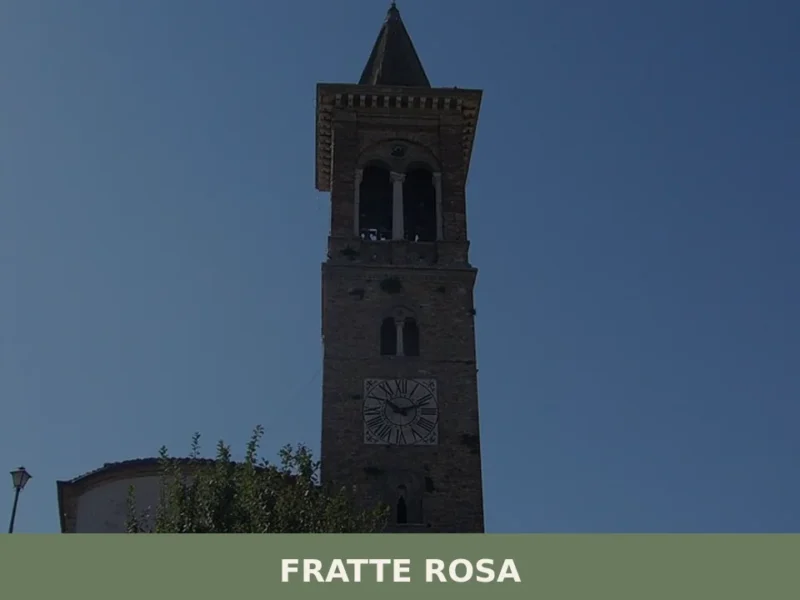
Fratte Rosa
Hills
With its 847 inhabitants and an altitude of 419 meters above sea level, Fratte Rosa is located in the province of Pesaro and Urbino, a hilly area of the Marche region. The village’s name “Rosa” is historically linked to the color of a local clay, an essential component for the practice of pottery, documented in […]
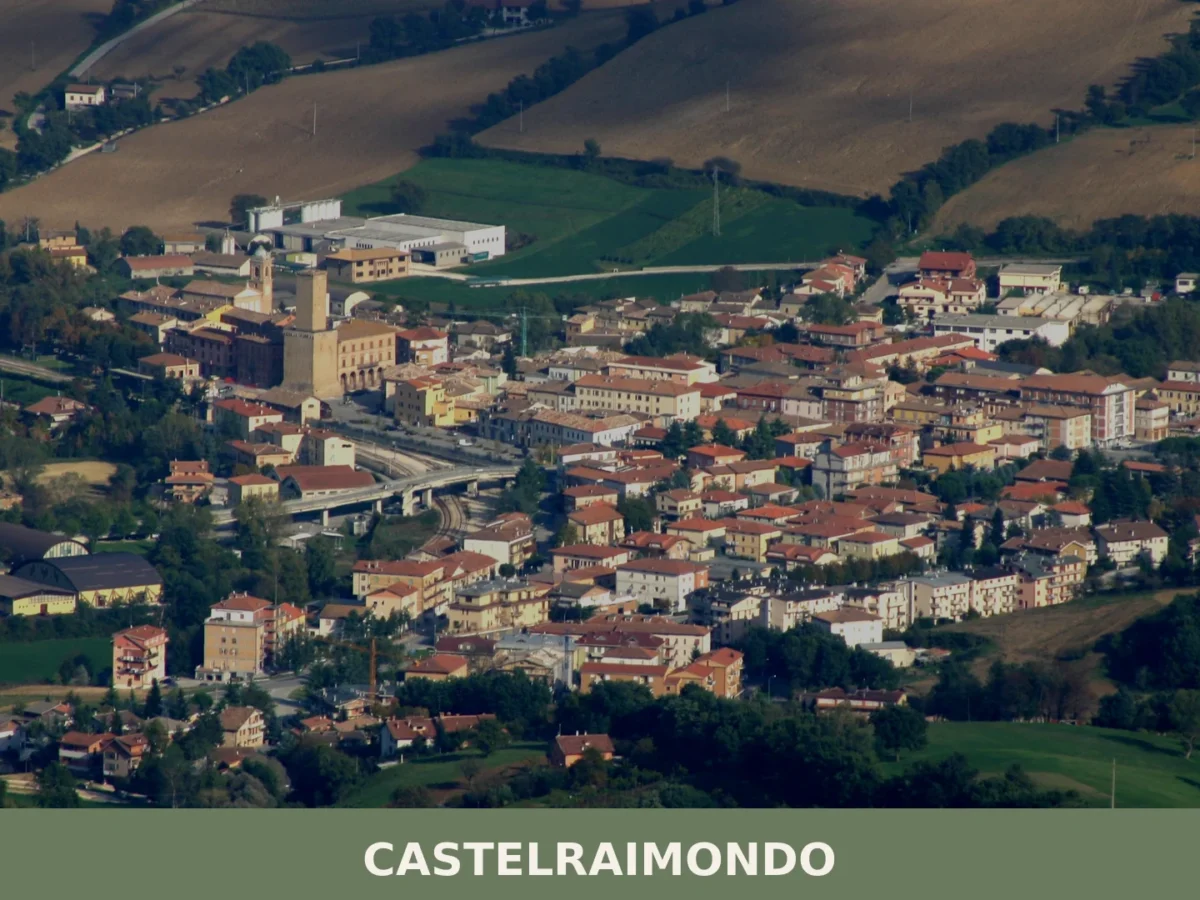
Castelraimondo
Hills
4,280 residents and a 38.3-metre tower that still dominates the skyline. Castelraimondo rewards visitors with medieval architecture, a fine-arts castle museum and one of the Marche's most vivid Corpus Domini traditions.
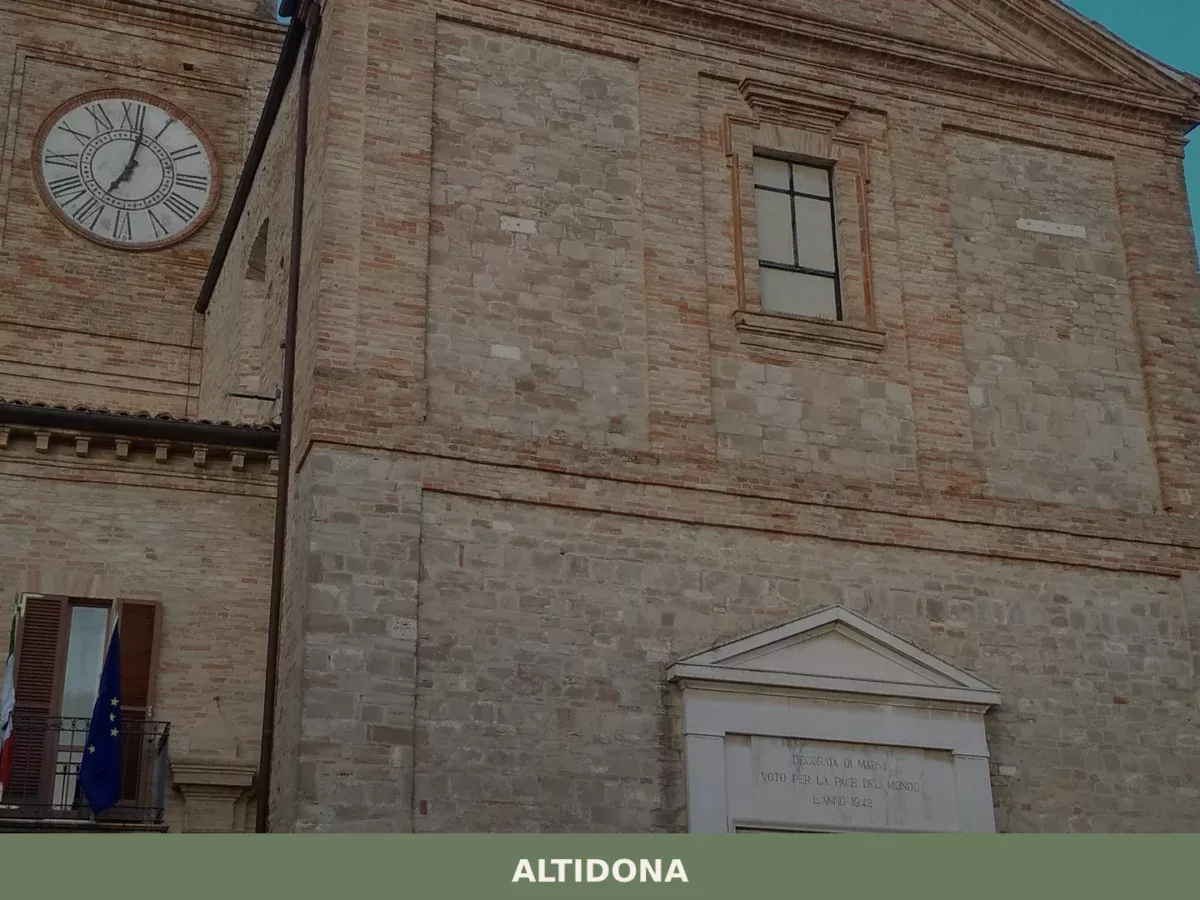
Altidona
 Sea
Sea
Discover what to see in Altidona, a Marche village in the Province of Fermo. History, attractions, local food, and practical travel tips.
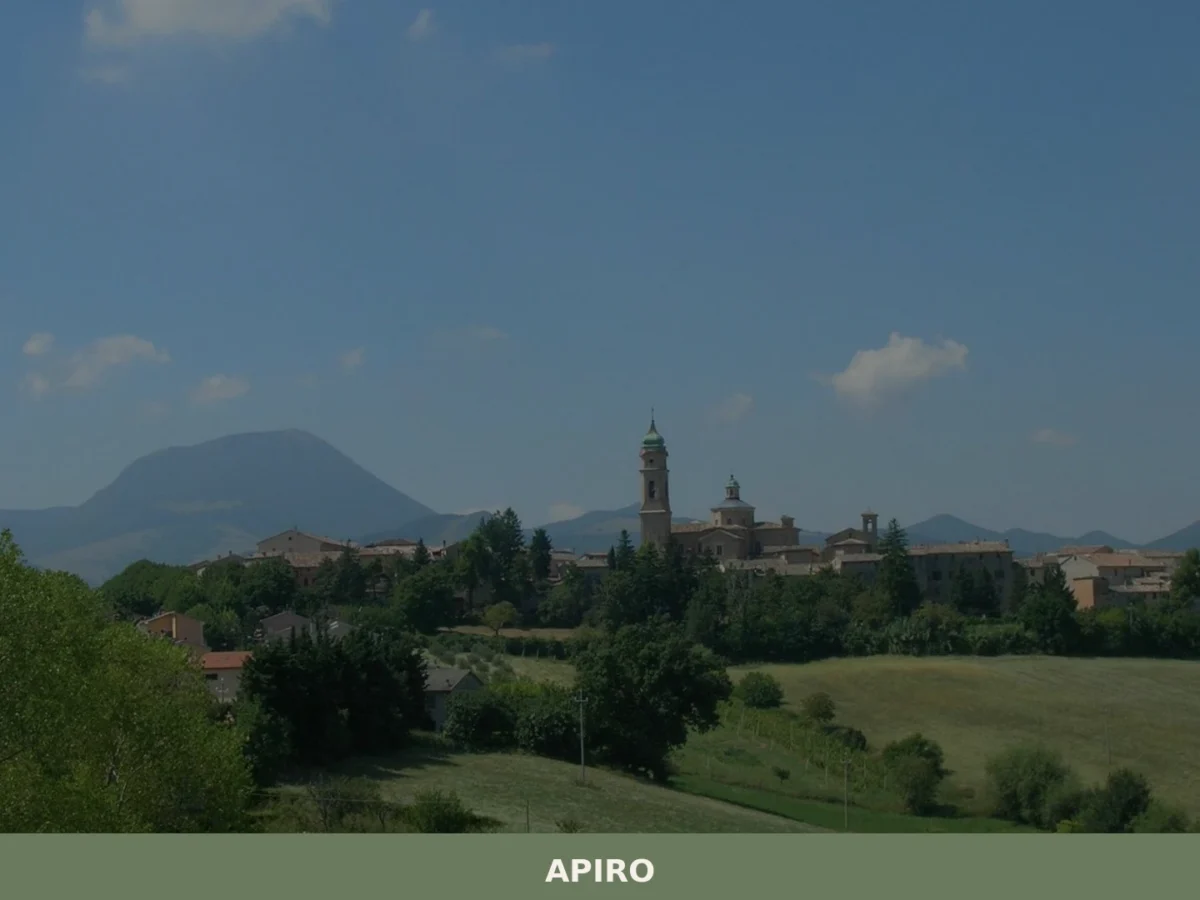
Apiro
Hills
What to see in Apiro, Marche, Italy: discover the Sant'Urbano museum, a 14th-century church, and local cuisine 40 km from Ancona. Explore the full guide.
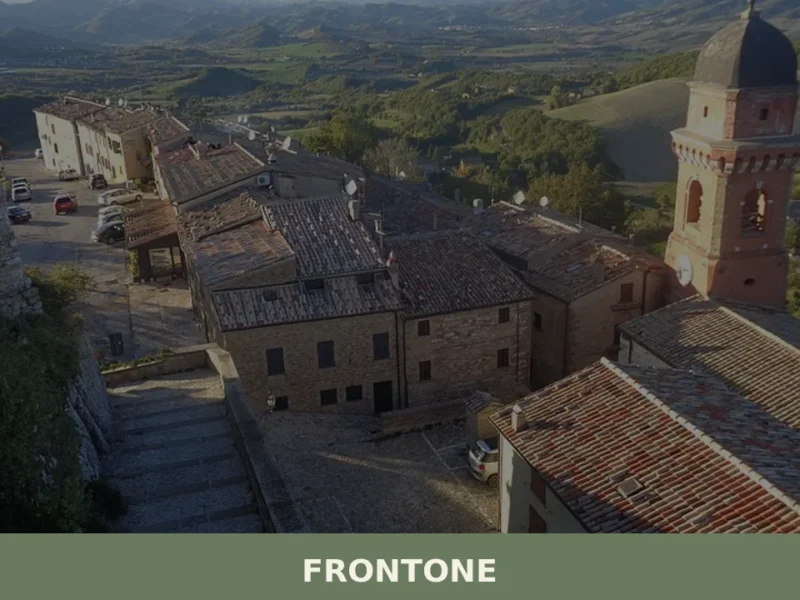
Frontone
Hills
Frontone Castle, whose original structure dates between the 11th and 12th centuries, overlooks the village of the same name, a municipality of 1,218 inhabitants in the province of Pesaro and Urbino. Situated at 412 meters above sea level, Frontone extends along the slopes of Mount Catria, offering a view of the surrounding hilly landscape. Its […]
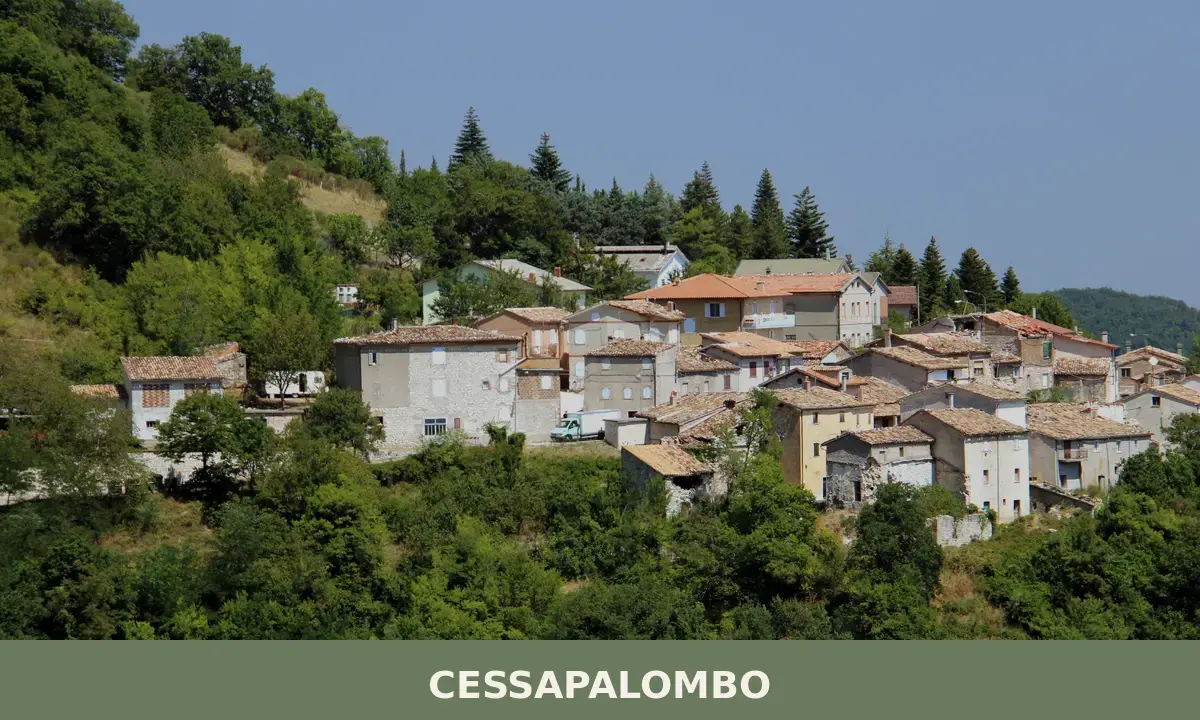
Cessapalombo
 Mountain
Cessapalombo is a mountain commune of 426 residents in the province of Macerata, set within the Monti Sibillini national park and rich in medieval heritage and Apennine landscape.
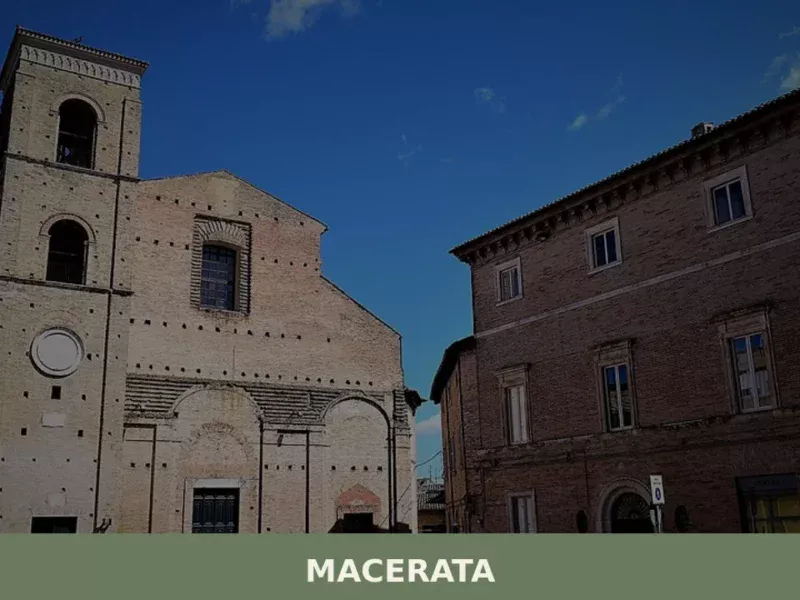
Macerata
Hills
Macerata is a hilltop city in the Marche region of central Italy, sitting at about 323 metres above sea level between the Chienti and Potenza valleys, with a rich cultural and artistic heritage.
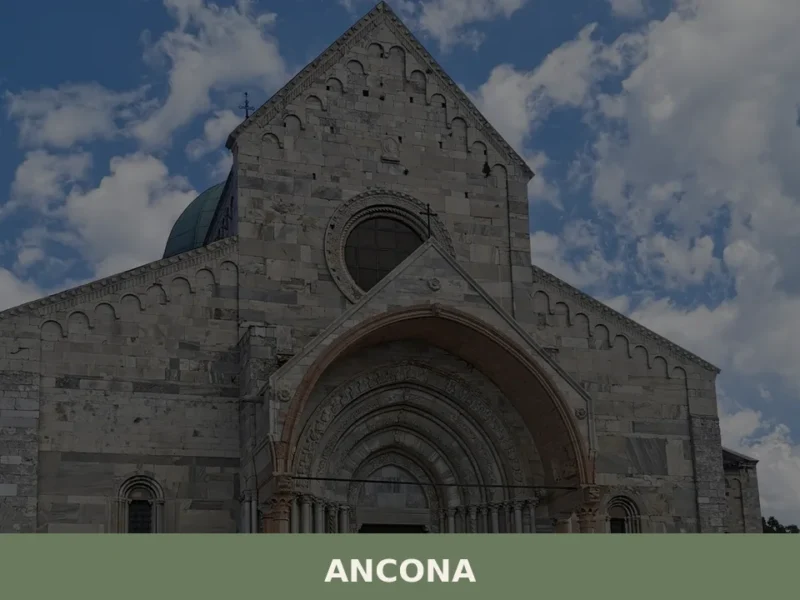
Ancona
Sea
what to see in ancona, a city with 99,000 inhabitants. Discover 5 main attractions like the Duomo di San Ciriaco and Trajan's Arch. Plan your visit.

🏡 Know Cartoceto better than we do?
If you’re a local or have been there, your knowledge matters: add what’s missing or fix a detail on this page.