


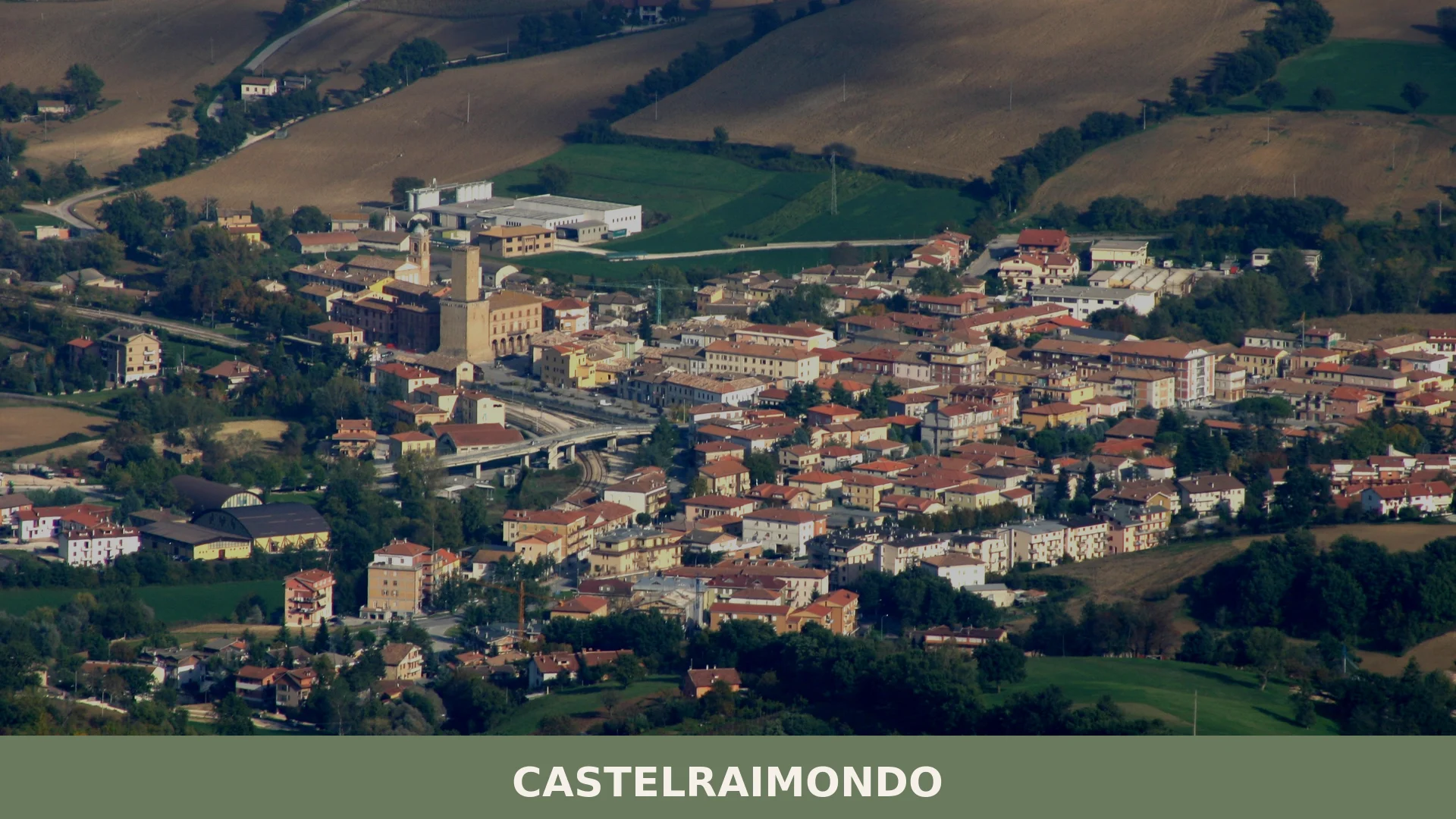

4,280 residents and a 38.3-metre tower that still dominates the skyline. Castelraimondo rewards visitors with medieval architecture, a fine-arts castle museum and one of the Marche’s most vivid Corpus Domini traditions.
Castelraimondo: a Medieval Tower, a Renaissance Castle and the Potenza Valley
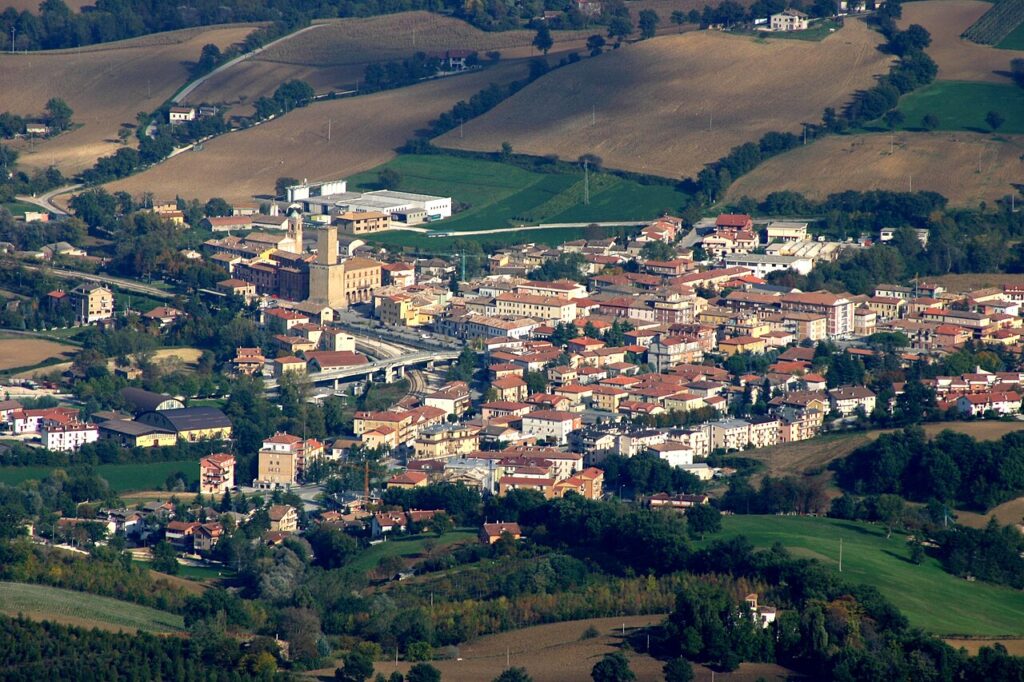
A tower rises above the rooftops of a small hill town in the Marche interior: 307 metres of medieval stonework, still visible from the surrounding countryside, still marking the place where a planned settlement took shape along the left bank of the river Potenza in the early fourteenth century. The Cassero is not a ruin repurposed for tourism. It is the defining vertical accent of a town that has organised itself around this presence for seven centuries.
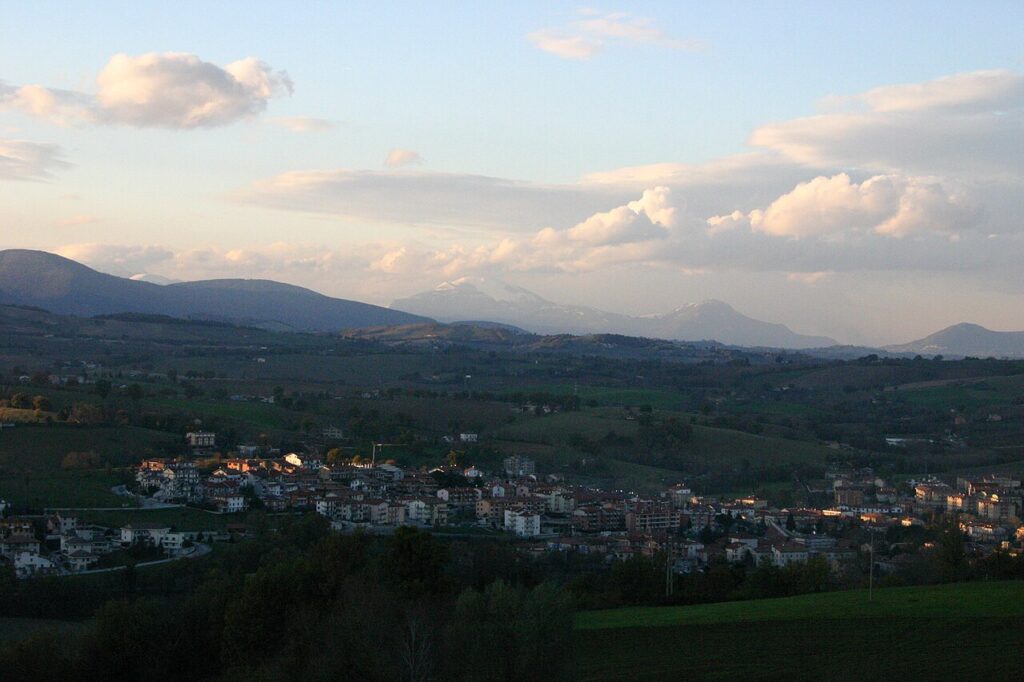
Castelraimondo village in Marche sits at around 307 metres above sea level in the province of Macerata, with a population of approximately 4,280 residents and a municipal territory of nearly 44.92 square kilometres. Two concrete reasons draw visitors here: the Castello di Lanciano, a fortified residence holding around 400 works of art spanning the sixteenth to nineteenth centuries, and a Corpus Domini floral procession that transforms the main street overnight into a continuous carpet of flower compositions. Both experiences belong to entirely different registers, and together they give a fair measure of what this town holds.
A Castle Built for a Pope’s Nephew, a Tower Built for War
The settlement’s origins are unusually well documented for a small Italian hill town. A parchment dated 1 December 1311, preserved in the State Archive of Florence, records the authorisation granted by Raimondo di Attone da Aspet — rector of the March of Ancona and a relative of Pope Clement V — to Berardo I Da Varano, lord of Camerino, and to Manno de Labranca, captain of the people, to build a new castle. The Latin form Castrum Raymundi, castle of Raimondo, gave the settlement its name.
The Cassero tower was raised between approximately 1311 and 1318 as the centrepiece of a broader defensive system called the Intagliata: a chain of towers, ditches and walls running for about 12 kilometres from Pioraco to Torre Beregna. This network was built by the Da Varano lordship to protect Guelph Camerino against the neighbouring Ghibelline communes of Matelica and San Severino Marche. The Cassero formed the advanced lookout post of that line. What survives today — three storeys of solid masonry surrounded by the traces of two moats and the ghost of at least eleven bastions — gives a clear sense of the military scale the Da Varano brought to this valley.
Centuries of shifting allegiances, ecclesiastical administration and seismic events shaped the town’s built fabric. The church of San Biagio, the parish church dedicated to the town’s patron saint whose feast falls on 3 February, is documented from as early as 1330. It was substantially modified over the following centuries, acquiring its present facade — with pilasters, cornice and pediment — after a serious earthquake in 1799. A fire in the early twentieth century required a full reconstruction of the interior. The Palazzo Comunale was built in the latter decades of the nineteenth century and contains an internal theatre with a tempera-painted ceiling. Both the church and the palazzo, along with the Cassero, were rendered inaccessible by the 2016 earthquake and remain under restriction, a reminder that the subapennine zone continues to live with seismic risk.
The parchment of 1311, still held in the State Archive of Florence, makes Castelraimondo one of the rare Italian medieval settlements whose founding act survives in its original written form — naming both the political authority who authorised it and the local figures who built it.
Stone, Frescoes and a Floral Tradition: the Places That Define the Town
The Cassero
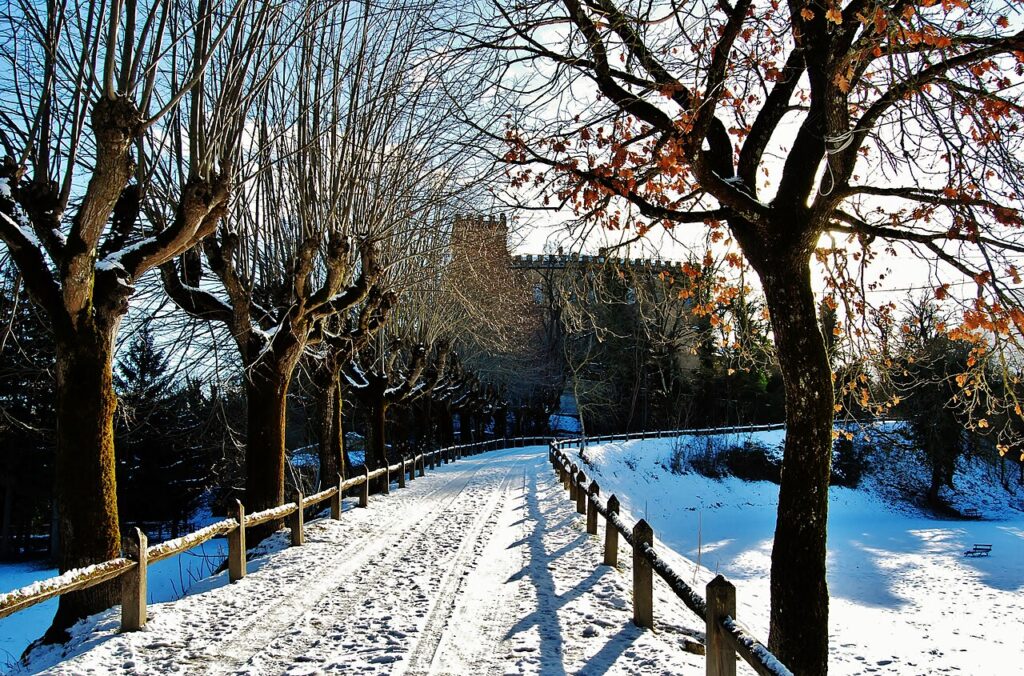
The tower that appears on every civic document stands in the historic centre as the most complete remnant of the fourteenth-century castle. At 307 metres, it dominates the surrounding roofline and offers a physical measure of the Da Varano military ambition in this valley. Originally crenellated and connected to two moats, it was the forward defensive point of the broader Intagliata system. The structure is currently inaccessible due to post-2016 earthquake restrictions, but its exterior and the scale of the surrounding medieval layout repay a close walk around the perimeter.
Church of San Biagio
The parish church of Castelraimondo has stood on the same site since at least the fourteenth century, though the building visitors see today reflects centuries of repair and transformation. The current facade dates from the rebuilding that followed the 1799 earthquake: pilasters and a central pediment frame the entrance in a measured late-Baroque register. Inside, the fabric is the result of early twentieth-century reconstruction after a fire. The church, dedicated to the patron saint whose feast is celebrated on 3 February, is currently closed following the 2016 seismic events.
Castello di Lanciano and the Museo Maria Sofia Giustiniani Bandini
Along the left bank of the river Potenza, within the municipality, the Castello di Lanciano began as a military stronghold in the Da Varano defensive network. In the late fifteenth century it was converted into a Renaissance residence. Further modifications in the eighteenth century — carried out with the contribution of the Camerino architect Giovanni Antinori — gave the interior its current appearance. Today the castle houses the Museo Maria Sofia Giustiniani Bandini, which holds around 400 works: canvases ranging from the sixteenth to the nineteenth century, period furniture from the seventeenth century onward, drawings and prints. The collection provides an unusually direct window onto three centuries of Italian aristocratic taste concentrated in a single building.
The Corpus Domini Infiorata
Every year, in the night between the Saturday and the Sunday of Corpus Domini, the civic associations of Castelraimondo — among them AVIS, AIDO and ADMO — cover the entire length of the main street with elaborate carpets of flowers and petals. The designs represent Christian scenes and messages, composed collectively through the night and dismantled on the following Monday morning. The tradition turns the street into a temporary collective artwork that exists for fewer than 48 hours. It is one of the most concrete expressions of community life in the town’s annual calendar and draws visitors from across the surrounding area.
The Hamlet of Castel Santa Maria
A few kilometres from the main centre, the hamlet of Castel Santa Maria preserves a rare piece of medieval urban planning: a concentric layout formed by two rings of walls, with the village square at the centre. The church of Santa Maria Assunta, within the hamlet, contains a signed canvas by the painter Paolo Marini and a work attributed to the fifteenth-century Camerino painter Giovanni Boccati depicting the Coronation of the Virgin. The hamlet also functions as a practical base for exploring the wider municipal territory.
The Table and the Land: Food and Wine Around Castelraimondo
The territory of Castelraimondo is agricultural in character: the valley floor along the Potenza supports cereal cultivation, while the hillsides carry ordered vineyards and olive groves. The broader province of Macerata provides the context for several protected food products — including ciauscolo IGP, the soft spreadable salume typical of the Apennine interior, and IGP-designated lamb from central Italy — though these belong to the wider area rather than to any single village. For wine, the local frames of reference are the Colli Maceratesi DOC and, further into the Apennine zone, the Verdicchio di Matelica Riserva DOCG and the Vernaccia di Serrapetrona DOCG, a rare sparkling red produced from dried grapes in the nearby hills. A visit to the valley around Castelraimondo is a good starting point for exploring both the agricultural landscape and the wine producers of this interior stretch of the Marche.
Planning your visit and getting there
Castelraimondo can be reached using the practical reference points below. Distances and journey times are kept concise so the access information stays clear and consistent.
| Departure | Distance | Time |
|---|---|---|
| Macerata | approx. 40 km | approx. 45 min |
| Civitanova Marche | approx. 50 km | approx. 55 min |
| Fabriano | approx. 40 km | approx. 50 min |
| Ancona | approx. 80 km | approx. 1 hour and 10 min |
These practical reference points are enough to plan the journey without overloading the text with unstable logistics. Once on site, the village is best understood slowly, on foot and in relation to the surrounding landscape.
Frequently asked questions about Castelraimondo
How do you get to Castelraimondo by road or public transport?
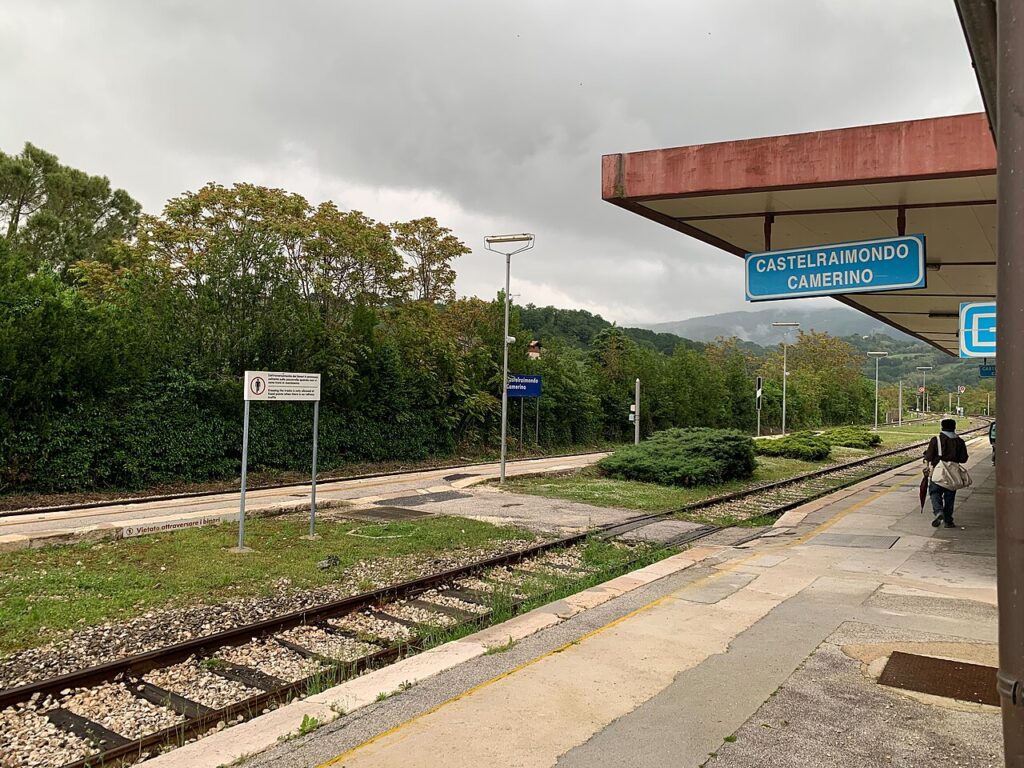
By car, take the A14 Adriatic motorway and exit at Civitanova Marche, then follow the SS77 westward toward Macerata and continue inland for roughly 50 kilometres. The nearest railway station is Castelraimondo-Sefro, served by regional trains on the Fabriano–Civitanova Marche line, placing the village within easy reach of both the Adriatic coast and the Umbrian border. Local bus connections link the town to Macerata and surrounding municipalities.
When is the best time to visit Castelraimondo?
Late spring is particularly rewarding: the Corpus Domini floral procession, typically held in May or June, draws visitors who witness the main street transformed overnight into elaborate flower-petal carpets. Winter visitors can attend the feast of patron saint San Biagio on 3 February, a traditional religious celebration central to local identity. Summer offers pleasant hill temperatures averaging well below coastal peaks, making the surrounding countryside comfortable for walking and outdoor exploration throughout July and August.
Are there hiking or cycling routes around Castelraimondo?
The Potenza river valley surrounding Castelraimondo is networked with marked paths maintained by the CAI (Club Alpino Italiano). The valley floor offers relatively flat cycling suitable for leisure riders, while hillside routes climb through mixed woodland and agricultural land toward neighbouring villages such as Camerino and Pioraco. The nearby Monti Sibillini National Park, reachable within roughly 30 kilometres, substantially expands options for trekking and mountain biking on certified trails.
How long should you plan to spend in Castelraimondo, and is parking available?
A focused visit covering the Cassero tower, the parish church and the Castello di Lanciano reasonably requires four to six hours. Adding a walk along the Potenza riverbank suggests a full day. Free parking areas are available on the perimeter of the historic centre, which, like most Italian hilltop villages, has limited access for private vehicles in its inner streets. Visitors arriving by car are advised to park at the designated areas near the main entrance roads.
What accommodation options exist in and around Castelraimondo?
The municipality and its immediate surroundings offer agriturismos set within the cultivated hills of the Macerata hinterland, providing bed-and-breakfast or half-board stays with locally sourced food. Small family-run B&Bs operate within the historic centre itself. For a wider hotel selection, Macerata, approximately 35 kilometres southeast, serves as the nearest city with multi-category accommodation. Booking in advance is strongly recommended during the Corpus Domini period and around the San Biagio feast in early February.
📷 Photo Gallery — Castelraimondo
In Marche More villages to discover
Fermo
 Sea
Sea
Fermo is a hilltop city in the Marche region where Roman cisterns, a medieval cathedral and nearly three thousand years of continuous habitation coexist on a single ridge six kilometres from the Adria
Cartoceto
 Hills
Hills
Cartoceto is a hilltop comune in the province of Pesaro e Urbino, renowned for its centuries-old olive oil tradition and the first olive oil DOP of the Marche region.
Acqualagna
 Plains
Discover what to see in Acqualagna, Marche: the Furlo Gorge, Via Flaminia, white truffle fairs and Apennine woodlands. Practical travel guide to Pesaro e Urbino.

Grottammare
Sea
Home to a perfectly preserved medieval borgo and 15,924 residents, Grottammare offers a rare meeting of Adriatic beaches and Renaissance history on the Marche coast.
Castelbellino
Hills
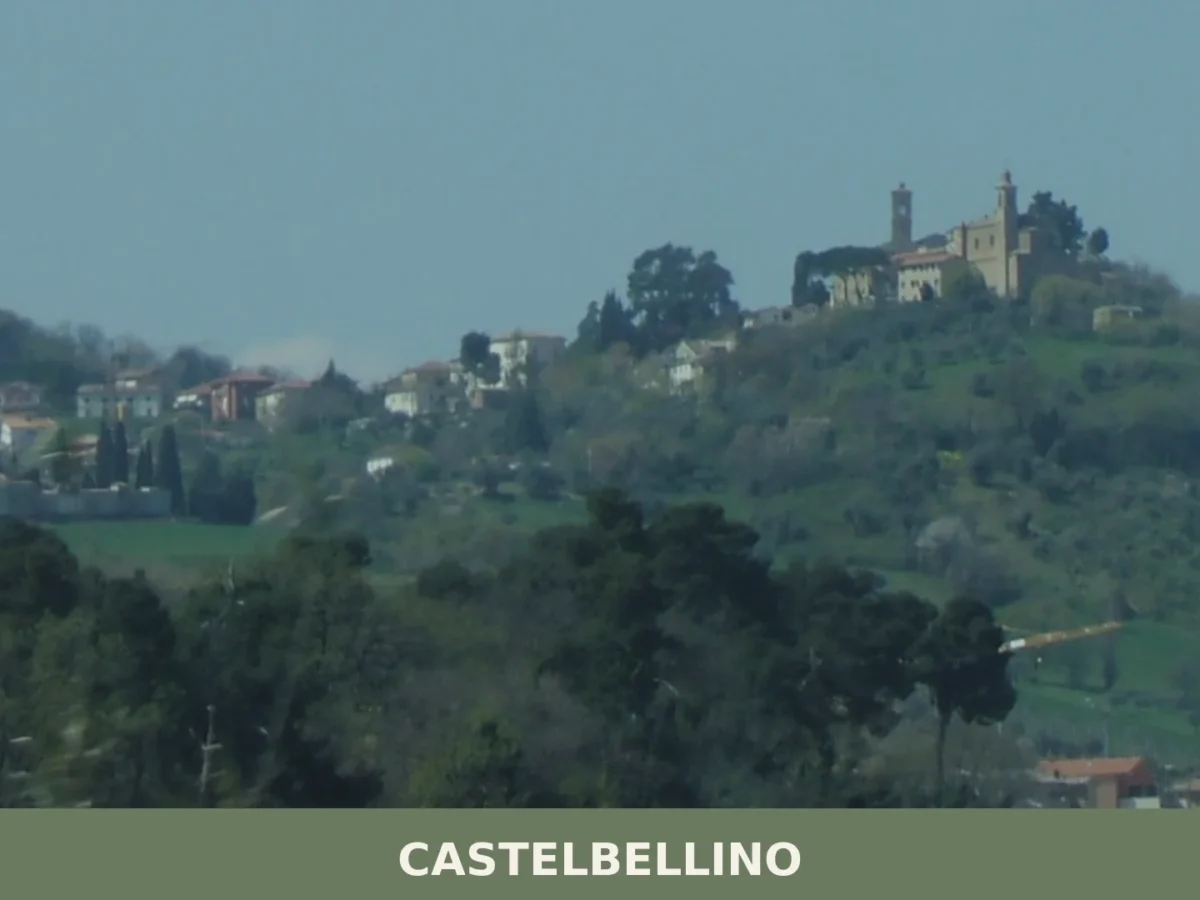
Castelbellino is a hilltop comune in the province of Ancona, Marche, with over nine centuries of documented history, a walled medieval centre, and an open panorama over the Esino valley.
Castelplanio
Hills
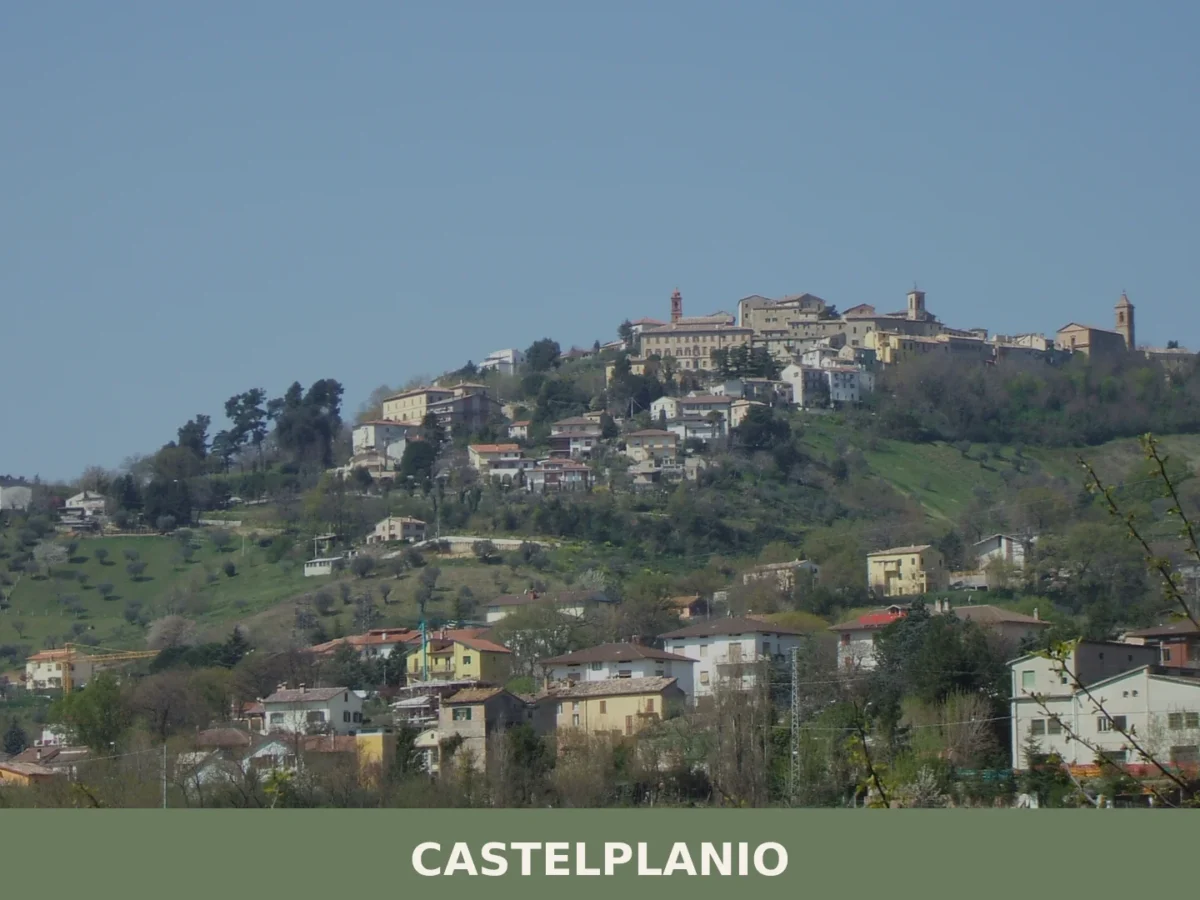
Home to 3,579 residents, Castelplanio rewards visitors with a medieval abbey, a civic art collection and a museum dedicated to a pioneering physician.
Castel di Lama
Hills
Castel di Lama is a commune of roughly 8,400 inhabitants in the province of Ascoli Piceno, Marche, whose hilltop quarter, Roman vestiges and contemporary art collection make it a quietly rewarding sto
Acquaviva Picena
Sea
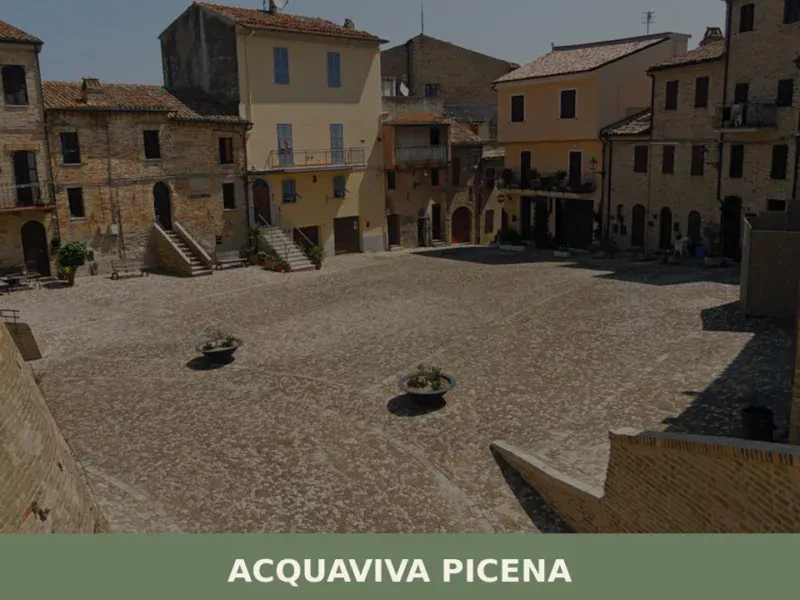
Discover what to see in Acquaviva Picena: medieval fortress, town walls, local food and travel tips for this hilltop village in Ascoli Piceno, Marche.
Auditore
Hills
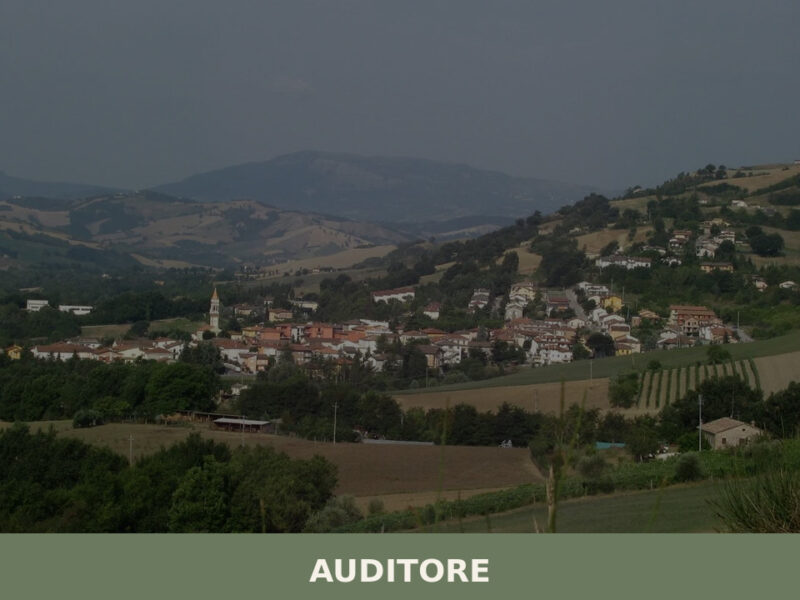
Morning light falls across a line of stone houses the colour of dry wheat, and somewhere below the rooftops a church bell marks the hour with a single, unhurried stroke. Auditore sits in the hill country of the province of Pesaro e Urbino, a settlement of 1,631 people where the Foglia river valley opens toward […]
Cessapalombo
 Mountain
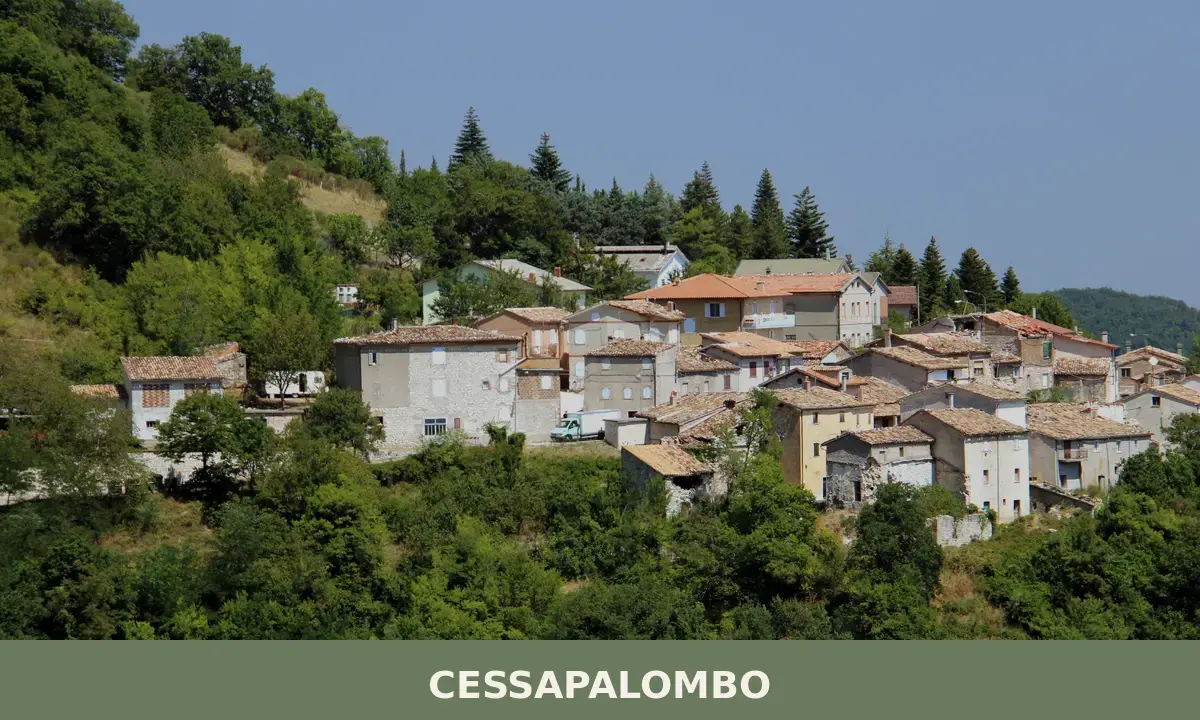
Cessapalombo is a mountain commune of 426 residents in the province of Macerata, set within the Monti Sibillini national park and rich in medieval heritage and Apennine landscape.



🏡 Know Castelraimondo better than we do?
If you’re a local or have been there, your knowledge matters: add what’s missing or fix a detail on this page.