


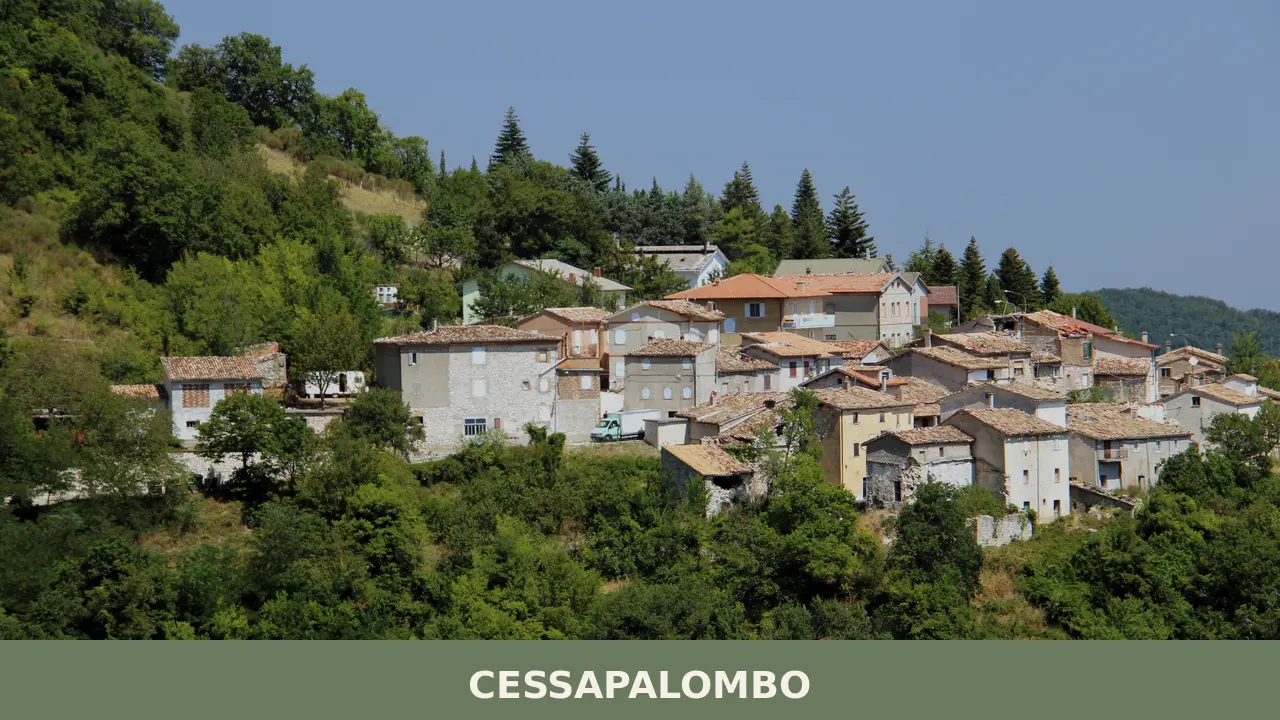

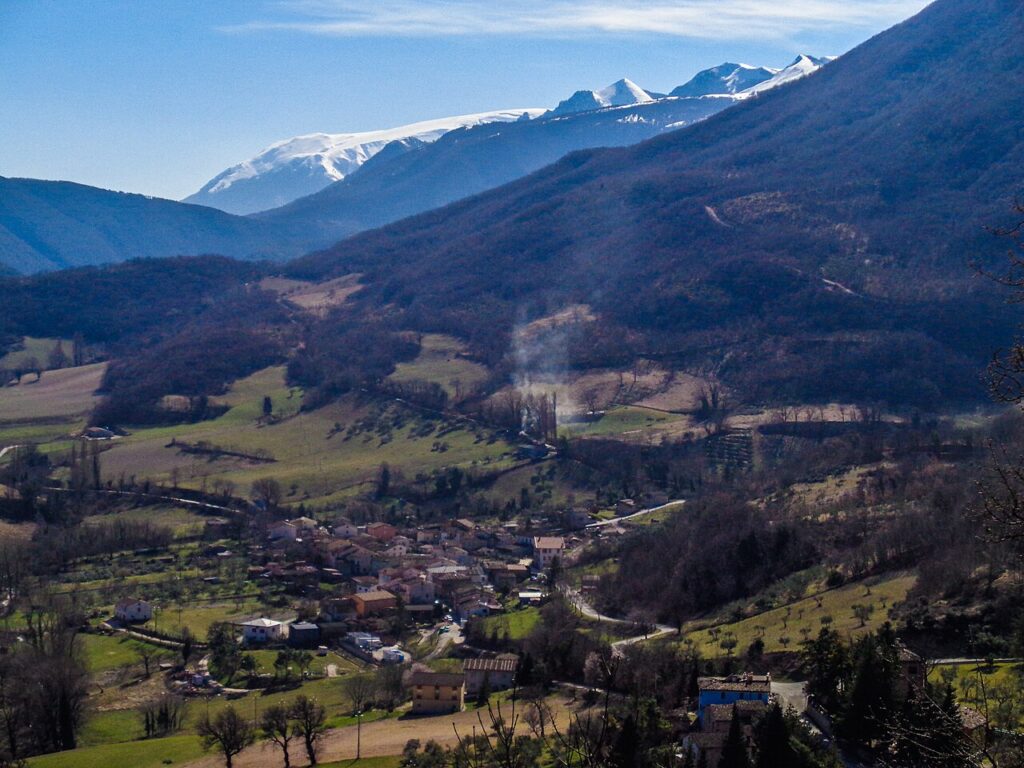
Cessapalombo is a mountain commune of 426 residents in the province of Macerata, set within the Monti Sibillini national park and rich in medieval heritage and Apennine landscape.
Discover Cessapalombo
Cessapalombo is a mountain commune in the province of Macerata, Marche, sitting at 434 metres above sea level across roughly 27.78 square kilometres, with a population of around 426 residents. It lies within the zone of the Parco Nazionale dei Monti Sibillini, and its documented past stretches back at least to the tenth century, when the locality of Montalto appears in a diploma attributed to Emperor Otto I confirming Benedictine estates in the Camerino area. Across the following centuries the territory changed hands several times, passed through ecclesiastical administration, and by the mid-fourteenth century counted among the fortified settlements recorded in a major pontifical survey of the March.
Churches, castles, a tradition of charcoal-making, and the dramatic landscape of the Sibillini mountains together give Cessapalombo village in Marche a character that rewards visitors prepared to travel into the Macerata uplands. The feast of Sant’Andrea on 30 November marks the rhythm of the local year, while the surrounding hills and protected parkland offer a continuity between human history and natural environment that defines this part of inland Marche.
Cessapalombo village in Marche: history and roots
Cessapalombo is a mountain commune in the province of Macerata whose documented history reaches back at least to the tenth century, when the surrounding territory — including the locality of Montalto — appears in a diploma of 967 issued by the Emperor Otto I, confirming to the abbot of the Abbey of San Clemente a Casauria possession of twenty-two Benedictine estates in the Camerino area, among them Monte Alto.
Over the following centuries the area passed through the hands of various powers. Around the mid-thirteenth century the territory of Montalto was annexed to the jurisdiction of the commune of Camerino by authority of Cardinal Sinibaldo dei Fieschi, rector of the March and later Pope Innocent IV. By the mid-fourteenth century, a pontifical survey known as the Descriptio Marchiae Anconitanae, drawn up under Cardinal Egidio Albornoz, listed Montalto among the fortified settlements of the region. A document from the early fifteenth century further records a church dedicated to San Benedetto at Monte Alto among sixteen churches dependent on the local pieve of Faveria.
The commune bears a painful memory from the Second World War: on 22 March 1944, the fraction of Montalto was the site of the execution of thirty-two young partisans by Nazi-fascist forces, an episode known as the massacre of Montalto. In recognition of the sacrifices of its population and of partisan activity during the war of liberation, Cessapalombo was awarded the Croce di Guerra al Valor Militare.
Churches, Castles and a Carbonaie Museum: the Built Heritage of Cessapalombo
Cessapalombo preserves a cluster of medieval and early modern religious buildings, the remains of at least three fortified structures, and a museum dedicated to the traditional charcoal-making trade — all within a small mountain comune that sits inside the Parco Nazionale dei Monti Sibillini.
Abbazia di San Salvatore (Santa Maria in Insula)
Located in the frazione called Monastero, this abbey is the most architecturally substantial religious building in the territory. Its crypt is divided into three naves. The complex is also referred to in the sources as the chiesa e monastero di San Salvatore.
Chiesa di San Benedetto (Montalto)
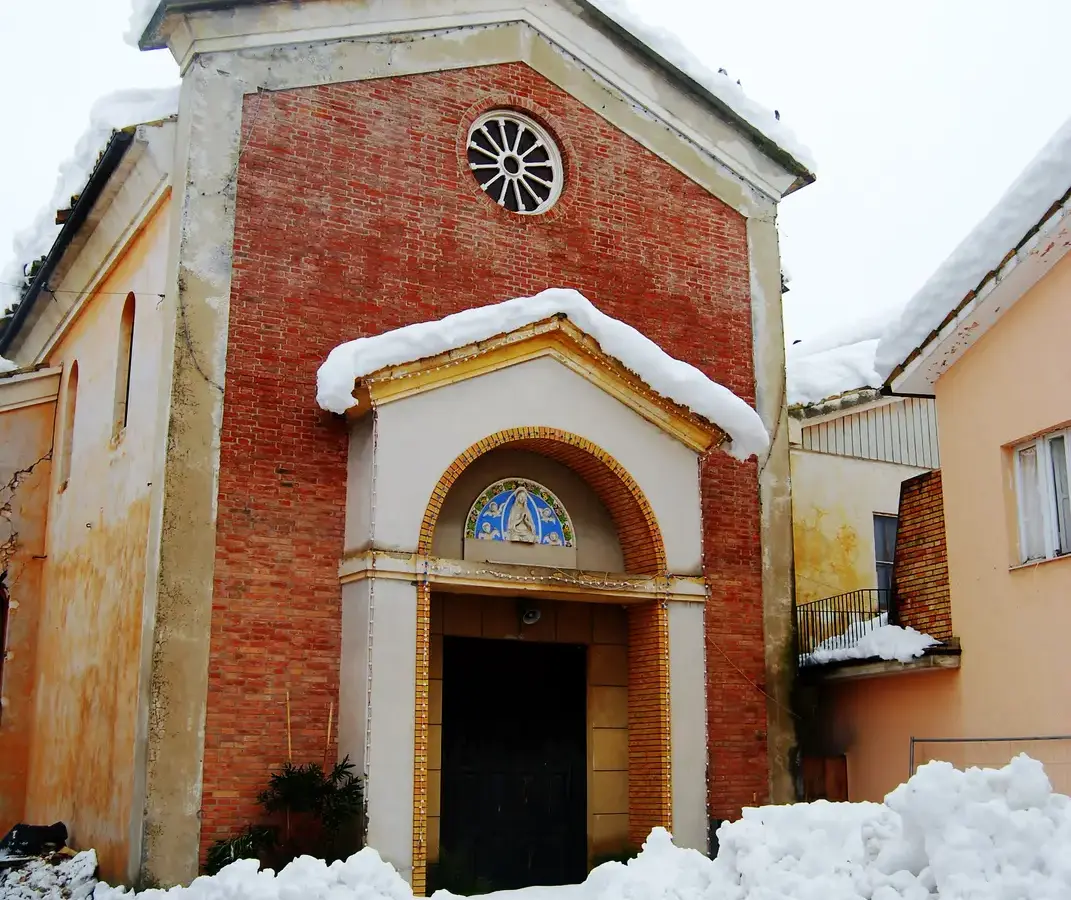
Situated in the frazione of Montalto, the church dates from the thirteenth century. Its interior and exterior walls carry frescoes by Giovanni Andrea De Magistris: a cycle of the Mysteries of the Rosary, painted on the outside of a niche on the left wall, was completed in 1526, while a Madonna and Child and a Sant’Antonio Abate in a facing niche were executed in 1544.
Chiesa di Sant’Andrea
This is the parish church dedicated to Cessapalombo’s patron saint, whose feast falls on 30 November. It houses a carved wooden statue of the Madonna dell’Impollata.
Chiesa di Santa Maria Ausiliatrice
Located in the frazione of Villa, the church retains a fifteenth-century fresco.
Grotta dei Frati
The name recalls the Benedictine friars who settled here around the year 1000 and built a small monastery on the site.
Fortified Structures
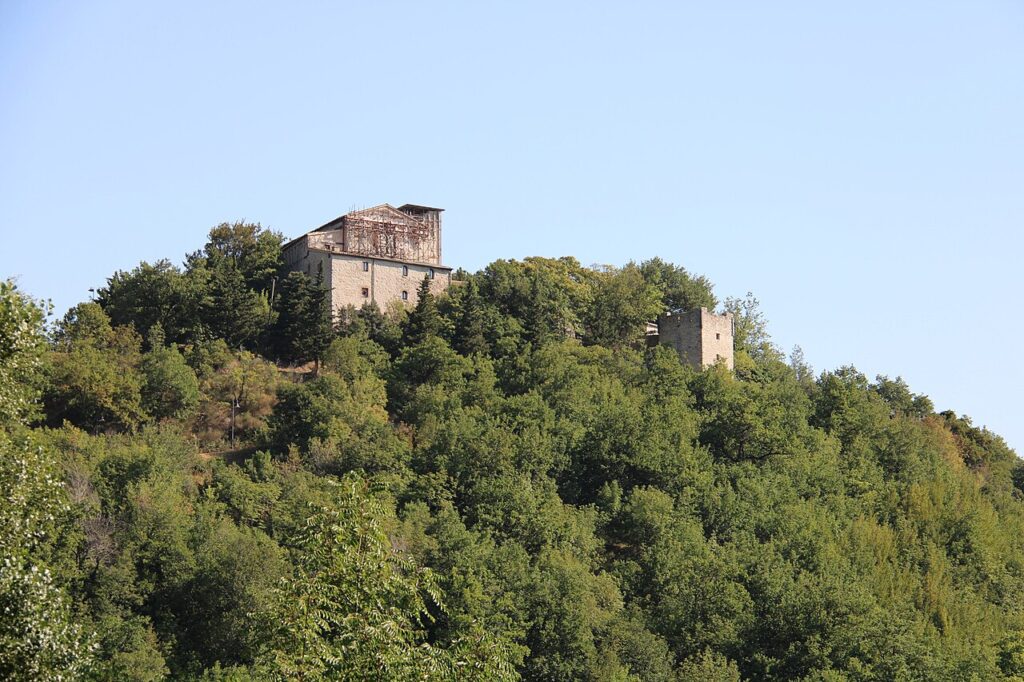
Three defensive works are documented within the comune: the Castello di Montalto in the eponymous locality, the Rocca di Col di Pietra, and the Castello di Roccacolonnalta. Only their names and general locations are recorded in the available sources.
Museo delle Carbonaie
Housed in the Palazzo Simonelli in the frazione of Tribbio — a restored eighteenth-century rural complex that also contains the Museo della Nostra Terra — this museum documents the charcoal-making tradition that was central to the economic life of communities throughout the Sibillini area. The collection includes photographic records and objects associated with the old craft. The same building serves today as a youth hostel and tourist information point.
Flavours of Cessapalombo and the Sibillini Foothills
Cessapalombo sits within a provincial and regional food tradition anchored by certified cured meats, mountain legumes and local cheeses, none of which are exclusive to the village itself but all of which are deeply woven into the table of this corner of Macerata. The most distinctive charcuterie of the area is Ciauscolo IGP, a soft, spreadable salame characteristic of the Marche interior. Alongside it, Agnello del Centro Italia IGP reflects the sheep-farming heritage of the Apennine communities surrounding the Sibillini massif, while Lenticchia di Castelluccio di Norcia IGP — grown on the high plateau just beyond the park boundary — appears regularly on local menus.
Cheese lovers will find Formaggio di Fossa di Sogliano DOP on offer across the province: a pit-aged cheese with a sharp, earthy character. On the wine side, the closest denominations of note are Verdicchio di Matelica Riserva DOCG and Vernaccia di Serrapetrona DOCG, both produced within Macerata province. The Colli Maceratesi DOC and Esino DOC round out the regional cellar. Traditional preparations cited in the area’s patrimony include sapa, vino cotto and vino di visciole — fermented or cooked fruit wines rooted in old Marche farmhouse custom.
Reaching Cessapalombo and Planning Your Stay
Cessapalombo is best reached by car along the provincial roads that wind through the Fiastrone valley into the Sibillini foothills, with the nearest significant rail hub being Macerata, roughly 40 kilometres to the north-west, making a private vehicle essentially indispensable for a visit. The village stands at 434 metres above sea level in the inner mountain zone of the Marche, which means spring and early autumn offer the most comfortable conditions for walking and exploring; summers are mild at this altitude, while winters can be cold and the mountain roads occasionally difficult.
The surrounding Parco Nazionale dei Monti Sibillini draws hikers and nature lovers throughout the warmer months, and the Gola del Fiastrone gorge is one of the park’s most dramatic natural features accessible from the municipal territory. Visitors using the provincial capital as a base can consult resources for Macerata before heading south into the hills. Those touring the broader Macerata province may also find it rewarding to combine the trip with stops at villages such as Appignano or Apiro, both set in the gentler hill country closer to the provincial capital. The village patronal feast of Sant’Andrea falls on 30 November, marking the quieter end of the outdoor season.
| Departure | Distance | Time |
|---|---|---|
| Macerata | approx. 50 km | approx. 1 hour |
| Ancona | approx. 90 km | approx. 1 h 30 min |
| Fiastra | approx. 10 km | approx. 20 min |
These practical references help organise the journey clearly, while the village itself is best understood slowly and on foot once you arrive.
Frequently asked questions about Cessapalombo
How do I get to Cessapalombo by car?
The most practical route is via the A14 Adriatic motorway, exiting at Civitanova Marche or Porto San Giorgio, then taking the SS77 westward toward Macerata and continuing into the Sibillini foothills. From Macerata the village is approximately 40 kilometres by regional roads. No direct rail connection exists; the nearest stations are Macerata and Civitanova Marche. From either station, a private car or local taxi service is the only realistic onward option.
What is the best time of year to visit Cessapalombo?
Late spring (May–June) and early autumn (September–October) offer the most comfortable conditions for exploring the Sibillini mountains, with mild temperatures and clear skies ideal for hiking. Summer is pleasant at 434 metres altitude and less crowded than coastal resorts. The feast of the patron saint Sant'Andrea, celebrated on 30 November, is a highlight of the local calendar for visitors interested in traditional village life and religious festivities.
Which hiking trails are accessible near Cessapalombo?
Cessapalombo lies within the buffer zone of the Parco Nazionale dei Monti Sibillini, which maintains an extensive network of marked CAI (Club Alpino Italiano) trails. Paths connect the village area to the broader Sibillini ridge system, with routes suitable for both beginners and experienced walkers. The official park website (sibillini.net) provides downloadable trail maps, difficulty ratings, and updated access information before departure.
Are there accommodation options in or near Cessapalombo?
Given the village's small size of around 426 residents, accommodation is limited but available in the agriturismo format typical of rural Marche. Several farm-stay establishments operate in the Macerata uplands and Sibillini foothills within a short driving radius. Booking platforms such as Agriturismo.it and the official Marche tourism portal (turismo.marche.it) list verified options with current availability and contact details.
Is Cessapalombo suitable for a day trip or does it merit a longer stay?
A focused day trip from Macerata or the Adriatic coast allows time to visit the main historic buildings and enjoy the mountain scenery. However, to explore the surrounding Sibillini trails, visit the local Carbonaie (charcoal-making heritage) museum, and attend any seasonal events, a two-night stay is more rewarding. The quiet, authentic atmosphere of this inland Marche village is best appreciated with an unhurried pace.
📷 Photo Gallery — Cessapalombo
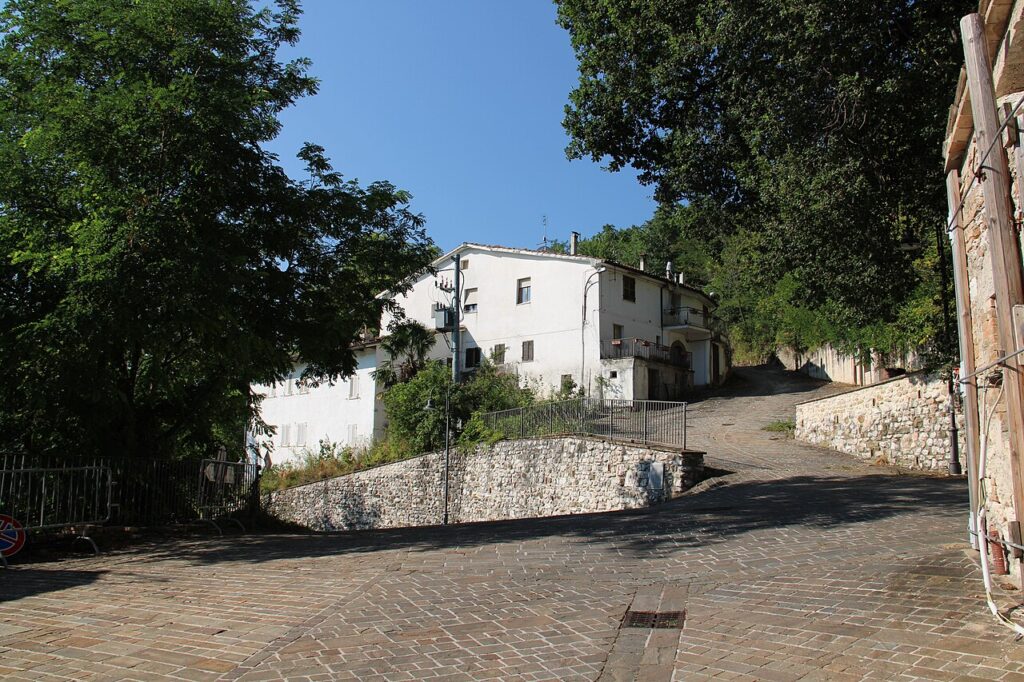
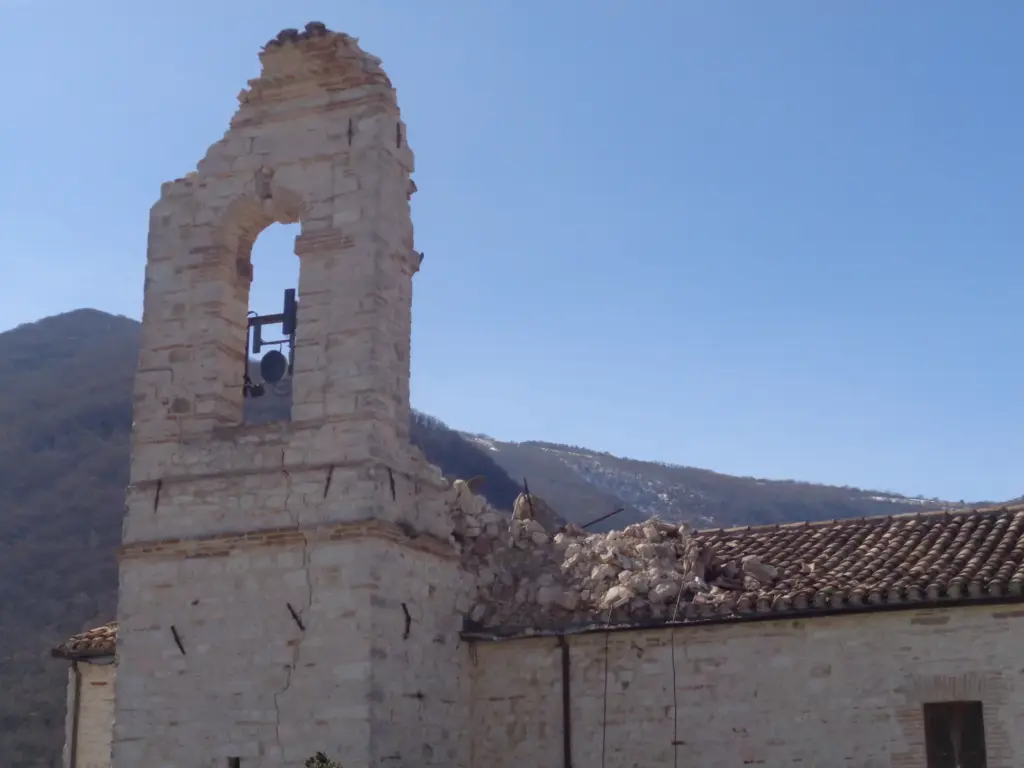
In Marche More villages to discover
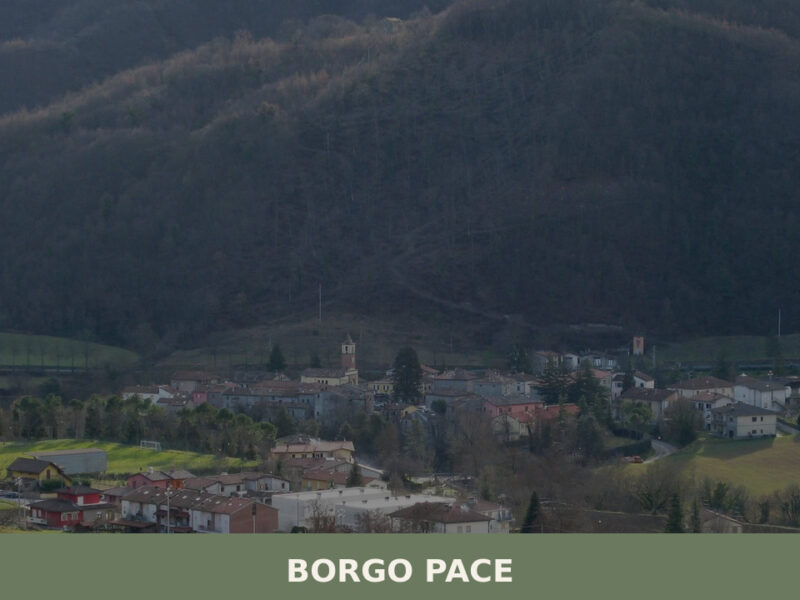
Borgo Pace
 Hills
Hills
Two rivers converge here — the Meta and the Auro — and their meeting point gives this settlement its ancient rhythm. In the early morning, mist lifts off the water and clings to stone walls darkened by centuries of wood smoke. Borgo Pace sits at the edge of the Apennine watershed in the province of […]
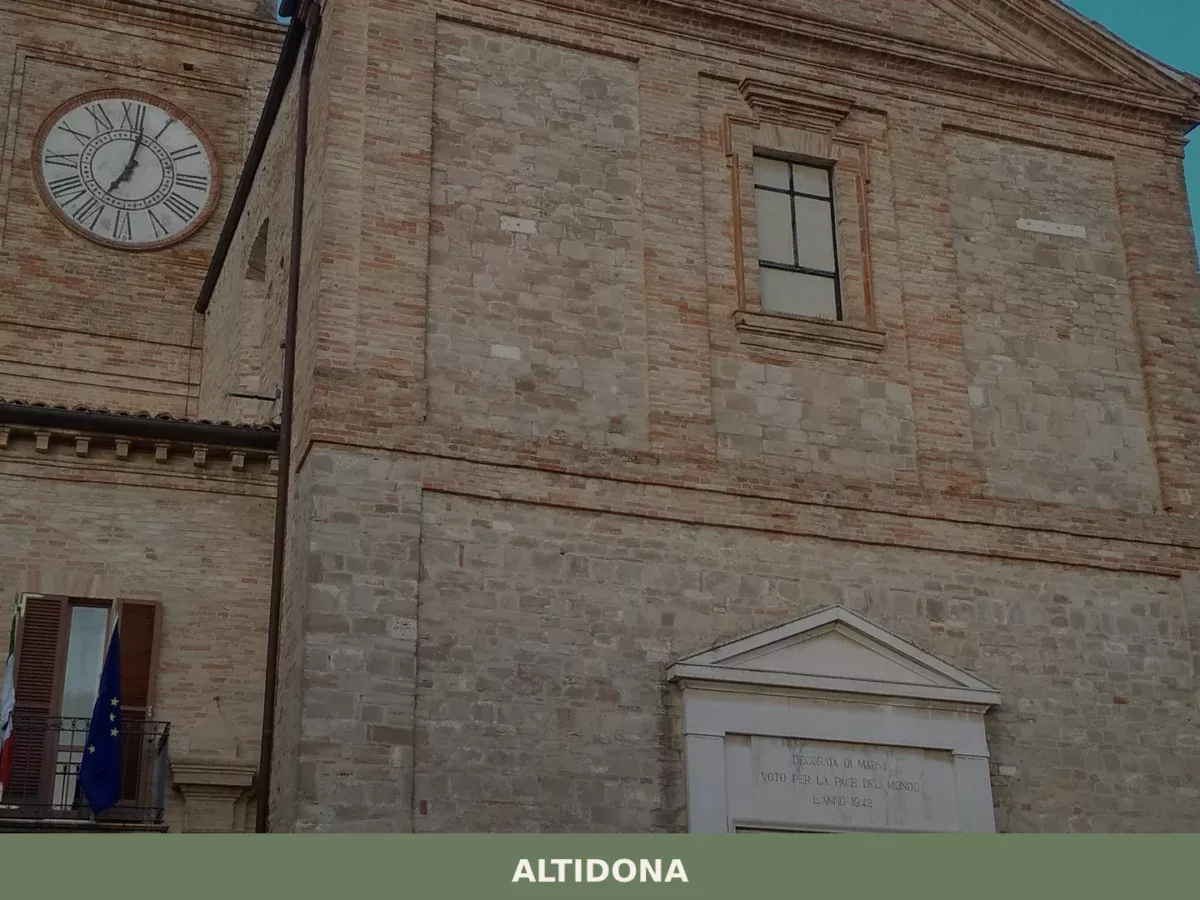
Altidona
 Sea
Sea
Discover what to see in Altidona, a Marche village in the Province of Fermo. History, attractions, local food, and practical travel tips.
Frontino
Hills
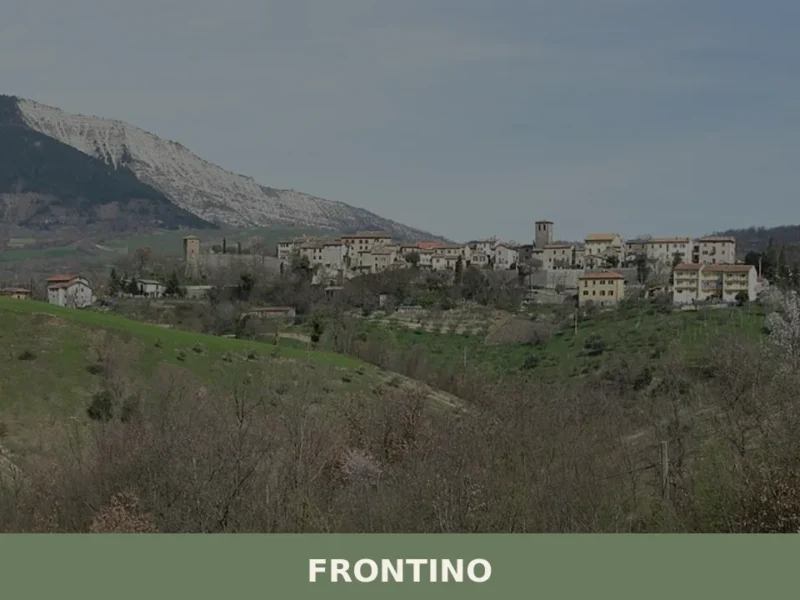
Frontino has around 300 inhabitants today, spread across a hilly area in the province of Pesaro and Urbino at 519 metres above sea level, along the eastern slope of the Apennines separating the Marche from Tuscany and Romagna. The municipality, one of the least populated in the entire region, retains a compact and legible urban […]
Castelplanio
Hills
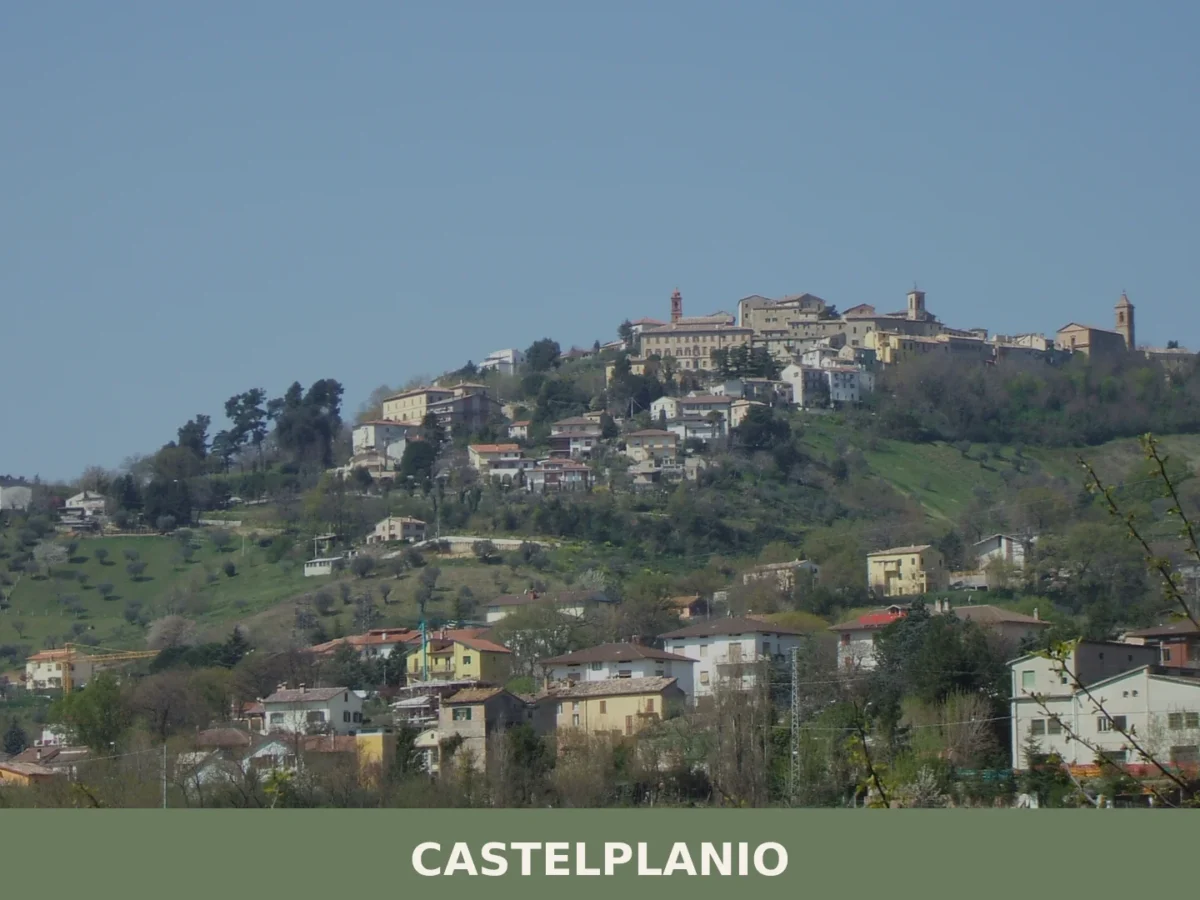
Home to 3,579 residents, Castelplanio rewards visitors with a medieval abbey, a civic art collection and a museum dedicated to a pioneering physician.
Acquasanta Terme
 Mountain
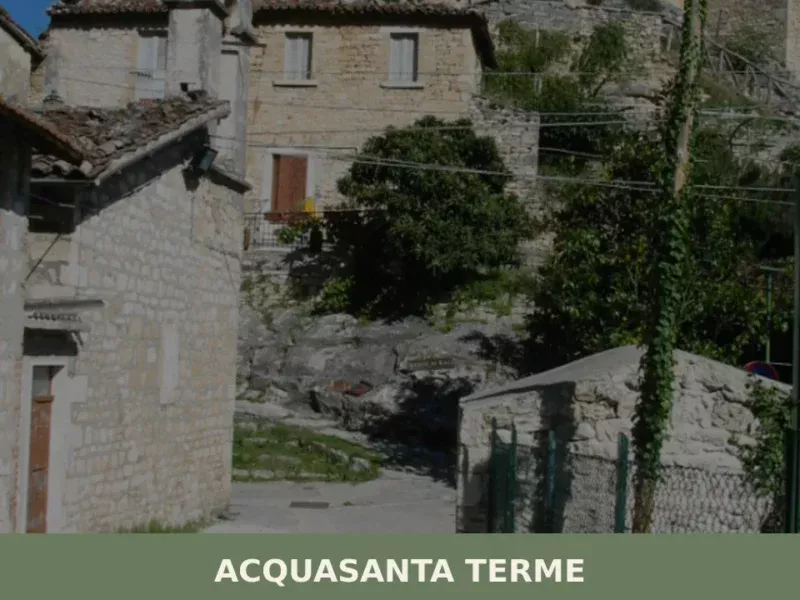
Discover what to see in Acquasanta Terme: Roman thermal baths, Tronto gorge, medieval hamlets and Apennine landscapes in Marche's Ascoli Piceno province.
Macerata
Hills
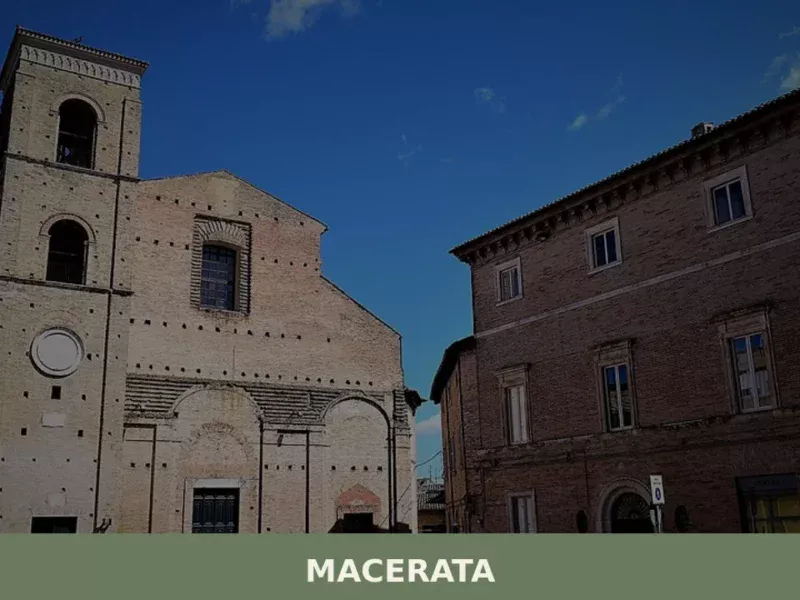
Macerata is a hilltop city in the Marche region of central Italy, sitting at about 323 metres above sea level between the Chienti and Potenza valleys, with a rich cultural and artistic heritage.

Barbara
Hills
What to see in Barbara, Marche, Italy: 5 top attractions, local food, festivals and how to get there. Population 1,484. Discover this Ancona province comune.
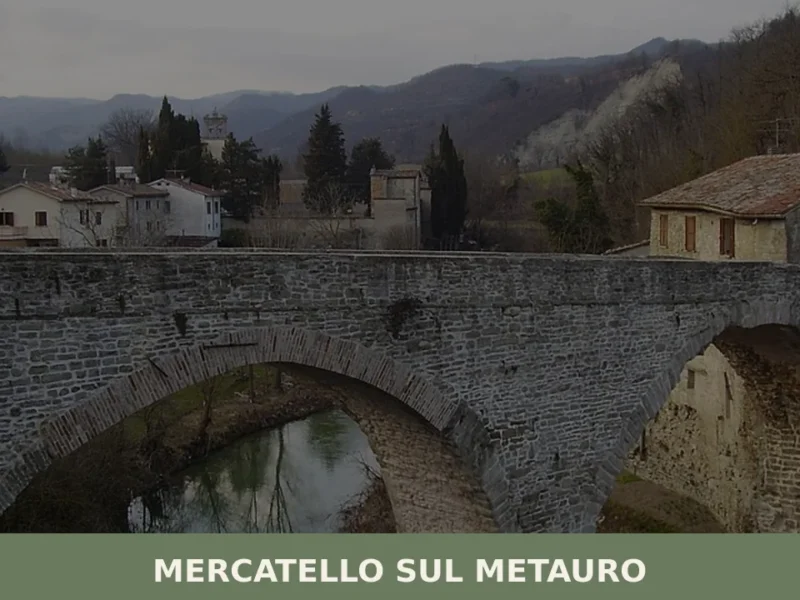
Mercatello sul Metauro
Hills
Mercatello sul Metauro has a current population of 1,326 and sits at an elevation of 429 metres in the middle Metauro valley, in the province of Pesaro and Urbino. The village owes its identity to one specific figure: Saint Veronica Giuliani, a Capuchin mystic born here in 1660, beatified in 1804 and canonised in 1839. […]
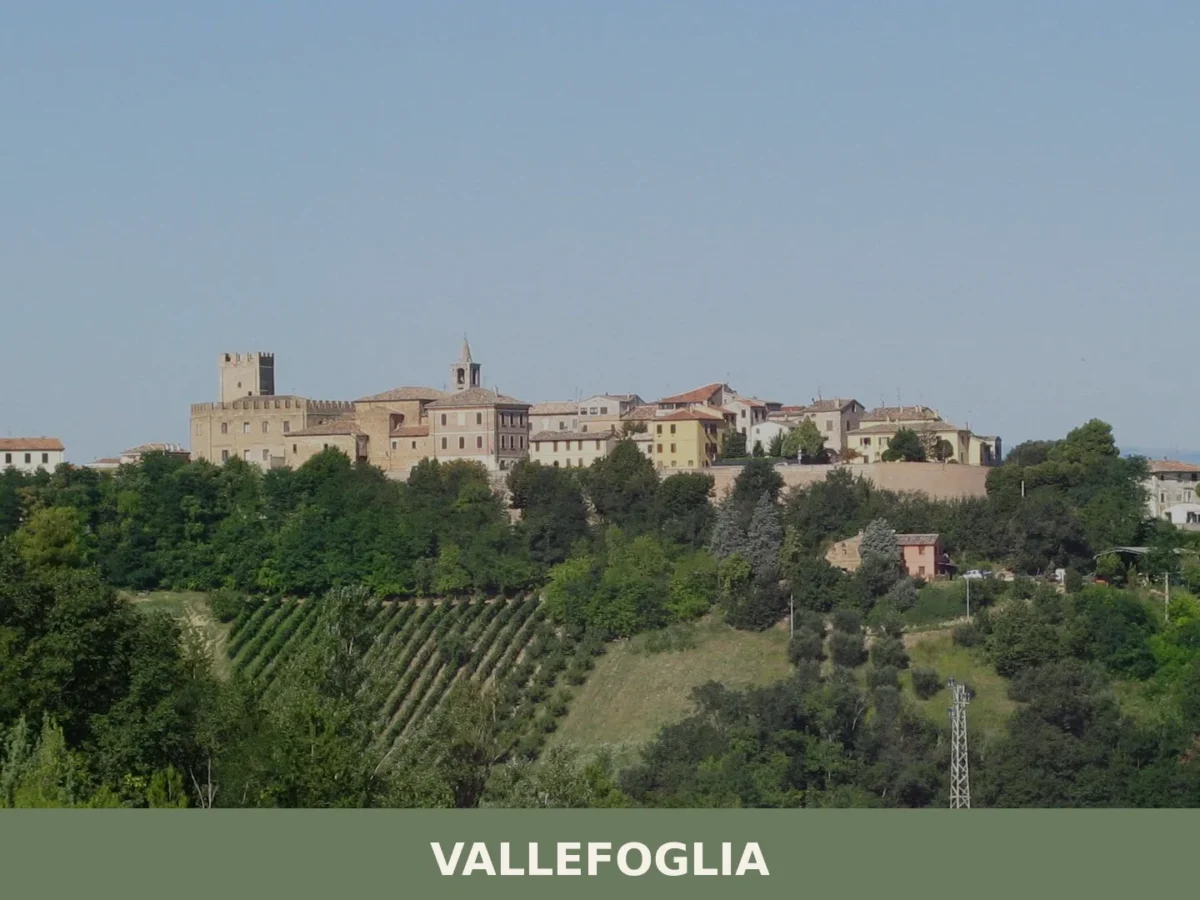
Vallefoglia
Hills
Vallefoglia is a hillside municipality of about 15,000 inhabitants in the province of Pesaro e Urbino, born in 2014 from the merger of Colbordolo and Sant'Angelo in Lizzola, and named after the river
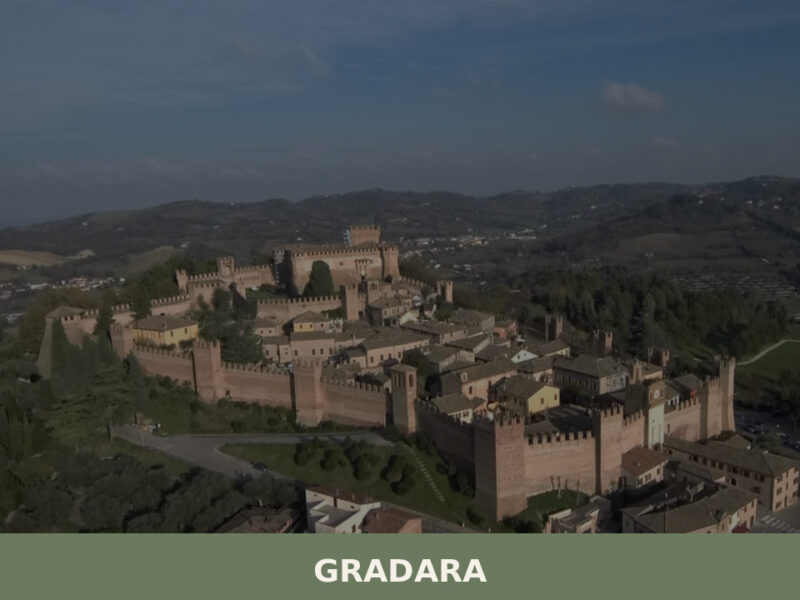
Gradara
 Plains
What to See in Gradara: discover Malatesta Castle and 4 other must-see attractions. Plan your trip to this Marche village of 4,889 inhabitants.



🏡 Know Cessapalombo better than we do?
If you’re a local or have been there, your knowledge matters: add what’s missing or fix a detail on this page.