


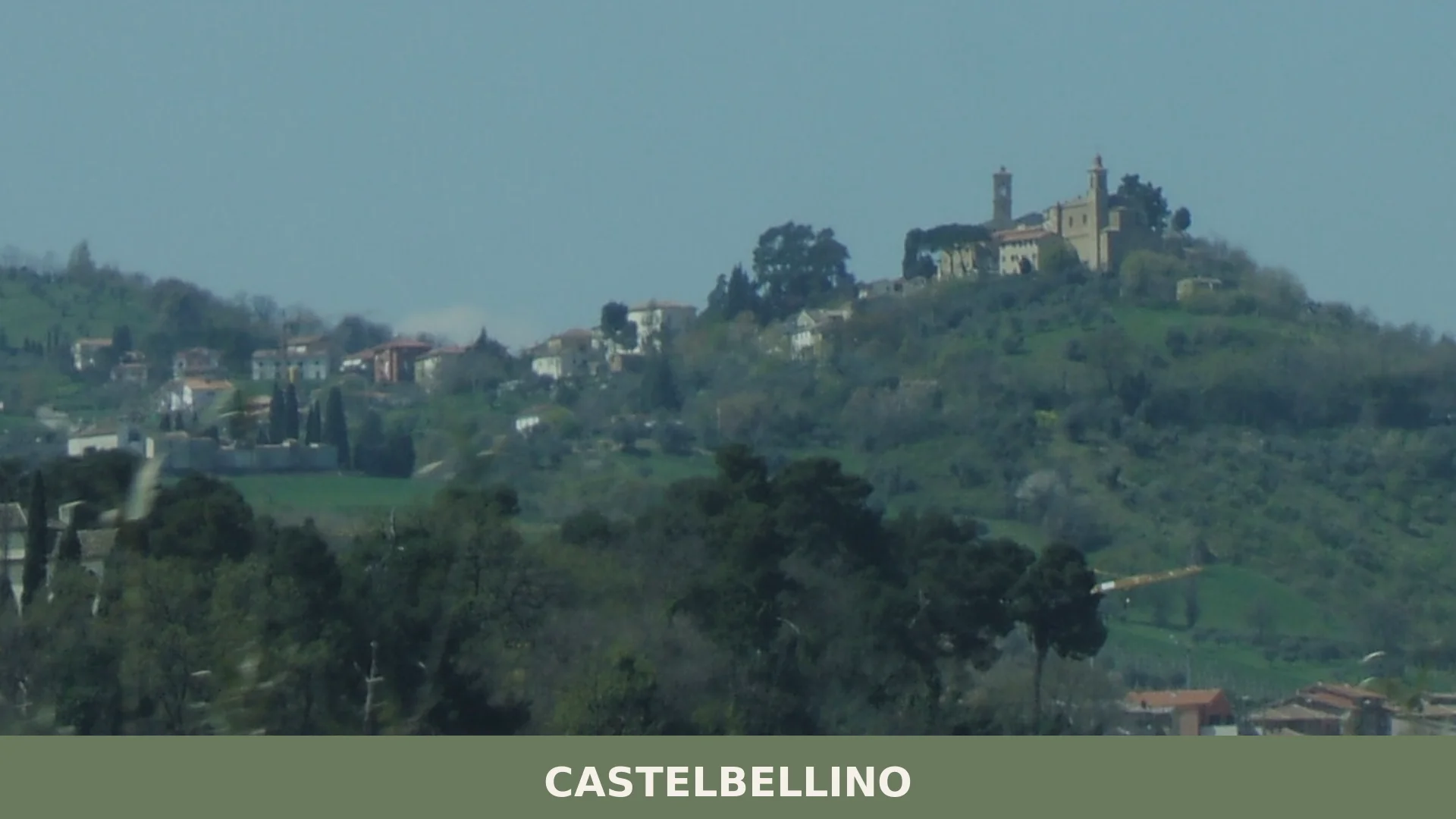

Castelbellino is a hilltop comune in the province of Ancona, Marche, with over nine centuries of documented history, a walled medieval centre, and an open panorama over the Esino valley.
Discover Castelbellino
Castelbellino is a hilltop comune in the province of Ancona, Marche, standing at 261 metres above sea level with a population of around 4,910 residents spread across a compact territory of roughly 5.92 square kilometres. It occupies a commanding position along the middle valley of the Esino river — the first of the historic castles encountered when travelling inland from Jesi, approximately 12 kilometres to the southwest — and its elevated centre looks out over the pre-Apennine landscape toward Monte San Vicino. The superstrada SS 76, completed in its current four-lane form in 1981, runs through the valley below, making Castelbellino straightforwardly accessible from Ancona (about 30 kilometres, roughly 30 minutes) and from the Grotte di Frasassi (about 21 kilometres, roughly 20 minutes).
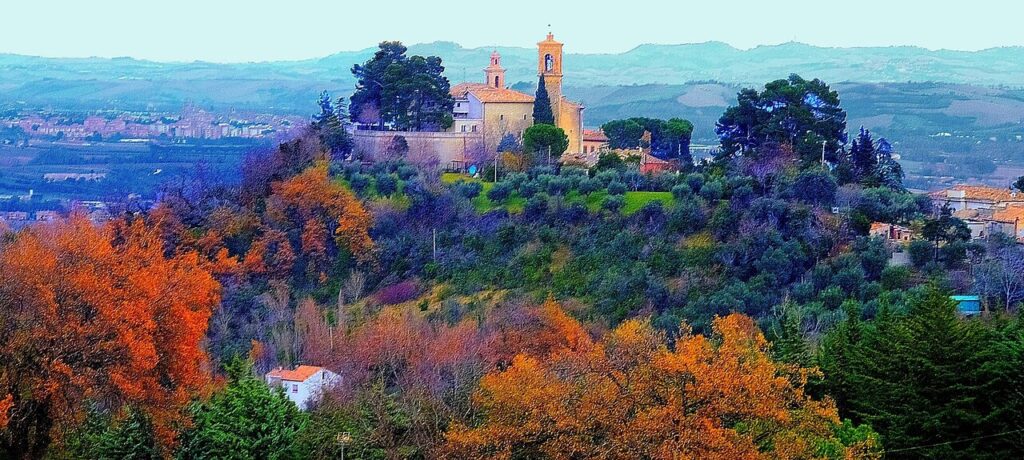
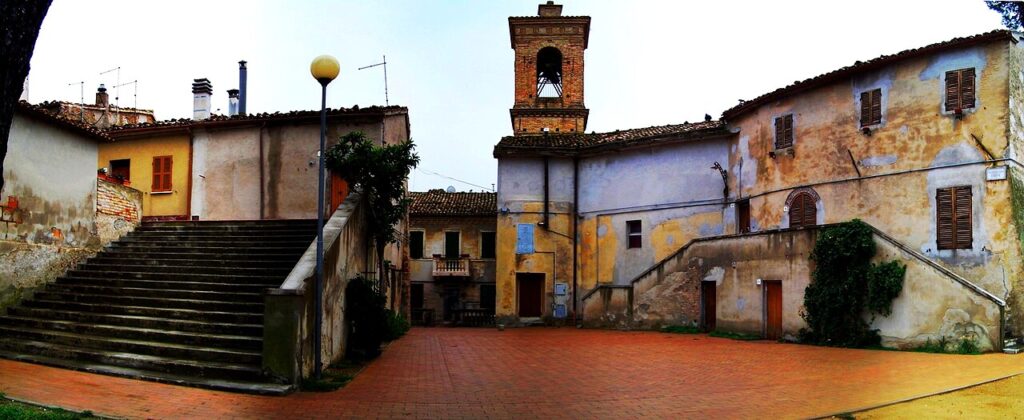
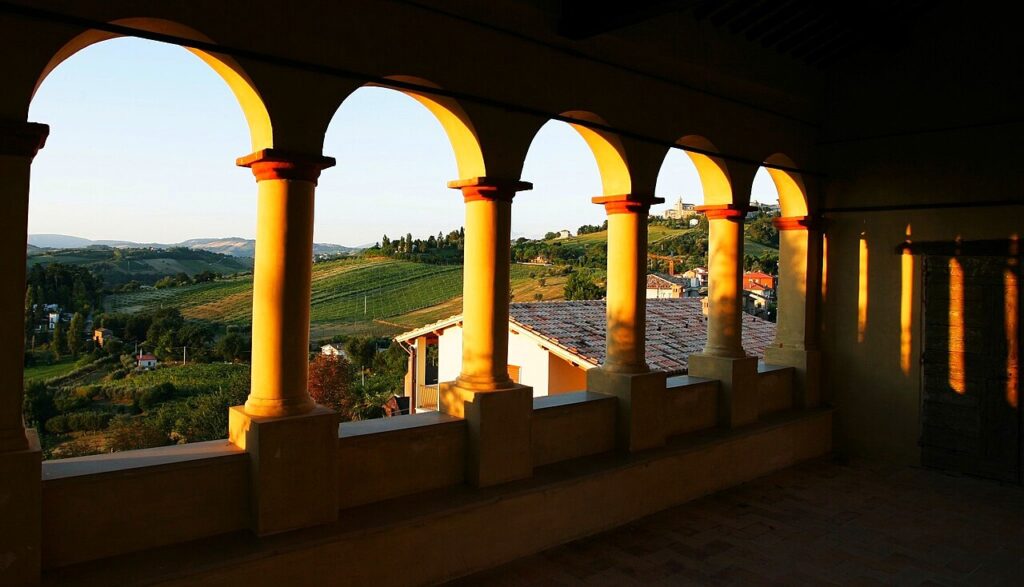
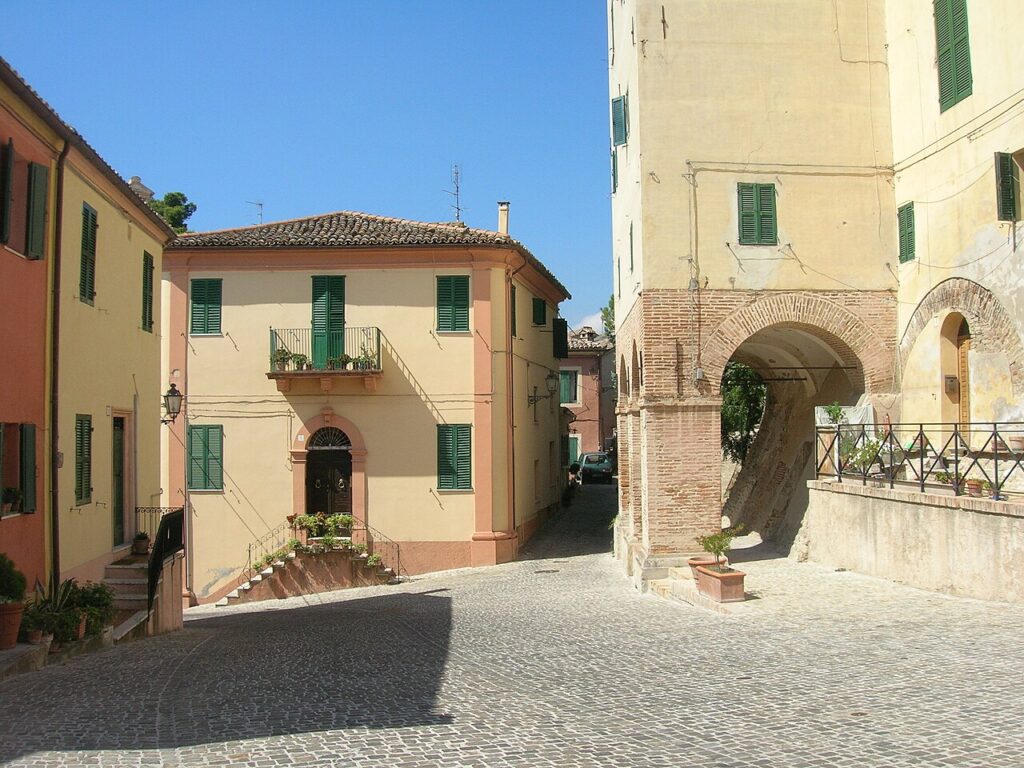
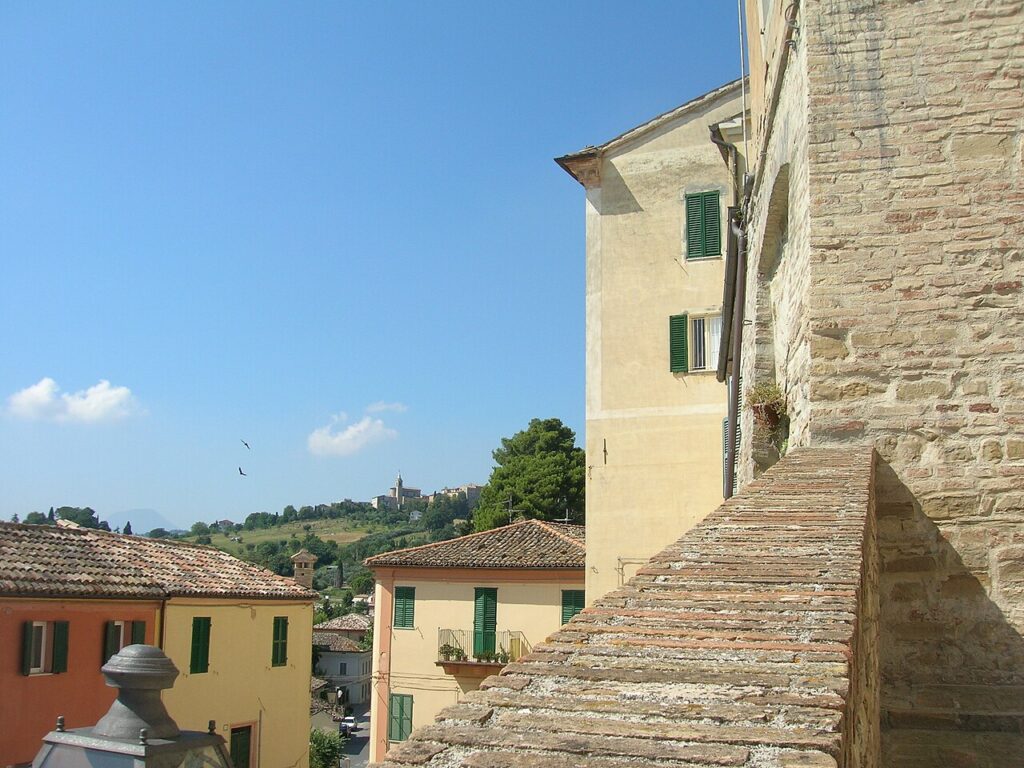
What meets the visitor is a walled hilltop nucleus whose oval perimeter traces an urban plan established between the eleventh and fourteenth centuries, enclosing a Torre Civica, a sixteenth-century loggetta opening onto a broad panoramic view, and streets such as the stairway lane of Via Proferno that still follow medieval alignments — all sitting above a valley floor given over to orchards, grain fields, and the vineyards of the Verdicchio dei Castelli di Jesi zone. This Castelbellino village in Marche carries more than nine centuries of documented history within a surface area that can be crossed on foot in minutes, making the contrast between its modest scale and the depth of its past one of its most telling characteristics.
Castelbellino village in Marche: history and origins
Castelbellino is a hilltop settlement in the province of Ancona with documented history stretching from at least 1079, when the count Ugo degli Attoni donated land in the territory then called Morro Panicale to the Hermitage of Camaldoli for the construction of the abbey of San Giorgio — the earliest written record of the place. Archaeological finds, including a statue of an Italic Hercules dating to the early fifth century BC discovered in the Pantiere fraction in 1939, confirm that human presence on this ground predates the medieval period by many centuries.
The Attoni family of Jesi had established a fortress on the hill to consolidate their feudal authority over the fertile surrounding area, and their descendants held sway over Jesi and several castles to the right of the Esino river through the tenth to twelfth centuries. In May 1194, count Trasmondo of Morro Panicale formally submitted to the newly formed municipality of Jesi, bringing the territory under the commune’s jurisdiction — the first step in a series of annexations that would define the contado of Jesi for more than six centuries. Around the mid-fourteenth century, the castle was razed after its inhabitants sided against the forces of Cardinal Albornoz, and its Ghibelline leaders were sent into exile; the settlement was subsequently rebuilt, taking the name Castrum Ghibellinum, which over time became Castelbellino. In 1517 the troops of Francesco Maria della Rovere devastated the area, burning some two hundred and three houses in Castelbellino and destroying the fortress of nearby Jesi on 3 June of that year.
During the fifteenth century the Berarducci family established itself in Castelbellino, and a document of 1466 refers to Giovanni Berarducci as a figure of some distinction. By the end of the seventeenth century, habitation had spread beyond the old walls, and a small covered market opened on a square to the south of the historic core. In 1808, following the annexation of the Marche to Napoleonic Italy, Castelbellino was merged administratively with Monte Roberto and San Paolo di Jesi; the three communes regained their individual status in 1818, an arrangement confirmed after Italian unification. Among the notable figures associated with the village in more recent times, Garibalda Canzio — granddaughter of Giuseppe Garibaldi, daughter of Ricciotti Garibaldi and Constance Whitehead — lived in Castelbellino for many years and died there in 1969; a plaque in Via Madonna del Piano marks her residence, and a street was named in her honour in 2003.
Walls, towers and a civic museum: the built heritage of Castelbellino
Castelbellino preserves a medieval walled centre with two surviving towers, a seventeenth-century palazzo housing a small civic museum, a late-sixteenth-century loggia, and a parish church erected between the late eighteenth and early nineteenth centuries.
The walled enclosure and towers
The original fortified nucleus, known as Castrum Murri, dates to the eleventh and twelfth centuries. A new defensive perimeter was built around the middle of the fourteenth century, and the resulting layout describes an oval plan still legible today. Two towers remain standing: the Torre Civica, square in plan, which was converted into the bell tower of the church of San Marco in 1837, and a second tower above the main entrance gate, where the first public clock was installed before being moved to the campanile.
Church of San Marco Evangelista
The church was erected by Mattia Capponi between 1767 and 1792 on the site of an earlier medieval chapel. The Torre Civica, incorporated as its campanile in 1837, gives the building its distinctive silhouette above the roofline of the old village.
Palazzo Comunale and the Museo di Villa Coppetti
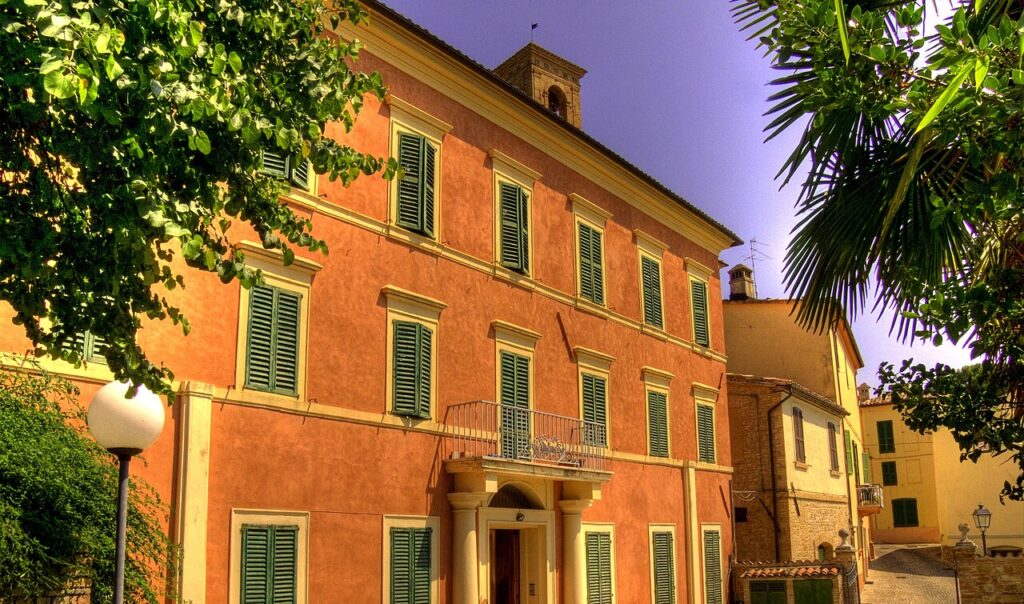
The civic museum is currently housed on the ground floor of the Palazzo Comunale, formerly Palazzo Berarducci, a manor building dating to the seventeenth century. The collection includes paintings from the Church of Santa Maria del Capoluogo and archaeological finds recovered near the cemetery chapel. A planned transfer to Palazzo Coppetti — a building constructed between the late eighteenth century and the early decades of the nineteenth, probably by the Meriggiani family — has not yet taken place. The museum also holds a section connected to the Garibaldi family.
The late-sixteenth-century loggia
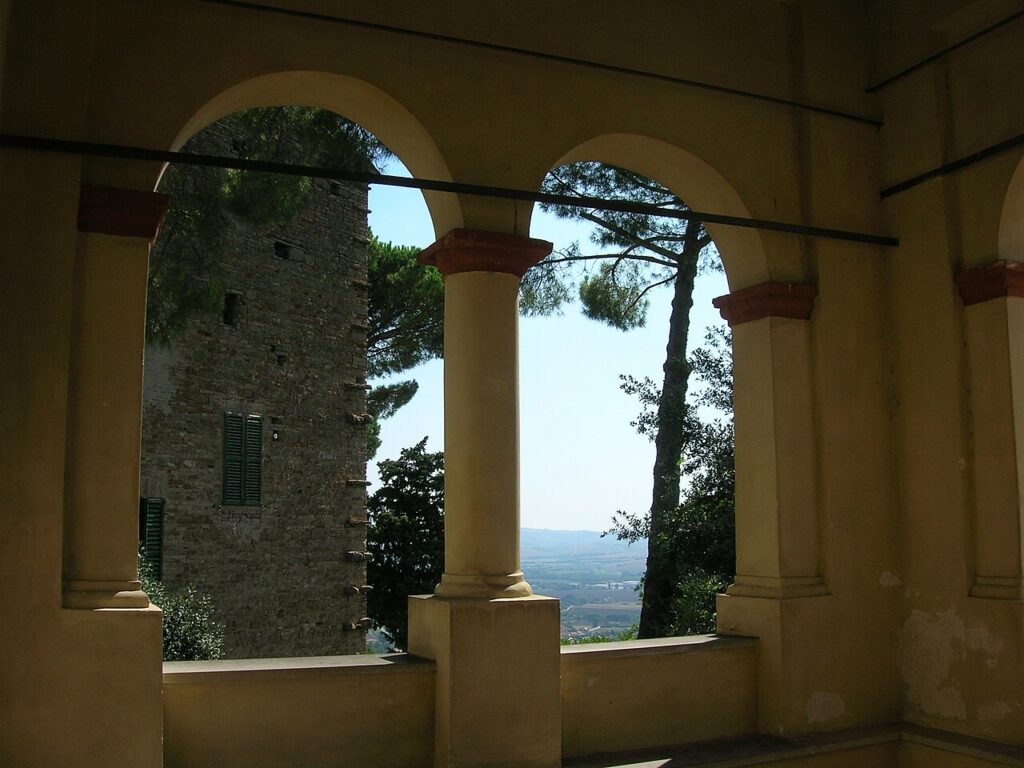
Adjacent to the museum and facing the old walls, a small loggia dating to the end of the sixteenth century opens onto a wide panoramic belvedere. No further attribution is recorded in the sources.
Via Proferno and Palazzo dell’ex Mutuo Soccorso
The stepped street known as Via Proferno is the traditional approach into the castle enclosure. Alongside it stands the Palazzo dell’ex Mutuo Soccorso, restructured towards the end of the sixteenth century or in the first years of the seventeenth; a spiral staircase connects it to Via Proferno.
Food and Wine Around Castelbellino and the Vallesina
Castelbellino sits in the heart of the Verdicchio dei Castelli di Jesi production zone, one of the Marche’s most celebrated white wine appellations, available at DOCG level as Riserva Castelli di Jesi Verdicchio and as the broader Esino DOC. The hillside vineyards that clothe the slopes below the historic centre make wine the defining agricultural identity of this territory.
The wider provincial offer extends to the Conero DOCG and the Lacrima di Morro d’Alba DOC among reds, while the IGT Marche designation covers a broad range of local production. Visitors can also encounter certified cured meats from the region, including Ciauscolo IGP, Salamini italiani alla cacciatora DOP, and the internationally familiar Mortadella Bologna IGP. Among cheeses, Formaggio di Fossa di Sogliano DOP — aged in tufa pits according to an ancient tradition — stands out as a regional specialty worth seeking out.
From the Marche’s traditional pantry, a handful of PAT-listed products circulate in the area: Sapa, a cooked grape must used in both cooking and confectionery; Vino cotto, prepared by reducing grape juice over heat; and Vino di visciole, a wine made from wild sour cherries. Agnello del Centro Italia IGP rounds out a picture that spans from the vine-covered hills to the pastoral uplands further inland.
Reaching Castelbellino and Planning Your Stay in the Vallesina
Castelbellino is most directly reached by the SS 76 superstrada along the Esino valley, with Jesi 12 km away (approximately 15 minutes), Ancona 30 km (approximately 30 minutes), and the Grotte di Frasassi 21 km (approximately 20 minutes). The village stands at 261 metres above sea level, elevated enough to command wide views over the pre-Apennine landscape while remaining close to the valley floor and its transport connections.
The surrounding area rewards exploration in spring and early autumn, when the vineyards and orchards are at their most active and the light on the rolling hills is particularly clear. The SS 76 runs parallel to the Esino river, offering a gradual transition from the Adriatic coastal plain into progressively older hilltop settlements. From Castelbellino it is straightforward to extend a visit to neighbouring villages: Barbara and Arcevia lie further inland along the same provincial network, while Camerata Picena sits to the south-east closer to Ancona.
| Departure | Distance | Time |
|---|---|---|
| Jesi | 12 km | approx. 15 min |
| Ancona | 30 km | approx. 30 min |
| Grotte di Frasassi | 21 km | approx. 25 min |
These practical references help organise the journey clearly, while the village itself is best understood slowly and on foot once you arrive.
Frequently asked questions about Castelbellino
How do I reach Castelbellino by car from Ancona?
From Ancona, take the SS 76 superstrada southwestward toward Jesi. Castelbellino is located approximately 30 kilometres from Ancona (roughly 30 minutes driving time). The four-lane motorway runs through the valley below the village, providing straightforward access. Follow signs toward Jesi and Esino valley. The village sits on a hilltop 261 metres above sea level, offering commanding views over the surrounding pre-Apennine landscape.
What is the best time to visit Castelbellino?
Visit during spring (April–May) to experience the Patron Saint feast of San Marco on 25 April, celebrating the village's namesake protector. Spring weather is mild and wildflowers bloom across the Esino valley. Autumn (September–October) offers pleasant temperatures ideal for exploring the walled medieval nucleus and surrounding vineyards of the Verdicchio dei Castelli di Jesi wine zone. Summer can be warm; winter may bring rain to the hillside location.
How long should I plan to spend in Castelbellino?
Plan 2–3 hours to explore the compact walled village on foot. The medieval nucleus, spanning roughly 5.92 square kilometres with an oval perimeter established between the eleventh and fourteenth centuries, can be traversed in minutes. This allows time to visit the Torre Civica, sixteenth-century loggetta with panoramic views, and medieval streets like Via Proferno. Extend your visit to nearby Grotte di Frasassi (21 kilometres, 20 minutes away) or explore local Verdicchio vineyards.
Is Castelbellino easily accessible from tourist attractions nearby?
Yes. Castelbellino lies approximately 12 kilometres inland from Jesi, the first historic castle encountered when travelling from the coast. The Grotte di Frasassi (famous limestone caves) are only 21 kilometres away, roughly 20 minutes by car via the SS 76. Ancona airport and city centre are 30 kilometres distant. The superstrada SS 76 provides efficient connections, making Castelbellino an accessible stop within the broader Marche tourism circuit.
What historical periods are represented in Castelbellino's architecture?
The village's walled oval nucleus was established between the eleventh and fourteenth centuries, representing medieval urban planning. The Torre Civica dates to this period. A sixteenth-century loggetta overlooks the panoramic landscape, reflecting Renaissance refinement. Medieval street alignments—notably the stairway lane of Via Proferno—remain intact. The village contains over nine centuries of documented history compressed within its modest hilltop footprint, offering a compressed chronology of Marche's medieval and early modern development.
📷 Photo Gallery — Castelbellino
In Marche More villages to discover
Gradara
 Plains
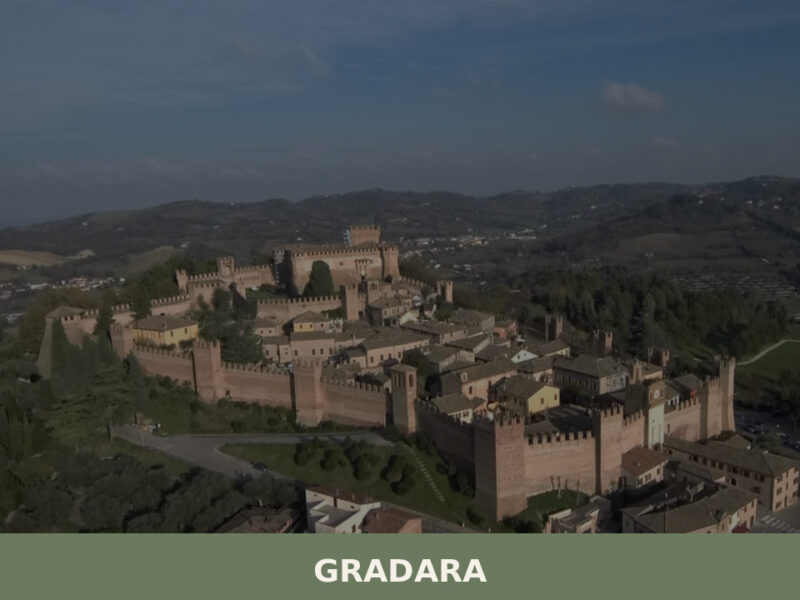
What to See in Gradara: discover Malatesta Castle and 4 other must-see attractions. Plan your trip to this Marche village of 4,889 inhabitants.
Macerata
 Hills
Hills
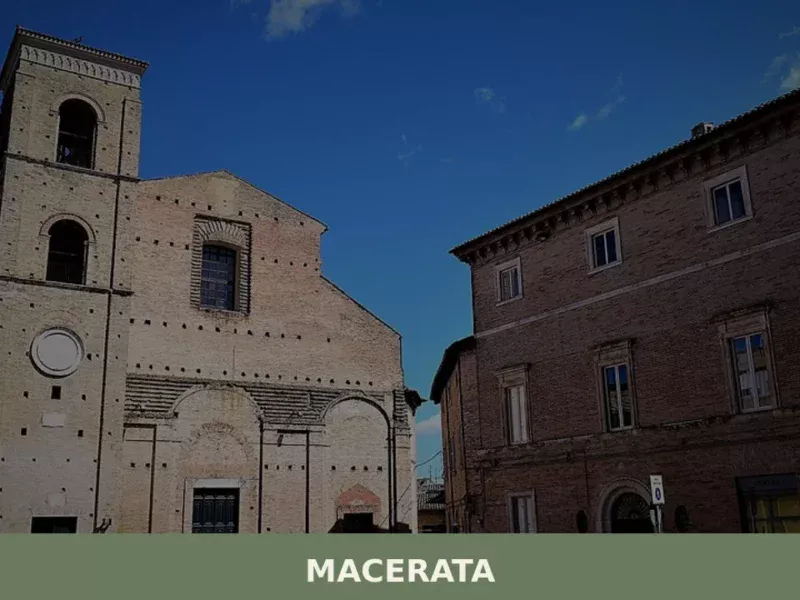
Macerata is a hilltop city in the Marche region of central Italy, sitting at about 323 metres above sea level between the Chienti and Potenza valleys, with a rich cultural and artistic heritage.
Appignano del Tronto
Plains
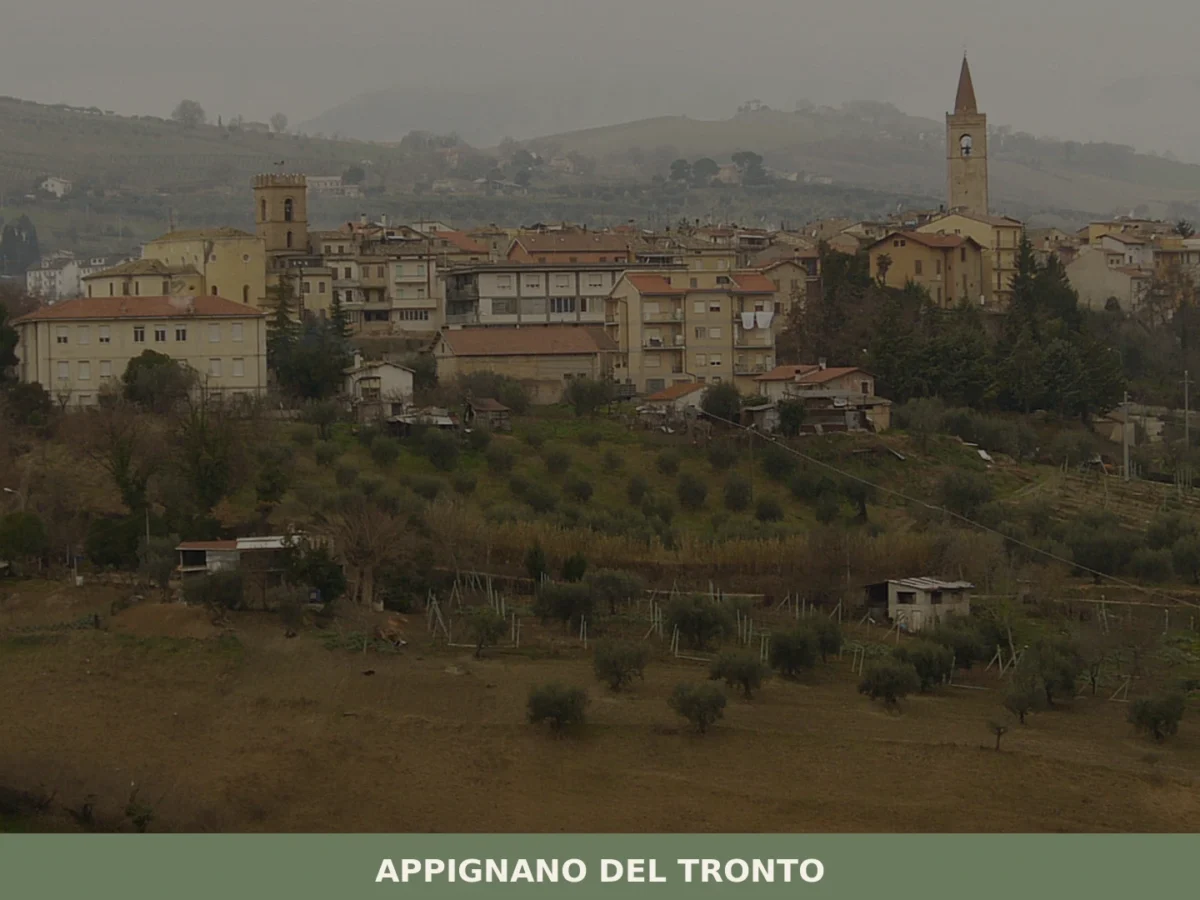
What to see in Appignano del Tronto, Italy: 9 km from Ascoli Piceno, discover top attractions, local food, and travel tips for this Marche village. Explore now.
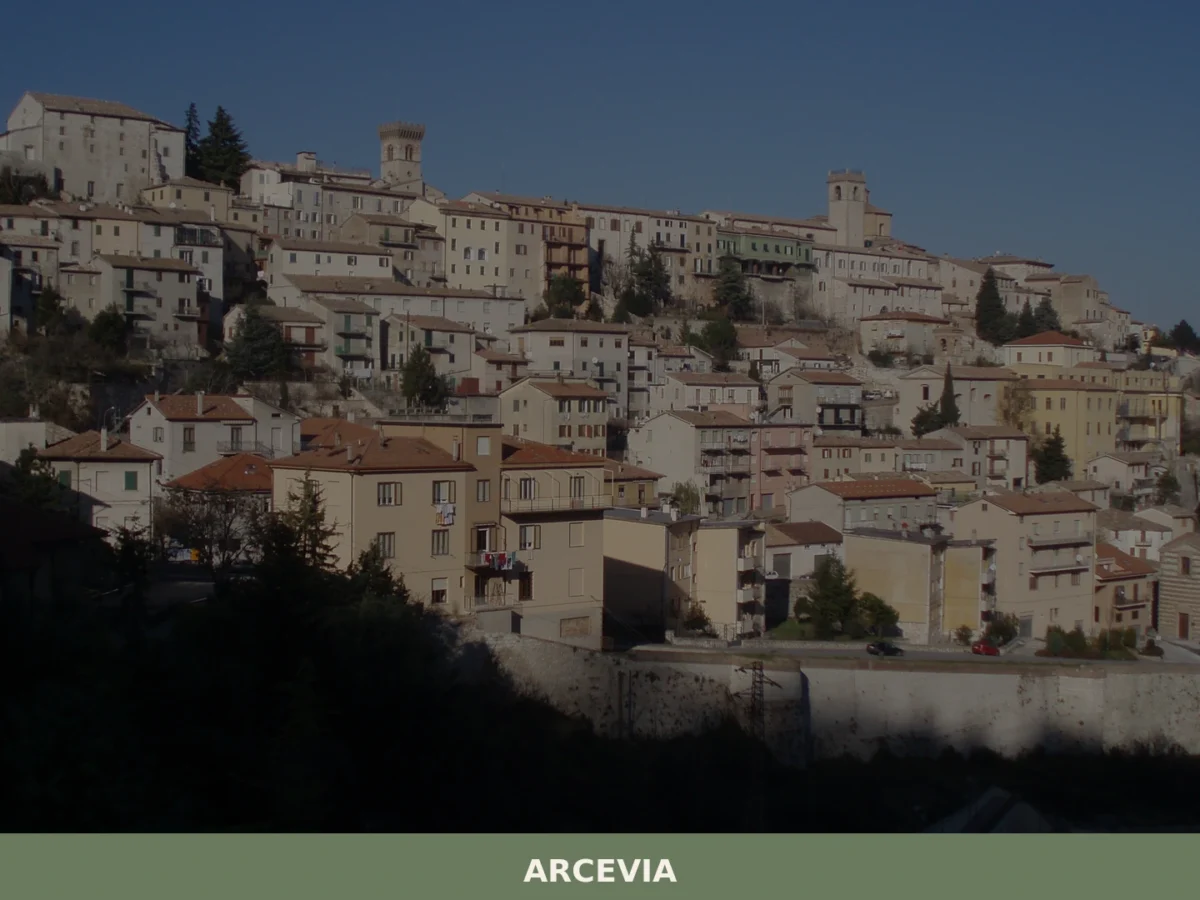
Arcevia
Hills
A hill at 535 metres (1,755 ft) above the Misa and Nevola river valleys: this is where Arcevia stands, its streets running along a ridge in the province of Ancona, roughly 50 kilometres (31 mi) south-west of the regional capital. The town was fortified by Pippin the Younger, fought over by condottieri, renamed by a […]
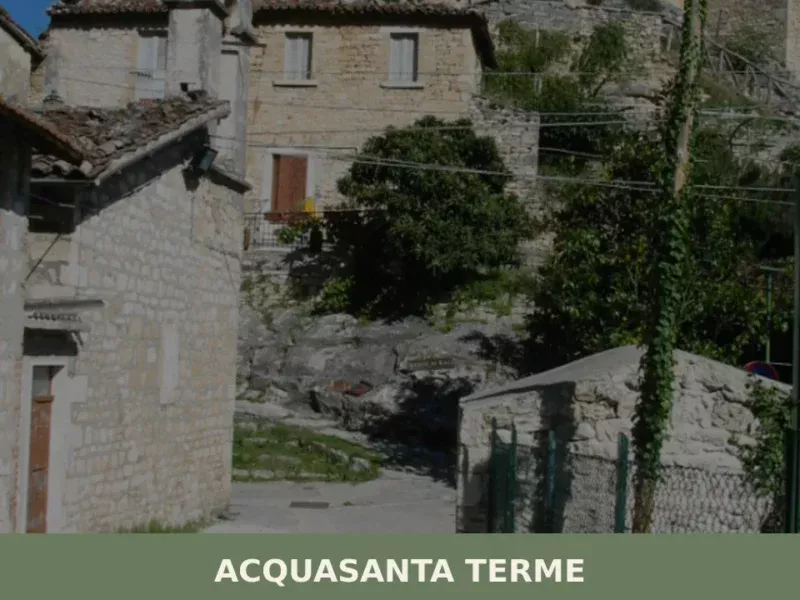
Acquasanta Terme
 Mountain
Discover what to see in Acquasanta Terme: Roman thermal baths, Tronto gorge, medieval hamlets and Apennine landscapes in Marche's Ascoli Piceno province.
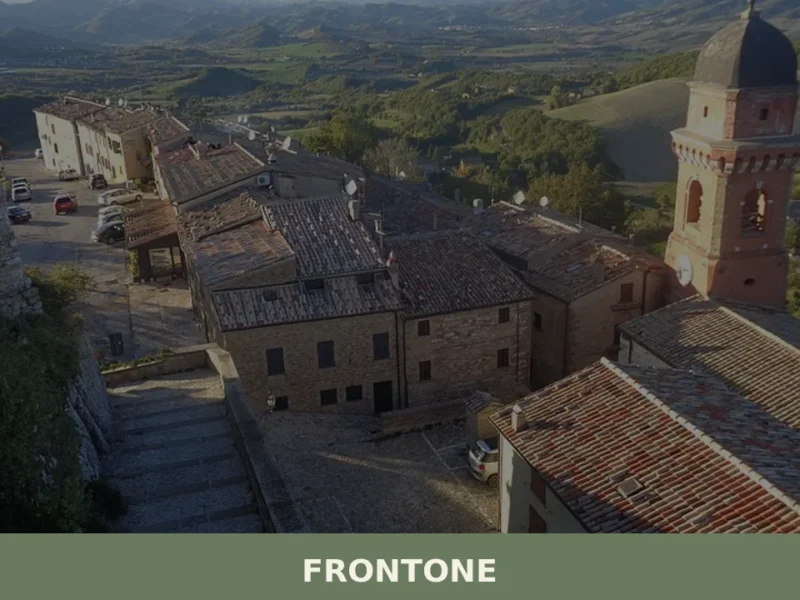
Frontone
Hills
Frontone Castle, whose original structure dates between the 11th and 12th centuries, overlooks the village of the same name, a municipality of 1,218 inhabitants in the province of Pesaro and Urbino. Situated at 412 meters above sea level, Frontone extends along the slopes of Mount Catria, offering a view of the surrounding hilly landscape. Its […]

Camerata Picena
Mountain
Discover Camerata Picena, a charming hilltop village in Ancona province with medieval churches, scenic views, and authentic Marche countryside.
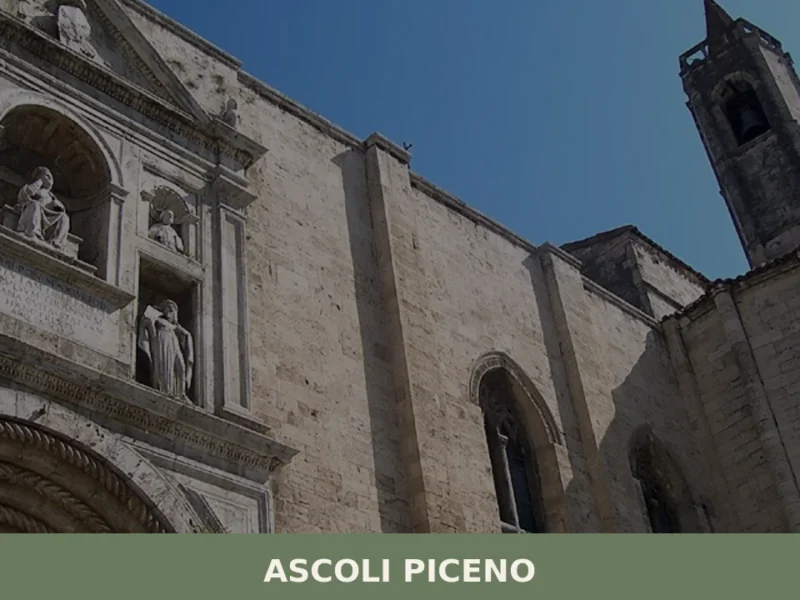
Ascoli Piceno
Plains
Ascoli Piceno is a provincial city of 45,277 residents in Marche, renowned for its medieval towers, travertine historic centre, and deep-rooted Picene heritage.
Apiro
Hills
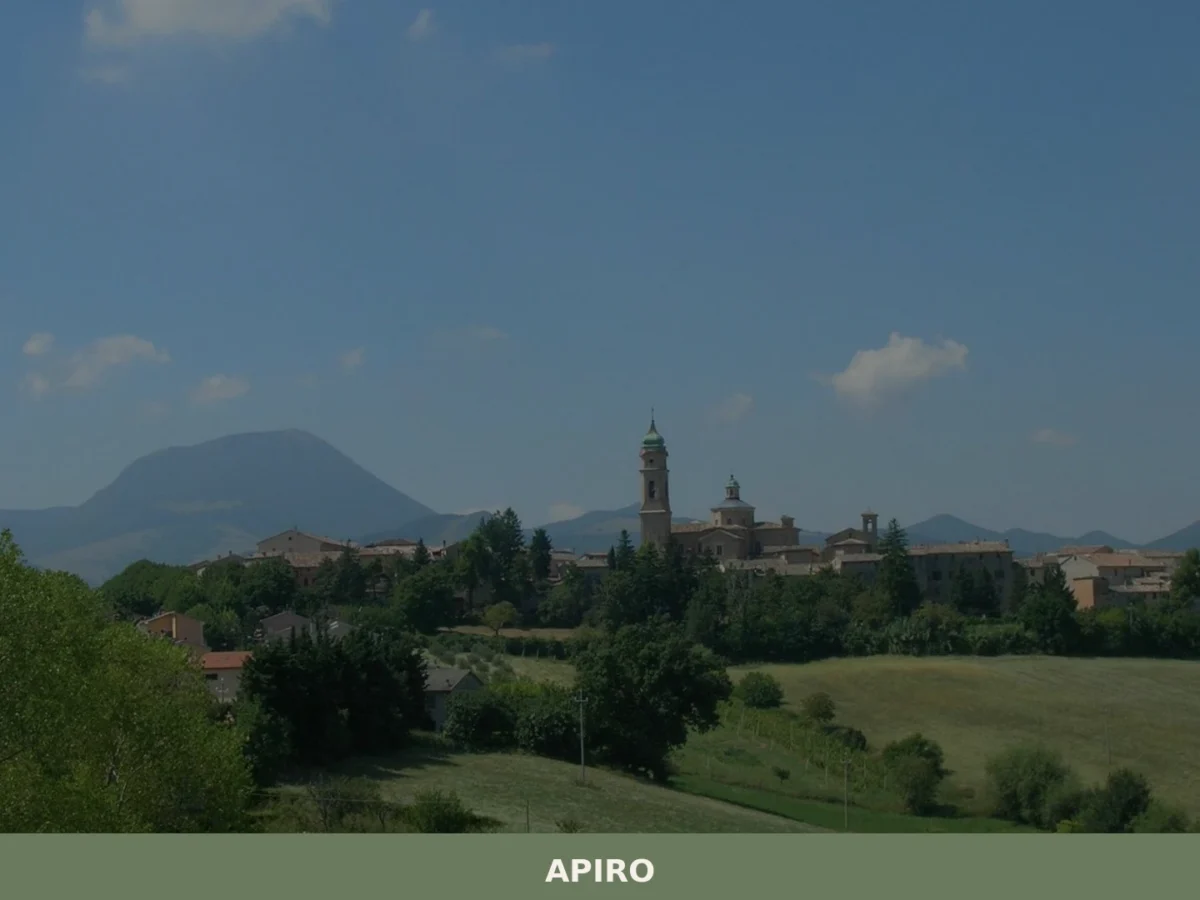
What to see in Apiro, Marche, Italy: discover the Sant'Urbano museum, a 14th-century church, and local cuisine 40 km from Ancona. Explore the full guide.
Castel di Lama
Hills
Castel di Lama is a commune of roughly 8,400 inhabitants in the province of Ascoli Piceno, Marche, whose hilltop quarter, Roman vestiges and contemporary art collection make it a quietly rewarding sto
🧀 Italian traditional products


🏡 Know Castelbellino better than we do?
If you’re a local or have been there, your knowledge matters: add what’s missing or fix a detail on this page.