


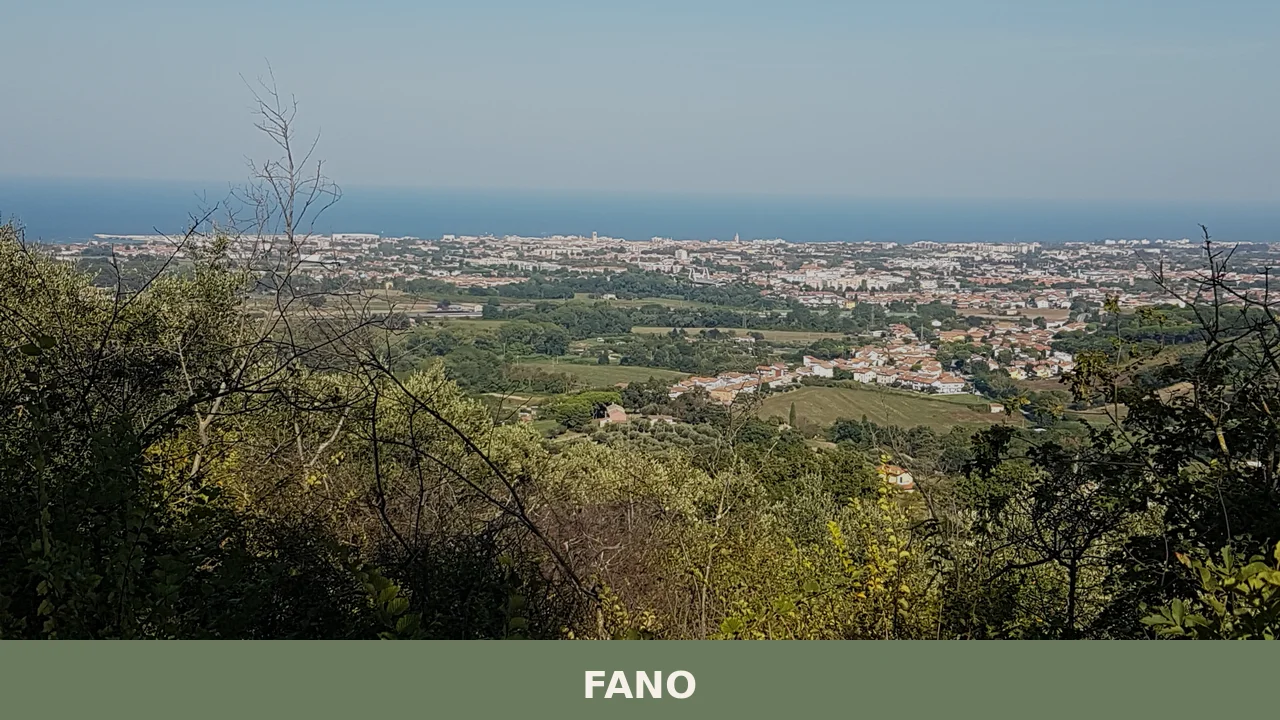
Fano
 Sea
Sea
Fano holds one of Italy’s oldest carnivals and a Roman triumphal arch dating to 9 AD. Two thousand years of layered history await on the Adriatic coast.
Fano Marche: Roman Arches, Ancient Carnivals and Adriatic Shores
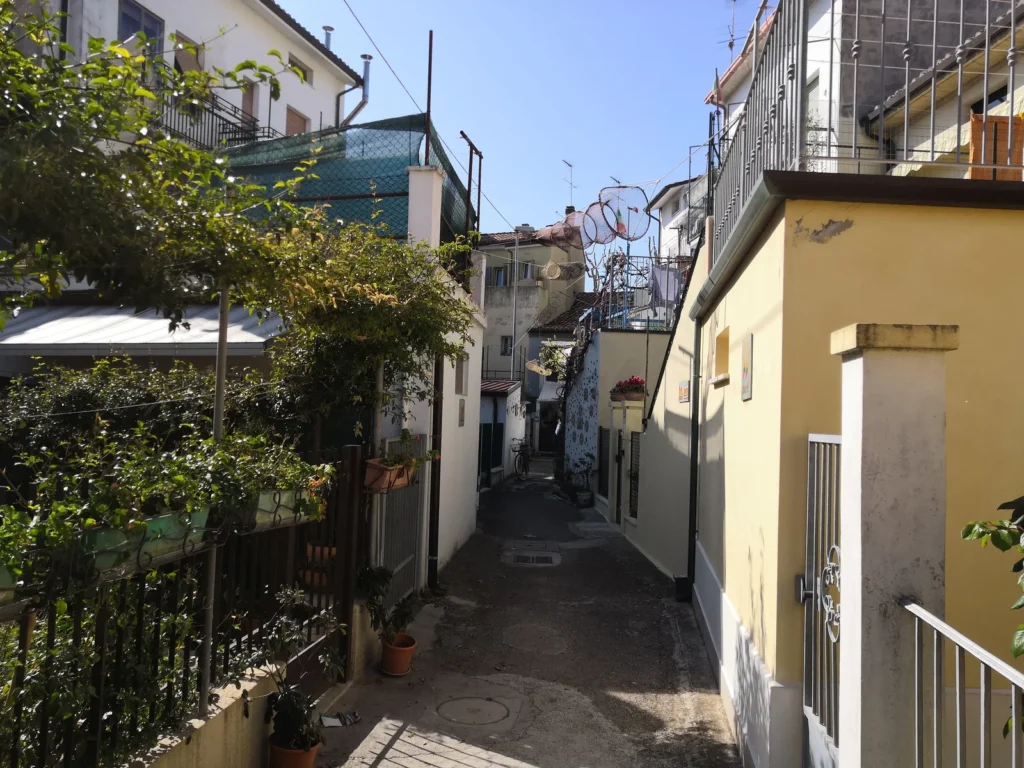
An ancient stone arch rises above the traffic of a modern street, its Latin inscription still legible after two thousand years of sun and salt air. The harbour smells of diesel and fresh catch. Children in elaborate costumes throw sweets from parade floats while a brass band echoes off medieval walls. This is a city where every pavement stone conceals a story — Roman, Byzantine, Malatesta, Napoleonic — all compressed into a compact and entirely walkable historic centre.
Fano Marche Situated on the Adriatic coast in the province of Pesaro e Urbino, this city of 59,815 inhabitants is the third largest in the Marche region, yet it carries none of the impersonal weight of a large urban centre.
History and Origins of Fano Marche
The city’s very name encodes its ancient identity. The Latin Fanum Fortunae — sanctuary of Fortune — points to a temple erected as a monument to the Roman victory at the Battle of the Metauro in 207 BC, when Roman legions destroyed the Carthaginian army of general Hasdrubal, cutting off his attempt to cross the Alps with war elephants and join his brother Hannibal in central Italy. Roman presence in the area became firmly established under Emperor Augustus, who enclosed the settlement with defensive walls — sections of which survive today — and elevated it to the status of a Roman colony under the name Colonia Julia Fanestris. The strategic logic was clear: Fano sat astride the road connecting the Tiber valley to Cisalpine Gaul, making it a natural chokepoint for anyone seeking to control the Italian peninsula. In 271 AD the city was the scene of another defining clash, when Emperor Aurelian defeated the Alemanni near Fano, ending their march on Rome.
The medieval centuries brought a succession of rulers, each leaving a visible mark on the urban fabric. After periods under the Lombards and the Franks, Fano became part of the Pentapoli Marittima, a Byzantine-aligned federation of Adriatic cities including Rimini, Pesaro, Fano, Senigallia and Ancona. In the fourteenth century the Malatesta family of Rimini seized control through calculated political intrigue, ousting the rival factions of the del Cassero and da Carignano clans. Their dominion lasted until 1463, when Sigismondo Malatesta was forced to surrender the city to Federico da Montefeltro, Duke of Urbino, after a prolonged siege that damaged the Arch of Augustus. The Napoleonic occupation brought further trauma: French troops bombarded and looted the city, and several artworks — including a painting by Guido Reni — were shipped to Paris and never returned. During the Second World War, Fano found itself directly on the Gothic Line; retreating German forces systematically destroyed its bell towers, civic tower, and harbour infrastructure before Allied forces arrived.
What to See in Fano: Top Attractions
Arco di Augusto (Arch of Augustus)
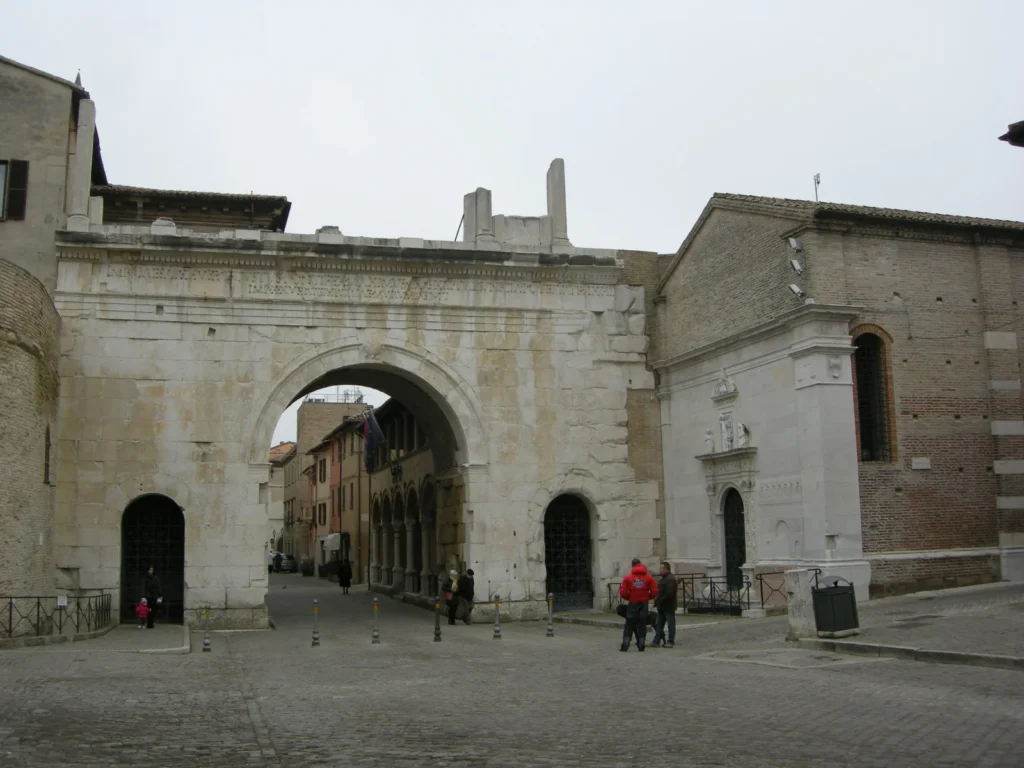
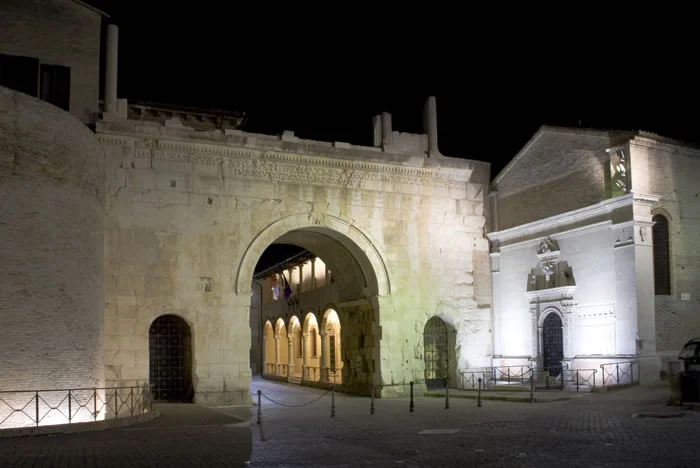
No monument defines Fano Marche more immediately than this first-century triumphal arch, built in 9 AD at the precise point where the Via Flaminia entered the city along its main east-west axis. The inscription on the frieze names Augustus directly, providing an unusually secure dating for a Roman monument. Look carefully at the upper section and you will notice the damage inflicted during the 1463 siege — cannonball damage inflicted during the siege on an already ancient structure. The arch originally served as the main gateway to the colony and still spans a functioning street, so visitors experience it as the Romans intended: as a threshold to be passed through.
Corte Malatestiana
The Malatesta Palace complex began rising in the fifteenth century and presents a striking architectural dialogue between two wings: one in late Gothic style, the other featuring a graceful Renaissance arcade. After the Malatesta lordship collapsed in 1463 and the city passed under the Papal States, the complex became the seat of municipal government, a role it has never entirely relinquished. Walking through the courtyard, visitors can trace the shift in aesthetic ambition from fortress to courtly residence — a shift that mirrors the broader Italian Renaissance transformation from communal warfare to cultural patronage.
Cattedrale di Santa Maria Assunta
Founded in the twelfth century, the cathedral has been expanded and modified across several distinct historical phases, accumulating layers that make it a compressed archive of local architectural taste. Inside, the seventeenth-century Cappella Nolfi stands out for its exuberant Baroque decoration, a sharp visual contrast with the Romanesque bones of the structure. A carved pulpit adds further textural interest. The cathedral also preserves connections to San Paterniano, the city’s patron saint, a bishop who lived between the third and fourth centuries and whose cult anchors Fano’s religious identity to its earliest Christian period.
Palazzo della Ragione and Teatro della Fortuna
This civic palace, also known as the Palazzo del Podestà, dates to 1299 and marks the heart of medieval communal life. Its interior was substantially restructured in the early nineteenth century, but the building retains its central civic purpose: it houses the Teatro della Fortuna, a theatre whose original architectural concept was developed by Giacomo Torelli, the celebrated Fano-born stage designer who revolutionised Baroque theatrical machinery in the seventeenth century. Performances still take place here, and the programme typically spans opera, prose theatre and contemporary music — a living continuation of a centuries-old cultural tradition.
Via Flaminia and the Roman Street Grid
Few Italian cities preserve their Roman urban skeleton as clearly as Fano. The decumanus maximus — the primary east-west axis of the Roman colony — corresponds almost exactly to the modern Via Arco d’Augusto, while the cardus maximus runs perpendicular along sections of what is now Corso Matteotti and Via Nolfi. Walking these streets means following Roman surveying lines laid down over two millennia ago. The Via Flaminia itself, ordered by the consul Flaminius from 220 BC onwards to connect Rome to Rimini, still enters the city through the Arch of Augustus, making this one of the longest-serving road junctions in European history.
Food and Local Products of Fano
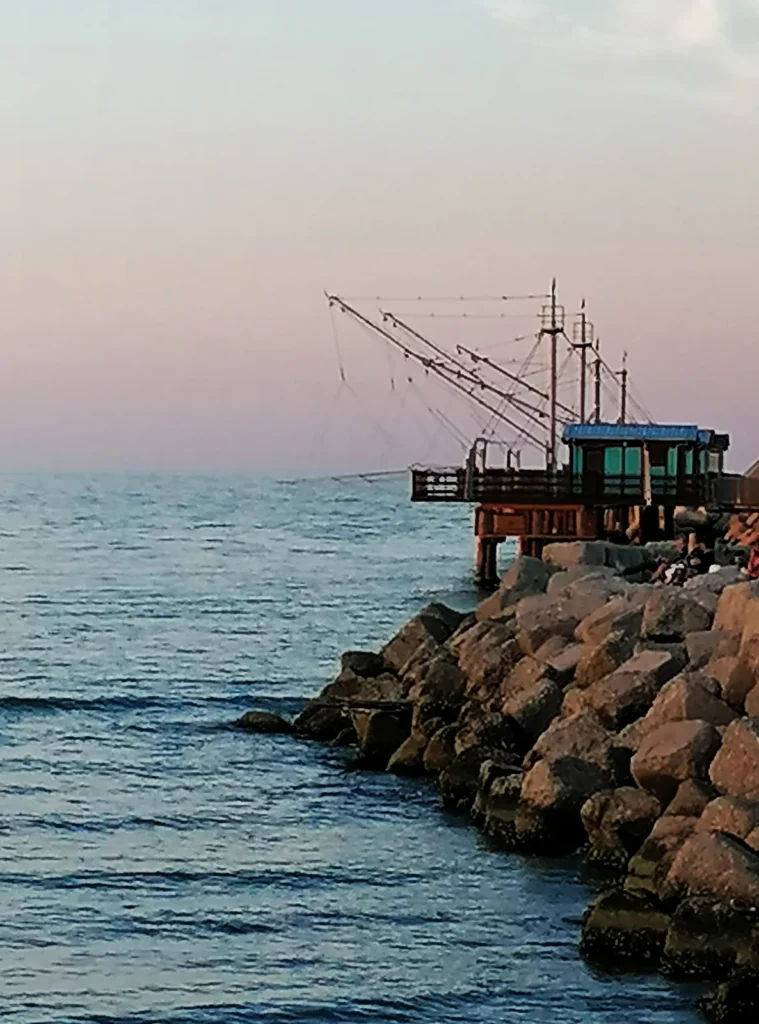
The Adriatic sets the tone for eating in Fano. The fishing harbour at the mouth of the Metauro has supplied the city’s tables for centuries, and the daily fish market remains a serious institution rather than a tourist attraction. Brodetto fanese — the local fish stew — distinguishes itself from the versions cooked in neighbouring ports through the addition of vinegar, which gives it a sharper, more decisive acidity. Every family and every trattoria maintains its own proportions and its own preferred selection of fish, so no two bowls are identical. Seppie in umido, cuttlefish braised slowly with tomato and herbs, appears on nearly every menu and pairs naturally with the local white wines from the Verdicchio vineyards inland.
Away from the sea, Fano has a surprisingly distinguished agricultural history. From the late nineteenth century onwards, the city developed an exceptional reputation for Tardivo Fanese, a late-harvesting winter cauliflower grown primarily for export to northern European markets. The city developed an exceptional reputation for exporting Tardivo Fanese to northern European markets, with the majority destined for Germany. The fraction of Metaurilia, founded in 1934 as the only example of a Fascist-era rural settlement in the Marche, was built specifically to expand this cultivation. The Tardivo Fanese
For visitors with an appetite for local produce, the weekly markets and the specialist food shops in the historic centre offer cured meats from the inland hills — particularly from the valleys around Cartoceto, famous for its extra-virgin olive oil, which carries a protected designation of origin. Cartoceto’s oil reaches Fano’s tables naturally, given that the two municipalities share a border. Fresh pasta, particularly vincisgrassi in its coastal variations, appears on restaurant menus as a bridge between the inland pastoral tradition and the seaside pantry. Eating well in Fano requires no special planning: the density of genuinely good, unpretentious restaurants in the centre is unusually high for a city of this size.
When to Visit Fano Marche and How to Get There
Timing a visit around the carnival transforms the experience entirely. Fano’s carnival is widely considered one of the oldest in Italy, and its main parade — the Pupo, the traditional float character — draws crowds from across the region. The event typically unfolds across three weekends in February, with the throwing of sweets from floats being a defining ritual. Outside carnival season, late spring and early autumn offer the most comfortable conditions for exploring the historic centre on foot: temperatures are mild, the beaches are accessible without summer crowds, and the city operates at a pace that allows genuine engagement with its monuments. August brings intense heat and the full weight of Adriatic beach tourism, which concentrates mainly on the Lido and Sassonia shorelines rather than the historic centre.
Getting to Fano is straightforward from multiple directions. The city sits directly on the Adriatic rail corridor, making it easily reachable from Bologna, Ancona and Pescara without a car. If you arrive by car, the A14 motorway exit at Fano links directly to the city centre in under ten minutes. Visitors exploring the wider province might consider day trips to nearby villages: the medieval fortress town of Gradara lies within easy reach to the north, while the quiet hilltop settlement of Monteciccardo offers a sharp contrast to the coastal energy of Fano. Those drawn to rural landscapes might also explore Isola del Piano or the terracotta-production village of Fratte Rosa, both reachable within half an hour. The fortified village of Auditore completes a compelling circuit through the hills of the Pesaro e Urbino province.
| Departure | Distance | Time |
|---|---|---|
| Bologna | approx. 145 km | 1 h 30 min by car / 1 h 20 min by train |
| Ancona | approx. 60 km | 45 min by car / 40 min by train |
| Pesaro | approx. 12 km | 15 min by car / 10 min by train |
| Rome | approx. 310 km | 3 h by car / 3 h 30 min by train via Ancona |
| Rimini | approx. 40 km | 30 min by car / 25 min by train |
The official municipal website at comune.fano.pu.it publishes current event calendars, museum opening hours and practical information for visitors. The patron saint’s feast of San Paterniano on 10 July brings the historic centre to life with processions and local ceremonies — a quieter but deeply rooted alternative to the February carnival for those seeking a more intimate encounter with the city’s identity.
Frequently asked questions about Fano
What is the best time to visit Fano Marche?
Fano is exceptional during Carnival season (February–March), when one of Italy's oldest festivals transforms the city with elaborate parades, costumes, and traditional sweet-throwing from floats. Summer (June–August) offers warm Adriatic beach weather, though it's busier. Spring and autumn provide mild temperatures ideal for exploring the historic centre and harbour. San Paterniano, the patron saint, is celebrated in August. Winter is quieter but cooler, with occasional rain typical of the Adriatic coast.
How do I reach Fano Marche by car or train?
By car: Fano lies on the A14 motorway (Bologna–Ancona); take the Fano–Pesaro exit. The journey from Bologna takes approximately 2.5 hours; from Ancona, roughly 45 minutes. By train: Fano has a mainline station on the Bologna–Ancona railway. Direct trains connect to Ancona (30 minutes), Pesaro (20 minutes), and Bologna (2.5–3 hours). Regional and InterCity services run daily. The station is walkable to the historic centre.
How long should I spend in Fano Marche?
A full day (6–8 hours) allows thorough exploration of the triumphal arch (Arco d'Augusto), medieval walls, harbour, and museums. Two days permit leisurely museum visits, seaside relaxation, and neighbourhood walks. During Carnival, plan 2–3 days to experience the festival fully. The compact, walkable historic centre means major sites are accessible on foot without time pressure or transport needs.
What historical sites must I see in Fano Marche?
The Arco d'Augusto (Arch of Augustus) is essential—a 2,000-year-old Roman triumphal arch with legible Latin inscriptions. The 16th-century Malatesta fortress dominates the skyline. Medieval city walls encircle the historic centre. The Pinacoteca Civica holds Renaissance art. The Museo Civico houses Roman artefacts. The Porto Canale reflects centuries of maritime trade. Each monument reveals layers: Roman foundations, Byzantine modifications, medieval reconstruction, and Napoleonic influence, all compressed into one walkable zone.
When is San Paterniano, Fano's patron saint, celebrated?
San Paterniano is celebrated on August 10th. This feast day brings religious processions, traditional events, and local gatherings honouring the city's patron. August celebrations often coincide with summer tourism season, making it an ideal time to experience Fano's cultural and spiritual identity alongside beach activities and harbour dining.
📷 Photo Gallery — Fano
In Marche More villages to discover

Barbara
 Hills
Hills
What to see in Barbara, Marche, Italy: 5 top attractions, local food, festivals and how to get there. Population 1,484. Discover this Ancona province comune.
Acqualagna
 Plains
Discover what to see in Acqualagna, Marche: the Furlo Gorge, Via Flaminia, white truffle fairs and Apennine woodlands. Practical travel guide to Pesaro e Urbino.
Carpegna
 Mountain
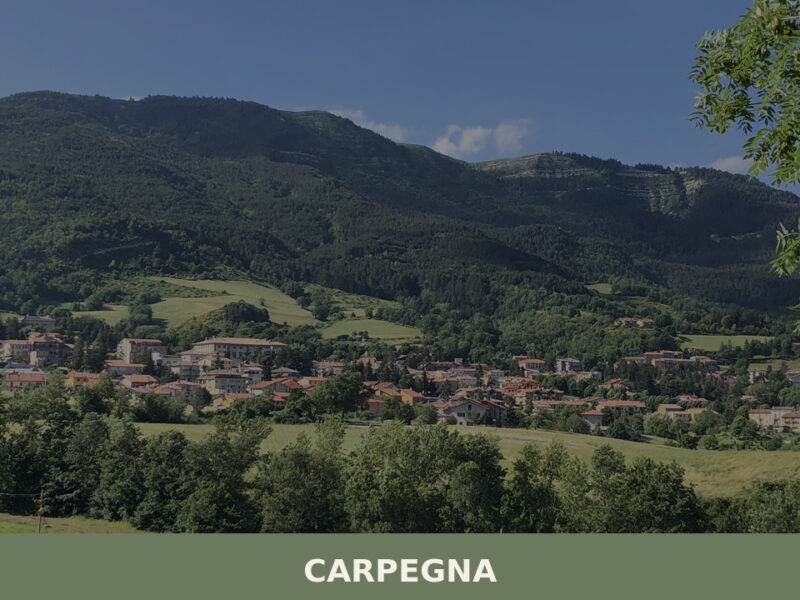
Morning mist lifts off Monte Carpegna in slow, deliberate layers, revealing stone walls the colour of raw honey and a bell tower that has marked the hours here for centuries. The village sits at the foot of its namesake peak in the province of Pesaro e Urbino, home to just 1,672 residents who move through […]
Acquaviva Picena
Sea
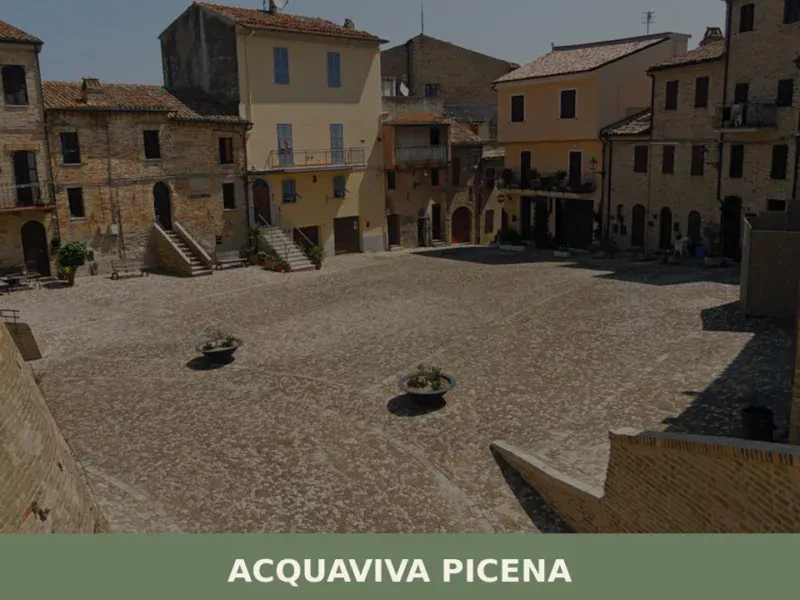
Discover what to see in Acquaviva Picena: medieval fortress, town walls, local food and travel tips for this hilltop village in Ascoli Piceno, Marche.
Agugliano
Sea
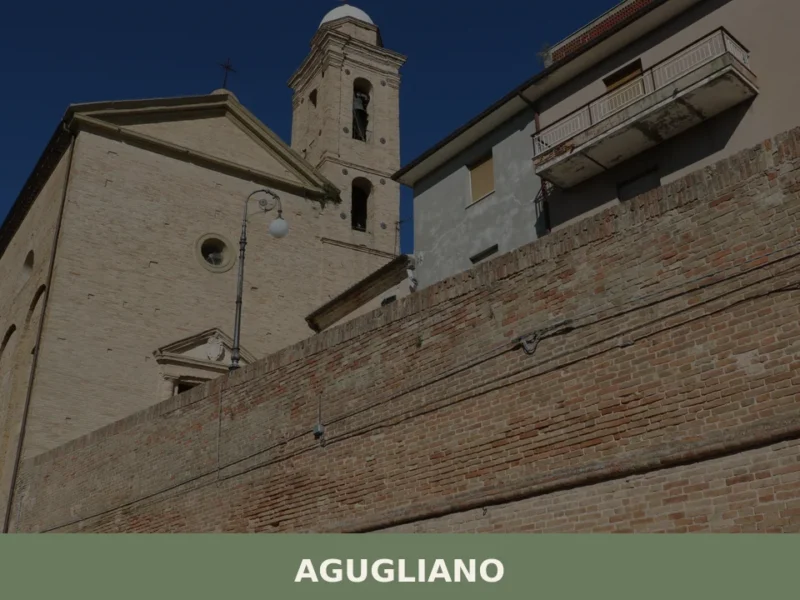
Discover what to see in Agugliano, a hill comune near Ancona in Marche. History, food, attractions, travel tips and where to stay.

Camerata Picena
Mountain
Discover Camerata Picena, a charming hilltop village in Ancona province with medieval churches, scenic views, and authentic Marche countryside.
Altidona
Sea
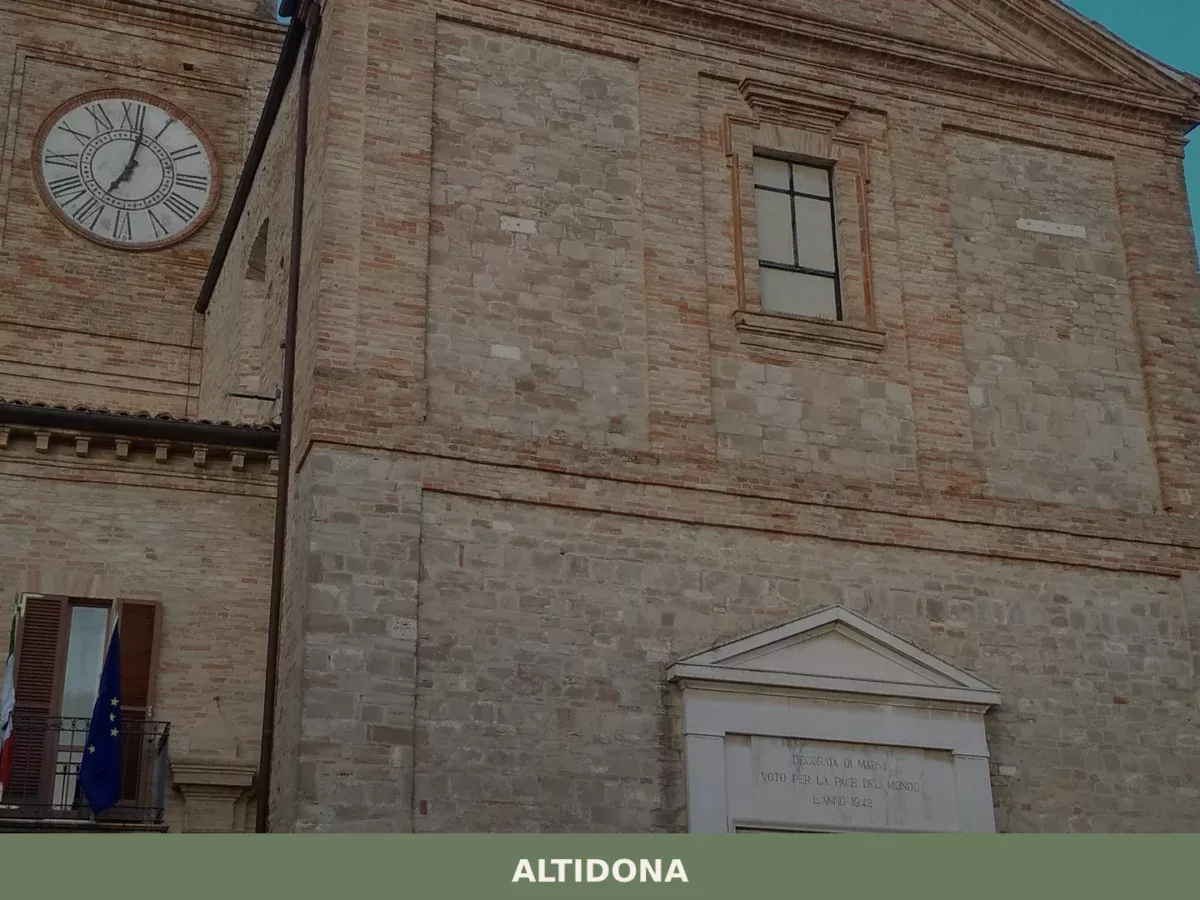
Discover what to see in Altidona, a Marche village in the Province of Fermo. History, attractions, local food, and practical travel tips.
Frontino
Hills
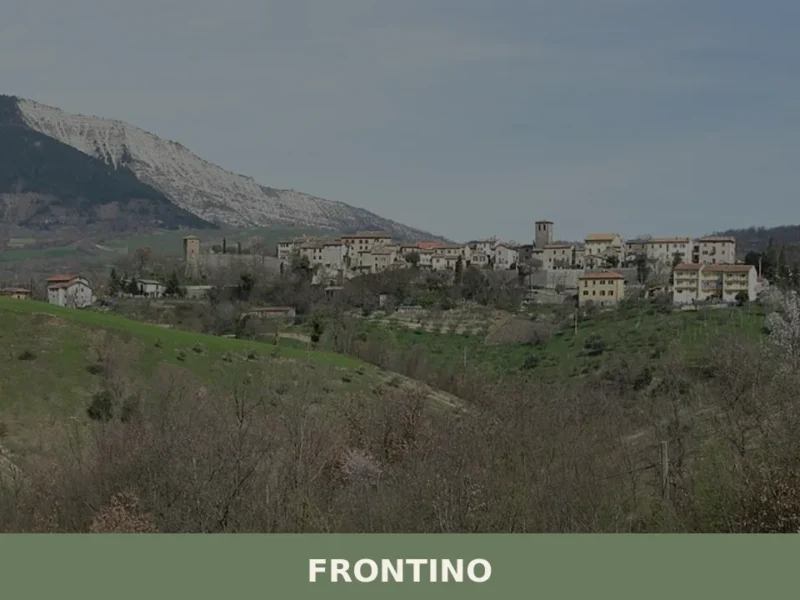
Frontino has around 300 inhabitants today, spread across a hilly area in the province of Pesaro and Urbino at 519 metres above sea level, along the eastern slope of the Apennines separating the Marche from Tuscany and Romagna. The municipality, one of the least populated in the entire region, retains a compact and legible urban […]
Apecchio
Hills
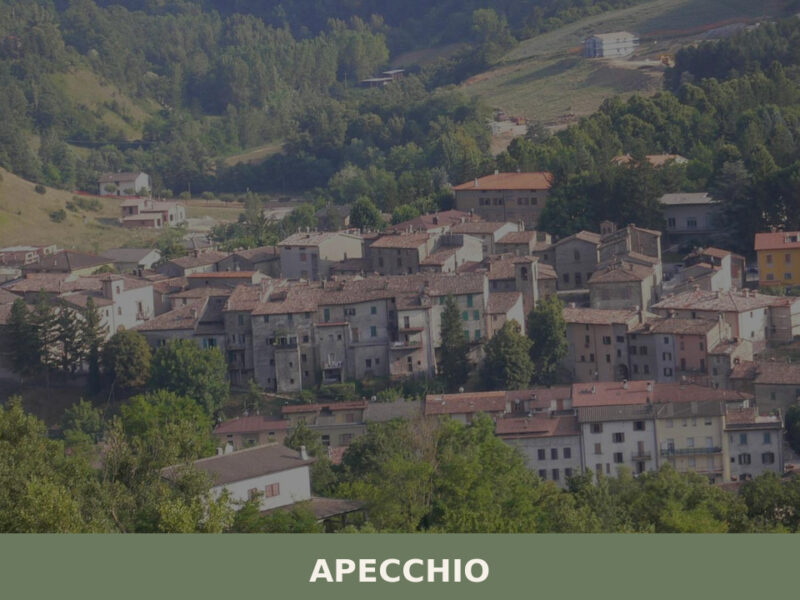
Morning mist lifts off the Biscubio river and the medieval bridge emerges in grey stone, its arches still carrying the weight of six centuries. A bell tower marks the hour above terracotta rooftops, and the smell of woodsmoke mixes with damp earth from the surrounding Apennine slopes. At 493 metres above sea level, this small […]
Lunano
Hills
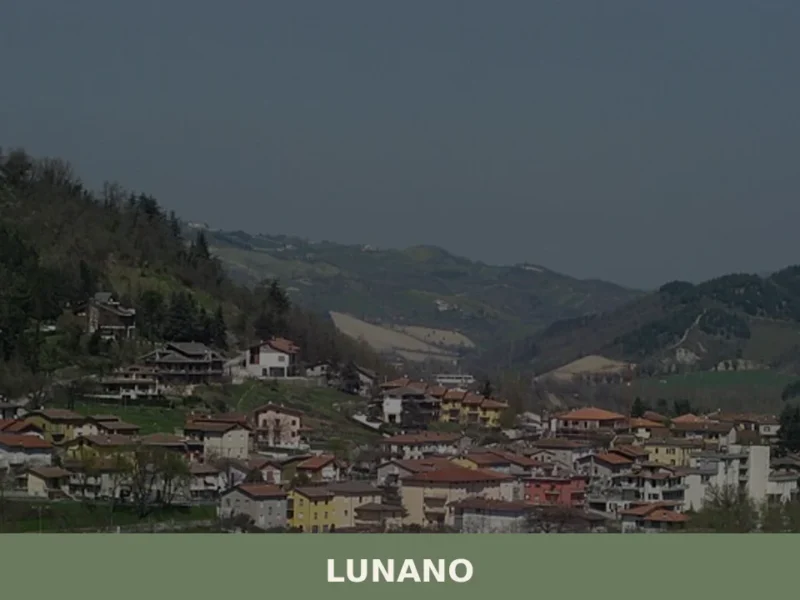
what to see in lunano, Italy: Discover its 297-meter altitude, ancient castle, and unique Chestnut Festival. Explore this Montefeltro village.





🏡 Know Fano better than we do?
If you’re a local or have been there, your knowledge matters: add what’s missing or fix a detail on this page.