


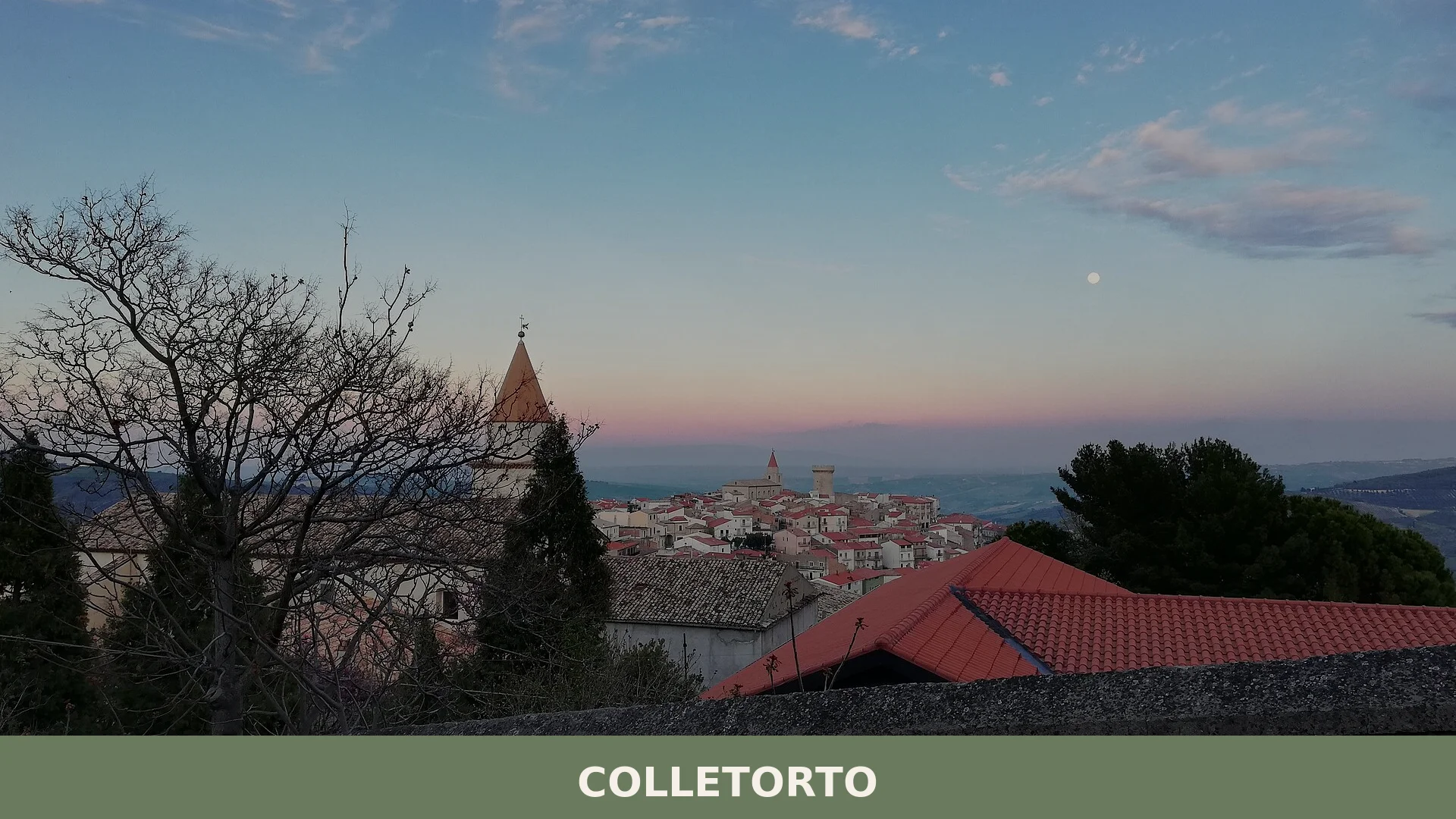

Colletorto is a hilltop comune of 1,629 inhabitants in the province of Campobasso, Molise, first recorded in 1241 and centred on the 25-metre Torre Angioina with panoramic views stretching to the Adri
Discover Colletorto
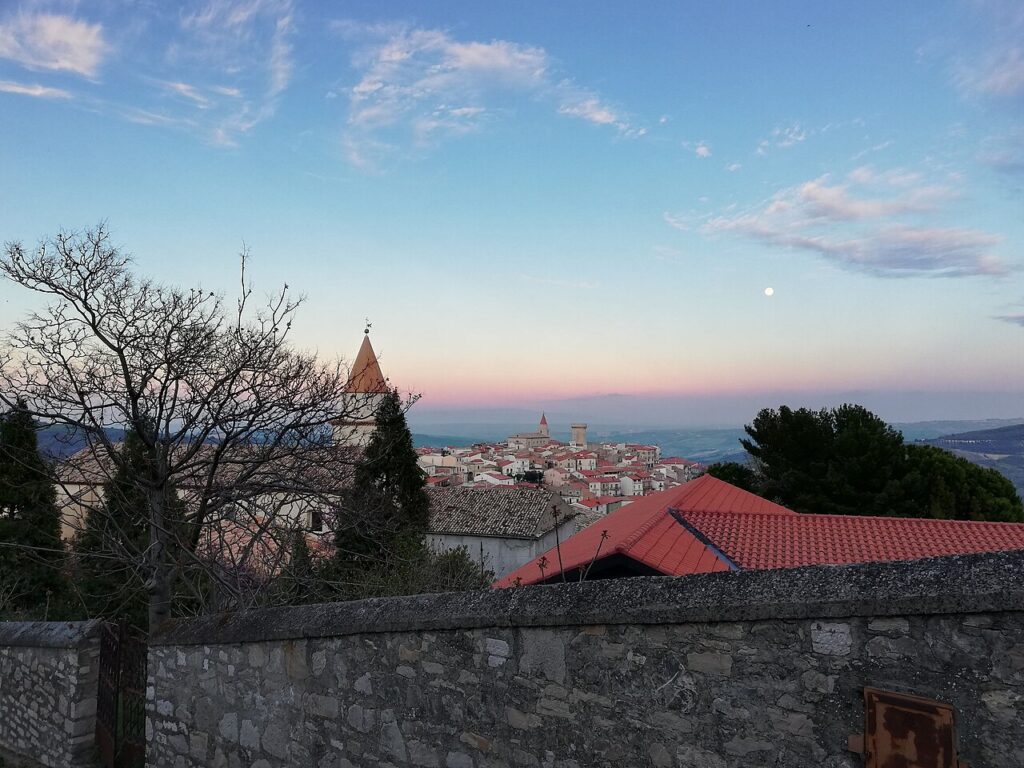
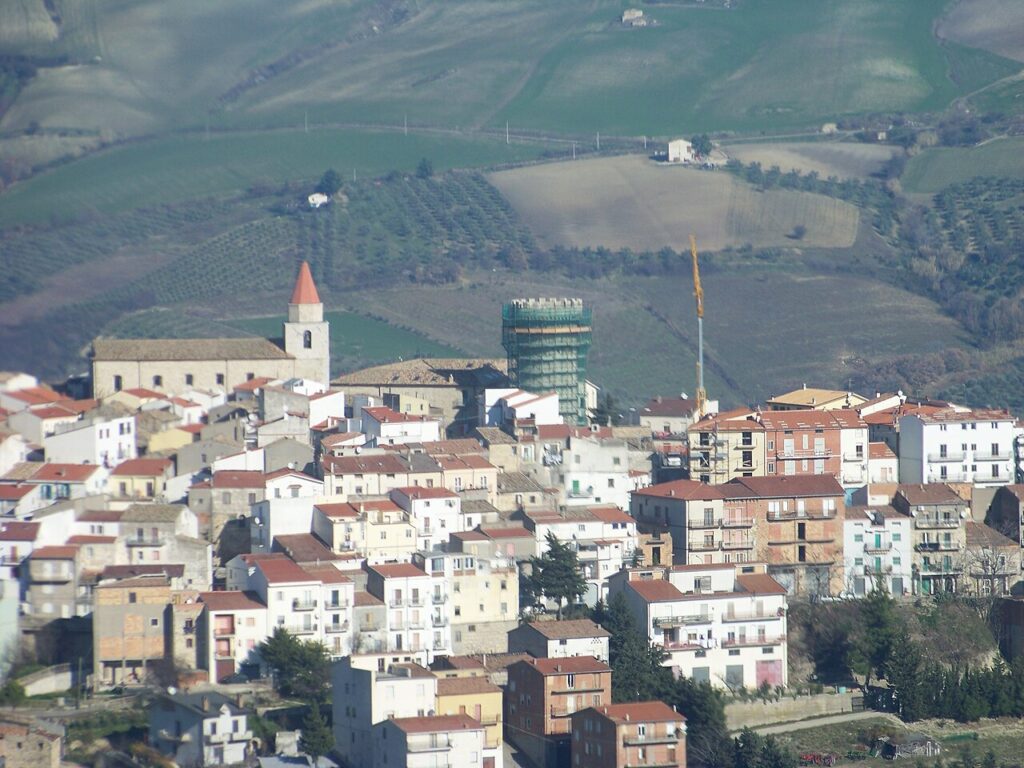
Colletorto is a hill town of around 1629 inhabitants in the province of Campobasso, Molise, sitting at 515 metres above sea level on a ridge in the south-eastern reaches of the region, where the river Fortore marks the boundary with Puglia. Its territory stretches from the Fortore valley at roughly 515 metres up to Monte Crocella at 515 metres, taking in olive groves, oak woods, cereal fields, and the shoreline of the Lago di Occhito reservoir — and on clear days the view from its medieval tower reaches the Gargano headland, the Adriatic Sea, and the Tremiti Islands.
First recorded in Latin as Collis Tortis in a 1241 imperial document and continuously attested through the Angevin centuries that followed, Colletorto village in Molise carries its long past in stone: a 25-metre cylindrical tower rising above Largo Angioino, a Marchesale palace reshaped in the eighteenth century, and a cluster of churches whose construction and decoration spanned from the early seventeenth to the mid-eighteenth century.
Colletorto village in Molise: history and origins
Colletorto’s recorded history reaches back to 1241, when the settlement appeared under the Latin name Collis Tortis in the “Statuto di riparazione dei castelli” issued by the Holy Roman Emperor Frederick II of Swabia — a document that established the village’s existence well before the Angevin period that would later shape its most iconic monument. The Angevin royal chancellery registered the village again in 1273, and a further entry from 1320 records it as Collis Tortus, confirming continuity of settlement across several generations of rule.
The cylindrical Tower that still dominates the skyline of Largo Angioino is traditionally attributed to the reign of Queen Joan I of Naples, who ruled between 1343 and 1382, and some scholars connect its construction to a royal document showing her attention to villages in the area, ravaged at the time by the incursions of Louis of Anjou-Hungary. However, no act or document directly confirms that Joan I ordered or financed the tower; according to Lucio Santoro, a specialist in Angevin fortifications, the structure shares features with other Angevin towers only in the bracket-work of its crowning. After the Angevin period the tower passed through successive feudal lords before being transferred to the municipality in 1959 by the D’Antini family.
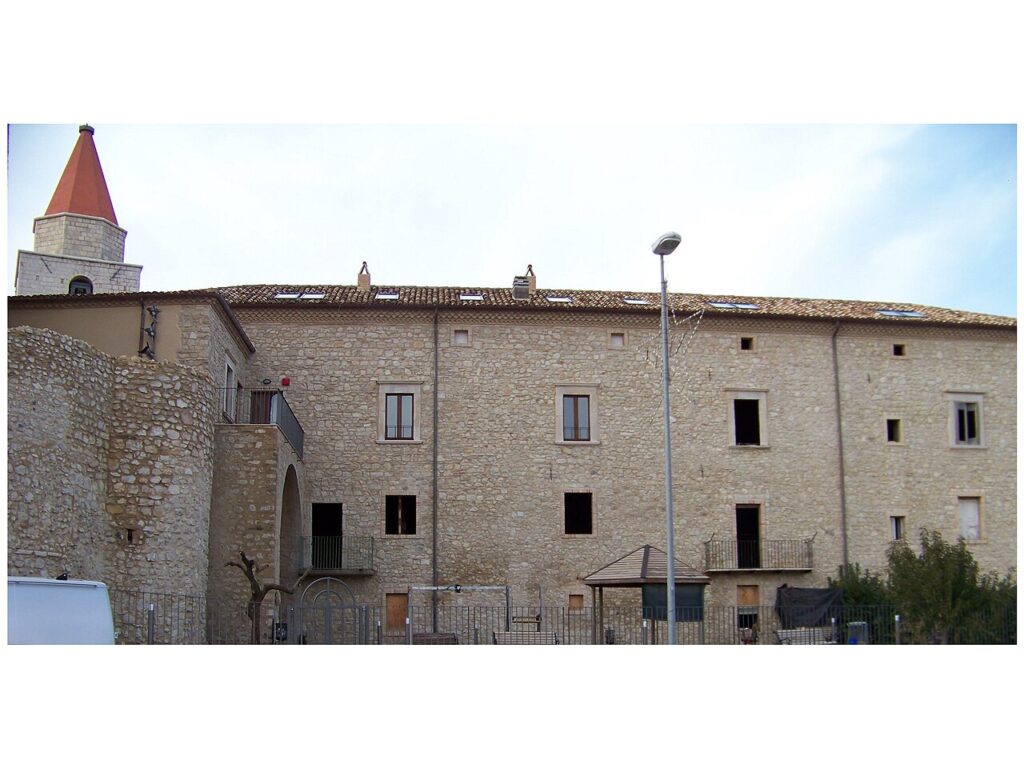
The early modern centuries brought significant changes to the built fabric of the village. The Gambacorta family had previously held the Palazzo Marchesale, leaving an inscription there dated 1608, but by the eighteenth century the marchese Bartolomeo Rota had reshaped the palace into its current form. Around 1730, at the bishop’s order, the old Church of San Giovanni Battista was largely demolished and rebuilt, with only its campanile preserved. That same decade saw the opening of the construction site for the Monastero di Sant’Alfonso, funded entirely by Bartolomeo Rota and completed around 1744. The confraternita del Santissimo Sacramento, whose origins dated to a papal authorisation granted by Pope Paul V on 10 June 1607, received formal legal recognition through a Royal Decree issued by Ferdinando IV di Napoli in 1776. The earthquake of 2002 caused significant damage to the tower, the church, and the monastery, all of which subsequently underwent restoration.
Tower, Palace and Churches: the Historic Centre of Colletorto
Colletorto’s main points of interest are concentrated in the historic centre around Campo dei Fiori and Largo Angioino: the cylindrical Torre Angioina, the Palazzo Marchesale that surrounds it, the Chiesa Madre di San Giovanni Battista, the Monastero di Sant’Alfonso, and the former Chiesa del Purgatorio.
Torre Angioina
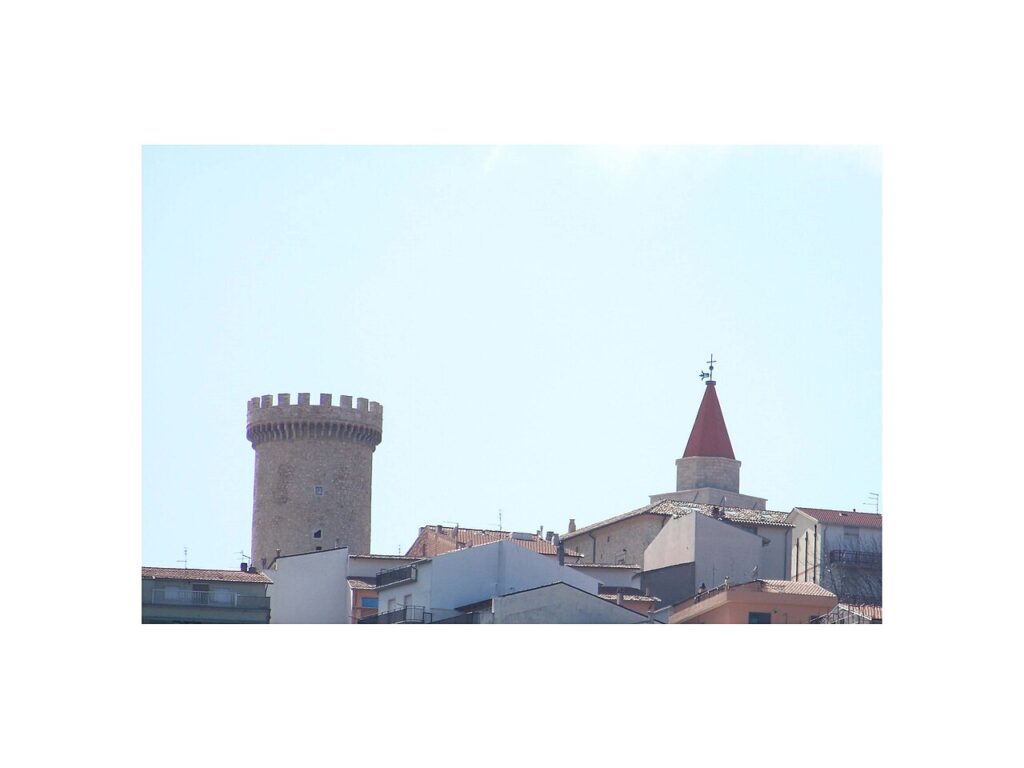
The Torre Angioina rises 515 metres on a circular plan, with robust walls, a series of corbels and battlements at the top. Its construction is traditionally placed between 1343 and 1382, during the reign of Giovanna I of Naples, though no document confirms this attribution. According to Lucio Santoro, a specialist in Angevin fortifications and author of Castelli Angioini e Aragonesi nel Regno di Napoli, the tower shares features with other Angevin structures only in the corbelled crowning. The interior is divided over several floors and retains a fireplace. The tower was built over an earlier Norman fortification and was likely constructed alongside a castle later transformed into the Palazzo Marchesale. It passed through several feudal owners before the D’Antini family transferred it to the municipality in 1959. Damage from the 2002 earthquake led to restoration of the battlements. From the top, on clear days, views extend to the Gargano massif, Lake Lesina, the Adriatic Sea and the Tremiti Islands.
Palazzo Marchesale
Chiesa Madre di San Giovanni Battista
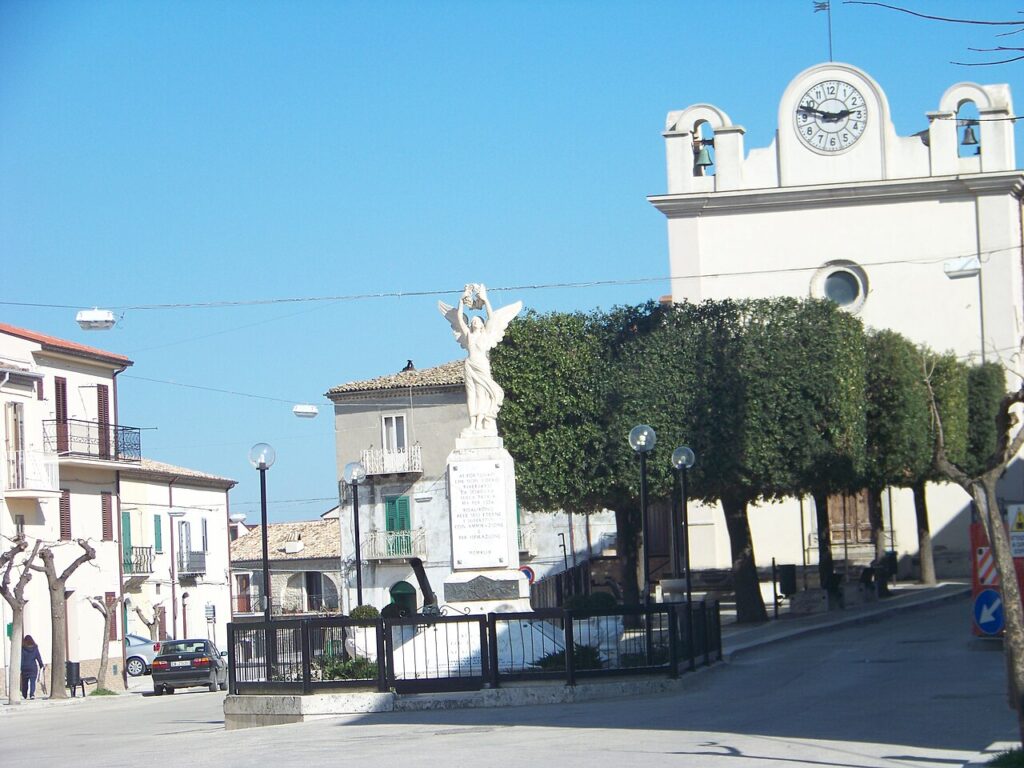
The church, dedicated to Saint John the Baptist, stands in Campo dei Fiori. Around 1730 the bishop Tria ordered a rebuilding programme, during which surrounding houses were demolished to allow an enlarged structure; the original campanile was retained and today coincides with the entrance. The church has a single nave and a secondary entrance known as the porta dei Morti. It holds a painted panel of the Madonna delle Purità attributed to Antonio Solaro, known as il Zingaro, and a canvas of the Holy Family by Paolo Gamba dated 1751. The relics of Saint Theodore arrived here in 1779.
Monastero di Sant’Alfonso
The monastery was built at the personal expense of the Marchese Bartolomeo Rota. The building site opened in 1730 and the complex was complete by 1744. The refectory contains a fresco by Paolo Brunetti, dated 1737, depicting a scene inspired by the Last Supper. The monastery also preserves sculptures by Paolo Saverio di Zinno and paintings by Placido Flaxis. After the suppression of the Franciscan Reformist congregation in 1810 and a period of closure, Bishop Raffaele Lupoli reopened it and assigned it to the Sisters of the Most Holy Redeemer. In 1953 the Daughters of Mary took over; a Istituto Magistrale Parificato operated within its walls from 1959 until 1992. The 2002 earthquake caused structural damage to the building.
Chiesa del Purgatorio
Now deconsecrated, the church stands at the far end of Corso Vittorio Emanuele, in the area once bounded by the town walls. It was built between approximately 1700 and 1726, the year in which the confraternity of the Most Holy Sacrament and the Souls of Purgatory — founded in 1607 with papal authorisation from Paul V — formally took possession of it. The building suffered a fire in 1909.
Colletorto and Its Territory: DOP Cheeses, Cured Meats and Molise Wines
The area around Colletorto produces Caciocavallo Silano DOP and Molise DOP among its certified cheeses, alongside Salamini italiani alla cacciatora DOP and Vitellone bianco dell’Appennino Centrale IGP — a solid range of provincial specialities rooted in the livestock and pastoral traditions of inland Campobasso. These are products of the broader provincial and regional territory rather than exclusive to the commune itself.
Among the spirits and liqueurs associated with the Molise region, and citeable with appropriate caution, are amaro molisano, nocino, and liquore al latte, together with poncio and poncio al caffè. Traditional cured preparations found across this part of Molise include capocollo, ciccioli and coppa.
Wine lovers will find three denominazioni connected to this corner of Molise. The Biferno DOC and Tintilia del Molise DOC are the two principal controlled appellations, while Osco / Terre degli Osci IGT rounds out the local wine landscape. Tintilia, made from an indigenous Molise grape variety, is particularly worth seeking out in the hill-town cellars and agriturismi of the area.
Reaching Colletorto and Planning Your Stay in South-East Molise
Colletorto sits at around 515 metres in the south-eastern corner of the Campobasso province, reachable most conveniently by car along the secondary roads that cross inland Molise, with the A14 Adriatic motorway providing the nearest major access point from the east via Foggia or Termoli. The village fits naturally into a circuit of the surrounding hill towns: nearby Bonefro and Casacalenda lie within a short drive, and Santa Croce di Magliano is another close neighbour in the same Molise orientale tourist district.
Spring and early autumn offer the most comfortable conditions for exploring a settlement at this altitude, when the surrounding olive groves, oak woods and cereal fields show at their best. Summer is viable too, given the elevation, and the Rievocazione Storica in honour of Queen Giovanna — a costumed procession of flag-throwers, court ladies, nobles, jesters and townsfolk moving along the main corso to the Angevin Tower — provides a compelling reason to time a visit to coincide with that event.
The panorama from the top of the 25-metre Torre Angioina takes in the Gargano massif, Lake Lesina, the Adriatic coastline and, on clear days, the Tremiti Islands — a reminder of how close the territory comes to the Puglia border, marked by the River Fortore and the shores of Lake Occhito.
| Departure | Distance | Time |
|---|---|---|
| Campobasso | approx. 50 km | approx. 55 min |
| Foggia | approx. 60 km | approx. 60 min |
| Termoli | approx. 60 km | approx. 55 min |
These practical references help organise the journey clearly, while the village itself is best understood slowly and on foot once you arrive.
Frequently asked questions about Colletorto
When is the best time to visit Colletorto?
August is ideal, particularly around August 29th when the Feast of Saint John (San Giovanni), the village's patron saint, is celebrated with traditional festivities. Late spring (May–June) and early autumn (September) offer pleasant temperatures and fewer crowds. Summer provides the clearest days for panoramic views reaching the Gargano headland and Tremiti Islands. Winter can be rainy in Molise, so plan accordingly.
What are the main historical landmarks in Colletorto's historic centre?
The 25-metre cylindrical tower dominating Largo Angioino is the most prominent medieval structure. The Marchesale palace, redesigned in the eighteenth century, showcases aristocratic architecture. A cluster of churches built and decorated between the early seventeenth and mid-eighteenth centuries completes the historic ensemble. These monuments reflect Colletorto's continuous documented history since 1241.
What outdoor activities are available in Colletorto's territory?
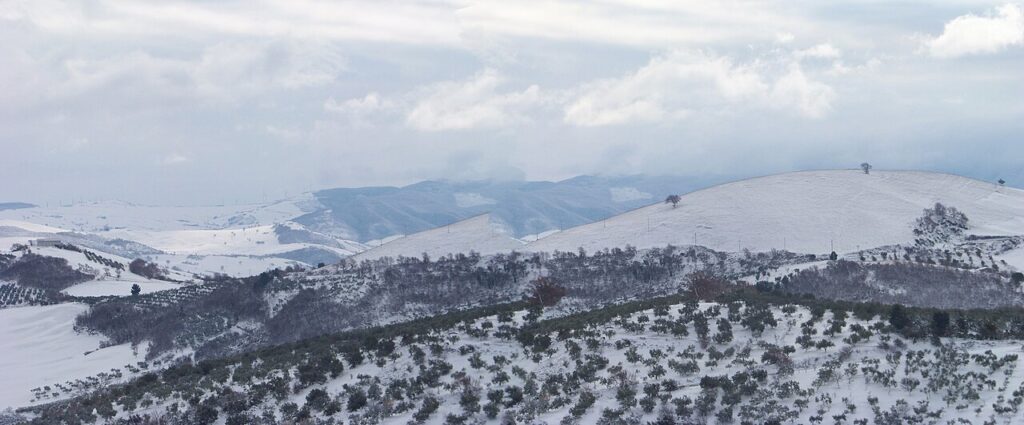
The terrain spans from the Fortore valley (100 metres) to Monte Crocella (776 metres), encompassing olive groves, oak woods, and cereal fields. The Lago di Occhito reservoir shoreline offers scenic opportunities. Hiking and nature exploration are possible throughout the varied landscape. The ridge location provides excellent viewpoints toward Puglia and the Adriatic, ideal for photography and panoramic walks.
What food and wine specialities should I try in Colletorto?
The region produces DOP (Protected Designation of Origin) cheeses and traditional cured meats characteristic of Molise. Local wines reflect the area's winemaking heritage. The agricultural territory—olive groves and cereal fields—supports genuine farm-to-table production. Visitors can experience authentic southern Italian cuisine rooted in centuries-old pastoral and farming traditions.
📷 Photo Gallery — Colletorto
In Molise More villages to discover
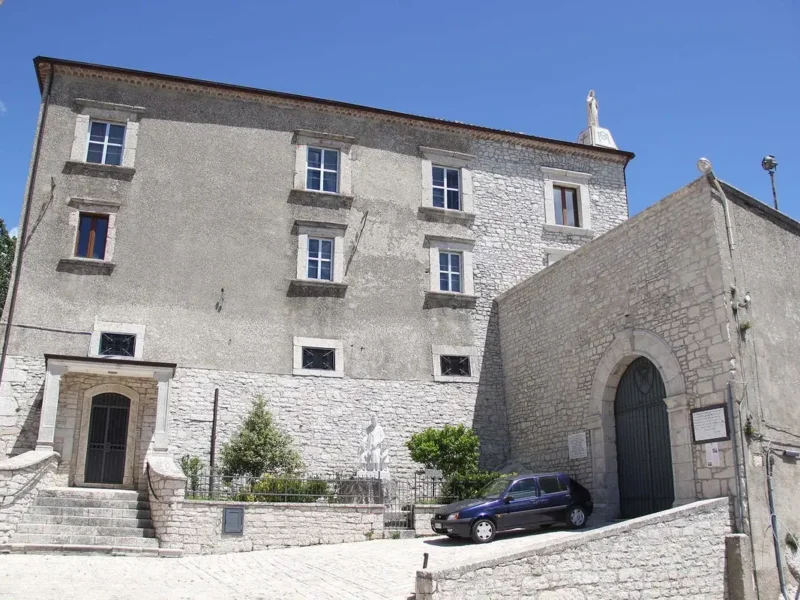
Cercemaggiore
 Mountain
Cercemaggiore is a hilltop village in inland Molise, sitting at around 945 metres above sea level with a landscape of oak woodland, grazing land, and long Apennine ridgelines.
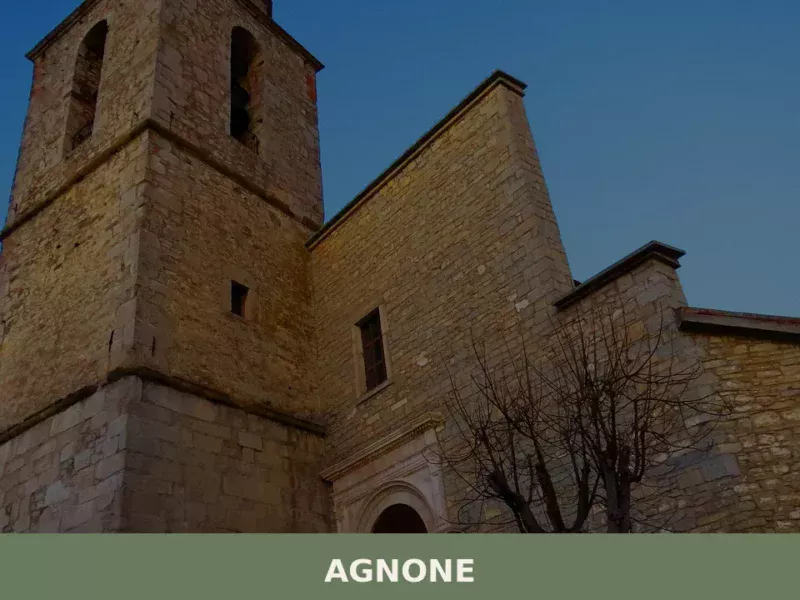
Agnone
Mountain
Discover what to see in Agnone, Molise: the 1040 Marinelli bell foundry, medieval churches, Samnite museum, local food and practical travel tips.
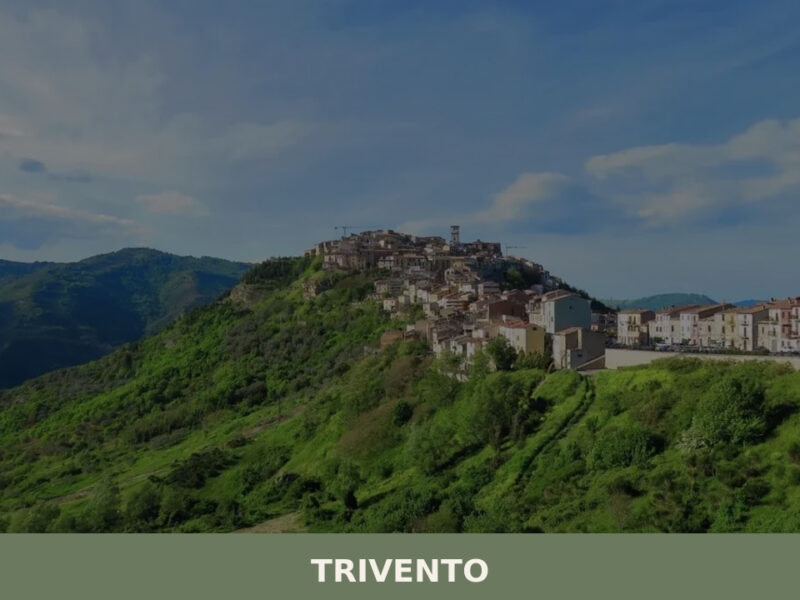
Trivento
 Hills
Hills
Morning fog lifts off the Trigno valley in slow, pale sheets, and Trivento emerges at 599 metres above sea level — a compact ridgeline of stone and tile roofs, church bells marking the quarter-hour across a town of 4,353 residents. The air carries woodsmoke and the faint resin scent of surrounding oak forest. If you […]
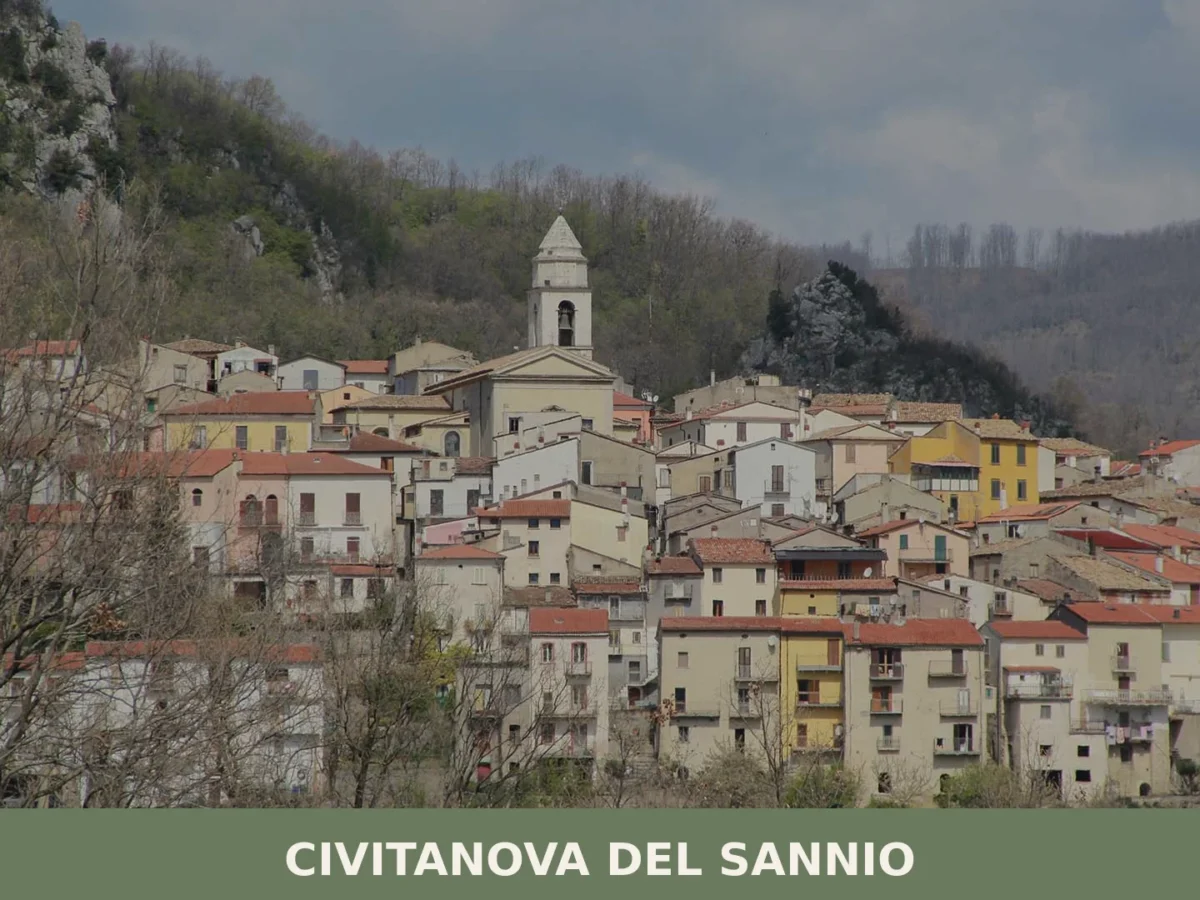
Civitanova del Sannio
Mountain
Civitanova del Sannio is a mountain commune of 874 inhabitants in the province of Isernia, Molise, with a documented history spanning from the tenth century through a rich succession of feudal lordshi
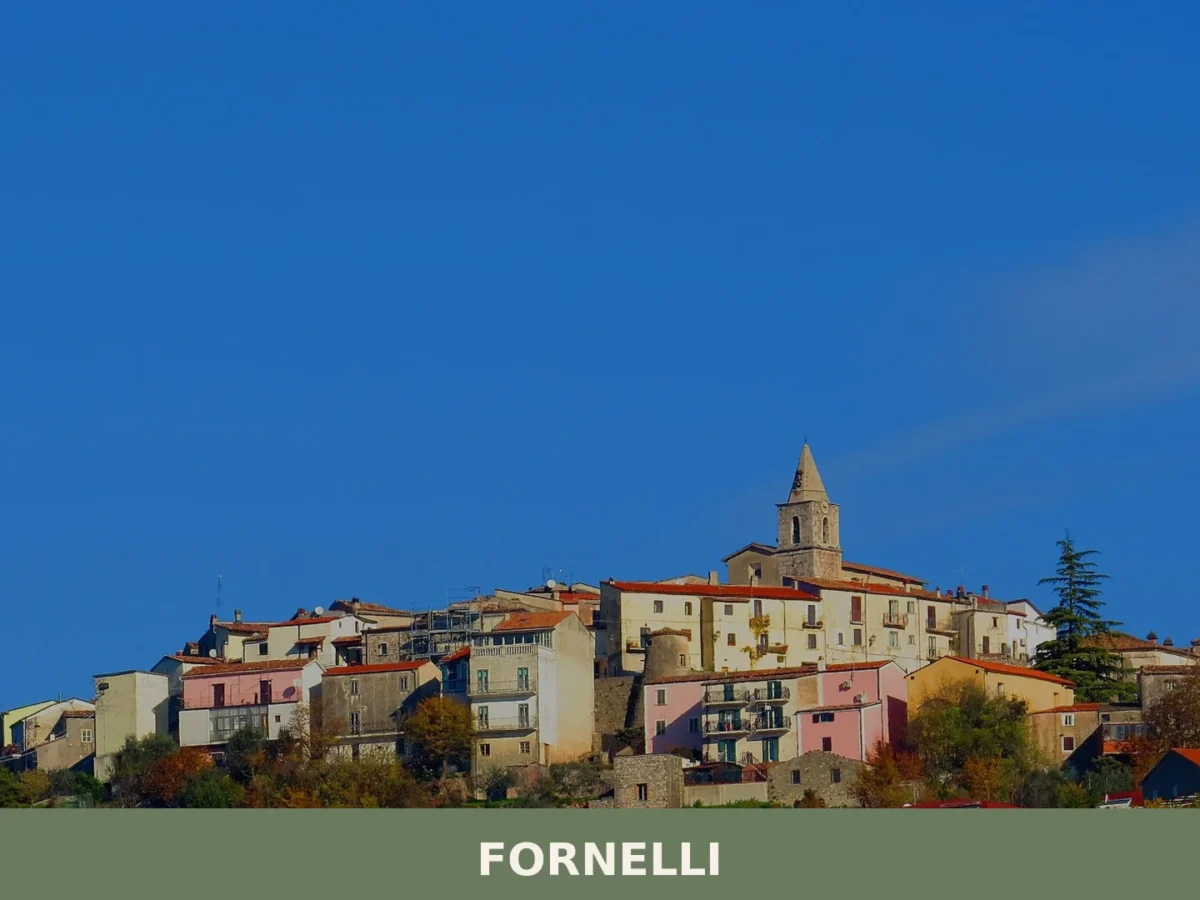
Fornelli
Hills
Around 1,800 residents and a medieval castle with monumental portal: Fornelli rewards visitors with an intact historic centre and a moving Resistance heritage.
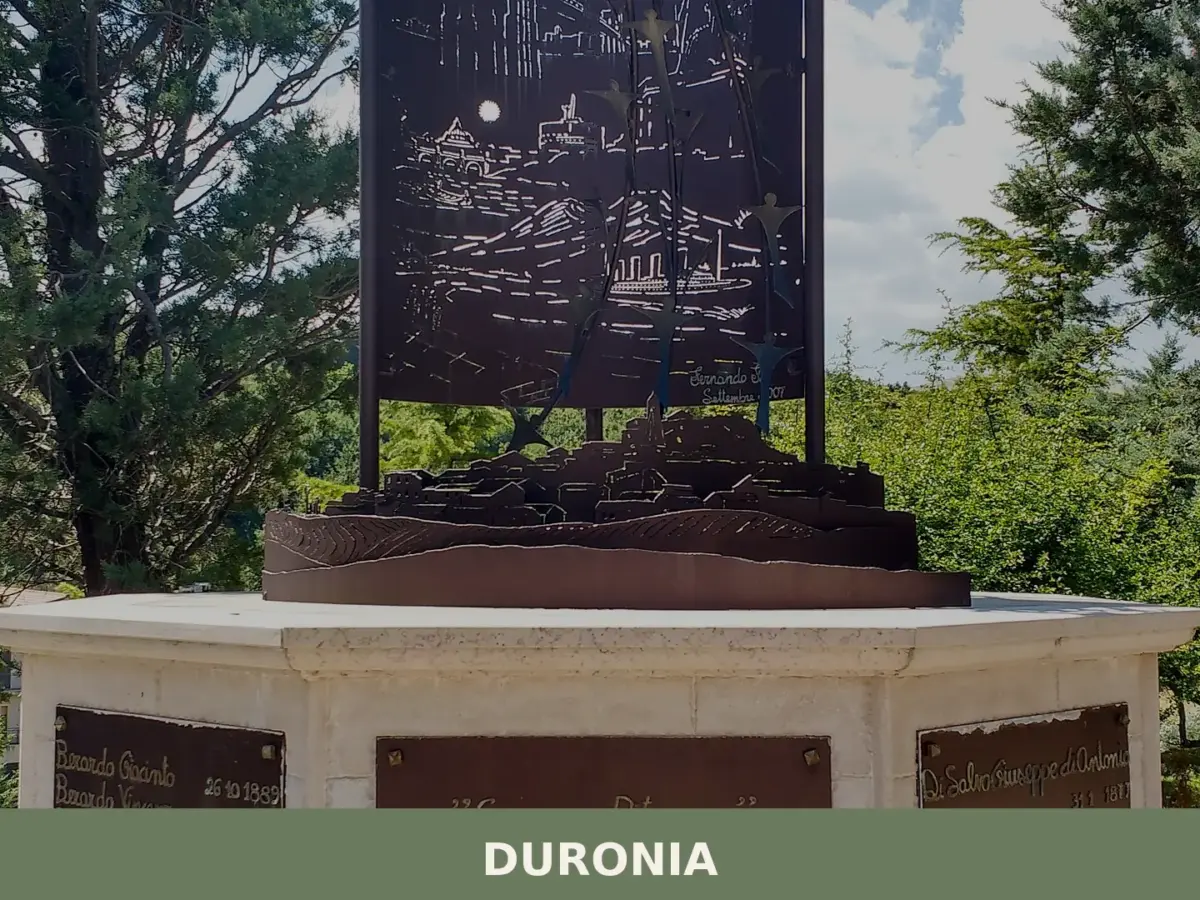
Duronia
Mountain
390 residents, 864 metres altitude, and a natural rock formation declared a regional monument — Duronia offers Samnite ruins, medieval stone and an ancient drovers' route.
Campochiaro
Mountain
On the eastern slope of the Matese massif, where highland pastures descend toward the Biferno plain, Campochiaro greets visitors with its 594 inhabitants and a compact urban layout, arranged at 750 metres above sea level around the parish church dedicated to Saint Mark. Here, in 1980, archaeologists unearthed an Italic sanctuary from the Samnite period […]
San Martino in Pensilis
Hills
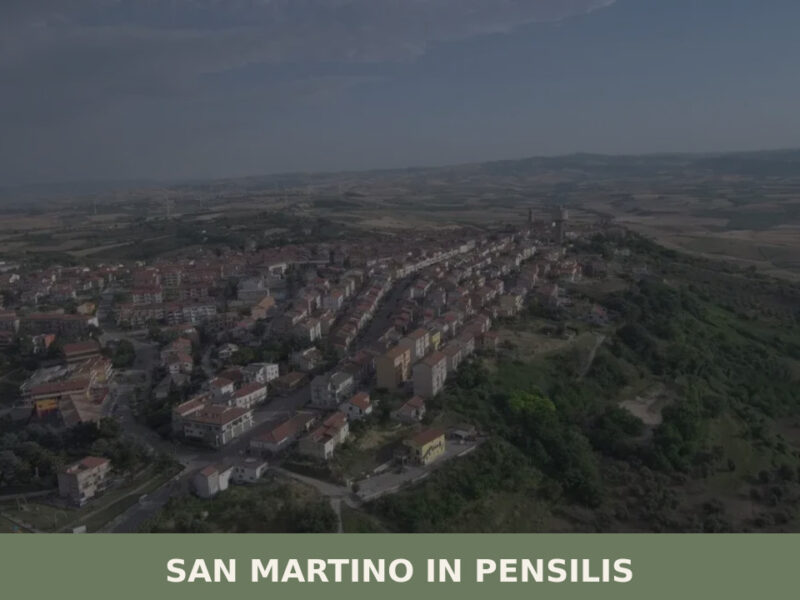
Morning light catches the pale stone of a church bell tower, and below it, the long main street empties into a piazza where a handful of men stand with espresso cups, talking over one another. San Martino in Pensilis sits at 281 metres above sea level in the province of Campobasso, a settlement of roughly […]
Fossalto
Mountain
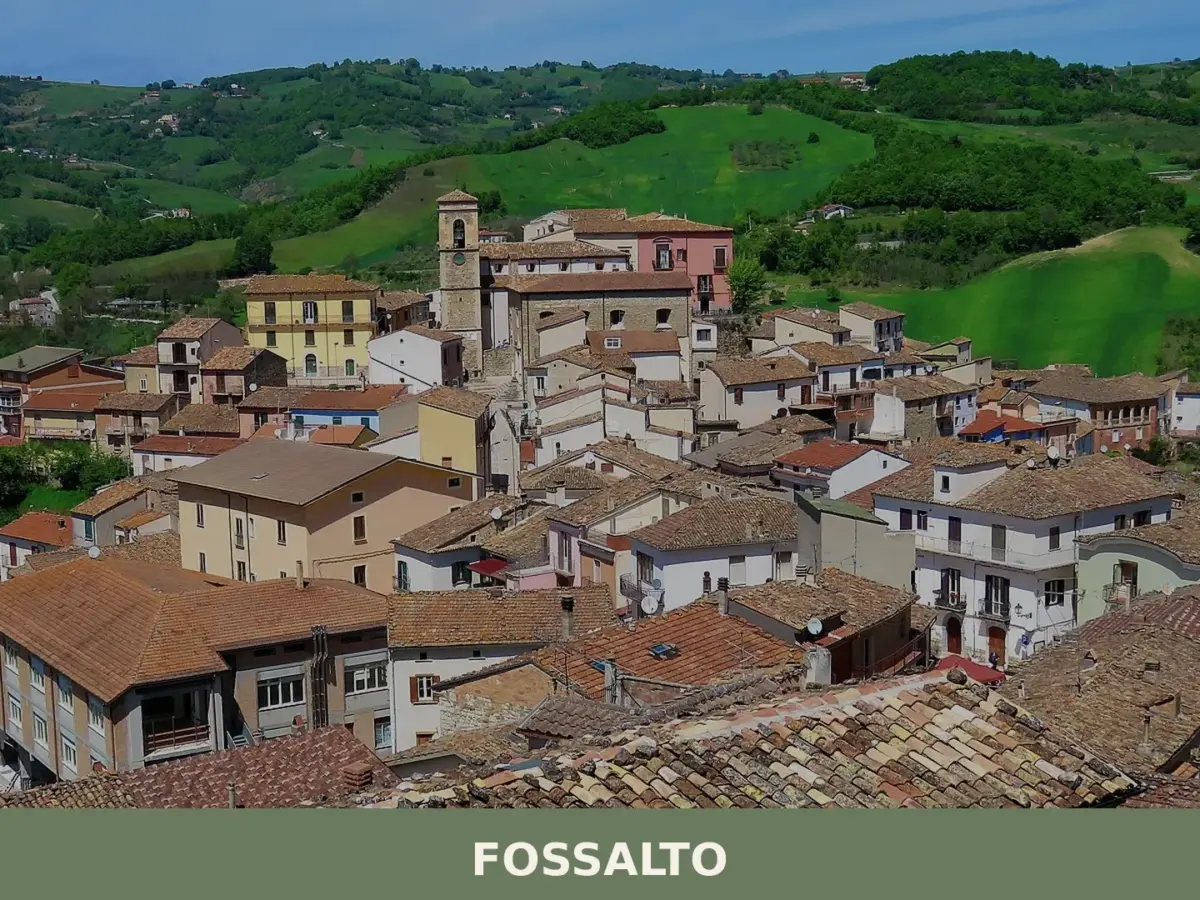
Fossalto is a hilltop commune in Campobasso province, Molise, at about 505 metres above sea level, where a medieval past of fortified towers and defensive walls gives way to a quiet, authentic village
Riccia
Mountain
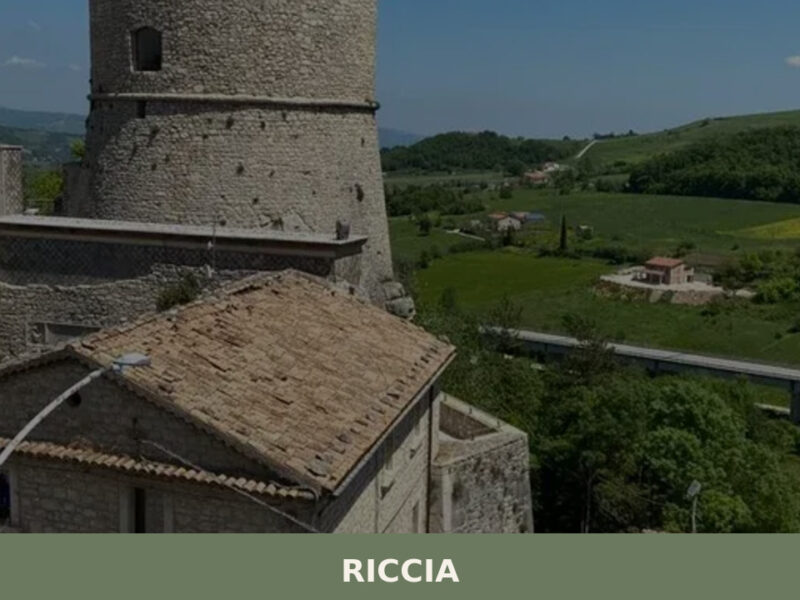
A hilltop village of 4,814 inhabitants in the province of Campobasso, Riccia reveals medieval streets, a Norman castle, and one of Molise's most celebrated food festivals.





🏡 Know Colletorto better than we do?
If you’re a local or have been there, your knowledge matters: add what’s missing or fix a detail on this page.