


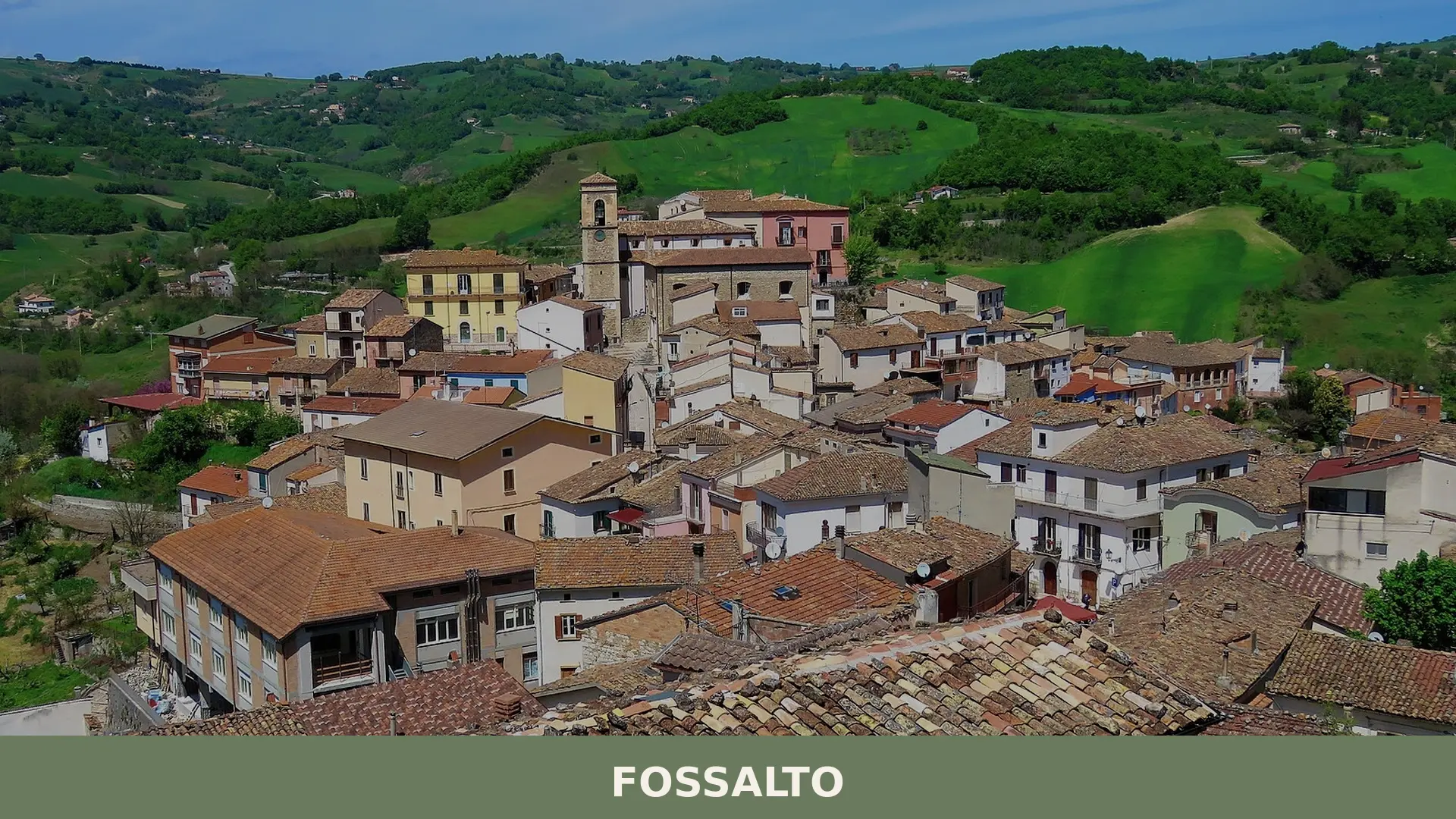

Fossalto is a hilltop commune in Campobasso province, Molise, at about 505 metres above sea level, where a medieval past of fortified towers and defensive walls gives way to a quiet, authentic village
Discover Fossalto
Fossalto is a small mountain comune in the province of Campobasso, Molise, sitting at around 511 metres above sea level across a municipal territory of roughly 28.31 square kilometres, with a population of around 1,087 residents. The settlement took shape from the gradual coming-together of two older nuclei — Fossaceca and Castelluccio — both once dependent on the nearby centre of Limosano, and it retains a compact, historically layered character shaped by centuries of feudal and rural life in the southern Apennines.
For travellers seeking an unhurried encounter with inland southern Italy, Fossalto village in Molise offers the quiet coherence of a place that has changed slowly: a surviving medieval tower, two parish churches, and a calendar still anchored to the feast of San Nicola on 9 May. The surrounding area belongs to a wider food and wine landscape that includes DOC wines such as Biferno and Tintilia del Molise, alongside area products like Caciocavallo Silano DOP — provincial traditions that colour the table without belonging exclusively to any single comune.
Fossalto village in Molise: history and origins
Fossalto is a medieval village in the province of Campobasso that grew from the merging of two distinct nuclei — Fossaceca and Castelluccio — both originally dependent on the nearby centre of Limosano.
The settlement was once a fortified centre, enclosed by walls and defended by towers. These defensive structures were dismantled during the eighteenth century, a period in which the local feudal lordship passed through the hands of the Di Capua and Mascione families.
A tangible trace of the earlier defensive layout survives in the Torre Ciarlitto, a circular tower dating to around the fourteenth century that once protected the baronial residence, now a private manor. The tower also bears a small votive shrine dedicated to San Nicola, the village’s patron saint.
A Medieval Tower and Two Churches
Fossalto’s built heritage centres on two religious buildings and a surviving medieval defensive structure: the Torre Ciarlitto and the churches of San Nicola and Sant’Antonio da Padova.
Torre Ciarlitto
Dating to the fourteenth century, this circular-plan tower once formed part of the defensive system protecting the baronial palace, which still stands today as a private residence. Set into the tower is a votive shrine dedicated to San Nicola, the town’s patron saint.
Chiesa di Sant’Antonio da Padova
This single-nave church has a longitudinal plan and a baroque character. Its interior preserves a painted image of the saint dated 1660. A bell tower standing alongside the church was added in 1866.
Fossalto and Its Territory: DOP Cheeses, Cured Meats and Molise Wines
Fossalto sits within a productive agricultural province where certified products include Caciocavallo Silano DOP, Molise DOP cheese, Salamini italiani alla cacciatora DOP and Vitellone bianco dell’Appennino Centrale IGP — none exclusive to this village, but all representative of the broader Campobasso area that surrounds it. Local liqueur traditions documented at regional level encompass Nocino, Amaro molisano and Liquore al latte, along with Capocollo and other cured meats under the PAT designation.
For wine, the territory falls within the reach of two DOC appellations — Biferno and Tintilia del Molise — as well as the IGT Osco / Terre degli Osci. Tintilia, a native Molise red grape variety, is perhaps the most distinctive choice for a visitor wishing to drink something genuinely rooted in this region.
Reaching Fossalto and Planning Your Stay in the Molise Hills
Fossalto is most conveniently reached by car along the provincial roads that connect it to Campobasso, the regional capital located roughly 25 km to the south-east, making it an easy half-day excursion from there; the village sits at 511 metres above sea level in the inner mountain zone of Molise, and spring and early autumn offer the most comfortable conditions for exploring its hillside streets. The surrounding area rewards a slow, unhurried circuit: nearby Busso and the ridgetop village of Pietracupa are both within a short drive, while the larger centre of Trivento, perched above the Trigno valley, extends a logical southward loop through this quiet corner of Molise.
Public transport connections in this part of the region are limited, so a private vehicle is strongly recommended. The feast of San Nicola on 9 May provides a particular reason to time a visit to coincide with local celebration.
| Departure | Distance | Time |
|---|---|---|
| Campobasso | approx. 25 km | approx. 30-35 min |
| Isernia | approx. 60 km | approx. 60-70 min |
| Termoli | approx. 80 km | approx. 75-90 min |
These practical references help organise the journey clearly, while the village itself is best understood slowly and on foot once you arrive.
Frequently asked questions about Fossalto
When is the best time to visit Fossalto?
The most atmospheric time to visit Fossalto is around 9 May, when the village celebrates its patron saint San Nicola with local festivities, religious ceremonies, and community gatherings. Spring in general — April through June — brings mild temperatures at 511 metres altitude and green Apennine landscapes. Early autumn is equally pleasant for walking the surrounding hills. Midsummer can be warm but rarely oppressive at this elevation, while winters are cold and occasionally snowy.
How do you reach Fossalto by car?
By car, Fossalto is most conveniently reached via the A14 Adriatic motorway, exiting at Vasto Sud or Lanciano, then following inland roads toward Campobasso and branching toward Limosano and Fossalto. Alternatively, from Campobasso — the provincial capital roughly 35 kilometres away — take the SS647 and connecting provincial roads. The mountain roads are winding and narrow in places, so a satnav is recommended. No direct motorway exit leads immediately to the village.
Is there a railway station near Fossalto?
Fossalto has no railway station of its own. The nearest rail connections are at Campobasso, served by Trenitalia regional lines linking it to Isernia and to the Adriatic coast. From Campobasso, reaching Fossalto requires a car or infrequent local bus services operated through the Molise regional transport network. Travellers without a vehicle are advised to check SACA or regional bus timetables in advance, as services to small inland comuni are limited.
How long should I plan for a visit to Fossalto?
A half-day is sufficient to walk Fossalto's compact historic centre, visit the medieval tower, and see its two parish churches. Extending to a full day allows time for a leisurely lunch featuring local Molise products — Caciocavallo Silano DOP, cured meats, and wines such as Biferno or Tintilia del Molise — and a short drive to explore the surrounding municipal territory of approximately 28 square kilometres. Fossalto pairs naturally with nearby Limosano or Campobasso for a longer itinerary.
Are there hiking or outdoor routes around Fossalto?
The Fossalto area sits within the hilly southern Apennine landscape of the Campobasso province, which offers documented CAI (Club Alpino Italiano) routes crossing the Molise interior. While trails mapped specifically to Fossalto's municipal territory are best confirmed through the CAI Campobasso section or the Molise regional tourism office, the surrounding terrain is suitable for moderate trekking and cycling on quiet provincial roads. The landscape at around 511 metres elevation provides panoramic views across the Biferno valley.
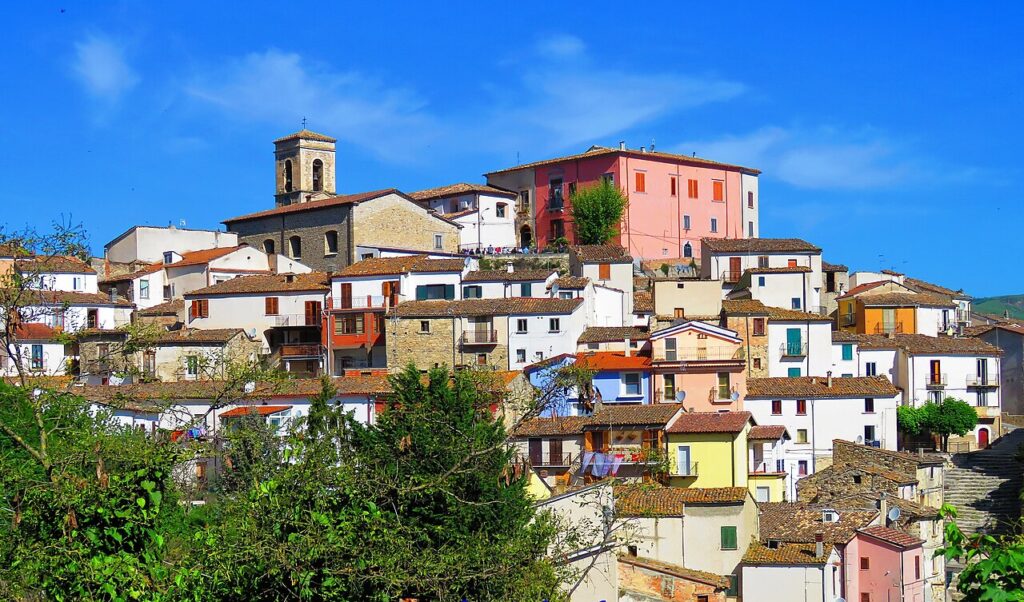
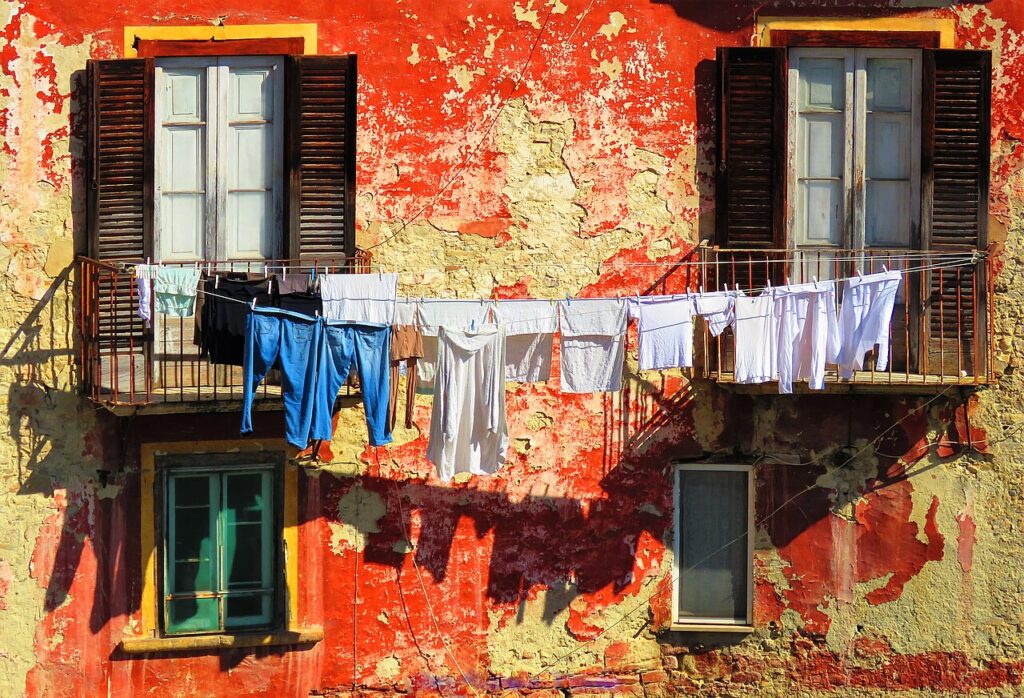
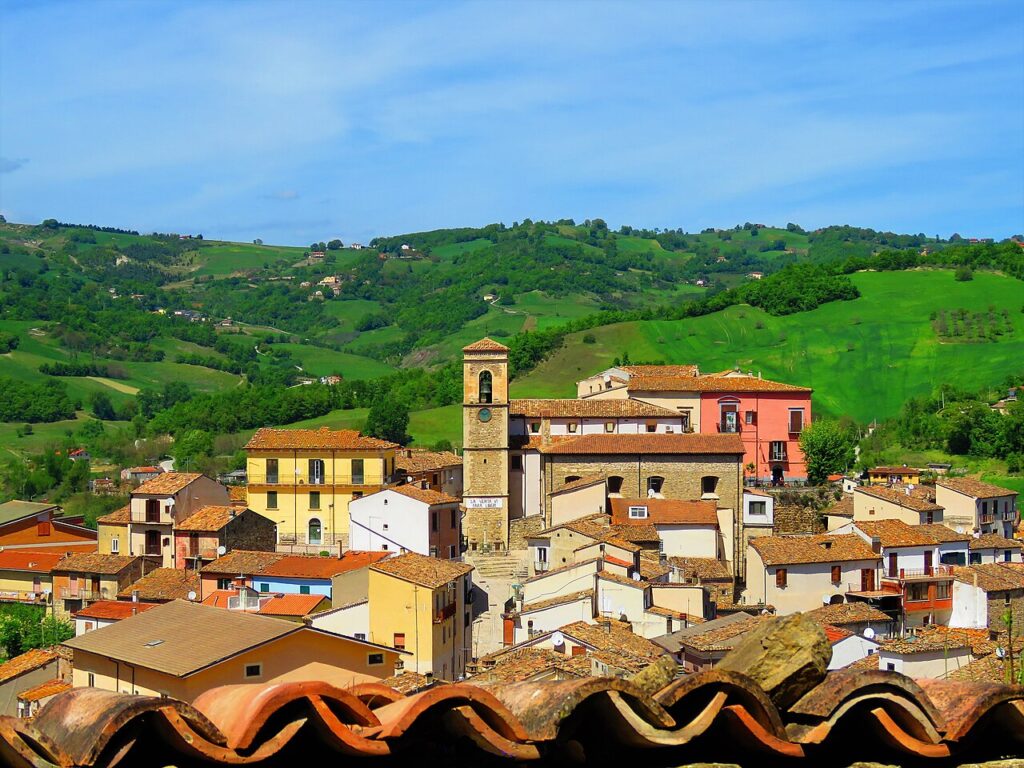
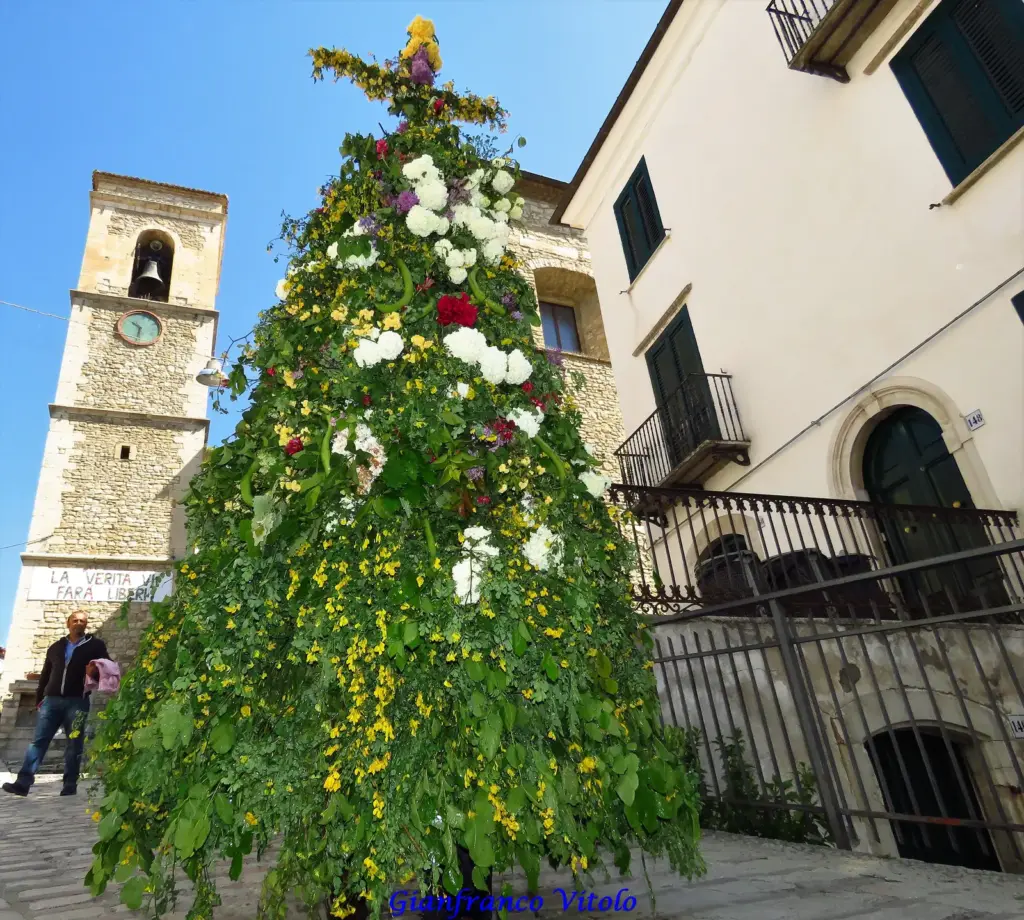
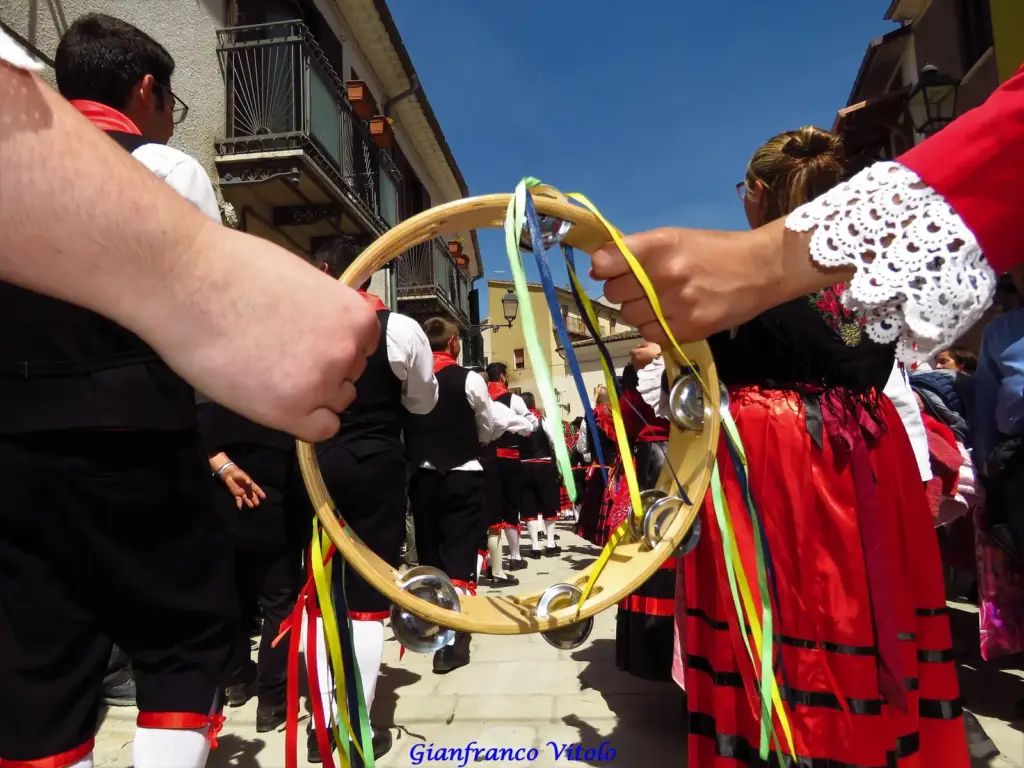
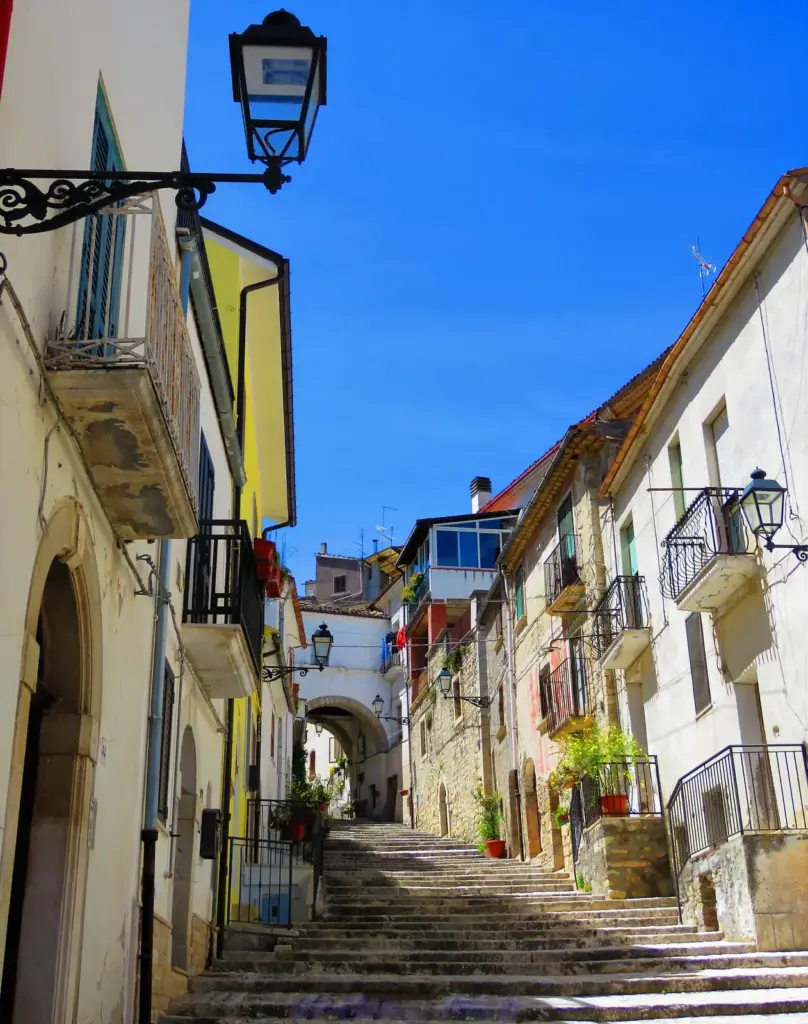
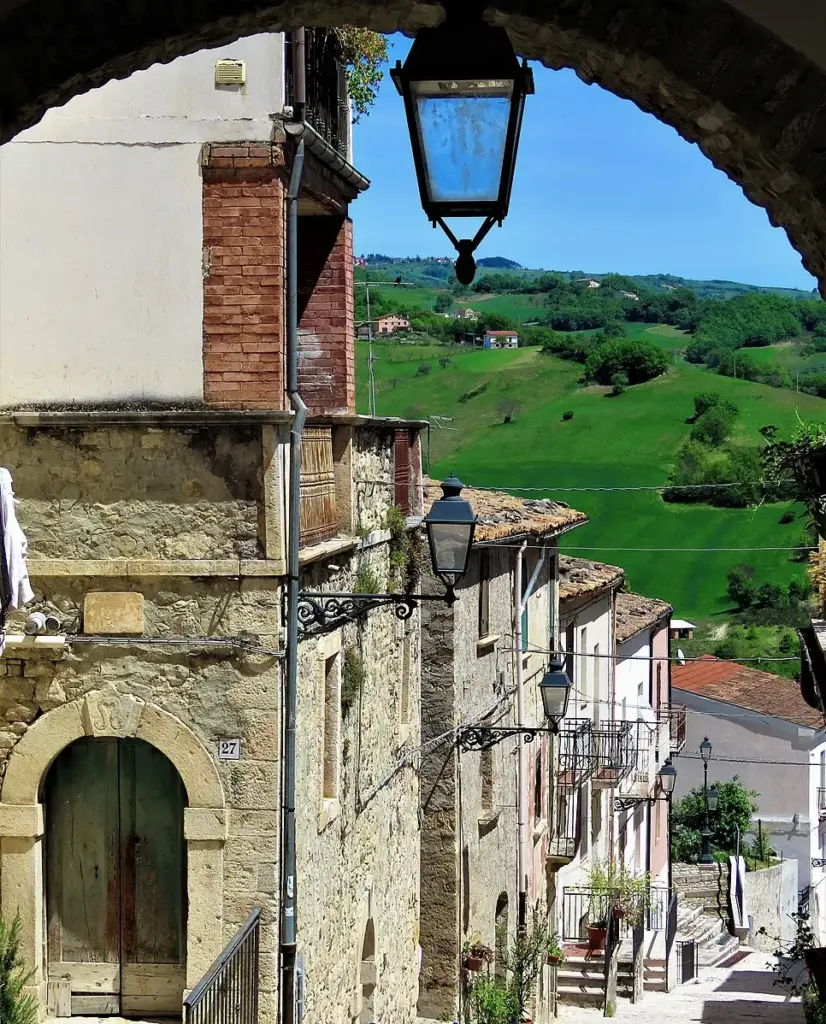
📷 Photo Gallery — Fossalto
In Molise More villages to discover
Campodipietra
 Hills
Hills
What to see in Campodipietra, Italy: 7 km from Campobasso, discover the 13th-century church of San Martino, medieval walls, and local Molise food traditions. Explore now.
Santa Croce di Magliano
 Mountain
Morning light falls across a row of stone facades on Corso Vittorio Emanuele, and an elderly man drags a wooden chair onto the pavement, positioning it with the precision of someone who has done this for sixty years. The air at 608 metres carries a dry, herbal sharpness — rosemary and broom from the surrounding […]
Civitacampomarano
Mountain
Civitacampomarano is a hilltop comune in the province of Campobasso, Molise, whose sandstone ridge, medieval castle and twelve centuries of recorded history make it one of the region's most quietly co
Baranello
Mountain
A documentary guide to Baranello in Molise — its civic museum, medieval churches, castle, and the quiet rhythms of an overlooked Italian hill village.
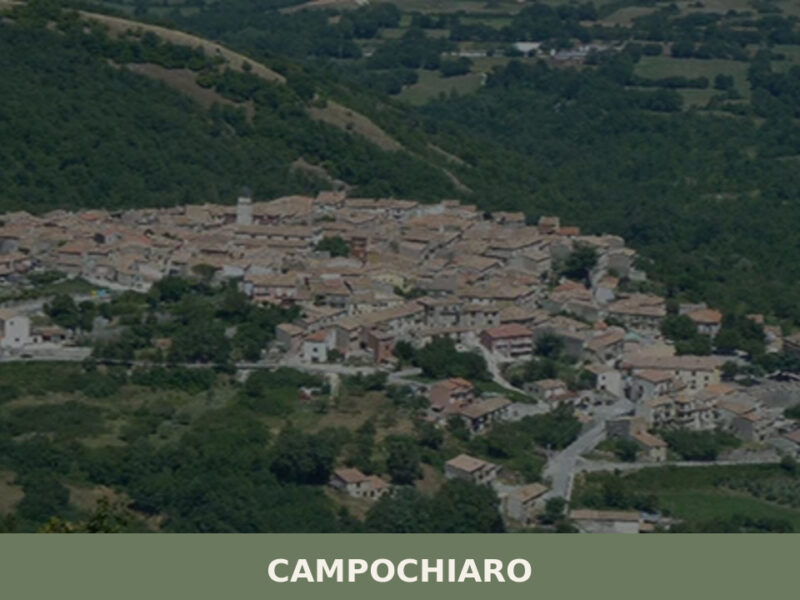
Campochiaro
Mountain
On the eastern slope of the Matese massif, where highland pastures descend toward the Biferno plain, Campochiaro greets visitors with its 594 inhabitants and a compact urban layout, arranged at 750 metres above sea level around the parish church dedicated to Saint Mark. Here, in 1980, archaeologists unearthed an Italic sanctuary from the Samnite period […]
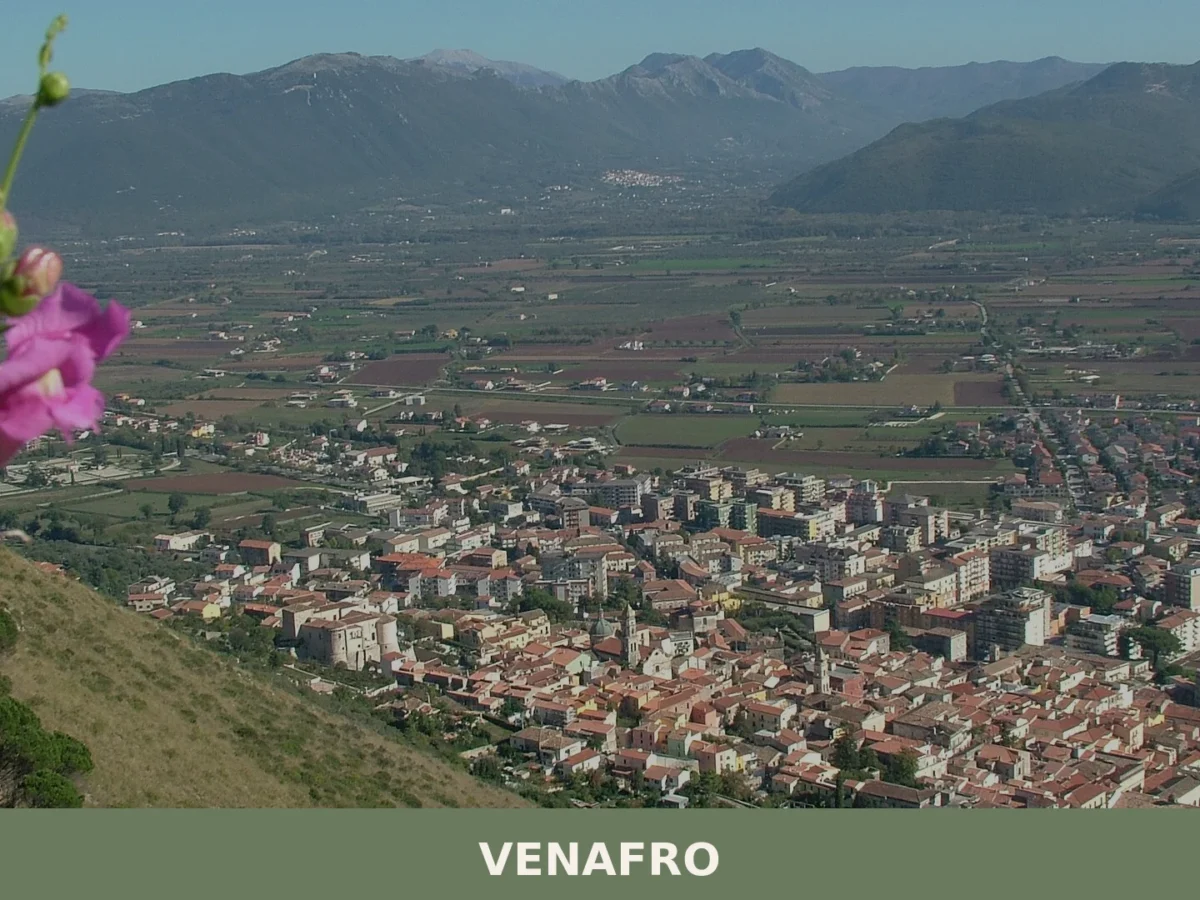
Venafro
Hills
Two thousand years of collision shaped this border town. Ancient warfare, medieval revival, papal visits and modern tragedy carved Venafro into a living archive of southern Italian identity.
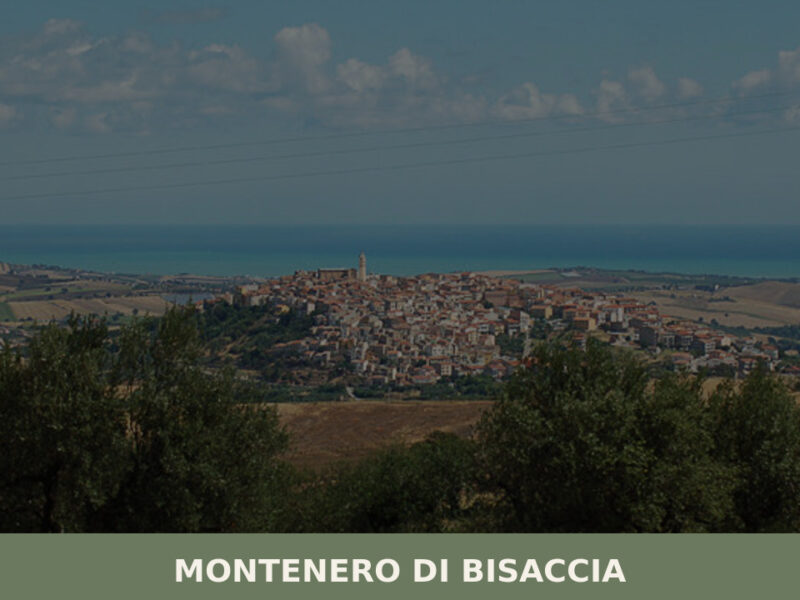
Montenero di Bisaccia
 Sea
Sea
Morning light moves across the rooftops in a slow wave, catching the sandstone walls of old houses before spilling into the main piazza. At 273 metres above sea level, Montenero di Bisaccia sits on a hill that commands views stretching from the Apennine ridgeline to the Adriatic coast — a rare double horizon. With just […]
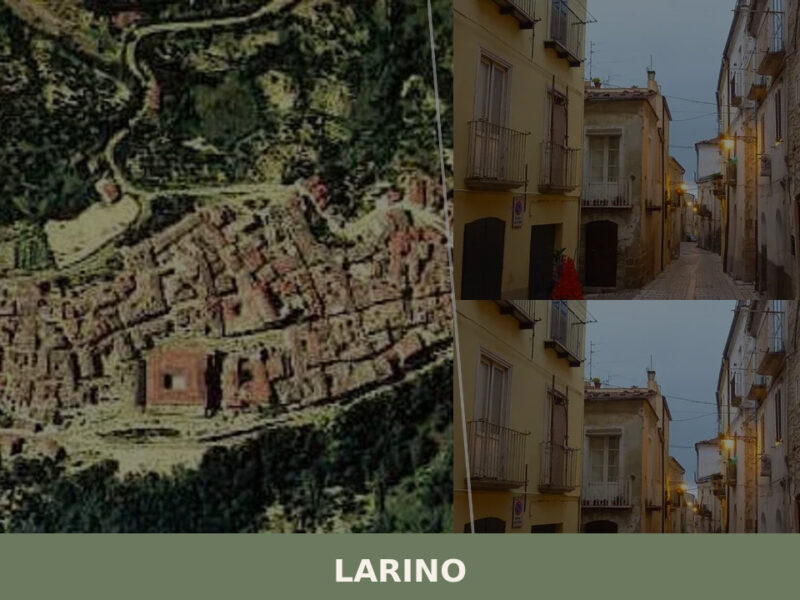
Larino
Hills
A layered town of Roman ruins and medieval stone in the Molisan countryside. Here is everything to see in Larino, from its amphitheatre to the Festa di San Pardo.
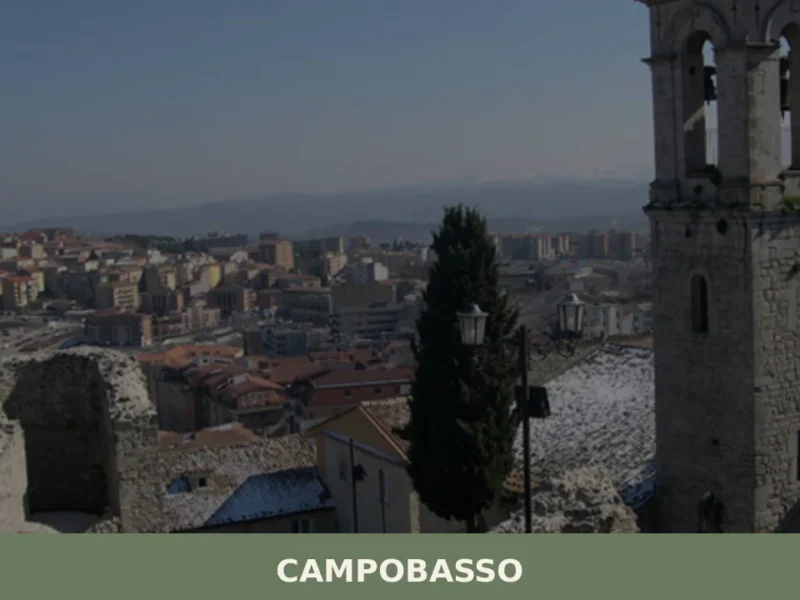
Campobasso
Mountain
Campobasso is the regional capital of Molise, a city of around 47,547 residents at roughly 708 metres above sea level, where a medieval hilltop castle, Samnite archaeological collections and a vivid c
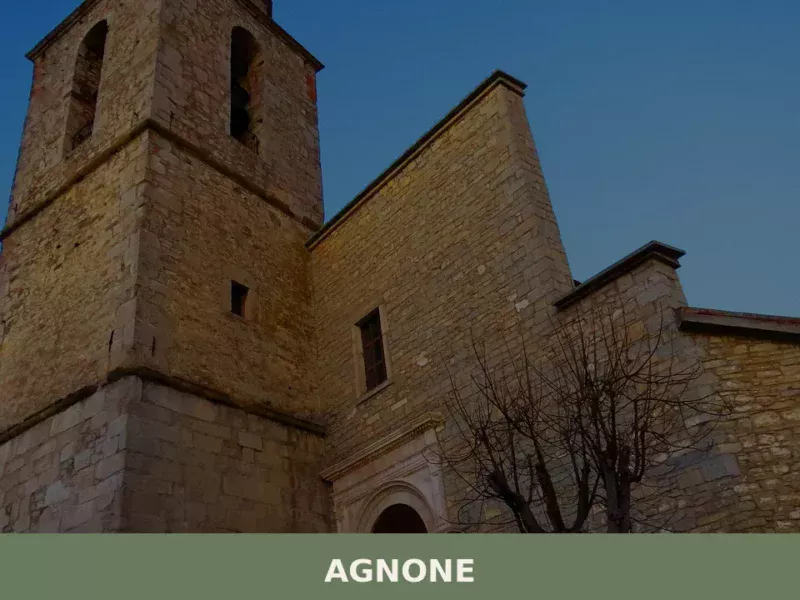
Agnone
Mountain
Discover what to see in Agnone, Molise: the 1040 Marinelli bell foundry, medieval churches, Samnite museum, local food and practical travel tips.


🏡 Know Fossalto better than we do?
If you’re a local or have been there, your knowledge matters: add what’s missing or fix a detail on this page.