


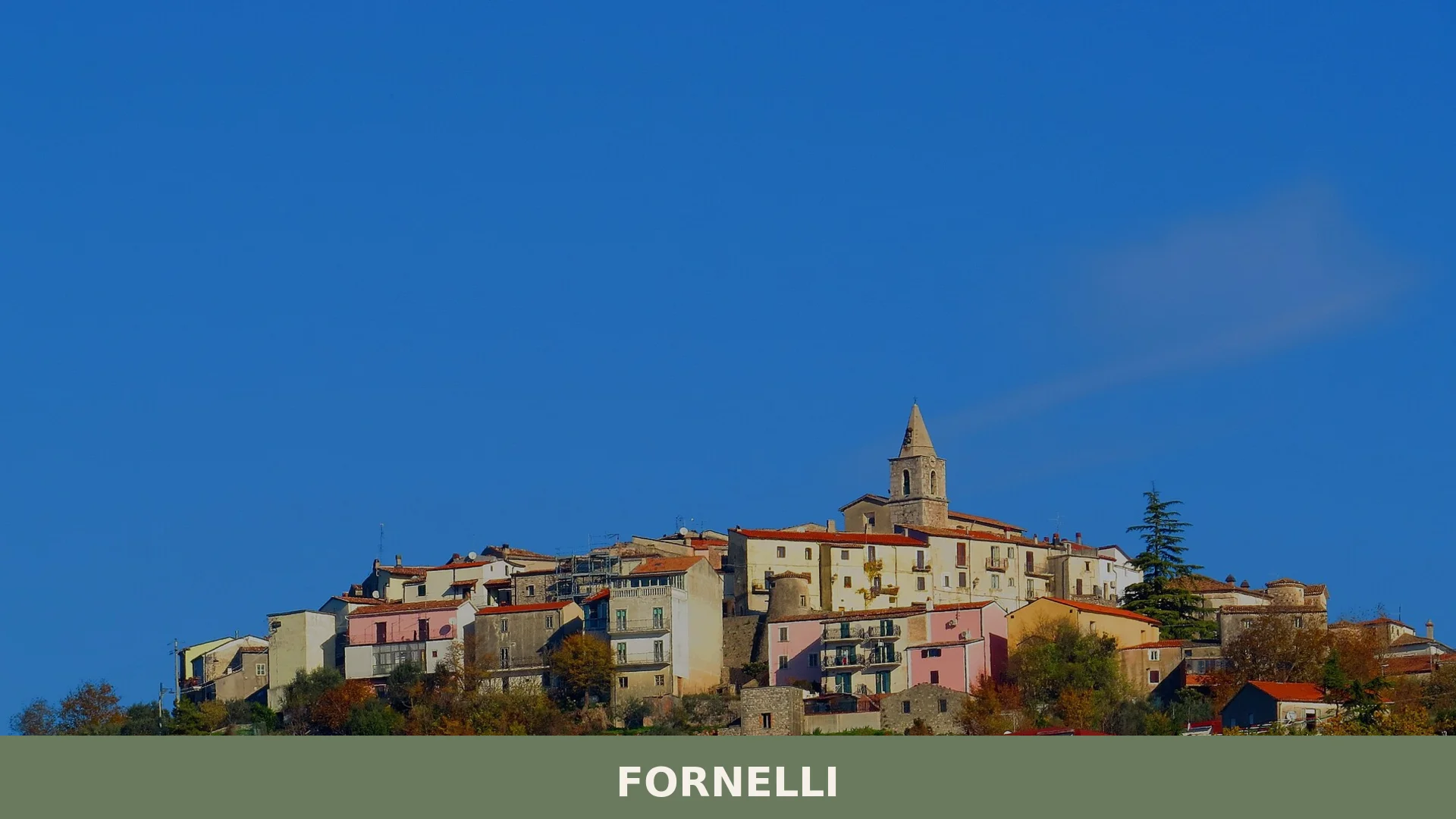

Around 1,800 residents and a medieval castle with monumental portal: Fornelli rewards visitors with an intact historic centre and a moving Resistance heritage.
Fornelli: a Walled Village Between the Vandra Valley and Molise Hills
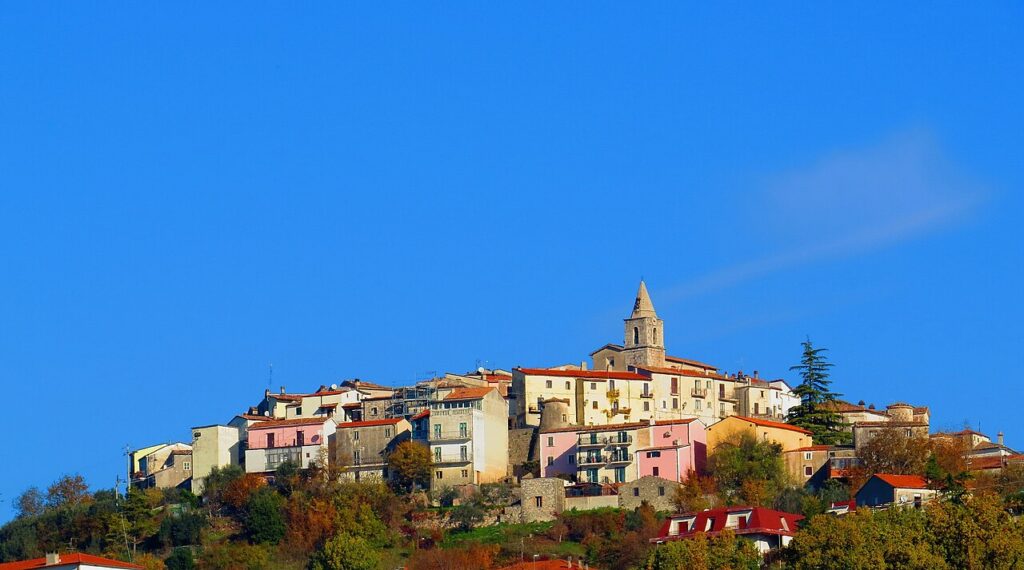
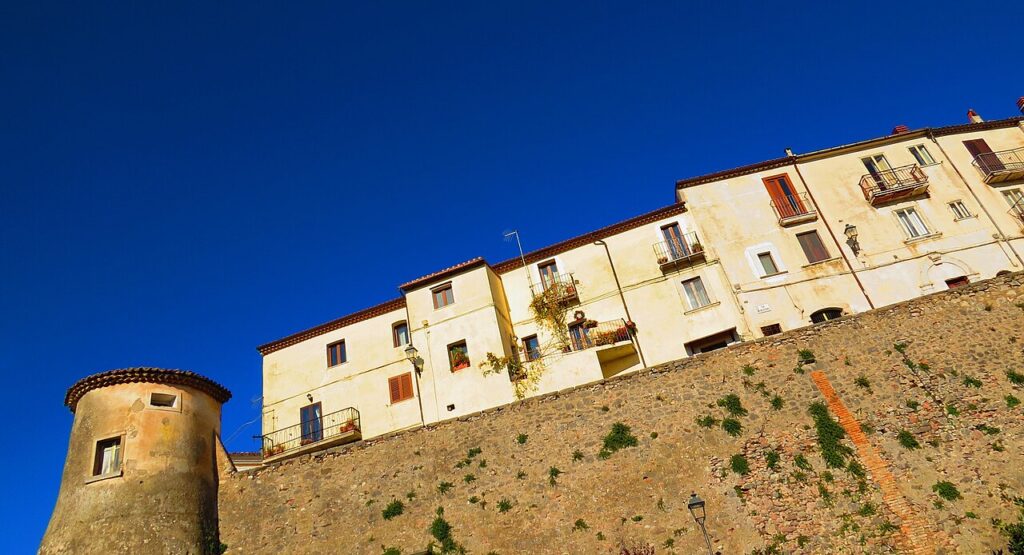
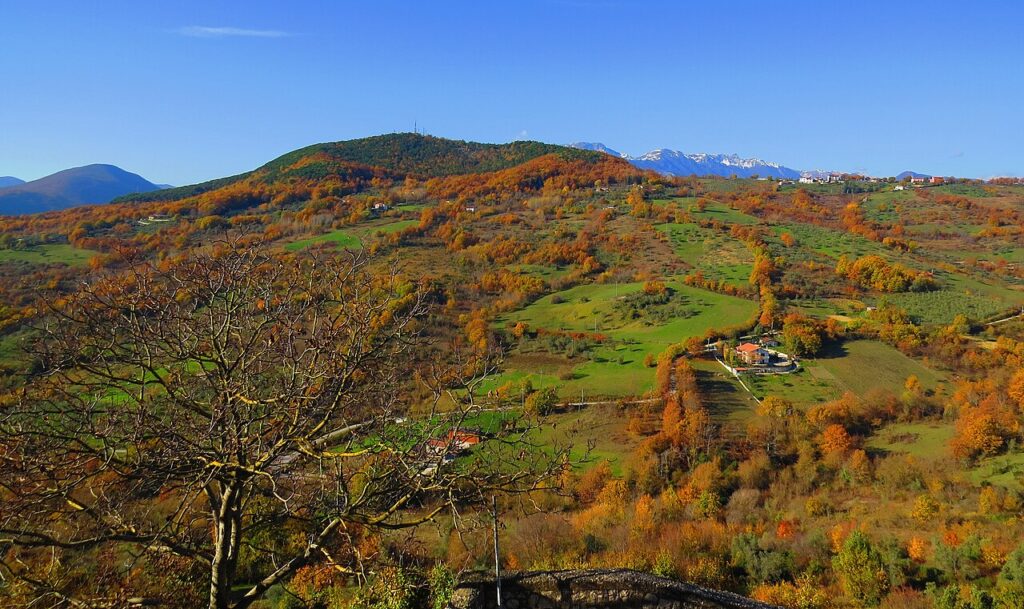
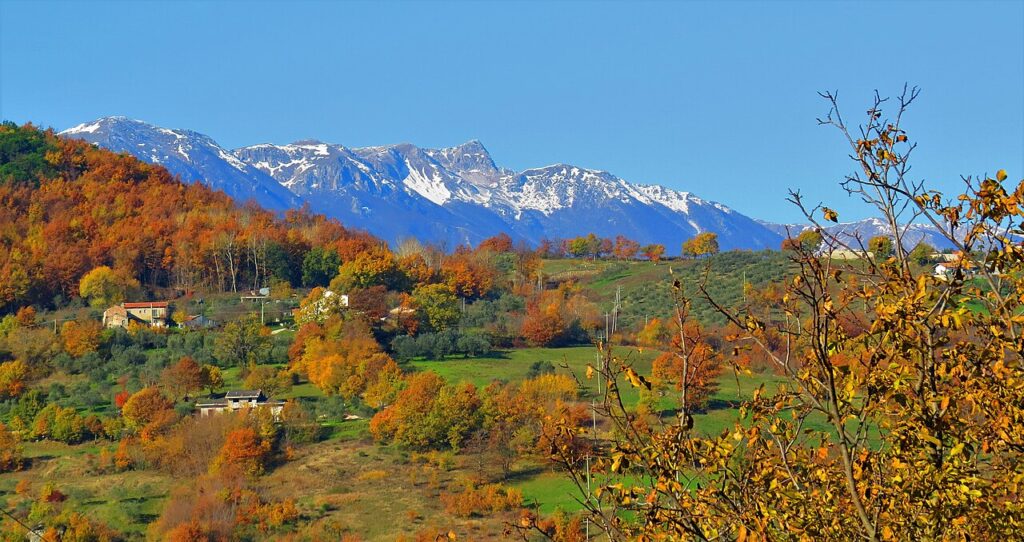
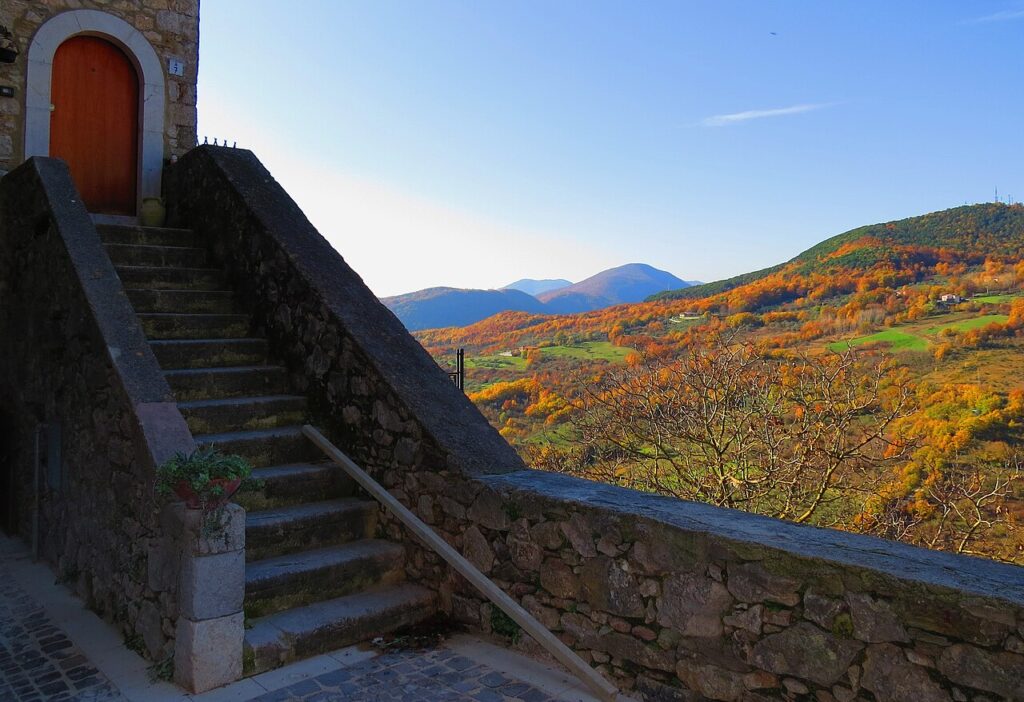
Stone walls still mark the edge of the old borough. The castle’s two flanking towers rise at the entrance to the historic centre, and the torrent Vandra — a tributary of the Volturno — traces the eastern boundary of the municipal territory before the land climbs toward Monte Cervaro, reaching above one thousand metres at its northern tip. This is a landscape of clay soils, ancient olive groves and a skyline shaped by centuries of seismic events and slow, deliberate rebuilding.
Fornelli village in Molise draws two kinds of attention from visitors: those who come for its place among I Borghi più Belli d’Italia and its recognition as a Città dell’Olio, and those drawn by an episode of wartime courage that earned the community a bronze medal for military valour. It lies in the province of Isernia, covers around 23.08 square kilometres, and is home to roughly 1,800 residents — the fornellesi — who maintain a calendar of religious and civic traditions rooted in a past that stretches back at least to the early medieval period.
A Borough Shaped by Clay, Feudal Succession and Wartime Memory
The earliest documentary evidence for Fornelli’s existence dates to a legal sentence issued in 981 AD, though the settlement is thought to have been established before that, possibly as a dependent of the nearby abbey of San Vincenzo al Volturno. The land is rich in clay, and one local tradition holds that the toponym itself derives from a kiln — a furnace used to fire bricks at the service of that great monastic complex. Whatever its precise origins, the community had already shifted from its probable first location near the Vandra to the hillside position it occupies today before historical records begin to describe it in any detail.
Through the medieval and early modern centuries, Fornelli functioned as a barony, passing through the hands of numerous feudal lords. The Pandone family held it for nearly a century between the early fifteenth and early sixteenth centuries. A mill and an oil press served the local economy, and the territory’s clay-rich soils sustained agricultural activity across the generations. The borough did not escape the wider catastrophes of southern Italy: plague struck in the mid-seventeenth century, and earthquakes — recurring across a span of more than a thousand years — repeatedly damaged buildings and disrupted community life. The castle at the heart of the borgo was substantially restructured during the seventeenth and eighteenth centuries, acquiring the appearance of a fortified palazzetto rather than a purely military stronghold. In 1744, Carlo III of Bourbon, then king of Naples, lodged within its walls — a detail the building still carries quietly in its stonework.
The most painful chapter in Fornelli’s modern history unfolded in the autumn of 1943. Following the armistice of 8 September, a German reprisal triggered by the killing of a soldier during a raid led to the hanging of six men in the hamlet of Castello, among them Giuseppe Laurelli, a former mayor who had resigned in protest after the Matteotti assassination. Every year, on the evening of 3 October, a torchlit procession moves through the village to mark that event. The monument to the martyrs stands today at the site of the executions. The Republic awarded Fornelli a bronze medal for military valour in recognition of its wartime sacrifice, a distinction that gives the community a civic identity extending well beyond its modest size.
Stones, Towers and Sacred Interiors: the Built Fabric of Fornelli
The history written above finds its physical expression across a compact historic centre and a handful of religious buildings. Moving through Fornelli means reading layers of construction, repair and reinvention in the fabric of every wall.
The Castle and Medieval Walls
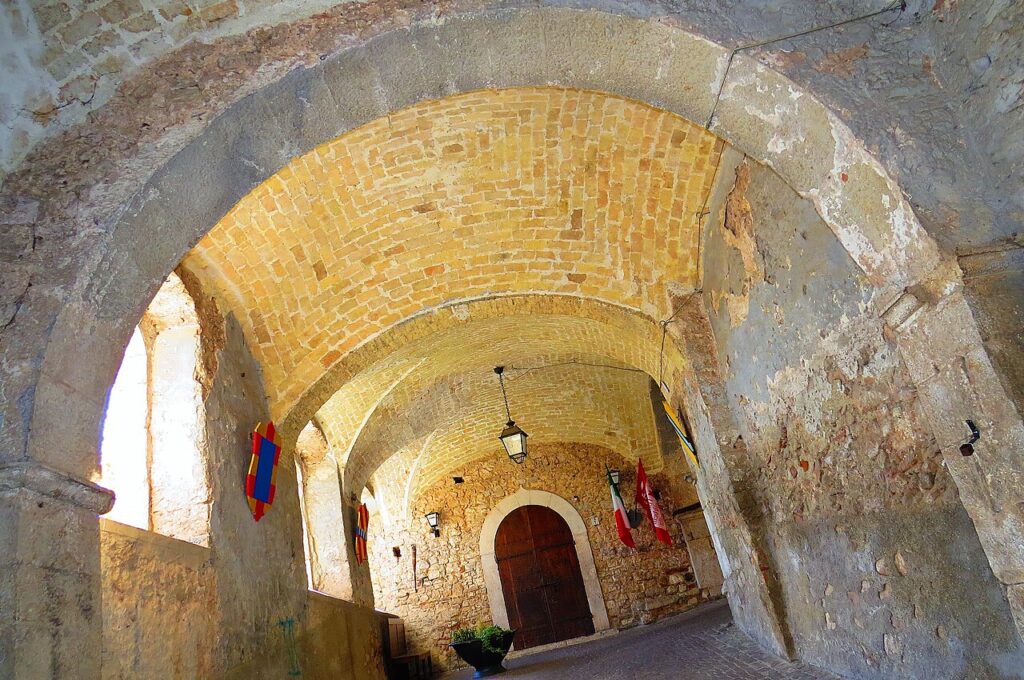
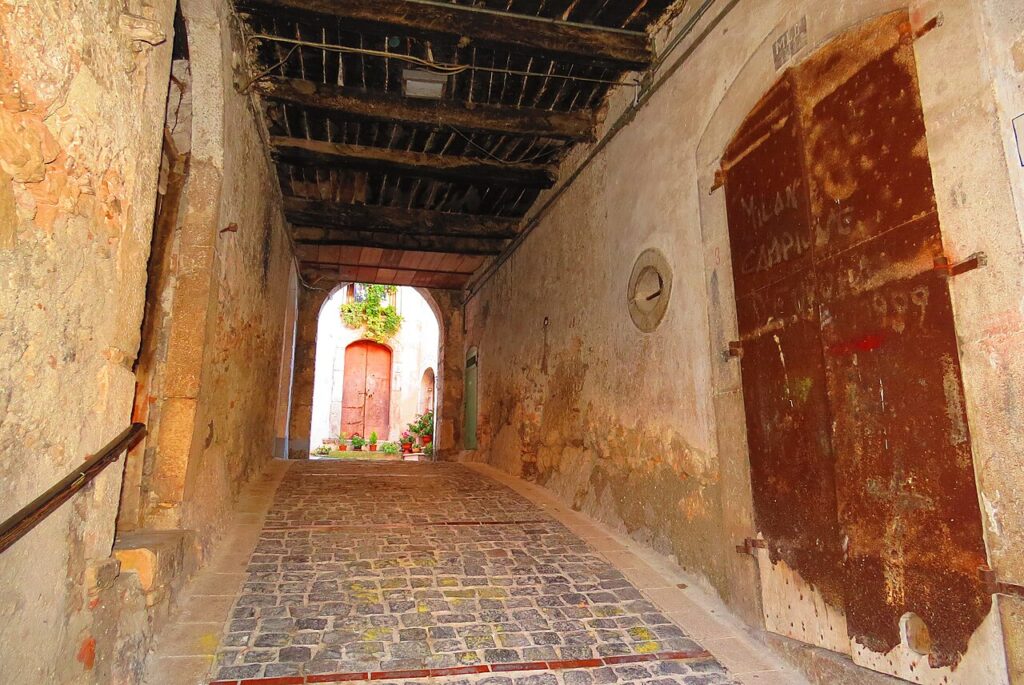
The borough’s defensive perimeter is still largely legible. Circular watchtowers with sloped bases punctuate the enclosure wall, and the main entrance — Piazza Umberto I — gives directly onto the castle, whose two large lateral towers frame a monumental gateway. The ground floor was historically given over to kilns and workrooms; the upper level served as residential quarters for the feudal lord. Restructured in the seventeenth and eighteenth centuries, the building today reads as a fortified manor rather than a military keep, yet the proportions and the masonry retain a clear medieval logic. The 1744 royal visit gives the structure an additional historical layer without transforming its essential character.
Chiesa Madre di San Michele Arcangelo
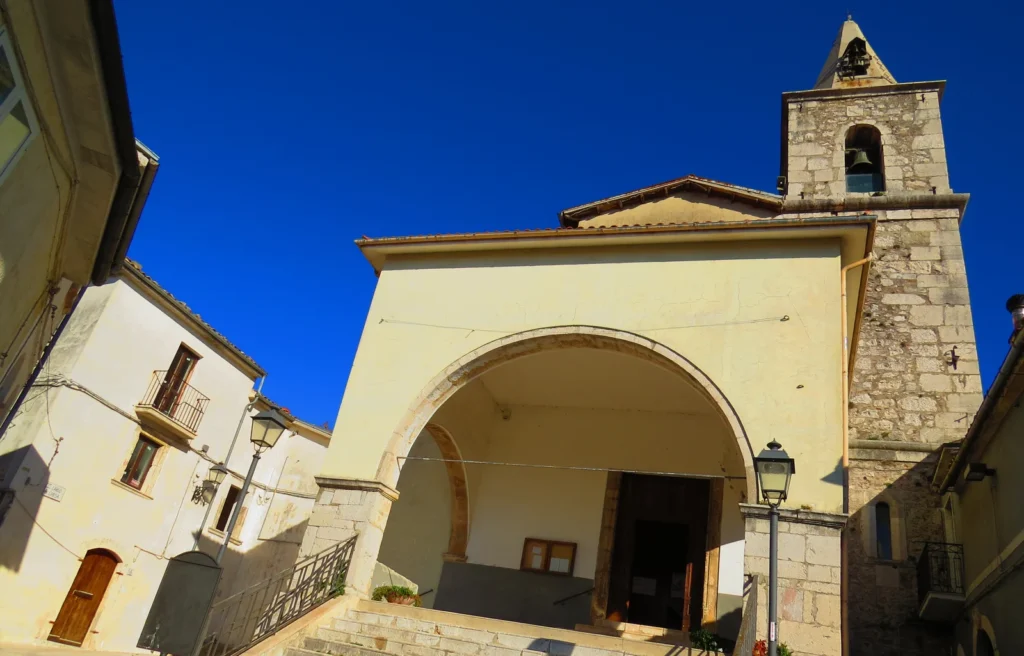
The parish church dedicated to the Archangel Michael functions as the spiritual and architectural anchor of the historic centre. Inside, a carved statue of the saint draws particular attention, alongside three painted panels dating to the eighteenth century that were restored in recent decades. The church carries the dual weight of being the main place of worship for the fornellesi and a repository of devotional art that survived — not always intact — repeated seismic episodes over the centuries. Its fabric reflects the patient rebuilding that defines so much of Fornelli’s story.
Chiesa di San Pietro Martire
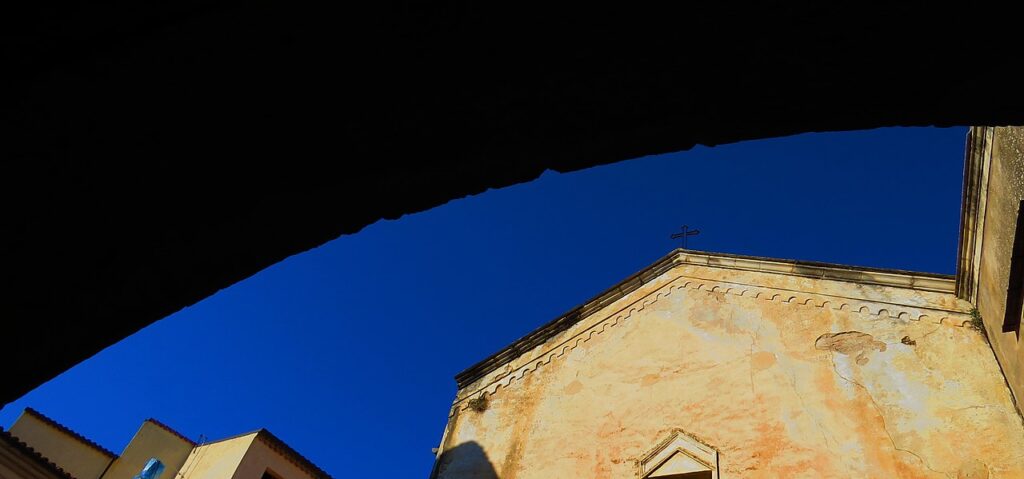
This church, dedicated to the village’s patron saint San Pietro Martire (Peter of Verona, born 1206, died 1252), whose liturgical feast falls on 6 April in the traditional calendar (or 29 April in some modern revisions), suffered severe damage during the earthquakes of the 1980s. The building’s condition is itself a document of the seismic vulnerability that has shaped life in this part of the Apennine interior for generations. The provincial capital of Isernia, a short drive away, offers useful comparative context for understanding the broader ecclesiastical and civic history of the area.
The Laurelli Family Chapel
Among the less public religious spaces in Fornelli, the private chapel of the Laurelli family stands in the historic centre as a refined example of a devotional interior maintained by one of the principal local dynasties of the nineteenth century. The Laurelli acquired the feudal estate in the early decades of that century and remained a defining presence in local affairs — including, controversially, as the target of a short-lived local newspaper that circulated for roughly two years around 1910. The chapel is a marginal but telling detail: a family’s wealth, faith and social ambition condensed into a small sacred space within the old borough walls.
The Cammino di San Michele
Fornelli sits along the Cammino di San Michele, a long-distance pilgrimage route connecting sacred sites dedicated to the Archangel Michael across a path that stretches for well over a thousand kilometres. The route gives the village a position within a much larger network of slow travel and devotion. For visitors arriving on foot, the presence of the parish church dedicated to San Michele acquires an added resonance: the dedication is not coincidental, and the route draws walkers who are as interested in landscape and continuity as in any single monument. Agnone, further into the Molise highlands, is another point of cultural gravity along this stretch of the Apennine interior.
Fornelli is among the municipalities decorated for military valour in the War of Liberation, awarded the bronze medal on 16 December 1971 for the sacrifices of its population and its activity in the partisan struggle during the Second World War.
The Flavours of the Territory
Fornelli’s designation as a Città dell’Olio — a national recognition for municipalities with a documented commitment to olive oil culture — is not merely ceremonial. The clay-rich soils and the altitude of the surrounding slopes have sustained olive cultivation for centuries, and oil remains a genuine reference point in the local food identity. The territory also falls within the production area of Caciocavallo Silano DOP, a stretched-curd cheese with deep roots in the Apennine pastoral tradition, as well as other dairy and cured-meat products recognised at provincial and regional level. Local wine culture draws on the Pentro di Isernia DOC and the increasingly recognised Tintilia del Molise DOC, a red grape variety considered distinctly Molisan in character. These products belong to a wider territorial basket; visitors should explore them in context rather than expecting a single-village speciality list.
Planning your visit and getting there
Fornelli can be reached using the practical reference points below. Distances and journey times are kept concise so the access information stays clear and consistent.
| Departure | Distance | Time |
|---|---|---|
| Isernia | approx. 10 km | approx. 15 min |
| Venafro | approx. 30 km | approx. 35 min |
| Campobasso | approx. 80 km | approx. 1 hour and 15 min |
| Napoli | approx. 155 km | approx. 2 hours |
| Roma | approx. 220 km | approx. 2 hours and 45 min |
These practical reference points are enough to plan the journey without overloading the text with unstable logistics. Once on site, the village is best understood slowly, on foot and in relation to the surrounding landscape.
Frequently asked questions about Fornelli
When is the best time to visit Fornelli?
The most atmospheric time to visit Fornelli is late April, when the village celebrates its patron saint, San Pietro Martire da Verona, on 30 April. Spring generally offers mild temperatures at 530 metres above sea level, making walking the historic centre comfortable. Summer evenings are pleasant and the village comes alive with local events. Autumn is ideal for olive-harvest experiences, reflecting Fornelli's status as a Città dell'Olio, with traditional pressing activity typically running from October into November.
How do you get to Fornelli by car, and what is the nearest motorway exit?
Fornelli is best reached by car. From the A1 Milan–Naples motorway, exit at Caianello and follow the SS85 toward Isernia; Fornelli lies roughly 10 kilometres north-east of Isernia along the SS17. From the A24/A25 corridor, approach via Castel di Sangro and descend southward on the SS17. The village sits in the province of Isernia, and the provincial capital is the most convenient reference point for navigation, with the journey from Isernia taking approximately 15 minutes.
Is there a train or bus connection to Fornelli?
The nearest railway station is Isernia, served by Trenitalia regional trains on the Campobasso–Isernia line and connections from Naples via Venafro. From Isernia station, SATI or ATMS regional bus services cover routes toward Fornelli, though frequency is limited and a timetable check in advance is strongly recommended. Visitors without a car are advised to combine the train to Isernia with a taxi or car hire for the final stretch to the village.
How long should I plan to spend in Fornelli, and is parking available?
A half-day is sufficient to explore Fornelli's historic centre, including the castle towers at the entrance and the main religious buildings. Combining it with a walk toward the Vandra torrent or a drive up toward Monte Cervaro can extend the visit to a full day. Free parking areas are typically available at the edge of the historic centre, as is common in small Molise hill villages, though spaces are limited during the patron saint feast on 30 April.
What outdoor activities are documented near Fornelli?
The territory of Fornelli offers scope for walking and low-intensity trekking, particularly toward Monte Cervaro, whose northern slopes exceed one thousand metres in altitude. The area falls within a broader network of Molise trails maintained in part by CAI (Club Alpino Italiano) sections based in Isernia. The clay-soil hills and olive-grove landscapes are also suitable for cycling enthusiasts on gravel or touring bikes. Visitors interested in mapped itineraries should consult the CAI Isernia section or the Molise regional tourism portal before arrival.
📷 Photo Gallery — Fornelli
In Molise More villages to discover
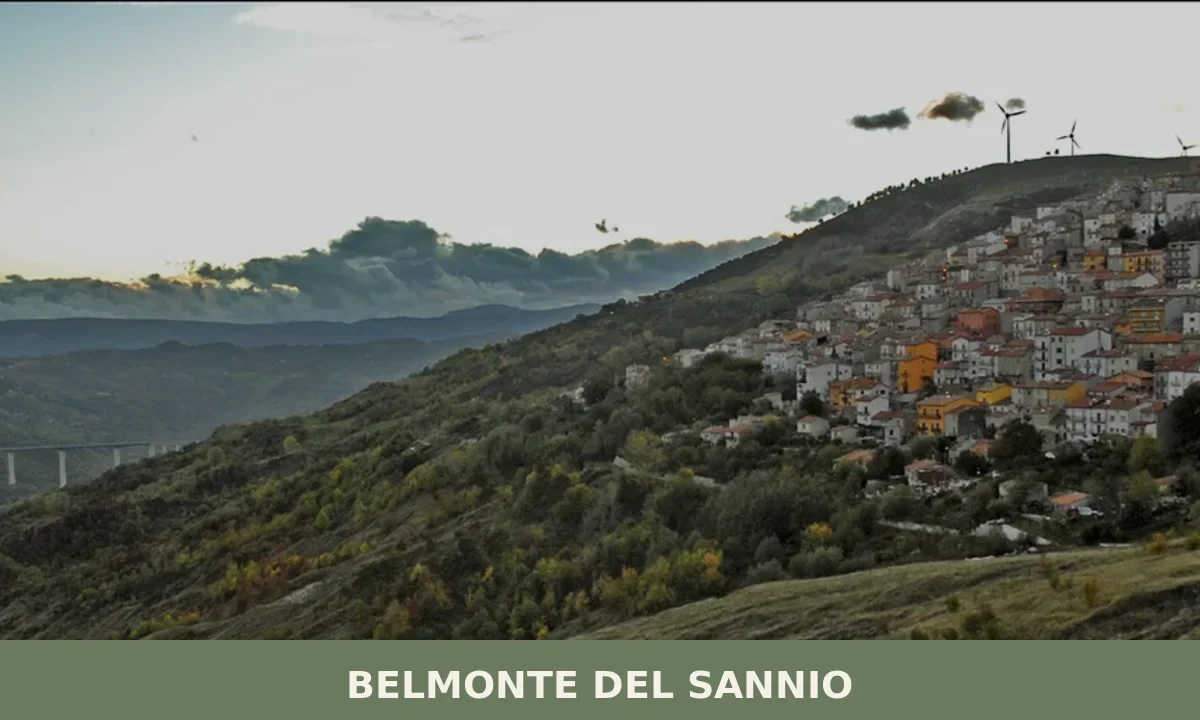
Belmonte del Sannio
 Mountain
A 610-inhabitant mountain community where Sannite fortifications meet medieval stone architecture. At 864 metres altitude, where ancient warfare and feudal domains left their mark.
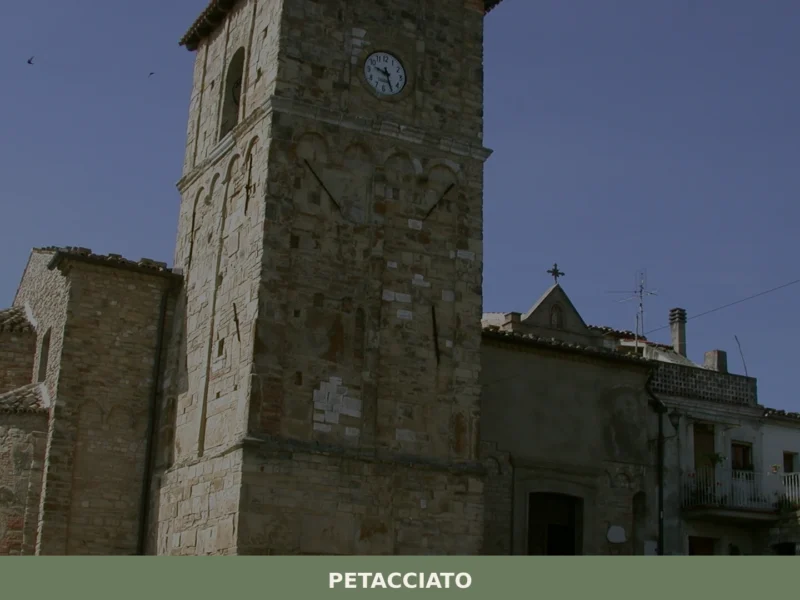
Petacciato
 Sea
Sea
Petacciato overlooks the Adriatic from the hills of Campobasso province. A guide to its historic centre, coastal beach, local food, and Molisan surroundings.
Duronia
Mountain
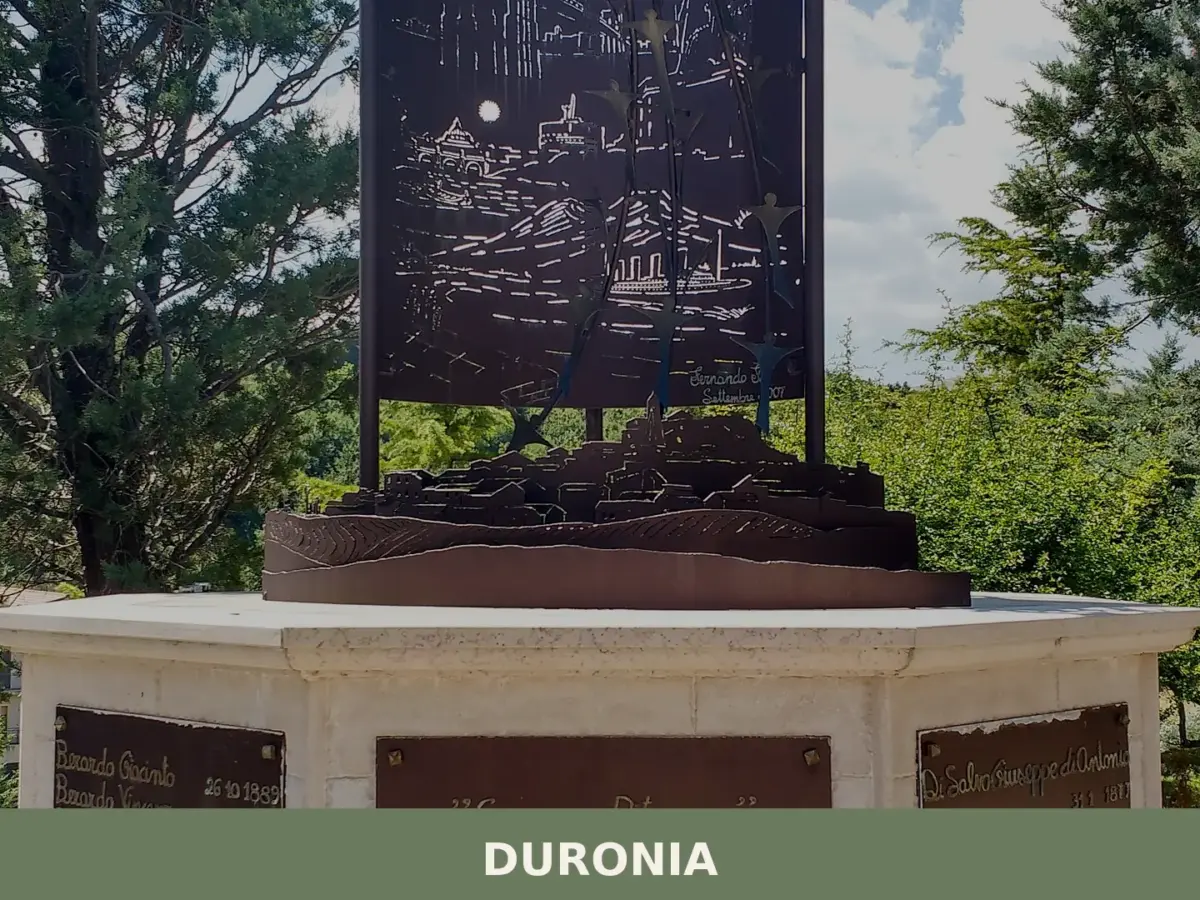
390 residents, 864 metres altitude, and a natural rock formation declared a regional monument — Duronia offers Samnite ruins, medieval stone and an ancient drovers' route.
Termoli
Sea
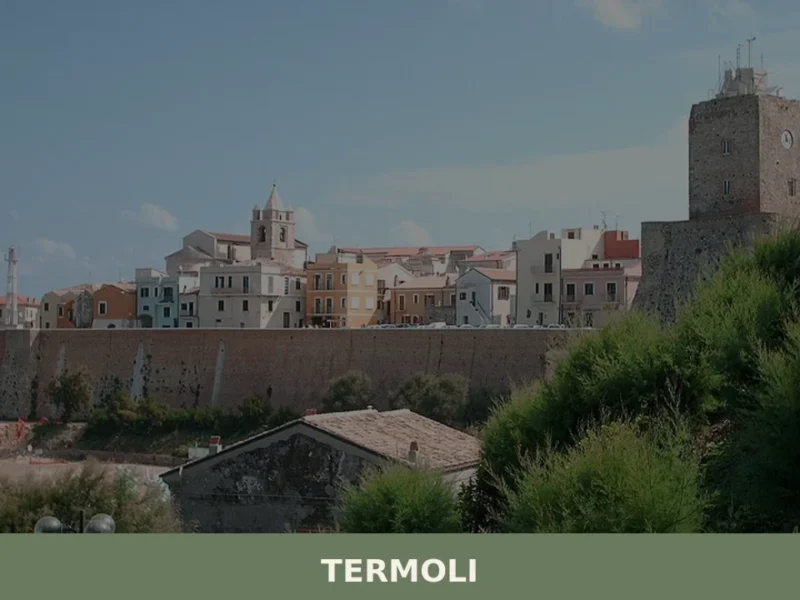
Salt air sharpens every breath along the stone ramparts at dawn, and the Adriatic below shifts between grey-green and pale blue as fishing boats throttle out from the harbour, trailing diesel and the promise of the day’s catch. Termoli — a working coastal town of roughly 32,000 people in the province of Campobasso — sits […]
Campodipietra
 Hills
Hills
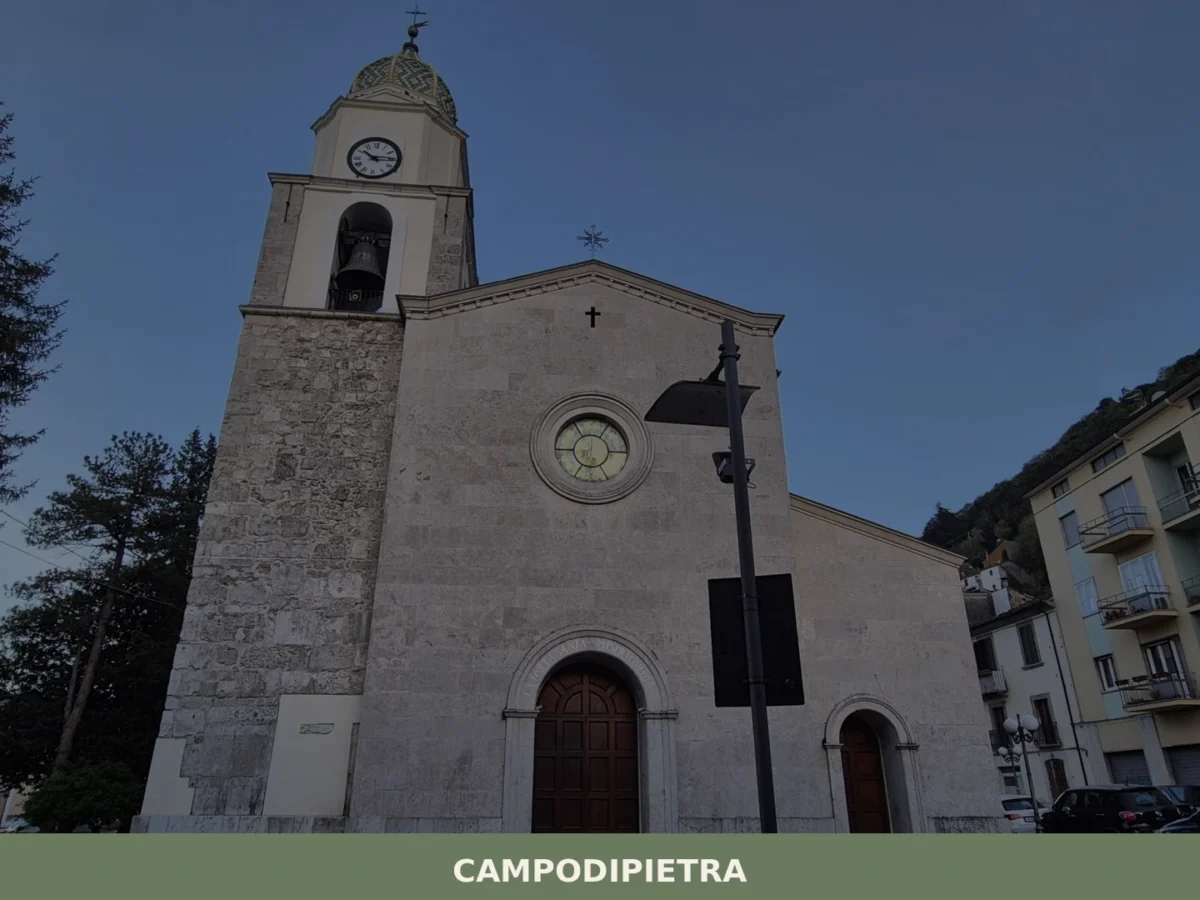
What to see in Campodipietra, Italy: 7 km from Campobasso, discover the 13th-century church of San Martino, medieval walls, and local Molise food traditions. Explore now.
Colli a Volturno
Hills
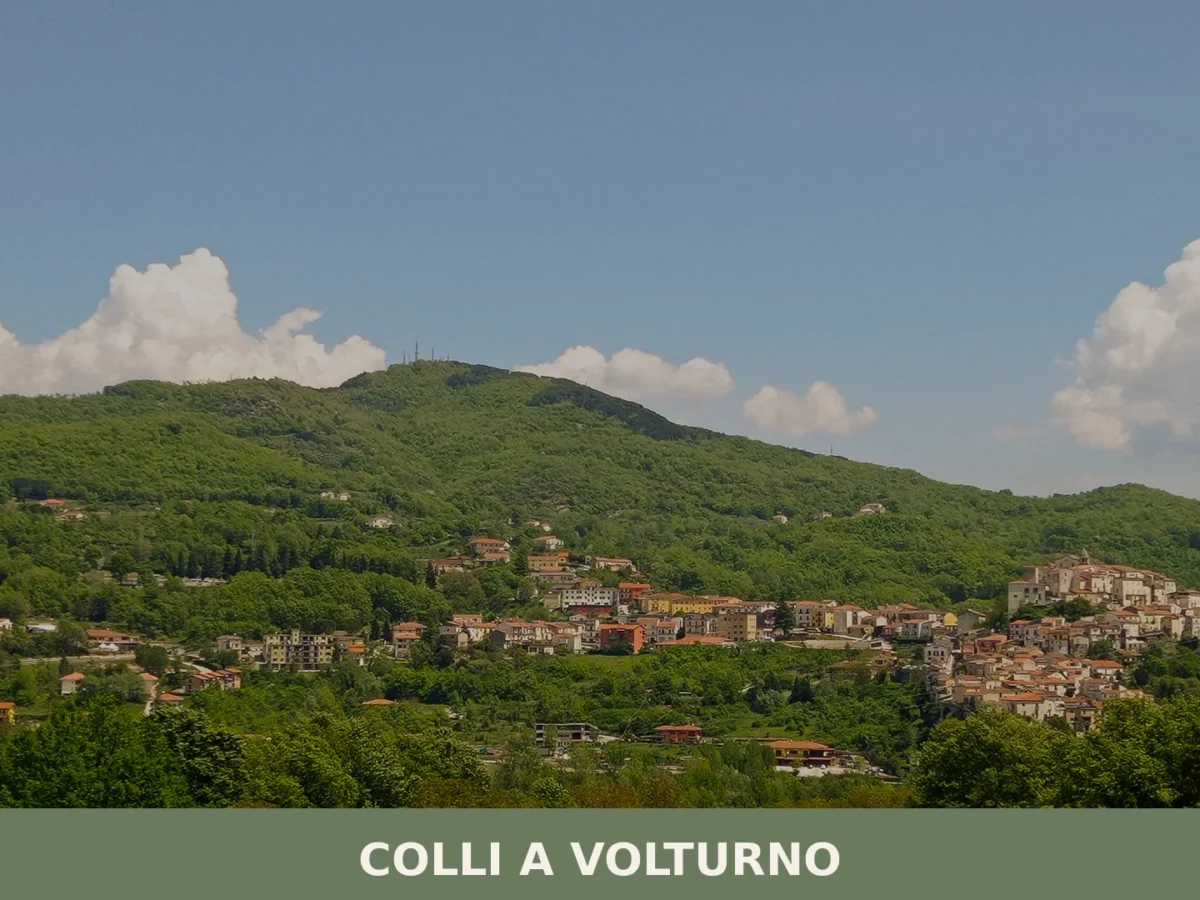
Colli a Volturno is a hillside comune of around 1,270 people in the province of Isernia, Molise, with Benedictine medieval origins, surviving castrum gates, and a landscape stretching across the Valle
Campobasso
Mountain
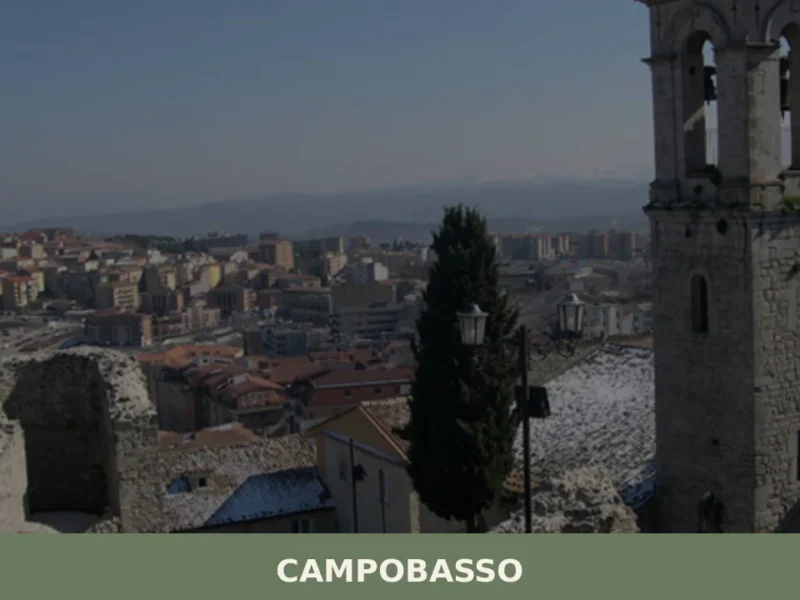
Campobasso is the regional capital of Molise, a city of around 47,547 residents at roughly 708 metres above sea level, where a medieval hilltop castle, Samnite archaeological collections and a vivid c
Acquaviva Collecroce
Hills
Discover Acquaviva Collecroce, a charming Croatian-speaking village in Molise, Italy. Explore its unique culture, history, traditions, and stunning landscapes.
Pietracupa
Mountain
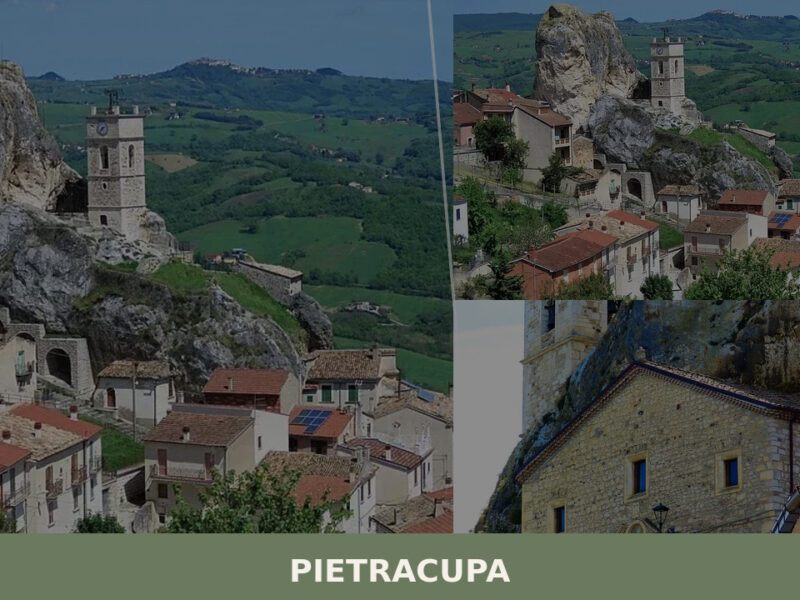
A 208-inhabitant village shaped by a massive rock outcrop in Molise's interior. Discover what to see in Pietracupa, from its grotto chapel to its silent panoramic ridgelines.
Palata
Hills
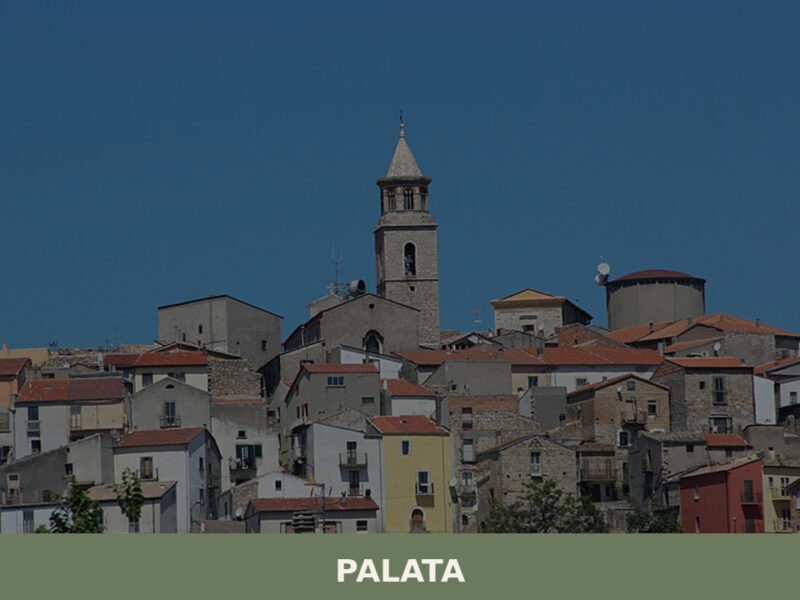
Palata is an inland Molise village at 472 metres in the province of Campobasso, shaped by earthquakes, Ottoman raids and a sixteenth-century Slavic resettlement still visible in its historic church.
🏡 Know Fornelli better than we do?
If you’re a local or have been there, your knowledge matters: add what’s missing or fix a detail on this page.