


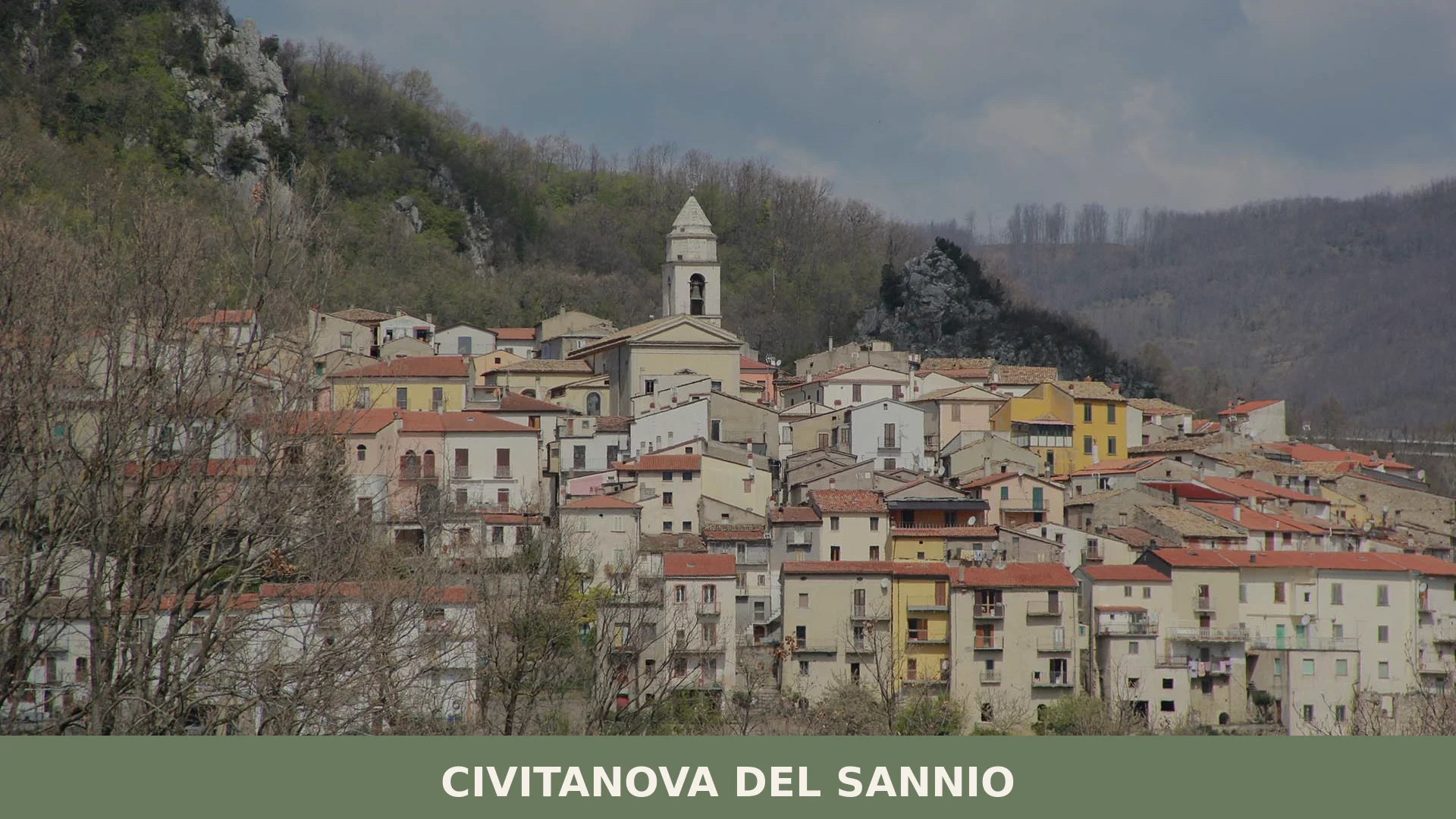

Civitanova del Sannio is a mountain commune of 874 inhabitants in the province of Isernia, Molise, with a documented history spanning from the tenth century through a rich succession of feudal lordshi
Discover Civitanova del Sannio
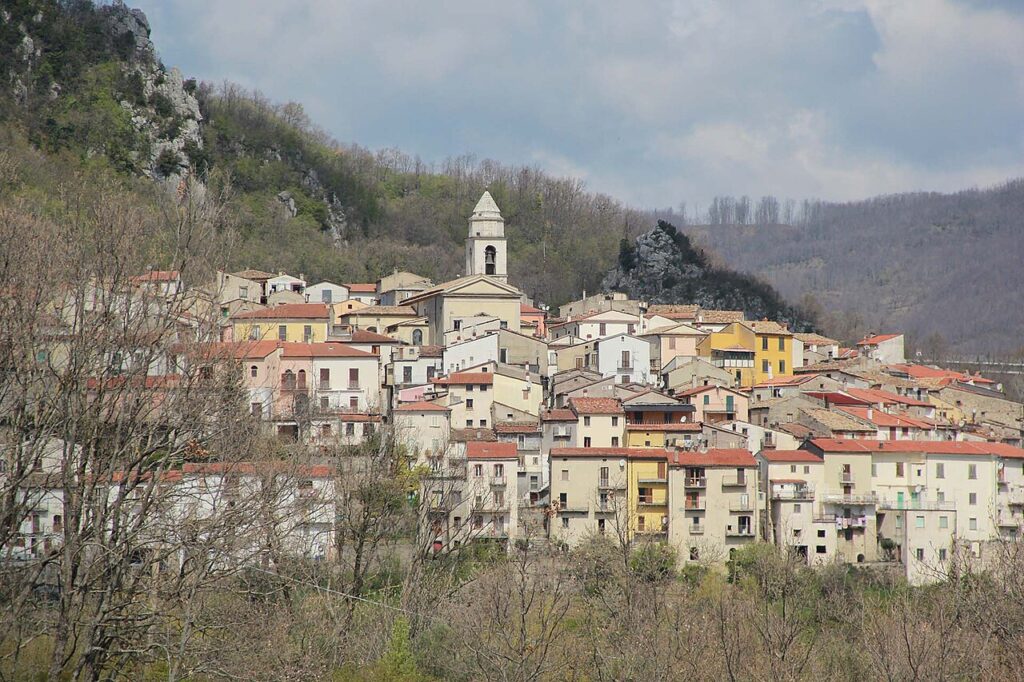
Civitanova del Sannio is a mountain commune of 874 inhabitants in the province of Isernia, Molise, sitting at 655 metres above sea level across a territory of roughly 55.94 square kilometres in the inner Apennine highlands. Its documented past reaches back to at least the early eleventh century, when Beraldo, count of Isernia, enlarged a Benedictine monastery recorded as S. Benedictus de iumento albo — “of the white beast of burden” — near Bagnoli, a foundation that gave the earliest community of the area its institutional anchor. The tradition of the village itself, however, places the formation of the inhabited nucleus in the tenth century, during the period of Lombard domination.
From medieval feudal disputes to Angevin and Aragonese lordships, from a Franciscan convent completed in the fifteenth century to a Benedictine monastery rediscovered by archaeologists in 2005, and from a prehistoric rock-art shelter along the ancient Lucera–Castel di Sangro drover’s road to the Romanesque outline of the church of San Silvestro Papa, the Civitanova del Sannio village in Molise rewards unhurried exploration by visitors drawn to authentic, largely unvisited corners of the Italian interior.
Civitanova del Sannio village in Molise: history and feudal heritage
Civitanova del Sannio is a medieval settlement in the mountainous interior of Molise whose documented history stretches from the early eleventh century through a long succession of feudal lords, beginning with Beraldo, count of Isernia, who in 1002 enlarged and restructured a Benedictine monastery known as S. Benedictus de iumento albo — “of the white beast of burden” — in the locality of Santa Brigida, a foundation that anchored the earliest community of the area. The inhabited nucleus itself is traditionally attributed to the tenth century, during the Lombard domination, when the neighbouring settlement of Civitavecchia (today Duronia) also took shape.
The twelfth century brought further documentation of lordship: Oderisio de Rigo Nigro held authority in the territory during the latter part of that century, and a dispute recorded in 1189 involved the lords Teodino, Rainaldo and Nicola against Ruggero, son of Riccardo di Mandra, over grazing rights belonging to the monastery of San Benedetto. Under the Angevins, King Charles I granted half of Civitanova to Ysnardo di Almacia in 1270; subsequent feudatories included Pietro Rodoico, who in 1275 appealed to the same king over a customary obligation — the Collecta pannorum — by which vassals were required to supply clothing to their lord. The barony passed through the families of Burlasca Roccafoglia, Landolfo d’Isernia as heir, and Angelo Santangelo across the early fourteenth century.
Under the Eboli dynasty, Civitanova remained a secondary holding — the family’s principal seat was Castropignano — yet local records capture moments of civic life, including a Franciscan convent of Sant’Antonio completed in 1437, and the erection in 1441 of a carved stone cross outside the town gate, commissioned by a citizen named Cola di Civitanova with the consent of the local Università. The Aragonese succession brought temporary disruption: the feud passed briefly to Paolo Di Sangro in 1443, reverted to the crown on his death in 1455, and was then restored to Andrea II d’Eboli by royal diploma of King Alfonso of Aragon in 1457. The final Eboli chapter closed in 1528, when Giovanni Vincenzo d’Eboli appeared among the barons declared rebellious to Emperor Charles V, with consequent forfeiture of estates. On 19 February 1864 the municipality formally adopted its present name, Civitanova del Sannio, distinguishing itself from older neighbouring settlements.
Beyond the feudal record, the territory preserves traces of far earlier human presence: in 2011, archaeologists identified the Morricone del Pesco, a rock shelter containing what are considered among the earliest examples of rupestrian art found in Molise, situated close to the village along the ancient droving road linking Lucera with Castel di Sangro.
Churches, a Benedictine monastery, and prehistoric rock art in Civitanova del Sannio
Civitanova del Sannio offers four historic churches, a partially restored Benedictine monastery in the locality of Santa Brigida, and a rock-art shelter discovered in 2011 along the ancient drove road connecting Lucera to Castel di Sangro.
Church of San Silvestro Papa
Built in the eleventh century and consecrated in 1569 by Alfonso Mariconda, bishop of Trivento, during a phase of Renaissance restoration, the church presents a rectangular plan with three naves. The façade is approached by a staircase with lateral entrances; the portal is notably large, occupying roughly half the façade and extending up to the central window, which is framed within a seventeenth-century surround. The bell tower is square in section. Inside, the coffered wooden ceiling is dated 1668.
Benedictine Monastery “De Jumento Albo”
The monastery — whose Latin epithet de iumento albo refers to a white pack animal — stands in the locality of Santa Brigida. It dates to the eleventh century and was directed from 1020 by the abbot Atenolfo of Montecassino. The complex remained in use until an earthquake in 1456 caused such damage that it was abandoned. Rediscovered by archaeologists in 2005, it is now accessible as an open archaeological area. The surviving fabric includes the perimeter walls of a rectangular plan with a partially intact rear apse. The church was a single nave. The bell tower, previously in ruin, has been rebuilt following the original layout using the technique of anastylosis. Inside, the ancient stone altar, the lateral loggias, and the presbytery area remain visible.
Church of San Rocco
This votive church was built through popular subscription in thanksgiving for the end of the 1656 plague. The statue of San Rocco is the work of an artist identified in the sources as Di Zinno.
Church of the Madonna del Carmelo
Originally the church of a Conventual monastery suppressed in the nineteenth century, the building was subsequently used for burials before being entirely reconstructed from the foundations. The interior walls and vaults were decorated with stucco work funded by local donations. The statue of the Madonna del Carmelo is by Amalia Dupré of Florence.
Morricone del Pesco
Identified in 2011, this rock shelter is one of the earliest known examples of rock art in Molise. It lies a short distance from the village centre, alongside the ancient Lucera–Castel di Sangro drove road. The painted figures include animal representations whose stylistic characteristics allow comparison with works from neighbouring regions, principally Puglia and Abruzzo, as well as broader Italian and European contexts. The iconography belongs to the artistic tradition of the late prehistoric, protohistoric, and historic periods.
Certified products and regional flavours around Civitanova del Sannio
The area around Civitanova del Sannio and the wider province of Isernia is represented by a cluster of certified products, including the DOP-designated Caciocavallo Silano, Molise cheese, Mozzarella di Bufala Campana, Ricotta di Bufala Campana, and Salamini italiani alla cacciatora, alongside the IGP-classified Vitellone bianco dell’Appennino Centrale. None of these are exclusive to the commune itself, but they define the food culture of the territory that surrounds it.
Local production traditions acknowledged at regional level include a range of spirits and cured meats: among the former, the Amaro molisano, Nocino, and the Poncio and Poncio al caffè; among the latter, Capocollo, Ciccioli (locally known as Cigoli), and Coppa (Capofreddo). These are PAT-listed products of Molise, cited here as part of the broader territorial heritage rather than as specialities specific to Civitanova.
The vineyards of the surrounding zone produce wines under three DOC appellations — Pentro di Isernia (also labelled simply Pentro), Tintilia del Molise, and Biferno — as well as under the IGT designations Osco/Terre degli Osci and Rotae. The Tintilia, made from an indigenous Molisan grape variety, is perhaps the most distinctively local of these labels.
Reaching Civitanova del Sannio and planning your visit
Civitanova del Sannio sits at 655 metres in the inner mountains of the province of Isernia, and the most practical base for arrival by road is Isernia, roughly 35 kilometres away and reachable in approximately 45 minutes by car. From Campobasso the drive covers approximately 75 kilometres and takes around 1 hour and 20 minutes; from Agnone, a hill town of comparable altitude to the south-east, the distance is approximately 30 kilometres, or about 40 minutes along mountain roads.
| Departure | Distance | Time |
|---|---|---|
| Isernia | approx. 35 km | approx. 40 min |
| Agnone | approx. 25 km | approx. 30 min |
| Campobasso | approx. 70 km | approx. 1 hour |
The commune covers 55.94 square kilometres of internal mountain terrain and has a resident population of 874. ISTAT classifies it as a non-tourist commune, which in practical terms means limited accommodation infrastructure in the village itself; visitors are advised to book lodging in Isernia or one of the larger nearby centres and treat Civitanova as a day destination. The 90-kilometre Cammino delle Chiese campestri passes through this territory, and walkers following that route will want to allow more than a single day for the broader area.
Spring and early autumn offer the most agreeable conditions for exploring the village and its surroundings, when the mountain climate is mild and the landscape is at its most open. The two principal feast days — San Bernardino da Siena on 20 May and San Felice Martire across 28–30 August — give visitors a reason to time a visit around local celebration. The nearby village of Bagnoli del Trigno lies within the same mountain district and can be combined naturally with a visit to Civitanova for those exploring the inner Sannio over several days.
Frequently asked questions about Civitanova del Sannio
When is the best time to visit Civitanova del Sannio?
May is ideal, coinciding with the patron saint feast of San Bernardino on May 20th, which features traditional celebrations. Summer offers pleasant mountain weather for hiking and exploring the Apennine highlands. Autumn provides comfortable temperatures and fewer crowds. Winter can be cold at 655 metres elevation. Spring wildflowers and local festivals make it particularly rewarding for cultural visitors seeking authentic experiences.
What is the patron saint of Civitanova del Sannio and when is the feast celebrated?
San Bernardino da Siena is the patron saint, with the feast day celebrated on May 20th annually. This traditional celebration draws locals and visitors to experience authentic Molise mountain village customs. The festival provides an excellent opportunity to immerse yourself in regional culture, sample local cuisine, and participate in religious and community traditions unique to this corner of the Italian interior.
How long should I plan to spend visiting Civitanova del Sannio?
A half-day visit allows exploration of San Silvestro Papa church and the village centre. A full day enables visits to the fifteenth-century Franciscan convent, the rediscovered Benedictine monastery site, and the prehistoric rock-art shelter along the ancient Lucera–Castel di Sangro drover's road. Two days permit leisurely exploration of the surrounding Apennine landscape and nearby attractions in the province of Isernia.
What historical period is Civitanova del Sannio's origin traditionally dated to?
Local tradition places the inhabited nucleus formation in the tenth century during Lombard domination. However, documented evidence extends back to at least the early eleventh century when Count Beraldo of Isernia enlarged a Benedictine monastery called S. Benedictus de iumento albo near Bagnuolo. This monastery provided the institutional foundation for the earliest community settlement in the area.
What prehistoric and medieval sites can visitors explore near Civitanova del Sannio?
A prehistoric rock-art shelter exists along the ancient Lucera–Castel di Sangro drover's road, offering insight into pre-historic habitation. A Benedictine monastery was archaeologically rediscovered in 2005. The fifteenth-century Franciscan convent and the Romanesque church of San Silvestro Papa represent medieval religious architecture. These sites document the village's continuous cultural significance from prehistoric times through feudal periods to the Renaissance.
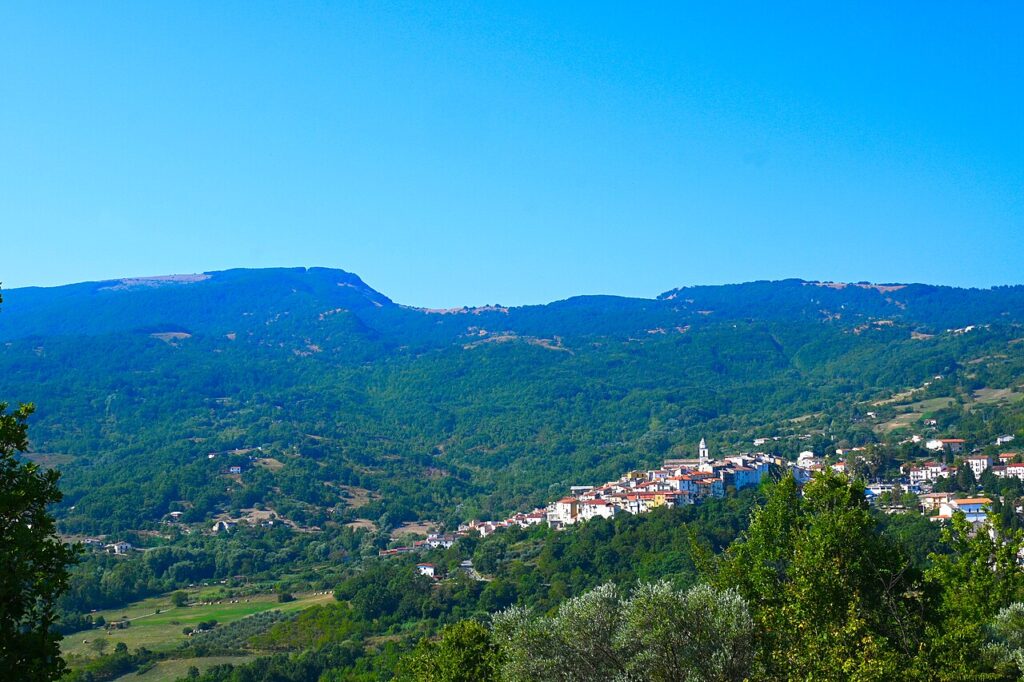
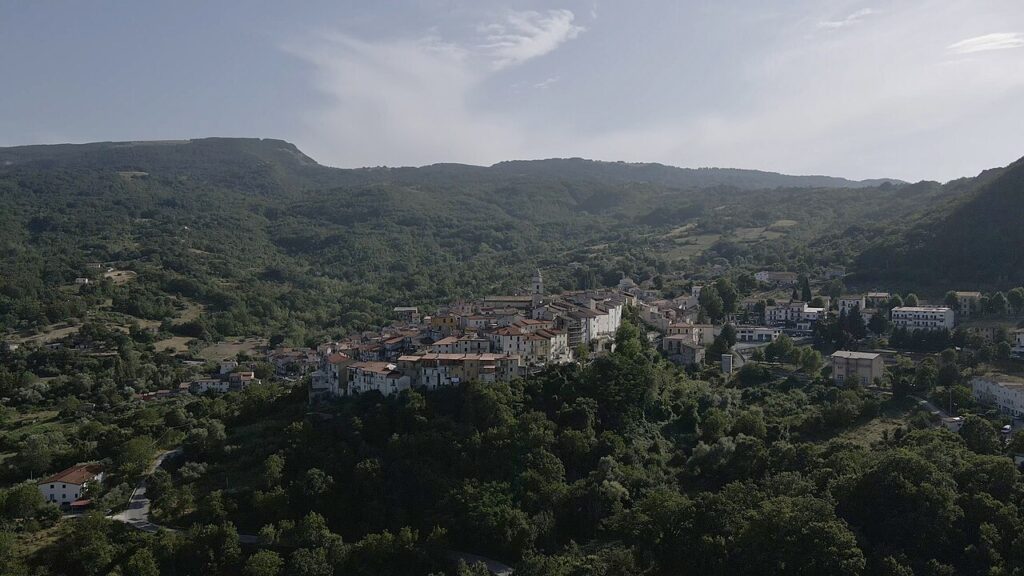
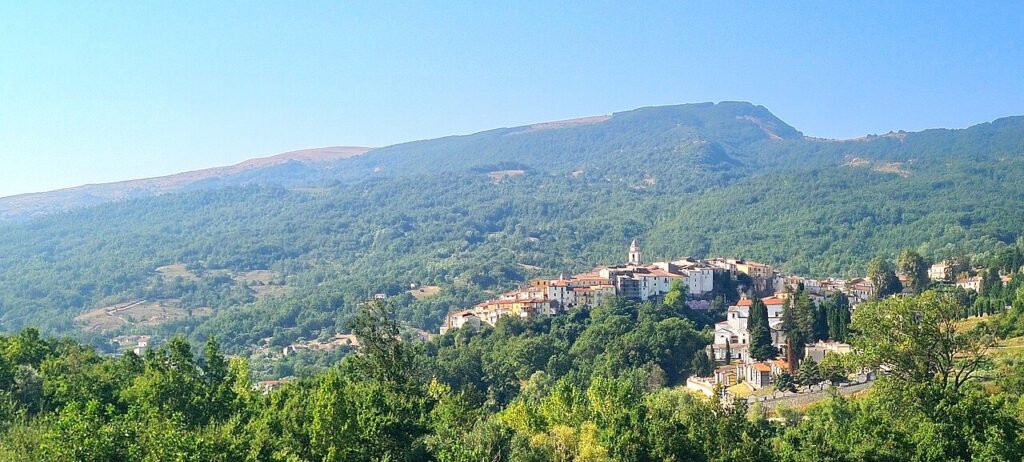
📷 Photo Gallery — Civitanova del Sannio
In Molise More villages to discover
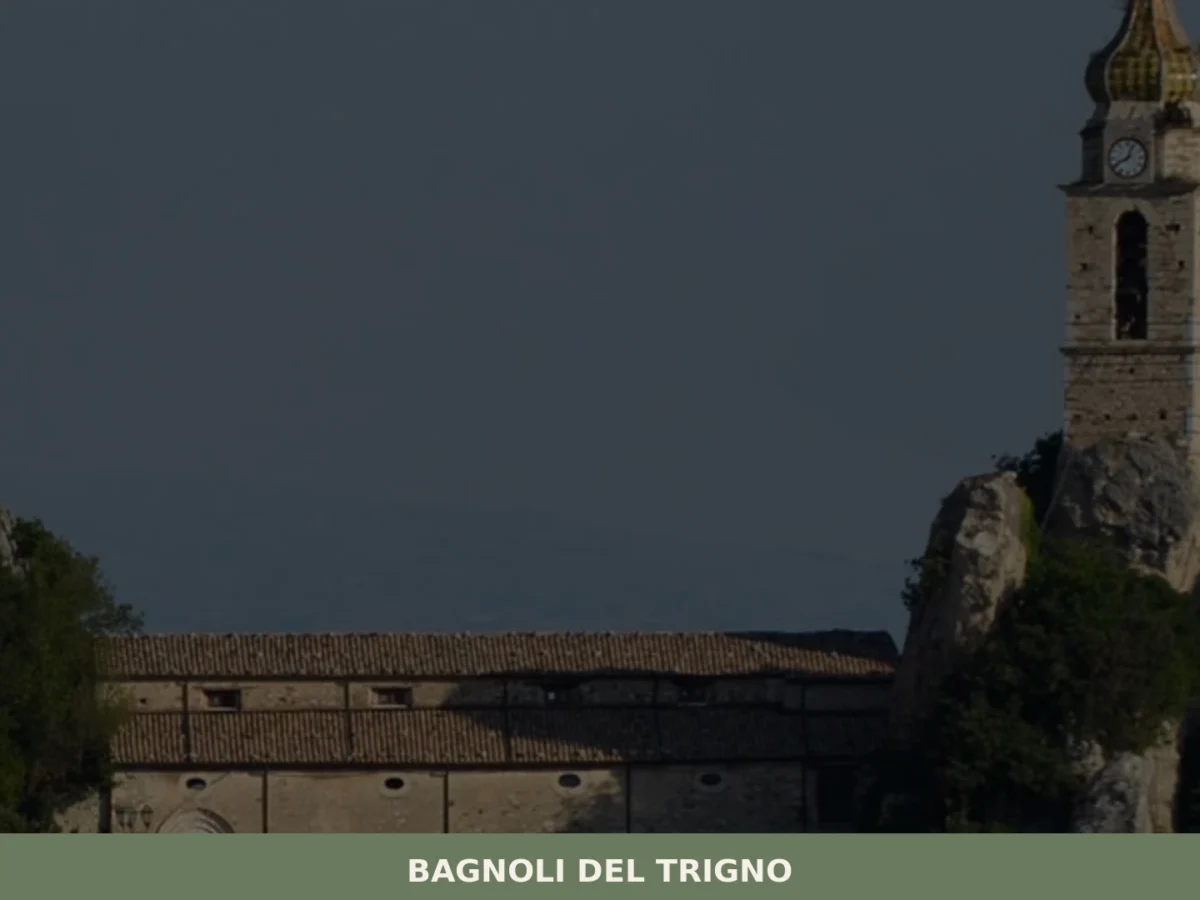
Bagnoli del Trigno
 Mountain
Discover what to see in Bagnoli del Trigno: medieval streets, parish churches, Trigno valley landscapes and upland food traditions in the Province of Isernia, Molise.
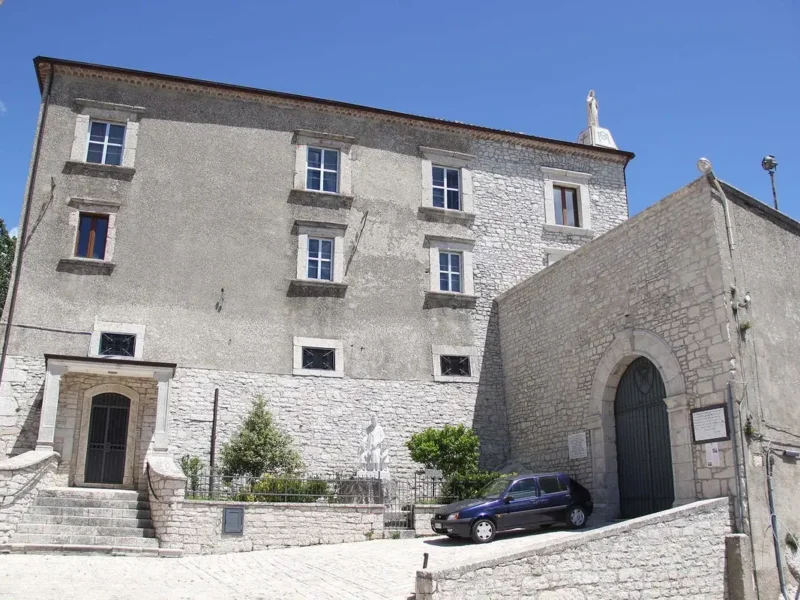
Cercemaggiore
Mountain
Cercemaggiore is a hilltop village in inland Molise, sitting at around 945 metres above sea level with a landscape of oak woodland, grazing land, and long Apennine ridgelines.
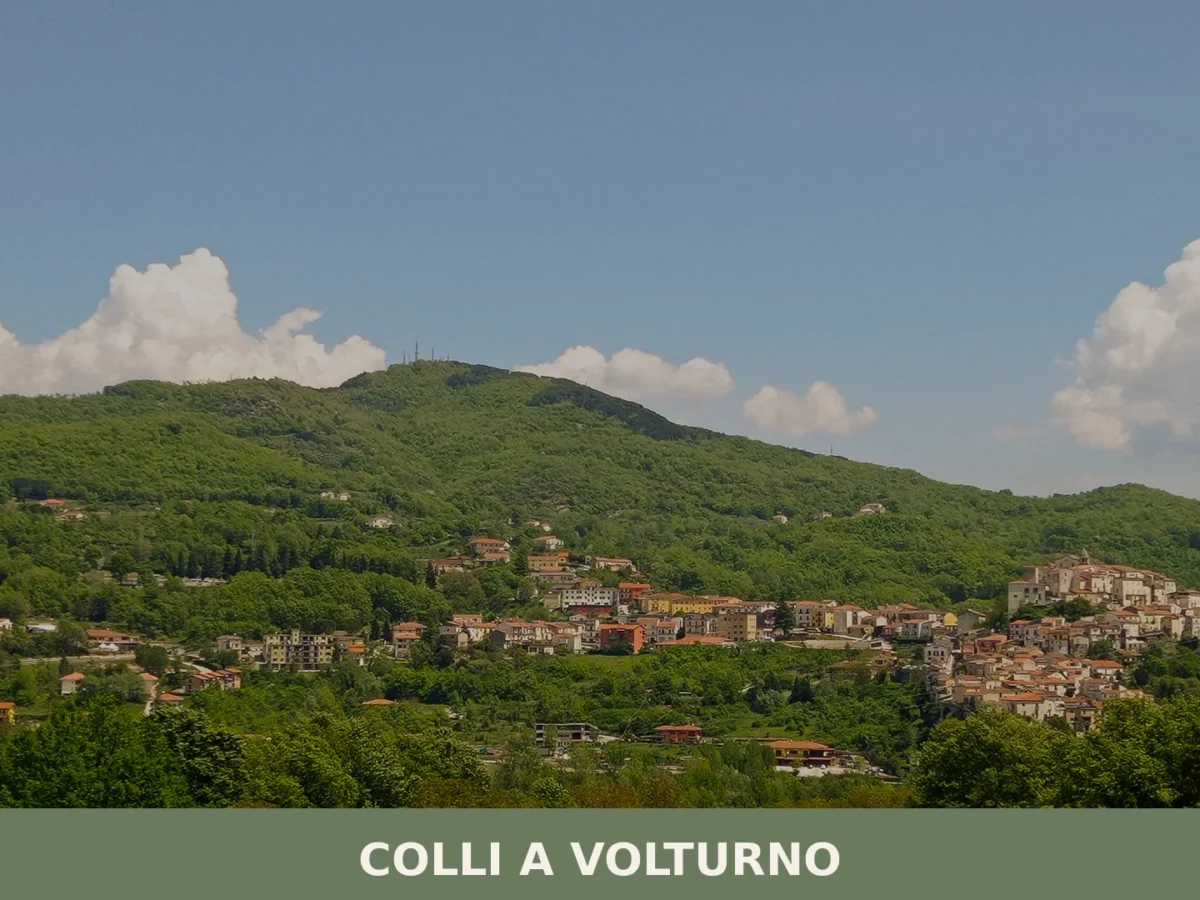
Colli a Volturno
 Hills
Hills
Colli a Volturno is a hillside comune of around 1,270 people in the province of Isernia, Molise, with Benedictine medieval origins, surviving castrum gates, and a landscape stretching across the Valle
Vinchiaturo
Mountain
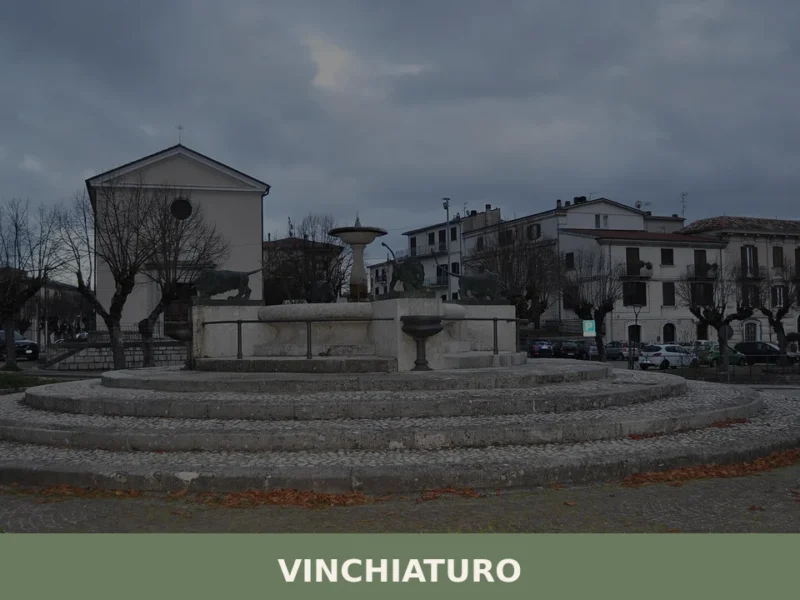
Morning mist settles into the valley below as church bells mark the hour from somewhere above the rooftops. At 620 metres above sea level, the air in Vinchiaturo carries a sharpness that cuts through the warmth of Molise’s interior hills. With just over 3,300 inhabitants, this is a village where the rhythm of daily life […]
Bonefro
Mountain
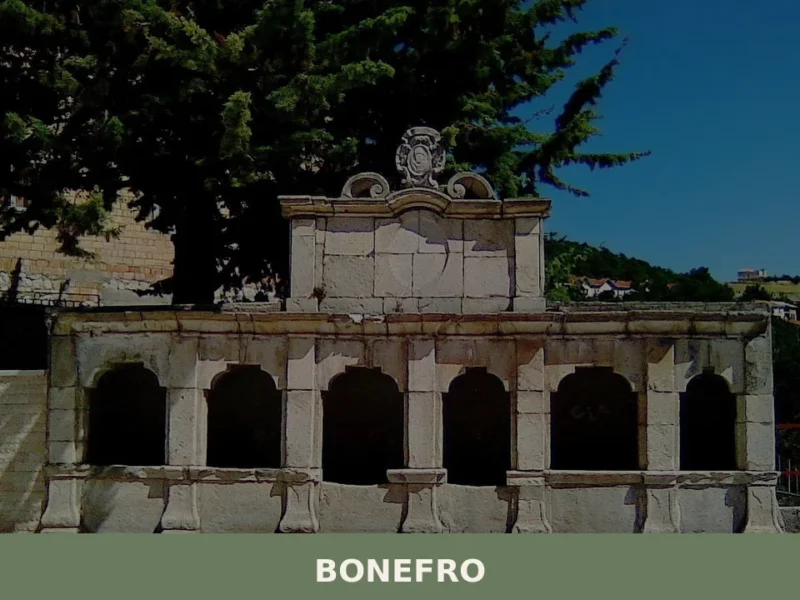
A hilltop village of 1,201 inhabitants in Campobasso province, Bonefro preserves a layered historic centre, a medieval castle, and centuries-old fountains across the quiet ridges of eastern Molise.
Acquaviva Collecroce
Hills
Discover Acquaviva Collecroce, a charming Croatian-speaking village in Molise, Italy. Explore its unique culture, history, traditions, and stunning landscapes.
Campomarino
 Sea
Sea
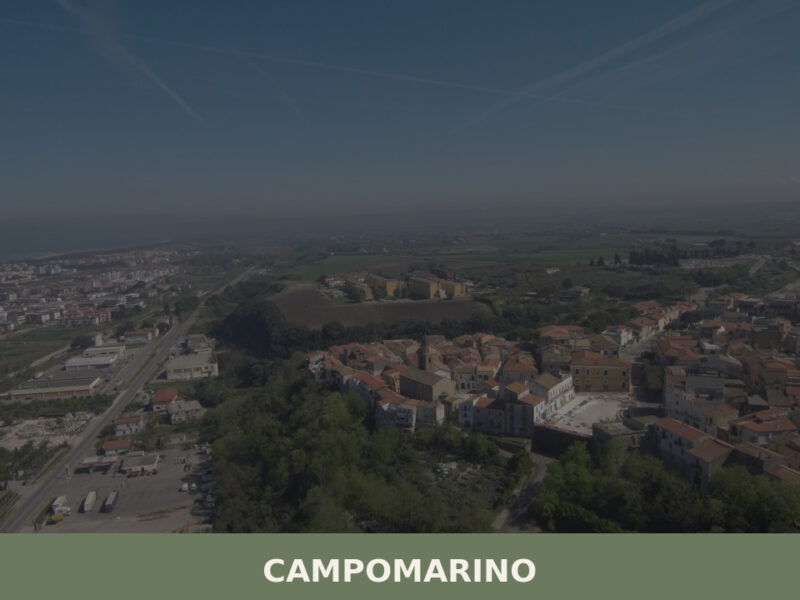
Campomarino straddles a Molise hilltop and the Adriatic shore. Explore its Arbëreshë heritage, three historic churches, and the unspoiled coast of Campomarino Lido.
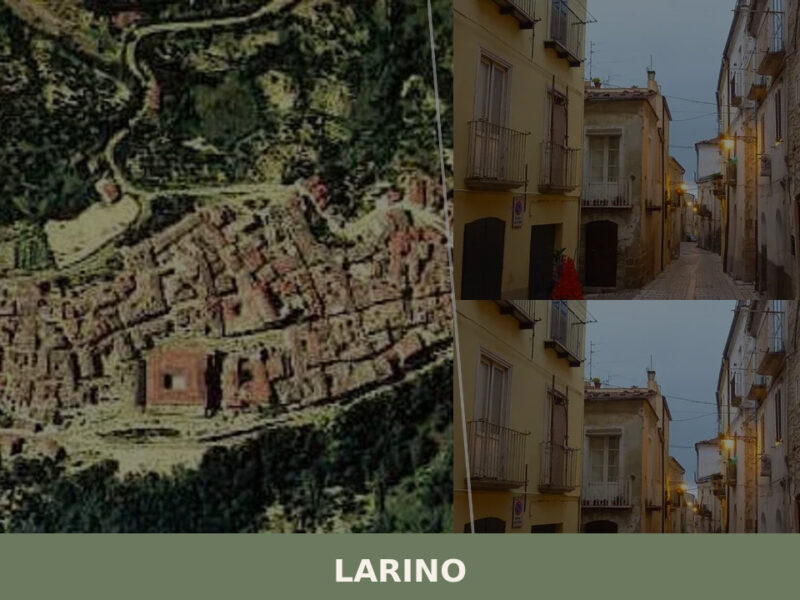
Larino
Hills
A layered town of Roman ruins and medieval stone in the Molisan countryside. Here is everything to see in Larino, from its amphitheatre to the Festa di San Pardo.
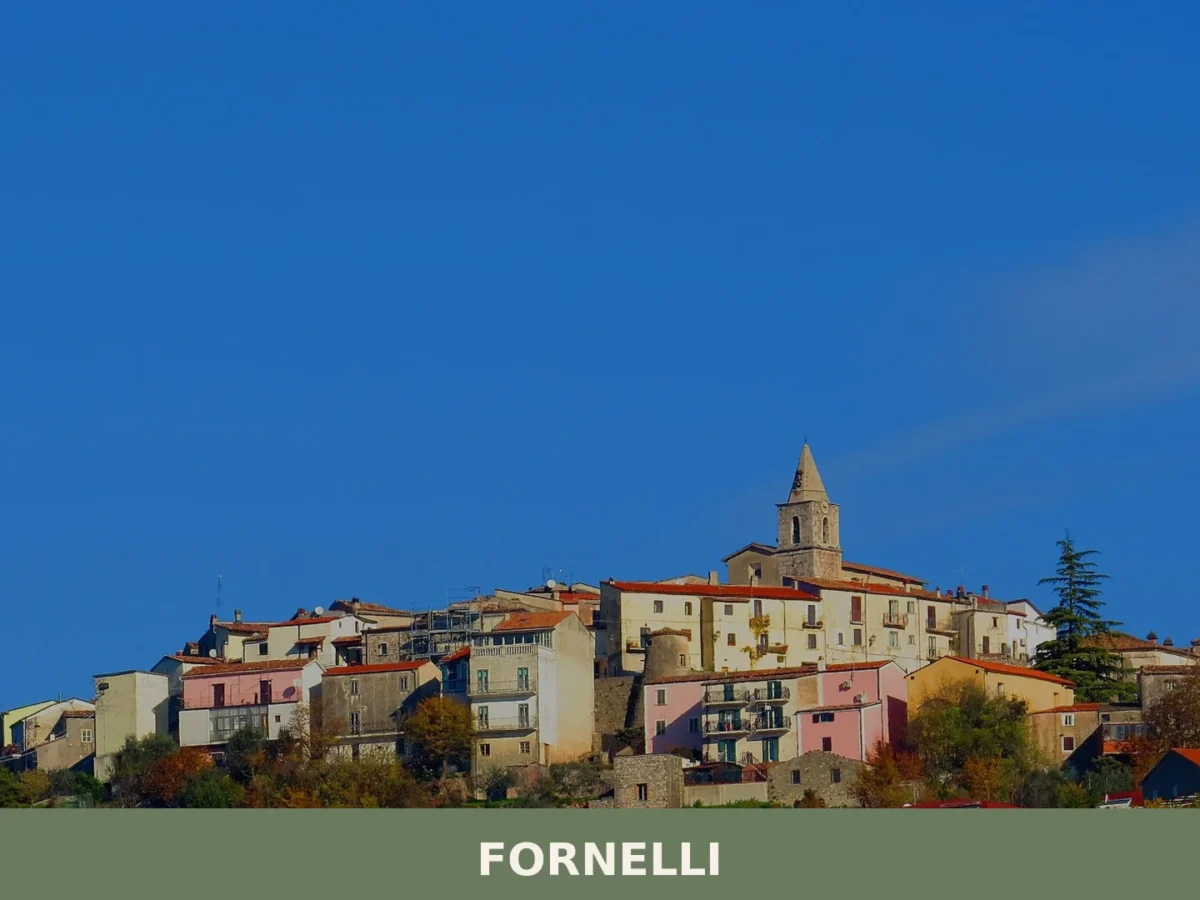
Fornelli
Hills
Around 1,800 residents and a medieval castle with monumental portal: Fornelli rewards visitors with an intact historic centre and a moving Resistance heritage.
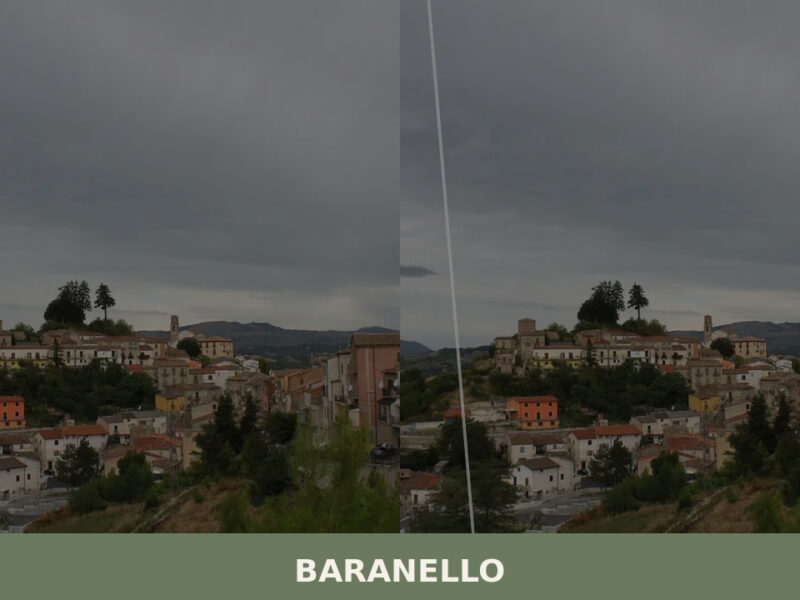
Baranello
Mountain
A documentary guide to Baranello in Molise — its civic museum, medieval churches, castle, and the quiet rhythms of an overlooked Italian hill village.




🏡 Know Civitanova del Sannio better than we do?
If you’re a local or have been there, your knowledge matters: add what’s missing or fix a detail on this page.