


Corleto Perticara
 Mountain
What to see in Corleto Perticara, Basilicata, Italy: explore 5 top attractions, local food and festivals. Discover this Potenza province village at 680 m altitude.
Discover Corleto Perticara
The road into Corleto Perticara rises steadily through the Apennine interior of Basilicata, the landscape thinning from oak forest to open ridge as the elevation climbs toward 680 m (2,231 ft). Seven comuni share a boundary with this town — Armento, Gorgoglione, Guardia Perticara, Laurenzana, Montemurro, Pietrapertosa and Viggiano — each separated by valleys that carry no through traffic. The settlement announces itself in stone, the oldest fabric of the centre holding the compressed geometry of a hill commune built for defence and density, not for passage.
Deciding what to see in Corleto Perticara starts with understanding the town’s position in the province of Potenza, roughly in the geographic centre of the Basilicata region of southern Italy.
The comune sits at an altitude where summer temperatures remain noticeably cooler than the Ionian coast 60 km (37 mi) to the east, giving the town a distinct seasonal character. Visitors to Corleto Perticara find a historic centre of documented medieval origin, a number of ecclesiastical buildings that span several centuries, and a culinary tradition rooted in the agro-pastoral economy of the Apennine interior. The Corleto Perticara highlights include its relationship with the surrounding comuni, each reachable within a short drive, and the town’s own twin-town link with Poggibonsi in Tuscany, which reflects a broader civic identity beyond the immediate territory.
History of Corleto Perticara
The name Corleto derives from the Latin corylus, the hazel tree, a reference to the woodland that once covered these Apennine slopes. The second element, Perticara, is territorial in origin and serves to distinguish this comune from other settlements sharing the Corleto root — a naming convention common across medieval southern Italy, where towns acquired suffixes tied to local landowners, geographical features or administrative districts. In the local Corletano dialect, the town is called Curléte, a phonetic compression that drops the documentary formality of the official Italian toponym while preserving its botanical origin.
The settlement’s documented history follows the pattern of many Lucanian comuni, developing through the feudal period under the control of successive noble houses who administered the territory as part of the Norman and later Angevin and Aragonese systems of southern governance.
The surrounding comuni — including Abriola, which shares the same broader Potenza provincial hinterland — also carry this layered feudal imprint, their boundaries largely unchanged since the reorganisation of the Kingdom of Naples. Agricultural land, water rights and grazing routes determined the economic life of Corleto Perticara through the medieval and early modern periods, with the town functioning as a local market centre for the surrounding highland communes.
In the modern period, Corleto Perticara acquired a specific civic distinction through its twin-town relationship with Poggibonsi in the Tuscan province of Siena — a formal bond that connects two towns of markedly different geographical and economic character, one in the Apennine south and one in the Chianti corridor of central Italy. The town has also produced figures who left the immediate territory: Jack Bonadies, an American football player, is among the notable people of Corletano origin, reflecting the emigration history that shaped many southern Italian comuni during the twentieth century. That emigration formed a diaspora community that maintained ties with the town of origin, a pattern documented across the province of Potenza.
What to see in Corleto Perticara, Basilicata: top attractions
The Historic Centre and Medieval Street Layout
The oldest part of Corleto Perticara occupies the upper section of the ridge at approximately 680 m (2,231 ft), where the street plan reflects the condensed logic of a hill settlement that grew without flat ground to spare.
Narrow lanes connect at irregular angles, and the stone buildings present thick exterior walls that absorb and release heat slowly — a practical response to an Apennine climate with cold winters and warm, dry summers. Walking the centre, a visitor reads the building materials directly: local limestone and rubble masonry plastered in earth tones, with timber lintels over doorways that have been replaced multiple times over centuries. The best approach is on foot from the lower parking areas, working uphill through the older residential fabric before reaching the more open spaces around the main ecclesiastical buildings.
The Parish Church
The principal church of Corleto Perticara occupies a dominant position in the upper centre, as is standard for Lucanian hill communes where the religious building provided the spatial and symbolic anchor of civic life. The structure contains decorative elements accumulated over several centuries of modification, renovation and local patronage, the interior reflecting the layered practice of a working parish rather than a preserved monument. Stone carving around the portal and the bell tower’s relationship to the surrounding roofline give the exterior a clear vertical emphasis that is visible from the approach road.
Visiting in the morning, when the light falls on the facade from the east, reveals the surface texture of the stonework most clearly.
Views Toward the Seven Bordering Comuni
From the upper edge of the settlement, the terrain drops away to reveal the valleys separating Corleto Perticara from its seven neighbouring comuni: Armento, Gorgoglione, Guardia Perticara, Laurenzana, Montemurro, Pietrapertosa and Viggiano. Each lies within roughly 15–25 km (9–15 mi) by road, though the straight-line distances across the intervening ridges are shorter. The view identifies the scale of the Apennine interior — broad, sparsely settled, with forest on the upper slopes and cultivated land in the valley floors. For anyone planning to visit what to see in Corleto Perticara on a day circuit, this vantage point provides a practical orientation: Pietrapertosa, the highest comune in Basilicata at 1,088 m (3,570 ft), is visible to the north on clear days, its cliff-face settlement distinct against the rock.
The Communal Architecture of the Town Square
The main square of Corleto Perticara functions as the social and administrative centre of the comune, flanked by the municipal buildings that consolidate local governance in a single civic space — a configuration established formally after Italian unification in 1861 when the southern comuni were reorganised under the new national administrative structure.
The square’s paving, the dimensions of the open space, and the relationship between the public buildings and the surrounding residential fabric all reflect decisions made and revised over more than 150 years of municipal management. It is worth arriving here in the early evening, when residents use the space for the daily passeggiata, the customary evening walk that remains a social institution in southern Italian towns of this scale.
The Surrounding Landscape and Connection to Viggiano
Corleto Perticara borders Viggiano directly, a comune of considerable regional significance as the site of one of Basilicata’s most documented Marian sanctuaries, the Black Madonna of Viggiano, whose processional tradition draws participants from across the region twice annually. The landscape connecting the two comuni — approximately 12 km (7.5 mi) by road — passes through open Apennine terrain at elevations above 600 m (1,969 ft), with views across the Val d’Agri basin.
Travellers investigating what to see in Corleto Perticara frequently extend their circuit to include Viggiano, adding the sanctuary and its processional route to a visit that already covers the Corletano historic centre. The combination represents a full day of movement through the Potenza province interior without retracing any significant distance.
Local food and typical products of Corleto Perticara
The food culture of Corleto Perticara belongs to the broader culinary tradition of the Potenza province interior, a highland zone where the economy was historically based on sheep farming, cereal cultivation and the seasonal movement of livestock between upland summer pastures and lowland winter grazing areas. This transumanza, the practice of seasonal livestock migration, defined what ingredients were available at different times of year and shaped a kitchen built around preserved meats, dried pulses, hard wheat pastas and aged cheeses. The relative isolation of the Apennine comuni meant that local production supplied most dietary needs, with olive oil and wine arriving from lower-altitude zones through established trade routes.
Typical preparations in Corleto Perticara follow patterns common to highland Basilicata, where technique compensates for limited variety with extended cooking times and careful use of fat, salt and heat.
Lagane e ceci, a wide flat pasta made from hard wheat flour and served with chickpeas cooked in water with garlic and local dried chilli, is one of the oldest documented preparations of the region, its name deriving from the Latin laganum and its form unchanged over centuries. Pignata, a slow-cooked lamb or mutton stew prepared in a terracotta vessel of the same name, uses the whole secondary cuts of the animal — shoulder, neck, offal — braised with local vegetables and wild herbs over a low fire for several hours until the connective tissue breaks down completely into the broth. Soppressata, a pressed pork salame seasoned with sweet and hot dried peppers, is produced domestically in many households following the annual winter pig slaughter, with the ratio of fat to lean meat and the degree of chilli heat varying by family practice.
No certified DOP or IGP products are specifically attributed to Corleto Perticara in the available documentation. The town’s food production falls within the wider Basilicata agro-pastoral tradition, and several regional products — including the Pecorino di Filiano DOP, an aged sheep’s milk cheese produced in the Potenza province area — are found across the highland comuni of the region, though the specific municipalities of production are defined by the certification’s disciplinary rules and Corleto Perticara is not among the listed production zones for that particular product.
Locally produced goods — cured meats, dried pulses, chilli preparations and aged cheeses made by individual producers — are most reliably available at the weekly market and during the town’s annual festivals.
Visitors looking to purchase directly from producers will find autumn the most practical season, when the agricultural calendar converges with the harvest of pulses and the early stages of the curing season for pork products.
Festivals, events and traditions of Corleto Perticara
The principal religious festival of Corleto Perticara is tied to the local patron saint’s feast day, which anchors the annual calendar of public celebrations in the town. As in most southern Italian comuni of comparable size, the feast involves a formal procession carrying the statue of the patron through the streets of the historic centre, accompanied by a brass band, followed by a public mass and, in the evening, a fireworks display over the ridge. The banda, the municipal brass ensemble, plays both the processional pieces during the religious sections and popular music in the evening piazza concert that follows the liturgical programme.
Beyond the patron saint’s feast, Corleto Perticara participates in the broader cycle of Lucanian agricultural festivals that mark the end of the harvest season in late summer and early autumn.
These events, locally organised as sagre — traditional food festivals centred on a specific local product — provide occasions where domestic food production is displayed and shared publicly. The town’s position within a network of seven bordering comuni means that the festival calendar of the surrounding area offers continuous activity from June through September, with neighbouring towns including Brienza and Castronuovo di Sant’Andrea each holding their own documented summer events within the same provincial circuit.
When to visit Corleto Perticara, Italy and how to get there
The best time to visit Basilicata’s Apennine interior, including Corleto Perticara, falls between late May and early October. June and September offer the most practical conditions: temperatures at 680 m (2,231 ft) remain between 18–26°C (64–79°F) during the day, the roads are clear of winter weather, and the festival calendar is active. July and August bring the highest visitor numbers to the region overall, though the highland comuni remain significantly less crowded than the coastal areas of the Ionian and Tyrrhenian shores. Winter visits are possible but the internal Apennine roads can be affected by snow and ice from December through February, and many smaller shops and services operate reduced hours.
Getting to Corleto Perticara by car from the nearest major hub: from Rome, the most direct route covers approximately 310 km (193 mi) via the A2 Autostrada del Mediterraneo motorway, with the exit at Sicignano degli Alburni or Padula-Buonaromano providing access to the SS103 and then the provincial roads leading northeast into the Potenza province interior — total drive time is approximately 3 hours 30 minutes under normal conditions, making a day trip from Rome feasible but long.
From Naples, the distance reduces to approximately 190 km (118 mi), achievable in around 2 hours 30 minutes, placing Corleto Perticara within realistic day-trip range of the Campanian capital. The nearest train station with regular service is at Potenza Centrale, approximately 45 km (28 mi) to the northwest, from which a car hire or taxi is necessary to reach Corleto Perticara, as no direct bus service runs between the station and the comune on a reliable schedule. The nearest commercial airport is Bari Karol Wojtyła Airport, located approximately 155 km (96 mi) to the east, with a drive time of around 2 hours via the SS407 Basentana and the provincial network. International visitors should note that English is rarely spoken in smaller shops and local bars in the Corleto Perticara area; carrying sufficient euro cash is practical, as card payment infrastructure in smaller highland comuni can be unreliable.
Those driving the internal circuit of the Potenza province will find that Corleto Perticara connects naturally with the surrounding bordering comuni as a series of linked stops rather than an isolated destination. The road network across this part of Basilicata is entirely navigable by standard car, though mountain roads require attentive driving, particularly on the tighter bends of the provincial routes between the valley floors and the ridge settlements. The village of Castelluccio Superiore, further west in the province, represents an extension of this type of Apennine highland itinerary for visitors prepared to cover more ground across the region.
🚶 Religious routes in Basilicata
- Via Francigena · 1970 km
- Cammino Basiliano · 1535 km
- Cammino Materano – Sei vie di fede nel Sud Italia · 430 km
- Percorso antico della fede Madonna del Pollino · 186 km
- Cammino della Madonna Nera · 52 km
Source: Italian Ministry of Tourism, open data 2024
In Basilicata More villages to discover
Armento
Mountain
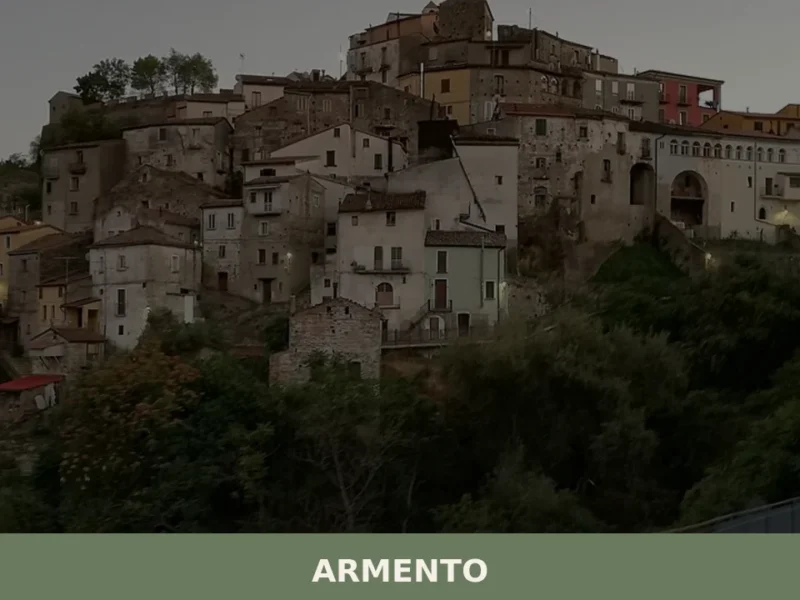
In 1814, a farmer unearthed a Lucanian funerary assemblage dating to the 4th century BC in the countryside around Armento: a golden crown, now held at the Antikensammlung in Munich, which confirmed the presence of a high-ranking Italic settlement in this part of the Val d’Agri. The village sits at 710 metres above sea level […]
Potenza
Mountain
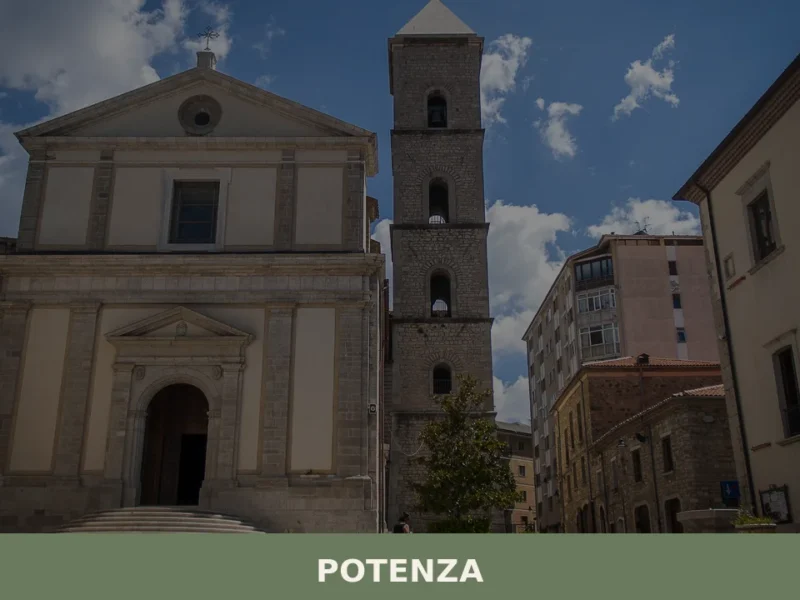
What to see in Potenza: from the historic centre churches to Castello Tramontano. Complete guide with 5 attractions and practical tips for your visit.
Brienza
Mountain
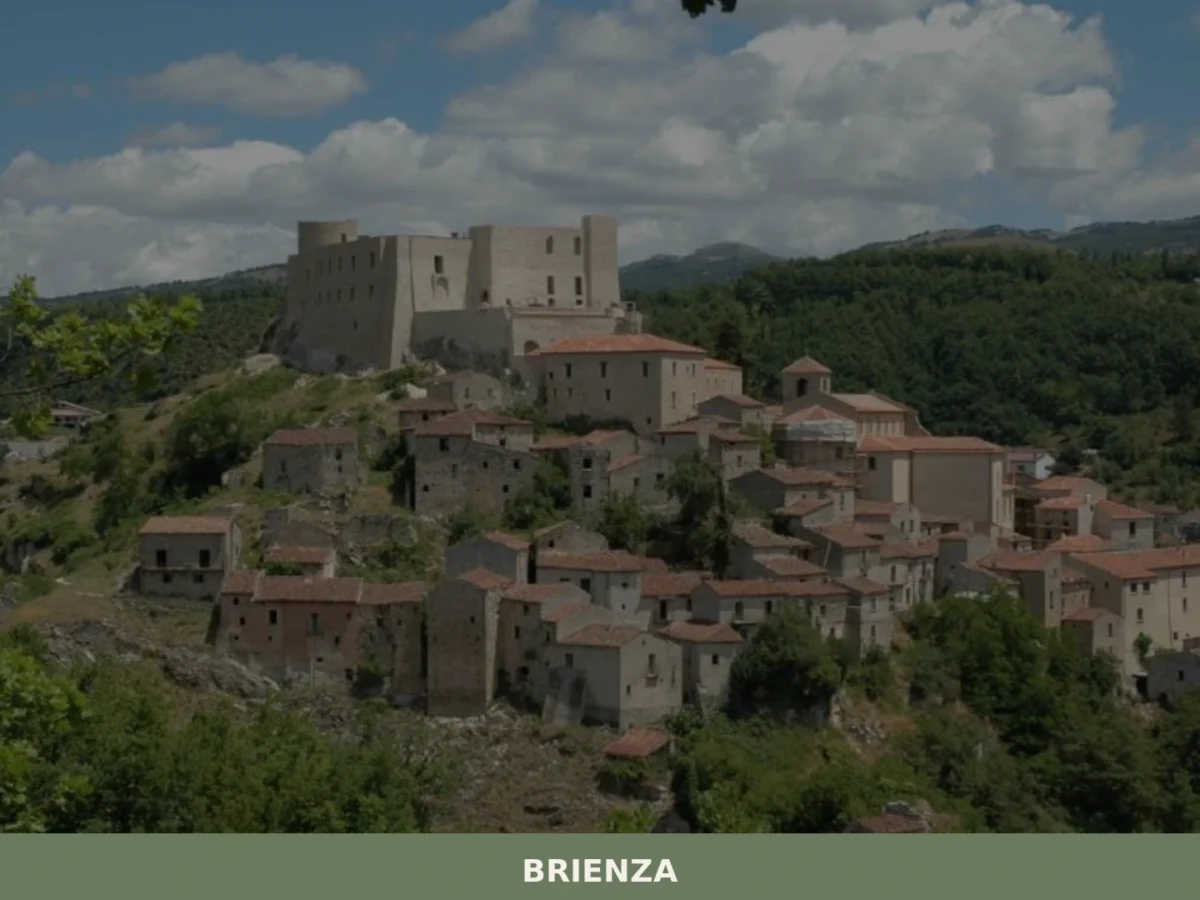
What to see in Brienza? Explore 5 historic points of interest in this Basilicata village. Discover Caracciolo Castle and ancient churches. Plan your visit!
Aliano
 Hills
Hills
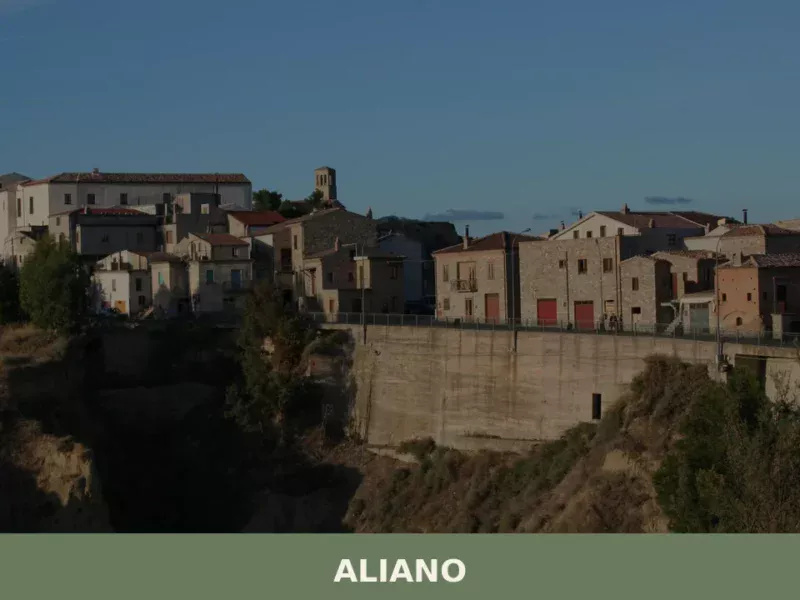
Discover what to see in Aliano, Basilicata: Carlo Levi's exile house, the dramatic calanchi landscape, local olive oil culture and practical travel tips.
Albano di Lucania
Mountain
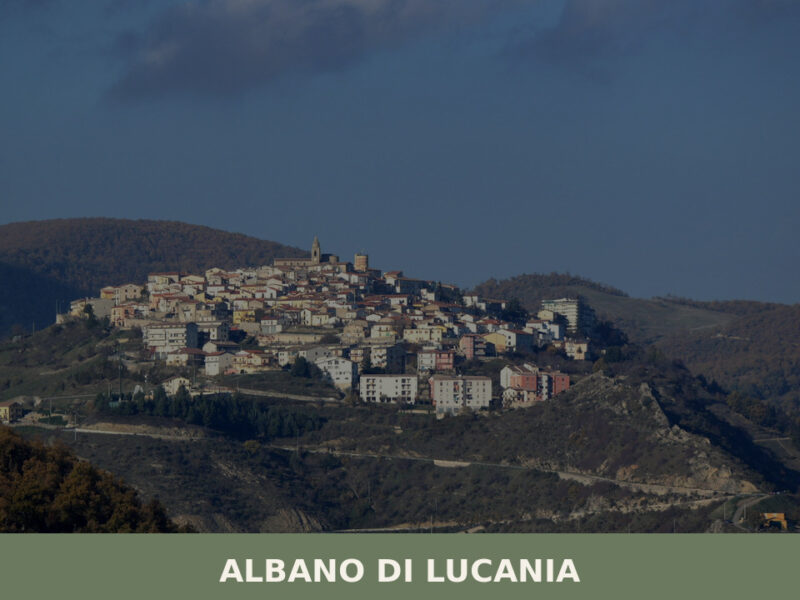
A complete guide to Albano di Lucania in Basilicata — its medieval lanes, stone churches, Lucanian cuisine, and the quiet landscapes of the upper Basento valley.
Castelgrande
Mountain
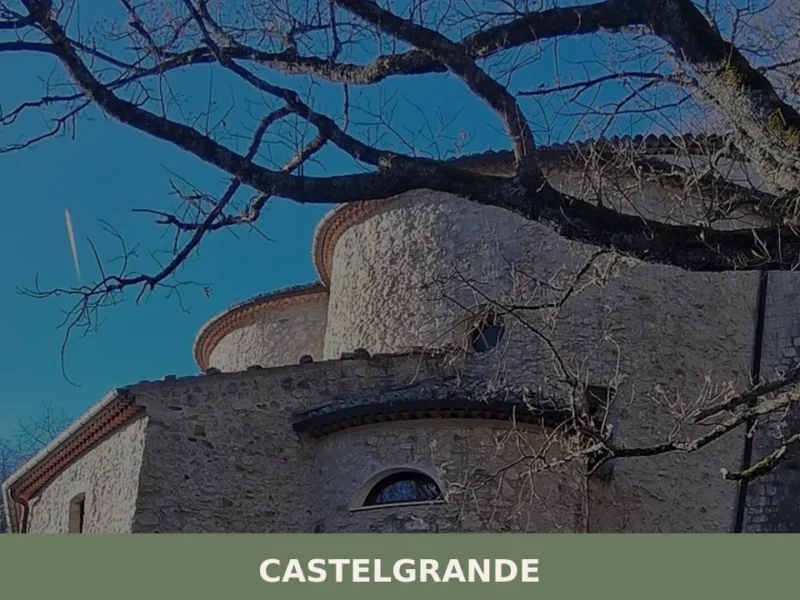
Discover what to see in Castelgrande, a mountain village in Basilicata. From the Mother Church to the historic center, a journey through history and nature. Includes practical tips for your visit.
Castelluccio Superiore
Mountain
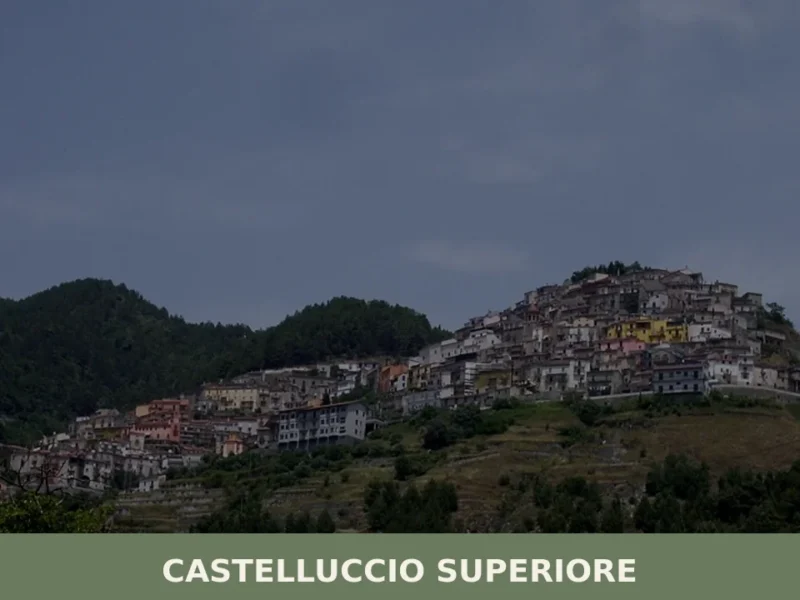
what to see in castelluccio superiore, Italy. Discover this mountain village at 680 m, explore its historic core, and experience the feast of Santa Margherita di Antiochia.
Anzi
Mountain
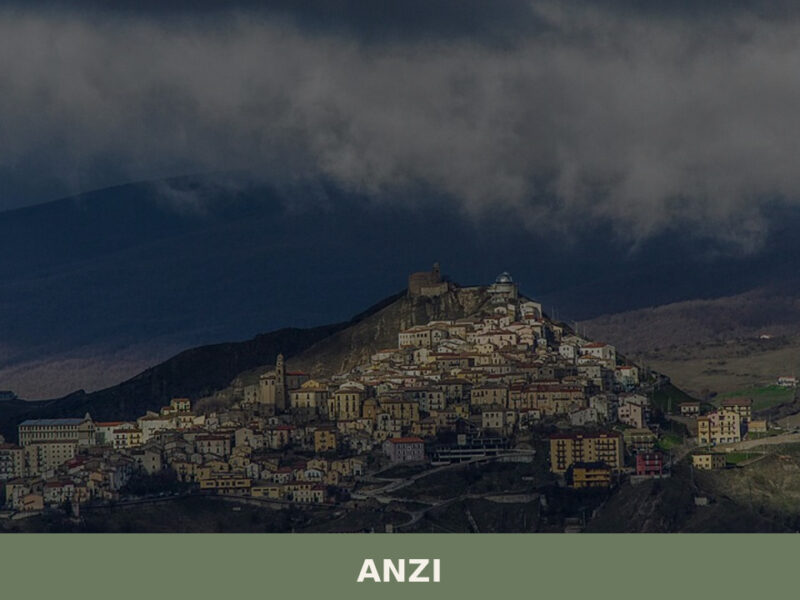
Anzi sits at 1,008 metres above sea level in the province of Potenza, making it one of the highest settlements in Basilicata. Home to 1,745 inhabitants, this small Lucanian village occupies a rocky spur along the upper valley of the Camastra river, surrounded by dense forests of oak and chestnut. For anyone researching what to […]
Baragiano
Mountain
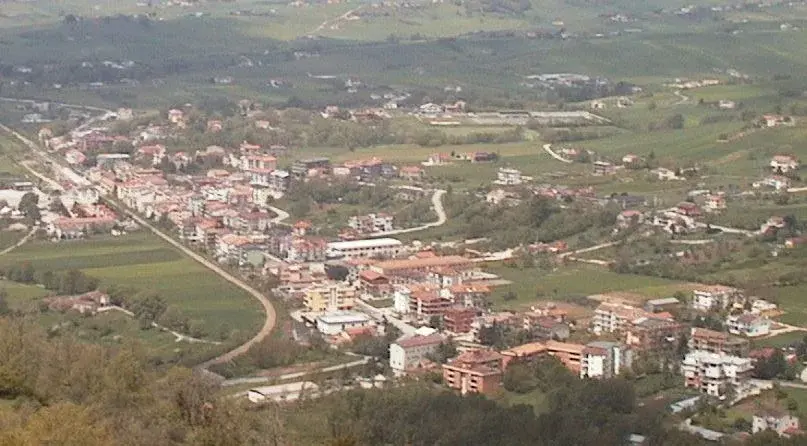
What to see in Baragiano, Italy: a village at 625 m altitude with 2,485 inhabitants. Discover top attractions, local food, festivals and how to get there.
Trivigno
Mountain
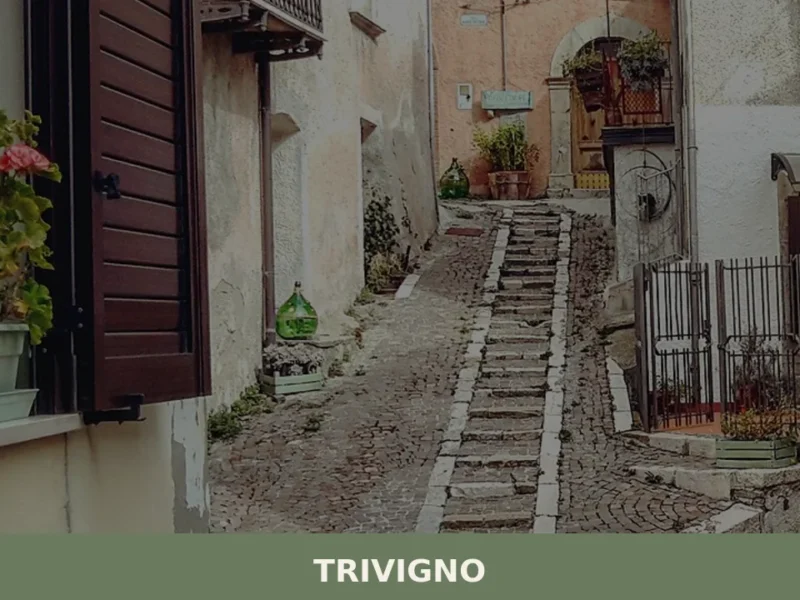
Trivigno has a current population of 570 and occupies a ridge at 725 metres above sea level in the middle Basento valley, in the province of Potenza. Its territory extends across fields of durum wheat and Turkey oak woods covering the eastern slopes up to the borders with neighbouring municipalities. Those looking for what to […]




🏡 Know Corleto Perticara better than we do?
If you’re a local or have been there, your knowledge matters: add what’s missing or fix a detail on this page.