


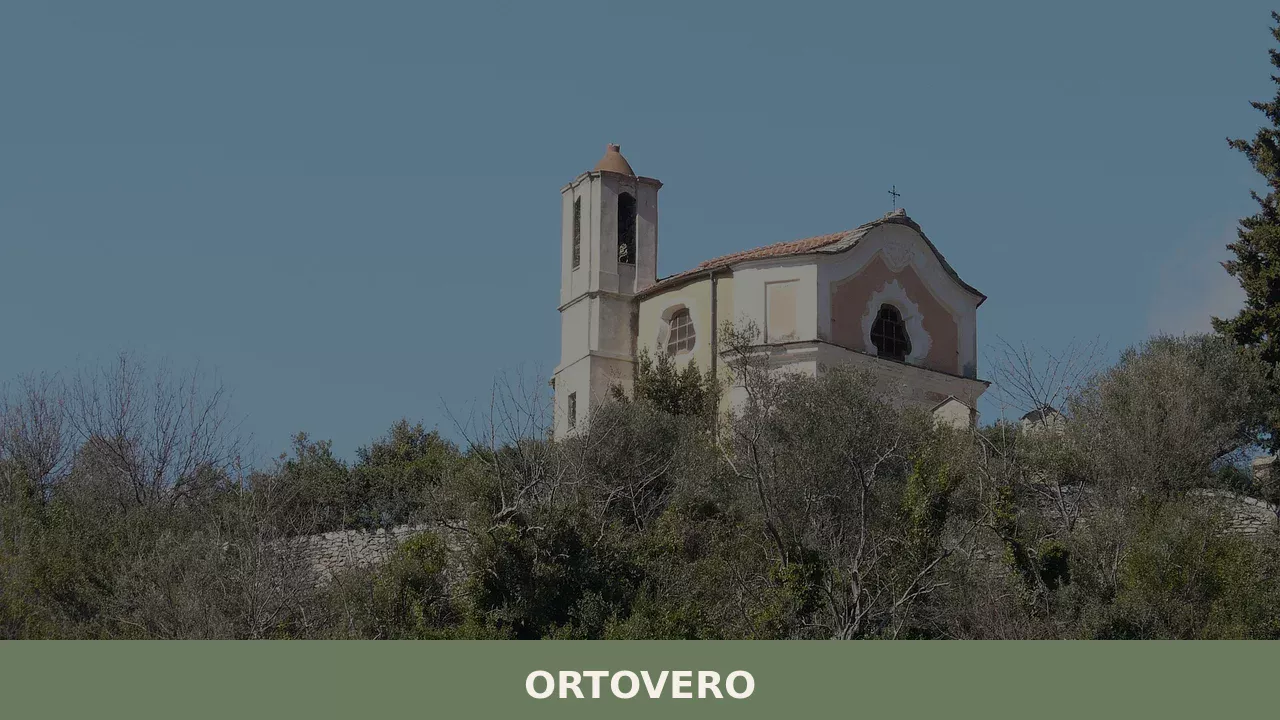
Ortovero
 Hills
Hills
what to see in ortovero: Explore Italy’s Ligurian coast. Located 40 km (25 mi) from Savona, discover historic Ligurian architecture and regional culinary traditions. Read on for travel tips.
Discover Ortovero
The Ligurian name, Utuê, offers a glimpse into the linguistic heritage of Ortovero, a comune found in the Province of Savona. This village, situated along the undulating terrain of the Ligurian region, maintains its historical identity within a landscape characterized by hills and proximity to the Mediterranean coast.
Its location about 80 kilometres (50 mi) southwest of Genoa places it within a distinct geographical and cultural context.
For those wondering what to see in Ortovero, this guide outlines the key aspects of a visit to this Ligurian comune.
Located approximately 40 kilometres (25 mi) southwest of Savona, Ortovero offers visitors opportunities to explore the general characteristics of a traditional Ligurian village and understand its regional context. The Ortovero highlights include appreciating the local administrative structure and its geographical ties to neighboring settlements like Albenga.
History of Ortovero
Ortovero, known in Ligurian as Utuê, represents a typical administrative unit, or comune, within the Province of Savona in the Italian region of Liguria.
The use of its Ligurian name underscores a deep-rooted local linguistic tradition that has persisted through centuries. Its geographical placement, roughly 80 kilometres (50 mi) southwest of Genoa, suggests a historical development influenced by both inland agricultural practices and maritime trade routes that characterized the broader Ligurian region.
The administrative boundaries of Ortovero connect it directly to several other municipalities, including Albenga, Arnasco, Casanova Lerrone, Onzo, Vendone, and Villanova d’Albenga, a structure common across Italy, much like the comune of Calendasco in Emilia-Romagna.
This network of bordering towns is indicative of historical land divisions and local governance structures.
The strategic position of Ortovero, approximately 40 kilometres (25 mi) southwest of Savona, historically placed it within the sphere of influence of a major coastal city, potentially shaping its economic and social evolution over time.
While specific historical events for Ortovero are not detailed in available records, its existence as a comune for centuries points to a continuous human presence and development within the Ligurian landscape. The region has a rich, complex past, marked by influences from Roman times, medieval city-states, and later unification into the modern Italian state.
Ortovero, by its very definition as a municipality, participates in this broader narrative, contributing to the cultural and demographic fabric of the Province of Savona and wider Liguria.
What to see in Ortovero, : top attractions
While specific named attractions unique to Ortovero are not detailed in the provided sources, visitors can engage with the village by appreciating its inherent Ligurian character and the general elements that define such a locale.
The experience of Ortovero lies in understanding its context as a traditional Italian comune, its regional landscape, and its connection to the wider Ligurian environment. The following sections describe aspects of the village that offer insights into its identity.
Historic Village Fabric
Visitors to Ortovero can appreciate the overall layout and architectural style typical of a Ligurian inland village, characterized by its compact structure and traditional stone buildings. The narrow lanes, or carrugi, often wind between houses built directly into the hillside, a common feature in settlements that adapted to the rugged Ligurian terrain over centuries. Observing these practical adaptations reveals much about the historical lifestyle and defensive needs of the community.
A slow walk through these pathways allows for an understanding of the village’s organic growth and its enduring connection to the local environment.
The Surrounding Agricultural Landscape
Beyond the immediate cluster of buildings, the landscape around Ortovero unfolds into terraced hillsides, a common sight in Liguria where agriculture has shaped the environment for millennia.
These terraces are often dedicated to olive groves and vineyards, which are central to the regional economy and culinary identity. The meticulous construction of dry stone walls to support these terraces is an ancient practice, demonstrating human ingenuity in cultivating steep slopes. Exploring these agricultural areas offers insights into the sustainable farming methods that have supported local communities for generations, often dating back over 1,000 years.
Views Towards the Albenga Plain
Given Ortovero’s location near Albenga, which is one of its bordering municipalities, elevated points within the village or its immediate vicinity likely offer panoramic views stretching towards the Albenga Plain and potentially the Ligurian Sea. This plain, historically significant for its fertile lands and connection to the Roman city of Albingaunum, represents a contrast to Ortovero’s hilly setting. Such vantage points provide a geographical perspective on the region, highlighting the transition from inland hills to the coastal strip, a distance of only a few kilometers.
The visual expanse allows visitors to appreciate the diverse topography of the Province of Savona.
Local Administrative Structures and Community Life
Understanding Ortovero also involves observing its function as a modern Italian comune, a foundational unit of local government.
The municipal building, often central to such villages, serves as a focal point for community life and administration. This perspective offers a look into how daily life is organized in smaller Italian towns, from public services to local initiatives. It provides a contrast to larger urban centers, illustrating the close-knit nature of village communities. Visitors can witness the rhythm of local life, where interactions are often personal and deeply rooted in shared history, a characteristic found in many similar villages like Bronzolo in Trentino-Alto Adige.
Connection to the Ligurian Coast
Ortovero’s proximity to the Ligurian coastline, with Albenga as a bordering municipality, highlights its strong geographical and cultural link to the sea.
While not directly on the coast, the village benefits from the coastal influence on climate, economy, and traditions that have shaped the region for centuries. The short travel time to coastal towns, such as Albenga, makes it feasible to combine an exploration of the inland hills with visits to the beaches and seaside communities. This dual experience allows visitors to fully grasp the diverse offerings of the Ligurian region, from its rural agricultural heartland to its bustling maritime communities, all within a reasonable driving distance of typically less than 30 minutes.
Local food and typical products of Ortovero
The gastronomic traditions of Ortovero, while not specifically detailed in available sources, are inherently part of the broader Ligurian culinary heritage, deeply influenced by the region’s geography.
Ligurian cuisine is characterized by its reliance on fresh, local ingredients from both the sea and the hilly interior, including abundant use of olive oil, herbs, and vegetables. Historical influences from Genoa’s mercantile past and its trade routes also contributed to a diverse culinary landscape, incorporating elements from across the Mediterranean.
This fusion of inland and coastal flavors defines the regional palate, often prioritizing simplicity and the quality of raw materials.
Visitors exploring the area around Ortovero can expect to encounter dishes typical of Liguria. These often include pasta preparations such as trofie al pesto, a short, twisted pasta served with the iconic basil-based sauce, or pansotti con salsa di noci, pasta filled with wild herbs and ricotta, accompanied by a creamy walnut sauce. Focaccia, particularly focaccia ligure, is a staple, often enjoyed plain, with onions, or olives, and is distinct from other Italian breads due to its high olive oil content and airy texture. Seafood, freshly caught from the nearby Ligurian Sea, also features prominently in many local trattorias.
Specific certified products (DOP, IGP) attributed directly to Ortovero are not listed in the provided information.
However, the wider Ligurian region is renowned for several such products. These include Olio extra vergine di oliva Riviera Ligure (DOP), an extra virgin olive oil with distinct characteristics derived from local olive varieties like Taggiasca, produced across the provinces of Imperia, Savona, and Genoa. Another example is Basilico Genovese (DOP), the aromatic basil essential for authentic pesto, cultivated primarily in the province of Genoa.
These regional certifications highlight the quality and specific origin of Ligurian agricultural produce.
While specific food fairs or markets in Ortovero are not detailed in the available sources, many Ligurian villages host seasonal events celebrating local produce, especially during the harvest months of autumn. These sagre, traditional local food festivals, typically offer opportunities to taste regional specialties, often focusing on olives, chestnuts, or local wines. Such events provide a vibrant atmosphere for residents and visitors alike to engage with the agricultural traditions and community spirit of the Ligurian hinterland.
Festivals, events and traditions of Ortovero
Specific festivals, patron saint celebrations, or unique traditions for Ortovero are not provided in the available sources.
However, as a Ligurian comune, Ortovero would typically observe religious holidays and local customs common throughout the region. These often include celebrations for its patron saint, usually featuring religious processions, communal meals, and sometimes musical performances or small fireworks displays. Such events are deeply ingrained in the social fabric of Italian villages, serving as important gatherings that reinforce community bonds and preserve cultural heritage.
Beyond religious observations, many smaller Italian towns, including those in Liguria, organize seasonal events tied to agricultural cycles or historical anniversaries.
While Ortovero’s specific calendar of events is not detailed, visitors might find local markets or small community gatherings, particularly during spring and autumn. These occasions offer a chance to experience the genuine rhythm of village life, where traditions are passed down through generations. Such events, even without explicit mention for Ortovero, are a fundamental part of the cultural landscape of villages like Calvera in Basilicata, and contribute to the local identity.
When to visit Ortovero, Italy and how to get there
The best time to visit Ortovero, Italy, and the Ligurian hinterland generally spans from April to June and from September to October.
During these spring and autumn months, the climate is mild and pleasant, ideal for exploring the village and its surrounding agricultural landscapes without the intense heat of summer. The spring brings blooming wildflowers and lush greenery, while autumn offers comfortable temperatures and the opportunity to witness grape and olive harvests in nearby areas. Summers, from July to August, can be warm, making it suitable for those who wish to combine inland exploration with visits to the Ligurian coast.
Ortovero is accessible primarily by road.
For those arriving by car, the village is located approximately 80 kilometres (50 mi) southwest of Genoa and about 40 kilometres (25 mi) southwest of Savona. Travelers can reach these cities via the A10 motorway, then follow provincial roads into the hinterland. The nearest major airport is Genoa Cristoforo Colombo Airport (GOA), situated roughly 80 kilometres (50 mi) away, offering connections to various European cities. From the airport, rental cars or bus services can facilitate onward travel towards Ortovero.
For rail travelers, the closest significant train station is likely in Albenga, a bordering municipality, which is part of the regional rail network managed by Trenitalia.
From here, local buses or taxis would be necessary to reach Ortovero.
A day trip from a nearest major city like Savona is entirely feasible, given the 40 kilometre (25 mi) distance, offering a convenient escape to the Ligurian countryside. Visitors coming from further afield, such as Milan (approximately 200 km or 124 mi away), can also consider Ortovero as part of a longer itinerary, typically a 2-3 hour drive. It is useful for international visitors to note that English may be limited in smaller shops, and carrying some Euros cash can be helpful for local purchases.
Beyond exploring Ortovero, visitors interested in the diverse character of Italian villages might also consider a trip to Caminata in Emilia-Romagna, which shares the essence of rural Italian life and regional traditions found in smaller municipalities across the country.
Frequently asked questions about Ortovero
What is the best time to visit Ortovero?
Spring (April–June) and early autumn (September–October) are ideal, when the Ligurian hills are lush, temperatures are mild, and the terraced olive groves and vineyards are at their most scenic. Summer is warm and pleasant, with easy access to the nearby Albenga coast. The village celebrates its patron saint, Pope Sylvester I, on 31 December, making the year-end period a culturally interesting time to visit and experience traditional local festivities.
What to see in Ortovero? Main monuments and landmarks
Ortovero preserves the characteristic fabric of a Ligurian inland village: compact stone buildings, narrow carrugi winding between hillside houses, and the central municipal building that anchors community life. The surrounding terraced hillsides, shaped by centuries of dry-stone wall construction for olive groves and vineyards, are themselves a living heritage landscape. Elevated spots within the village offer panoramic views toward the fertile Albenga Plain and, on clear days, glimpses of the Ligurian Sea just a few kilometers away.
What are the main natural or scenic attractions of Ortovero?
The agricultural landscape surrounding Ortovero is its most distinctive natural feature: ancient terraced hillsides supported by dry-stone walls, cultivated with olive groves and vineyards typical of the Ligurian interior. The proximity to Albenga — a bordering municipality — places the village at the transition between inland hills and the coastal plain, offering scenic contrasts within a short radius. The area sits within the broader natural environment of the Province of Savona's hilly hinterland.
What to eat in Ortovero? Local products and specialties
Ortovero sits within the production zone of Olio extravergine di oliva Riviera Ligure DOP, made from local olive varieties including the prized Taggiasca. Regional staples to seek out include trofie al pesto, pansotti con salsa di noci, and focaccia ligure. The village's position near Albenga also means access to fresh Ligurian seafood. Autumn is a particularly good season for tasting freshly pressed olive oil and local wine from the surrounding hillside producers.
Who is Ortovero suitable for? Families, couples, hikers, solo travelers?
Ortovero suits travelers seeking an authentic, unhurried slice of the Ligurian interior away from coastal crowds. Couples and slow-travel enthusiasts will appreciate the peaceful hillside setting and scenic views toward the Albenga Plain. Food and wine lovers benefit from the olive oil and wine traditions of the surrounding countryside. Families and hikers can combine a visit with easy excursions to nearby Albenga, the coast, and the terraced agricultural landscape — all within a short drive.
📷 Photo Gallery — Ortovero
Nearby Villages near Ortovero
In Liguria More villages to discover
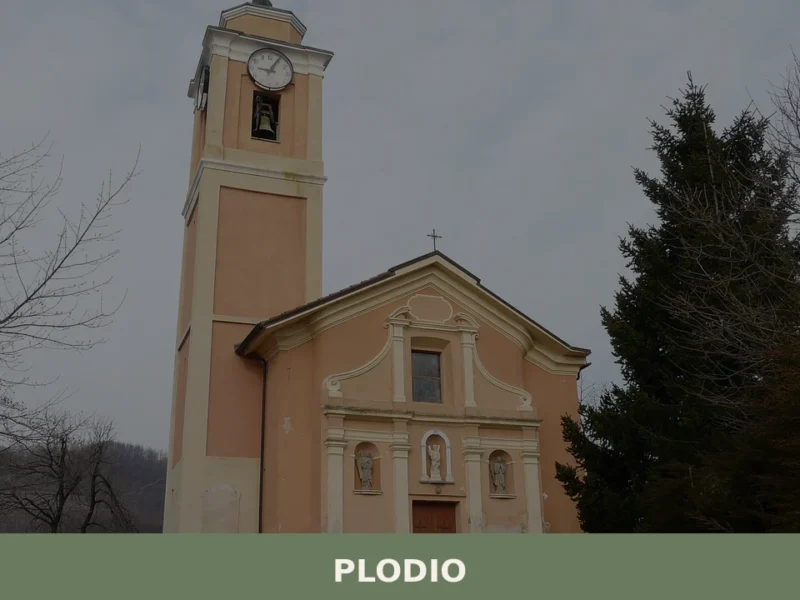
Plodio
 Mountain
What to see in Plodio, Liguria, Italy: explore Val Bormida, Col di Cadibona and local traditions in a village of 640 inhabitants. Discover the full travel guide.
Castelbianco
Hills
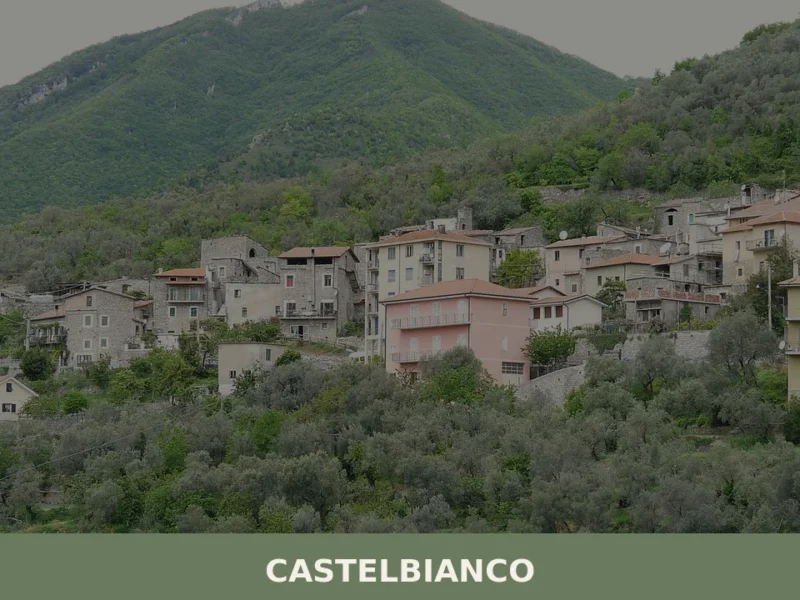
What to see in Castelbianco, Italy: a village of 326 people, 80 km from Genoa. Discover top attractions, local food, and how to get there. Explore now.
Bonassola
 Sea
Sea
Bonassola’s single-track railway station, opened in 1874 as part of the Genoa–La Spezia line, brought the first outsiders to a coastal settlement that had survived for centuries on olive oil, wine, and anchovies. Today this compact village of 794 inhabitants sits at six metres above sea level along the Riviera di Levante, its beach one […]
Pigna
Mountain
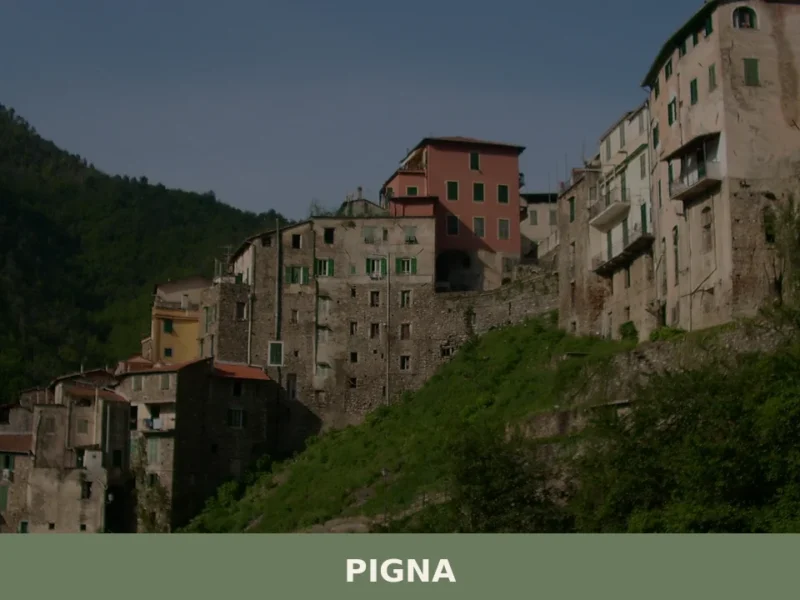
What to see in Pigna: Explore this Ligurian village, home to 741 inhabitants, its historic tower, and ancient bridge. Discover Italy's rich past.
Deiva Marina
Sea
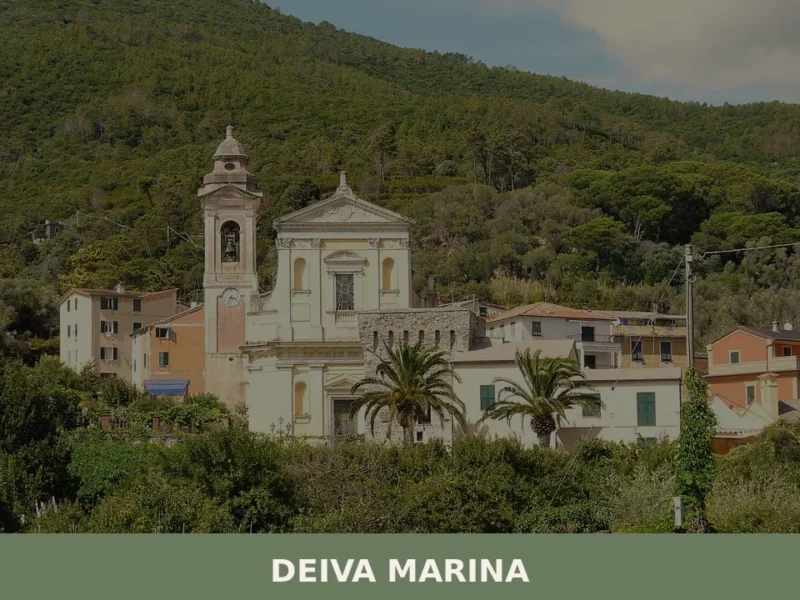
What to see in Deiva Marina, Italy: 5 top attractions, hiking trails, Cinque Terre day trips, and travel tips for this Ligurian village of 1,409 inhabitants. Discover now.
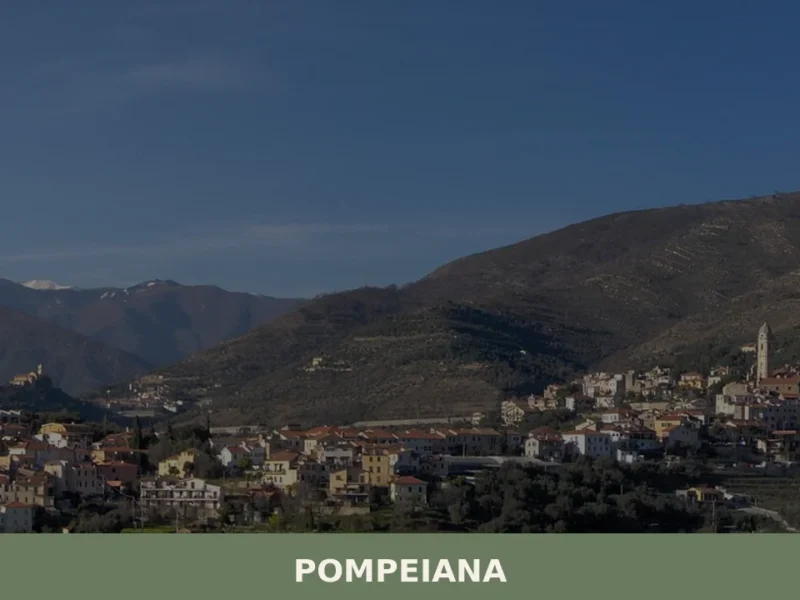
Pompeiana
Sea
what to see in pompeiana, Italy. Discover this Imperia village of 837 residents, explore its historic center and surrounding olive terraces. Read our guide to Liguria.
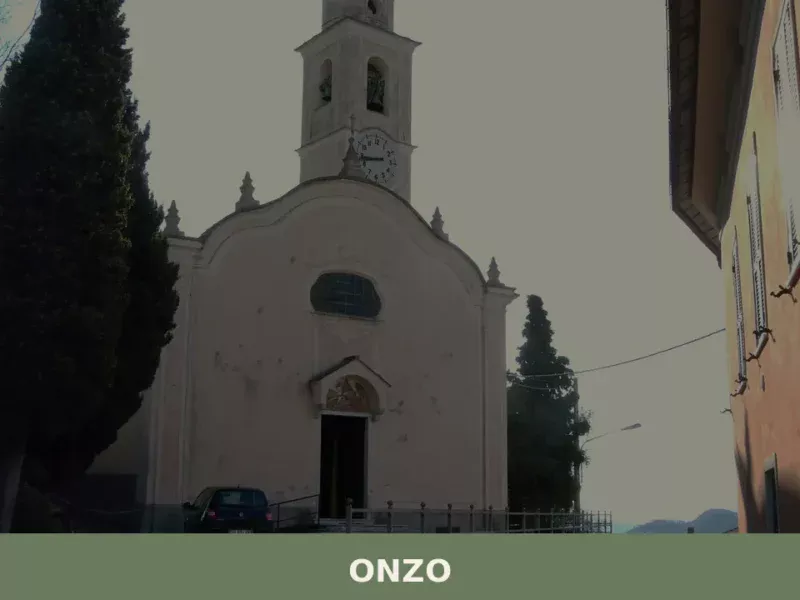
Onzo
Hills
What to see in Onzo, Liguria, Italy: explore a village of 224 inhabitants 80 km from Genoa. Discover top attractions, local food, and how to get there.
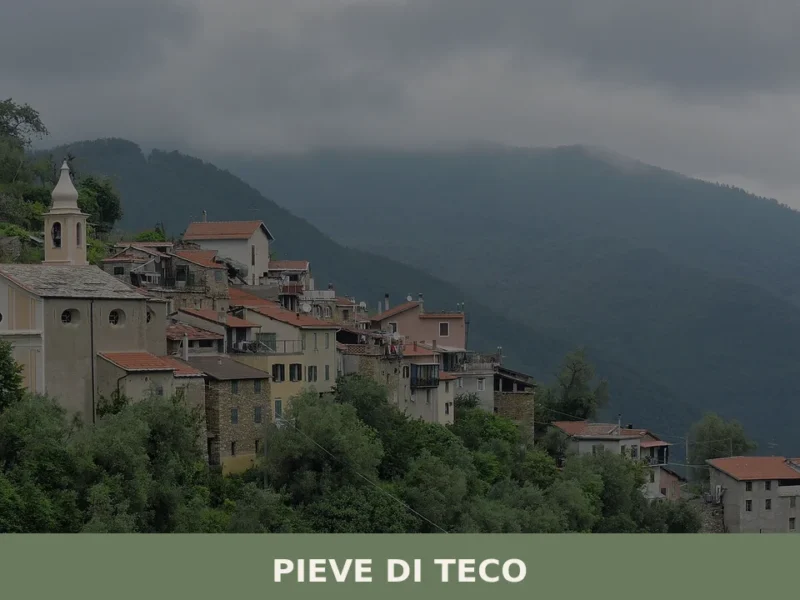
Pieve di Teco
Mountain
What to see in Pieve di Teco, Liguria, Italy: explore 5 top attractions, local food, and how to get there. Population 1,411. Discover this Ligurian village.
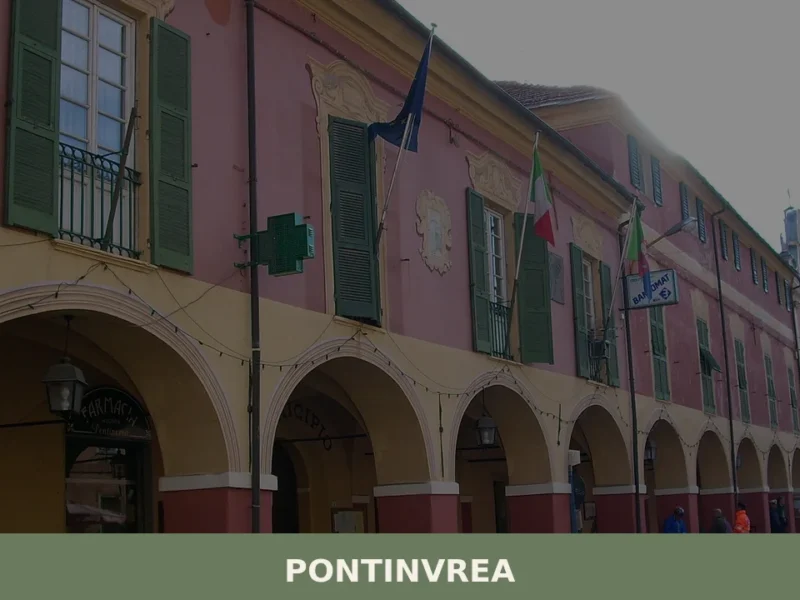
Pontinvrea
Mountain
What to see in Pontinvrea, Italy: 855 inhabitants, 40 km from Genoa. Discover top attractions, local food, festivals and how to get there. Explore now.
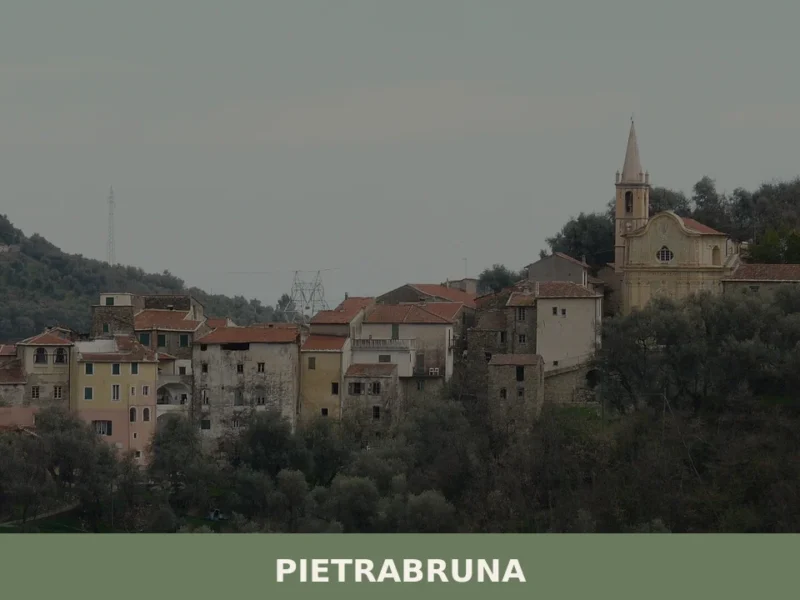
Pietrabruna
Sea
What to see in Pietrabruna, Italy: 546 inhabitants, 100 km from Genoa. Discover medieval architecture, Ligurian olive oil and local festivals. Full travel guide.


🏡 Know Ortovero better than we do?
If you’re a local or have been there, your knowledge matters: add what’s missing or fix a detail on this page.