


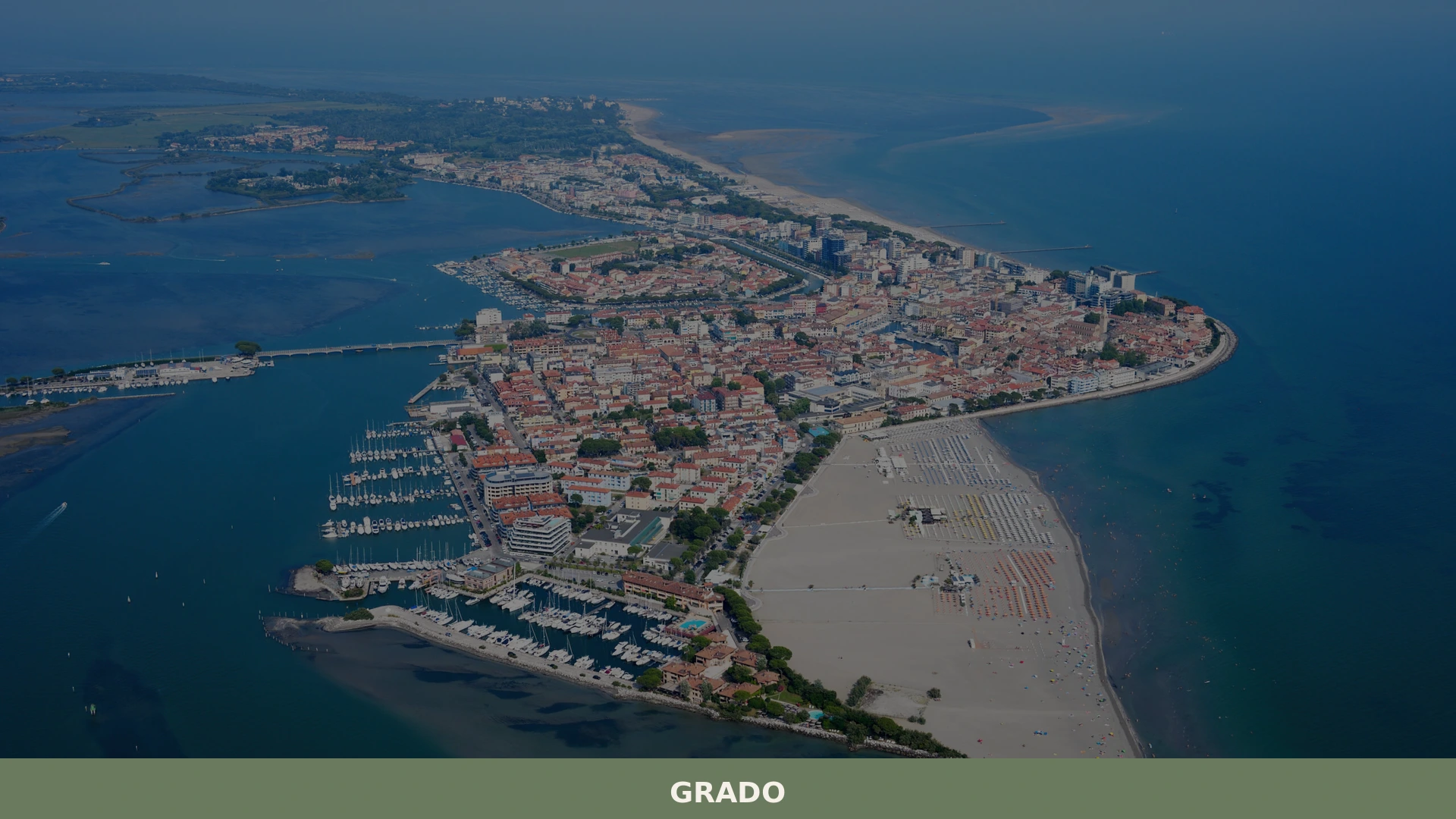
Grado
 Sea
Sea
What to see in Grado, Italy? Explore its 2 m altitude, discover over 7,658 residents, and visit the impressive Basilica di Sant’Eufemia. Discover Italy’s unique offerings today.
Discover Grado
The ancient stones of Grado glimmer under the slanting sun, their surfaces worn by centuries of sea breezes. Renowned for its low altitude of just 2 meters, this coastal town in the province of Gorizia, Italy, presents an inviting landscape of natural and architectural beauty. With a rich tapestry of history and culture, visitors are drawn to its authentic appeal.
Curious about what to see in Grado? This captivating island town in Friuli-Venezia Giulia is home to 7,658 residents and boasts a unique blend of historical sites and natural wonders.
The Grado highlights include the stunning Basilica di Sant’Eufemia and the sunny beaches that line its coasts.
Visitors to Grado find a rich experience combining heritage and leisure in one picturesque setting.
History of Grado
The origins of Grado can be traced back to when it served as an essential port for the nearby city of Aquileia during Roman times. Historical records show that the establishment of the town of Grado was pivotal in Roman logistics and trade, marking it as a strategic location for overland and maritime transport. The name “Grado” is rooted in its significant role in antiquity.
Throughout the Middle Ages, Grado’s significance grew as it evolved into a hub of religious and cultural activity. The Synod of Grado, a notable Roman Catholic council, took place here in 579, reflecting its ecclesiastical prominence.
The town’s strategic importance continued as it became a refuge for residents fleeing invasions, bolstering its reputation as a fortified haven during tumultuous times.
Modern Grado is a fascinating blend of its storied past and contemporary charm.
It has evolved into a popular destination, celebrated not only for its historical landmarks but also for its beaches and thermal spas. Today, remnants of its layered history can be seen in its architecture and urban layout, attracting visitors keen to explore its historic streets and enjoy its coastal pleasures.
What to see in Grado, Friuli-Venezia Giulia: top attractions
Basilica di Sant’Eufemia
The Basilica di Sant’Eufemia, with its intricate mosaic pavement dating back to the 6th century, stands as a testament to early Christian architecture. This basilica, located in the heart of Grado, is adorned with stunning frescoes and a captivating pulpit. While there, notice the stunning apse mosaics that depict historical religious scenes.
It is conveniently accessible, making it an ideal starting point for your exploration.
Riserva Naturale Valle Cavanata
The expansive wetlands of the Riserva Naturale Valle Cavanata feature a diverse range of flora and fauna across its 327 hectares.
Established as a protected area, it is home to over 260 species of birds, making it a paradise for bird watchers. Visitors can traverse well-maintained paths and observe wildlife year-round, while spring and autumn offer the best birdwatching opportunities.
Spiaggia GIT Grado
With its extensive sandy shoreline, Spiaggia GIT Grado stretches along 3 km (1.9 mi), offering perfect conditions for sunbathing and swimming. This beach, central to Grado’s appeal, provides numerous amenities including beachside cafes and rental facilities for a day of relaxation. The gently sloping sands and calm waters make it feasible for families to enjoy.
Lungomare Nazario Sauro
The Lungomare Nazario Sauro, a long promenade flanked by palm trees, provides panoramic views of the Adriatic Sea.
This scenic walkway, completed in the early 20th century, connects various points of interest along the coastline.
Perfect for leisurely strolls or cycling, visitors can take in the brisk sea air and captivating sunsets over the water.
Lapidarium
The Lapidarium, located near the Basilica di Sant’Eufemia, houses a collection of ancient stone artifacts, some from the Roman and Byzantine periods. The exhibits provide insight into the rich historical tapestry of the area. Its central location within Grado ensures easy access, and the sheltered displays make it an informative stop regardless of the weather.
Local food and typical products of Grado
Grado’s culinary scene is deeply influenced by its coastal position and proximity to different cultural regions. The blend of Venetian and Friulian gastronomy creates a unique dining experience, incorporating fresh seafood and locally sourced ingredients.
Visitors can enjoy a mix of longstanding recipes passed down through generations, emphasizing the region’s diverse culinary heritage.
Among local dishes, the Boreto a la Graisana stands out.
This savory fish stew combines various types of fish with garlic, vinegar, and black pepper, which highlight the seasonal bounty of the Adriatic Sea. Another traditional dish, Sarde in Saor, features sardines marinated with onions, raisins, and pine nuts, offering a balance of sweet and tangy flavors emblematic of Veneto influences.
While Grado itself may not produce specific certified products, nearby areas within Friuli-Venezia Giulia contribute regional specialties that enhance local menus. These include the renowned Prosciutto di San Daniele (CERT) — municipalities: San Daniele del Friuli, Udine, Dignano — adding a touch of regional pride to Grado’s culinary offerings.
For those interested in experiencing Grado’s food culture, seasonal markets offer a selection of fresh produce and artisanal products.
These gatherings provide opportunities to savor local flavors in situ, with autumn particularly celebrated for its bountiful harvest of vegetables and fish.
Festivals, events and traditions of Grado
Grado is known for celebrating the feast of its patron saints, santi Ermacora e Fortunato, on July 12th.
This event features a series of processions, with locals parading through the streets, carrying symbols of the saints. The celebration includes music, cultural performances, and traditional foods, reflecting Grado’s vibrant community spirit.
Besides religious festivities, Grado hosts multiple cultural and food festivals throughout the year, aligning with the region’s unique seasons. These events allow visitors to delve deeper into the local culture and partake in traditional customs while enjoying the lively atmosphere.
When to visit Grado, Italy and how to get there
The best time to explore Grado is between late spring and early autumn when the weather is warm and ideal for beach activities.
With its relatively flat terrain, Grado is perfect for all types of travelers, including those with children or reduced mobility.
The town also sees numerous cultural events during this period, enhancing its seasonal appeal.
For those wondering how to get to Grado, the town is accessible via the A4 motorway, exiting at Palmanova, 30 km (18.6 mi) away. The nearest train station is Cervignano-Aquileia-Grado, approximately 16 km (10 mi) from Grado, with bus connections available. The Trieste-Friuli Venezia Giulia Airport is the closest airport, about 18 km (11.2 mi) away, offering quick transit options. For further travel details, refer to the official municipal website.
Visitors to Italy can find Trieste, a nearby major city, a great starting point for a day trip to Grado. From Trieste, Grado is reachable in just under an hour, providing an enriching short journey along the coast.
Where to stay near Grado
Grado offers a variety of accommodation options to suit different preferences and budgets.
Whether you seek a coastal retreat or a cozy spot near the historical center, Grado has a range of choices available.
Options include seaside hotels, family-run B&Bs, and traditional agriturismi, providing guests with an immersive local experience.
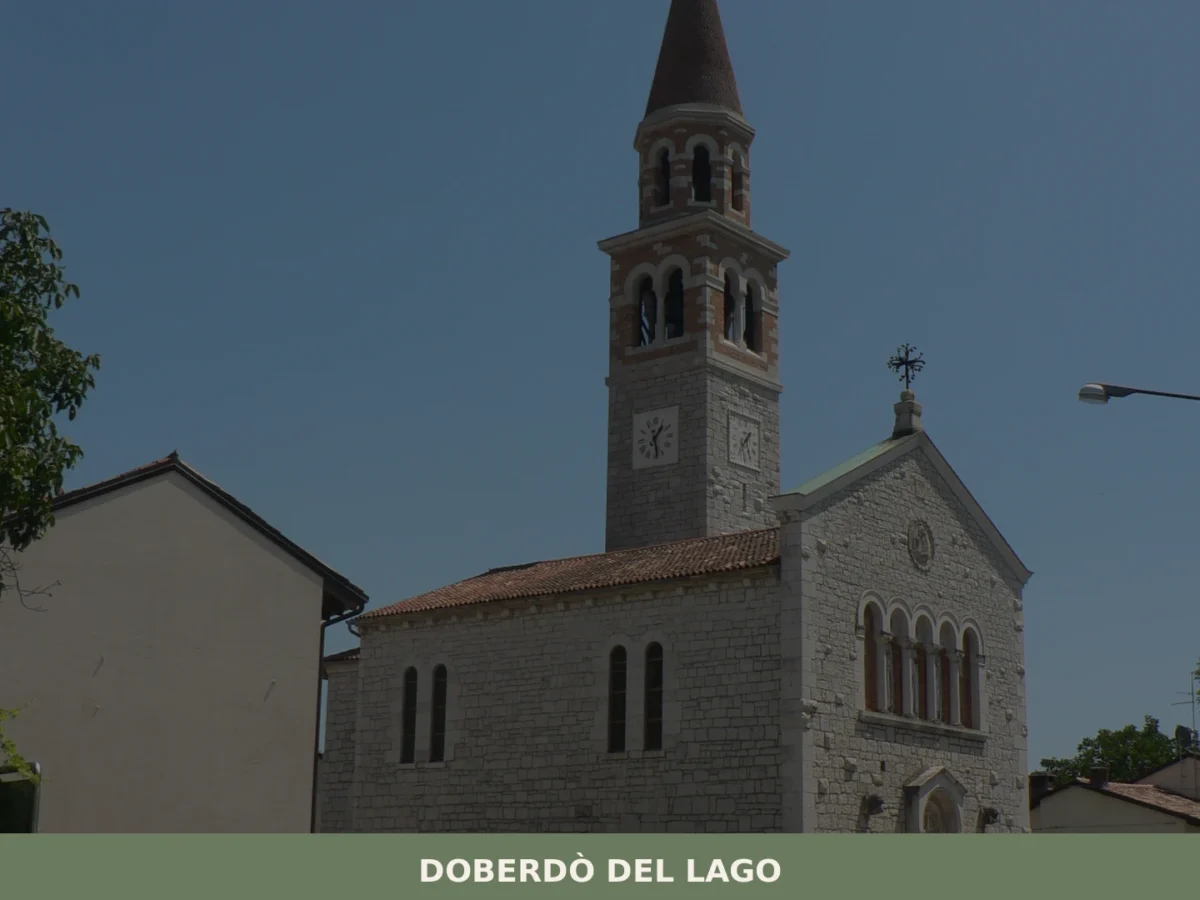
Visitors to Grado can extend their trip to nearby Doberdò del Lago, which shares the same natural charm and offers further exploration opportunities among its scenic lakes and trails.
Frequently asked questions about Grado
What is the best time to visit Grado?
The ideal time to visit Grado is from late spring to early autumn, typically May through September. During these months, the weather is warm and sunny, perfect for enjoying Grado's extensive beaches and various outdoor activities. This period also coincides with numerous cultural events and festivals, enhancing the vibrant atmosphere. Don't miss the town's patron saint celebration on July 12th, honoring santi Ermacora e Fortunato, which features processions and traditional festivities. Spring and autumn are particularly recommended for birdwatching in the Riserva Naturale Valle Cavanata.
What are the historical origins of Grado?
Grado's rich history dates back to Roman times, serving as a crucial port for the nearby city of Aquileia, which is reflected in its strategic layout and ancient artifacts. Its significance grew in the Middle Ages, notably hosting the Synod of Grado in 579 and acting as a fortified refuge during invasions. Today, visitors can explore remnants of this layered past in its architecture and urban design. The Lapidarium, located near the Basilica di Sant'Eufemia, houses Roman and Byzantine stone artifacts, offering tangible insights into Grado's profound historical journey.
What to see in Grado? Main monuments and landmarks
Grado offers a captivating blend of historical and natural attractions. A must-see is the Basilica di Sant'Eufemia, an early Christian architectural gem in the town's heart, renowned for its 6th-century mosaic pavement, frescoes, and apse mosaics, which are easily accessible. Explore the nearby Lapidarium to view ancient Roman and Byzantine stone artifacts. For natural beauty, visit the Riserva Naturale Valle Cavanata, a protected wetland ideal for birdwatching, accessible via well-maintained paths. Don't miss the extensive Spiaggia GIT Grado for relaxation and the scenic Lungomare Nazario Sauro for seaside strolls and stunning sunsets.
What are the main natural or scenic attractions of Grado?
Grado is rich in natural beauty, primarily centered around its coastal environment. The Riserva Naturale Valle Cavanata is a significant natural attraction, a 327-hectare wetland paradise home to over 260 bird species, offering excellent birdwatching opportunities year-round, especially in spring and autumn. The Spiaggia GIT Grado provides a vast sandy shoreline stretching 3 km, perfect for sunbathing and swimming in calm waters. Additionally, the Lungomare Nazario Sauro, a palm-lined promenade, offers panoramic views of the Adriatic Sea, ideal for leisurely walks or cycling, particularly at sunset.
Where to take the best photos in Grado?
For breathtaking photos in Grado, head to the Lungomare Nazario Sauro, especially at sunset, to capture the panoramic views over the Adriatic Sea with its palm-tree lined promenade. The intricate 6th-century mosaic pavement and stunning frescoes within the Basilica di Sant'Eufemia provide unique cultural photo opportunities. Nature enthusiasts will find the Riserva Naturale Valle Cavanata a perfect spot to photograph diverse bird species and serene wetland landscapes, particularly during spring and autumn. Also, capture the charm of Grado's historic streets and architectural details near the Basilica.
Are there museums, churches or historic buildings to visit in Grado?
Yes, Grado boasts several significant historical and religious sites. The prominent Basilica di Sant'Eufemia, a 6th-century marvel, features intricate mosaic pavements, frescoes, and a captivating pulpit, making it a cornerstone of early Christian architecture. Adjacent to it, the Lapidarium houses a collection of ancient stone artifacts from the Roman and Byzantine periods, offering deep insights into the region's past. Both are centrally located and easily accessible, providing a rich historical and cultural experience for visitors.
What can you do in Grado? Activities and experiences
Grado offers a diverse range of activities. You can relax and swim on the extensive Spiaggia GIT Grado, which provides amenities like beachside cafes. Explore the Riserva Naturale Valle Cavanata for birdwatching, especially in spring and autumn, traversing its well-maintained paths. Enjoy leisurely strolls or cycling along the Lungomare Nazario Sauro, taking in panoramic sea views. Delve into history by visiting the Basilica di Sant'Eufemia and the Lapidarium. Grado is also known for its thermal spas for relaxation and hosts various cultural and food festivals throughout the year, with seasonal markets offering local flavors.
Who is Grado suitable for? Families, couples, hikers, solo travelers?
Grado is an exceptionally versatile destination, suitable for a wide range of visitors. Its flat terrain and calm waters make it ideal for families with children and individuals with reduced mobility. Couples will appreciate the romantic sunsets along the Lungomare Nazario Sauro and the charming historic center. History enthusiasts will be drawn to the ancient Roman and Byzantine sites like the Basilica di Sant'Eufemia and the Lapidarium. Nature lovers and birdwatchers will find the Riserva Naturale Valle Cavanata captivating. Solo travelers and those seeking relaxation can enjoy the beaches and thermal spas, while cultural event seekers will find a lively calendar of festivals.
What to eat in Grado? Local products and specialties
Grado's culinary scene is a delightful blend of Venetian and Friulian influences, heavily featuring fresh seafood. Must-try local specialties include u0022Boreto a la Graisana,u0022 a savory fish stew prepared with various types of fish, garlic, vinegar, and black pepper. Another traditional dish is u0022Sarde in Saor,u0022 sardines marinated with onions, raisins, and pine nuts, offering a unique sweet and tangy flavor. While Grado itself doesn't have certified products, the region is famous for u0022Prosciutto di San Danieleu0022 from nearby areas. Seasonal markets, particularly in autumn, offer fresh produce and local flavors.
Nearby Villages near Grado
In Friuli-Venezia Giulia More villages to discover
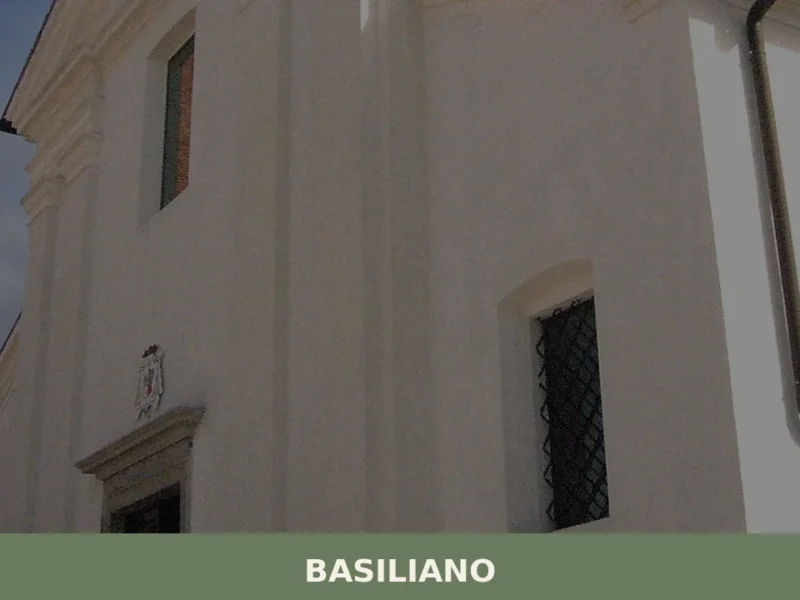
Basiliano
 Plains
In 1309, a notarial deed drawn up in Udine recorded the transfer of certain feudal rights relating to the territory of Basiliano, confirming the existence of a settlement already organised along the route connecting Udine to Codroipo. Today that route partly coincides with regional road 464, and anyone travelling along it crosses a plain where […]
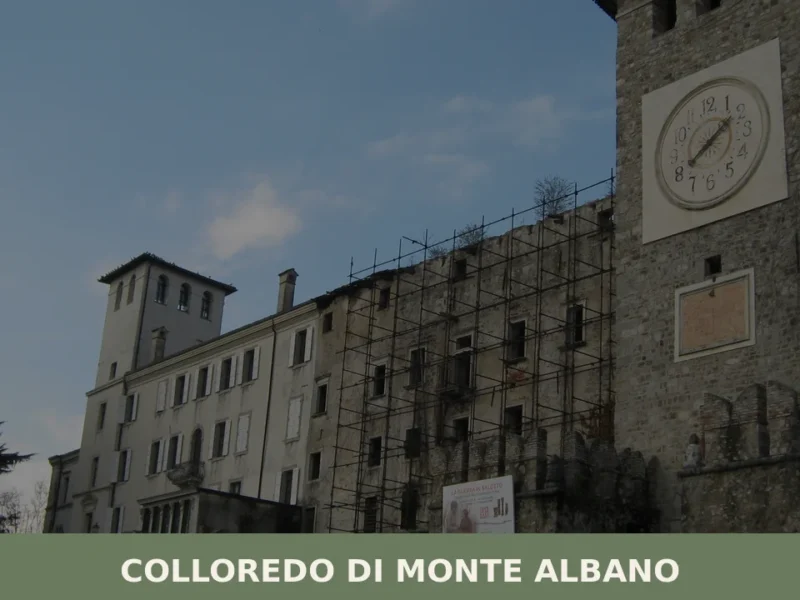
Colloredo di Monte Albano
 Hills
Hills
The earthquake of 6 May 1976 split the history of Colloredo di Monte Albano in two: before and after. The castle of the Counts of Colloredo, one of the most imposing noble residences in Friuli, largely collapsed that evening, and with it shattered an architectural heritage built over seven centuries. Today, after decades of restoration, […]
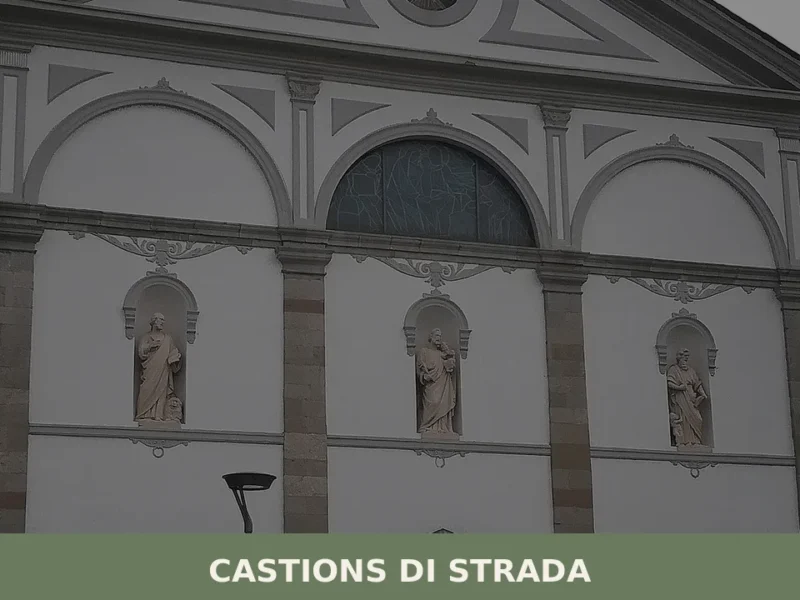
Castions di Strada
Plains
A straight road cuts across the Friulian plain at twenty-three metres above sea level, and along that route — the ancient road that connected Aquileia to Concordia Sagittaria — a settlement grew whose very name declares its reason for being. Castions di Strada owes its identity to that Roman road, to a network of drainage […]
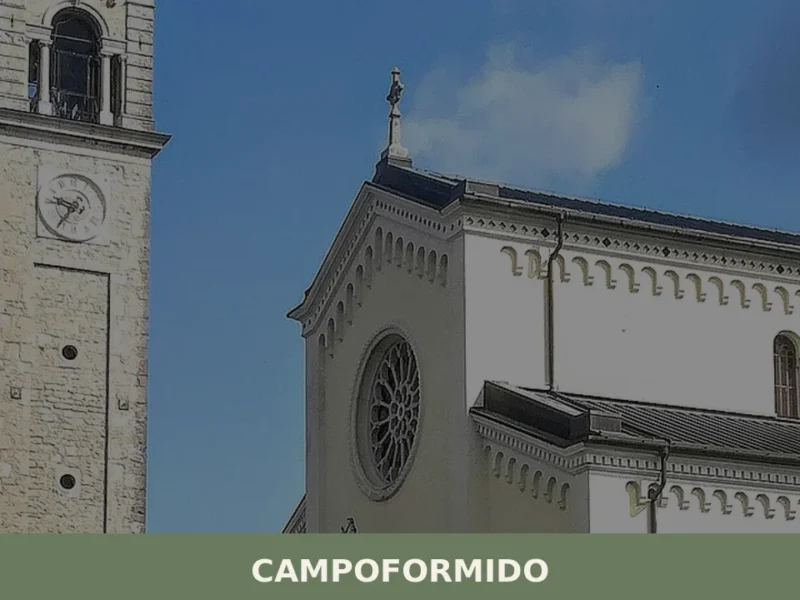
Campoformido
Plains
On 17 October 1797, in a country villa on the Friulian plain, plenipotentiaries representing Napoleon Bonaparte and the Austrian Empire signed the treaty that redrew the political map of Europe, erasing the Republic of Venice after more than a millennium of existence. That document bears the name of this place: Campoformido, a municipality of 7,799 […]
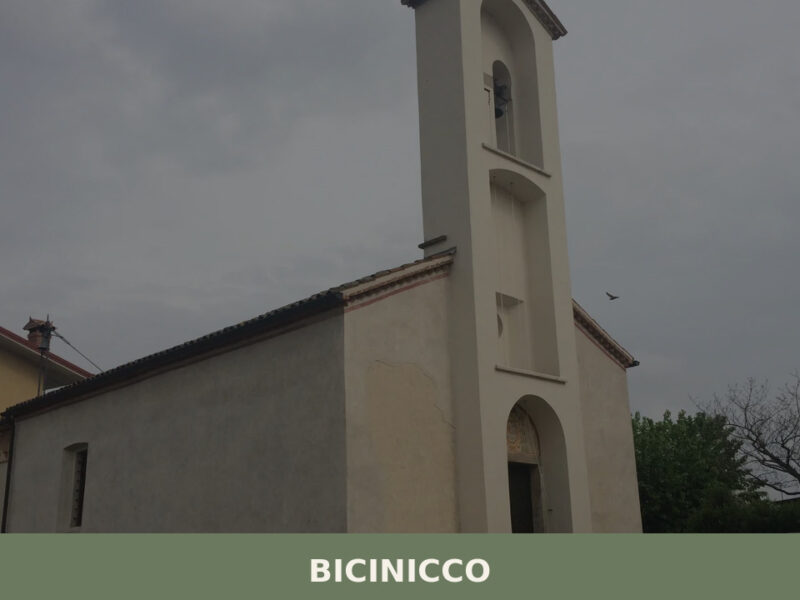
Bicinicco
Plains
A commune of 1,801 inhabitants on the Friulian plain south of Udine. Discover the churches, hamlets, and agricultural landscape of Bicinicco.
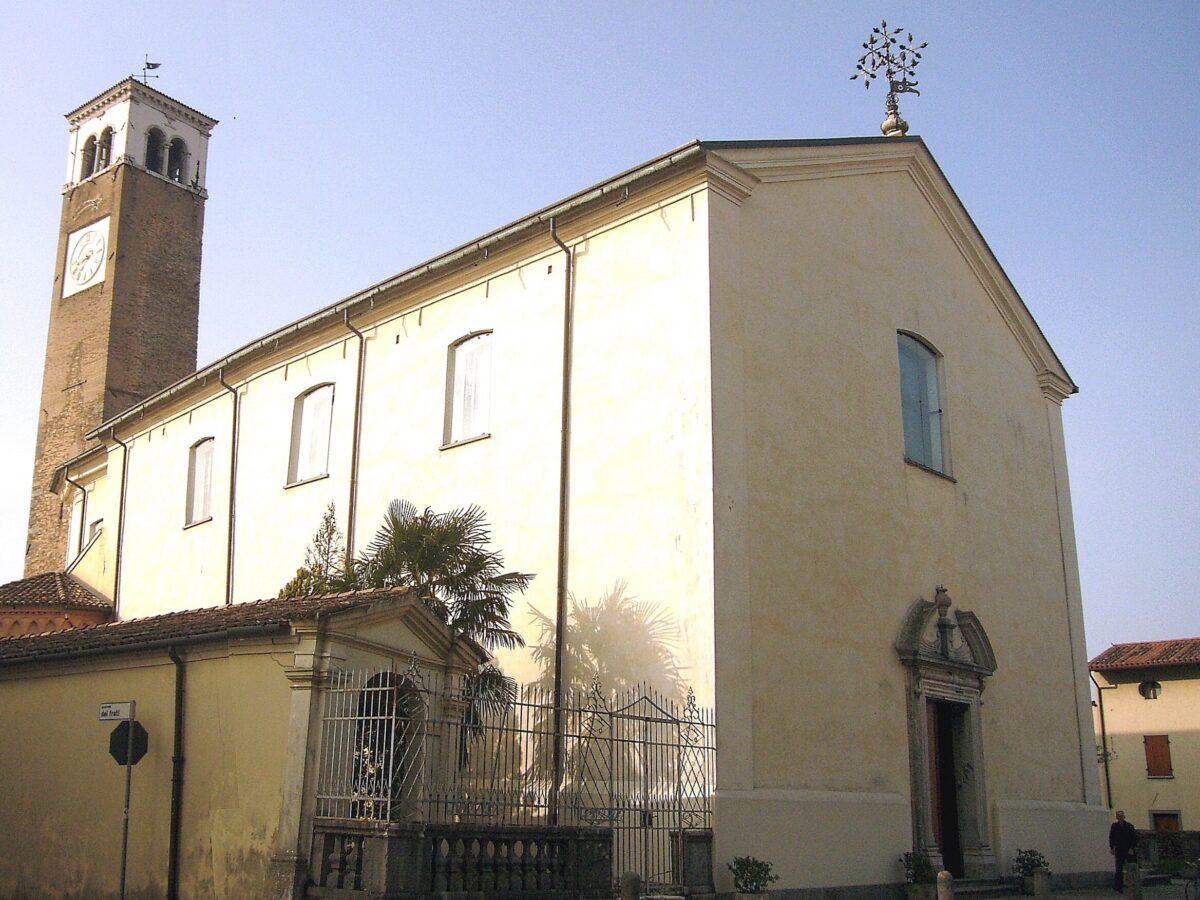
Bertiolo
Plains
The earliest documented mention of the name Bertiolo dates back to 1219, in a notarial deed linked to the properties of the Patriarchate of Aquileia. Arriving today along the road that leads south from Codroipo, visitors encounter a compact urban centre laid out along a grid of orderly streets, surrounded by fields of maize and […]
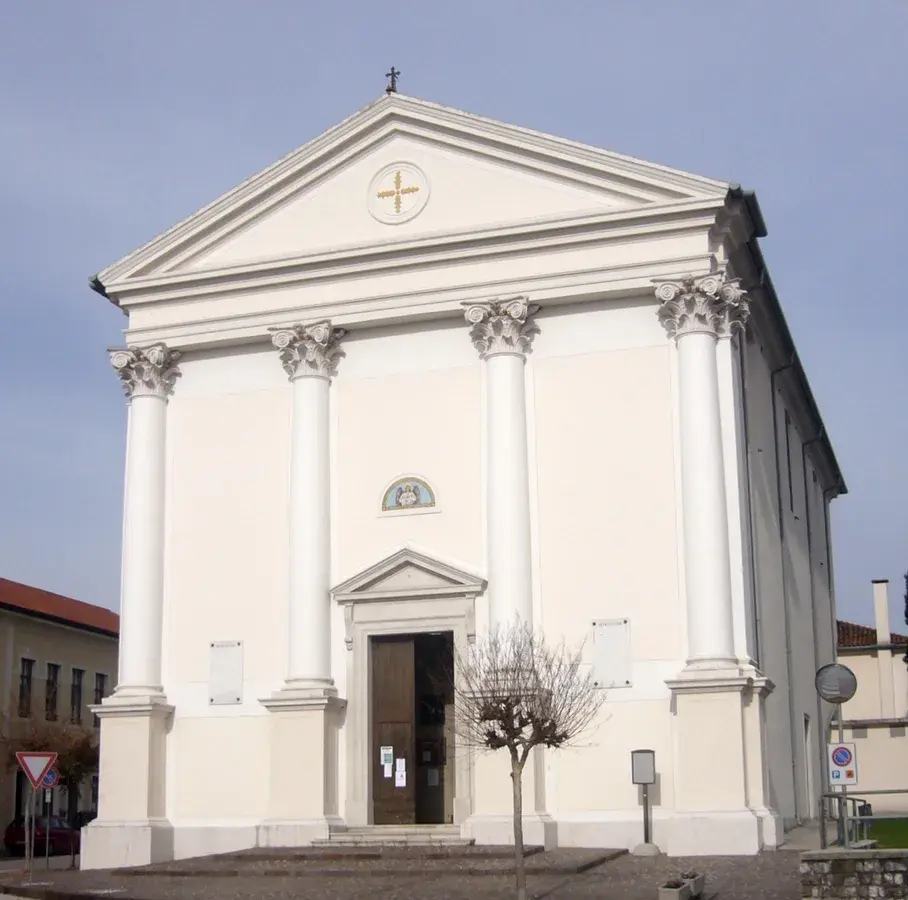
Arba
Plains
What to see in Arba: Explore Italy's Arba, a village at 210 meters altitude. Discover its historic church and vibrant patron saint festival on September 29. Read more.
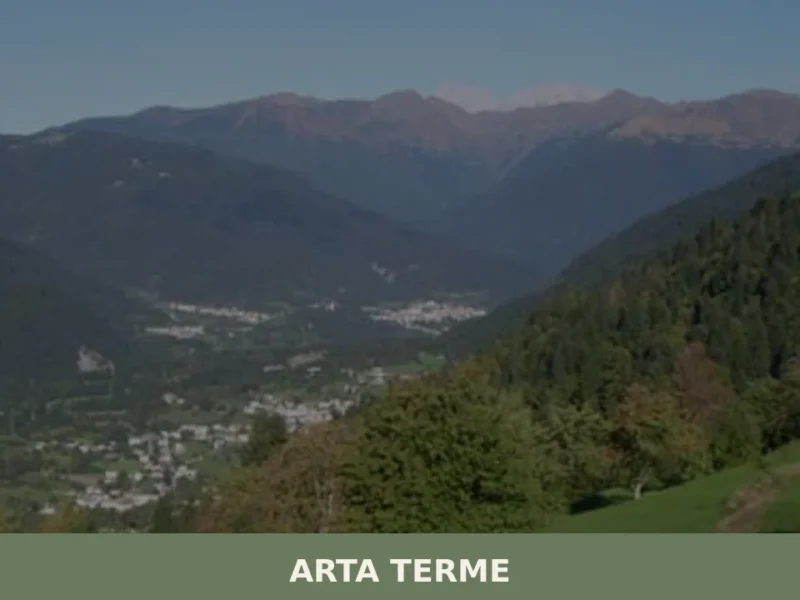
Arta Terme
Hills
In 1687, the physician and naturalist Giovanni Battista De Candido published the first treatise on the healing properties of the sulphurous waters flowing from the Fonte Pudia spring in the territory of Arta. That document marked the beginning of a thermal spa tradition that would define the economic identity of this Carnic centre for the […]
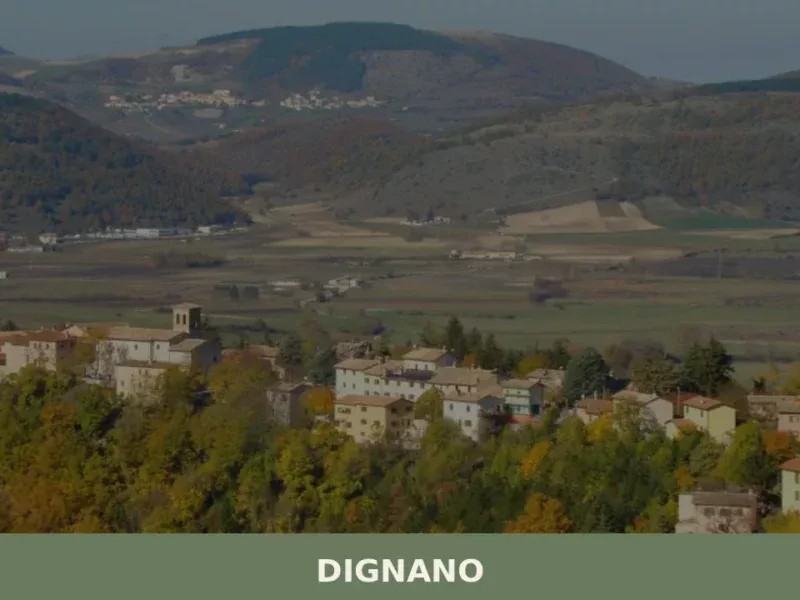
Dignano
Plains
In the cadastral register of 1296, the name Dignano appears among the possessions of the Patriarchate of Aquileia, a rural community closely tied to ecclesiastical control and cereal production on the Friulian plain. Today the municipality has approximately 2,380 inhabitants spread across the main centre and several hamlets, in a flat territory northwest of Udine […]
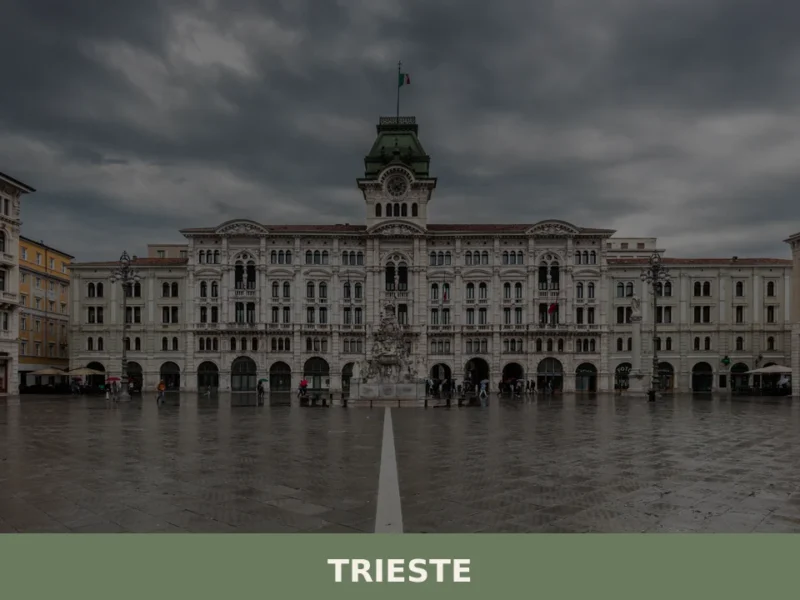
Trieste
Sea
What to see in Trieste, a city with over 200,000 inhabitants? Discover 5 main attractions and savor local cuisine like Jota and Presnitz. Explore its unique history.




🏡 Know Grado better than we do?
If you’re a local or have been there, your knowledge matters: add what’s missing or fix a detail on this page.