


Guagnano
 Plains
A wine-producing comune of 5,306 residents in Lecce province. Guagnano draws visitors for its Salice Salentino DOC vineyards, 18th-century Baroque churches and scattered masserie (fortified farmhouses).
Guagnano: Wine Country and Baroque Faith in Central Salento
Stone churches rise from the flat Salento landscape with Baroque facades that catch afternoon light. In the surrounding countryside, rows of grapevines stretch toward the horizon, and masserie—fortified farmhouses built centuries ago—stand as solitary guardians of the land. The rhythm here is slow: the turning of seasons marked by vintage and harvest, by religious processions and local markets that gather the village together.
Guagnano village in Apulia is a comune of 5,306 residents located in the province of Lecce, rising just 44 metres above sea level in central Salento. The village sits at the boundary between Lecce and Brindisi provinces, its territory spanning 37 square kilometres of agricultural land. Two major draws animate the place: the production of wine under the Salice Salentino DOC designation, and the presence of Baroque religious architecture that testifies to centuries of devotion and feudal patronage.
Origins and Feudal Life
The etymology of Guagnano is uncertain. One tradition links the name to an ancient dialect word referring to marshland rich in water. Another hypothesis suggests a derivation from a Latin personal name—possibly Covanius or Aequanius—with the suffix -anus indicating property or possession. A third account, attributed to the historian Giacomo Arditi, proposes that the name derives from guadagno (gain or profit), alluding to the fertility of the land and the lucrative activities conducted there.
By the late thirteenth century, Guagnano formed part of the Contea di Lecce and passed through the hands of successive lords. The Orsini del Balzo, princes of Taranto, held the territory at one point. Ownership then moved through the de Adimaris, Sambiasi, Zurlo, Paladini, Galateo, Lopez, Santoro, Mattehei, Albrigi and finally the Filomarini, dukes of Cutrofiano, who retained control into the early modern period. In 1811, the larger settlement of Villa Baldassarri was administratively joined to Guagnano, and it remains a frazione (satellite hamlet) of the comune today.
Sacred Architecture and Devotion
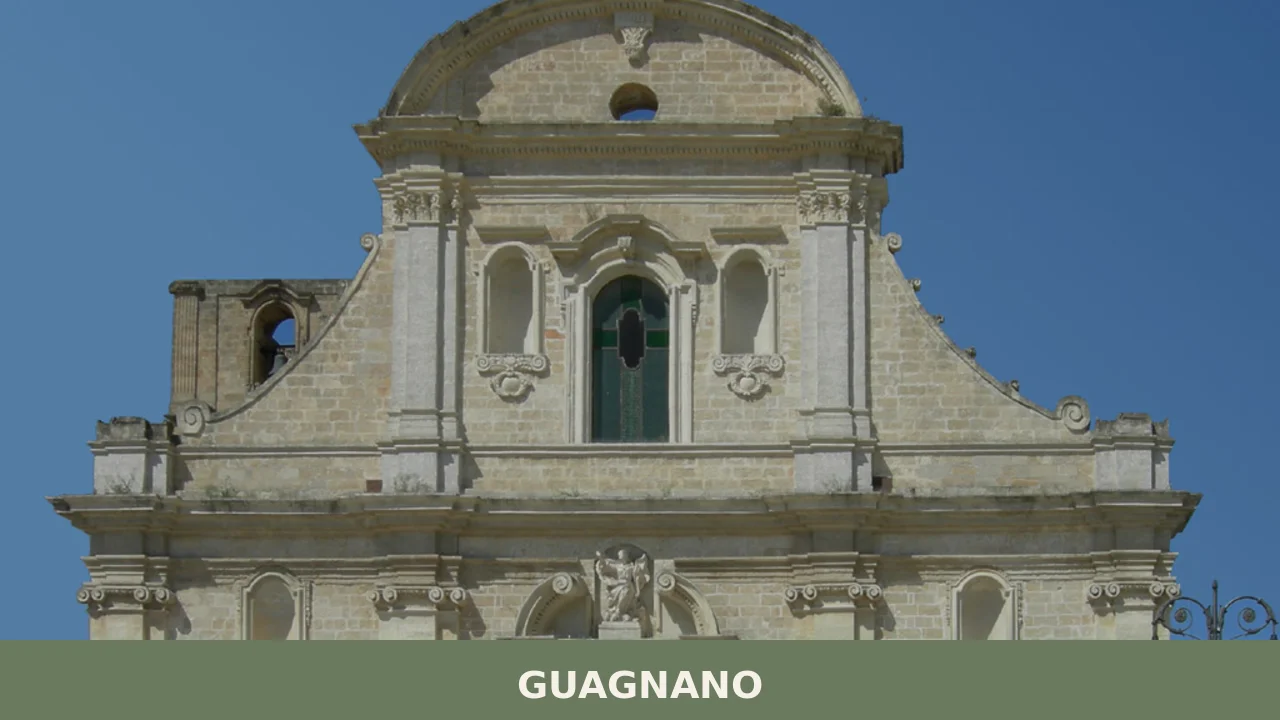
The Church of the Assumption (Chiesa Madre) dominates the village centre. Completed in 1798, it incorporates within its structure an earlier fifteenth-century building erected on the site where an image of the Virgin of the Rosary was said to have been discovered. The facade displays two tiers of Baroque ornamentation: an elegant entrance portal crowned by a sculptured figure of the Assumption, flanked by smaller portals and refined decorative detailing. Inside, the Latin-cross plan unfolds across three naves, their star-patterned ceilings rising above a sequence of Baroque altars. In the right arm of the transept hangs a fourteenth-century painting of the Virgin, housed within the altar dedicated to the Madonna del Rosario. The baptistery, Renaissance in style, has been recently restored.
The Church of the Madonna del Rosario, constructed in the mid-eighteenth century, shelters the relics of four Christian martyrs and contains a notable statue of the Virgin. This church anchors a popular devotional practice and serves as a focal point for the village’s main patronal observance each October.
According to local legend, a man who owned a herd of cattle lost one animal without explanation. After searching, he discovered the beast in the forest with a rosary in its mouth. When he tried to lead it back to the stable, the taurus refused to move. Following the creature’s fixed gaze into the undergrowth, the man found a stone wall bearing an image of the Virgin—a sign interpreted as divine indication of where the church should stand.
Masserie and Agricultural Heritage
Scattered across the territory are fortified farmhouses (masserie) that embody the rural power structures of the medieval and early modern Salento. Several date to the fifteenth and sixteenth centuries—notably Masseria Fortificata Nardo di Prato and Masseria Fortificata San Gaetano—and bear evidence of their defensive design. Others, such as Masseria Marina (thirteenth century), Masseria Camarda (seventeenth century), and Masseria Pucciano (seventeenth to eighteenth centuries), illustrate the evolution of agricultural settlement over centuries. These structures once served dual purposes: storing harvest and sheltering inhabitants from brigandage and raid. Today they remain scattered landmarks across the landscape, many still in use, others slowly returning to the earth.
Vincent City: Art in the Margins
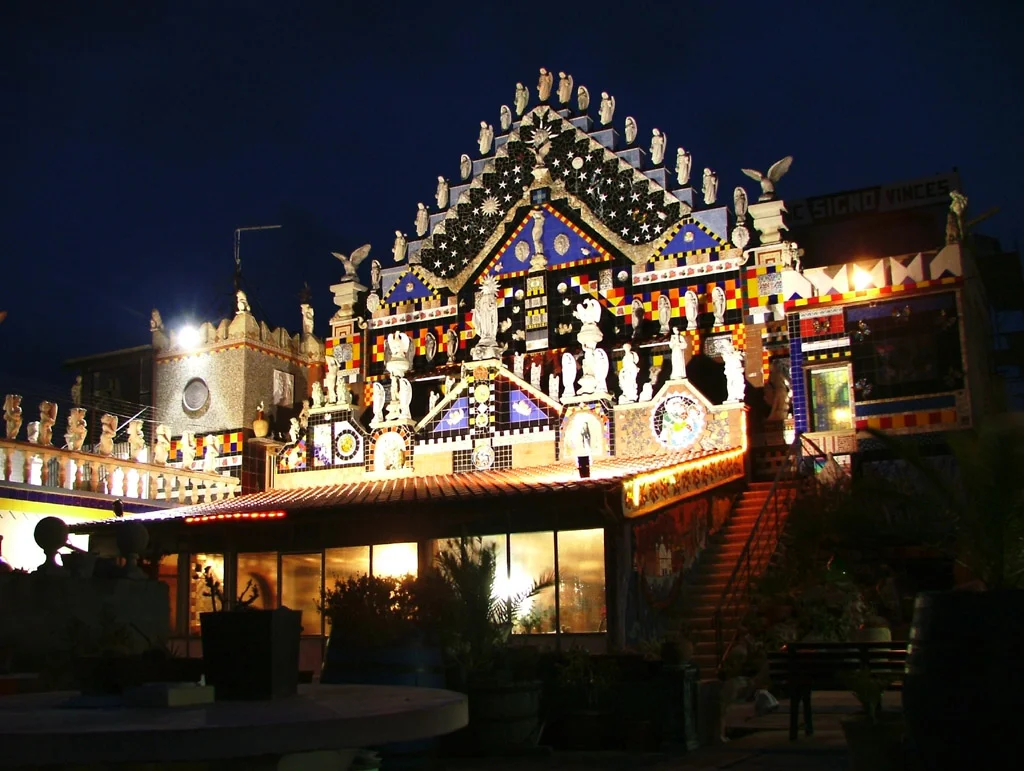
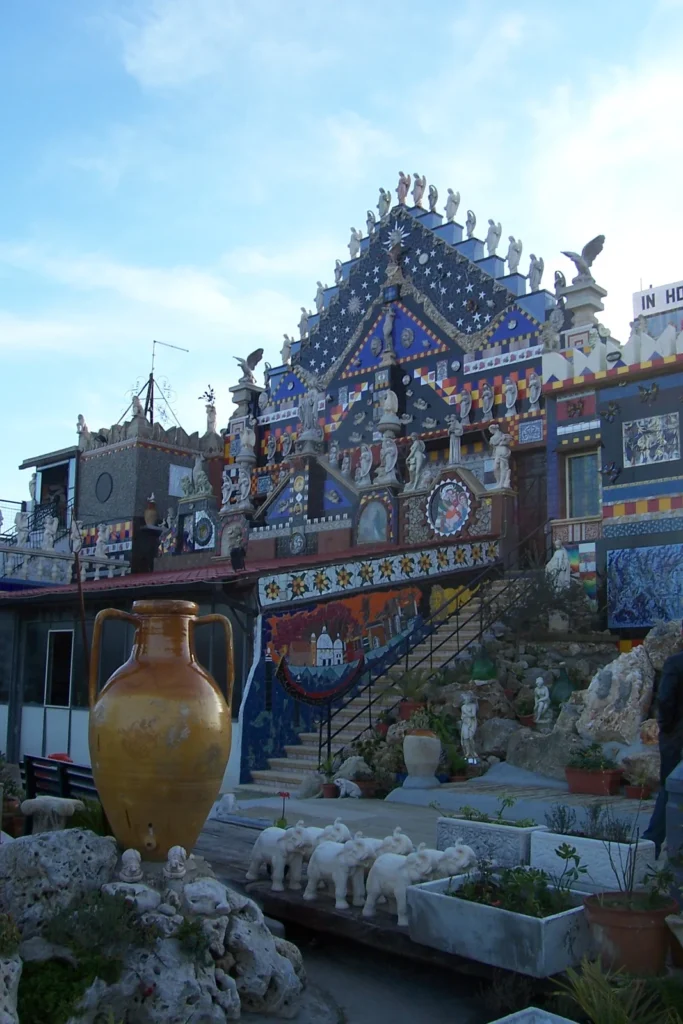
On the village periphery stands an unconventional landmark: Vincent City, a house-museum created by local artist Vincent Brunetti from salvaged and reclaimed materials. The structure has featured in the documentary film Italian Sud Est and in music videos, and it has become an informal stopping point for cyclists following rural touring routes through the region. It represents a contemporary form of creative place-making distinct from the historical and religious monuments, yet equally reflective of local identity and ingenuity.
Wine and Agricultural Life
The landscape surrounding Guagnano belongs to one of Puglia’s most significant wine-producing zones. The comune sits within the Salice Salentino DOC designation, an area renowned for red wines produced from the Negroamaro grape. Vineyards dominate the western portion of the territory, which falls within the Terra d’Arneo, a historical district of central Salento. Seven cooperative wineries and various consortia operate from the village, organizing production, vinification, and export of local wines and table grapes.
Beyond wine, the agricultural economy sustains itself through broader patterns of Salento farming. The mild winters and hot, often dry summers create a Mediterranean climate suited to grape cultivation and traditional vegetable production. Regional products—such as bruschetta with preserved tomatoes, aged caprino cheese, and dried figs—form part of the broader Puglian food heritage, though Guagnano itself does not possess uniquely designated protected products under EU protected designation of origin (PDO) or protected geographical indication (PGI) status. What distinguishes the zone is the concentration of vineyard culture and the infrastructure of wine-making that has accumulated over decades.
Planning Your Visit
Guagnano is accessible by road and rail. The Strada Statale 7 ter Salentina (Taranto–Lecce highway) passes directly through the village, serving as the primary connection. Secondary provincial roads connect to nearby comuni including Salice Salentino to the south, Campi Salentina to the east, and San Donaci to the north across the Brindisi border. A railway station on the Martina Franca–Lecce line (operated by FS Sud Est) provides an alternative to driving.
| Departure Point | Distance | Approximate Time |
|---|---|---|
| Lecce (provincial capital) | 23 km | 25–30 minutes by car |
| Salice Salentino | 8 km | 10–12 minutes by car |
| Campi Salentina | 6 km | 8–10 minutes by car |
| Brindisi Airport | 65 km | 50–60 minutes by car |
The best seasons to visit are spring (April–May) and autumn (September–October). Spring brings mild temperatures and active vineyard work; autumn offers harvest season and the major patronal feast of the Madonna del Rosario, celebrated in the first decade of October with market fairs and traditional observances. Summer temperatures regularly exceed 30 °C, and the flat terrain offers little natural shade. Winter is mild but rainy, with January averaging around 10 °C. If visiting for wine, contact local cooperatives in advance; most offer tastings by appointment. The village centre is compact and walkable; exploring the masserie and countryside requires a car or bicycle. Nearby Salice Salentino and Campi Salentina offer additional wine routes and rural accommodation options within minutes of Guagnano.
Frequently asked questions about Guagnano
When is the best time to visit Guagnano?
October is ideal, coinciding with the Feast of Madonna del Rosario on October 7th, featuring religious processions and local celebrations. Late September through October offers pleasant autumn weather and grape harvest activities. Spring (April–May) provides comfortable temperatures for exploring the countryside and masserie. Summer can be hot in the Salento plain, though ideal for wine tastings and outdoor activities.
How do I reach Guagnano from major cities?
Guagnano is located in Lecce province, roughly 40 kilometres south of Brindisi. By car, take the SS613 or SS16 roads; motorway access via A14 near Brindisi (exit Brindisi Nord). Lecce railway station connects to regional trains serving Salento. From Lecce city, drive approximately 30 minutes south. No direct intercity buses serve the village; local SITA buses connect to Lecce and surrounding towns.
What makes Guagnano special for wine enthusiasts?
Guagnano lies within the Salice Salentino DOC wine region, renowned for Negroamaro and Primitivo red wines. The surrounding countryside features extensive vineyards producing quality Apulian wines. Many local wineries and agricultural estates offer tastings and vineyard tours. The village's wine heritage is deeply embedded in its seasonal rhythms and local culture, making autumn harvest season particularly atmospheric for visitors.
How long should I plan to spend in Guagnano?
A day visit (4–6 hours) suffices for exploring the Baroque churches, village centre, and local markets. An overnight stay allows time for wine tastings, masserie farm visits, and countryside walks across the agricultural landscape. Two days enable fuller immersion in seasonal activities, religious sites, and regional food experiences. Most visitors combine Guagnano with nearby Lecce or other Salento villages.
Are there documented walking or cycling routes around Guagnano?
The flat Salento terrain is excellent for cycling through vineyard rows and agricultural lands. The surrounding 37-square-kilometre territory offers accessible countryside exploration. Local rural roads connect to masserie and neighbouring villages. While specific CAI (Italian Alpine Club) trails are not documented for this lowland area, agriturismos and local tourism offices can arrange guided walks and cycling routes through wine-producing lands and historic farmhouses.
📷 Photo Gallery — Guagnano
In Apulia More villages to discover
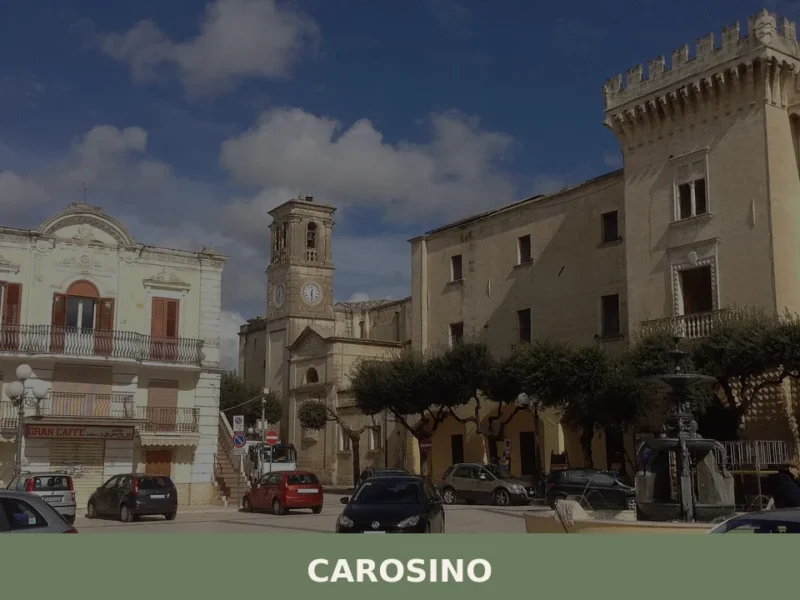
Carosino
Plains
Carosino is a comune of 6,371 inhabitants in the province of Taranto, positioned in the Ionian arc of Puglia where the landscape flattens into olive groves and vineyards before reaching the coast. Known locally by its Salentine dialect name Carusinu, the town sits within a territorial context defined by centuries of agricultural production and the […]
Volturara Appula
 Hills
Hills
A hill village of 378 residents at 489 metres in the Daunian Subapennines. Volturara Appula offers medieval lanes, panoramic views over the Tavoliere, and the quiet of a place most travellers never find.
Lesina
 Lake
Lake
 Sea
Sea
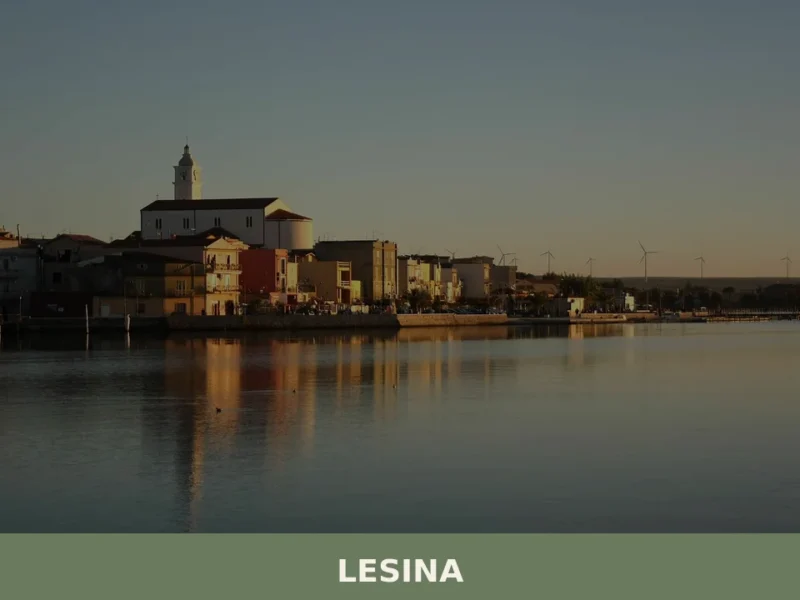
What to see in Lesina, Puglia, Italy: explore Lake Lesina, the feast of San Primiano and a village of 6,204 people. Discover the complete travel guide.
Leporano
Sea
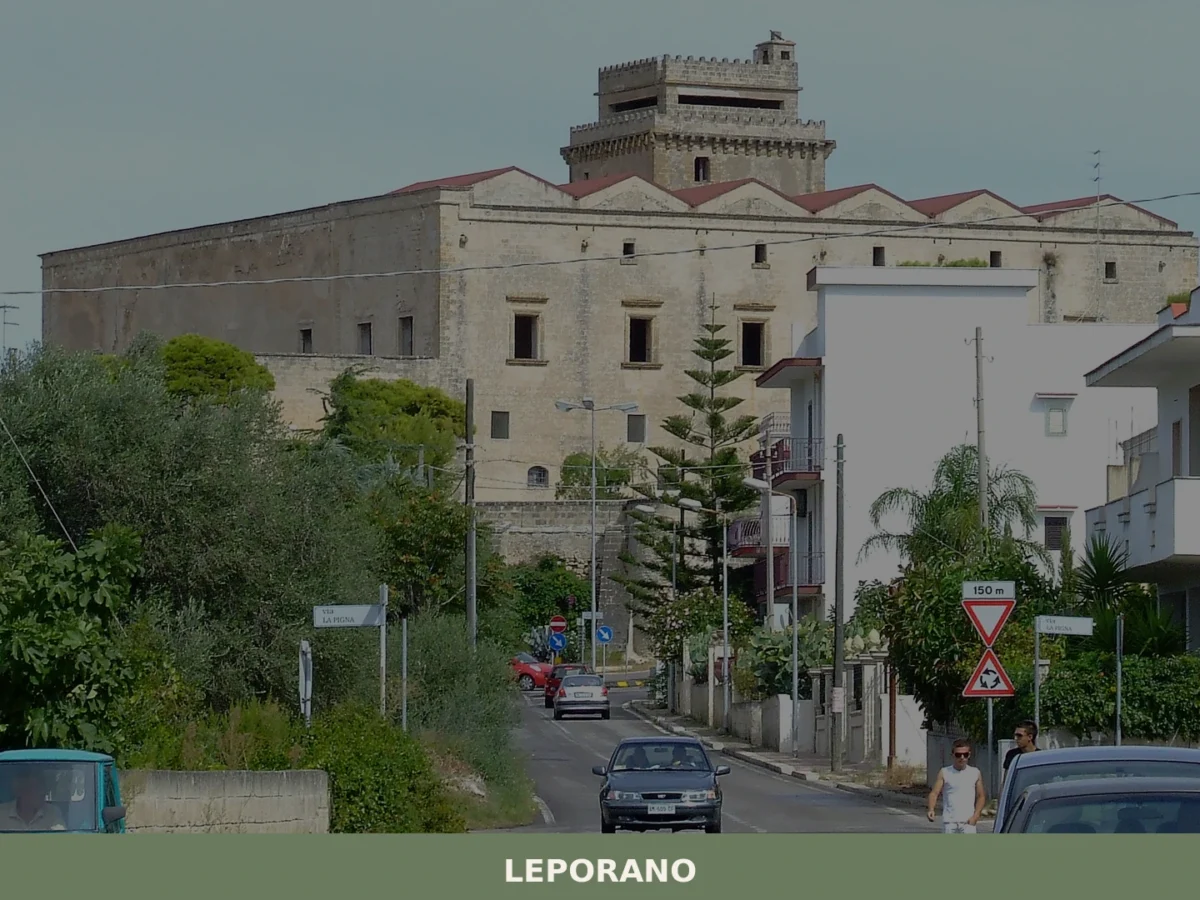
Discover what to see in Leporano, Puglia: Aragonese tower, Ionian coastline, local food and practical tips for visiting this Taranto province municipality.
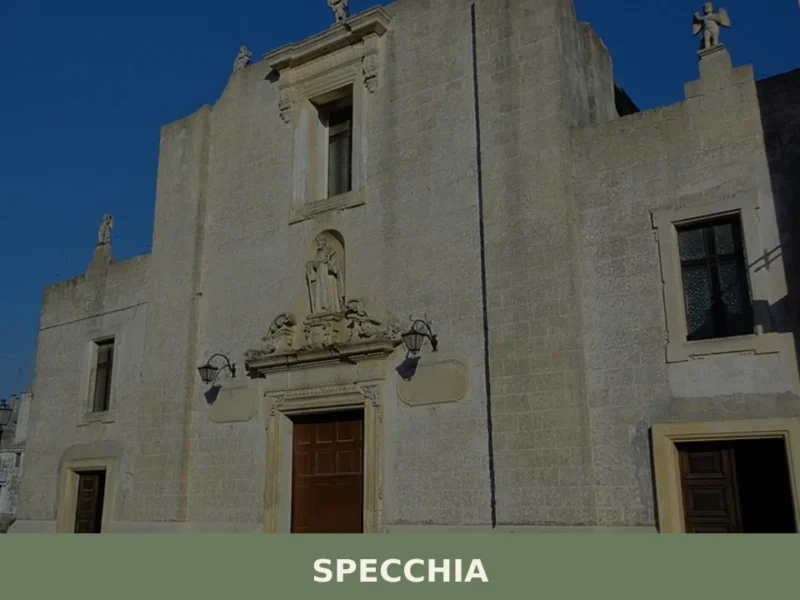
Specchia
Plains
What to see in Specchia: a medieval village at 131m in Salento with 4,569 residents. Explore Castello Risolo, the historic centre and PAT-certified local food. Plan your visit.
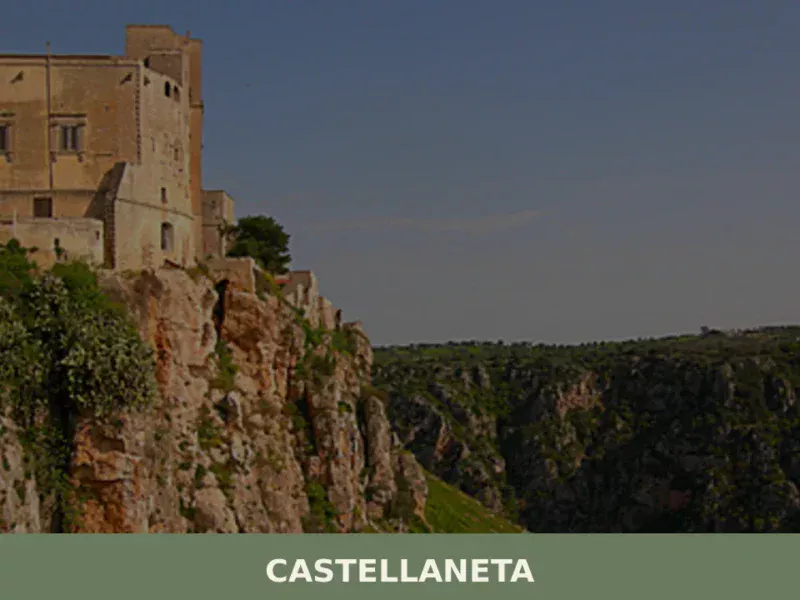
Castellaneta
Sea
Castellaneta, a comune of around 15,784 inhabitants in the province of Taranto, sits above a dramatic ravine system carved into the Apulian plateau — a geological fact that has determined the town’s layout, its defensive logic, and the views that define it today. Visitors drawn to this corner of southern Puglia often arrive expecting little […]
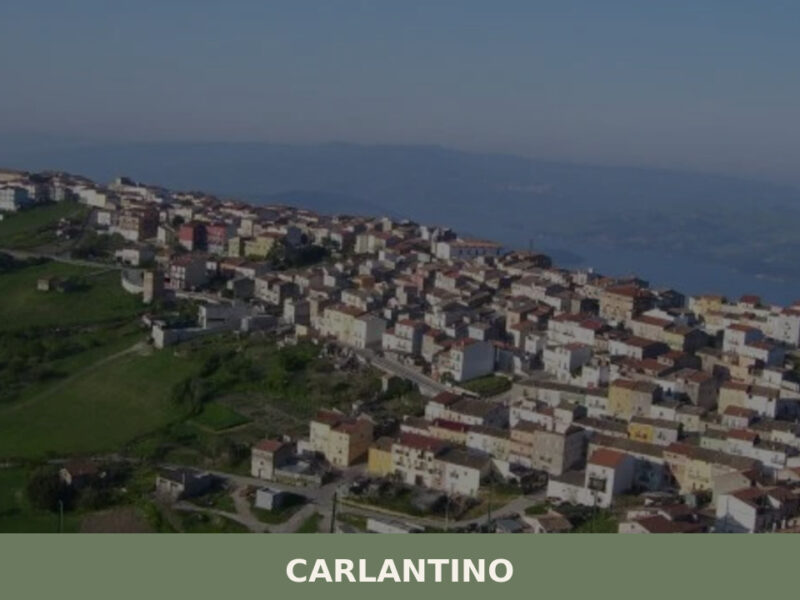
Carlantino
Plains
Discover Carlantino, a tiny hilltop village overlooking Lake Occhito in Puglia's Daunia hills. Explore its history, nature trails, and renowned black truffles.
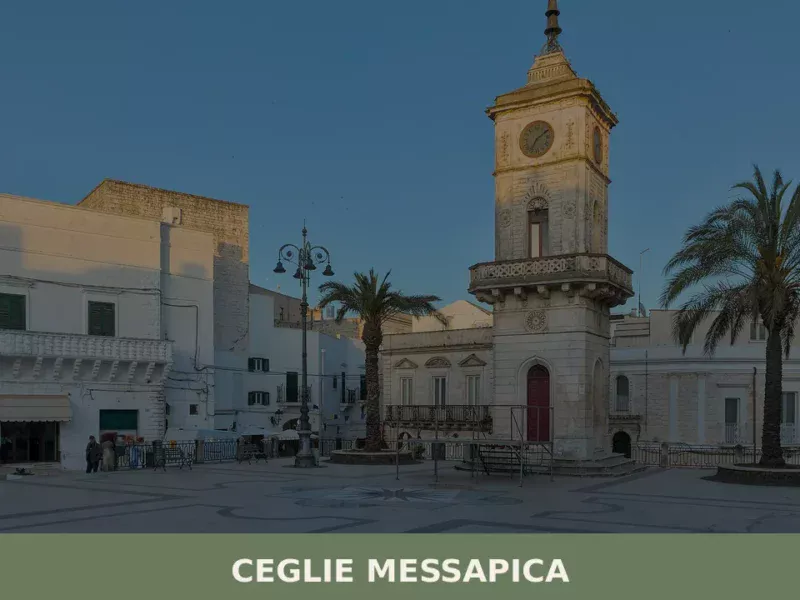
Ceglie Messapica
Sea
Discover what to see in Ceglie Messapica: the Ducal Castle, medieval chianche streets, ancient olive groves, karst caves and Puglia's finest local food.
Manduria
Sea
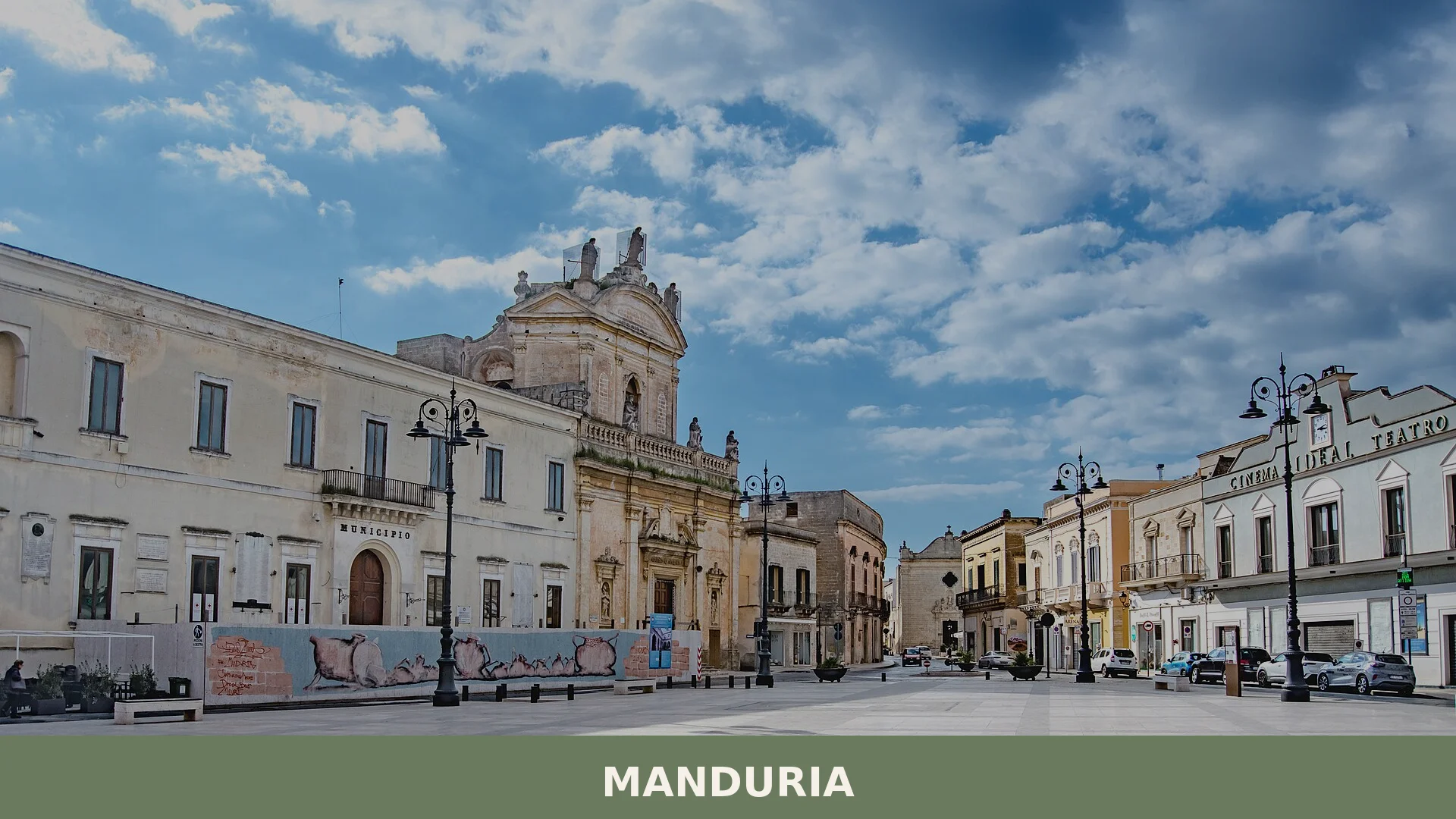
A territory where Messapic walls still stand and Roman roads connect to the coast. Manduria earned its title as a City of Art through centuries of layered stone and faith.
Chieuti
Sea
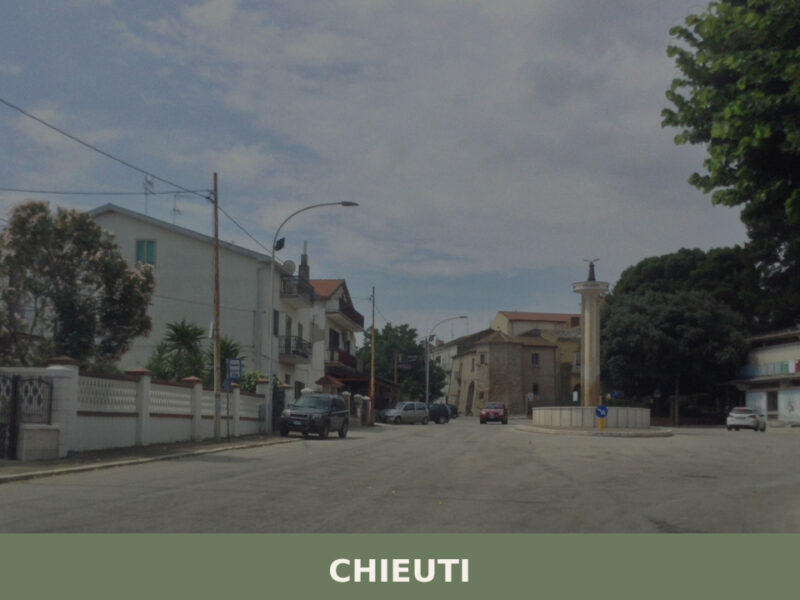
An Arbëreshë hilltop village of 1,518 people in the province of Foggia, Chieuti preserves five centuries of Albanian-Italian heritage in its streets, language, and traditions.


🏡 Know Guagnano better than we do?
If you’re a local or have been there, your knowledge matters: add what’s missing or fix a detail on this page.