


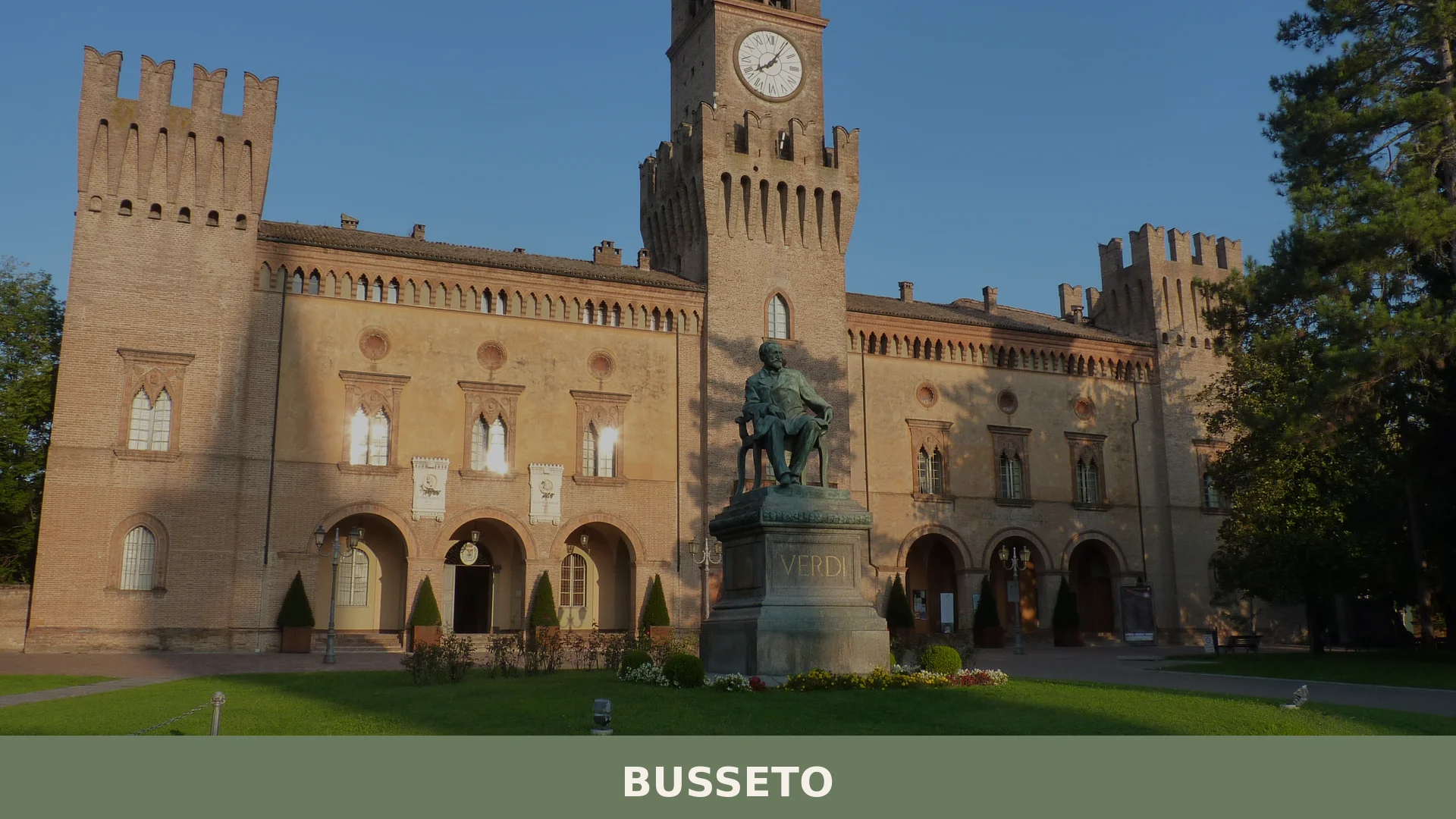
Busseto
 Plains
Busseto, a small town near Parma in Emilia-Romagna, pairs centuries of Pallavicino history with an unmissable trail through the life and music of Giuseppe Verdi.
Discover Busseto
Busseto is a town of roughly 6885 inhabitants set in the flat agricultural landscape of the lower Po plain, in the province of Parma, Emilia-Romagna, about 41 kilometres north-west of Parma and some 8 kilometres south of the River Po. At an elevation of 40 metres, the town sits near the Ongina stream, a left-bank tributary of the Arda, which in this stretch marks the boundary between the provinces of Parma and Piacenza. Its documented history reaches back to 768, and for much of the medieval period Busseto served as the capital of the State of Pallavicino, a lordship that shaped its urban fabric and left behind a rocca, a collegiate church, and a cluster of religious buildings still standing today. In 1533 Emperor Charles V formally proclaimed it a city, and a decade later the same streets witnessed a historic meeting between the emperor and Pope Paul III to prepare the ground for the Council of Trent.
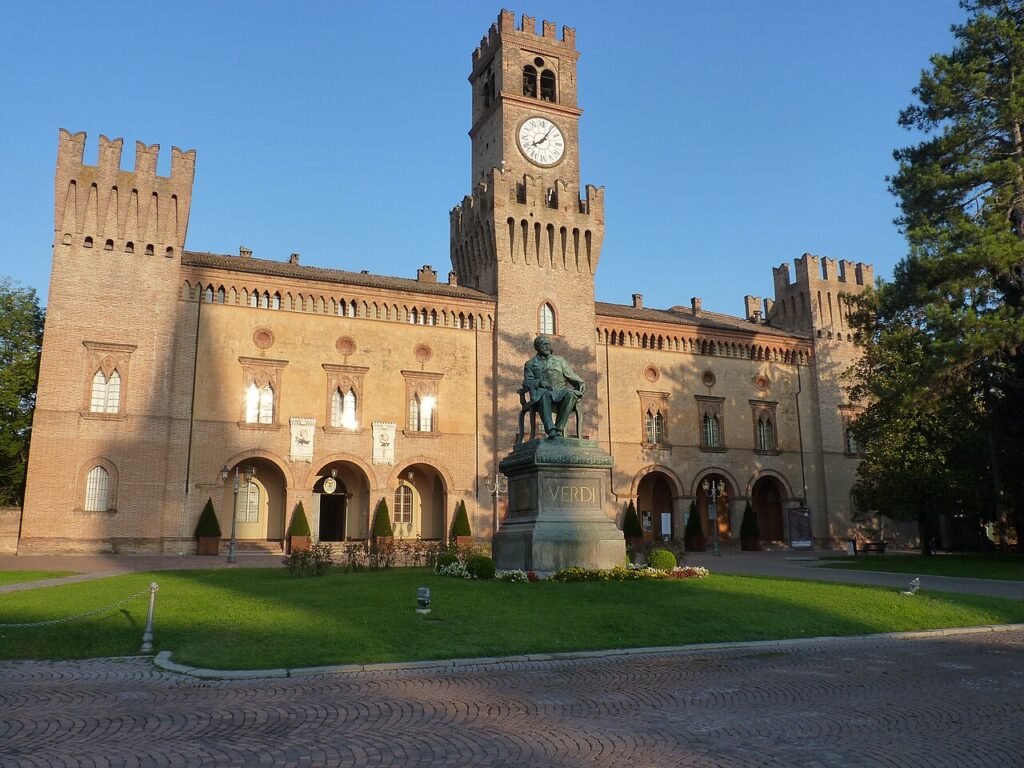
Yet for most visitors the name Busseto is inseparable from a single figure: Giuseppe Verdi, born in 1813 in the nearby fraction of Roncole Verdi and formed as a musician within these very streets and palaces. The Busseto village in Emilia-Romagna that travellers find today preserves this dual identity with unusual coherence — a compact historic centre anchored by medieval and baroque architecture on one side, and an itinerary of Verdian sites on the other, from the composer’s modest birthplace at Roncole to the Casa Barezzi, the Teatro Giuseppe Verdi, and the national museum housed in the sixteenth-century Villa Pallavicino.
Busseto village in Emilia-Romagna: history and origins
Busseto is an ancient settlement in the Po plain whose documented history stretches from at least the year 768, when its name first appears in written records in connection with the founding of a chapel, to its proclamation as a city by Emperor Charles V in 1533 — a span encompassing centuries of Pallavicino lordship, imperial politics, and an enduring musical legacy tied to Giuseppe Verdi. The earliest mention of the place names it as a dependency of the Bishop of Cremona, a relationship that lasted until 12 February 1601, when the newly established Diocese of Borgo San Donnino (today the Diocese of Fidenza) assumed jurisdiction over the area.
From the tenth century onward, the Pallavicino family exercised dominion over the territory. Around 985, Adalberto, the founding figure of the dynasty, rebuilt the town’s walls and constructed the rocca, establishing Busseto as the capital of what became known as the State of Pallavicino for roughly five centuries. The settlement suffered a severe blow in 1268, when its defensive walls were razed following the fall of the Hohenstaufen, to whom the Pallavicino had remained loyal. A subsequent period of renewed prosperity came under Rolando Pallavicino, known as the Magnificent, who in 1429 issued the first systematic body of law for his territory — the Statuta Pallavicinia. His death in 1457 marked the beginning of the state’s long decline.
Despite that decline, Busseto achieved a notable moment of prestige when Charles V visited and formally elevated it to the rank of city in 1533, in recognition of the loyalty shown by the local nobleman Girolamo Pallavicino. A decade later, on 21 June 1543, the same emperor met Pope Paul III at Busseto to negotiate the opening of the Council of Trent. The Pallavicino line of the marquises of Busseto ended with the death of Galeazzo II in 1580; the lands passed successively to his cousin Sforza Pallavicino, Marquis of Cortemaggiore, and then to Alessandro Pallavicino, Marquis of Zibello, before Alessandro Farnese seized the entire state in 1588 and absorbed it into the Duchy of Parma and Piacenza. A brief interruption occurred in 1636, when Alessandro Galeazzo recovered the title for a short time, only to be displaced again by the Farnese.
Busseto’s later history is inseparable from the name of Giuseppe Verdi, born in 1813 in the frazione of Roncole Verdi. The composer’s formative years were spent in the town itself, and several of its historic buildings retain direct connections to his life — among them the oratorio della Santissima Trinità, where in 1836 he married his first wife, Margherita Barezzi. The town’s long-standing link to music, politics, and patronage continues to define its identity as one of the most historically layered communities in the province of Parma.
Sacred Buildings, Historic Theatres and Verdi Museums
Busseto concentrates its most significant sights around three threads: religious architecture spanning the fourteenth to the eighteenth century, a Teatro Giuseppe Verdi built from the mid-nineteenth century onward, and a cluster of museums devoted to the life and work of Giuseppe Verdi, born in the nearby fraction of Roncole Verdi in 1813.
Collegiata di San Bartolomeo Apostolo
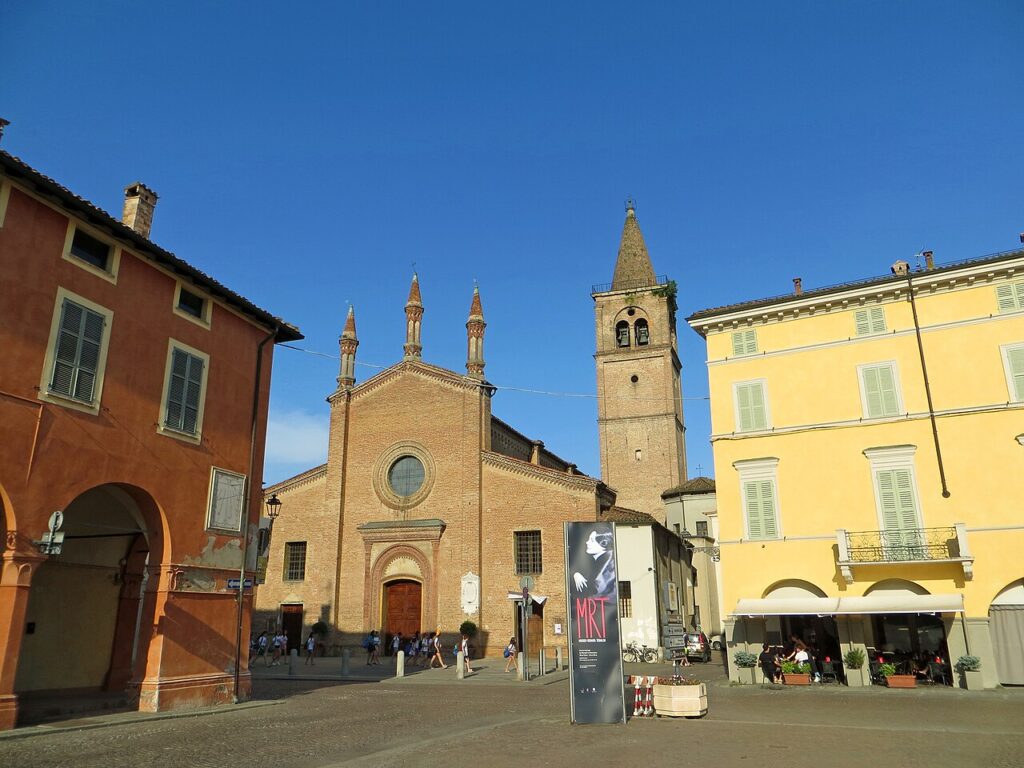
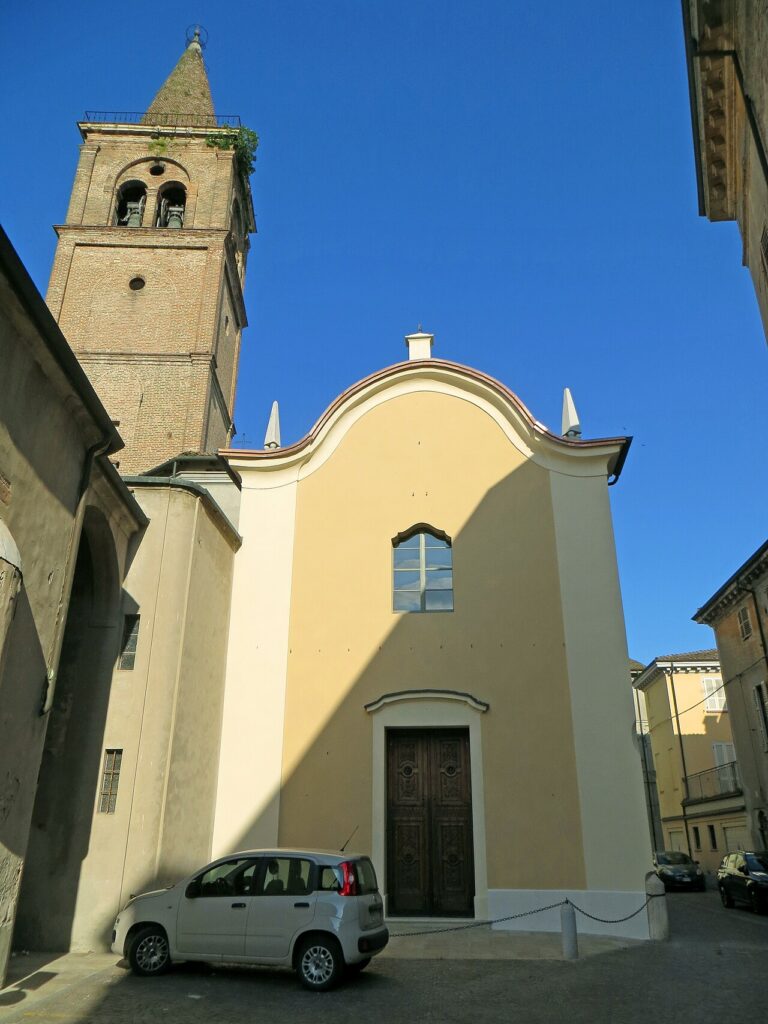
Founded in 1336 on the remains of an earlier place of worship, the collegiate church was entirely rebuilt in Gothic style at the initiative of the Marquis Rolando il Magnifico. Its interior was subsequently refashioned in Rococo style around the mid-eighteenth century. Among the works it preserves: an altarpiece depicting San Bartolomeo Carried into Glory by Angels by Francesco Boccaccino; frescoes in the chapel of the Beata Vergine della Concezione executed by Michelangelo Anselmi between 1538 and 1539; and, by the painter Giuseppe Moroni, the Stations of the Cross together with two large apse frescoes completed in 1942–43. The church treasury includes sacred vestments, silverware and illuminated manuscripts.
Oratorio della Santissima Trinità
Adjoining the collegiate church, this oratory was built between the fourteenth and fifteenth centuries and later entrusted to the confraternity of the Santissima Trinità, from which it takes its current name. Between 1766 and 1770 the interior was thoroughly remodelled in Rococo style. The church is historically notable as the place where Giuseppe Verdi married Margherita Barezzi in 1836. It preserves an altarpiece of the Santissima Trinità with Saints Apollonia and Lucia, painted by Vincenzo Campi in 1579.
Chiesa di Sant’Ignazio di Loyola
Funded by a bequest from the Busseto nobleman Pietro Pettorelli, this Jesuit church was begun in Baroque style in 1617, with structural work completed only in 1682 to a design by the architect Francesco Pescaroli. The stucco decoration, dating to 1687, is the work of Domenico Dossa and Bernardo Barca. The altarpiece depicting the Gloria di Sant’Ignazio was painted by Ilario Spolverini in the early eighteenth century. The attached college operated until 1768, when it was closed following the suppression of the Jesuit order.
Chiesa e Convento di Santa Maria degli Angeli
Built between 1470 and 1474 in late-Gothic forms, the church houses a terracotta sculptural group representing the Compianto sul Cristo morto, attributed to the sculptor Guido Mazzoni and dating to 1476.
Santuario della Madonna dei Prati
Erected between 1690 and 1696 to a design by the architect Francesco Callegari, the sanctuary was formally elevated to that status in 1904 and became a parish seat in 1926. It is associated with a dramatic episode of 1828, when a lightning strike during the patronal feast killed six people while the young Giuseppe Verdi, present at the celebration, was unharmed.
Chiesa di San Vigilio
Located in the hamlet of Samboseto and first documented in 1299, the church contains a painting of the Immacolata by Clemente Ruta and a Madonna col Bambino with Saints Vigilio, Lucia and Teresa d’Avila attributed to Girolamo Donnini.
Teatro Giuseppe Verdi
A proposal to build a new theatre in Busseto, to replace the existing one housed in the rocca and described by contemporaries as inadequate, was put forward in 1845. The theatre that resulted bears the name of the town’s most celebrated son and remains a focal point of Busseto’s musical identity.
Museums on the Verdi Trail
Three distinct museum venues document different aspects of Verdi’s life. The Casa Natale di Giuseppe Verdi in Roncole Verdi, a modest building where the composer was born on 10 October 1813, holds a small group of documents and commemorative works; a visit is best arranged in advance. The Museo di Casa Barezzi occupies the former home of Antonio Barezzi, the prosperous merchant who became Verdi’s father-in-law and first patron; an exhibition opened in 2001 displays a broad collection of the composer’s personal objects and papers alongside the historic salon where the young Verdi received his early musical training. Further information is available at museocasabarezzi.it. The Museo Nazionale Giuseppe Verdi, inaugurated on 10 October 2009 within the sixteenth-century Villa Pallavicino, presents Verdi’s operas through set reproductions, period paintings and fine nineteenth-century textiles.
Rocca Pallavicino
The fortress traces its origins to 985, when Adalberto, founder of the Pallavicino dynasty, rebuilt the town walls and raised the rocca, which served as the capital of the Stato Pallavicino for roughly five centuries.
Busseto and the Parma Plain: A Land of Certified Flavours
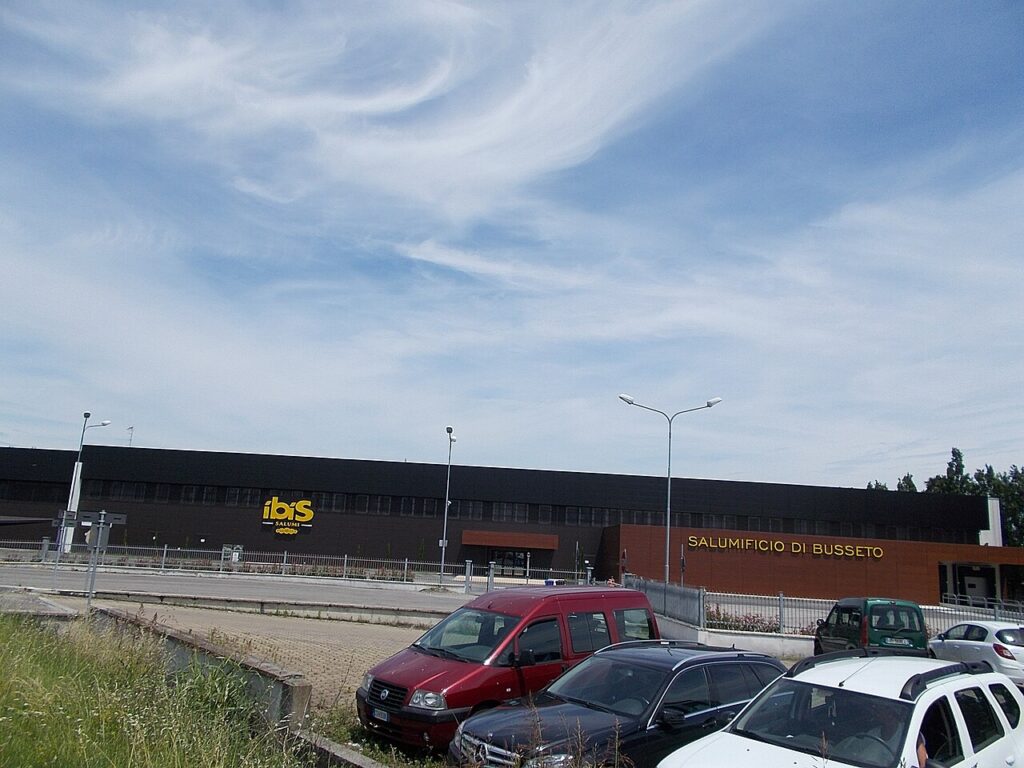
Busseto sits in the heart of a territory renowned across Italy for some of its most prized cured meats and foodstuffs, most notably the Culatello di Zibello DOP — produced just a few kilometres away along the Po plain — alongside the Coppa di Parma IGP and the Mortadella Bologna IGP. The area’s food culture is inseparable from the broader province of Parma, one of the most celebrated food districts in Italy.
Beyond the cured meats, the territory also claims the Fungo di Borgotaro IGP, a prized wild mushroom from the Apennine valleys to the south, and contributes to a wider Emilian tradition of cooked pork preparations, including the Cotechino Modena IGP. None of these products is exclusive to Busseto itself, but visitors to the town can encounter them readily in local shops and restaurants throughout the bassa parmense.
The wines of the surrounding area include the Colli di Parma DOC and the Fortana del Taro IGT, both produced in the broader provincial territory. Among traditional preparations catalogued at regional level, the area also preserves a range of liqueurs and macerates — including bargnolino, a sloe berry liqueur, and grappa-based pear macerates — that belong to the living craft tradition of the Po plain.
Planning your visit and getting there
Busseto can be reached easily from the lower Val Pellice and the Turin area. The practical distances and journey times below are kept concise on purpose, so the access information stays clear and consistent.
| Departure | Distance | Time |
|---|---|---|
| Parma | approx. 41 km | approx. 40 min |
| Piacenza | approx. 35 km | approx. 35 min |
| Cremona | approx. 45 km | approx. 45 min |
These practical reference points are enough to plan the journey without overloading the text with unstable logistics. Once on site, the village is best understood slowly, on foot and in relation to the surrounding landscape.
Frequently asked questions about Busseto
What is the best time to visit Busseto?
Late summer is ideal, particularly around August 24th when the Feast of San Bartolomeo, the town's patron saint, takes place with local celebrations. Spring and early autumn offer pleasant weather for exploring the historic centre and Verdian sites. The Po plain has warm summers and mild winters, but autumn provides comfortable conditions for walking tours without excessive heat.
How do I get to Busseto by car or train?
Busseto is located approximately 41 kilometres north-west of Parma in the province of Parma. The nearest major train station is Fidenza, about 15 kilometres away, which connects to the Parma–La Spezia railway line. By car, access is via regional roads through the Po valley. The town sits 8 kilometres south of the River Po, making it easily accessible from Parma via the SR665 or similar provincial routes.
What are the main historical attractions in Busseto?
The medieval rocca and collegiate church remain from Busseto's period as capital of the State of Pallavicino. The town preserves baroque and medieval architecture throughout its compact historic centre. Casa Barezzi, Teatro Giuseppe Verdi, and the national museum dedicated to Verdi are essential stops. Roncole Verdi, the composer's birthplace fraction, lies nearby and offers insight into his early life and musical formation.
How long should I plan to spend in Busseto?
A full day is recommended to appreciate both the medieval historic centre and the Verdian heritage sites. The compact layout allows you to explore the rocca, collegiate church, and central piazza on foot within 2–3 hours. Visiting Casa Barezzi, Teatro Giuseppe Verdi, and the museum, plus a visit to Roncole Verdi, requires an additional 2–3 hours, making a complete visit feasible in one full day.
What makes Busseto significant in Italian cultural history?
Busseto is the birthplace and formative home of Giuseppe Verdi, one of Italy's greatest composers, born here in 1813. The town's documented history extends to 768, and it served as the medieval seat of the State of Pallavicino. In 1543, it hosted a historic meeting between Emperor Charles V and Pope Paul III to prepare for the Council of Trent, marking it as a significant religious and political centre.
📷 Photo Gallery — Busseto

In Emilia-Romagna More villages to discover
Grizzana Morandi
 Hills
Hills
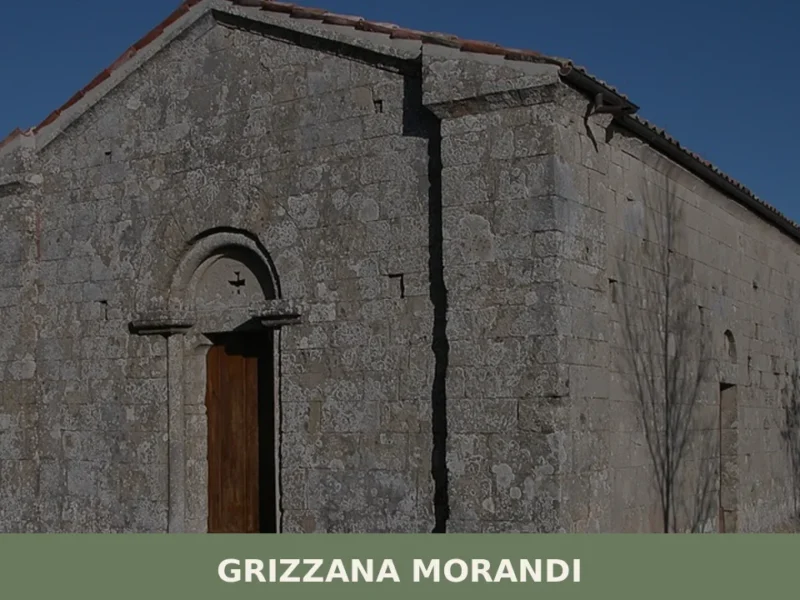
In 1929, the Bolognese painter Giorgio Morandi travelled to Grizzana for the first time — a scattered municipality in the Emilian Apennines that he would return to every summer for over thirty years. From the barns and tower-houses of this valley, he painted hundreds of landscapes, transforming the clay badlands and mountain ridgelines into universal […]
Alseno
Plains
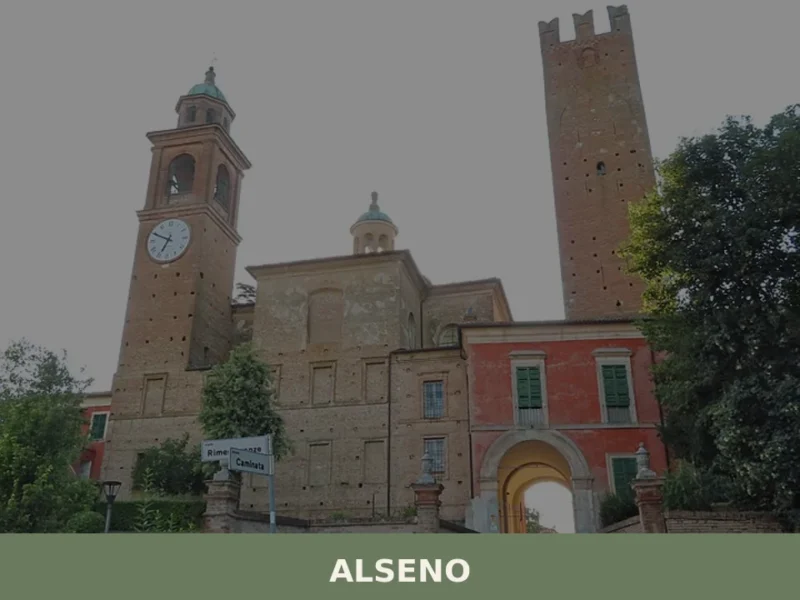
Alseno sits at 79 metres above sea level in the province of Piacenza, on the plain crossed by the Ongina stream, a tributary of the Po. In this article History and Origins of Alseno What to See in Alseno: Main Attractions Local Food and Products of Alseno Festivals, Events and Traditions of Alseno When to […]
Castel d’Aiano
 Mountain
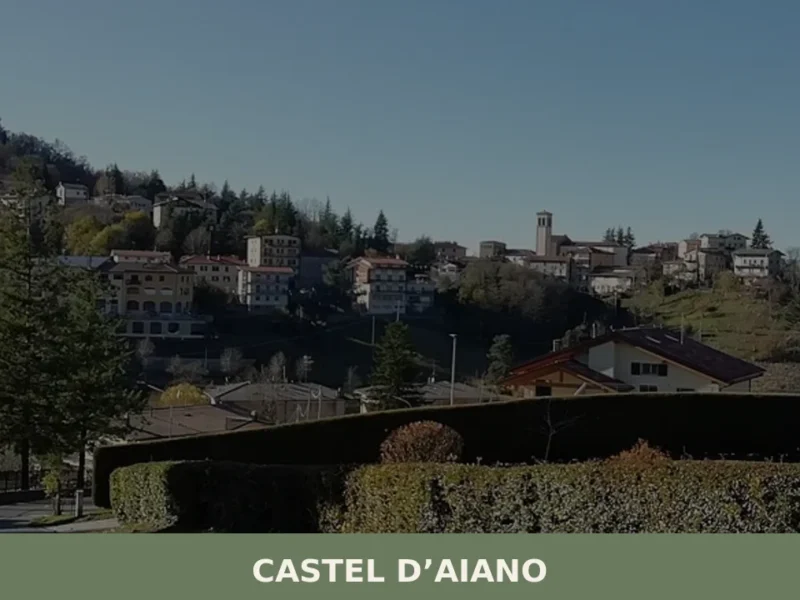
In 1944 the Gothic Line cut through these mountains, and Castel d’Aiano found itself at the centre of the clash between Allied forces and German troops: the hamlets of Villa d’Aiano, Sassomolare and Rocca di Roffeno still bear the marks of that period. Today the municipality has 1,916 inhabitants spread across a vast, hilly territory […]
Carpineti
Hills
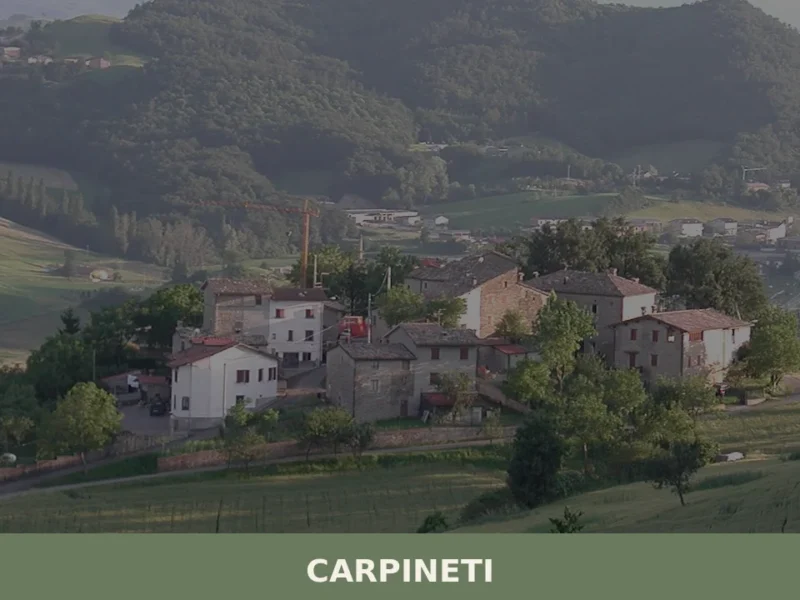
What to see in Carpineti: from the Rocca dei Canossa to the traditional flavors of the Apennines. Find out how to get there and plan your visit.
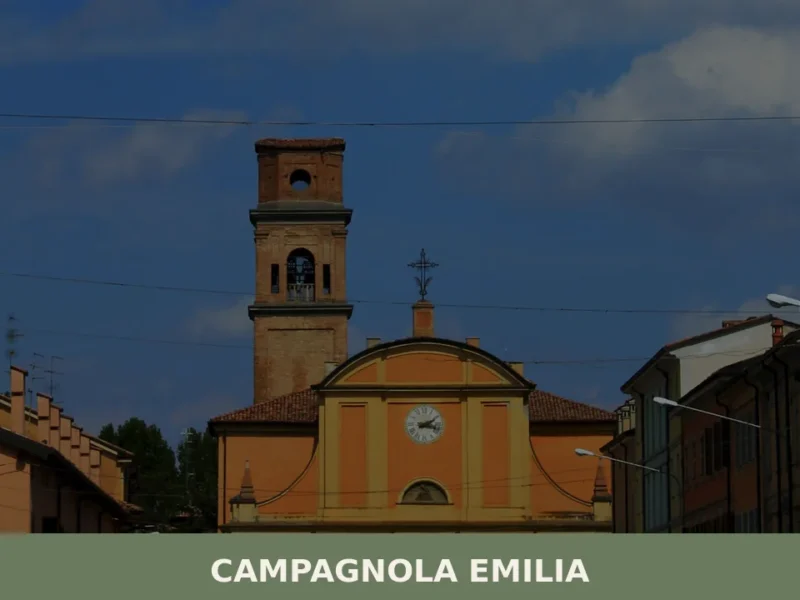
Campagnola Emilia
Plains
What to see in Campagnola Emilia, Italy: explore a Po Plain comune at 22 m altitude, 25 km from Reggio Emilia. Discover local festivals and food. Read the guide.
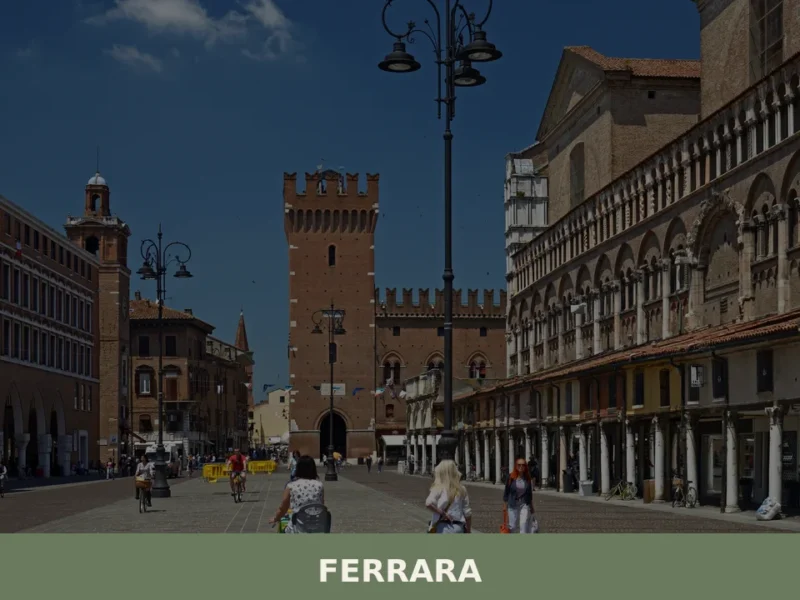
Ferrara
Plains
What to see in Ferrara? Explore 6 attractions, from the Estense Castle to the Palio at this city of 135,000. Discover Ferrara’s unique architecture today!
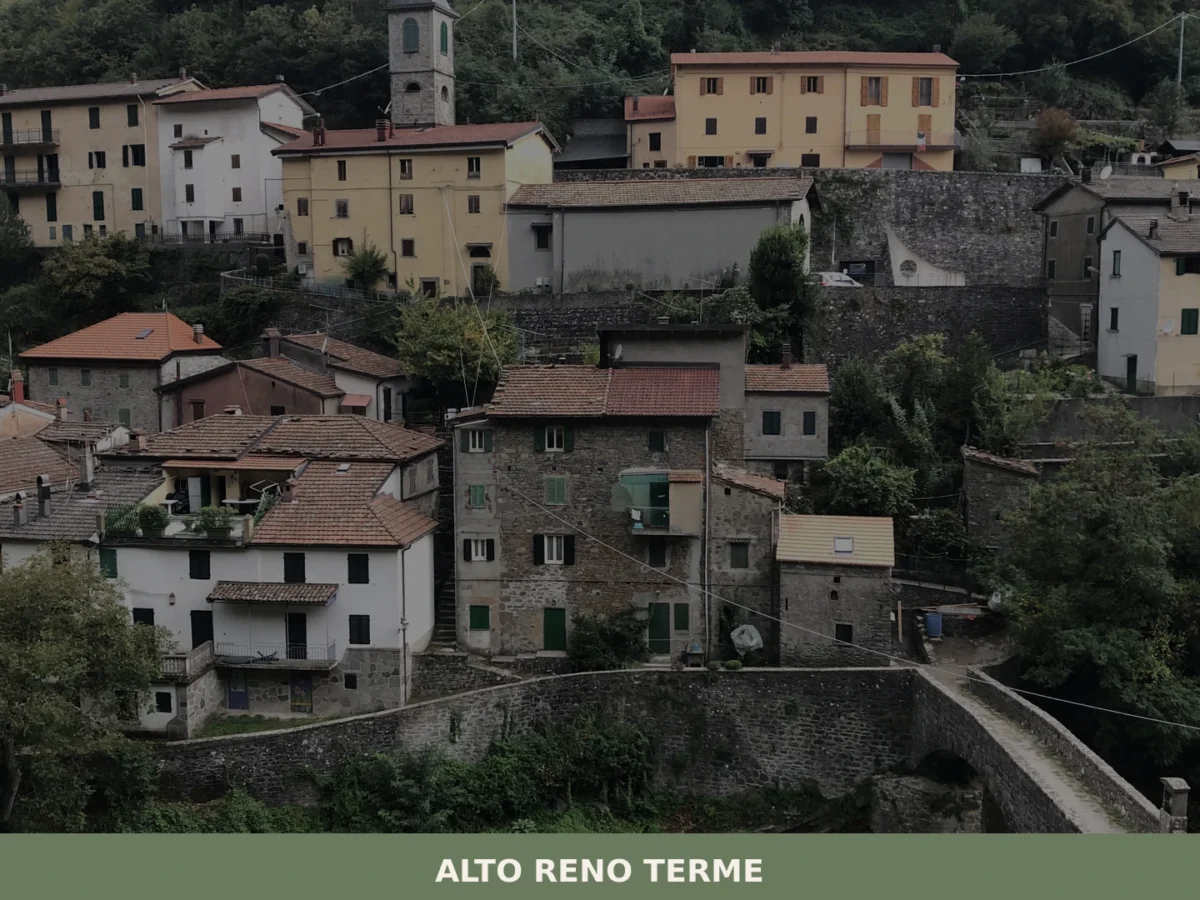
Alto Reno Terme
Mountain
What to see in Alto Reno Terme: 5 unmissable attractions, from thermal baths and historic villages to Apennine nature. Discover the complete guide to plan your visit.
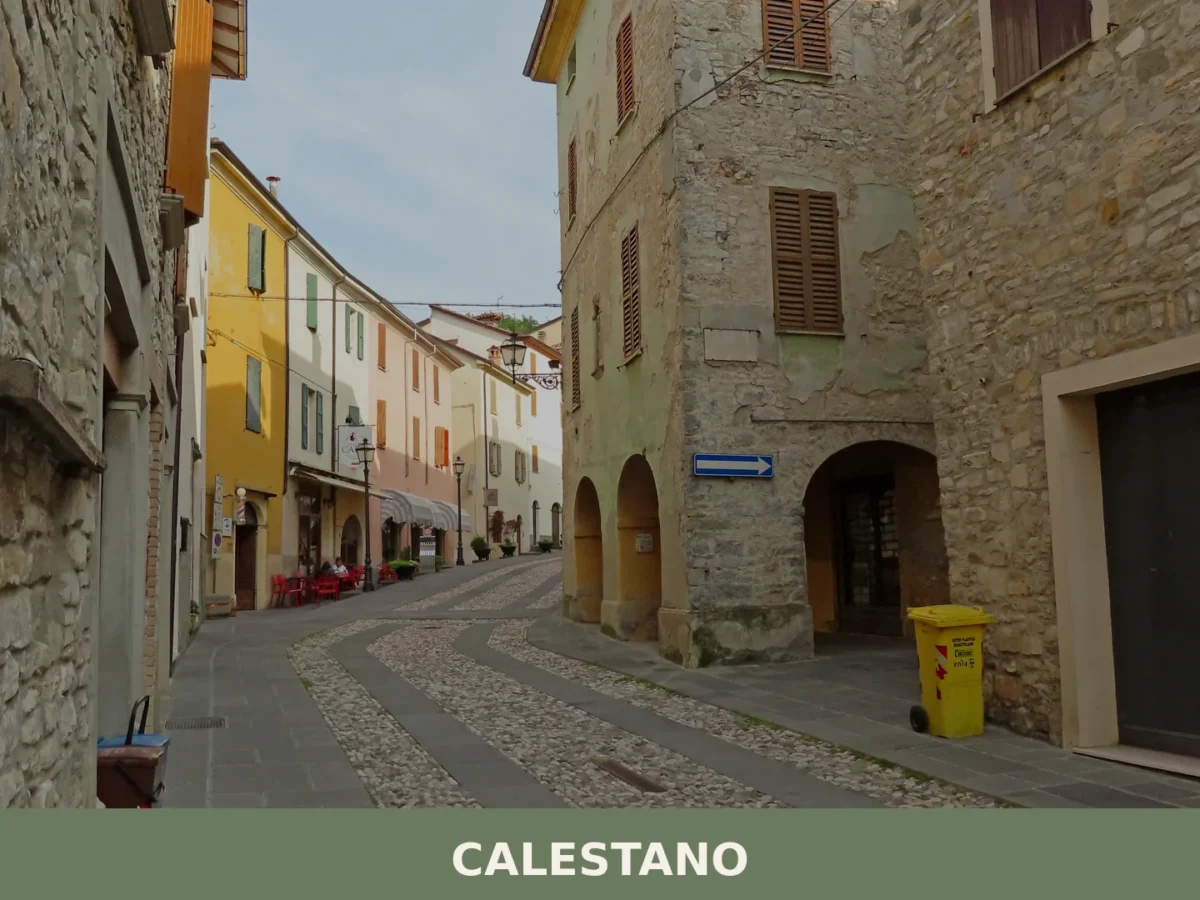
Calestano
Hills
Calestano is a hill municipality in the Baganza valley, province of Parma, with over seven thousand years of human history, five medieval castles and striking natural formations in the Parma Apennines
Coli
Mountain
A documentary-style guide to Coli in the Trebbia valley. History, attractions, local food, and practical tips for visiting this Piacenza Apennine village.

Sorbolo
Plains
Sorbolo offers 3,000 years of history from Bronze Age terramare to Farnese noble palaces. Visit for Roman centuriation, a Serassi organ and authentic Po Valley cuisine.


🏡 Know Busseto better than we do?
If you’re a local or have been there, your knowledge matters: add what’s missing or fix a detail on this page.