


Ostana
 Mountain
87 residents, three languages and one of the most dramatic alpine backdrops in Piedmont. Ostana rewards visitors who travel slowly and look closely.
Ostana: An Occitan Village at the Foot of Monviso
Stone walls catch the afternoon light on the south-facing slopes of Valle Po. The houses here sit at 1,250 metres, close enough to the massif that on clear mornings the north and east faces of the Monviso group fill the entire sky above the rooftops. Very little moves quickly at this altitude: the seasons dictate the pace, and the architecture — compact, built from local rock — has always responded to that logic rather than resisted it.
Ostana village in Piedmont belongs to the circuit of I Borghi più belli d’Italia, the national register of Italy’s most valued historic villages, and two facts set it apart from the start: its centuries-deep Occitan cultural identity and a wartime episode that left a permanent mark on the community’s memory. Together, they give this small alpine comune a density of meaning that exceeds its modest population of 87 residents.
Between Two Languages and One Mountain: The Identity of Ostana
The village carries three names simultaneously, and each one signals a different layer of belonging. In standard Italian it is Ostana. In Piedmontese it becomes Ostan-a. In Occitan — the romance language that survived across the alpine valleys south of Cuneo long after it faded elsewhere — it is Oustana. This linguistic layering is not merely historical decoration. The Occitan-speaking community of Valle Po has maintained spoken and written traditions here across generations, and Ostana today is one of the reference points for that living culture in the province of Cuneo.
The village sits on the southern flank of Valle Po, oriented toward the sun in a way that made agriculture and pasture viable despite the elevation. The entire municipal territory falls under the visual dominance of the Monviso group, whose north and east walls rise immediately above the settlement. Ostana was formerly part of the Comunità montana Valli del Monviso, a mountain community authority dissolved in 2012, and that administrative history reflects how deeply the village’s practical life has always been tied to the wider Monviso basin rather than to the valley floor alone.
The patron saint of the village is San Claudio, and the cycle of celebrations connected to that dedication marks one of the fixed rhythms of the local year. In May 2025, Ostana received the Legambiente green flag, an environmental recognition awarded for a project active within the municipal territory — a signal that the village continues to operate at the intersection of cultural preservation and landscape stewardship. That combination defines much of what draws visitors here today.
Stone Architecture, a War Memorial and the Landscape That Frames Them
The South-Facing Village Core
The built fabric of Ostana follows the logic of the slope. Houses were constructed from stone quarried locally, oriented to capture maximum winter sun, with narrow passages between buildings that reduce wind exposure. Walking through the village core, visitors notice how the architecture and the terrain negotiate constantly: steps cut into rock, walls that double as retaining structures, rooflines adjusted to the gradient. This is functional mountain building, shaped over centuries by the demands of altitude and weather rather than by any single design intervention.
The Municipal Building and the WWII Memorial Plaque
On the walls of the Municipio — the town hall — a commemorative plaque marks one of the most specific episodes in Ostana’s recorded history. During the night of 12 October 1944, a Liberator bomber belonging to the South African Air Force came down on the mountains surrounding the village. The aircraft was on a supply mission to partisan formations operating in the area. All eight crew members, British and South African, died. The plaque was installed in October 2000 during a ceremony attended by descendants of the aviators, closing a gap of more than five decades between the event and its formal public commemoration.
The Premio Ostana and the Village as Cultural Stage
Beyond its physical fabric, the village hosts the Premio Ostana — Scritture in Lingua Madre, a prize dedicated to writing in minority and mother-tongue languages. The award draws participants and attention from across the Occitan-speaking world and beyond, positioning Ostana not only as a geographical point on the map but as an active site of linguistic and literary exchange. For visitors interested in Alpine cultural identity, this gives the village a significance that extends well beyond its size. Nearby valleys with related Occitan roots, such as those around Acceglio, share this broader cultural landscape.
The Monviso Panorama
From the upper reaches of the village, the view across to the Monviso massif is unobstructed on clear days. The north and east walls of the group dominate the skyline, shifting in colour through the day as the light angle changes. This is not an organised viewpoint with a car park and an information panel — it is simply what you see when you look up. The orientation of the whole settlement toward that mountain wall was never accidental: Monviso has been the geographic anchor of this community’s mental landscape for as long as the village has existed.
The Premio Ostana was founded on a simple premise: that languages spoken by small communities carry literary and human value equal to any national tongue. In a village of fewer than one hundred people, that premise becomes a radical act.
Mountain Ingredients and the Rhythm of the Alpine Table
At 1,250 metres, the agricultural calendar at Ostana has always been compressed. The growing season is short, pasture dominates over cropland, and the kitchen reflects those constraints directly. The food culture of this part of Valle Po draws on pastoral traditions — dairy products, preserved meats, grains suited to mountain conditions — that the communities here share with neighbouring valleys. Villages like Bobbio Pellice and the broader Cuneo alpine arc follow similar seasonal patterns: ingredients dictated by what the altitude allows, preparations developed to make the most of what is available before winter closes in.
The sources available for Ostana do not name specific local dishes or products in detail, and inventing a culinary inventory for a village this small would misrepresent it. What can be said honestly is that any table in the village will reflect the mountain context: produce grown or raised nearby, preparations tied to the season, and a directness that comes from working with limited but good-quality ingredients.
When to Visit and How to Reach Ostana
The village is most accessible between late spring and early autumn. Snow can persist well into April at this altitude, and winter access requires preparation and appropriate vehicles. Summer brings the clearest views of the Monviso group and the most reliable road conditions along Valle Po. Autumn arrivals find a quieter village and the particular quality of light that comes with shortening days at altitude — long shadows across stone walls by mid-afternoon.
If you arrive by car, the approach follows the Valle Po road from Saluzzo, turning toward the upper valley and then ascending to the village. The road is manageable for standard vehicles in summer and autumn; conditions vary significantly in other seasons. There is no train station at Ostana itself. Visitors travelling from Turin or other regional centres will need to plan a car-based final leg. The villages of Bibiana and Campiglione Fenile lie further down in the plain, useful orientation points for those planning a wider circuit through the Cuneo foothills before ascending toward Ostana.
The village rewards a slow visit. Walking the paths above the settlement, reading the commemorative plaque on the Municipio, sitting with the Monviso wall in full view — none of these require a full itinerary or a guided tour. Ostana works best for visitors who are comfortable with a pace set by the mountain rather than by a checklist.
| Departure | Distance | Time |
|---|---|---|
| Cuneo | approx. 55 km | approx. 1 h 10 min by car |
| Saluzzo | approx. 35 km | approx. 50 min by car |
| Turin | approx. 110 km | approx. 1 h 45 min by car |
| Milan | approx. 220 km | approx. 2 h 45 min by car |
The official municipal website at comune.ostana.cn.it carries updated information on local events, access conditions and the Premio Ostana calendar. Checking it before departure is particularly useful if your visit coincides with the cultural programme around the prize, when accommodation in the village and nearby valley fills quickly.
Frequently asked questions about Ostana
How do you reach Ostana by car?
From Turin, take the A55 motorway towards Pinerolo, then continue on the SS589 to Crissolo, climbing up towards Ostana. From Cuneo, take the SP23 through the Po Valley via Paesana and Crissolo. The most convenient motorway exits are Pinerolo (A55) or Cuneo Ovest (A33). The road is scenic but narrow in some sections: it is advisable to check winter conditions before departing.
When is the patron saint San Claudio celebrated in Ostana?
Saint Claude the bishop is celebrated on October 23rd. The patron saint festival is the main religious event of the municipality and traditionally takes place with liturgical services and moments of community gathering. Given the small population — 87 residents — the celebrations have an intimate and authentic character, far from mass tourism, offering visitors direct contact with the life of this alpine village.
Which CAI hiking trails start from Ostana?
Ostana is a privileged access point for trails leading up to Monviso (3,841 m). The Quintino Sella refuge at Lago Grande di Viso is reachable by following marked CAI routes through Pian del Re, the source of the Po river. The area falls within the Monviso Park. It is recommended to consult CAI maps from the Cuneo section and verify seasonal accessibility, as high-altitude trails are snow-covered from November to April.
How much time should you dedicate to visiting Ostana?
A complete visit to the village requires approximately two to three hours on foot, exploring the stone historic center, the chapel and the viewpoints overlooking Monviso. For those planning to hike trails towards Pian del Re or combining the visit with Crissolo and Monviso Park, it is advisable to stay at least one night. The town does not have large structured museums, but offers a high-quality landscape and cultural experience.
Is it possible to stay in Ostana?
Ostana has limited but available accommodation options, including the Lou Pourtoun inn and hostel, which has become a reference point for conscious tourism in the upper Po Valley and was awarded in past years as an example of alpine architectural restoration. For longer stays, you can rely on facilities in nearby municipalities such as Crissolo and Paesana. Early booking is advised, especially during the summer months and high season weekends.
📷 Photo Gallery — Ostana


In Piedmont More villages to discover
Pecco
Mountain
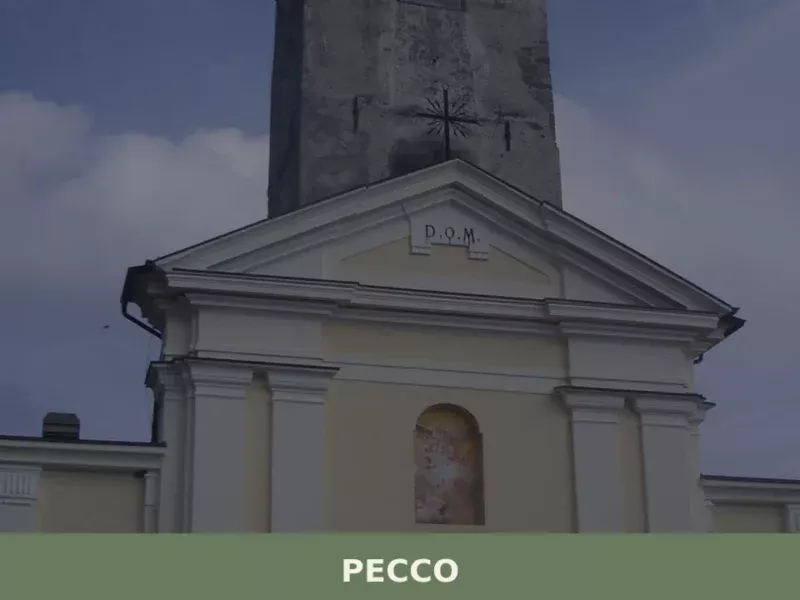
On 1 January 2019, Pecco ceased to exist as an independent municipality when it merged with Alice Superiore and Lugnacco to form the new comune of Val di Chy, in the metropolitan city of Torino. Before that administrative change, Pecco — known in Piedmontese dialect as Pech — held its own civic identity, governing a […]
Arona
 Lake
Lake
 Plains
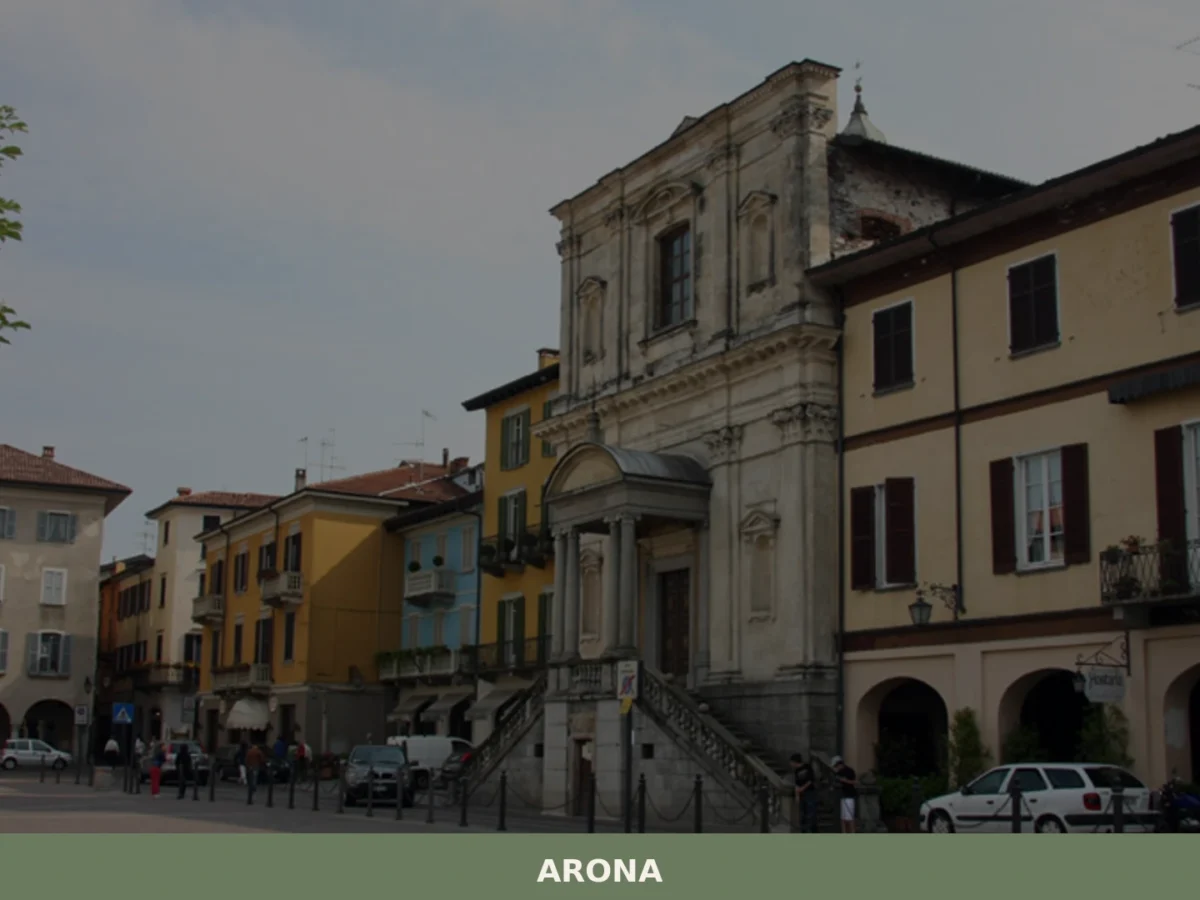
what to see in arona, Italy: Discover Arona, a town of 13,694 inhabitants in Piemonte, home to a notable railway station. Explore this region's travel tips.
Caselette
 Hills
Hills
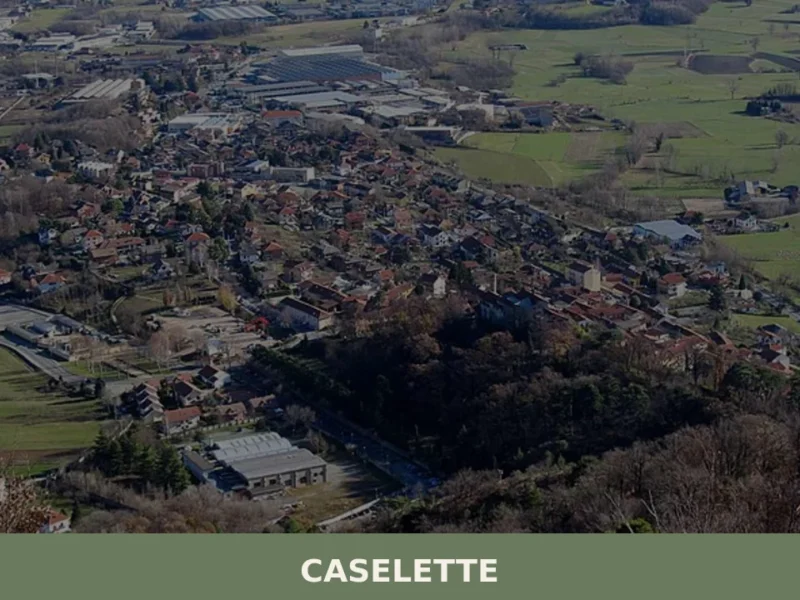
At the foot of Monte Musinè, where the plain of Turin gives way to the first folds of the Val di Susa, a mass of rock the size of a house sits in open ground. The Pietra Alta, one of the largest glacial erratics in the whole of Piedmont, was deposited here by glacial movement […]

Borgone Susa
Mountain
Borgone Susa offers 5 remarkable attractions including a 14th-century fortified tower and a mysterious Roman rock carving. A compact Val di Susa gem worth exploring.
Almese
Hills
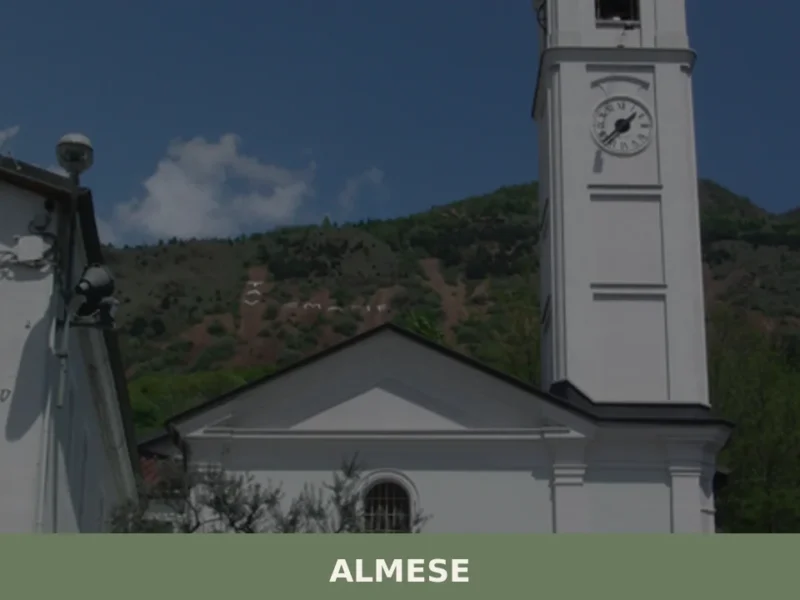
In 1029, a document from the Abbey of Novalesa recorded the name Almese for the first time, linked to a series of land holdings in the lower Val di Susa. That place name — probably derived from a Celtic or pre-Latin word connected to alpine pastures — appears in a territory that already served as […]
Brosso
Mountain
Brosso has a population of 391 and sits at 797 metres above sea level in the Valli del Canavese, in the province of Turin, on the south-eastern slopes of the Serra di Ivrea. The area was historically defined by mining activity — particularly iron and copper extraction — a practice that left lasting physical marks […]
Alice Superiore
Mountain
Alice Superiore sits at 610 metres above sea level in the Chiusella Valley, a lateral branch of the Canavese district within the Metropolitan City of Torino. Home to 711 inhabitants, the village occupies a stretch of sloping terrain where chestnut woods give way to Alpine pasture. For anyone researching what to see in Alice Superiore, […]
Rondissone
Plains
Discover what to see in Rondissone, a Po plain comune near Turin inside the Parco Fluviale del Po torinese. History, food, travel tips and more.

San Bernardino Verbano
Mountain
San Bernardino Verbano unites 3 historic hamlets at 304 m above Lake Maggiore, offering Val Grande trails, partisan history, and genuine Piedmontese cuisine.
Barbania
Hills
What to see in Barbania: 5 attractions in this Piedmontese village, from the parish church to the castle. Discover the complete guide to plan your visit.
🏡 Know Ostana better than we do?
If you’re a local or have been there, your knowledge matters: add what’s missing or fix a detail on this page.