


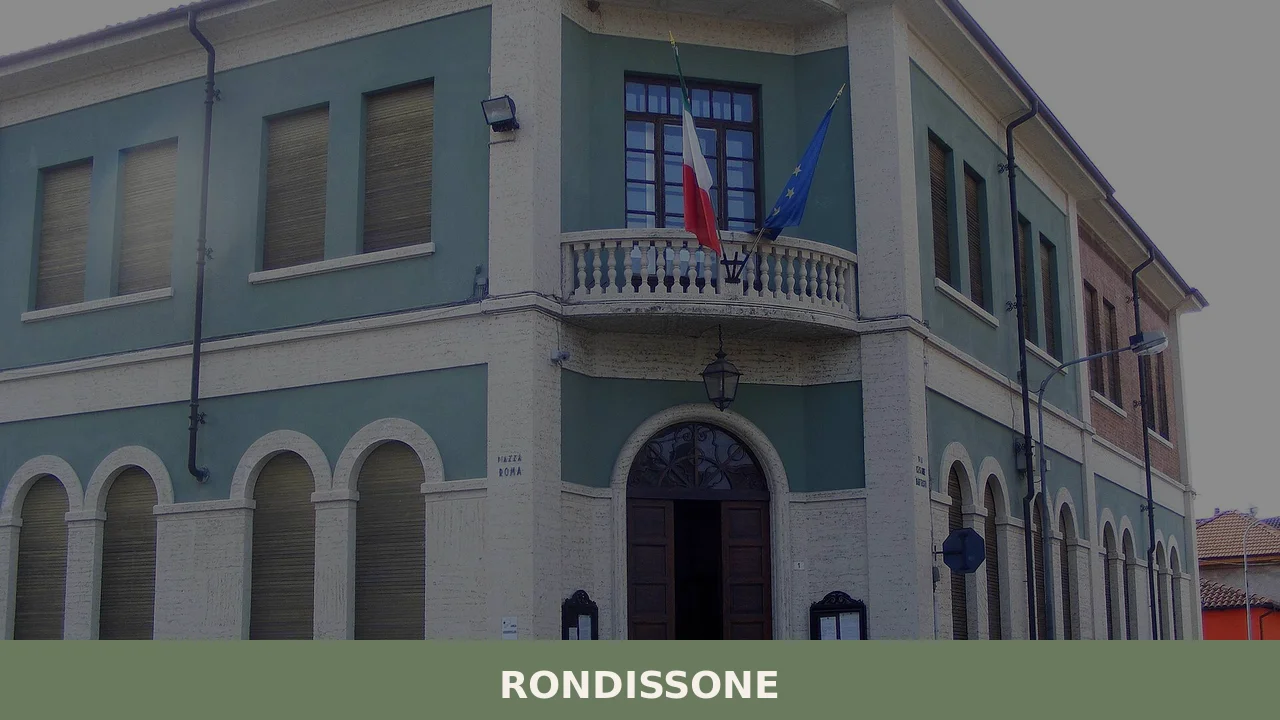
Rondissone
 Plains
Discover what to see in Rondissone, a Po plain comune near Turin inside the Parco Fluviale del Po torinese. History, food, travel tips and more.
Discover Rondissone
Rondissone is a comune of 1,931 inhabitants in the Metropolitan City of Turin, sitting within the boundaries of the Parco Fluviale del Po torinese, a protected river corridor that follows the Po and its tributaries across the Piedmontese plain. The village lies on flat agricultural land southeast of Turin, in a zone where cereal cultivation and small-scale farming have long defined the rhythm of daily life. For visitors asking what to see in Rondissone, the answer runs through river landscape, rural architecture and the quiet infrastructure of a Piedmontese plain community.
History of Rondissone
The toponym Rondissone — rendered as Rondisson in Piedmontese dialect — points to a Lombard or early medieval origin, a pattern common to dozens of settlements across the Po plain where Germanic suffixes were grafted onto earlier Latin or pre-Roman roots during the early medieval period. The village appears in feudal records associated with the broader system of ecclesiastical and lay lordships that controlled the eastern Canavese and the low Turin plain throughout the medieval centuries. Like many communes of this zone, Rondissone passed through the hands of successive noble families before being absorbed into the administrative framework of the House of Savoy, which consolidated its grip over the Piedmontese lowlands between the fourteenth and sixteenth centuries.
Under Savoy rule, the settlement functioned primarily as an agricultural node — a role that the surrounding landscape still reflects today. The Po plain in this sector was subject to recurrent flooding from the river and its secondary channels, which shaped both the settlement pattern and the local economy. Drainage works, irrigation canals and the management of riparian land were central concerns for the rural communities here across the early modern period, and Rondissone was no exception. The commune’s current inclusion within the Parco Fluviale del Po torinese formalises a relationship between the village and the river that has existed in practical terms for well over a millennium.
In the nineteenth century, following the administrative reorganisation of the Kingdom of Sardinia and later the unified Italian state, Rondissone was confirmed as an autonomous commune within the Province of Turin — a status it retains today under the Metropolitan City of Turin. The village did not industrialise heavily during the twentieth century, which preserved its essentially rural character and left its historic built fabric — parish church, cascine farmsteads, rural roads — relatively intact compared to communes closer to the city. The population figure of 1,931 inhabitants reflects a small but stable community, characteristic of the agricultural settlements scattered across this sector of the Piedmontese plain.
What to see in Rondissone: 5 must-visit attractions
1. The Parish Church
The parish church of Rondissone is the architectural focal point of the village centre, as is typical of Piedmontese plain communes where the ecclesiastical building traditionally anchored civic and social life. The church’s fabric incorporates elements from successive building phases, reflecting the gradual modification of rural religious structures across the early modern and modern periods common to this area of Turin province.
2. The Parco Fluviale del Po torinese
Rondissone sits within the Parco Fluviale del Po torinese, a protected area that extends along the Po river across multiple communes. Within the park’s boundaries near Rondissone, visitors find riparian habitats — stands of poplar, riverbank vegetation and wetland margins — where grey heron, cormorant and kingfisher are regularly recorded by birdwatchers.
3. The Agricultural Landscape and Cascine
The flat agricultural land surrounding Rondissone is punctuated by cascine — the large, enclosed farmstead complexes characteristic of the Piedmontese plain. These working farms, typically built around a central courtyard with structures for livestock, grain storage and farm equipment, represent the dominant vernacular building type of the low Turin countryside and document centuries of organised agricultural production.
4. The Po River Corridor
The Po river corridor accessible through the park offers walking and cycling routes along the riverbank, where the interplay of the main channel, secondary branches and oxbow lakes creates a distinct landscape quite different from the upland villages of Piedmont. The flat terrain makes these routes accessible year-round, and the river views across towards the low hills of Monferrato are clear on days with low atmospheric haze.
5. The Village Centre and Rural Street Plan
Rondissone’s compact historic centre preserves the orthogonal or semi-regular street plan typical of planned medieval and early modern settlements on the Po plain. The combination of low residential buildings in brick and render, arcaded sections and the relationship between church square and main street reflects the spatial logic of Piedmontese rural urbanism developed over several centuries of Savoy administrative organisation.
Local food and typical products
Rondissone sits within the broader gastronomic zone of the Turin metropolitan plain, where the kitchen draws from both the Canavese tradition to the north and the classic lowland Piedmontese repertoire. Rice cultivation has historically been important across the Po plain east of Turin, and dishes based on local rice — including risotto prepared with local butter and Grana Padano or Parmigiano Reggiano — appear regularly in the area’s trattorie. Freshwater fish from the Po, including anguilla (eel) and tinca (tench), were historically central to the local diet and still appear on menus in riverside establishments within the park area.
The wider Metropolitan City of Turin falls within the territory covered by Visit Piemonte, the regional tourism board, which documents the full range of DOP and IGP products available in this zone — including Piedmontese beef, local salumi, and the cheeses of the Turin plain. For visitors to Rondissone, the most practical dining options are found in the village itself and in the surrounding communes, where family-run trattorie and agriturismi offer fixed-price lunch menus based on seasonal, locally sourced ingredients rather than tourist-oriented cuisine.
Best time to visit Rondissone
Spring and early autumn offer the most agreeable conditions for exploring Rondissone and the Parco Fluviale del Po torinese. Between April and June, the river corridor is at its most biologically active — migratory birds are present, riverside vegetation is in full growth, and the agricultural fields surrounding the village present the particular green of young cereal crops. Temperatures on the Turin plain in these months typically range from 15°C to 25°C, making walking and cycling along the park’s routes comfortable without the heat haze and humidity that characterise July and August. September and October bring harvests and cleaner atmospheric conditions, with the Alps becoming visible on the horizon on clear days.
Summer visits are practical but require adjustment to the heat of the Po plain, where temperatures regularly exceed 30°C and humidity levels are higher than in the hill or mountain communes of the province. Winter is mild by Alpine standards but can be persistently grey and foggy, as the low-lying plain is subject to the valley fog — nebbia — that settles across the entire Padane basin from November through February. There are no large-scale documented festivals specific to Rondissone in the publicly available sources, but the agricultural calendar and the feast days of the parish church punctuate the village’s annual rhythm in the manner common to all Piedmontese plain communes.
How to get to Rondissone
Rondissone is located approximately 30 kilometres northeast of central Turin, on the flat plain between the Po river and the lower reaches of the Canavese. The village is straightforwardly accessible by car from Turin via the A4 or A5 motorways, with exits at Chivasso providing the most direct approach. From Chivasso, Rondissone is reachable in under ten minutes by road. The nearest major railway station is Chivasso, on the main Turin–Milan and Turin–Aosta lines, with frequent services from Turin Porta Nuova and Turin Porta Susa; the journey takes approximately 20–25 minutes. From Chivasso station, the village is accessible by local bus or taxi.
- By car from Turin: approximately 30 km via A4/A5 motorway, exit Chivasso — around 30–35 minutes depending on traffic
- By train: Turin Porta Nuova or Porta Susa to Chivasso — 20–25 minutes; then local connection to Rondissone
- Nearest airport: Turin Airport (Caselle Torinese), approximately 25 km west — around 30 minutes by car
- From Milan: approximately 95 km via A4 motorway — around 1 hour by car
Where to stay in Rondissone
Rondissone is a small agricultural commune without a developed hotel infrastructure of its own. Visitors who want to use the village as a base for exploring the Parco Fluviale del Po torinese and the surrounding plain will find the most practical accommodation options in the form of agriturismi — farm-stay establishments — and B&B accommodation scattered across the commune and its immediate neighbours. These typically offer a direct connection to the agricultural landscape and provide a more grounded experience of the territory than a city hotel would. Booking directly with individual properties, or through the regional tourism portal, is advisable particularly in spring and early autumn when the park attracts naturalists and cyclists.
For visitors who require a wider range of services — restaurants, transport connections, larger hotels — the town of Chivasso, a short drive away, functions as the natural accommodation hub for this sector of the Turin plain. From Chivasso it is easy to make day visits to Rondissone and the river park by car or bicycle. Turin itself, with its full range of accommodation from budget hostels to four-star hotels, is reachable in under 35 minutes and remains the logical base for visitors combining Rondissone with a broader Piedmontese itinerary.
More villages to discover in Piemonte
The Metropolitan City of Turin contains settlements that contrast sharply with the flat agricultural plain around Rondissone. Baldissero Torinese sits on the hill chain east of Turin, offering an elevated perspective over the city and the surrounding plain, and represents the hill-village tradition of the Turin belt — compact, stone-built, oriented towards views rather than river access. Further afield, Cascinette d’Ivrea occupies a position in the Canavese near the morainic hills formed by the ancient Balteo glacier, placing it in a very different geological and cultural register from the Po lowlands.
For those willing to travel further into Piedmont’s more remote territories, Angrogna, in the Pellice valley of the Cottian Alps, represents the Waldensian Alpine community — a settlement whose history, language and built environment bear no resemblance to the lowland plain. And for those who want to understand the metropolitan context from which Rondissone’s administrative identity derives, the full urban complexity of Torino — capital of the region and of the metropolitan city — lies within 35 minutes by road or rail, its Baroque piazzas and industrial heritage providing the counterpoint to Rondissone’s agricultural quietude.
Nearby Villages near Rondissone
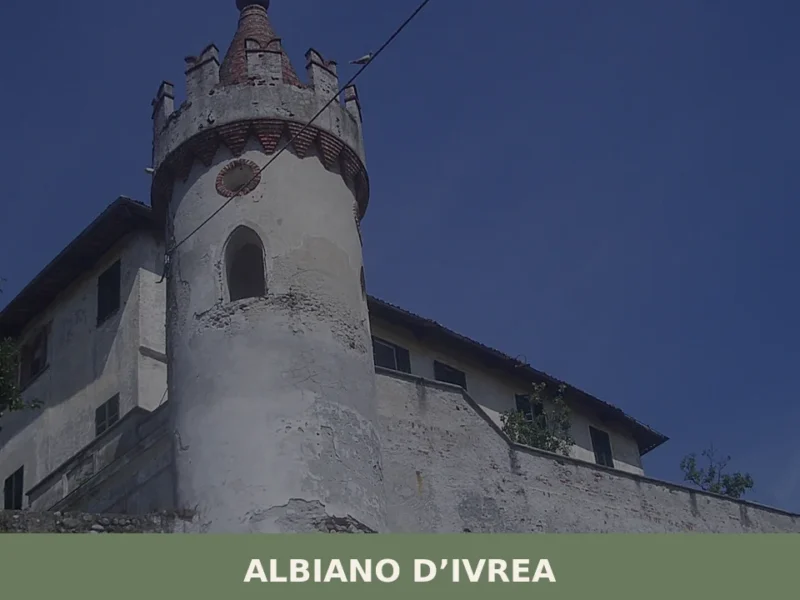
In Piedmont More villages to discover

Pomaretto
 Mountain
Discover what to see in Pomaretto, a 937-inhabitant Waldensian village in the Val Chisone near Torino — history, food, travel tips and local culture.
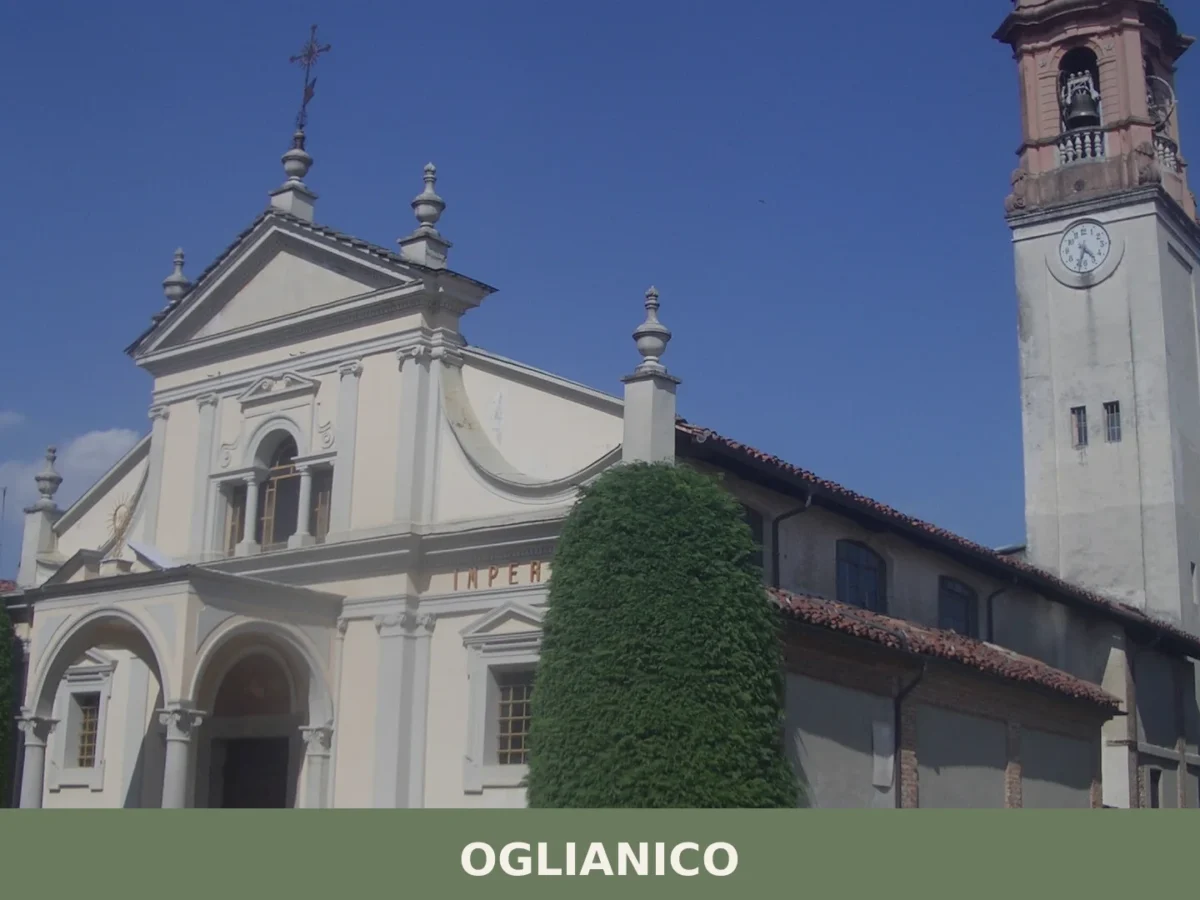
Oglianico
 Hills
Hills
1,428 residents, a medieval gate-tower reproduced in Turin and frescoed chapels: Oglianico offers concentrated Canavese history in a compact, walkable village.

Porte
Hills
Discover what to see in Porte, a 1,108-inhabitant comune in the Metropolitan City of Turin with Occitan heritage, foothill walks, and Piedmontese food culture.
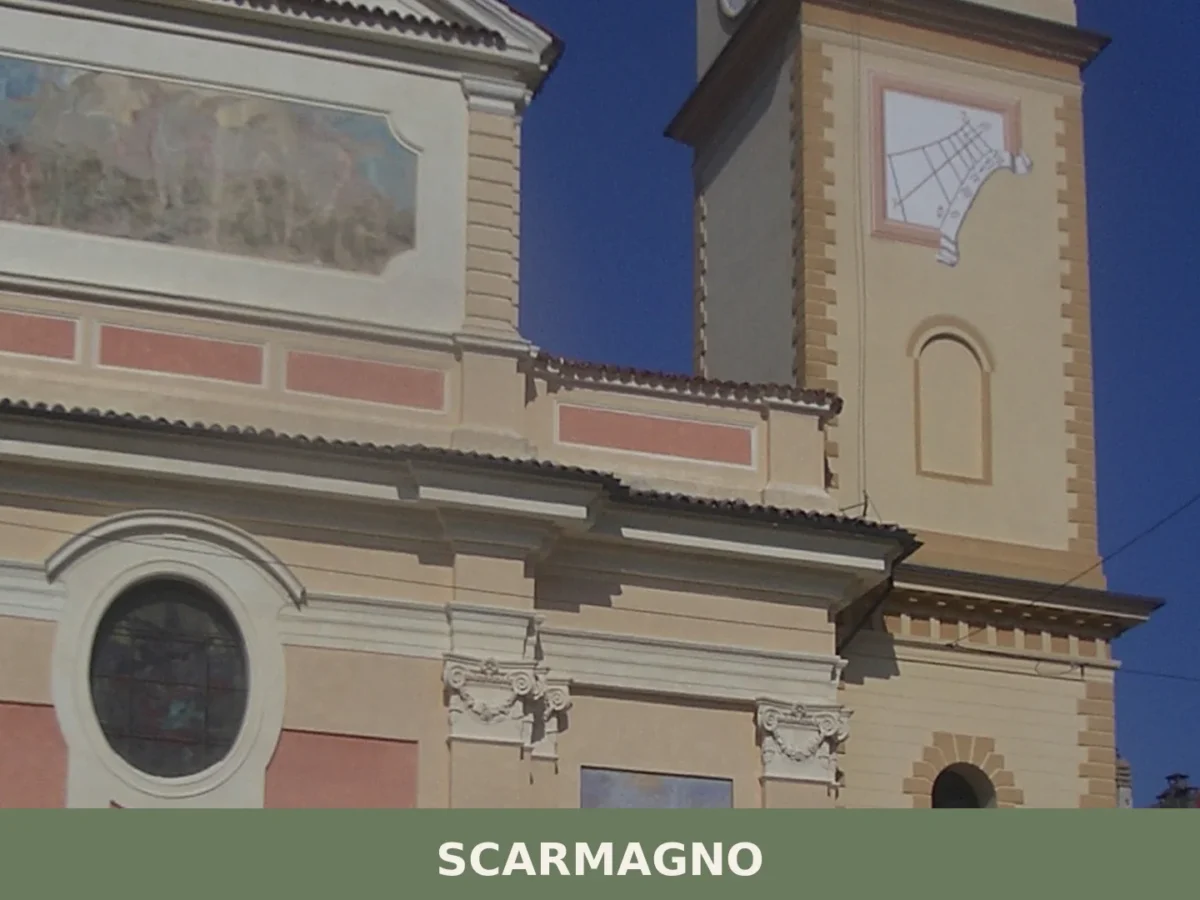
Scarmagno
Mountain
Population 796. A small Piedmontese comune where 10th-century stone chapels stand within sight of the automated Olivetti plant that once produced 200,000 computers annually.
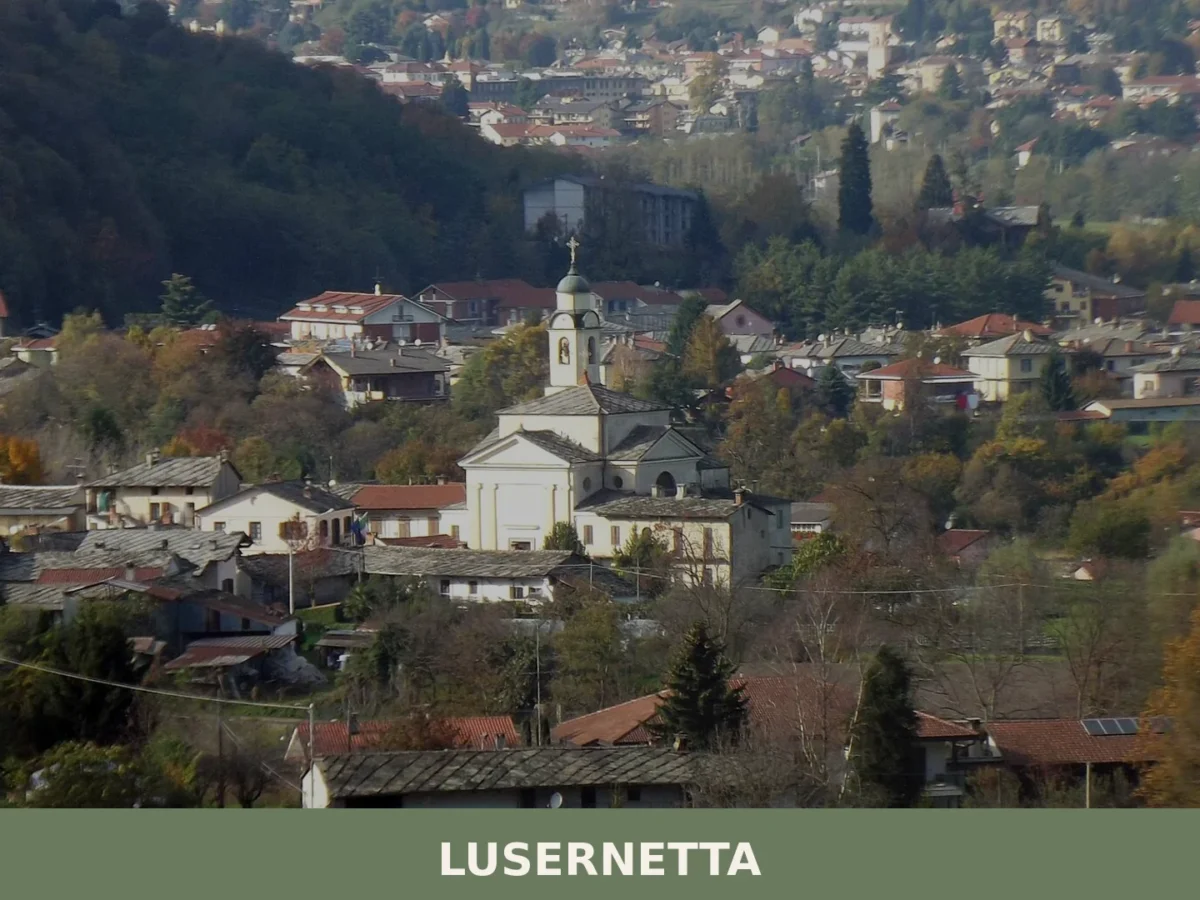
Lusernetta
Mountain
494 residents, one medieval chapel and a clear position on the right bank of the Pellice torrent. Lusernetta rewards visitors who look beyond the obvious Pinerolese routes.
Cantalupa
Hills
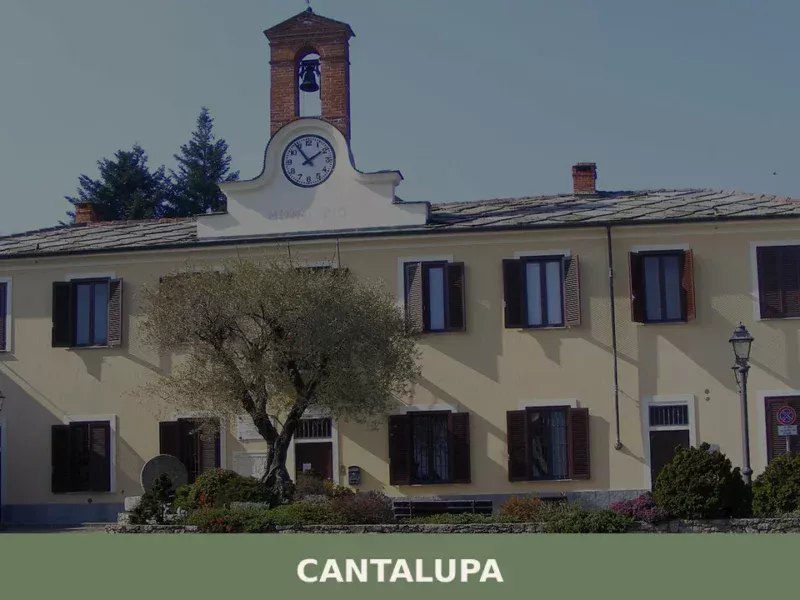
Scopri Cantalupa borgo Piemonte: storia, tradizioni e attrazioni di uno dei gioielli nascosti delle colline piemontesi. Visita questo angolo autentico d'Italia!
Arona
 Lake
Plains
Lake
Plains
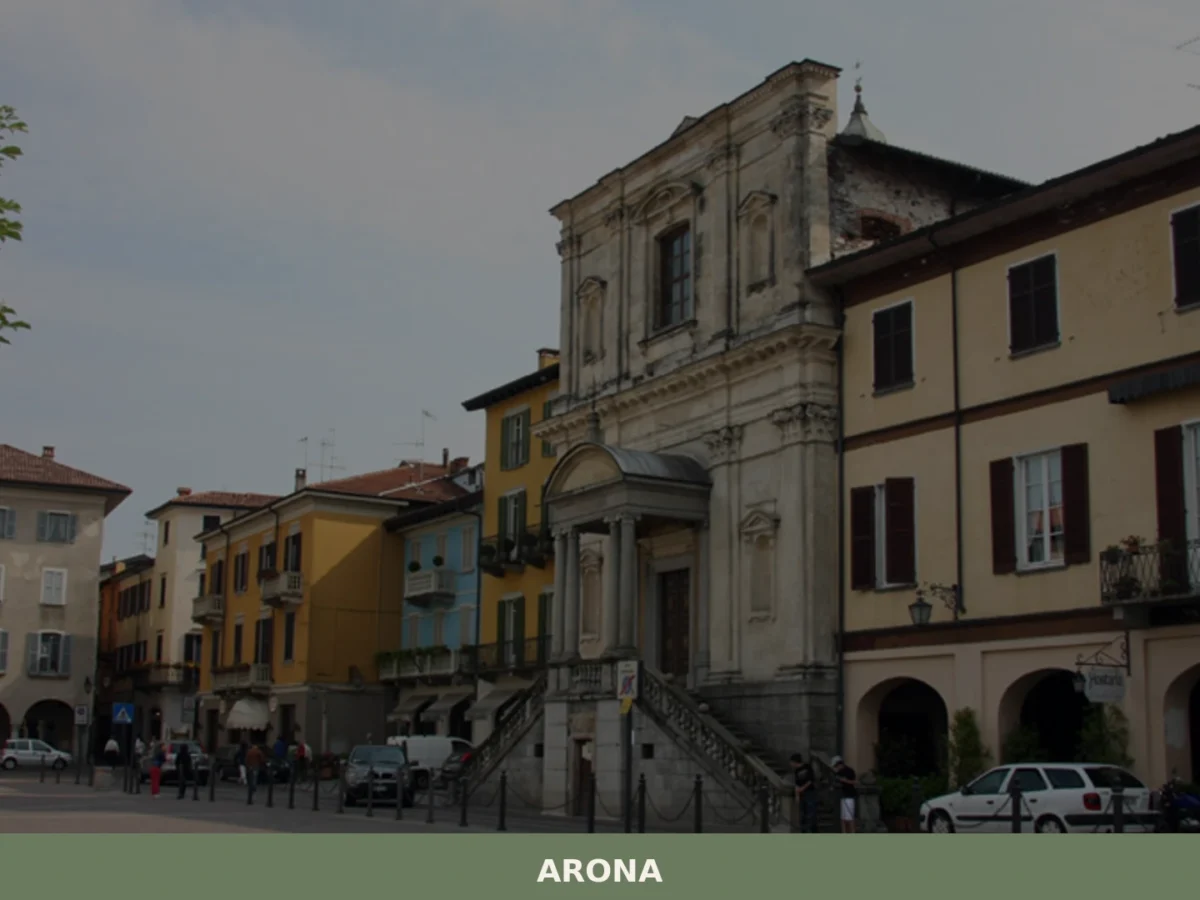
what to see in arona, Italy: Discover Arona, a town of 13,694 inhabitants in Piemonte, home to a notable railway station. Explore this region's travel tips.

Strambino
Plains
6,000 residents, one castle on a hill, and a church whose floor plan mirrors a frog. Strambino offers a layered Canavese identity few visitors expect.
Alessandria
Plains
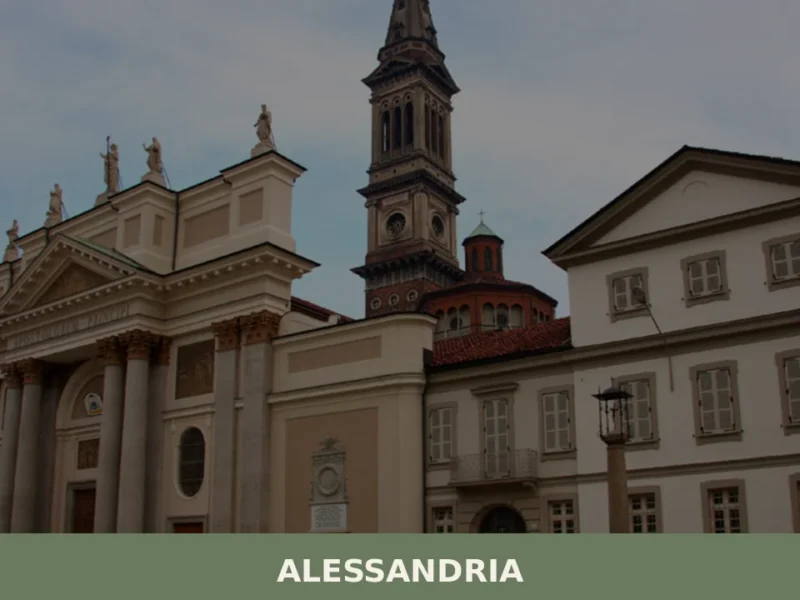
What to see in Alessandria: city at 95m in Piemonte with a military Citadel and Borsalino Museum. Explore 5 attractions, rabaton and Gavi DOCG wines.
Gravere
Mountain
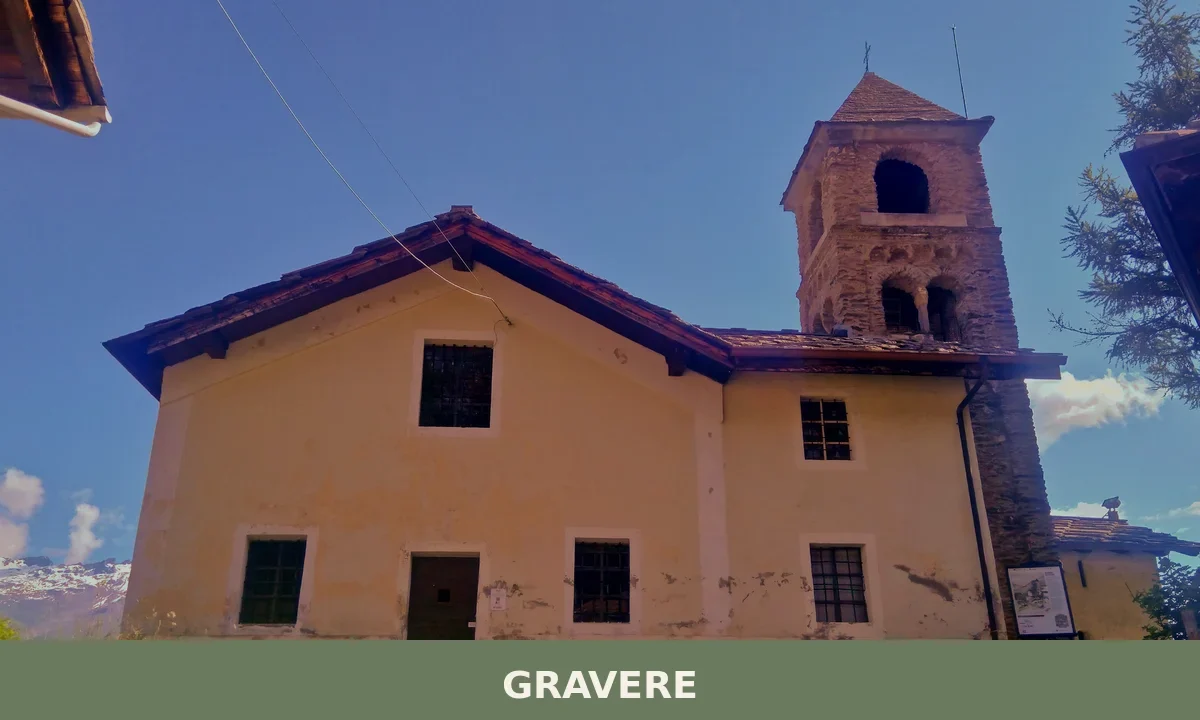
681 residents, 10 scattered hamlets, and four centuries of life between two kingdoms. Gravere village in Piedmont traces its identity through stone boroughs and seasonal Alpine rhythms.


🏡 Know Rondissone better than we do?
If you’re a local or have been there, your knowledge matters: add what’s missing or fix a detail on this page.