


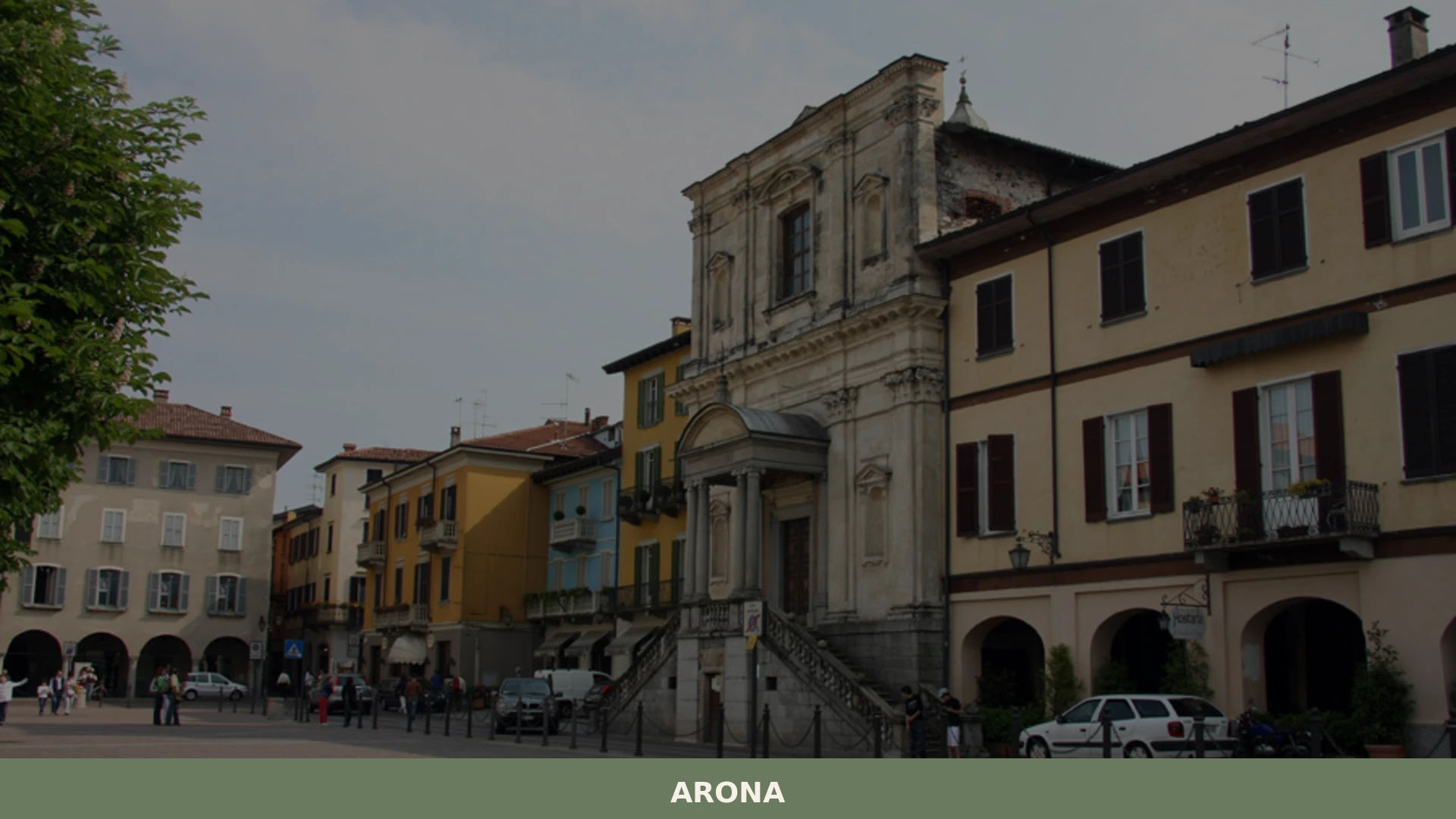
Arona
 Lake
Lake
 Plains
what to see in arona, Italy: Discover Arona, a town of 13,694 inhabitants in Piemonte, home to a notable railway station. Explore this region’s travel tips.
Discover Arona
Standing at an elevation of 212 m (696 ft) above sea level, Arona is a town within the Province of Novara, a significant administrative division in the region of Piemonte, Italy. This community, home to 13,694 inhabitants, serves as a focal point for local life and regional connections, reflecting the broader characteristics of the plains area it occupies.
Its position contributes to its role as a regional hub within the wider Italian landscape.
For those planning what to see in Arona, the town’s key feature from available information is its active railway station, providing essential transport links throughout the region.
Visitors to Arona find a community of 13,694 residents, and while specific historical sites are not detailed in primary sources, the presence of the railway station indicates its role in connectivity. This guide explores general travel advice for Arona, Piemonte, Italy, helping you plan what to see in Arona and its surroundings.
What to see in Arona: a historical perspective
The town of Arona is clearly identified as a commune within the Province of Novara, situated in the extensive region of Piemonte, Italy. Its designation as a ‘town and commune’ suggests a historical evolution typical of many Italian settlements, developing from smaller nuclei into established administrative centers over time.
While explicit founding dates or early historical records for Arona are not detailed in the provided sources, its current status points to a sustained human presence and development over centuries, inviting curiosity about what to see in Arona from a historical lens.
Arona’s identity as a town is intrinsically linked to its geographical context within Piemonte, a region known for its diverse landscapes ranging from alpine peaks to fertile plains.
This broader regional history, characterized by various dominations and cultural exchanges, would have undoubtedly influenced the development of towns like Arona, even if specific local events are not documented in the available extracts. The absence of specific historical figures or major events in the provided material means that a detailed narrative of Arona’s past cannot be constructed from these sources.
In more recent times, the mention of Arona railway station underscores the town’s role in modern infrastructure and connectivity. Railway lines often played a crucial part in the economic and social development of Italian towns from the 19th century onwards, facilitating trade, travel, and communication.
This infrastructure suggests Arona has adapted to contemporary needs, serving as a transit point for both residents and visitors exploring the wider Novara province and the Piemontese territory.
What to see in Arona, Piemonte: top attractions
Arona railway station
The Arona railway station stands as a functional hub within the town, serving as a primary point of arrival and departure for visitors and locals alike.
Its architecture, typical of Italian railway infrastructure from the late 19th or early 20th century, often features robust construction and practical design, built to withstand heavy daily usage. This station connects Arona to other significant centers across the Piemonte region, facilitating regional travel and commerce, and allowing easy exploration of the wider area.
For those arriving by train, the station offers immediate access to the town’s central areas and serves as a gateway for further exploration into the Province of Novara. Its continued operation highlights Arona’s importance as a logistical node, making it a key element for understanding the town’s modern utility.
Visitors can consult regional train schedules to plan their onward journeys effectively from this central transport point.
While the provided sources specifically highlight the Arona railway station as a verifiable point of interest within the town, detailed information regarding additional historical sites, natural landmarks, or cultural institutions in Arona, Piemonte, is not available in the given extracts.
Therefore, a comprehensive list of five distinct attractions cannot be compiled based solely on the provided materials. Visitors are encouraged to explore the general characteristics of a Piemontese town, focusing on its civic life and regional connections, as specific architectural or artistic highlights are not documented here when considering what to see in Arona.
Local food and typical products of Arona
The gastronomic traditions of Piemonte, the region where Arona is located, are renowned throughout Italy for their richness and diversity. This area benefits from a unique geographical position, combining alpine influences with fertile plains, which contributes to a wide array of high-quality ingredients.
The culinary heritage reflects a history of courtly dining alongside hearty peasant fare, resulting in dishes that are both refined and deeply satisfying, often utilizing local produce and traditional techniques perfected over centuries.
Typical Piemontese dishes often feature robust flavors, with a strong emphasis on meat, rice, and truffles, especially the prized white truffle of Alba.
Preparations like Brasato al Barolo, a beef braised in Barolo wine, or Agnolotti del Plin, small pinched pasta parcels typically filled with roasted meat, are emblematic of the region’s culinary prowess. Another staple is Risotto alla Piemontese, often prepared with local cheeses and butter, showcasing the region’s excellent dairy products and rice cultivation, which thrives in the fertile plains.
While specific certified products uniquely attributed to Arona are not detailed in the provided sources, the broader Piemonte region boasts numerous protected designations of origin and geographical indications. These include various wines, cheeses, and hazelnuts, which contribute significantly to Italy’s culinary landscape.
Towns across Piemonte, such as Azeglio, also share in these rich regional food traditions, often featuring similar ingredients and preparation methods and celebrating the bounty of their fertile lands.
Festivals, events and traditions of Arona
A central annual event in Arona is the celebration of its patron saints, santi Graziano, Felino, Carpoforo e Fedele martiri, observed annually on March 13.
This date marks a significant moment in the town’s calendar, bringing together the community in observance of long-standing religious and cultural traditions. Such celebrations in Italian towns typically involve religious processions, where effigies of the saints are carried through the streets, accompanied by local clergy and parishioners, fostering a strong sense of communal identity and shared heritage that dates back generations.
Beyond the religious ceremonies, the patron saint feast often includes various civic festivities that engage the wider population.
These can range from local markets and street vendors offering regional specialties to musical performances and traditional dances. Although specific details of Arona’s celebrations beyond the date are not provided in the sources, these events are generally characterized by a festive atmosphere, reflecting the local culture and providing an occasion for both residents and visitors to experience the town’s traditions. No other specific festivals or annual events for Arona are detailed in the provided information, making the patron saint day its primary documented annual celebration.
When to visit Arona, Italy and how to get there
Determining the best time to visit Piemonte, and thus Arona, often depends on the specific activities a traveler intends to pursue in the region.
Spring (April to June) and autumn (September to October) are generally considered ideal, offering pleasant temperatures and vibrant natural landscapes, particularly suitable for exploring the surrounding areas. Summers can be warm, while winters bring cooler weather, occasionally with snow in higher elevations, making it suitable for those interested in winter sports in the nearby mountains.
It is worth noting that Arona’s altitude of 212 m (696 ft) places it in a milder climatic zone compared to alpine areas, influencing what to see in Arona seasonally.
Arona is readily accessible, primarily benefiting from its active railway station, which provides direct connections to major cities in Piemonte and beyond. Travelers can reach Arona by train from Milan, a journey of approximately 1 hour, making it a viable option for a day trip from this major northern Italian hub. For those arriving by car, Arona is well-connected via regional roads, although specific motorway exits are not detailed in the provided sources. The town’s relatively flat terrain, typical of a pianura or plains settlement, generally makes it easy to navigate on foot.
For international visitors arriving in Italy, the nearest major airport would typically be Milan Malpensa Airport (MXP), located approximately 40 km (25 mi) from Arona, offering numerous international flights.
From the airport, connections to Arona can be made via train or bus services, or by renting a car. It is advisable for travelers to carry some Euros cash for smaller purchases and note that English proficiency might be limited in smaller, independent shops, enhancing the experience of local interaction. More information about the municipality can be found on the official municipal website.
Visitors seeking to extend their exploration of Piemonte beyond Arona can consider other communities in the region.
Towns such as Bibiana offer insights into local life further west, while Buriasco presents another example of a Piemontese commune with its own distinct character. Additionally, Borgiallo provides a glimpse into the diverse landscapes and traditions found within this rich Italian region, each offering a unique perspective on Piemontese heritage and regional identity.
Frequently asked questions about Arona
What is the best time to visit Arona?
The best times to visit Arona are generally spring (April to June) and autumn (September to October). These seasons offer pleasant temperatures ideal for exploring the town and its surroundings in the Piemonte region. Arona's 212-meter altitude contributes to a milder climate compared to higher alpine areas. A notable event is the annual patron saint feast for santi Graziano, Felino, Carpoforo e Fedele martiri on March 13, which offers a glimpse into local traditions and community life, featuring religious observances and civic festivities. Summers can be warm, while winters are cooler.
What to see in Arona? Main monuments and landmarks
The primary documented landmark to see in Arona is its active railway station. This historical structure, typical of late 19th or early 20th-century Italian railway architecture, serves as a crucial transport hub connecting Arona to major cities across Piemonte. It represents the town's role in regional connectivity and infrastructure development. Visitors arriving by train gain immediate access to the town's central areas, making it a functional and historically significant point of interest for understanding Arona's modern utility and its importance as a logistical node within the region.
What can you do in Arona? Activities and experiences
In Arona, visitors can experience the local culture by participating in or observing the annual patron saint feast on March 13, dedicated to santi Graziano, Felino, Carpoforo e Fedele martiri. This event typically involves religious processions and civic festivities, offering insight into traditional community life. Beyond this, the town's flat terrain, characteristic of a plains settlement, makes it suitable for leisurely exploration on foot, allowing visitors to discover its urban fabric and local atmosphere. It also serves as a convenient hub for exploring the wider Novara province and the Piemontese territory.
Who is Arona suitable for? Families, couples, hikers, solo travelers?
Arona is particularly suitable for travelers seeking a convenient base to explore the wider Piemonte region, thanks to its active railway station offering excellent transport links to major cities like Milan. Its relatively flat terrain makes it easy to navigate on foot, appealing to solo travelers or couples looking for a relaxed pace. It can also serve as an interesting day trip destination. Visitors interested in experiencing local Italian community life and regional connections, rather than specific major tourist attractions, will find Arona appealing for its authentic atmosphere and accessibility.
What to eat in Arona? Local products and specialties
While specific local products uniquely attributed to Arona are not detailed, visitors can savor the rich culinary traditions of the wider Piemonte region. This includes dishes like Brasato al Barolo, slow-cooked beef in Barolo wine, and delicate Agnolotti del Plin, small pasta parcels often filled with roasted meats. Risotto alla Piemontese, made with local rice, cheeses, and butter, is another staple, reflecting the fertile plains. The region is also renowned for its white truffles, excellent wines, and dairy products, which Arona shares as part of its Piemontese heritage and gastronomic landscape.
Nearby Villages near Arona
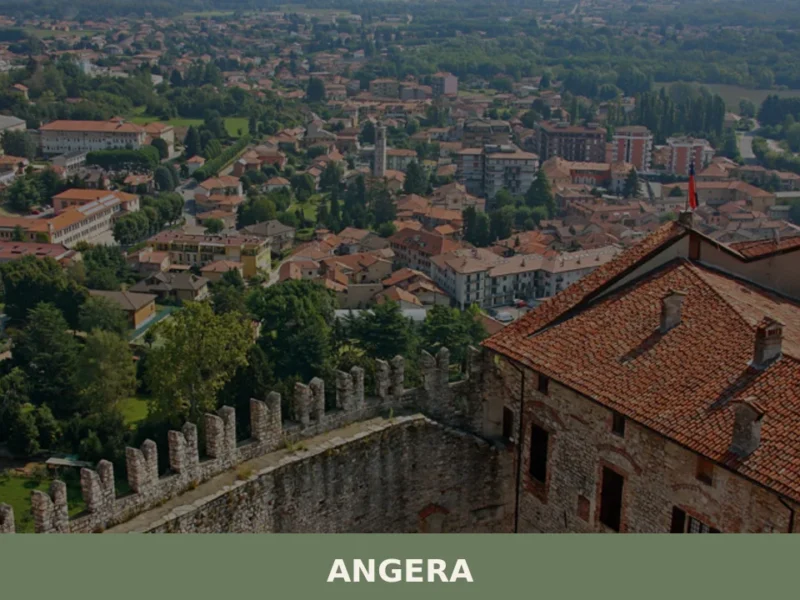
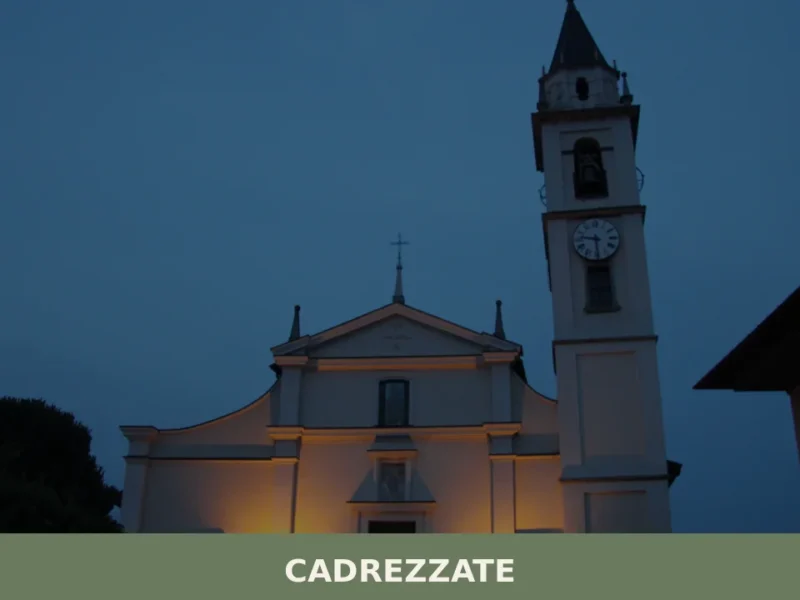
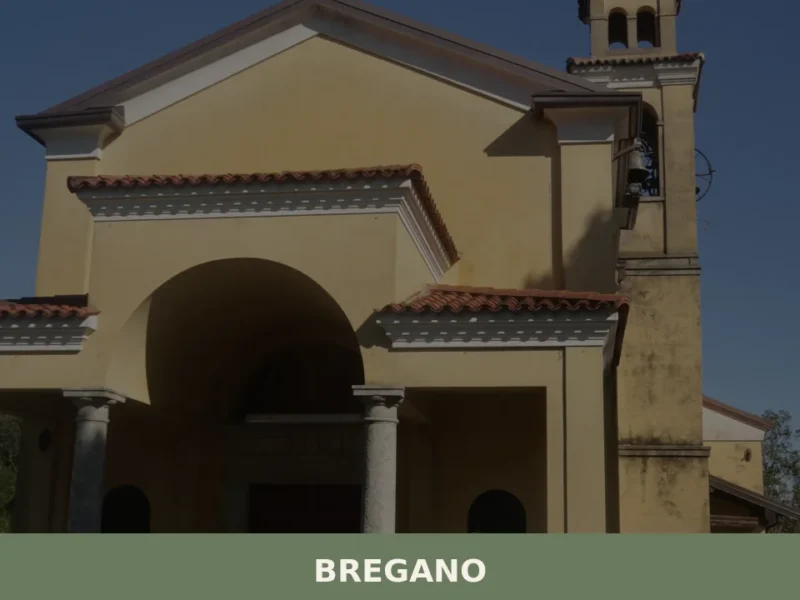
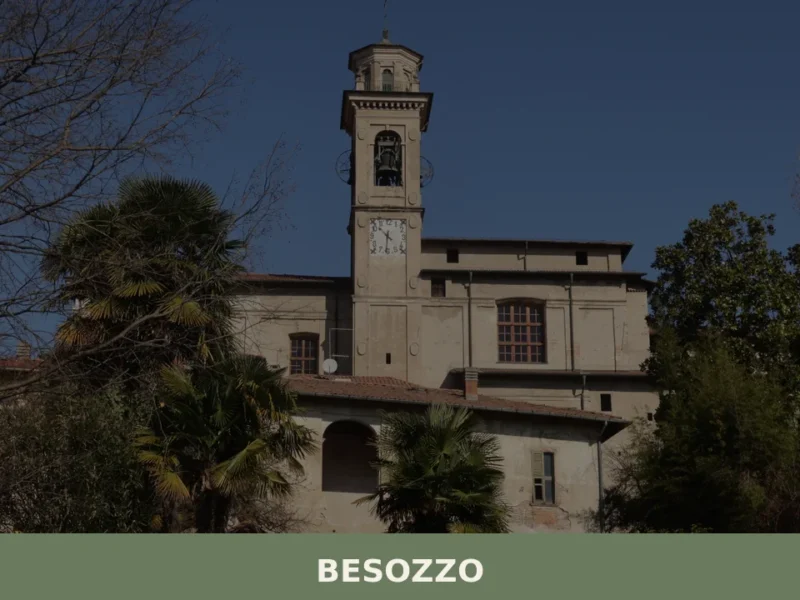
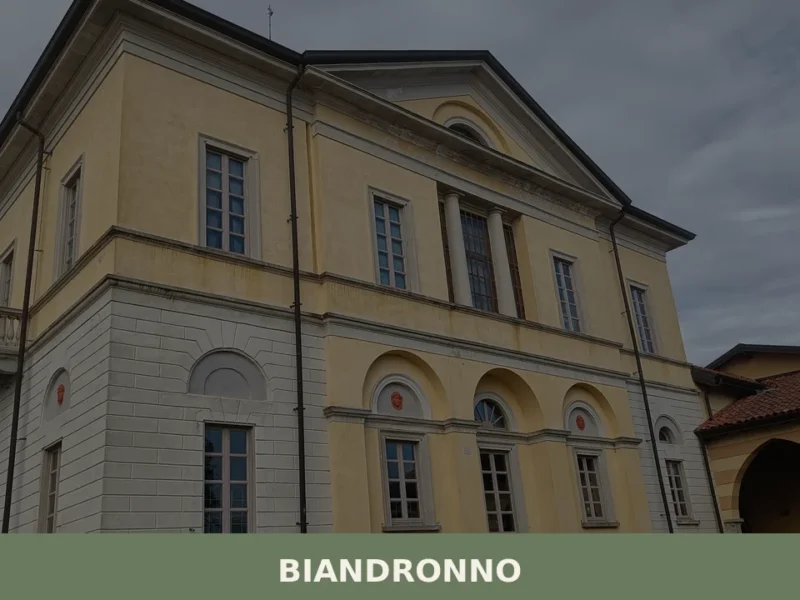
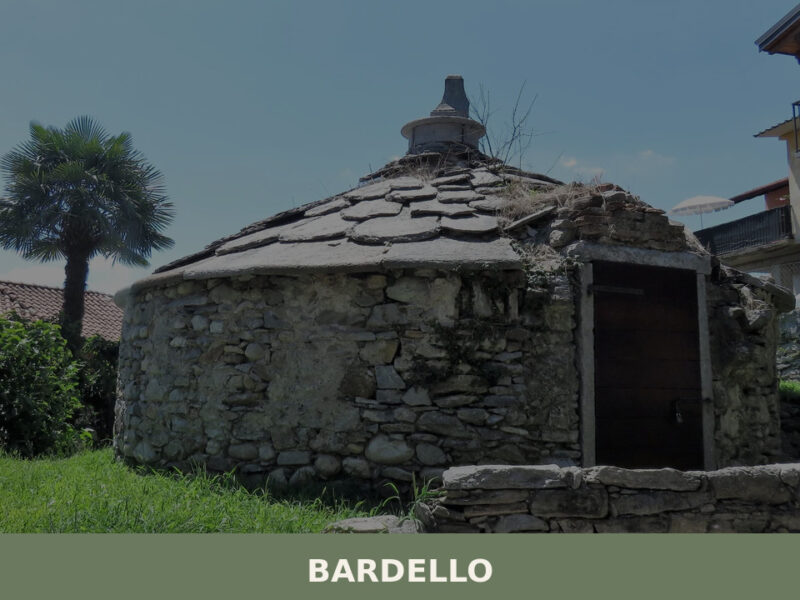
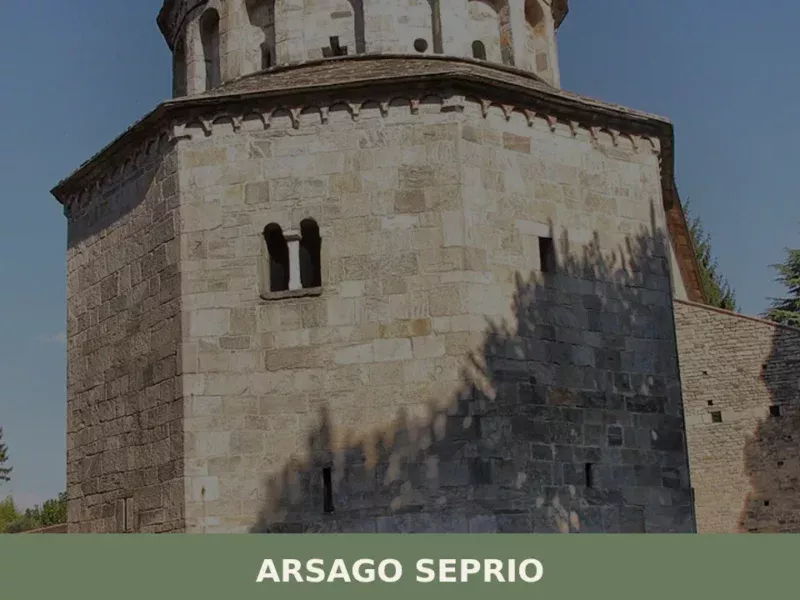
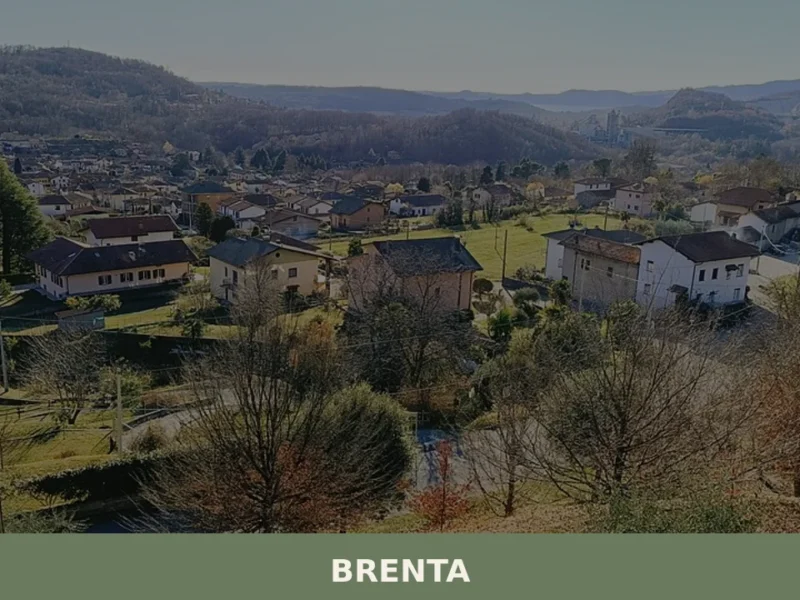
In Piedmont More villages to discover
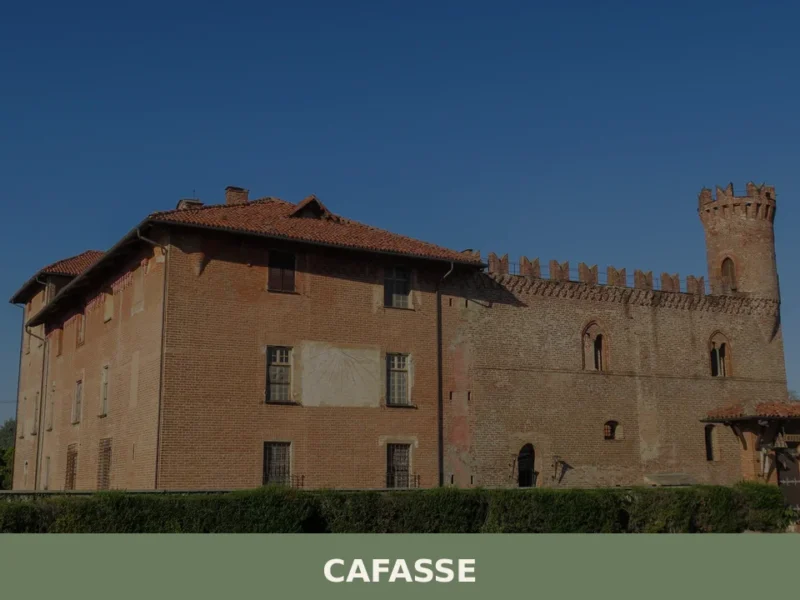
Cafasse
 Hills
Hills
What to see in Cafasse, Italy: 25 km from Turin, explore the Valli di Lanzo gateway, local cuisine and festivals. Discover the best of this Piemonte village.
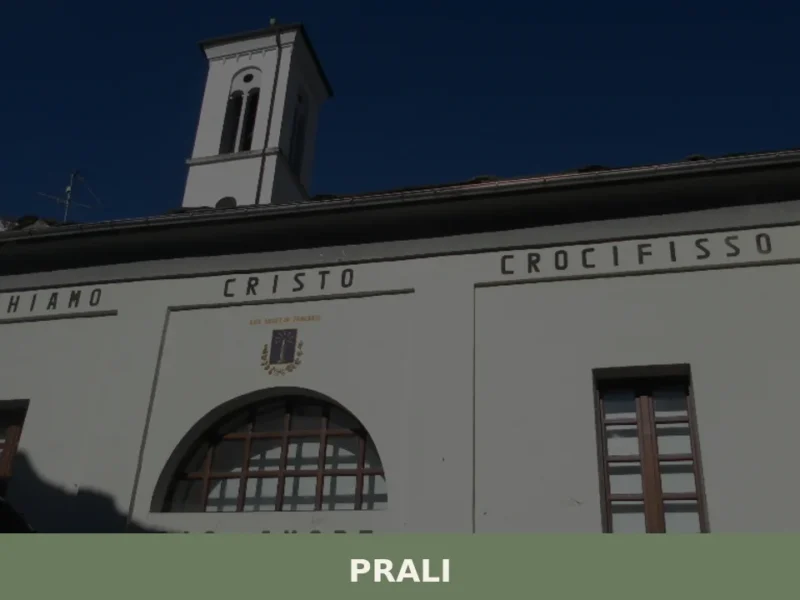
Prali
 Mountain
Prali sits at roughly 1,400 metres above sea level in the Germanasca Valley, one of the Waldensian Valleys of the Piedmontese Alps, about 72 kilometres south-west of Turin. With a registered population of 252 inhabitants, it is one of the smaller comuni in the Metropolitan City of Turin — and until 1937 it was officially […]
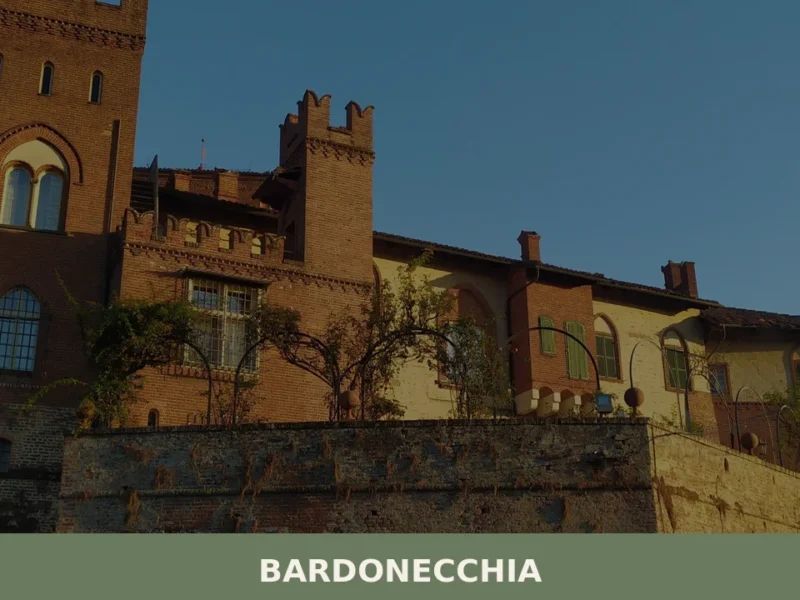
Bardonecchia
Mountain
Bardonecchia is the westernmost municipality in Piedmont and one of the historic Alpine crossing points into France, via the Colle della Scala and the Fréjus pass. Located in the upper Val di Susa at an altitude of over 1,300 metres, the town can be reached from Turin in around an hour and a half by […]
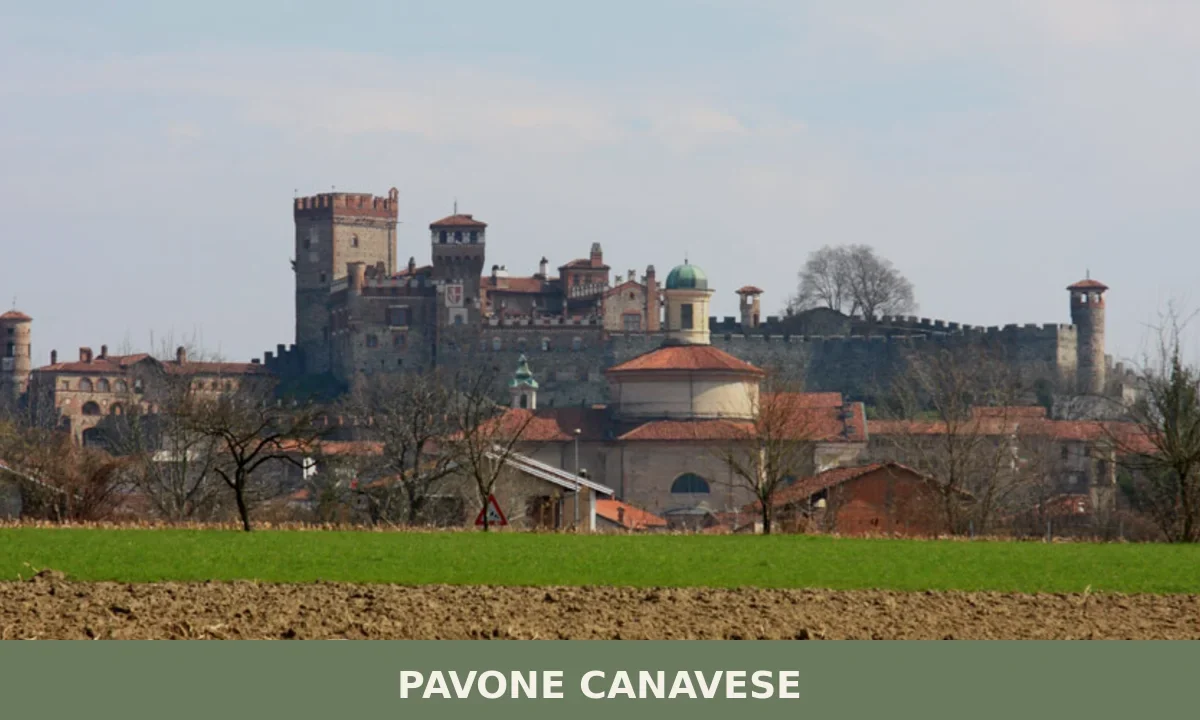
Pavone Canavese
Plains
A community of around 3,600 people in the Turin metropolitan area, where a medieval castle, a nature reserve and the legacy of a pioneering restorer reward a focused visit.

Rivara
Hills
A comune of 2,456 inhabitants north of Turin, Rivara preserves two castle complexes and Villa Ogliani, birthplace of the Scuola di Rivara artistic movement.
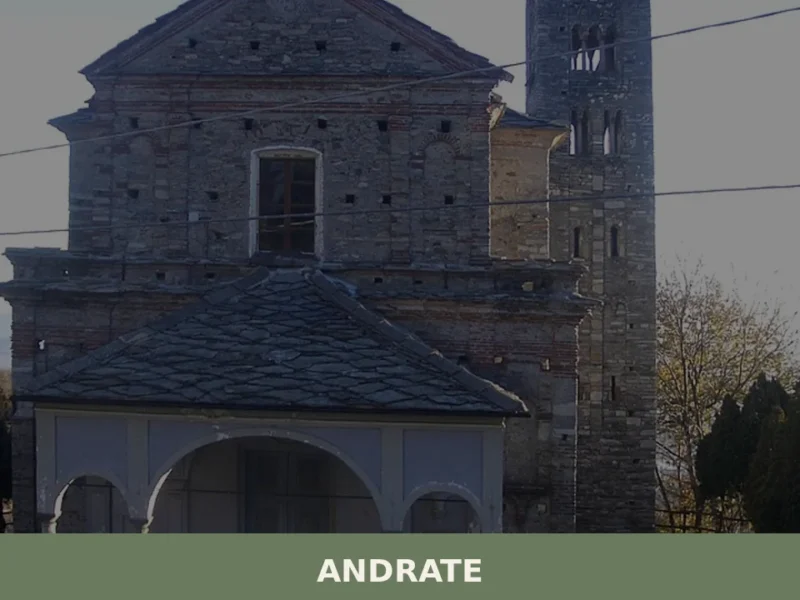
Andrate
Mountain
What to see in Andrate in Piedmont: panoramic views over the Serra d'Ivrea, trails, chestnut groves, Canavese cuisine. Complete guide with history and practical information.

Borgone Susa
Mountain
Borgone Susa offers 5 remarkable attractions including a 14th-century fortified tower and a mysterious Roman rock carving. A compact Val di Susa gem worth exploring.
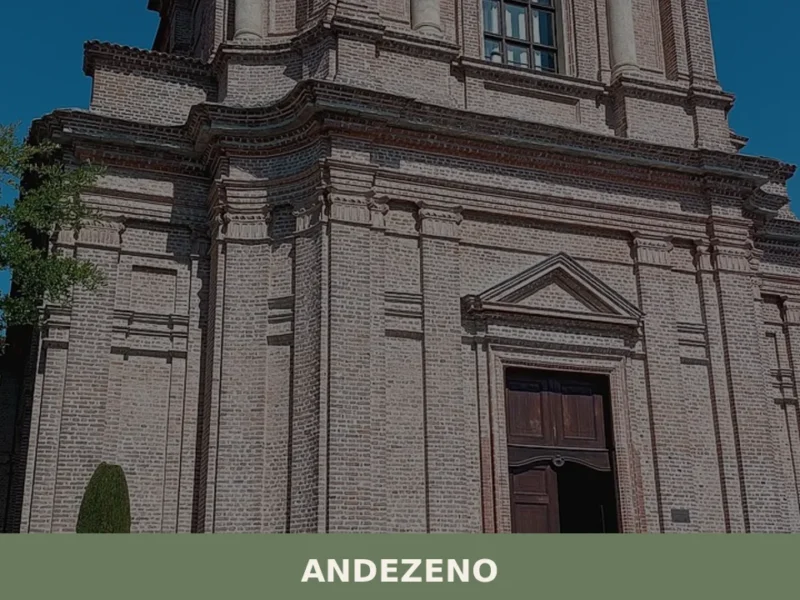
Andezeno
Hills
At 306 metres above sea level, on the eastern Turin hills, Andezeno has 2,012 inhabitants spread between the historic centre and its rural hamlets. The municipality appears in medieval documents as early as the 10th century, linked to the affairs of local lords and the Diocese of Turin. Today, anyone wondering what to see in […]

Montà
Hills
4 distinct hamlets, one medieval castle and over 35 km of trails make Montà a rewarding base for exploring the Roero hills of Cuneo province.
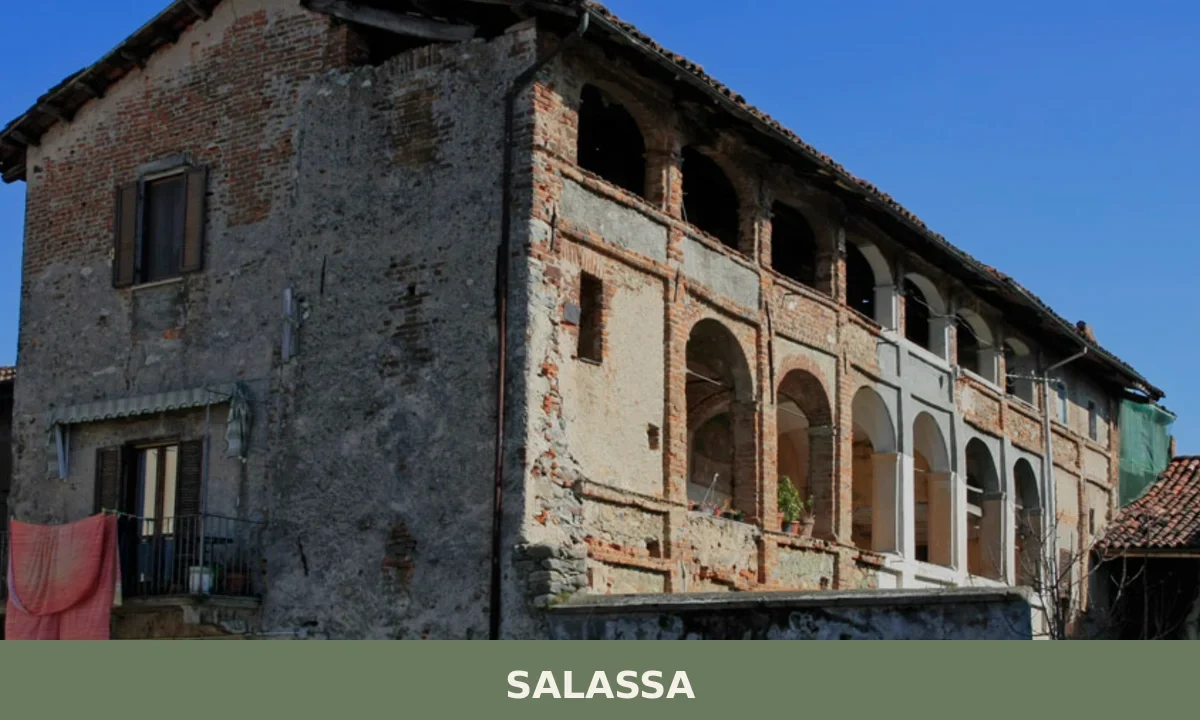
Salassa
Hills
Population 1,862. A medieval comune with a 24-metre river-stone tower and 13th-century fortified enclosure, accessible by metro rail from Turin.





🏡 Know Arona better than we do?
If you’re a local or have been there, your knowledge matters: add what’s missing or fix a detail on this page.