


San Bernardino Verbano
 Mountain
San Bernardino Verbano unites 3 historic hamlets at 304 m above Lake Maggiore, offering Val Grande trails, partisan history, and genuine Piedmontese cuisine.
San Bernardino Verbano Piemonte: History, Attractions and Travel Tips
Three hamlets, one lake horizon, and a plaque on a forest-warden station wall that stops visitors cold. The hills above Lake Maggiore fold into quiet valleys here, where chestnut groves give way to views across the water and the distant Alpine profiles of the Ossola range. A commemorative inscription to a partisan nurse, the rumble of a steel-radiator factory down in the valley, and the old municipal records of villages that once governed themselves independently — this is a place where ordinary Italian history sits close to the surface.
San Bernardino Verbano Piemonte rewards visitors with two things above all others: direct access to the wild landscapes of the Parco Nazionale della Val Grande, and a compact, lived-in village life shaped by centuries of distinct local identity. With a population of around 1,236 and an altitude of 304 metres above sea level, the municipality sits within the Province of Verbano-Cusio-Ossola, forming part of the mountain union that links the Val Grande communities with nearby Lago di Mergozzo.
History and Origins of San Bernardino Verbano
The name of the municipality already tells a layered story. The dedication to San Bernardino — almost certainly a reference to the fifteenth-century Franciscan preacher Bernardino da Siena, whose influence spread widely across northern Italy — points to a religious geography that shaped these hills long before any modern administrative boundaries existed. The suffix Verbano, derived from Verbanus Lacus, the Latin name for Lake Maggiore, situates the village firmly within a lakeside cultural region that extends from the Lombard shore to the Piedmontese foothills. Together, the two elements of the name reflect the dual identity of a community that has always looked both inward to its valleys and outward to the water.
The municipality as it exists today came into being on 13 September 1928, when a Royal Decree ordered the merger of three previously independent communes: Bieno, Santino, and Rovegro. The decision placed the new town hall in the hamlet of Santino, which became the administrative centre of the unified territory. This kind of forced amalgamation was common under the Fascist government of the period, which sought to rationalise local administration across Italy, often overriding centuries of separate communal identity. For the inhabitants of Bieno and Rovegro in particular, the merger represented a significant change: each hamlet had maintained its own records, its own local governance, and its own sense of place for generations before being absorbed into a single entity.
The historical record reaches back further still. From the fifteenth century onward, the hamlet of Rovegro, together with the nearby settlement of Suna, formed part of a feudal holding granted to the Moriggia family of Milan, a noble lineage with interests across the western Lombard and Piedmontese borderlands. That feudal past left traces in the built environment and in the social organisation of the territory that persisted well beyond the end of the seigneurial era. Then came the violence of the Second World War. In June 1944, the area was swept by a German and Fascist round-up — a rastrellamento — that targeted partisan networks operating in the Val Grande. The human cost was severe, and the event is commemorated today by a plaque on the wall of the local forestry station, dedicated to Maria Peron, a partisan nurse who became one of the symbols of wartime resistance in this part of Piedmont. The memorial is modest in scale but significant in meaning, anchoring the village’s modern identity to a moment of collective grief and defiance.
The Val Grande area saw some of the most dramatic partisan operations in northern Italy during the summer of 1944, and the June round-up remains one of the most painful episodes in the collective memory of the communities around Lake Maggiore.
What to See in San Bernardino Verbano: Top Attractions
The Memorial Plaque to Maria Peron
Fixed to the exterior wall of the forestry station in the village, this commemorative tablet marks the spot where the memory of the June 1944 round-up is kept alive in the most direct way possible. Maria Peron served as a partisan nurse during the German and Fascist operations that struck the Val Grande, and her dedication is recorded here as a public act of remembrance. The plaque is not a grand monument — it is small, weather-worn, and easy to walk past — but that very plainness gives it a particular weight. Visitors who pause to read the inscription find themselves confronted with a precise, local act of courage rather than an abstract narrative of war. The forestry station itself stands in a working landscape, adding a further layer of continuity between the past and the present life of the village.
The Parco Nazionale della Val Grande
Part of the municipal territory of San Bernardino Verbano falls within the boundaries of the Parco Nazionale della Val Grande, one of the largest wilderness areas in Italy and a protected zone of exceptional ecological value. The park preserves a landscape of deep river gorges, beech and chestnut forest, and high pastures that were largely abandoned during the twentieth century and have since reverted to a near-wild state. Trails enter the park from several directions, and the routes accessible from this municipality offer a genuine experience of mountain solitude without requiring alpine technical skills. Walkers should carry adequate provisions and inform themselves about trail conditions before setting out, as mobile phone coverage is unreliable in the interior valleys. The park administration provides updated maps and seasonal guidance.
The Hamlet of Rovegro
Of the three original communes that merged to form San Bernardino Verbano, Rovegro carries the most visible feudal history. The hamlet sits within the landscape that once formed part of the Moriggia lordship, and its street pattern and older buildings still reflect the organisation of a medieval rural settlement. Walking through Rovegro today means moving through a human-scale space that has changed relatively little in its basic layout over several centuries, even as individual buildings have been restored or modified. The views from the upper part of the hamlet extend across the valley toward the lake, giving a clear sense of why this elevated position was valued both for defence and for agricultural oversight. There are no formal opening times or admission fees; the hamlet is a living community.
The Church of San Vittore
The patron saint of San Bernardino Verbano is San Vittore, and the church dedicated to him serves as the devotional centre of the community. The feast day in his honour is the principal religious event of the local calendar and draws residents from all three historic hamlets together in a shared celebration. The building itself stands as a point of orientation in the village, its façade visible from the approaches along the main road. Without documented records of its precise construction date or its architects, it is best understood as a characteristic example of the modest religious architecture found throughout the Verbano-Cusio-Ossola area: functional, well-maintained, and closely integrated with the life of the community around it. Visitors are welcome during opening hours, which are posted at the entrance.
The Tubor Industrial Site and Its Surroundings
San Bernardino Verbano is home to Tubor, a company that manufactures steel radiators and bathroom furnishing components. The presence of an active industrial concern in a small mountain municipality might seem unexpected, but it is entirely consistent with the tradition of specialised manufacturing that has long characterised the smaller towns of the Verbano-Cusio-Ossola province. The industrial zone occupies a section of the lower valley, and while the factory itself is not open to visitors, its presence shapes the working character of the village in a way that distinguishes it from purely agricultural or tourist-oriented communities nearby. The road that passes the facility also connects to the broader network of routes along the lake shore, making it a practical point of reference for anyone arriving from the direction of Arona or other lakeside towns to the south.
Food and Local Products of San Bernardino Verbano
The cooking of the Verbano-Cusio-Ossola area draws on a pantry assembled from the lake, the mountains, and the agricultural traditions of the Piedmontese foothills. In a municipality like San Bernardino Verbano, where the territory transitions from lakeshore influence to genuine mountain terrain, that combination is particularly evident. Fish from Lake Maggiore — especially agone, a small freshwater species traditionally dried and preserved with salt and bay leaves in the preparation known as missoltino — appears regularly in the kitchens and on the tables of the area. The technique of drying and salting small lake fish is an old one, developed over centuries when preservation mattered as much as fresh flavour, and it produces a concentrated, briny result that pairs well with polenta.
Polenta itself is a staple that runs through the food culture of this entire region. Made from stone-ground maize flour and cooked slowly in a copper pot, it functions both as an accompaniment and as a dish in its own right, particularly when served with local cheeses or with braised meats from the mountain pastures above the village. The Val Grande area has historically supported cattle and sheep on its high summer pastures, and the cheeses produced from that milk — firm, lightly aged, with a clean grassy note — remain a point of local pride. Visitors can find them at small shops in the village and at periodic markets in the surrounding municipalities of the Verbano area.
Chestnuts deserve particular attention. The wooded slopes around San Bernardino Verbano are dominated in part by chestnut groves, and the autumn harvest feeds a range of local preparations: flour for bread and pasta, whole roasted nuts sold at village festivals, and a dense chestnut cake that varies slightly from kitchen to kitchen. Wild mushrooms gathered from the Val Grande forests — porcini, ovoli, and several other species depending on the season — round out a larder that is genuinely tied to the local landscape. Travellers interested in exploring the broader Piedmontese food tradition will find useful comparisons by visiting communities like Biella or Novara, where the agricultural lowlands contribute different but complementary ingredients to a regional cuisine built on patience and seasonal discipline.
When to Visit San Bernardino Verbano and How to Get There
Late spring and early autumn offer the most agreeable conditions for exploring San Bernardino Verbano Piemonte. Between May and June, the chestnut and beech forests are at their greenest, the weather along the lake is mild without summer heat, and the trails inside the Val Grande national park are fully accessible. September and October bring the chestnut harvest, cooler air on the mountain paths, and a quieter atmosphere in the villages as the summer visitors have largely departed. The feast of San Vittore marks a significant date in the local religious calendar and draws a community gathering worth attending if your visit coincides with it. Midsummer is warm and busy along the Lake Maggiore shore; if you plan to walk in the Val Grande interior, start early in the day and carry water.
By car from Milan, the most direct route follows the A8 motorway toward Varese, then continues north on the SS33 along the western shore of Lake Maggiore. The drive covers roughly 90 kilometres and takes between one hour and one hour and fifteen minutes depending on traffic. From Novara, the approach is similar but slightly longer, skirting the lake from the south. Visitors arriving from Turin can reach the area via the A26 motorway and then connect to the lakeside road. Train travellers should head for Verbania-Pallanza or Verbania-Intra on the Domodossola line, then continue by local bus or taxi. The official municipal website at comune.san-bernardino-verbano.vb.it carries updated transport and service information. Those who enjoy combining several Piedmontese destinations in a single trip might also include Carema or Andrate in the itinerary, both of which lie within reach for travellers moving through the broader Piedmontese upland zone.
| Departure | Distance | Time |
|---|---|---|
| Milan (A8 + SS33) | approx. 90 km | 1 h – 1 h 15 min |
| Turin (A26 + SS33) | approx. 140 km | 1 h 30 min – 1 h 45 min |
| Novara (SS33) | approx. 80 km | 1 h – 1 h 20 min |
| Verbania (local road) | approx. 8 km | 15 – 20 min |
San Bernardino Verbano is an active part of an administrative grouping known as the Unione Montana dei Comuni Valgrande e del Lago di Mergozzo, which coordinates services, infrastructure, and tourism promotion across several neighbouring municipalities. This cooperative framework means that a visit to this village fits naturally into a wider exploration of the Val Grande corridor, where the interplay of lake culture, mountain terrain, wartime memory, and small-scale industry gives the entire area a coherence that rewards more than a single afternoon. Visitors who take the time to move slowly through the three historic hamlets of Bieno, Santino, and Rovegro will find that each retains a distinct character, even now, nearly a century after the Royal Decree that formally brought them together.
📷 Photo Gallery — San Bernardino Verbano


In Piedmont More villages to discover
Bairo
 Hills
Hills
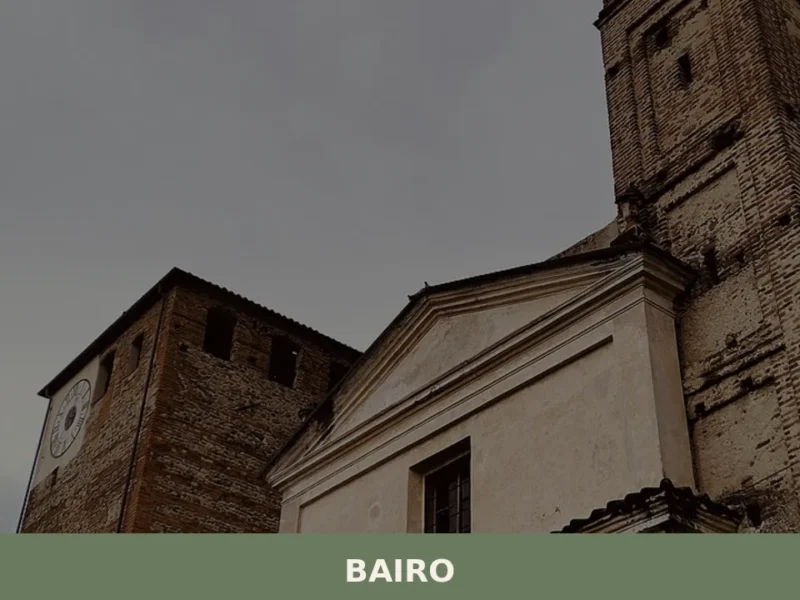
The earliest confirmed record of Bairo dates to a document from 1003, when Marquess Arduino of Ivrea — who would shortly become King of Italy — confirmed landholdings in this portion of the Canavese between the moraine ridge and the foothills of the Graian Alps. Today the municipality has 806 inhabitants, spread across the historic […]
Caselette
Hills
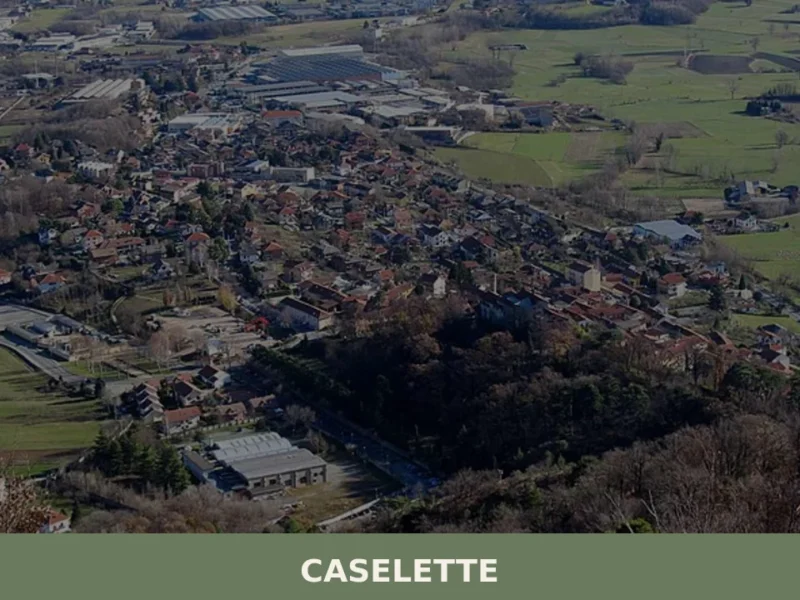
At the foot of Monte Musinè, where the plain of Turin gives way to the first folds of the Val di Susa, a mass of rock the size of a house sits in open ground. The Pietra Alta, one of the largest glacial erratics in the whole of Piedmont, was deposited here by glacial movement […]
Germagnano
Mountain
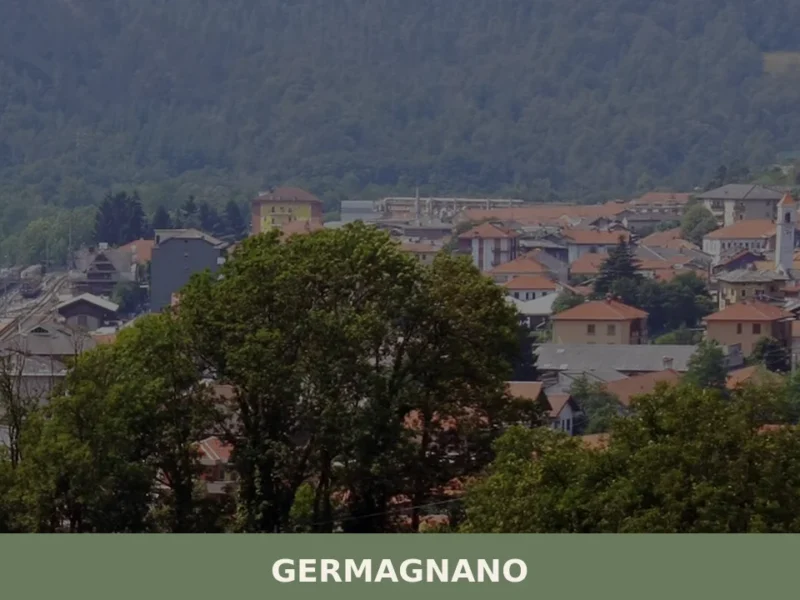
What to see in Germagnano, Italy: 30 km from Turin in the Valli di Lanzo. Discover the railway village, local cuisine and best times to visit. Read the guide.
Ronco Canavese
Mountain
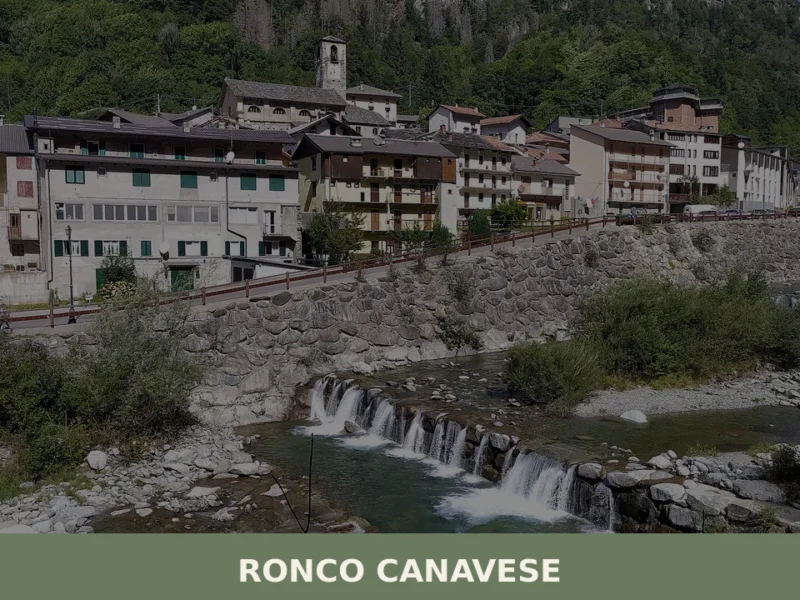
Ronco Canavese is home to approximately 380 inhabitants and serves as the principal reference point for the Valle Soana, a lateral valley that extends northward from the Gran Paradiso massif within the metropolitan area of Turin. Knowing what to see in Ronco Canavese requires understanding its role not as a transit point but as the […]
Balme
Mountain
What to see in Balme, a village at 1,432 m in the Valle di Viù (TO): the historic centre, high pastures, the Alpi Cozie Park, local food and practical tips for your visit.
Azeglio
Hills
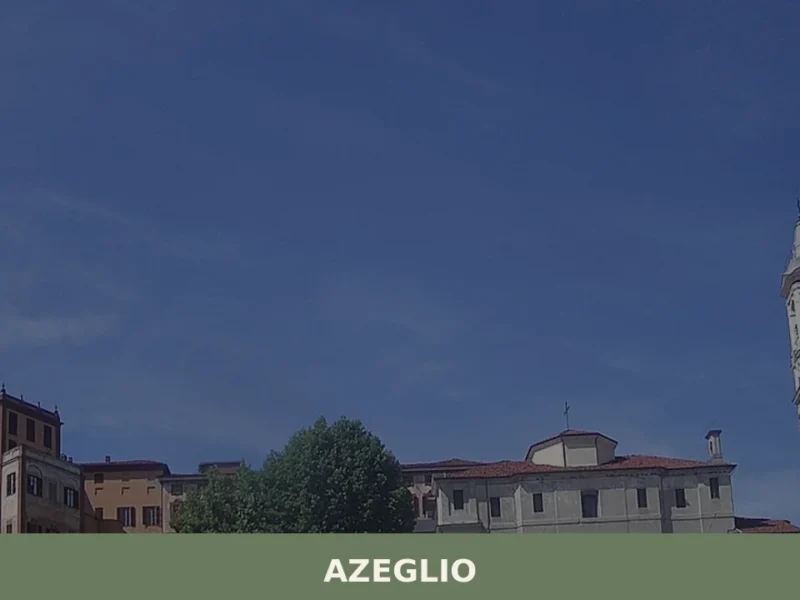
Azeglio, a small Piedmontese village on Lake Viverone: history, what to see and how to get there. Discover everything to plan your visit.
Andrate
Mountain
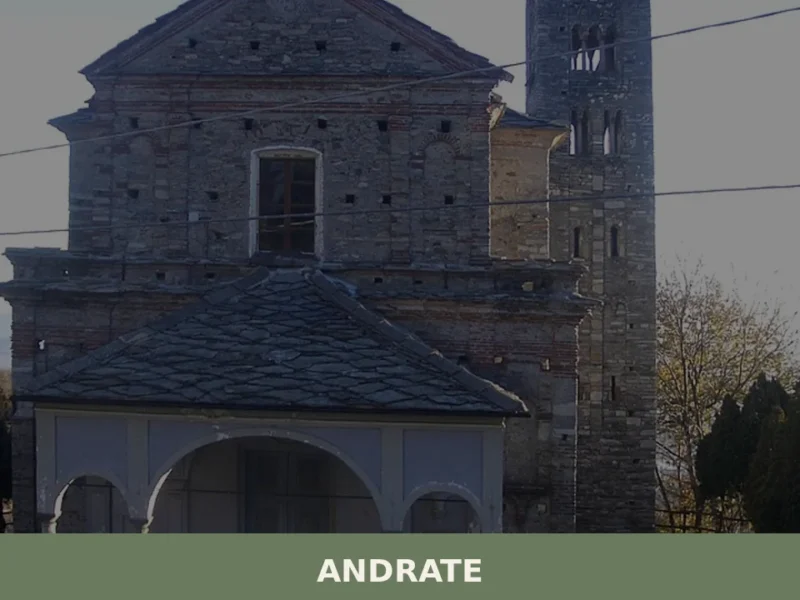
What to see in Andrate in Piedmont: panoramic views over the Serra d'Ivrea, trails, chestnut groves, Canavese cuisine. Complete guide with history and practical information.
Balangero
Hills
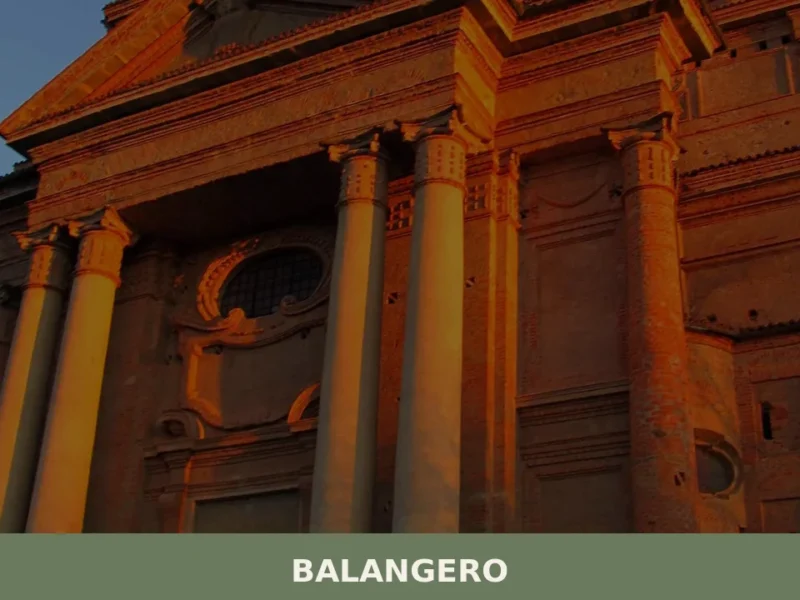
Balangero has just over 3,000 inhabitants and sits at 440 metres above sea level on a hillside in the northern part of the province of Turin. The village is known for having hosted, within its municipal territory, one of the largest asbestos mines in Europe — an extractive operation that left a deep mark on […]
Barone Canavese
Hills
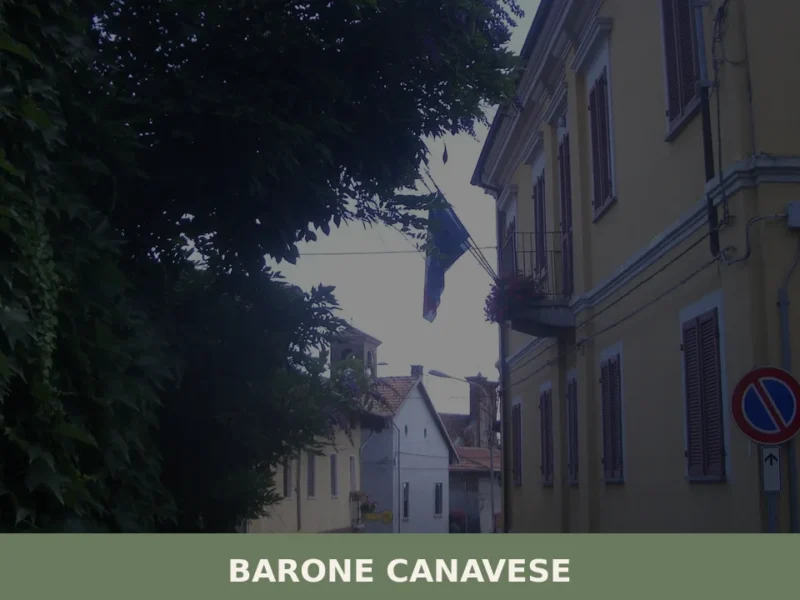
Barone Canavese has 554 inhabitants and sits at 325 metres above sea level, on the hills of eastern Canavese in the province of Turin. Those wondering what to see in Barone Canavese will find a small municipality set within a well-defined hill landscape, notable for its historic religious buildings and a road network connecting the […]
Campiglione Fenile
 Plains
Fifteen kilometres separate Campiglione Fenile from Pinerolo, and that distance is enough to create a perceptible shift: the noise of the city gives way to the compact silhouette of Piedmontese farmsteads, to the double-pitched roofs that cut across the Po Valley sky towards the Cottian Alps. In this article History and origins of Campiglione Fenile […]

🏡 Know San Bernardino Verbano better than we do?
If you’re a local or have been there, your knowledge matters: add what’s missing or fix a detail on this page.