


San Benedetto Belbo
 Hills
Hills
145 residents, one literary trail, one medieval monastery legacy. San Benedetto Belbo rewards slow travellers with Fenoglio’s landscape and Langa hilltop views.
San Benedetto Belbo: Alta Langa Village of Stone and Literature
At 637 metres above sea level, the village rises on a Langa ridge where the air carries the smell of damp earth and hazelnut groves. The stone houses cluster around a tight historic centre, and below the hill the Belbo river moves quietly through a valley that has defined this community for a thousand years. Ten explanatory panels stand along a circular literary trail, each one marking a spot that a writer transformed into fiction. The silence here is the productive kind.
San Benedetto Belbo village in Piedmont draws two distinct kinds of visitor: those who follow the footsteps of the writer Beppe Fenoglio through the lanes and fields he made famous, and those who simply want the elevated calm of the Alta Langa far from the better-known wine roads. Both find what they came for.
From Benedictine Monks to a Village Identity
The name of the village points directly to its origin. Around the year 1000, Benedictine monks arrived in the Langhe from the abbey of Santa Maria di Castiglione, located in what is today Castione Marchesi near Fidenza in the province of Parma. They established a monastery on the hill above the Belbo river and called it San Benedetto al Belbo. From that foundation grew a prosperous monastic estate, a priory whose territory extended well beyond the ridge to include lands at Niella, Feisoglio, Saliceto, Priero and Gottasecca. The village that formed around this religious centre inherited both the name and the geographic logic of the monastic settlement.
The priory gave the community an economic structure rooted in agriculture and in the administrative reach of ecclesiastical landholding. Over subsequent centuries the village evolved as the monastery’s influence shaped local land use, settlement patterns and the rhythms of daily life. The patron saint today is San Placido, a name that carries its own Benedictine resonance, since Placido was among the earliest disciples of Saint Benedict himself. The church dedicated to the patron remains the focal point of the historic centre, orienting the small streets that converge on it from every direction.
The twentieth century brought a demographic contraction that many Alta Langa communities experienced. Over roughly a hundred years starting from 1921, the resident population fell by approximately 75 percent, leaving the village at around 140 to 145 inhabitants today. That reduction is visible in the fabric of the place: there are houses that have been empty for a generation, fields that have returned to scrub along the steeper slopes. Yet the village has not become a ruin. A core of permanent residents maintains the streets, the church calendar, and the vegetable gardens behind the houses, while a growing number of visitors drawn by the Fenoglio connection have brought new attention to the community.
In the municipal registry of San Benedetto Belbo, the population that once exceeded 500 has now settled at around 145 — yet the village occupies more pages of Italian literature than towns twenty times its size.
The Places That Define San Benedetto Belbo
The Fenoglio Literary Trail
The municipality created a circular literary itinerary that moves through the historic centre connecting the sites most directly linked to the work of Beppe Fenoglio. Ten large explanatory panels describe the relationship between specific places and specific texts, while ten plaques at key locations reproduce quotations from his writing. The trail is self-guided and compact enough to complete on foot in under an hour, though many visitors slow considerably at each panel. It operates as a physical index of Fenoglio’s imaginative geography, making visible the connection between a real landscape and the fictional world he built from it.
The Historic Centre and the Parish Church
The historic centre of San Benedetto Belbo occupies the high ground of the ridge in a pattern that reflects its monastic origins. The parish church, dedicated to the patron San Placido, anchors the settlement and marks the point where the village’s religious calendar and its daily social life have long intersected. The surrounding lanes are narrow and largely free of traffic, paved in stone and flanked by house fronts that show the compact domestic architecture typical of Alta Langa villages. Walking through the centre takes very little time, but the spatial logic — built upward rather than outward, oriented toward the valley — rewards careful attention.
The Panoramic Giant Bench at Passo della Bossola
On 27 September 2019 a giant bench in yellow and blue was inaugurated on the descent from Passo della Bossola, positioned to look directly toward the village below. It forms part of the wider Big Bench Community Project present across Piedmont and offers one of the clearest elevated views of the San Benedetto Belbo ridge and the surrounding Langa landscape. The bench has become a practical stopping point for cyclists and hikers crossing the pass, and its orientation makes it particularly effective in the late afternoon when the light falls across the valley at a low angle.
The Belbo Valley Surroundings
The lower ground along the Belbo river, beneath the village ridge, forms the territorial context that gave San Benedetto Belbo its name and its founding logic. The valley floor and the slopes above it carry the agricultural landscape — hazelnut groves, small vineyards, patches of woodland — that Fenoglio described in his prose and that still defines the visual identity of the place. Visitors arriving by car from the valley road get their first view of the village from below, which is the perspective most consistent with how the settlement has been seen for centuries.
Alta Langa Flavours and the Land Beneath the Village
The Alta Langa agricultural tradition that surrounds San Benedetto Belbo is closely connected to the potato cultivation of the upper Belbo valley, a product associated with this part of the Cuneo province. The high-altitude terrain and the temperature range between day and night produce conditions that local growers have long considered well suited to root vegetables. Hazelnuts appear throughout the landscape and form part of the broader Langa food economy. The village itself, given its scale, has no dedicated restaurant infrastructure, but the produce of the surrounding territory is present in the markets and kitchens of the wider Alta Langa area.
Visitors interested in the food culture of this corner of Piedmont will find that the Belbo valley connects naturally to the culinary traditions of the Cuneo province, which extend from upland agriculture down into the richer agricultural plains. The villages of the Cuneo area collectively carry a food heritage that rewards patient exploration rather than a single stop.
When to Come and How to Reach San Benedetto Belbo
The village is accessible by road through the Alta Langa. If you arrive by car from Alba or from the Belbo valley towns, the approach via the provincial roads that climb toward Passo della Bossola gives you the most direct route and the most complete sense of the landscape transition from valley floor to ridge. The road is narrow in sections and requires attentive driving, particularly after rain when the surface can be slippery. There is no railway station in the village; the nearest rail connections are at a distance, so independent transport is practical for most visitors.
Spring and early autumn are the seasons that suit San Benedetto Belbo best. In May and June the surrounding agricultural land is in full growth and the air at 637 metres is cool without being cold. September and October bring the harvest atmosphere that Fenoglio described repeatedly in his writing, and the light in those months has a particular quality over the Langa ridges. Summer weekends see an increase in visitors, particularly cyclists using the Bossola pass, but the village never becomes crowded in the way that better-known Langhe destinations do. Winter closes much of the rural activity and the roads can be icy, though the snow-covered ridge has its own visual drama.
Travellers building a broader Piedmont itinerary can combine San Benedetto Belbo with other villages across the region. The Asti area lies to the north and represents a different face of Piedmontese hill culture. Further afield, Acceglio in the Maira valley shows the Alpine dimension of the Cuneo province. Those exploring the Piedmontese plain can extend their journey toward Piobesi Torinese or Castagnole Piemonte for contrast with the Alta Langa uplands.
| Departure | Distance | Time |
|---|---|---|
| Alba | approx. 30 km | 45-55 min by car |
| Cuneo | approx. 55 km | 1 hr 10 min by car |
| Turin | approx. 100 km | 1 hr 30 min by car |
| Genoa | approx. 130 km | 1 hr 50 min by car |
For current administrative information and local events, the official municipal website at comune.san-benedetto-belbo.cn.it is the most reliable reference.
📷 Photo Gallery — San Benedetto Belbo


In Piedmont More villages to discover
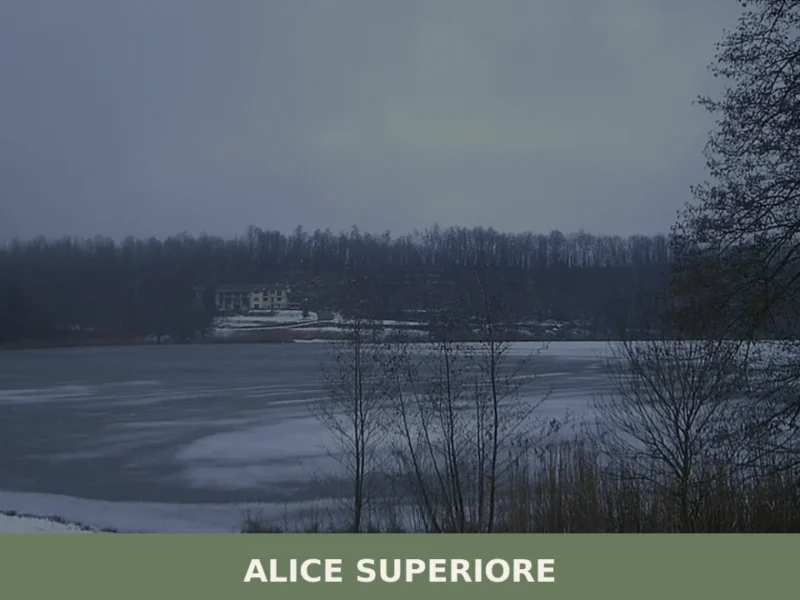
Alice Superiore
 Mountain
Alice Superiore sits at 610 metres above sea level in the Chiusella Valley, a lateral branch of the Canavese district within the Metropolitan City of Torino. Home to 711 inhabitants, the village occupies a stretch of sloping terrain where chestnut woods give way to Alpine pasture. For anyone researching what to see in Alice Superiore, […]
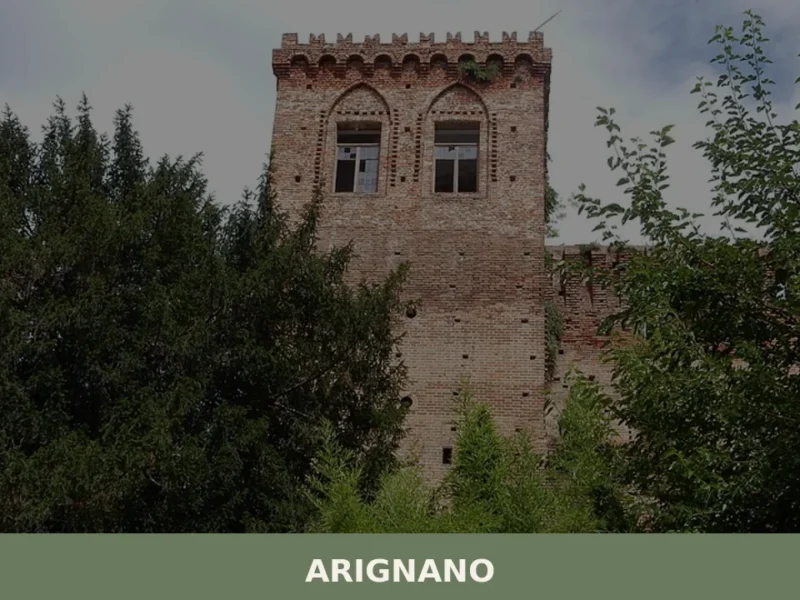
Arignano
Hills
What to see in Arignano in Piedmont: castle, church, hill trails, traditional cuisine, and practical information for visiting the village at 321 m a.s.l.
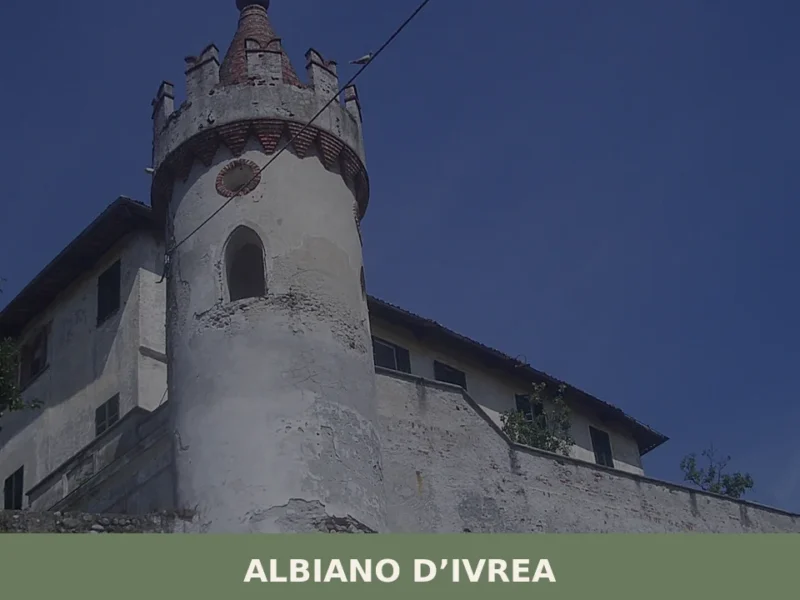
Albiano d’Ivrea
Hills
what to see ad Albiano d’Ivrea: con 1.628 abitanti, esplora la Chiesa Parrocchiale e i resti del ricetto medievale. Pianifica il tuo viaggio ora!
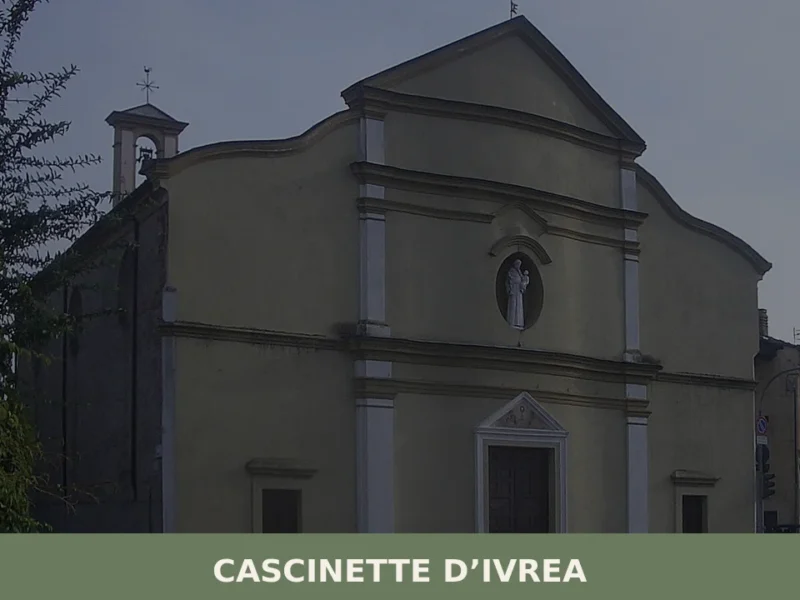
Cascinette d’Ivrea
Hills
Scopri Cascinette d'Ivrea, un incantevole borgo piemontese ricco di storia e paesaggi mozzafiato. Tutto quello che devi sapere su questo gioiello d'Italia.
Parella
Hills
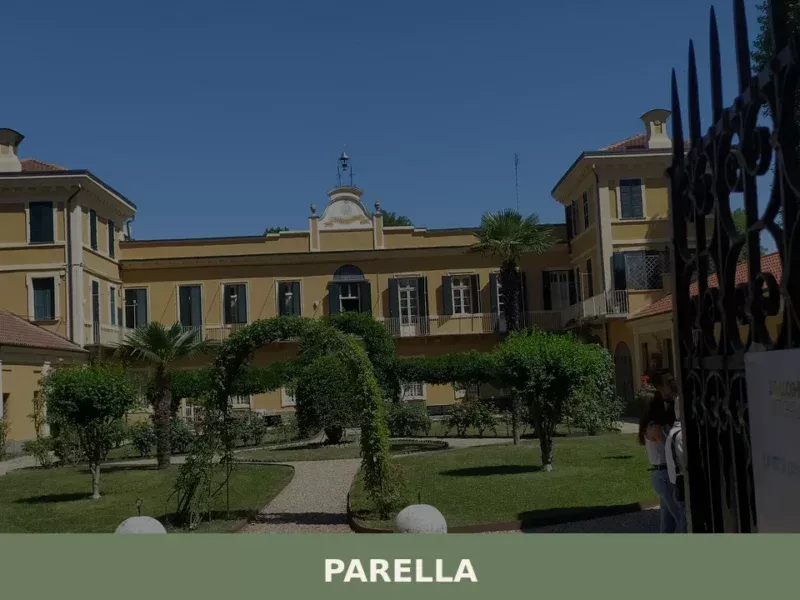
Scopri Parella borgo Piemonte: un affascinante villaggio storico tra castelli, natura e tradizioni antiche. Visita uno dei gioielli nascosti del Canavese!
Baldissero Torinese
Hills
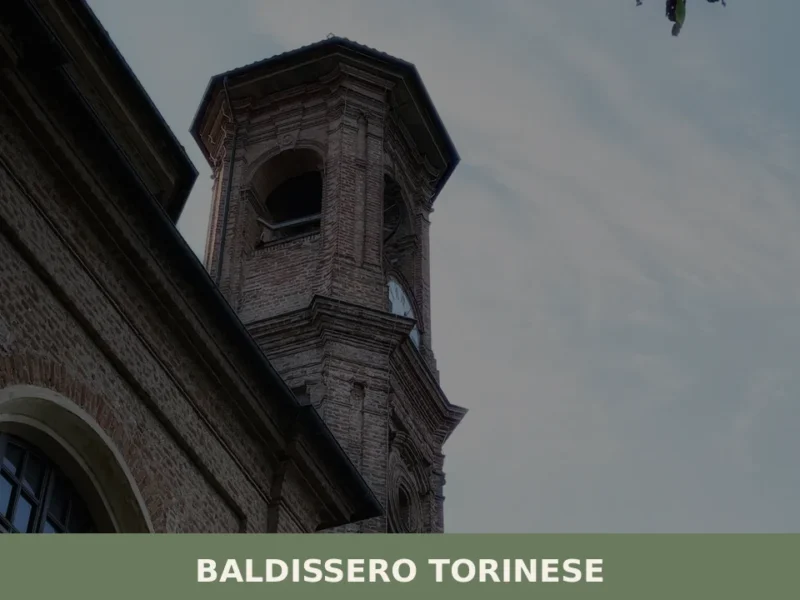
Baldissero Torinese stands at 421 metres above sea level, on the eastern slope of the Turin hills, less than fifteen kilometres from the Piedmontese regional capital. With a population of 3,789, the municipality belongs to the Metropolitan City of Turin and retains an urban layout that still reflects its historical layers, from the medieval core […]
Brosso
Mountain
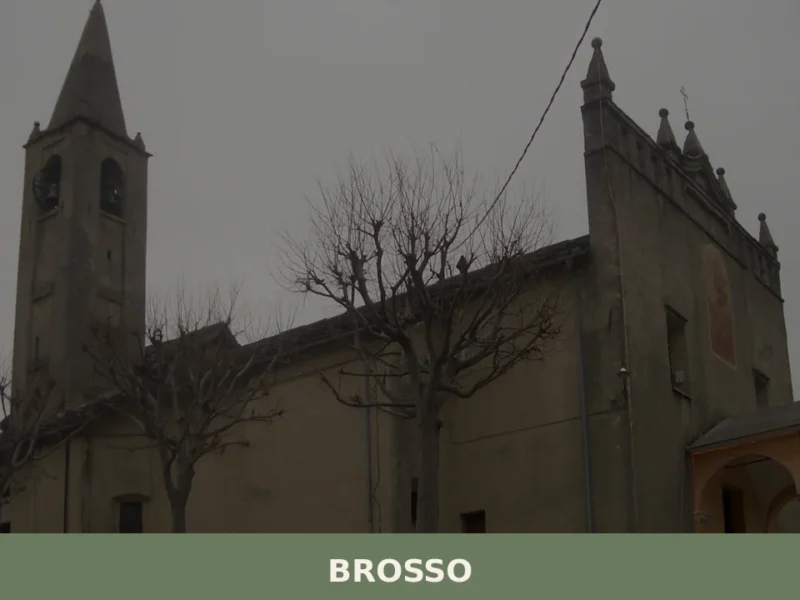
Brosso has a population of 391 and sits at 797 metres above sea level in the Valli del Canavese, in the province of Turin, on the south-eastern slopes of the Serra di Ivrea. The area was historically defined by mining activity — particularly iron and copper extraction — a practice that left lasting physical marks […]
Avigliana
Hills
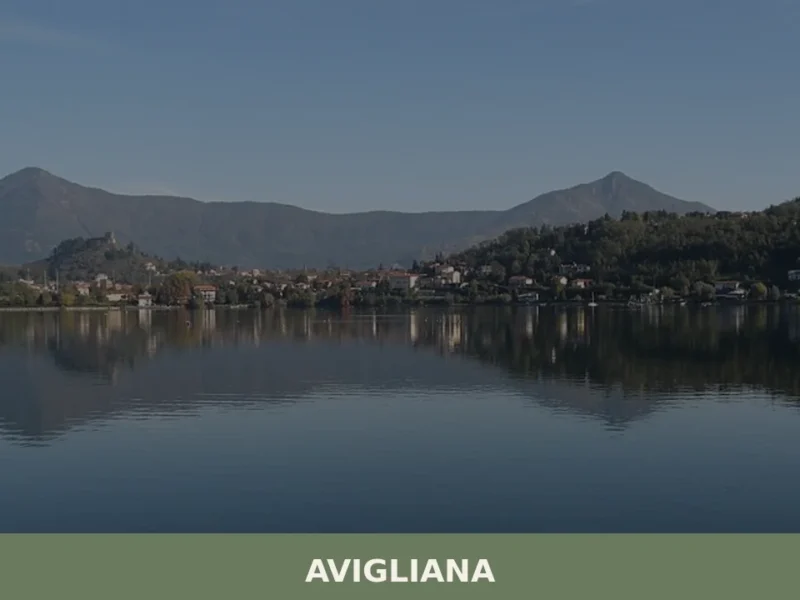
In 1092, a donation charter by Countess Adelaide of Susa mentioned for the first time the castrum Avillianae, a fortified settlement on the hill overlooking two moraine-origin lake basins in the lower Susa Valley. Anyone wondering what to see in Avigliana today will find an urban fabric preserving precise layers of history: thirteenth-century towers, Gothic […]
Agliè
Hills
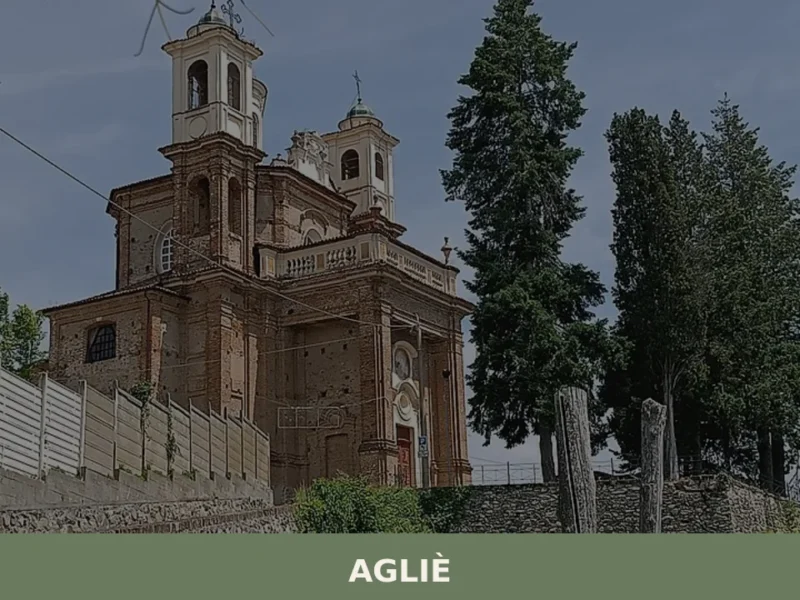
In 1646, Count Filippo San Martino d’Agliè — diplomat, poet, choreographer at the court of Christine of France — danced in the great hall of the castle that bears his name, directing baroque festivities destined to reshape Savoyard court ceremony. That castle still dominates the village’s skyline today with its eighteenth-century façade stretching over one […]
Balme
Mountain
What to see in Balme, a village at 1,432 m in the Valle di Viù (TO): the historic centre, high pastures, the Alpi Cozie Park, local food and practical tips for your visit.


🏡 Know San Benedetto Belbo better than we do?
If you’re a local or have been there, your knowledge matters: add what’s missing or fix a detail on this page.