


San Giovanni Valdarno
 Hills
Hills
Founded in 1296 as a Florentine frontier town, San Giovanni Valdarno preserves a medieval grid layout, masterpieces by Beato Angelico, and the legendary miracle of Monna Tancia.
San Giovanni Valdarno Toscana: History, Art and Flavours of the Arno Valley
A medieval grid of stone streets fans outward from a vast central piazza, framed by loggia-fronted palaces and the faint hum of a town that has never quite forgotten its origins as a Florentine frontier fortress. The Arno river winds below, giving the valley its name and its character: industrious, proud, quietly beautiful.
San Giovanni Valdarno Toscana rewards visitors with two irresistible reasons to stop: a remarkably intact medieval urban plan attributed to the genius of Arnolfo di Cambio, and a Basilica that shelters one of Beato Angelico’s most radiant paintings. At 134 metres above sea level, in the province of Arezzo, this town of around 16,500 inhabitants sits at the crossroads of Florentine history and Arno Valley culture.
History and Origins of San Giovanni Valdarno
The story of this town begins with a political decision. In 1296, the Republic of Florence commissioned a network of fortified settlements along its southern frontier — the so-called terre nuove fiorentine — to consolidate control over the Arno Valley and project Florentine authority into contested territory. San Giovanni was one of those strategic outposts, originally christened Castel San Giovanni. The urban designer most associated with the project is Arnolfo di Cambio, the same architect responsible for the initial design of Florence Cathedral and Palazzo della Signoria, though historians note that his direct, hands-on involvement in construction here remains a matter of scholarly debate.
What is beyond debate is the sophistication of the town plan itself. The street layout follows a logic borrowed directly from the Roman military camp: a large central square anchors the composition, and from it two main axes extend at right angles, with secondary streets branching off in a regular pattern. Walking through the historic centre today, visitors can still read that geometry in the pavement beneath their feet. It is a rare instance of a medieval planned town that survived later centuries without being fundamentally altered, making San Giovanni one of the most legible examples of late-thirteenth-century Florentine urban thinking anywhere in Tuscany.
The town’s most dramatic episode, however, belongs not to politics but to faith. In 1478 the plague devastated the population, leaving a three-month-old infant named Lorenzo as one of its most vulnerable survivors. His grandmother, Monna Tancia, a seventy-five-year-old woman, found herself unable to secure a wet nurse for the child. Desperate, she prayed before a sacred image of the Madonna painted on the exterior wall near the Porta di San Lorenzo. That night, according to the account preserved for centuries by local tradition, milk appeared in her breasts and she nursed the infant to health. Word of the miracle spread across Tuscany; even Lorenzo de’ Medici reportedly travelled to the town to witness the devotion it had inspired. A chapel was built around the image in 1484, and that modest structure eventually grew into the grand Basilica di Santa Maria delle Grazie that stands today. The coat of arms and civic banner of the municipality were formally granted by presidential decree on 9 October 1975, codifying the symbols of a community whose identity had been shaped by centuries of precisely this blend of civic ambition and popular piety.
In 1865, the municipal band of San Giovanni Valdarno — founded in February 1818, making it one of the oldest symphonic bands in Italy — performed at the inauguration of the monument to Dante Alighieri in Piazza Santa Croce, Florence. Three generations of musicians had kept it alive before it played on that national stage.
What to See in San Giovanni Valdarno: Top Attractions
Palazzo d’Arnolfo (Palazzo Pretorio)
Standing at the heart of the main piazza, the Palazzo d’Arnolfo is the oldest civic building in town, dating to the thirteenth century. Its name honours the architect credited with the town’s founding plan, though the building has accumulated modifications over many decades. For centuries it functioned as the seat of local government and justice — the word pretorio refers to the magistrate’s court it once housed. Today its sturdy stone facade and the broad piazza surrounding it form the visual and symbolic core of the historic centre. The building is the natural starting point for any walking tour, and the square around it hosts local markets and seasonal events that bring the medieval geometry of the space vividly to life.
Basilica di Santa Maria delle Grazie
Rising from the site of the 1484 chapel erected in response to the miracle of Monna Tancia, the Basilica di Santa Maria delle Grazie is the spiritual heart of San Giovanni Valdarno. Its interior is calm and luminous, and to the left of the altar visitors can find a painted representation of the miracle itself — the elderly grandmother cradling her grandson, a scene that has moved pilgrims and curious travellers alike for over five centuries. The attached museum holds the Basilica’s greatest treasure: an Annunciazione painted around 1432 and attributed to Beato Angelico, a work of such delicate gold and blue that standing before it feels like an interruption of ordinary time. The museum is well labelled and manageable in size, making it an ideal first stop for visitors arriving with limited time.
Il Palazzaccio (Palazzo Salviati)
Despite its unflattering nickname — palazzaccio simply means “ugly big palace” in Italian, though the building is anything but — this fourteenth-century structure is one of the most architecturally interesting facades in the town. Its design reads almost as a textbook of Tuscan late-Renaissance decoration: the lower two floors feature superimposed loggias with shallow, flattened arches, while the third storey opens onto a trabeated terrace. Later modifications added the Salviati family’s imprint, blending medieval bones with Renaissance skin. The building stands close to the main piazza and rewards a few minutes of unhurried observation from the street, particularly in the late afternoon when the light catches the stonework at an angle.
Museo delle Terre Nuove and Casa Masaccio
Two museums within easy walking distance of each other address the twin pillars of the town’s cultural identity. The Museo delle Terre Nuove documents the remarkable phenomenon of Florentine planned settlements — the terre nuove — through maps, models and archaeological finds, placing San Giovanni in the broader context of medieval urban history. Casa Masaccio, meanwhile, honours the painter Masaccio, born in the town in 1401, who would go on to revolutionise European painting with his use of perspective and chiaroscuro. Now a centre for contemporary art, it stages rotating exhibitions that draw a younger, design-conscious audience alongside art historians. The two museums together offer a morning well spent.
Palazzo Mannozzi-Gariberti and the Hebrew Inscription
This fourteenth-century palace conceals a quietly remarkable detail. Until 1570 it housed a lending bank administered by a Jewish community — a common arrangement in Tuscan towns of the period, before Medici-era grand ducal pawnshops replaced them. A stone tablet set into the building’s wall preserves a Hebrew inscription quoting verses 5 and 6 of Psalm 137, a traditional marking used on Jewish-administered properties. It is a small, easily overlooked fragment of evidence, but it speaks to the cosmopolitan economic life of the medieval Arno Valley. Visitors interested in the layered history of Tuscany’s Jewish communities will find it worth seeking out during a stroll through the historic streets.
Food and Local Products of San Giovanni Valdarno
The culinary identity of San Giovanni Valdarno Toscana is grounded in the peasant traditions of the Arno Valley, transformed over generations into dishes that locals defend with the kind of quiet intensity reserved for things that truly matter. The most storied preparation is the stufato alla sangiovannese, a slow-cooked meat stew whose precise recipe is described as a closely guarded secret — tied, according to local tradition, to the historic gatherings held in the halls of the Basilica di Santa Maria delle Grazie. The dish is rich, deeply flavoured, and the sort of thing that requires a long table and unhurried company to do it justice.
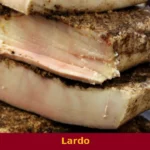
Equally prized is the tarese, a local variety of flat-cured pork belly that stands apart from standard pancetta by its exceptional dimensions — a single slab can measure fifty centimetres by eighty — and its intensely savoury, aromatic flavour. The tarese is not exclusive to San Giovanni; neighbouring Valdarno towns such as Montevarchi and Bucine produce their own versions, and the product is considered a signature of the broader valley rather than one municipality alone. You will find it sliced thin at local delicatessens, served on unsalted Tuscan bread, or folded into hot dishes. Either way it demands attention.
Beyond these two flagships, the town sits within a wider agricultural zone that produces excellent Chianti wines, locally pressed olive oils, and seasonal vegetables that appear in market stalls with a regularity that reminds visitors how close the countryside remains even in a town with an industrial history. The stufato and the tarese are best sought in family-run trattorias rather than tourist-facing restaurants; ask locally for recommendations, and be prepared to eat at the pace the kitchen sets rather than your own schedule. The town also maintains a tradition of artisan glasswork for interior decoration — a craft that makes for an unusual and genuinely local souvenir.
When to Visit San Giovanni Valdarno and How to Get There
Spring and early autumn offer the most comfortable conditions for exploring San Giovanni Valdarno Toscana on foot. April through June brings mild temperatures, longer evenings, and the kind of clear light that makes the stone facades of the historic centre look their best. September and October add the visual drama of the harvest season in the surrounding valley. Summer is warm and occasionally humid, but the town does not suffer from the extreme tourist pressure of better-known Tuscan destinations, so even July and August remain manageable. The patron saint’s feast day, dedicated to San Giovanni Battista, generates local celebrations worth timing a visit around if the calendar allows. The ValdarnoCinema Film Festival is another annual event that draws visitors with cultural interests beyond architecture and food.
The town sits along the main Florence–Rome railway line, which makes arriving by train straightforward and genuinely pleasant. Florence is the most common gateway for international visitors. If you arrive by car, the A1 motorway provides direct access via the Valdarno exit, and parking near the historic centre is available without the complications found in smaller hilltop villages. For those exploring the wider region, the city of Arezzo lies to the south and makes a natural companion day trip, while the rolling landscapes toward Siena are within comfortable driving distance. Since 2001 the town has also hosted a branch of the University of Siena’s Centre for Geotechnologies, giving it a quiet academic pulse alongside its historical attractions. Visitors arriving from the north might also consider combining a visit with the villages of Barberino Val d’Elsa or Bagno a Ripoli to build a fuller itinerary through the Florentine hinterland.
| Departure | Distance | Time |
|---|---|---|
| Florence (by train) | approx. 40 km | 30–40 minutes |
| Arezzo (by train or car) | approx. 35 km | 30–35 minutes |
| Siena (by car) | approx. 60 km | 50–60 minutes |
| Rome (by high-speed train) | approx. 270 km | under 2 hours |
The official municipal website at comune.san-giovanni-valdarno.ar.it publishes current information on opening hours, local events and civic services. It is worth consulting before departure, particularly if you plan to visit specific museums, which sometimes adjust their schedules around festivals and public holidays.
Frequently asked questions about San Giovanni Valdarno
Come si raggiunge San Giovanni Valdarno in treno o in auto?
In auto, San Giovanni Valdarno si raggiunge dall'Autostrada A1 (Milano-Napoli), uscita San Giovanni Valdarno. In treno, la città dispone di una propria stazione ferroviaria sulla linea Firenze-Roma, servita da treni regionali Trenitalia. Da Firenze il viaggio dura circa 40-50 minuti, da Arezzo circa 20-25 minuti. La stazione si trova a pochi minuti a piedi dal centro storico.
Quando si festeggia il patrono di San Giovanni Valdarno e ci sono eventi estivi?
Il patrono è San Giovanni Battista, la cui festa liturgica ricorre il 24 giugno. Il periodo estivo è animato da manifestazioni locali legate alla tradizione valdarnaese. La data del 24 giugno coincide con una delle feste più sentite in tutta la Toscana, condivisa anche con Firenze, rendendo il soggiorno particolarmente suggestivo per chi visita la zona a fine giugno.
Quanto tempo è necessario per visitare San Giovanni Valdarno?
Per una visita completa del centro storico, inclusa la Piazza Masaccio, il Palazzo d'Arnolfo e la Basilica di Santa Maria delle Grazie, sono sufficienti 3-4 ore. Chi desidera esplorare anche i dintorni del Valdarno, visitare musei locali o percorrere sentieri nelle colline circostanti dovrebbe prevedere almeno una giornata intera o un pernottamento.
Esistono curiosità storiche su San Giovanni Valdarno legate a personaggi famosi?
San Giovanni Valdarno è il luogo di nascita di Masaccio (1401), considerato uno dei padri della pittura rinascimentale, il cui vero nome era Tommaso di Ser Giovanni di Simone. La città gli ha dedicato la piazza principale e un museo a lui intitolato, il Museo delle Terre Nuove. Un'altra figura illustre nata in zona è Piero della Francesca, attivo nel territorio aretino.
Ci sono parcheggi disponibili vicino al centro storico?
San Giovanni Valdarno dispone di diverse aree di parcheggio nelle immediate vicinanze del centro storico, prevalentemente gratuite o a tariffa agevolata nelle zone periferiche della città murata. I visitatori che arrivano in auto possono parcheggiare comodamente lungo le vie di accesso al centro, a breve distanza a piedi dalla Piazza Masaccio e dalle principali attrazioni monumentali.
📷 Photo Gallery — San Giovanni Valdarno


In Tuscany More villages to discover
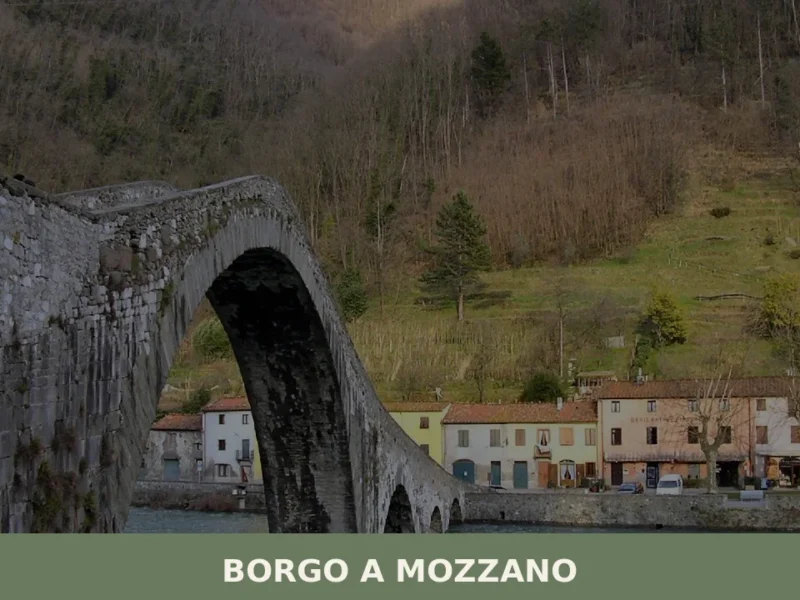
Borgo a Mozzano
 Plains
Borgo a Mozzano, Tuscany: discover the Devil's Bridge, historic churches and nearby villages. A practical guide to help you plan your visit.
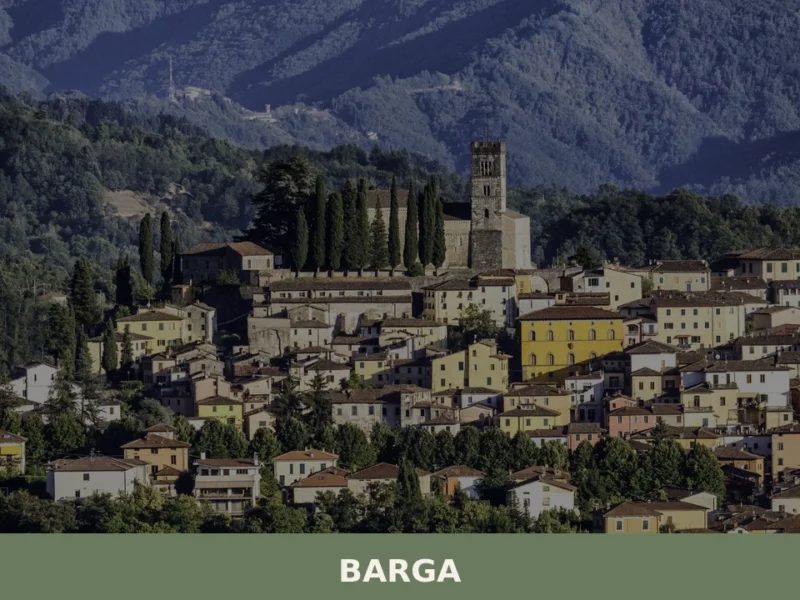
Barga
Hills
what to see a Barga, village toscano a 410 m s.l.m.: Duomo di San Cristoforo, Teatro dei Differenti, cuisine della Garfagnana. guide pratica con consigli su quando andare e how to get there.
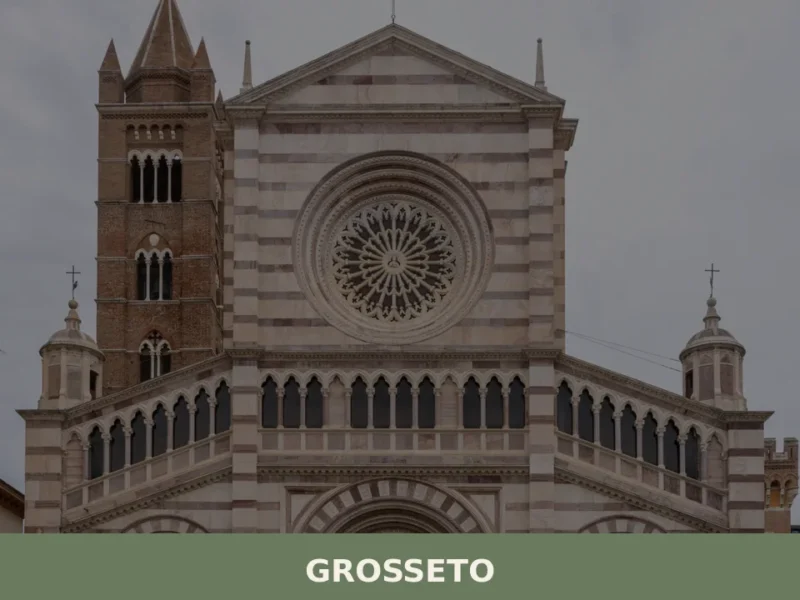
Grosseto
 Sea
Sea
What to see in Grosseto: Medici walls, San Lorenzo Cathedral and the Maremma Natural Park in a city of 79,216 inhabitants. Plan your visit with our complete guide.
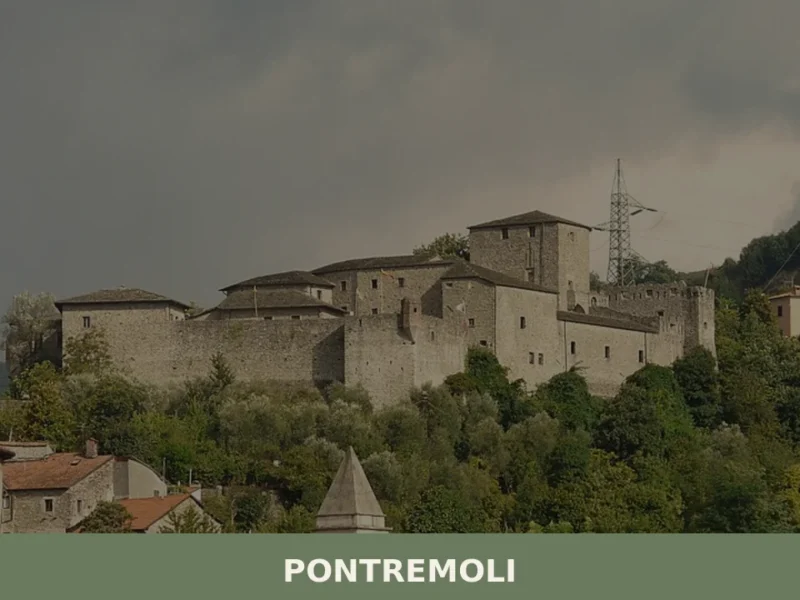
Pontremoli
Hills
Pontremoli has a current population of 7,593 and sits at an elevation of 236 metres in the valley of the River Magra, in the province of Massa and Carrara. The central hub of historic Lunigiana, the town is crossed by the route of the Via Francigena — stop number 28 on the itinerary of Sigeric, […]
Camporgiano
Hills
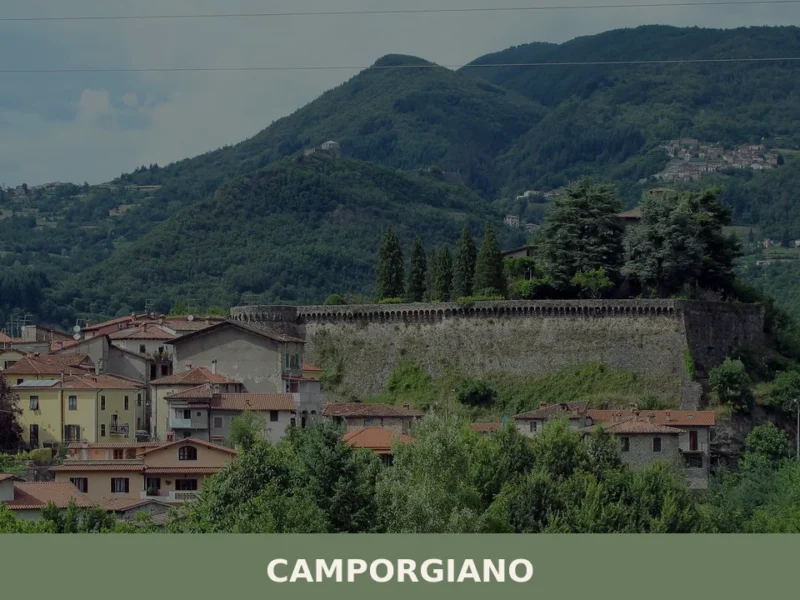
What to see in Camporgiano, Italy: a hilltop comune at 475 m in Garfagnana, Toscana. Discover the fortress, San Iacopo feast and local chestnut traditions.
Casola in Lunigiana
Hills
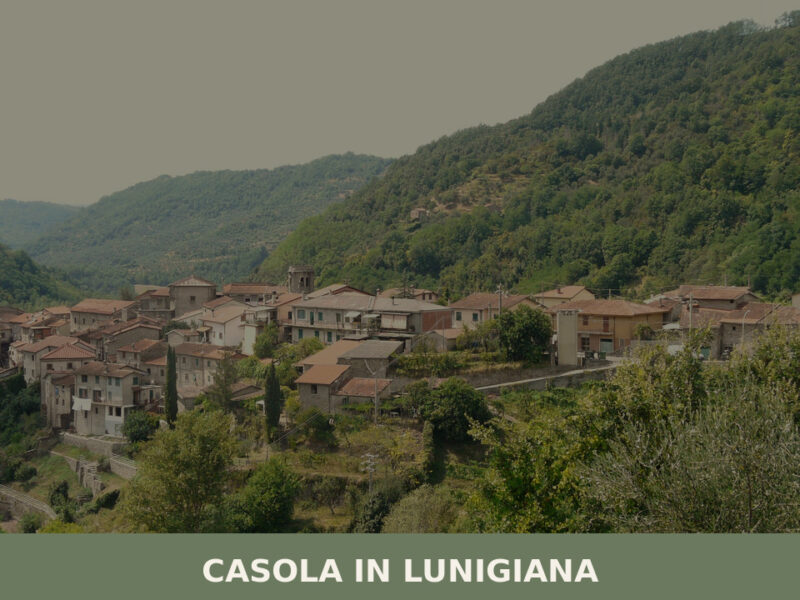
Morning fog lifts slowly from the Aulella valley, revealing stone walls the colour of dried clay and a bell tower that has marked the hours here for centuries. The air carries woodsmoke and the faint mineral scent of chestnut groves climbing the surrounding slopes. With roughly one thousand inhabitants, Casola in Lunigiana remains one of […]
Comano
Hills
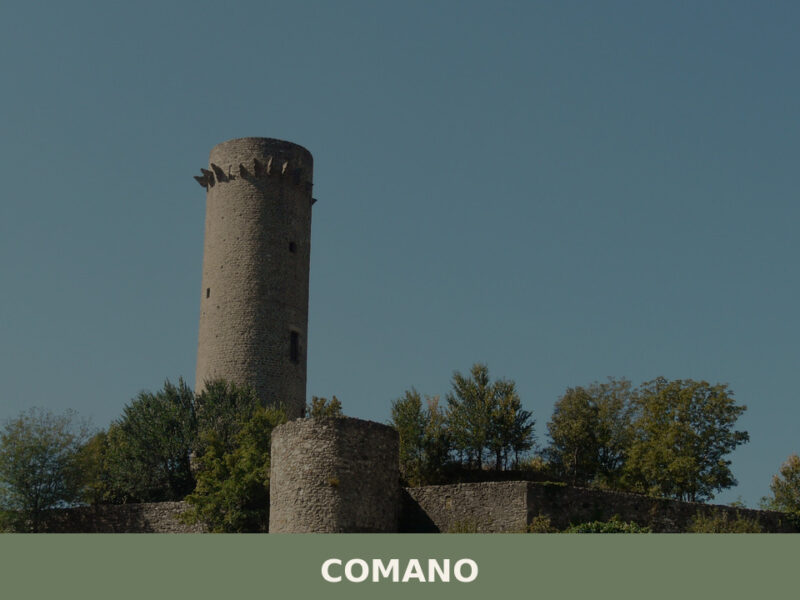
Morning fog lifts slowly from the Taverone valley, revealing stone walls the colour of weathered bone. A church bell marks the hour — its echo rolls across chestnut groves before dissolving into silence. Comano sits in the upper Lunigiana, a commune of scattered hamlets across the hills of Massa e Carrara province, home to just […]
Castelnuovo di Garfagnana
Hills
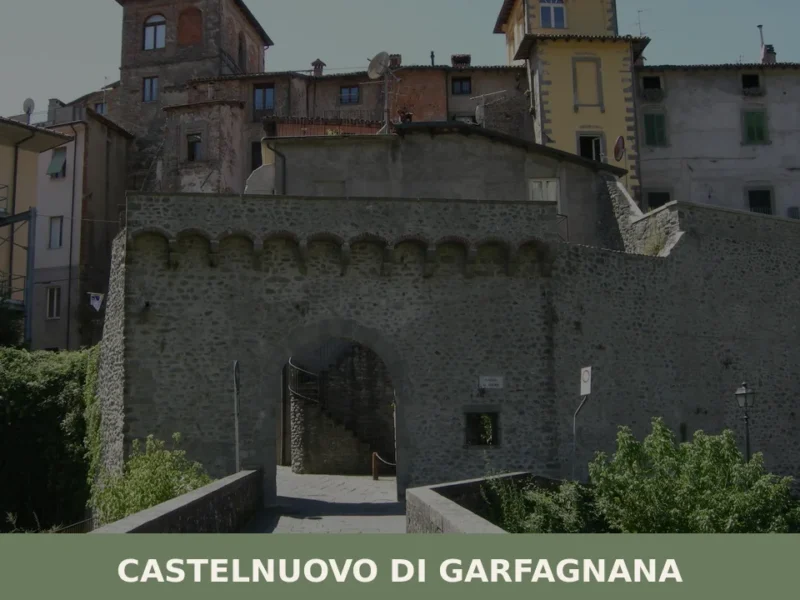
What to see in Castelnuovo di Garfagnana: Rocca Ariostesca, the Cathedral and the historic centre. Discover the guide to plan your visit to this Tuscan village.
Bagnone
Hills
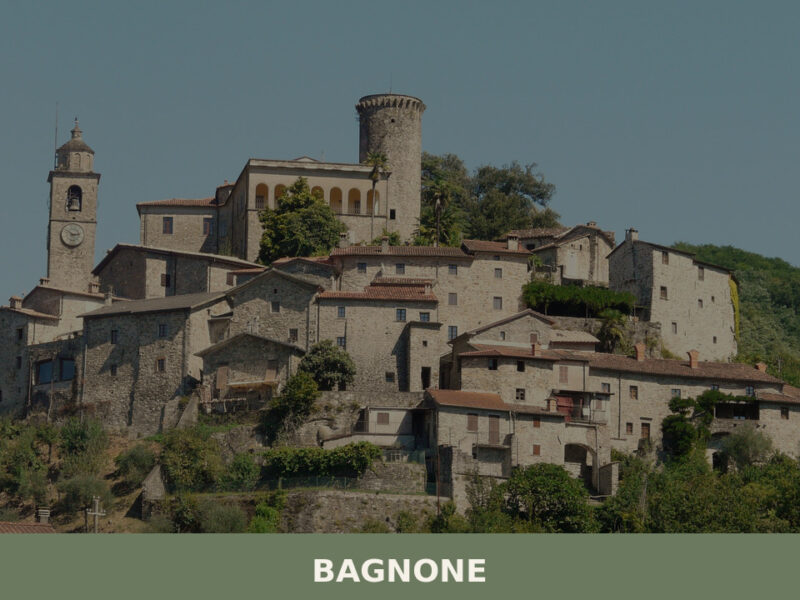
Morning mist lifts off the Bagnone creek and thins against stone walls that have stood since the eleventh century. The sound of water — always water — fills the narrow lanes, running beneath bridges and alongside houses built directly into the rock. With fewer than two thousand residents, this small settlement in the Massa e […]
Pistoia
Plains
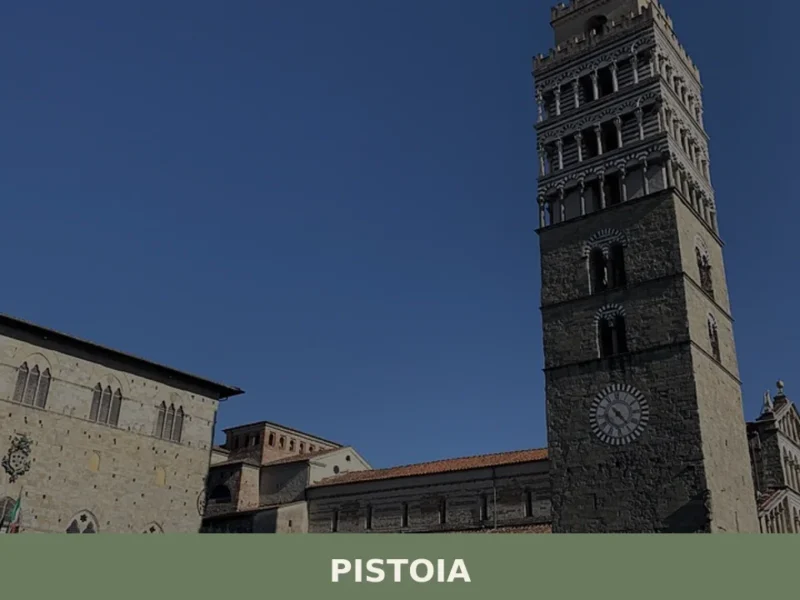
Discover Pistoia, a charming village in Tuscany, Italy. Explore its rich history, stunning architecture, and authentic Italian culture off the beaten path.


🏡 Know San Giovanni Valdarno better than we do?
If you’re a local or have been there, your knowledge matters: add what’s missing or fix a detail on this page.