


Albanella
 Plains
Founded in 1003 by refugees fleeing saracen raids, Albanella sits on a strategic hill between the Alburni mountains and the Salerno gulf, home to the restored Santuario di Santa Sofia.
Albanella: A Medieval Village on the Piana del Sele, from Saracen Raids to the Santuario di Santa Sofia
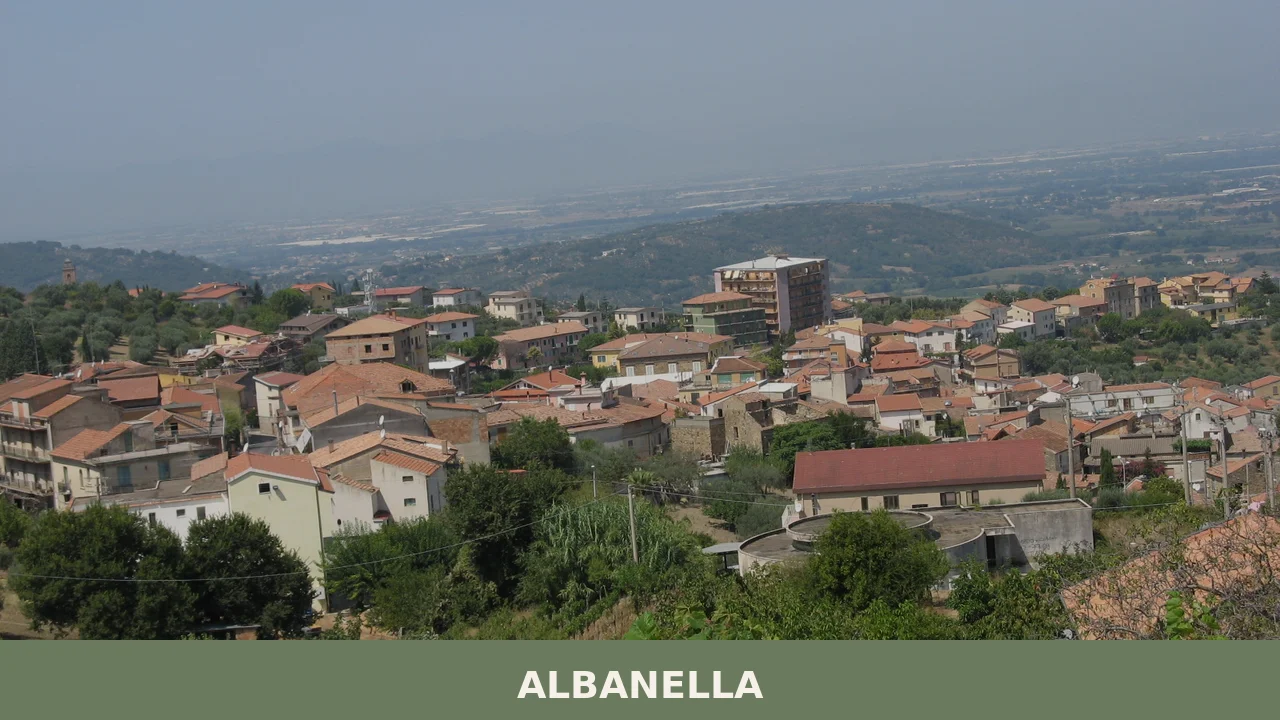
On a sunlit hill between the limestone ridges of the Alburni and the widening waters of the Salerno gulf, Albanella commands the whole sweep of the Piana del Sele—the plain where rivers descend from the southern Apennines to meet the Tyrrhenian shore. At 205 metres above sea level, this village of 6,361 inhabitants occupies a pivotal place in the landscape, neither fully mountain nor fully lowland, its stone center still turned inward as if remembering the centuries when threats from the sea were constant.
Albanella carries the fingerprints of multiple epochs. The name itself derives from alvanello, a local dialect word for the birch tree, once abundant on the surrounding hills. The village is notable for two distinct attractions: the Santuario di Santa Sofia, a panoramic sanctuary now housing the saint’s reliquaries, and a compact medieval core with churches of Romanesque and later medieval fabric that anchor the community’s spiritual life to the land.
From Flight and Refuge: The Foundation and Medieval Phases
The historians Alessandro and Antonio Ferrara have identified 1003 as the year when Greek, Lucanian and Roman populations fleeing the Paestum coast sought refuge in these hills, driven inland by raids and coastal vulnerability. They chose high ground deliberately—the older settlement sits on the less visible slope of the hill, away from seaward approach. Archaeological finds from the territory are preserved in the Museo archeologico nazionale di Paestum and the Museo Archeologico Nazionale di Napoli, including the notable tomba della fanciulla offerente, evidence of early habitation and trade networks linking the plain to the classical world.
By the late medieval period, Albanella had become a fief under the barony of Fasanella. When the Aragonese took control, the feud passed to the Sanseverino family in 1465 under Roberto, conte di Caiazzo, with the consent of King Ferrante d’Aragona. Over subsequent centuries, the barony changed hands through sale and marriage: the d’Alessandro family held it in the early modern period, followed by the Cannicchio, the d’Urso and finally, in the mid-18th century, the Moscato, marchesi di Poppano, who retained it until the abolition of feudalism.
P.Q.AL. (Senatus PopulusQue Albanellensis), as inscribed on the commemorative plaque at the Fontana dei Ciucci.
Churches and Spiritual Landmarks
Santuario di Santa Sofia
This sanctuary sits in full command of the coastal plain, its position as dominant as its religious role. Santa Sofia is venerated as patrona of Albanella. The church received its most visible modern addition on 14 May 1955, when Bishop Domenico Savarese inaugurated a striking campanile in red brick, funded by the community’s collective contribution. The sanctuary remains a focal point for pilgrimage and devotion during the feast of Santa Sofia.
Chiesa di San Matteo
Rising from the core of the old town on a low hill where a Roman settlement once stood, this church dates to the 1400s. Two naves and a Romanesque campanile give it structural clarity; the coffered ceiling and organ are notable works of craft. The church anchors the medieval quarter, visible from multiple approach roads and still the visual heart of the centro storico.
Cappella della Congrega del SS. Rosario
Built in the 1800s and positioned opposite San Matteo, this chapel is the most recent of the three main Catholic churches within Albanella. Its exterior is distinguished by a majolica panel of Vietri manufacture, depicting the Madonna del Rosario flanked by San Domenico di Guzmán and Santa Caterina da Siena, with two hooded figures in prayer at their feet. The work exemplifies the 19th-century devotional aesthetic and the artistic links between the inland villages and the ceramicists of the coast.
La Fabbrica della Cappella dell’Apocalisse
This modern chapel on the western slope of the hill deliberately restores the memory of a vanished medieval church.
The Land and Its Rhythms
Albanella sits at the threshold between mountain and plain. To the north, the Sele and Calore lucano rivers trace the flatland boundary; to the south, Monte Soprano rises to 1,082 metres. The commune itself spreads across gentle hills and open ground, a patchwork of olive groves, grain fields and small settlements. The climate is classified as Zone C with 1,301 growing-degree-days, supporting the agricultural life that has sustained the territory since medieval times. The nearest weather station, at Capaccio-Paestum, serves as reference for the broader region.
The territory is rich in traditional agricultural produce. The province of Salerno holds seventeen Protected Designations of Origin and Protected Geographical Indications, including the Caciocavallo Silano, Carciofo di Paestum and the Cilento wines—products rooted in the same plain and hill systems that frame Albanella. The landscape itself, with its mix of cultivated slopes and open vistas toward the coast, remains the primary draw for those seeking to understand how village life has adapted to and shaped its surroundings.
Two natural reserves within or bordering the commune add ecological and recreational texture: the Bosco Camerine oasis, a 100-hectare woodland in the homonymous hamlet, managed by the WWF since 1999, and the Foce Sele–Tanagro reserve, a wetland complex protecting both riverbanks and coastal strips. These areas extend the experience of Albanella beyond the built core, offering walks and wildlife observation.
Planning Your Visit
Albanella lies in the province of Salerno, roughly equidistant from several major reference points in Campania. The village is accessible by road, with connections to the A3 motorway via the Salerno exits. The closest major town is Capaccio-Paestum, famous for its archaeological museum and Greek temples; Salerno itself, with its cathedral and waterfront, lies further north. From the coast—whether Amalfi or the beaches of the Cilento—Albanella is reachable in under an hour by car, making it a feasible addition to a longer exploration of the region.
| Departure | Distance | Approximate Time |
|---|---|---|
| Salerno | 35 km | 45 minutes by car |
| Naples (Napoli) | 110 km | 1 hour 20 minutes by car |
| Amalfi | 65 km | 1 hour 15 minutes by car |
| Capaccio-Paestum (train station) | 15 km | 20 minutes by car |
The village center invites walking. The medieval quarter clusters around the Chiesa di San Matteo; the Santuario di Santa Sofia is reached by a slight climb northward. The town offers modest amenities—a municipio in rationalist style from the early 20th century stands in Piazza Cavalieri di Vittorio Veneto, and local services support day visits and short stays. Visitors interested in archaeology should plan time for nearby Agropoli and the museums at Capaccio-Paestum, which hold artifacts from the Albanella territory. Those drawn to the wider Cilento landscape and coastal culture will find Amalfi and Salerno natural extensions of a regional itinerary.
Best visited in spring or autumn, when temperatures are moderate and crowds minimal, Albanella offers a quiet counterpoint to busier coastal destinations. The feast of Santa Sofia, observed on the saint’s liturgical calendar, draws local devotion and provides occasions to witness village celebration and tradition. There are no major seasonal festivals requiring advance booking, making visits flexible year-round.
Frequently asked questions about Albanella
How do I reach Albanella by car from Naples or Salerno?
Albanella lies in the Salerno province, approximately 80 km south of Naples and 40 km south of Salerno city. From the A3 motorway, take the Battipaglia exit and follow regional roads SS19 or SS18 toward the Piana del Sele plain. The village sits at 205 metres elevation on the hill overlooking the plain. Travel time from Salerno is roughly 45 minutes. Local roads connect to the larger Campania road network.
When is the best time to visit Albanella?
Spring (April–May) and autumn (September–October) offer ideal weather for exploring the medieval core and surrounding countryside. The patronal feast of Santa Sofia falls on September 15th, marking the village's most important celebration. Summers are warm across the Piana del Sele region; winters are mild but occasionally rainy. Plan visits around local festivals for the richest cultural experience.
What is the origin of Albanella's name?
The name derives from 'alvanello,' a local dialect word for the birch tree, which once grew abundantly on the surrounding hills of the Alburni limestone ridges. This etymology reflects the village's deep roots in its natural landscape and the flora that shaped its early identity.
How long should I plan to spend in Albanella?
A half-day visit suffices for the medieval centre and the Santuario di Santa Sofia. Allow 2–3 hours to explore the compact stone core, visit the sanctuary's reliquaries, and absorb views across the Piana del Sele plain. A full day permits leisurely wandering and visits to outlying churches with Romanesque and medieval architecture.
Why was Albanella founded on high ground in 1003?
According to historians Alessandro and Antonio Ferrara, Greek, Lucanian, and Roman populations fleeing Paestum around 1003 deliberately chose the elevated site as refuge from coastal raids and maritime threats. The settlement's older core was positioned on the less visible slope, away from the shore—a strategic choice reflecting centuries of vulnerability to seaborne attacks.
Nearby Villages near Albanella
In Campania More villages to discover
Avellino
 Hills
Hills
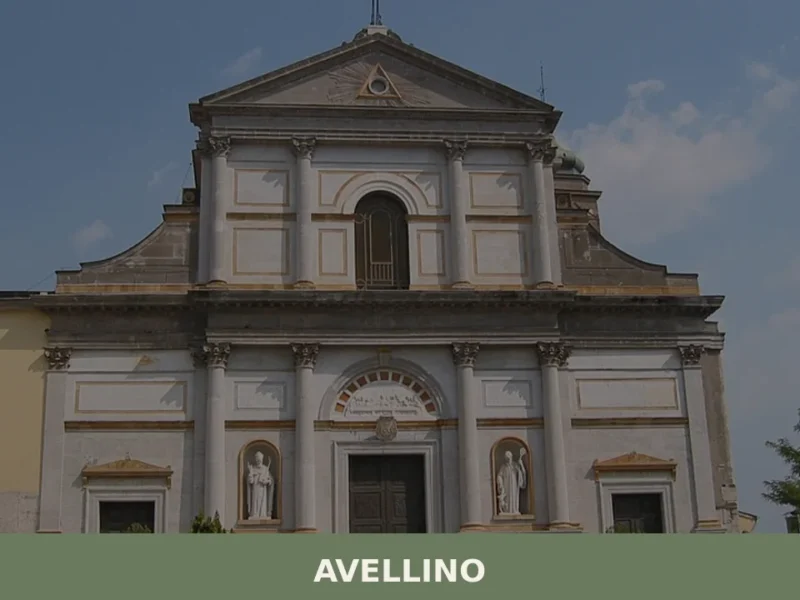
Uncover the charm of the village of Avellino in Campania, Italy. Explore its rich history, local traditions, and stunning landscapes. Plan your visit to this Italian gem!
Acerra
Plains
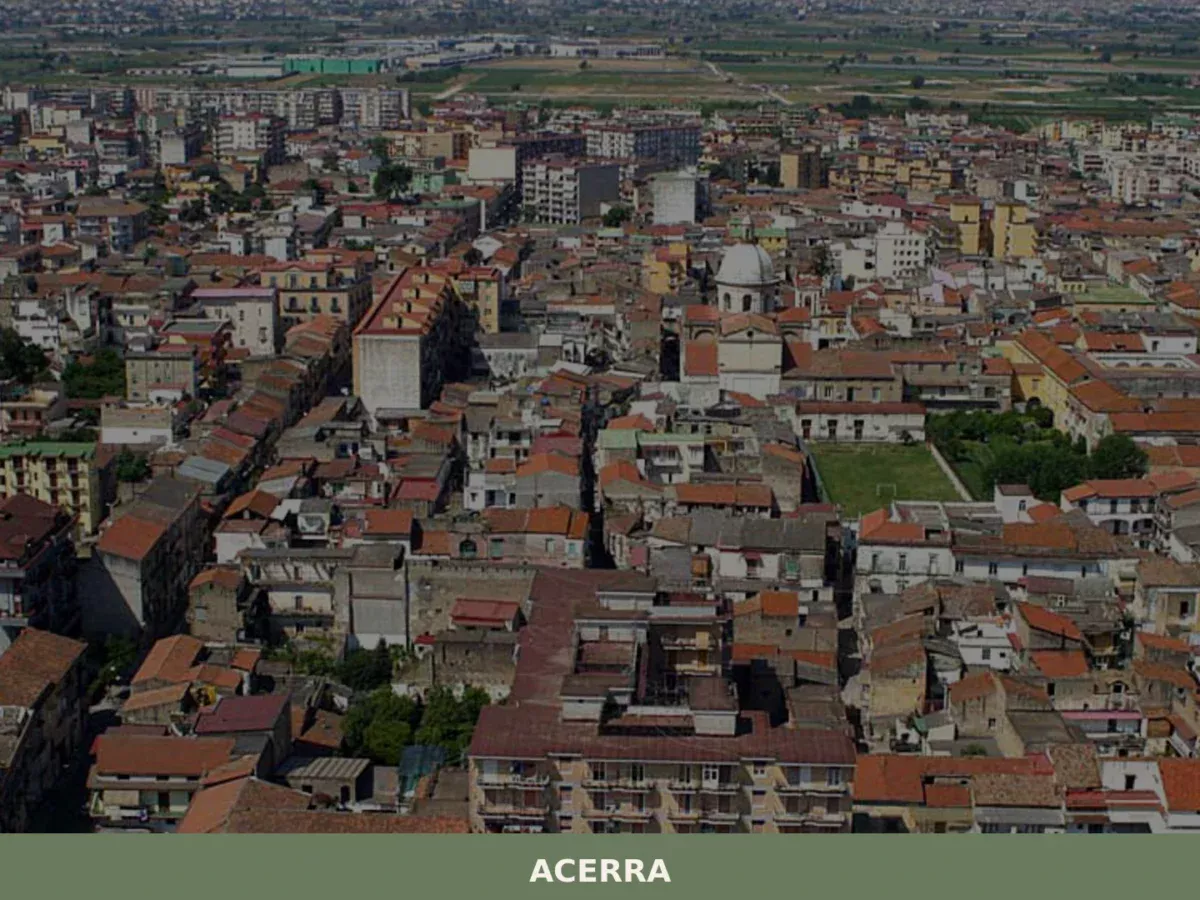
Discover what to see in Acerra, Campania: Roman history, medieval castle, cathedral, local food and practical travel tips for this Naples metropolitan town.
Roccaromana
Plains
What to see in Roccaromana, Italy: Explore its 180m altitude, discover historic churches and enjoy San Cataldo feast. Learn more about visiting this quaint village.
Napoli
 Sea
Sea
What to see in Napoli: 959,052 residents, UNESCO historic centre and Teatro San Carlo (1737). Discover the National Archaeological Museum, Neapolitan pizza and the 19 September San Gennaro feast.
Afragola
Plains
Discover what to see in Afragola, Campania: Zaha Hadid's station, Baroque churches, local food, and practical travel tips for this Naples hinterland town.
Amalfi
Hills
Sea
What to see in Amalfi, Campania, Italy: explore the Cathedral of Sant'Andrea, the Arsenal of the Maritime Republic, and the Compass Museum. Discover 4,611 residents' town.
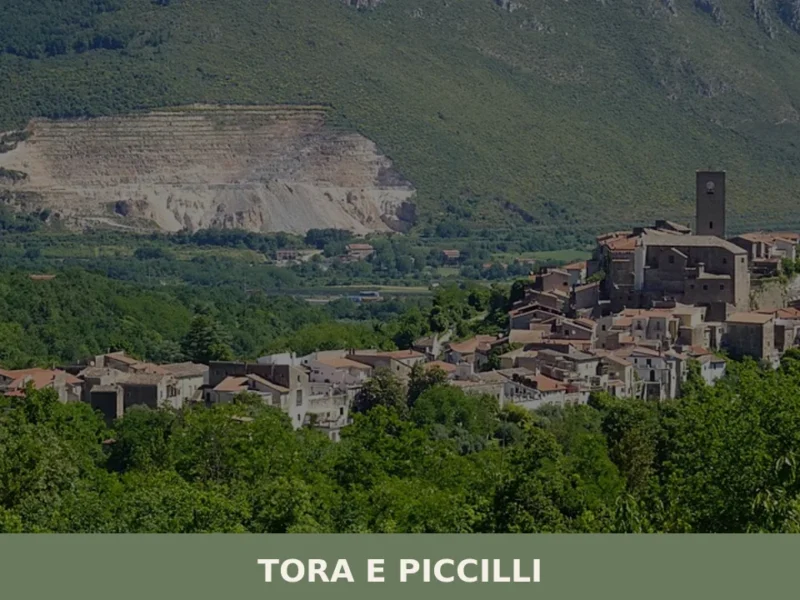
Tora e Piccilli
Hills
What to see in Tora e Piccilli, Italy: discover this Caserta comune at 343 m altitude. Explore its hilly landscape and small-town character. Read our complete guide.
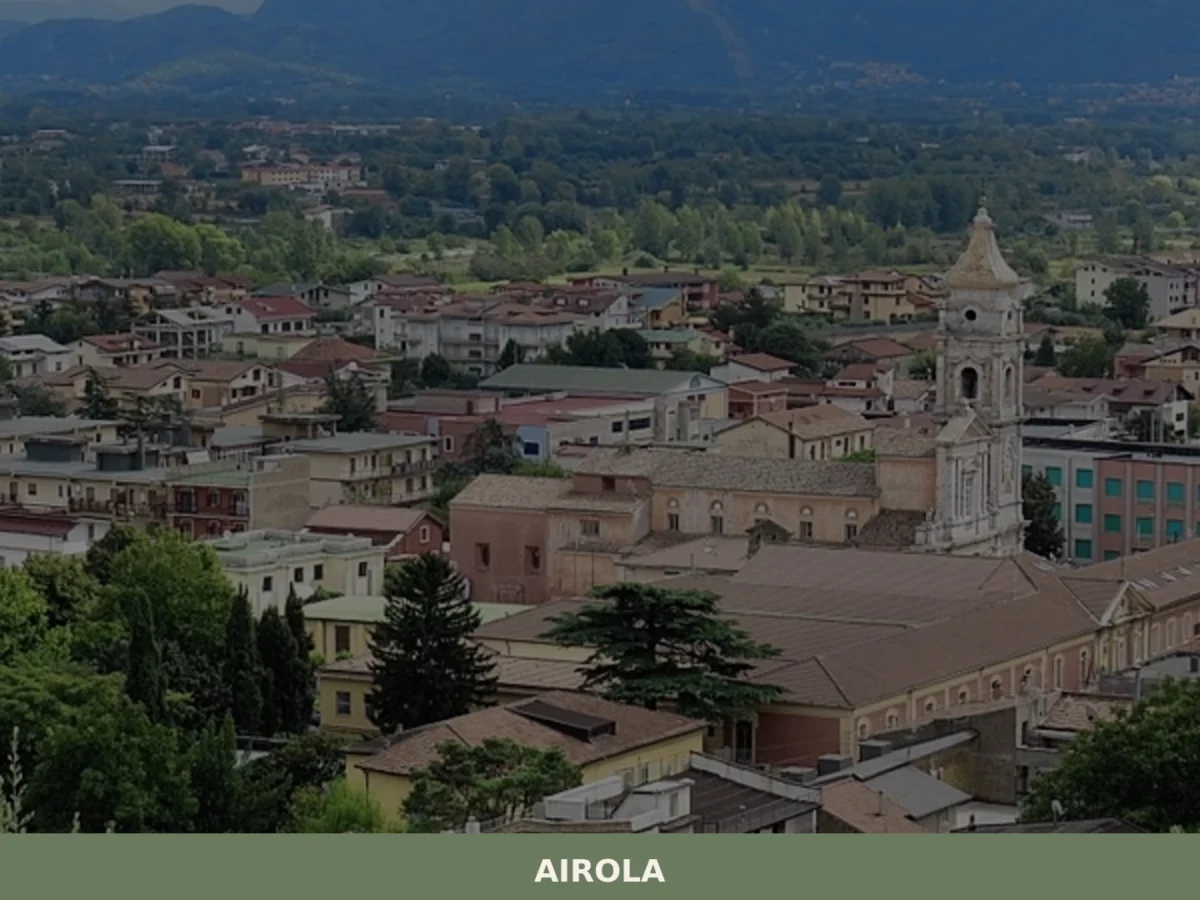
Airola
Plains
The stone bell tower of the Church of the Annunziata, reaching skyward since 1735, casts its shadow over the cobbled streets of Airola. Nestled within the expansive Valle Caudina and framed against the backdrop of Monte Taburno, this village offers a tangible connection to its past through its architecture. In this article History of Airola […]
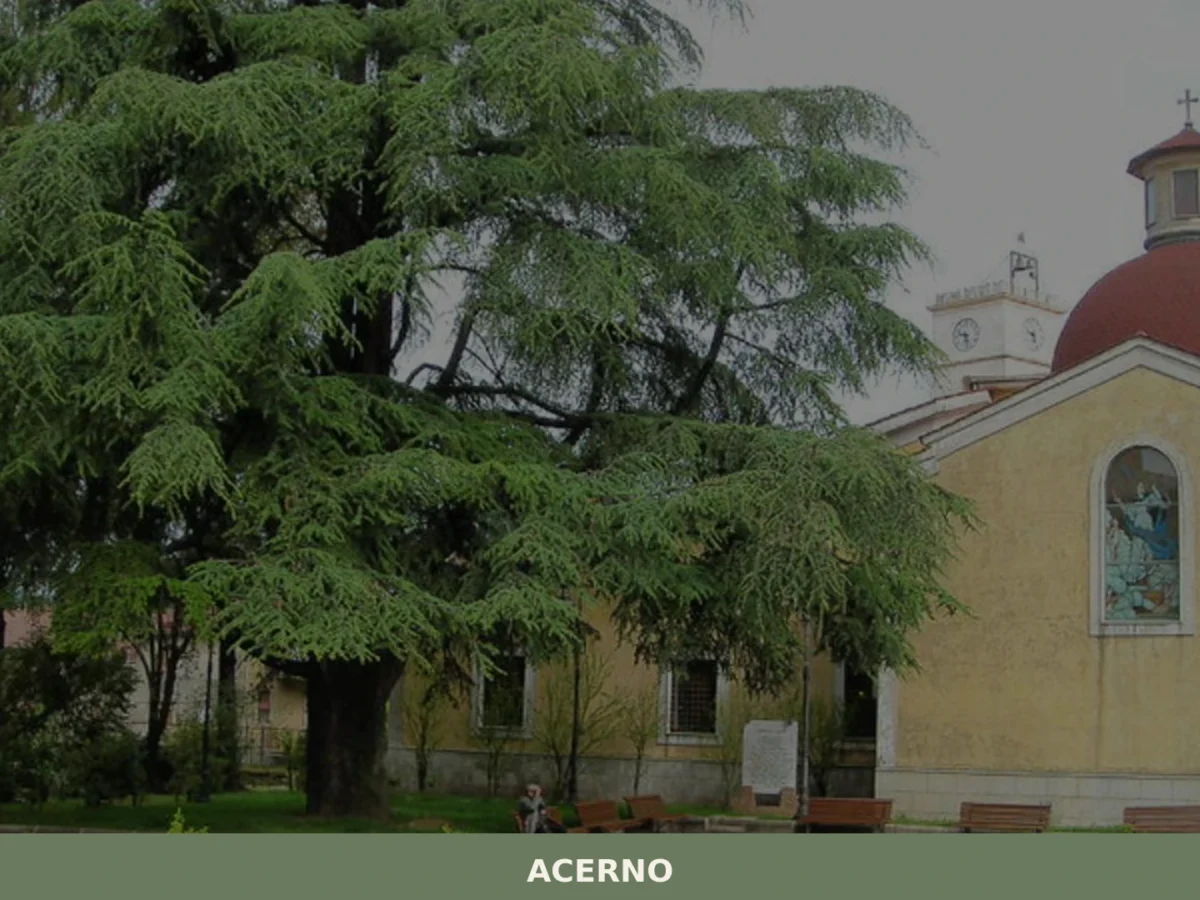
Acerno
 Mountain
Discover what to see in Acerno, a 2,419-person village in Salerno's Picentini Mountains: medieval cathedral, chestnut forests, and a nine-century diocesan history.
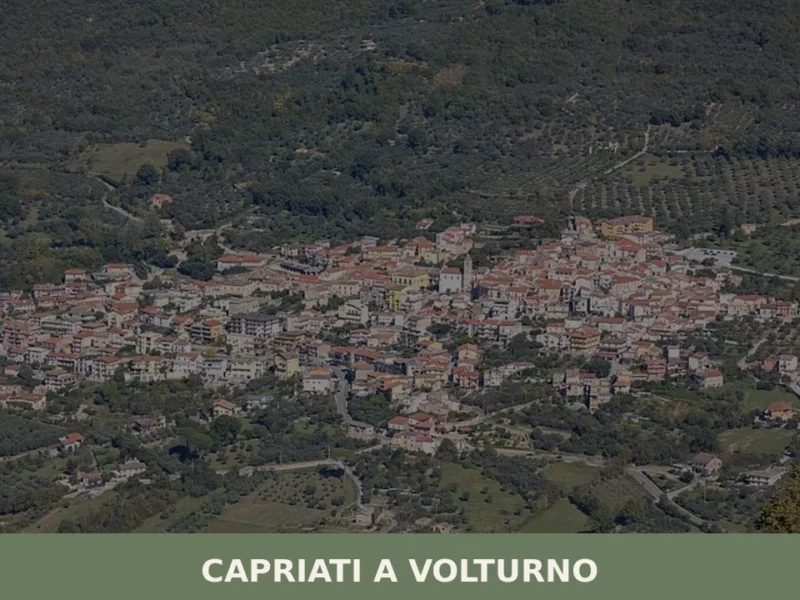
Capriati a Volturno
Hills
At 290 metres above sea level, along the right bank of the Volturno, Capriati has a current population of 1,440 residents spread between the historic centre and the hamlets scattered across the valley. The river, which here sweeps through a wide bend before continuing towards the Campanian plain, has shaped the town’s economy and layout […]






🏡 Know Albanella better than we do?
If you’re a local or have been there, your knowledge matters: add what’s missing or fix a detail on this page.