


Altilia
 Hills
Hills
A quiet hill village of 677 people in Calabria’s Savuto valley. Discover what to see in Altilia — its stone lanes, parish church, and deep agrarian roots.
Discover Altilia
Morning light catches the stone walls of a narrow lane before anyone stirs. A rooster calls from behind a garden gate, and the smell of woodsmoke drifts from a chimney somewhere uphill. At 594 metres above sea level, the air in Altilia carries a sharpness that the Calabrian coast never knows. This small settlement of 677 inhabitants in the province of Cosenza sits in the middle Savuto valley, where the Apennine ridges fold into one another like pages of a closed book. If you are wondering what to see in Altilia, the answer begins with the silence itself — and what it preserves.
History of Altilia
The name “Altilia” almost certainly derives from the Latin word meaning “fattened” or “well-nourished,” a reference once applied to fertile grazing lands in the Roman era. The term appears in classical texts to describe agricultural settlements where livestock thrived on rich pasture. Whether the village sits precisely on the footprint of a Roman-era station or merely inherited the toponym through centuries of oral tradition remains a matter of scholarly debate, but the linguistic root anchors the place firmly in the deep agrarian history of interior Calabria.
Like most small communes in the Savuto valley, Altilia passed through the hands of Norman and Swabian feudal lords after the collapse of Byzantine control in the eleventh century. The territory later fell under the administration of various baronial families during the Kingdom of Naples, a period that shaped the built environment still visible today — compact stone houses clustered for defence, a parish church at the settlement’s heart, narrow passages designed to slow any intruder. The feudal era left its imprint not in grand monuments but in the village’s physical grammar: tight, vertical, inward-looking.
By the nineteenth century, Altilia had become one of dozens of Calabrian hill towns losing population to emigration, first to the Americas and later to northern Italy. The demographic decline continued through the twentieth century, reducing the community to its present 677 residents. Yet this contraction also preserved the village’s historical fabric. What larger, more prosperous towns demolished in the name of modernisation, Altilia simply kept — not out of sentimentality, but because there was no economic pressure to change it.
What to see in Altilia: 5 must-visit attractions
1. The Historic Centre (Centro Storico)
The old quarter follows the contours of the hillside with no wasted space. Houses built from local stone share walls, and external staircases climb to upper floors that once served as living quarters while ground levels housed animals and tools. Walking here is an exercise in reading vernacular architecture — every doorway, every worn threshold tells of centuries of use rather than design.
2. Chiesa Madre (Parish Church)
The main parish church anchors the settlement’s social and spatial geography. Its facade is plain, built for function in a community that could not afford ornament. Inside, modest devotional art and a simple nave reflect the religious life of a rural Calabrian village. The bell tower, visible from the surrounding valley, has served as Altilia’s primary landmark for generations.
3. Savuto Valley Viewpoints
From several points along the village’s edge, the terrain drops away to reveal the Savuto river corridor and the ridgelines beyond. These are not manicured overlooks but working edges of the settlement — places where garden walls end and the landscape begins. On clear days, the layered mountain profiles extend deep into the Sila massif to the east.
4. Rural Chapels and Wayside Shrines
Scattered along footpaths and at crossroads outside the village core, small votive chapels and niches mark routes once used by shepherds and farmers. These modest structures, some no larger than a cupboard, contain faded ceramic tiles or small statues. They map a sacred geography that predates modern roads and reflects how people once moved through this landscape on foot.
5. The Surrounding Countryside and Mule Tracks
Old paths — some paved with flat stones, others worn to bare earth — connect Altilia to neighbouring settlements and former agricultural terraces. Walking these routes offers direct contact with the chestnut groves, olive trees, and scrubby Mediterranean vegetation that define the mid-altitude Calabrian interior. The terrain is moderate, and the quiet is considerable.
Local food and typical products
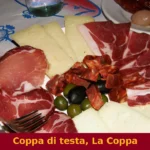
The cooking of Altilia belongs to the broader tradition of Calabria’s interior hill towns, where pork, preserved vegetables, and handmade pasta form the backbone of the table. Soppressata and capocollo — cured meats seasoned with local peperoncino — are prepared in winter following methods passed between generations. Pasta shapes like fusilli and lagane (wide, flat noodles) appear alongside sauces built from slow-cooked tomatoes, garlic, and olive oil pressed from groves in the surrounding valley. Bread, baked in large loaves meant to last several days, remains a staple rather than an accompaniment.
The province of Cosenza produces several DOP and IGP-certified products, including Calabrian red onion (Cipolla Rossa di Tropea IGP) and various olive oils. In Altilia itself, local families often produce their own preserved goods — dried figs, pickled peppers, and tomato conserva — for household use. Dining options in a village of this size are limited, but small agriturismi in the surrounding area serve meals prepared with ingredients sourced within a few kilometres, offering a direct and unmediated connection to the territory’s food culture.
Best time to visit Altilia
Spring, from late April through June, brings wildflowers to the surrounding hillsides and comfortable walking temperatures that hover between 15 and 25 degrees Celsius. Autumn — particularly October — offers a second window, when the chestnut harvest is underway and the light turns golden across the Savuto valley. Summer can be warm, though Altilia’s elevation provides relief from the oppressive heat of the Calabrian coast; August also tends to see the return of emigrants and their families, briefly doubling the village’s effective population and animating its otherwise quiet streets.
Winter is cold and occasionally sees snow, which lends the stone buildings a stark, photogenic quality but makes access more difficult. Local festive traditions, often tied to the Catholic liturgical calendar, punctuate the year — saints’ days, harvest celebrations, and Christmas observances provide structure to community life. Checking with the Calabria regional authority or the municipality before visiting can help confirm dates for any seasonal events.
How to get to Altilia
Altilia is reached by road from the A2 Autostrada del Mediterraneo (the main north-south motorway through Calabria). Exiting at Altilia-Grimaldi, the village is a short drive into the hills along provincial roads. From Cosenza, the journey covers approximately 30 kilometres and takes around 40 minutes by car, depending on road conditions. Catanzaro, the regional capital, lies roughly 60 kilometres to the south.
The nearest railway station with regular service is at Cosenza, connected to the national Trenitalia network with routes running south from Naples and Rome. Lamezia Terme International Airport, the principal airport for central Calabria, is located approximately 50 kilometres to the southwest and receives domestic flights as well as seasonal European connections. From the airport, a rental car is the most practical option for reaching Altilia, as local bus services to smaller hill communities run infrequently and on schedules geared to residents rather than visitors.
More villages to discover in Calabria
The Savuto valley and the broader province of Cosenza contain dozens of small communes that share Altilia’s character — compact, elevated, shaped by centuries of agricultural life and feudal administration. Just a short distance away, the village of Scigliano occupies a similar position on the valley’s slopes, with its own layered history and distinctive rural architecture. Exploring these neighbouring settlements on the same trip gives a fuller picture of how communities in the Calabrian interior developed in parallel, often connected by the same mule tracks and trade routes.
Further into the hills, Grimaldi offers another variation on the theme — a settlement whose name itself echoes the feudal families that once administered this territory. Together, these villages form a loose constellation that rewards slow, attentive travel. The distances between them are short in kilometres but long in character; each has its own patron saint, its own dialect inflections, its own particular relationship to the surrounding terrain. This is Calabria at its most authentic — not a curated experience, but a landscape still inhabited on its own terms.
Frequently asked questions about Altilia
What is the best time to visit Altilia?
The two best windows are late April to June, when wildflowers cover the hillsides and walking temperatures sit between 15 and 25°C, and October, when the chestnut harvest is underway and the Savuto valley turns golden. August is livelier than usual, as returning emigrants briefly animate the village. Winter brings occasional snow that makes the stone lanes photogenic but can complicate road access on provincial routes. The feast of the patron saint San Sebastiano traditionally falls in January, though visitors should confirm the exact date with the municipality before planning around it.
What are the historical origins of Altilia?
The name almost certainly derives from the Latin word for 'fattened' or 'well-nourished,' associated with fertile Roman-era grazing settlements in the Savuto valley. After the decline of Byzantine control in the eleventh century, the territory passed to Norman and Swabian feudal lords, then to baronial families under the Kingdom of Naples. This feudal period shaped the village's compact, defensive layout — shared stone walls, narrow passages, and a central parish church — a physical grammar still legible today. Emigration from the nineteenth century onward preserved much of this fabric by removing the economic pressure to redevelop it.
What to see in Altilia? Main monuments and landmarks
The historic centre (centro storico) is the primary attraction: stone houses sharing walls, external staircases, and worn thresholds that read as vernacular architecture rather than designed monuments. The Chiesa Madre anchors the settlement spatially and socially; its plain facade and simple nave reflect the religious life of a rural Calabrian community, and its bell tower serves as the village's main landmark. Along footpaths outside the core, small votive chapels and wayside shrines mark routes once used by shepherds, mapping a sacred geography older than the current road network. No admission fees apply to the public spaces.
What are the main natural or scenic attractions of Altilia?
Altilia's position at 594 metres on the edge of the Savuto valley provides unobstructed views across the river corridor toward the Apennine ridges and, on clear days, toward the Sila massif to the east. Old mule tracks and stone-paved paths connect the village to former agricultural terraces, chestnut groves, and olive stands in the surrounding countryside. The terrain is moderate and the routes are quiet. Autumn is particularly rewarding: the chestnut harvest is active, the light is strong, and walking temperatures are comfortable without the heat of summer.
Where to take the best photos in Altilia?
The most productive spots are the working edges of the settlement — points where garden walls meet open countryside and the Savuto valley drops away below. Morning light on the stone lanes of the centro storico is especially strong before daily activity begins. The bell tower of the Chiesa Madre, visible from the surrounding valley, makes a clean focal point from the fields below the village. The old mule tracks heading into the chestnut groves offer compositions that combine landscape and agricultural heritage, particularly in October when the foliage colour peaks.
Are there churches or historic buildings to visit in Altilia?
The Chiesa Madre is the principal historic building in the village. Its exterior is plain stone, and the interior holds modest devotional art in a simple nave typical of rural Calabrian parishes. The bell tower is the settlement's most visible architectural element and has oriented travellers crossing the valley for generations. Outside the village core, small votive chapels and roadside niches — some dating to the shepherding era — constitute a dispersed architectural heritage along former footpaths. No formal opening hours or admission fees are documented; access to the parish church generally follows standard Italian rural church practice.
What can you do in Altilia? Activities and experiences
Walking is the primary activity: old stone-paved mule tracks connect Altilia to neighbouring settlements and former terraced fields through chestnut groves, olive stands, and Mediterranean scrub at mid-altitude. The terrain is moderate and well-suited to unhurried exploration. The surrounding area supports agriturismi that serve meals made from ingredients sourced within a few kilometres, offering a direct experience of local food culture. Autumn visits can coincide with the chestnut harvest, and any locally organised saints' day observances provide a window into community life. The village is best approached as slow, attentive travel rather than a checklist of organised attractions.
Who is Altilia suitable for?
Altilia suits travellers who are specifically looking for an unmediated experience of Calabria's interior hill-town culture — people content with quiet streets, vernacular architecture, and landscape rather than museums or organised itineraries. Couples and solo travellers comfortable with limited amenities will find it rewarding. Moderate hikers gain access to old mule tracks and valley viewpoints without technical difficulty. Families with young children can visit, though the steep stone lanes and absence of dedicated facilities require some planning. It is not suited to travellers expecting conventional tourist infrastructure, but it rewards those willing to slow down.
What to eat in Altilia? Local products and specialties
The table follows the tradition of Calabria's interior: soppressata and capocollo — cured pork seasoned with local peperoncino — prepared in winter by hand following methods passed between generations. Handmade pasta shapes including fusilli and lagane (wide flat noodles) appear with slow-cooked tomato sauces built from garlic and locally pressed olive oil. Large loaves of bread, made to last several days, remain a daily staple. Local families also produce preserved goods for household use: dried figs, pickled peppers, and tomato conserva. The province of Cosenza is home to certified products including various olive oils; small agriturismi in the surrounding area provide the most direct access to this food culture.
Nearby Villages near Altilia

In Calabria More villages to discover
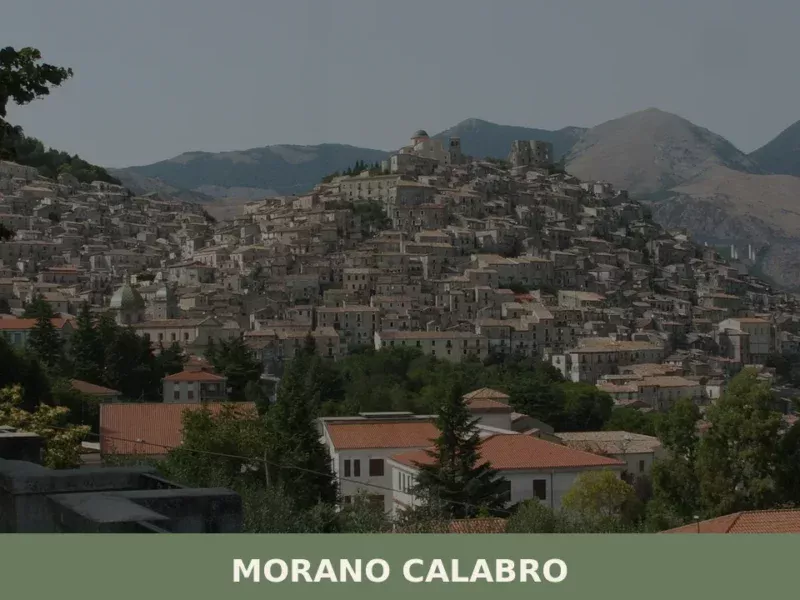
Morano Calabro
 Sea
Sea
What to see in Morano Calabro, Italy: a village at 680 m altitude, listed among I Borghi più belli d'Italia. Discover top attractions, local food and how to get there.
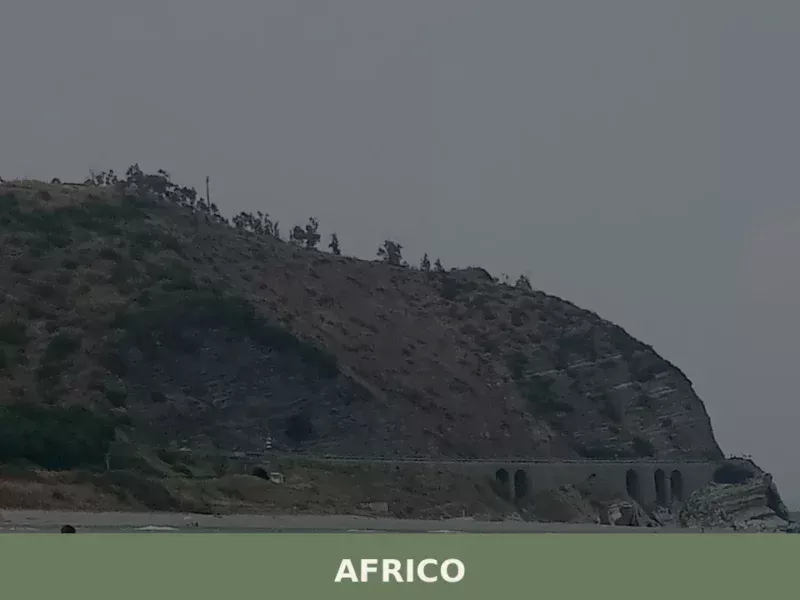
Africo
Sea
Discover what to see in Africo, Calabria: the abandoned mountain village, Ionian coast, Aspromonte landscapes, local food and practical travel tips.
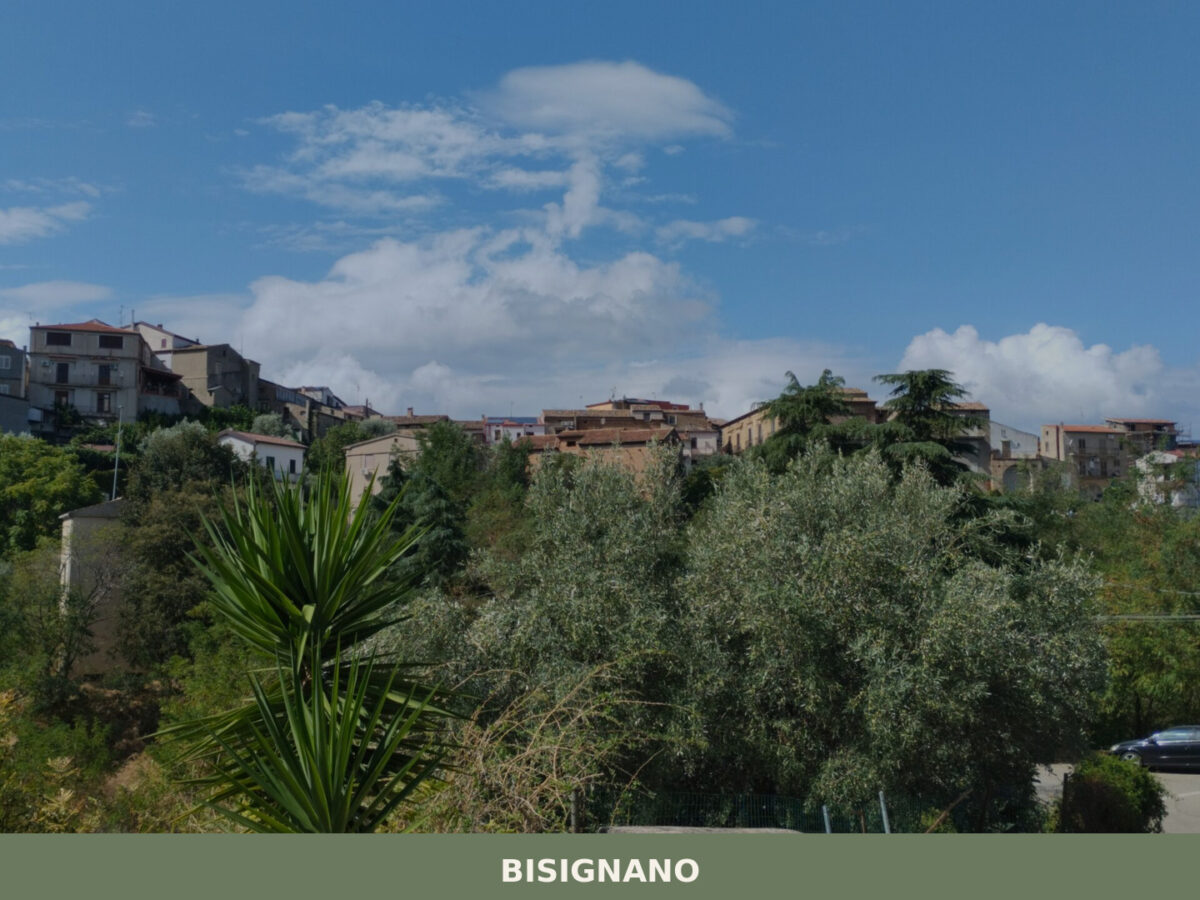
Bisignano
Hills
What to see in Bisignano: Discover 5 top attractions. This village (pop. 9,501) features the Ducal Castle and Sant'Umile Sanctuary for rich history.
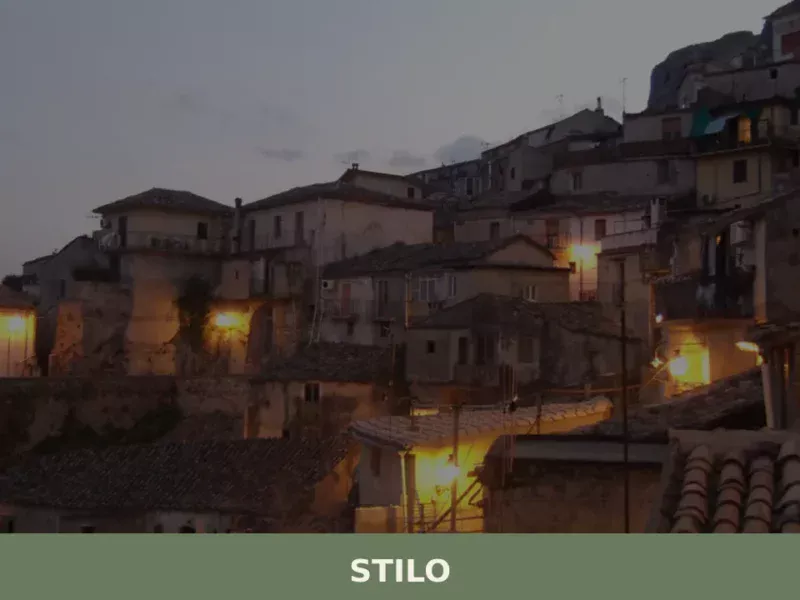
Stilo
Sea
The Cattolica church occupies a spur of rock above the rooftops, its five small domes visible from the valley floor before the rest of the village comes into focus. Below the church, the streets narrow and the stone deepens in colour, shifting from pale grey to near-black where the walls absorb the shadow. Iron and […]
Aprigliano
 Mountain
Explore Aprigliano Calabria, a picturesque village nestled in the heart of Italy. Uncover its rich history, stunning landscapes, and authentic Calabrian charm. Plan your visit today!
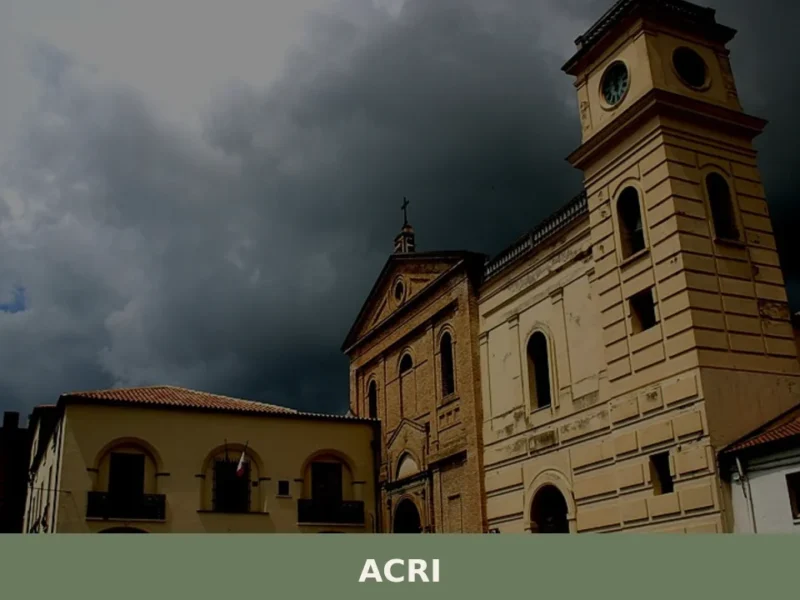
Acri
Mountain
Acri is a town in the province of Cosenza with over 21,000 inhabitants, located in the Calabrian interior of the Sila Greca area, on a territory that passed through Norman, Swabian and Aragonese rule, leaving concrete traces in the local architecture and culture. For anyone approaching this corner of the province of Cosenza, the question […]
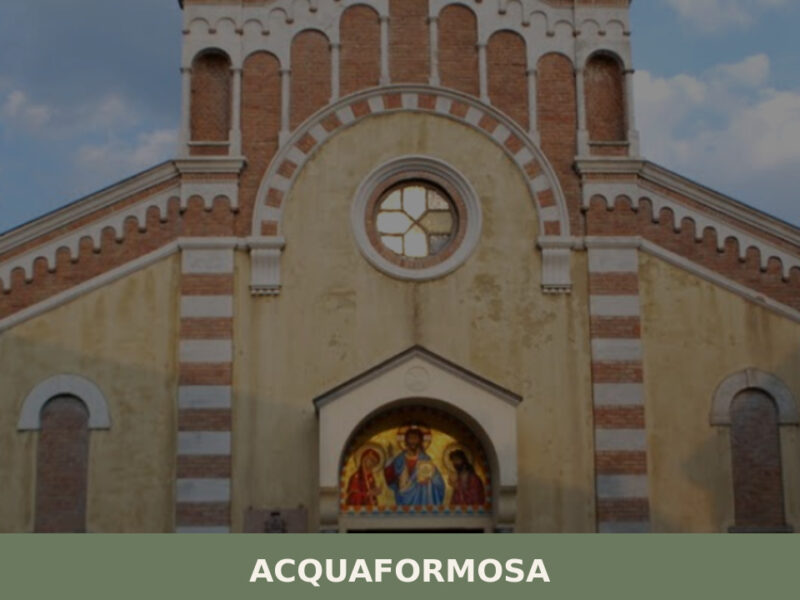
Acquaformosa
Mountain
A mountain village of 988 inhabitants in Cosenza province, Acquaformosa offers ancient springs, Pollino trails, and deep Calabrian food traditions at 756 metres above sea level.
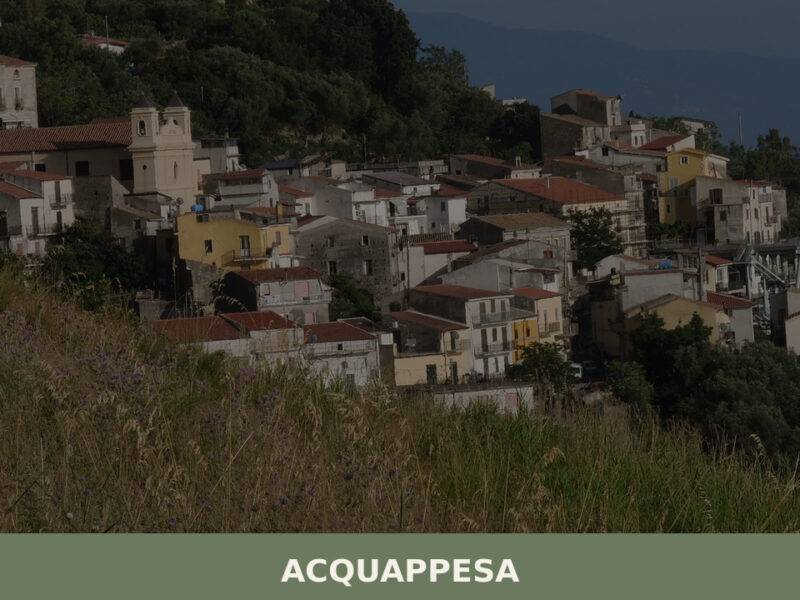
Acquappesa
Sea
A Calabrian hill village of 1,737 inhabitants defined by its sulphurous thermal springs, Tyrrhenian coastline, and quiet stone lanes in the province of Cosenza.
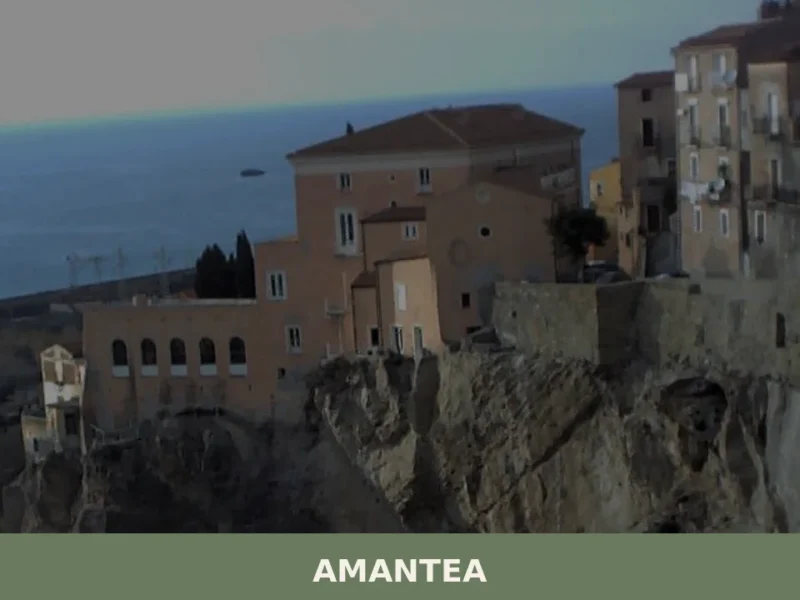
Amantea
Sea
Explore the picturesque village of Amantea Calabria. Discover its historic center, beautiful beaches, and authentic Italian charm. Plan your perfect trip to this hidden gem on the Tyrrhenian coast.
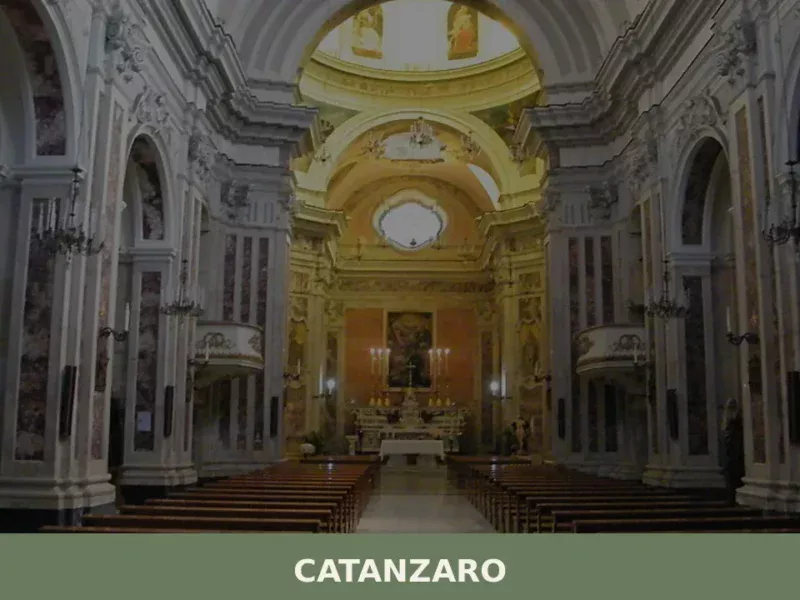
Catanzaro
Sea
What to see in Catanzaro: from historic churches to the Morandi Bridge, discover the 5 top attractions. A complete guide to visiting the Calabrian capital.
🏡 Know Altilia better than we do?
If you’re a local or have been there, your knowledge matters: add what’s missing or fix a detail on this page.