


Bianchi
 Mountain
Bianchi is home to 1,358 residents spread across a hilly area in the province of Cosenza, at roughly 500 metres above sea level along the middle valley of the Savuto river. Anyone looking into what to see in Bianchi will find a medieval urban core, a mother church documented since the 16th century, and a […]
Discover Bianchi
Bianchi is home to 1,358 residents spread across a hilly area in the province of Cosenza, at roughly 500 metres above sea level along the middle valley of the Savuto river. Anyone looking into what to see in Bianchi will find a medieval urban core, a mother church documented since the 16th century, and a deep relationship with water — fountains, springs, streams — that has shaped daily life in the village for generations. The Savuto river flows nearby, and its presence has influenced the local economy and settlement patterns since the Norman era.
History and origins of Bianchi
The origins of Bianchi are tied to the territorial reorganisation of Calabria under Norman rule, between the 11th and 12th centuries. According to the most widely accepted theories, the place name may derive from a family name — the de Bianco or de Blanchis — or from the limestone terrain that surfaces at several points across the municipal territory, lending pale tones to the surrounding hills. The earliest documented mention of the hamlet dates to the medieval period, when the small settlement was part of the feudal system that controlled the Savuto valley, a natural route connecting the Tyrrhenian coast to the Sila plateau.
During the 16th and 17th centuries, Bianchi followed the fate of Calabria’s feudal estates, passing between various noble families. The village suffered the effects of the earthquakes that periodically struck Calabria — particularly the devastating one of 1638 — and underwent partial reconstructions that altered its original urban layout. The current structure retains traces of this layering: narrow streets that follow the contour lines, houses built from local stone with carved doorways, and a building arrangement designed for defence and to stabilise the sloping terrain.
Between the 18th and 19th centuries, Bianchi took part in the upheavals that swept through Calabria, from the Napoleonic period to the Risorgimento. Like many towns in the Cosenza province, it then experienced a gradual depopulation during the 20th century, with migration flows directed towards Northern Italy and the Americas. The population, which exceeded 3,000 residents in the mid-20th century, has fallen to the current 1,358 inhabitants according to the most recent data — a figure that reflects a trend common to the entire inland area of Calabria. For further details on the historical and administrative background, the Wikipedia page dedicated to the municipality can be consulted.
What to see in Bianchi: churches, fountains and trails
Mother Church of San Giacomo Apostolo
The main religious building in the village, the church dedicated to San Giacomo (Saint James) preserves a layout dating back to at least the 16th century, with later interventions necessitated by earthquake damage. Inside, there are masonry altars, handcrafted wooden statues, and sacred furnishings that document local devotion across several centuries.
Historic centre and stone doorways
The old core of Bianchi can be explored on foot in under an hour. The oldest houses feature sandstone doorways, some with carved lintels bearing dates and initials of the families who owned them. The arrangement of the buildings follows the natural slope, with external staircases and covered passageways between one structure and the next.
Historic fountains
Several stone fountains, fed by natural springs, are scattered across the municipal territory. These structures, some dating back to the 19th century, served as water supply points and gathering places. The water from the Savuto and its tributaries made this area particularly fertile compared to other hilly zones in the province.
Trails along the Savuto valley
The countryside around Bianchi offers walking routes that follow the courses of the Savuto’s tributary streams. The vegetation is typical of mid-hill Mediterranean scrubland: oaks, chestnuts, broom. In spring, the blooming broom colours the south-facing slopes a vivid yellow, creating a sharp contrast with the dark green of the surrounding woods.
Baronial palazzo and civic architecture
In the centre of the village, larger residential buildings can be identified, distinguishable from ordinary houses and attributable to families who held land in the area. These structures, though altered over time, retain architectural elements — corbels, window frames, wrought-iron balconies — that set them apart from the surrounding rural buildings.
Local cuisine and regional produce
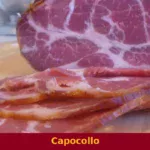
The table in Bianchi reflects the peasant cooking of the Cosenza hinterland, based on simple ingredients prepared with skill. First courses revolve around handmade pasta — fusilli, lagane, strozzapreti — dressed with goat or pork ragù, or with chickpeas and beans in the simpler versions. Soppressata and capocollo, prepared according to methods handed down within families, represent the local cured meat tradition. Sila potatoes, grown on the higher ground of the municipal territory, feature in numerous preparations: from pitta with potatoes to roasted side dishes. Foraging for porcini mushrooms in autumn is a widespread activity in the surrounding woods.
The wine produced in the Savuto valley falls under the Savuto DOC designation, one of the oldest in Calabria, with reds based on gaglioppo and greco nero grapes that express pronounced tannins and earthy notes. Extra virgin olive oil, obtained predominantly from the carolea cultivar, is the other pillar of the local agricultural economy. Visitors to Bianchi can find these products directly from farms in the area or in small shops in the centre. For tourism information on Calabria and its wine designations, the italia.it portal offers an up-to-date overview of the region.
When to visit Bianchi: the best time of year
Bianchi’s hilltop position ensures summers that are less muggy than on the Tyrrhenian coast, with average temperatures in July and August hovering around 25–28 degrees. This makes the summer months well suited to excursions in the surroundings without the oppressive heat of the coastal areas. Spring — from April to June — is the most recommended period for those who want to walk the trails of the Savuto valley, when the vegetation is at its most vigorous and the watercourses carry sufficient flow.
Autumn brings the mushroom season and the grape harvest in the Savuto DOC area, offering a concrete reason to visit the surrounding countryside. The patron saint festivities, linked to the cult of San Giacomo, are concentrated in the summer period and represent one of the few occasions when the village comes alive with the presence of emigrated residents who return for the event. In winter, temperatures can drop below zero on the coldest nights and rainfall is frequent, but the proximity to the Sila makes it possible to combine a visit to Bianchi with excursions in the mountain parks.
How to reach Bianchi
Bianchi can be reached by car from the A2 Autostrada del Mediterraneo: the most convenient exit is Rogliano-Grimaldi, from which you continue along the SP247 for approximately 15 kilometres towards the Savuto valley. From Cosenza the distance is around 30 kilometres, which takes about 40 minutes along provincial roads that cross a hilly landscape of olive groves and vineyards.
The nearest railway station is Rogliano, on the Cosenza–Catanzaro line operated by Ferrovie della Calabria. From there, you will need to continue by your own vehicle or by local transport services, which are not always frequent. The reference airport is Lamezia Terme International, approximately 50 kilometres away and reachable in just under an hour by car. For those coming from the Ionian side, Catanzaro is about 60 kilometres away. Updated information on transport and road conditions is available on the Touring Club Italiano website.
What to see in Bianchi and in nearby Calabrian villages
Bianchi’s position in the middle Savuto valley places it in an area rich in small towns that share a parallel history. A short distance away, heading further inland towards the Cosenza hinterland, lies Altilia, a village in the same province that preserves a compact urban layout and a close relationship with the surrounding agricultural landscape. Visiting both centres together allows you to compare similar architectural solutions — local stone, the arrangement of houses on a slope — applied to slightly different topographical settings.
For those wishing to explore inland Calabria more broadly, it is worth travelling as far as Acquaformosa, in the Pollino area of the Cosenza province. Here the distinguishing element is the presence of an Arbëreshë — Calabrian-Albanian — community that has maintained its own language, religious rite, and traditions since the 15th century. The comparison between a village like Bianchi, rooted in the Calabrian culture of the Savuto, and one like Acquaformosa, with its dual linguistic and cultural identity, reveals an image of inland Calabria that is more complex and less uniform than one might tend to imagine.
Frequently asked questions about Bianchi
What is the best time to visit Bianchi?
The ideal time to visit Bianchi is during spring (April to June) for hiking the Savuto valley trails, when vegetation is lush and watercourses are full. Summers (July-August) offer pleasant temperatures (25-28°C) for excursions, avoiding coastal humidity. Autumn is perfect for mushroom foraging and experiencing the grape harvest in the Savuto DOC area. The patron saint festivities for San Giacomo Maggiore, held in summer, are a lively occasion. While winters can be cold, Bianchi's proximity to the Sila mountains allows for combined visits with winter sports or mountain park excursions.
What are the historical origins of Bianchi?
Bianchi's origins trace back to the Norman reorganization of Calabria between the 11th and 12th centuries, when it became part of the feudal system in the Savuto valley. The name likely derives either from the noble 'de Bianco' or 'de Blanchis' family, or from the pale limestone terrain prevalent in the area. Documented since the medieval period, the village's urban layout reflects centuries of feudal history, earthquake reconstructions, and defensive adaptations, with its narrow streets and stone houses testament to its resilient past.
What to see in Bianchi? Main monuments and landmarks
In Bianchi, explore the historic centre on foot to admire its medieval urban core, characterized by narrow streets, external staircases, and traditional houses with distinctive sandstone doorways, some bearing ancient carvings. Visit the Mother Church of San Giacomo Apostolo, a religious building with a layout dating back to the 16th century, housing local sacred art. Discover the historic stone fountains, fed by natural springs, which served as vital water sources and gathering points. Also, identify remnants of baronial palazzi, distinguishable by their architectural elements like wrought-iron balconies, hinting at the village's past noble presence.
What are the main natural or scenic attractions of Bianchi?
Bianchi boasts picturesque natural surroundings centered around the Savuto river valley. The main natural attractions are the walking routes that follow the river's tributary streams, perfect for immersing yourself in the mid-hill Mediterranean scrubland. Here, you'll find oaks, chestnuts, and vibrant broom, which paints the south-facing slopes yellow in spring. The village's hilltop location, approximately 500 meters above sea level, offers scenic views of the surrounding hilly landscape. Furthermore, Bianchi serves as a gateway to the nearby Sila mountain parks, offering broader natural exploration opportunities.
Where to take the best photos in Bianchi?
For captivating photos in Bianchi, focus on the historic centre's authentic medieval charm. Capture the quaint narrow streets, external staircases, and the unique stone doorways of the old houses, some with carved lintels. The arrangement of buildings following the natural slope provides intriguing architectural compositions. For natural landscapes, photograph the Savuto valley trails, especially in spring when the blooming broom creates vibrant yellow contrasts against the dark green woods. Panoramic views from the village's hilly position offer sweeping vistas of the surrounding Calabrian countryside.
Are there museums, churches or historic buildings to visit in Bianchi?
While Bianchi does not feature museums, it offers significant historical and religious sites. The Mother Church of San Giacomo Apostolo is the primary religious building, dating to at least the 16th century, showcasing centuries of local devotion. The entire historic centre is a living museum, with its ancient stone doorways and a building arrangement reflecting its medieval origins and resilience against earthquakes. You can also observe elements of baronial palazzi and civic architecture, identifiable by distinct features like corbels and wrought-iron balconies, hinting at the village's former feudal structures.
What can you do in Bianchi? Activities and experiences
In Bianchi, you can explore the charming historic centre on foot, discovering its ancient stone doorways and unique architecture. Outdoor enthusiasts will enjoy hiking the walking routes along the Savuto valley's tributary streams, amidst Mediterranean scrubland. Autumn offers the rewarding experience of foraging for porcini mushrooms and participating in the grape harvest in the Savuto DOC area. Immerse yourself in local culture by attending the patron saint festivities for San Giacomo in summer. Furthermore, Bianchi's proximity to the Sila mountains makes it an excellent base for broader excursions into the mountain parks.
Who is Bianchi suitable for? Families, couples, hikers, solo travelers?
Bianchi is ideal for travelers seeking an authentic Calabrian village experience away from mass tourism. It's particularly suited for hikers and nature lovers, with its Savuto valley trails and easy access to the Sila mountain parks. History and culture enthusiasts will appreciate the medieval urban core, historic churches, and traditional architecture. Food and wine lovers will enjoy exploring the local peasant cuisine and Savuto DOC wines. Its peaceful atmosphere makes it perfect for couples and solo travelers looking for tranquility, cultural immersion, and scenic beauty. Families who enjoy outdoor activities and a quiet escape will also find Bianchi appealing.
What to eat in Bianchi? Local products and specialties
Bianchi's cuisine reflects the rich peasant traditions of the Cosenza hinterland. Specialties include handmade pasta like fusilli, lagane, and strozzapreti, often served with rich goat or pork ragù, or simpler versions with chickpeas and beans. The local cured meat tradition is highlighted by soppressata and capocollo. Sila potatoes, grown on higher ground, are a staple, featuring in dishes like 'pitta with potatoes' and various roasted preparations. Autumn brings an abundance of foraged porcini mushrooms. Pair your meal with Savuto DOC wine, made from gaglioppo and greco nero grapes, and taste the local extra virgin olive oil from the carolea cultivar.
Nearby Villages near Bianchi


In Calabria More villages to discover
Belvedere Marittimo
 Sea
Sea
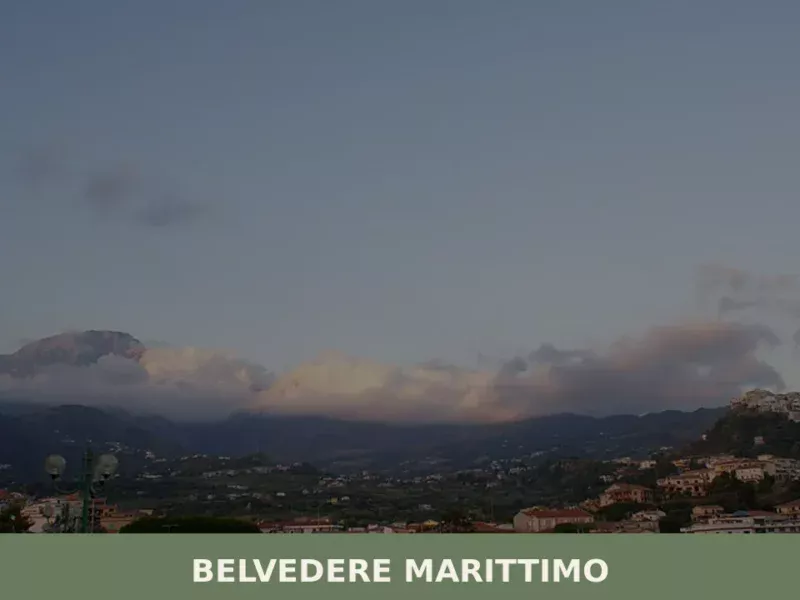
Belvedere Marittimo, a village in the province of Cosenza, stands at 150 meters above sea level and has a population of 9,292 inhabitants. This Calabrian location, classified among the lowland villages, offers a view of the Cosenza Tyrrhenian coast, combining historical elements with its proximity to the coast. Its geographical position has shaped its identity […]
Acri
Mountain
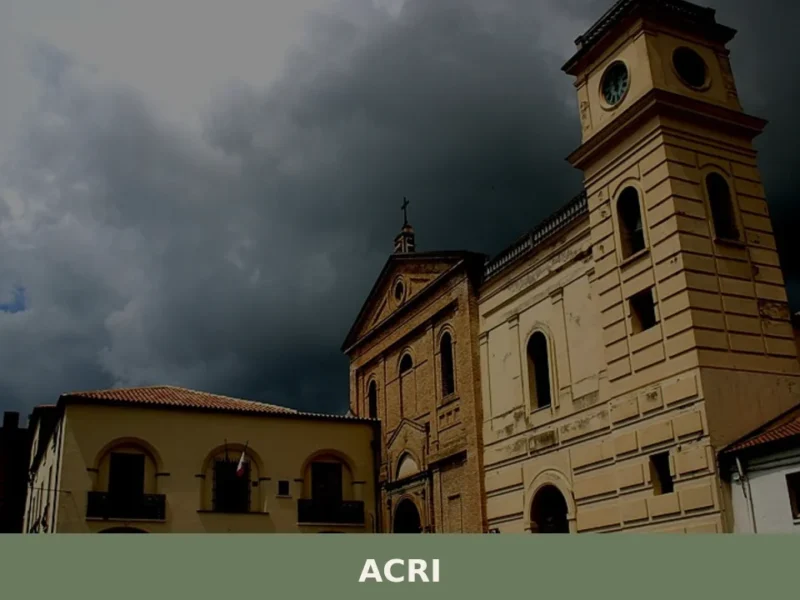
Acri is a town in the province of Cosenza with over 21,000 inhabitants, located in the Calabrian interior of the Sila Greca area, on a territory that passed through Norman, Swabian and Aragonese rule, leaving concrete traces in the local architecture and culture. For anyone approaching this corner of the province of Cosenza, the question […]
Morano Calabro
Sea
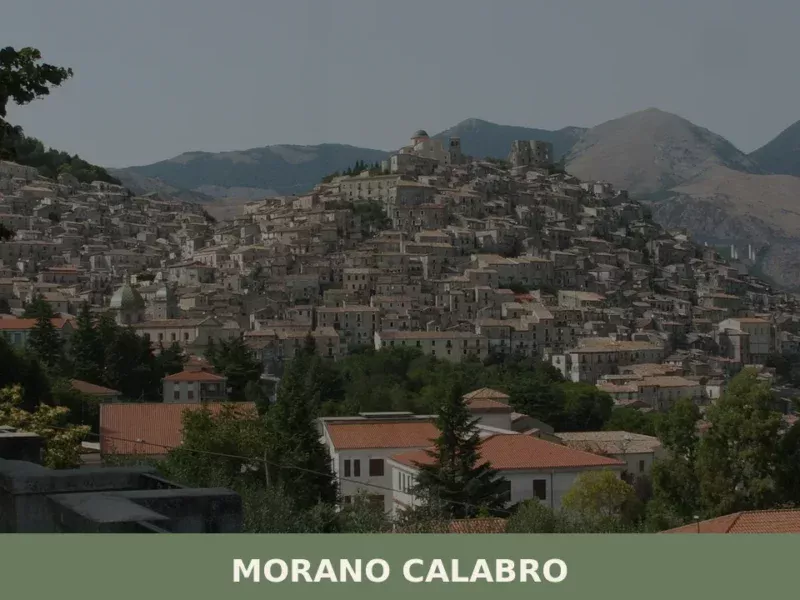
What to see in Morano Calabro, Italy: a village at 680 m altitude, listed among I Borghi più belli d'Italia. Discover top attractions, local food and how to get there.
Ardore
Sea
what to see in ardore: Discover Italy with Ardore’s altitude at 250 m, explore scenic landscapes and local festivals in Calabria.
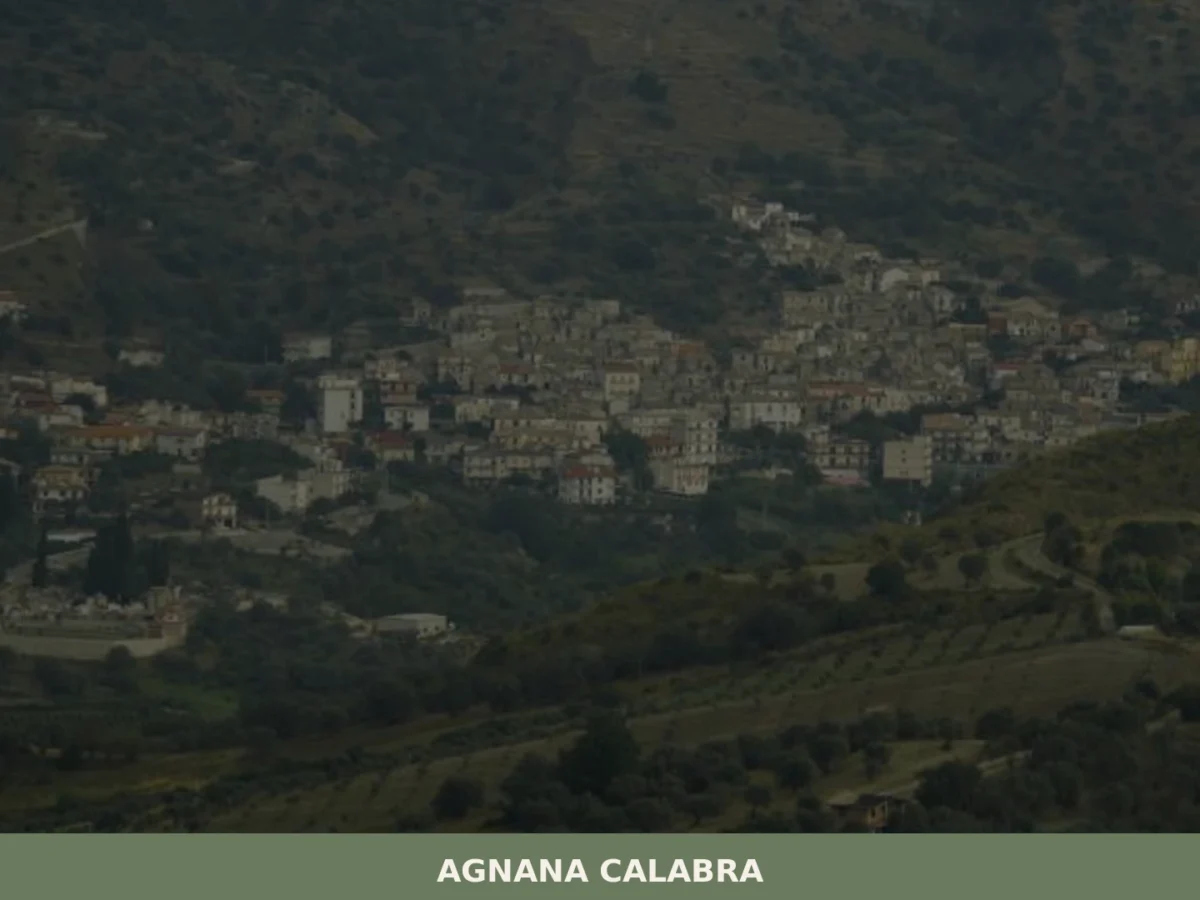
Agnana Calabra
Mountain
Planning a visit? Discover what to see in Agnana Calabra u2014 history, local food, best time to visit and how to reach this Reggio Calabria village.
Amaroni
 Hills
Hills
Discover what to see in Amaroni, a village of 1,587 inhabitants in the province of Catanzaro, Calabria. History, food, travel tips and nearby villages.
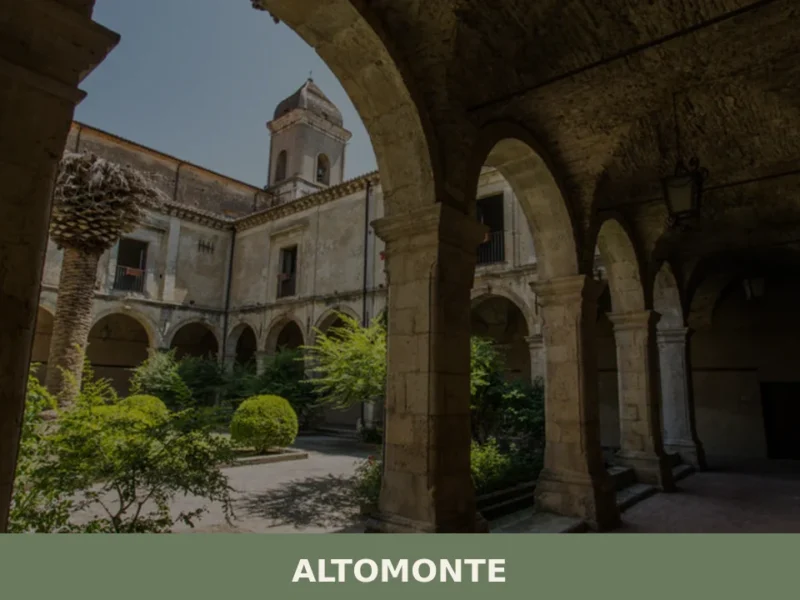
Altomonte
Hills
What to see in Altomonte: a hill village at 455m in Calabria with a 14th-century Gothic church, Civic Museum and medieval castle. Plan your visit today.
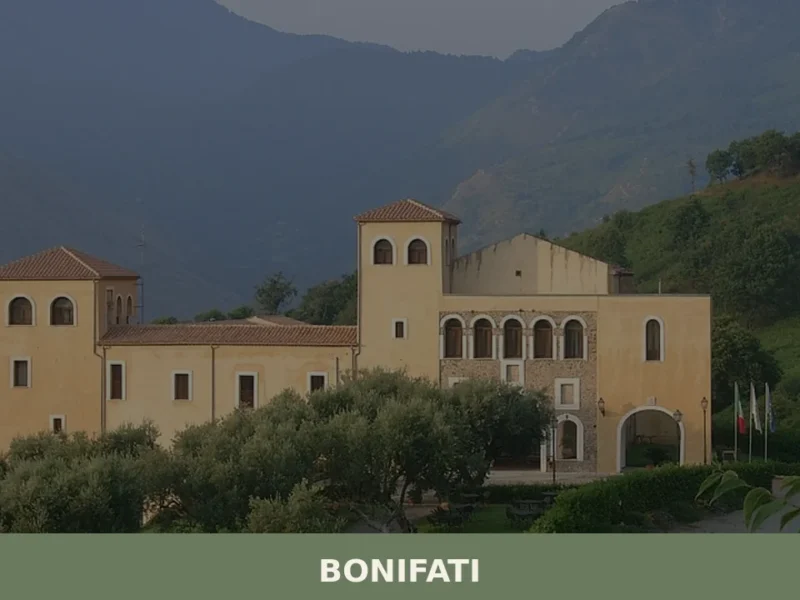
Bonifati
Sea
The village of Bonifati, located in the Cosenza hinterland but with a view towards the Tyrrhenian Sea, has historical roots deeply embedded in a past of fortifications and coastal defense. Already in the Middle Ages, this settlement stood out for its strategic position, an element that shaped its urban layout and identity. In this article […]
Bisignano
Hills
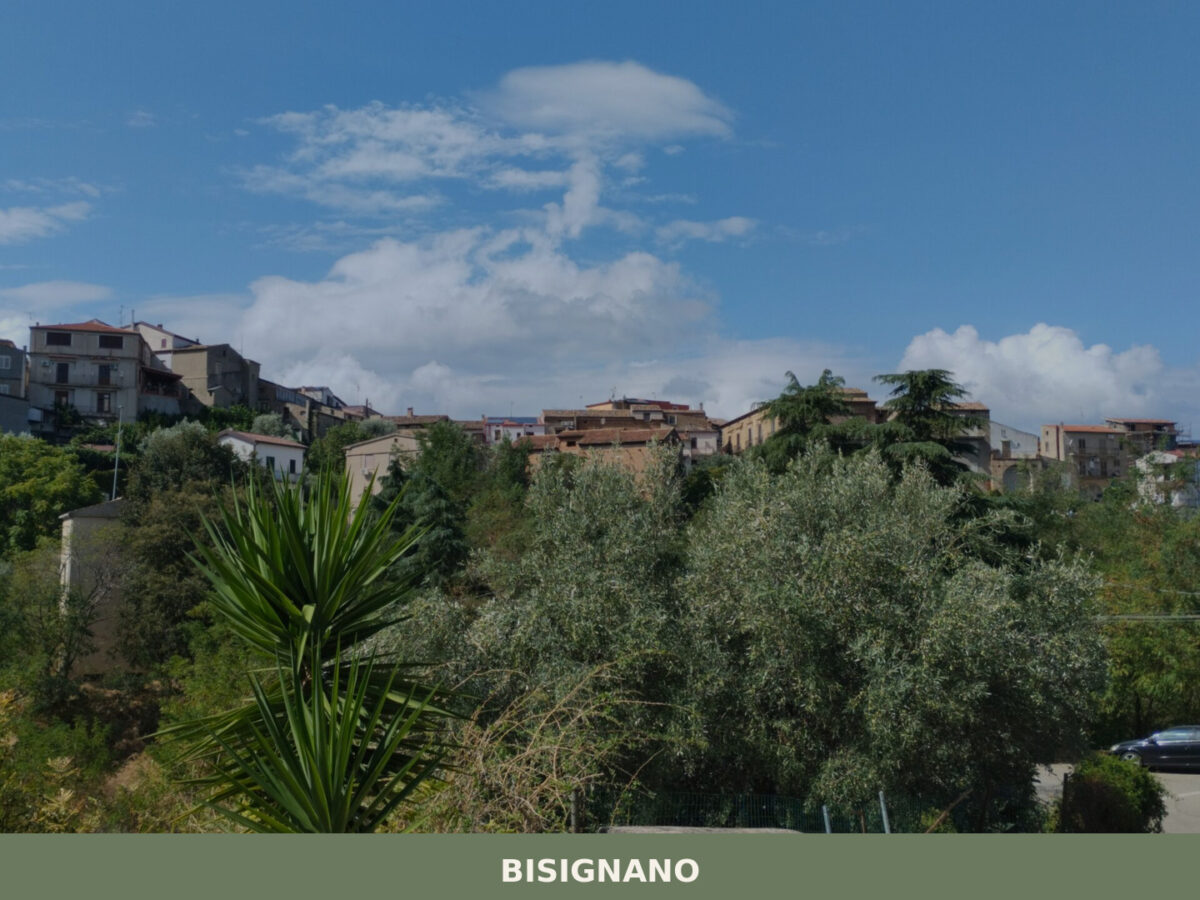
What to see in Bisignano: Discover 5 top attractions. This village (pop. 9,501) features the Ducal Castle and Sant'Umile Sanctuary for rich history.
Amendolara
Sea
Explore Amendolara village, a charming Italian gem nestled in Calabria. Discover its rich history, stunning landscapes, and authentic local culture. Plan your visit today!


🏡 Know Bianchi better than we do?
If you’re a local or have been there, your knowledge matters: add what’s missing or fix a detail on this page.