


Acireale
 Hills
Hills
What to see in Acireale, Italy: explore 5 top attractions, the Carnival dating to 1594, and the IGP Etna Lemon. Discover Acireale, Sicilia with our complete guide.
Discover Acireale
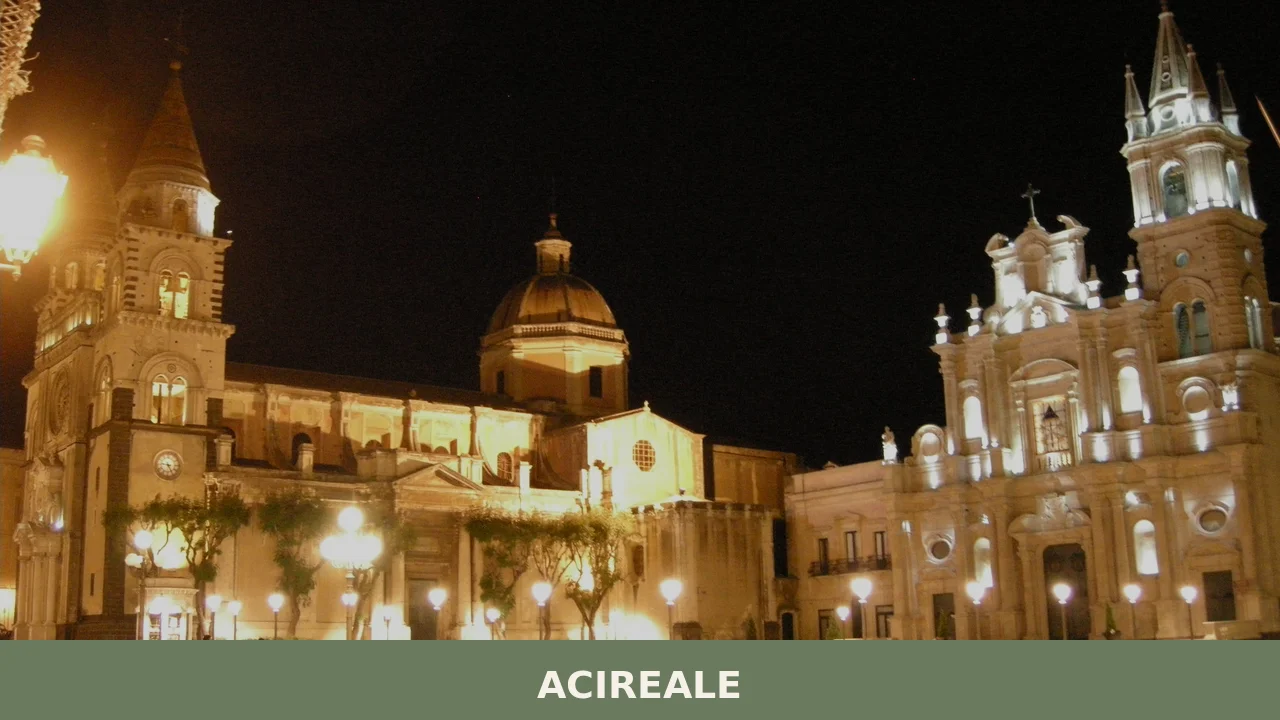
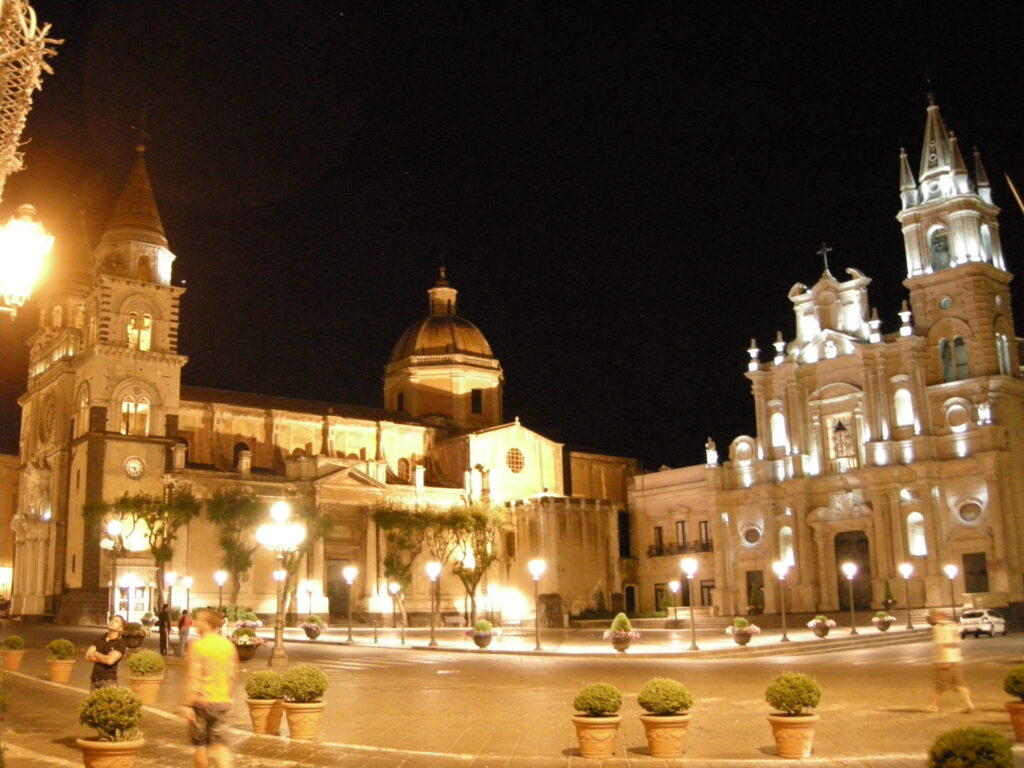
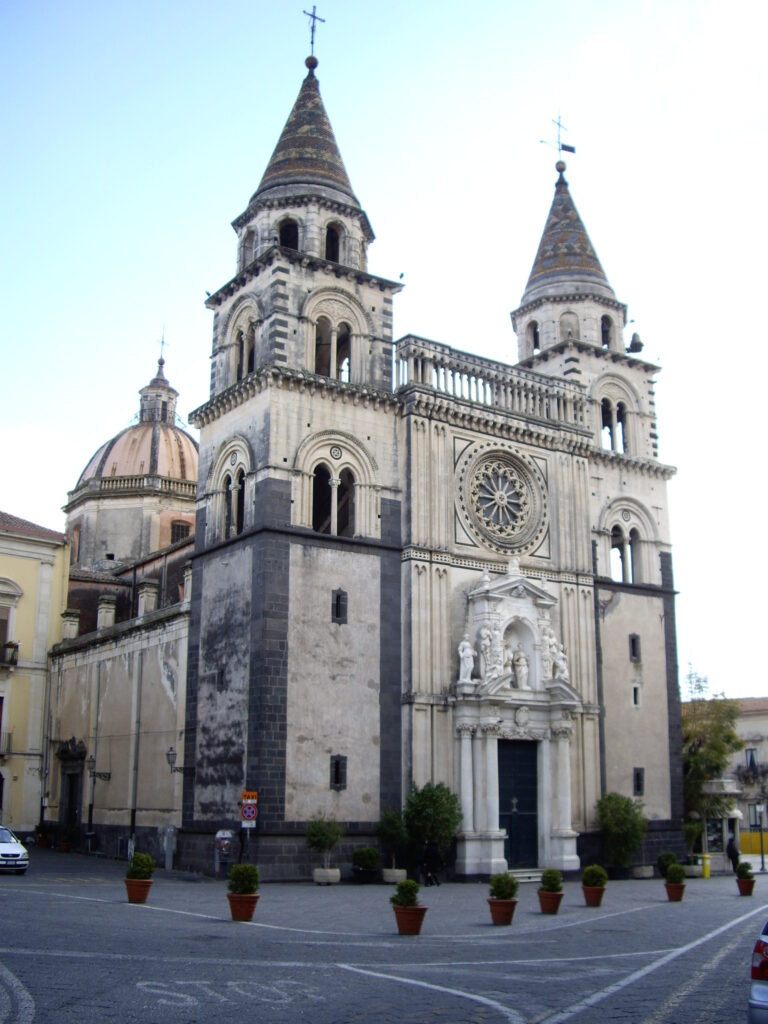
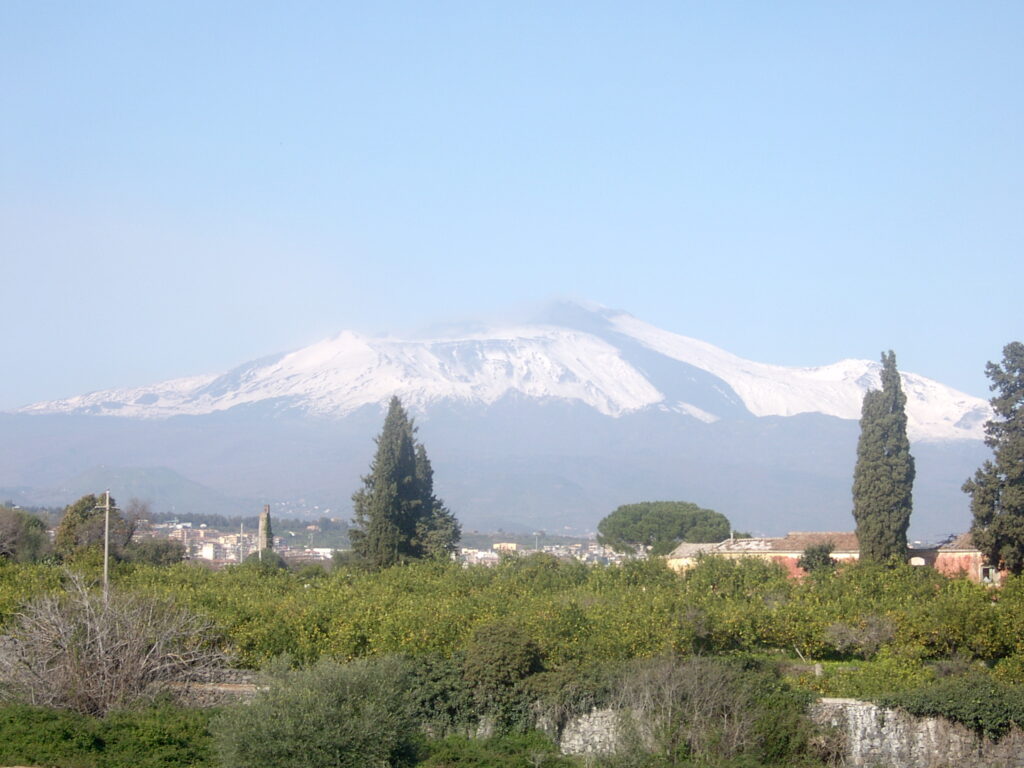
The Baroque façade of the Basilica of San Sebastiano faces Piazza Duomo at an angle that forces early morning light across its carved pilasters and saints’ niches. The square itself is split between two churches — the cathedral and Santi Pietro e Paolo — whose twin towers frame a sky that, on clear days, carries the unmistakable silhouette of Mount Etna rising 3,329 m (10,922 ft) to the northwest.
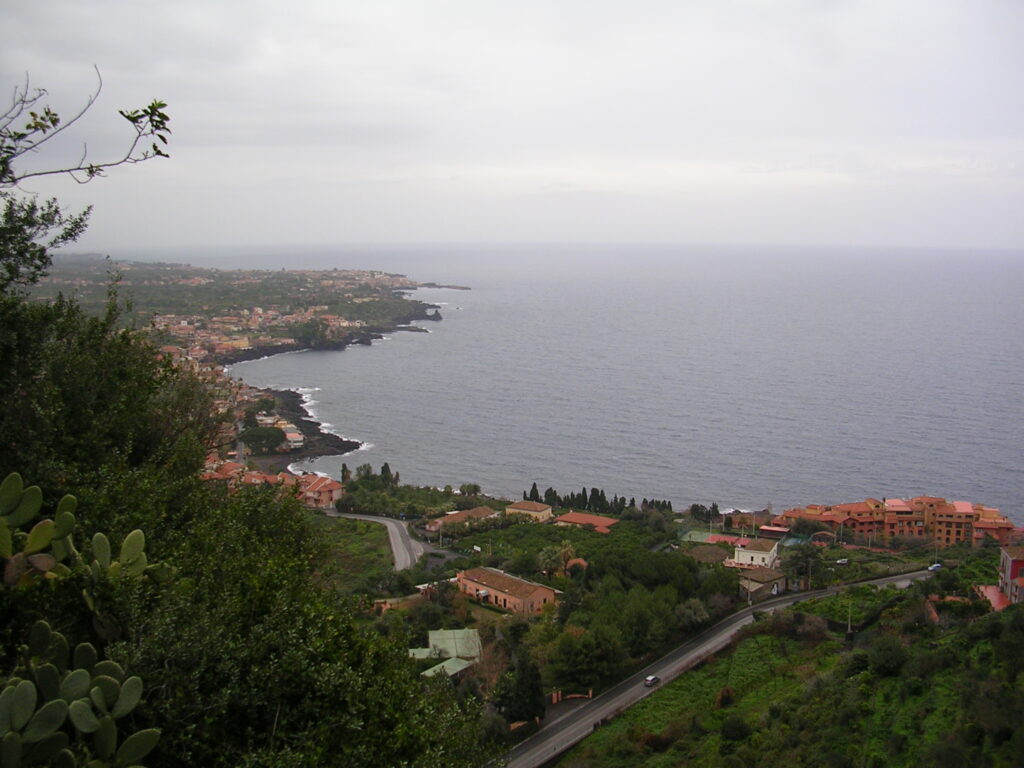
Acireale sits at the foot of that volcano on the Ionian coast, 24 km (14.9 mi) north of Catania, with a population of 50,579 making it the second-largest municipality in the Metropolitan City of Catania.
Deciding what to see in Acireale means working through a city that has been rebuilt almost entirely after the catastrophic 1693 earthquake, producing a concentrated layer of Sicilian Baroque architecture that sits alongside older Gothic remnants, public parks overlooking the sea, and a carnival tradition documented in writing since 1594. Visitors to Acireale find six museums, at least a dozen significant churches, a neoclassical library holding collections begun in the seventeenth century, and a natural coastal reserve called La Timpa. The population of roughly 50,000 sustains a working city center along Corso Umberto and Corso Italia, so the experience is not purely architectural tourism.
History of Acireale
The name connects directly to a body of classical mythology. In Ovid’s Metamorphoses, the nymph Galatea loved the shepherd Ācis, who was killed by the cyclops Polyphemus. The gods answered Galatea’s grief by transforming Ācis into a river — the Fiume di Jaci — that still flows, partly underground, through the volcanic terrain around the city. That river gave its name to the cluster of settlements known collectively as the borghi dell’Aci, the boroughs of Aci, and ultimately to Acireale itself. The connection is not merely literary: a marble sculptural group of Acis and Galatea, completed by Rosario Anastasi in 1846, stands in the Villa Belvedere park, depicting the final moment of the myth.
Settlement here has documented roots in the ancient Greek and Roman worlds.
A Greek town called Akis stood on or near the present site and was involved in the Punic Wars. The Romans called it Acium and placed it on the main road connecting Catana — modern Catania — with Tauromenium, present-day Taormina. Roman residents used the thermal springs that existed in the area, a resource that would remain relevant through subsequent centuries. The earthquake of 1169 shattered the medieval population across the inland boroughs of Aci. A new settlement, Aquilia Nova, was founded in the late fourteenth century further north along the Etna coast, forming the nucleus of what would grow into Acireale. The only physical structure remaining from that medieval phase is the Gothic-Lombard portal of the church of Sant’Antonio di Padova.
The sixteenth century brought a decisive administrative change when Emperor Charles V freed the city from feudal ties and established it as a Crown commune. By the late 1500s, between 6,000 and 7,000 inhabitants lived here, and the city had already earned the right to hold a Fiera Franca, a free market with commercial privileges. The carnival tradition appears in written records for the first time in 1594. Then, in 1693, the most destructive earthquake in Sicilian recorded history struck the region, destroying nearly all the existing buildings.
Reconstruction followed almost immediately, producing the Baroque architectural fabric the city presents today. In 1861, during Garibaldi’s Expedition of the Thousand, Acireale was the first town in Sicily to rebel against Bourbon Neapolitan rule. In 1941, Allied bombing caused significant civilian casualties, closing a period of two and a half centuries in which the city had rebuilt and expanded steadily from its earthquake-era foundations.
What to see in Acireale, Sicilia: top attractions
Basilica of San Sebastiano
The carved stone façade of San Sebastiano rises across the northern side of Piazza Duomo in a Sicilian Baroque register that is unusually complete: balustrades, statues, relief panels and pilasters occupy every horizontal band from street level to the upper cornice. The basilica was built in its current form following the 1693 earthquake, which destroyed an earlier structure on the same site.
Standing in front of it, the visitor reads the façade as a sequence of decorative registers rather than a unified classical composition — a characteristic of the Sicilian Baroque that distinguishes it sharply from Roman or Northern Italian Baroque work. The interior holds paintings and carved side altars that reward slow attention. The building opens onto the main civic square, making it the natural first stop when deciding what to see in Acireale.
Acireale Cathedral and Piazza Duomo
The Cathedral of Santa Maria Annunziata anchors Piazza Duomo on its eastern flank, with the church of Santi Pietro e Paolo completing the twin-church ensemble that defines the square’s visual logic. The cathedral dates in its present form to the seventeenth century, though the site carries older foundations. Its interior houses significant painted decoration and the kind of accumulated furnishing — altarpieces, reliquaries, marble floors — that reflects four centuries of civic patronage. The Palazzo della Città and the Palazzo Pennisi stand close by, making Piazza Duomo the administrative and religious center of the city simultaneously.
The square is pedestrian-friendly and functions as the natural orientation point for any visit.
Zelantea Library and Pinacoteca Zelantea
Both the library and the art gallery occupy a neoclassical palace built in the nineteenth century by the engineer Mariano Panebianco, but their collections originate in a society of scholars active from the seventeenth century — making this the oldest academy in Sicily. The Accademia di scienze, lettere e belle arti degli Zelanti e dei Dafnici assembled manuscripts, ancient texts, scientific instruments, and artworks over several generations. A marble copy of Anastasi’s Acis and Galatea group, made using a pantograph from the plaster original housed inside, stands in the Villa Belvedere nearby. The library holds documents essential for understanding the cultural and intellectual life of eastern Sicily, and the pinacoteca contains paintings that span several centuries of local and regional production. Opening hours are posted on the municipal website and vary by season.
La Timpa Natural Reserve
La Timpa is a steep coastal cliff that drops directly to the Ionian Sea, forming a narrow strip of protected land between the built edge of Acireale and the water. The reserve covers a stretch of volcanic rock face colonised by Mediterranean scrub, with views that extend south toward the Catania plain on clear days. The lava formations here belong to Etna’s geological output, and the cliff edge makes the relationship between the volcano and the sea immediately legible. Paths within the reserve follow the cliff rim and descend toward the shore in sections; the terrain is uneven and requires stable footwear. The nearby Parco delle Terme and Villa Belvedere offer more level walking for those who prefer maintained park surfaces, while La Timpa suits visitors prepared for rougher ground.
Museum of the Opera dei Pupi and Teatro dell’Opera dei Pupi of Capomulini
The Museum of the Opera dei Pupi — the traditional Sicilian rod-puppet theatre — occupies premises in Via Alessi, while the Teatro dell’Opera dei Pupi in the coastal hamlet of Capomulini preserves and displays the puppeteering heritage passed down through generations of Acesi craftsmen and performers.
UNESCO recognised the Sicilian puppeteering tradition as intangible cultural heritage of humanity, and this recognition applies specifically to the broader tradition that includes the Acireale lineage. The puppets themselves, typically depicting knights from the Carolingian cycle, are constructed with articulated armour and elaborate painted faces. The Capomulini theatre functions as both an exhibition space and a performance venue, making it one of the few sites in Sicilia where visitors can observe the physical objects, the narrative context, and the performance tradition in a single location. Performance schedules vary; it is worth checking in advance.
Local food and typical products of Acireale
The food culture of Acireale sits firmly within the eastern Sicilian volcanic belt, where the proximity of Mount Etna shapes both the agriculture and the oldest culinary habits. The thermal springs and lava-soil fertility that drew Roman settlement here also explain why the agricultural hinterland has always supported a dense variety of citrus, stone fruit, and the raw material for the cold preparations that dominate summer eating. The fishing hamlets along the coast — Santa Maria la Scala among them — supply daily catches that appear on restaurant menus without much delay between sea and table.
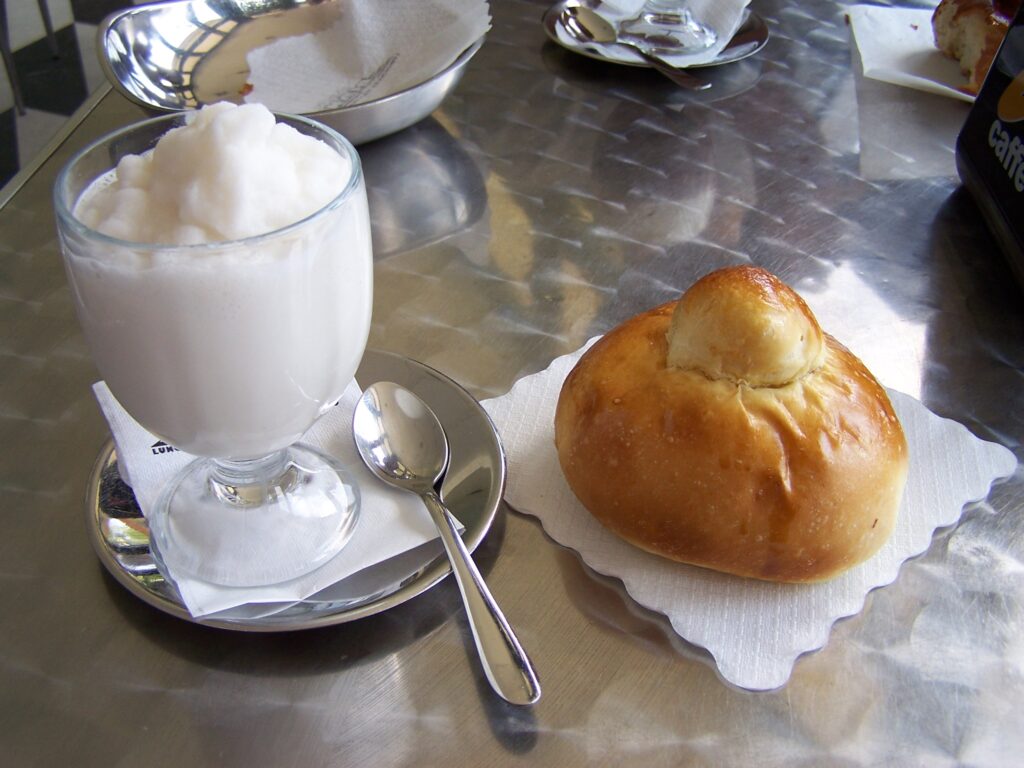
The most discussed cold preparation is the granita, a semi-frozen dessert made from water, sugar, and a flavouring — most commonly almond or lemon — that is served in a wide glass and accompanied by a soft brioche.
Local tradition attributes the conceptual invention of the frozen preparation sold in cafés to Francesco Procopio dei Coltelli from nearby Acitrezza, whose establishment, the Café de Procope, operated in seventeenth-century Paris. In Acireale, granita is served in the morning as a substitute for breakfast and again in the afternoon as a counter to summer heat. A related street preparation is seltz con limone e sale — carbonated water pressed with fresh lemon and a pinch of salt — sold from kiosks on the main streets. Pastry production is equally significant: zeppole di riso con miele (rice fritters with honey, also called crispelle di San Giuseppe in other municipalities), cannoli filled with ricotta, chocolate cream, or white cream, and fried savoury products such as arancini and cartocciate form the daily offer in bakeries and bars throughout the city.
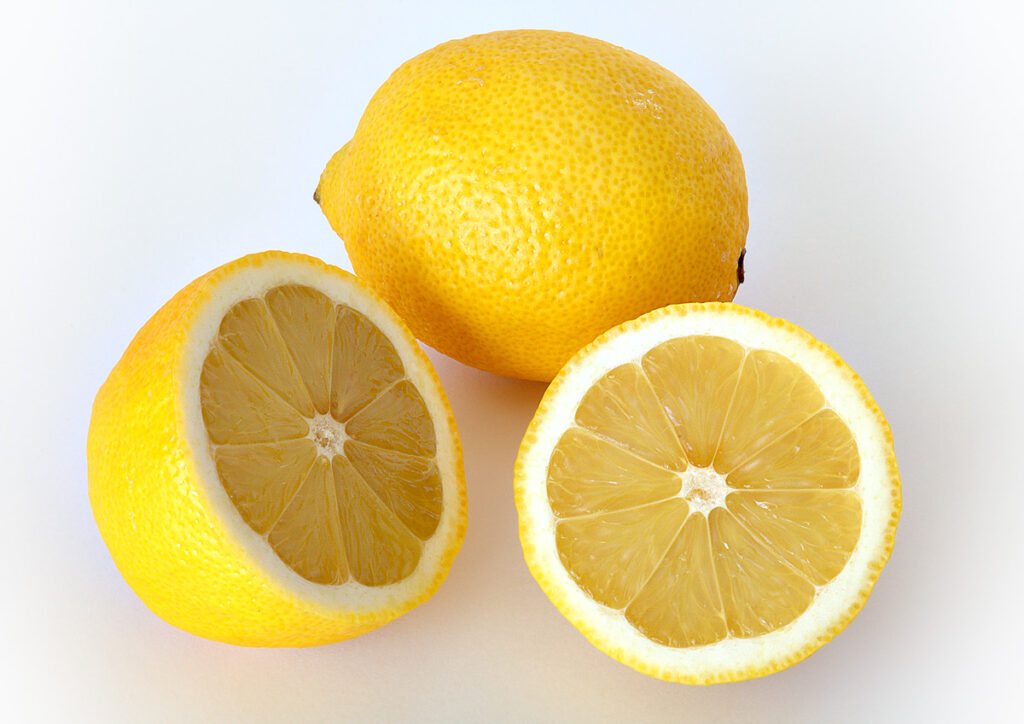
One certified product anchors the agricultural identity of the territory: the Etna Lemon IGP (Limone dell’Etna IGP) received European Union Protected Geographical Indication status in October 2020. The Etna Lemon is grown in the volcanic soil municipalities of the Etna coastal belt, including Acireale and its surrounding district. The IGP certification covers the specific variety cultivated in the lava-influenced soils at the foot of the volcano, and the fruit is distinguished by a thick, fragrant rind and high juice acidity.
It appears in granita, in the salted seltzer preparations, and in the pastry fillings sold across the city.
Visitors looking for the most concentrated expression of local food production should plan around the warmer months, when kiosk culture is at its most active and the lemon harvest supplies the graniterias directly. The fishing village restaurants at Santa Maria la Scala and Capomulini operate year-round but are busiest from spring through early autumn, when fresh fish menus rotate daily according to catch.
Festivals, events and traditions of Acireale
The Carnevale di Acireale is the event with the longest documented history in the city. The oldest written reference to the carnival dates to 1594, placing it among the earliest documented carnivals in Sicily. The celebration takes the form of allegorical float parades and costume processions held during the weeks before Lent, filling the main streets and Piazza Duomo with papier-mâché constructions that can reach considerable scale.
The Carnival Museum, located inside the Palazzo del Turismo in Via Ruggero Settimo 11, keeps a permanent record of the floats and costumes from past editions, allowing the tradition to be understood across its full documented length rather than only in its current form. A dedicated website — Carnevale di Acireale — publishes the schedule of events and parade dates for each year.
The city is twinned with Viareggio in Tuscany, another Italian city with a major carnival tradition, a pairing that reflects the shared cultural weight both communities place on the pre-Lenten celebrations. Beyond the carnival, the calendar includes the religious observances tied to the Cathedral of Santa Maria Annunziata and to the Basilica of San Sebastiano, whose patron saint festival draws processions through the city center. The puppet theatre tradition at Capomulini maintains a schedule of performances throughout the year, connecting living performance practice to the UNESCO-recognised heritage of the Opera dei Pupi.
When to visit Acireale, Italy and how to get there
The best time to visit Acireale depends directly on what a visitor prioritises.
Those travelling for the carnival should plan for the weeks immediately before Lent, typically in February or early March, when the float parades are at their most elaborate. Spring — April through June — offers mild temperatures suitable for walking the coastal reserve of La Timpa and the parks without the intense heat of July and August, when the city’s beaches and kiosks are at maximum activity. The Etna lemon harvest and the associated food culture peak in summer and early autumn. Winter travel is possible and the city remains fully functional, with the museums and churches accessible year-round; crowds are minimal and accommodation prices reduce considerably.
Acireale is 24 km (14.9 mi) north of Catania, making it a straightforward day trip from that city. By car, the A18 motorway (Messina-Catania) has a direct Acireale exit. The drive from Catania takes approximately 25 minutes without traffic. By train, Trenitalia operates services on the Messina-Catania coastal line with stops at Acireale station, connecting the city to both Catania Centrale (approximately 20-25 minutes) and Messina (approximately 60-70 minutes).
Catania Fontanarossa Airport lies approximately 30 km (18.6 mi) south of Acireale and is the closest international gateway; transfer by taxi or rental car takes 30-40 minutes depending on traffic. From mainland Italy, Catania is served by direct flights from Rome, Milan, and other major hubs, making Acireale accessible as part of a wider Sicily itinerary anchored in the Catania metropolitan area. International visitors should carry some euros in cash, as smaller shops, kiosks, and some market stalls operate on a cash-only basis; English is less commonly spoken outside hotels and larger establishments.
Travellers exploring the broader Sicilian coast may combine Acireale with a visit to Messina, which lies approximately 80 km (49.7 mi) to the north along the same coastal rail line and offers a different perspective on northeastern Sicily’s history and urban structure. Those extending their itinerary westward into the island’s interior might consider a stop at Erice, a fortified hilltop settlement above Trapani in western Sicily, reachable by road in approximately two and a half hours from Catania.
Where to stay near Acireale
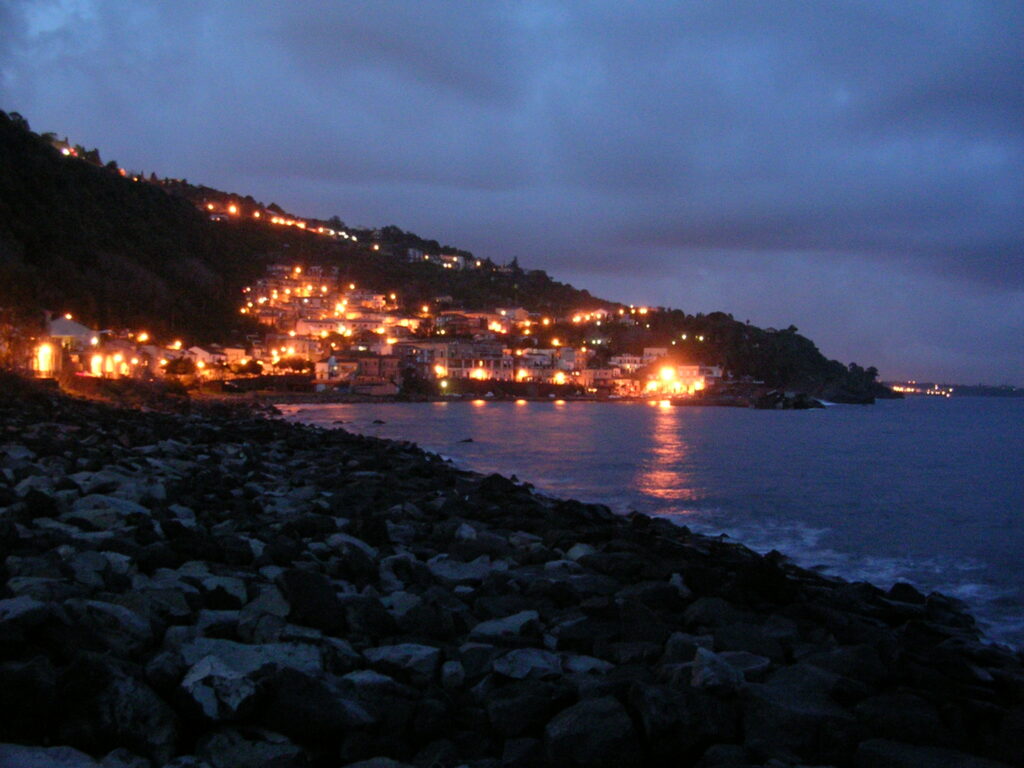
Acireale functions as an independent base for exploring the northeastern Sicilian coast, with accommodation options spread across the city center and the coastal hamlets of Capomulini and Santa Maria la Scala.
The city’s status as a working urban center of 50,000 inhabitants means that hotels, bed and breakfasts, and holiday rental apartments are distributed throughout the main districts rather than concentrated in a single tourist zone. Visitors preferring proximity to Piazza Duomo and the main Baroque monuments will find several small hotels and B&Bs within walking distance. Those prioritising coastal access tend to base themselves in the lower hamlets. Catania’s larger hotel infrastructure, 24 km (14.9 mi) south, is also a practical alternative for travellers covering multiple destinations across the metropolitan area. Visitors from further afield — those planning a day trip from Catania rather than an overnight stay — can reach the main sights on foot from Acireale station within 10-15 minutes.
Travellers interested in the volcanic agricultural landscapes of eastern Sicily may also find value in exploring Cefalà Diana, a smaller settlement in the Palermo province that preserves Arab-Norman thermal bath structures from the medieval period — a different expression of Sicily’s layered architectural inheritance. For those drawn specifically to the island’s western and southern interior, Contessa Entellina represents the kind of small, historically distinct community that rounds out a fuller picture of what to see in Acireale’s broader Sicilian context.
Frequently asked questions about Acireale
How far is Acireale from Catania and how do I get there?
Acireale is located 24 km north of Catania on the Ionian coast. You can reach it by car via the SS114 coastal road (approximately 30 minutes), or by train from Catania Centrale station (Circumetnea line, roughly 1 hour). Regional buses also connect the two cities regularly. If driving from the A18 motorway, take the Acireale exit and follow signs toward the town center.
When is the best time to visit Acireale?
Acireale is ideal to visit between April and October for pleasant Mediterranean weather. The carnival season (February–March) is particularly notable, with a documented tradition dating back to 1594 featuring elaborate floats and street celebrations. The feast of Santa Venera, the town's patron saint, occurs on November 4th and draws local devotion. Autumn offers warm days and fewer crowds than summer.
What is La Timpa and can I visit it?
La Timpa is a natural coastal reserve adjacent to Acireale featuring dramatic cliffs and Mediterranean biodiversity. It offers scenic walking routes along the shoreline with views of the Ionian Sea and Mount Etna. The reserve is accessible to visitors and provides an excellent alternative to urban sightseeing. Best visited in dry seasons for comfortable hiking conditions.
How long should I spend in Acireale?
Plan a full day to two days in Acireale. This allows time to explore the Baroque churches (Basilica of San Sebastiano, cathedral, Santi Pietro e Paolo), visit one or two of the six museums, stroll Piazza Duomo, and walk through the historic center along Corso Umberto. An additional half-day is recommended for La Timpa coastal reserve or nearby villages.
Why was Acireale rebuilt in the Baroque style?
Acireale was almost entirely reconstructed after the catastrophic 1693 earthquake that devastated southeastern Sicily. The rebuilding followed Baroque architectural principles popular in that era, creating the concentrated layer of Baroque buildings visible today. However, earlier Gothic remnants from before the earthquake survive in some churches, creating a fascinating architectural palimpsest reflecting centuries of Sicilian history.
📷 Photo Gallery — Acireale
In Sicily More villages to discover
Catania
 Sea
Sea
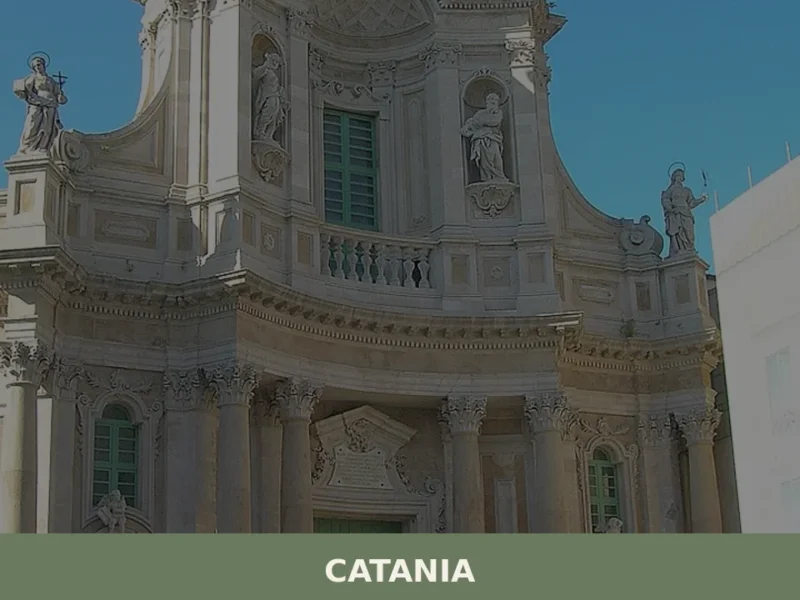
Discover Catania, a captivating village in Sicily, Italy. Explore its rich history, stunning architecture, local culture, and hidden gems waiting to be found.

San Michele di Ganzaria
Hills
A village of 2,820 people shaped by a medieval Albanian settlement pact and a baroque parish church with neo-Gothic facade. History runs deep here.
Isnello
Hills
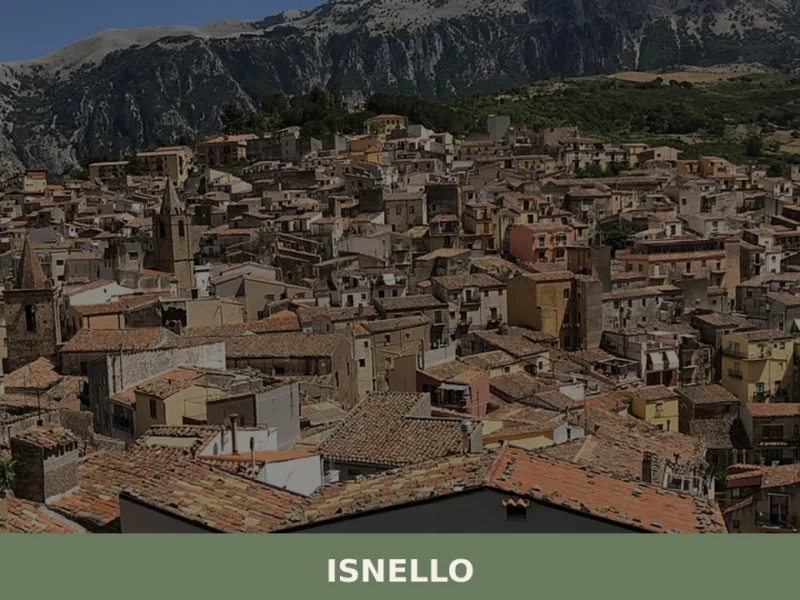
What to see in Isnello, Italy: Explore this 583 m (1,913 ft) altitude village near Palermo. Discover its historic center and panoramic views. Read our guide.

Rodì Milici
Hills
Two urban nuclei, one Knights of Malta palazzo and the ruins of ancient Longane: Rodì Milici rewards visitors who look beyond the Sicilian coast.
Agrigento
Sea
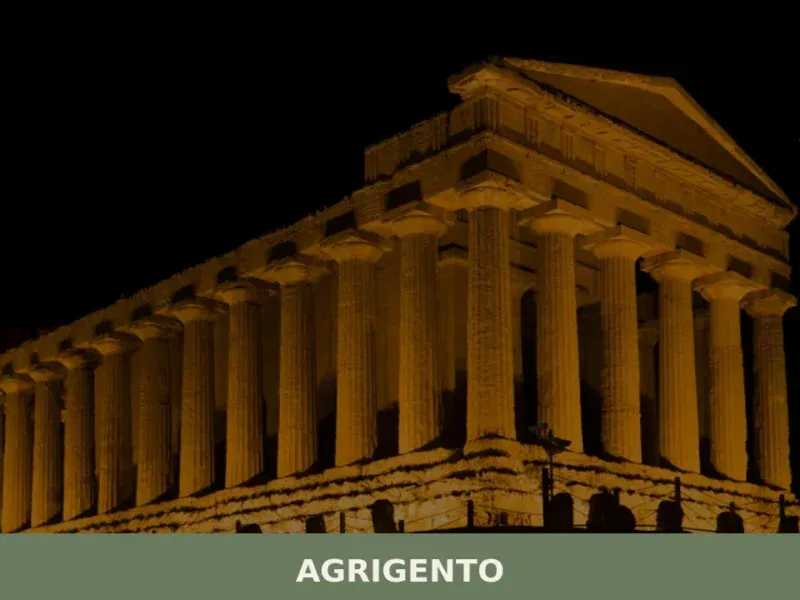
What to see in Agrigento, a city of 58,063 at 230m: UNESCO Valley of the Temples, Norman Cathedral, certified Cotognata. Plan your visit with our complete guide.

San Cataldo
Hills
With over 400 years of documented history and a remarkable archaeological zone, San Cataldo offers cultural depth that rewards curious visitors.
Roccamena
Hills
What to see in Roccamena, a village at 480 m in the province of Palermo: main church, Monte Genuardo reserve, rural farmsteads, local food and practical info.

Belpasso
Hills
A town rebuilt three times from volcanic catastrophe. Belpasso village in Sicily embodies resilience through its geometric urban grid and living festival traditions.
Aci Castello
Sea
A clifftop village on the Ionian coast with a 12th-century castle and layers of Greek, Roman and medieval settlement. Where coastal life meets archaeological depth.
Trapani
Sea
What to see in Trapani: salt pans, Pepoli Museum, Procession of the Misteri and Trapanese pesto. City of 68,967 inhabitants. Plan your visit now.

🏡 Know Acireale better than we do?
If you’re a local or have been there, your knowledge matters: add what’s missing or fix a detail on this page.