


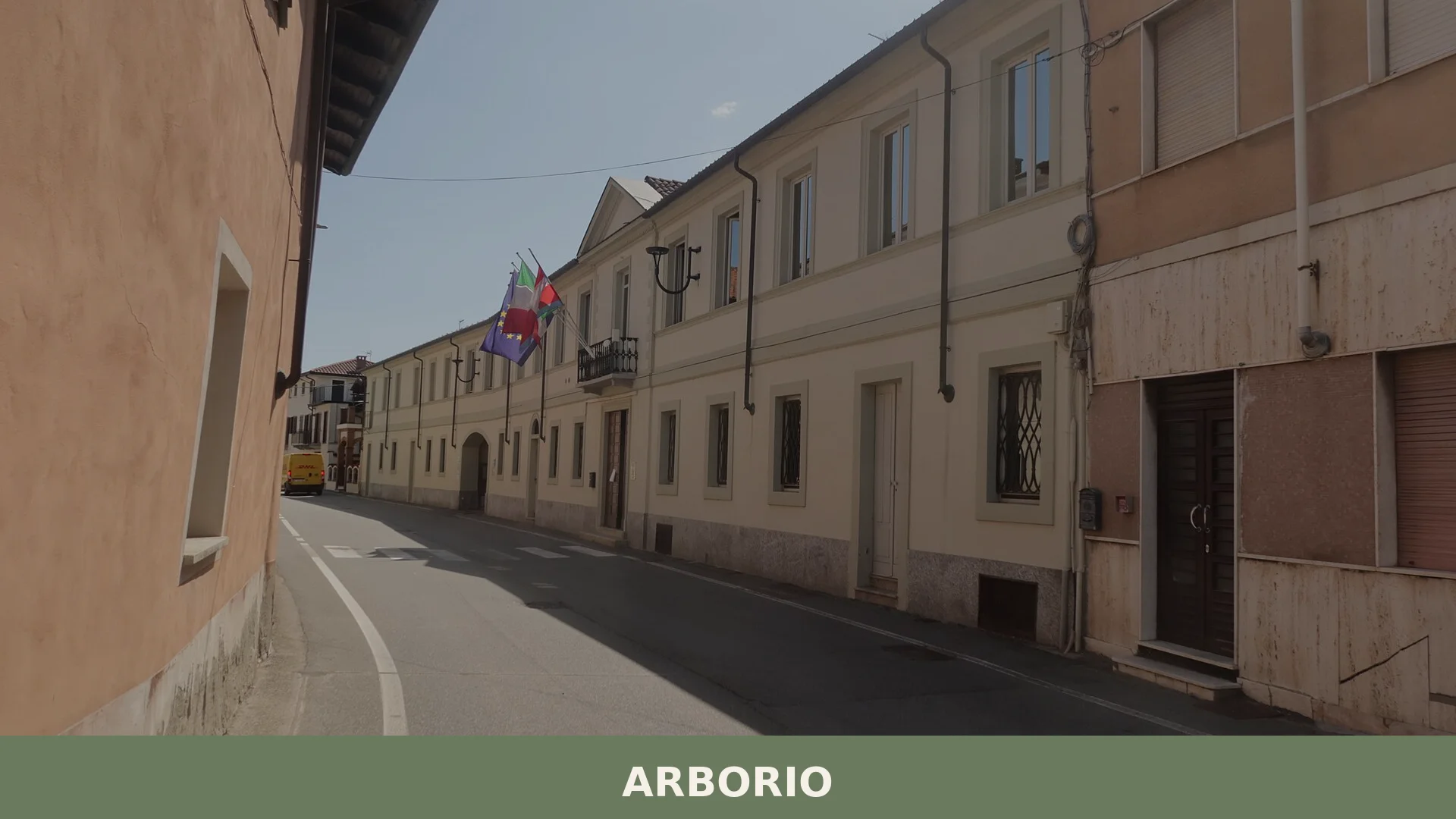
Arborio
 Plains
Arborio is a comune of around 850 inhabitants in the province of Vercelli, Piemonte, famed for the rice variety that carries its name and for a recorded history stretching back to the year 999.
Discover Arborio
Arborio is a small comune of around 850 inhabitants in the province of Vercelli, Piemonte, sitting at 185 metres above sea level on a largely flat terrain bounded to the east by the river Sesia and to the west by the torrente Marchiazza. Covering some 23.2 square kilometres of Po plain, it lies roughly 28 kilometres from Vercelli and about 79 kilometres from Turin, and its name is recognised far beyond its modest size thanks to the rice variety that carries it around the world.
Arborio village in Piedmont entered written history in 999, when Emperor Otto III granted it to the bishop of Vercelli, and it has been shaped ever since by medieval lordships, imperial decrees and the rhythms of paddy-field agriculture that still define the landscape today. Its circular parish church of San Martino, an oratory with fifteenth-century frescoes, the remains of an ancient castle, and the quiet roads threading between rice fields give the place a layered, unhurried character that rewards visitors willing to look beyond the celebrated grain.
Arborio village in Piedmont: history from medieval origins to the modern era
Arborio village in Piedmont enters the historical record in 999, when Emperor Otto III issued a diploma granting it to Leone, bishop of Vercelli — a document that marks the oldest known written reference to the settlement. The imperial connection continued into the eleventh and twelfth centuries: Emperor Conrad II reconfirmed the bishops’ hold over Arborio in 1027, and Frederick I Barbarossa did so again in 1152.
During the twelfth century the counts of Biandrate rose to prominence in the territory, until Count Ottone transferred Arborio to the commune of Vercelli in 1179. At that same moment the de Arborio family established themselves in the locality, their first known representative being a certain Guglielmo. By the fourteenth century the lordship had grown into a consortium of several clans — among them the Squarra, the Biamino, the Teta, the Gattinara and the de Rege. In 1335 the Visconti absorbed the village, and a further shift came in 1404 when the de Arborio submitted to the House of Savoy. A brief interruption followed between 1405 and 1407, when Facino Cane occupied the place on behalf of the marquis of Monferrato, but the de Arborio renewed their submission to the Savoy in 1407, who then secured the territory permanently in 1427.
A significant chapter opened in 1513, when Emperor Maximilian I incorporated Arborio into the county of Gattinara and awarded it to Mercurino Arborio di Gattinara, who would later become grand chancellor to Charles V. Duke Charles III of Savoy renewed that arrangement in 1525, and Emperor Charles V confirmed it the following year. In 1621 Duke Charles Emmanuel I of Savoy elevated the county into a marquisate, bestowing it upon Mercurino Filiberto Arborio di Gattinara. The ancient castle, documented as early as 1224, and a connecting ricetto survive as tangible reminders of those feudal centuries. In more recent times, Arborio lent its name to one of the world’s best-known rice varieties, and in 1946 local grower Domenico Marchetti developed a further variety, the Rosa Marchetti. Over the past hundred years, the resident population has roughly halved from its early twentieth-century level.
Churches, a Castle and a Round Nave: Arborio’s Built Heritage
Arborio’s monuments include a late-eighteenth-century round church, the remains of a medieval castle documented from 1224, an oratory with fifteenth-century frescoes, and the site of a demolished Romanesque-Gothic church.
Parrocchiale di San Martino
Built in 1769 to a design by architect Michele Richiardi, the parish church is notable for its circular plan and five altars. The campanile standing beside it is a separate commission: architect Nicola Nervi completed it in 1786.
Chiesa di Santa Maria
The oldest church in Arborio, it incorporated structures from both the Romanesque and Gothic periods. It was demolished in the 1970s and no longer stands.
Oratorio di San Sebastiano
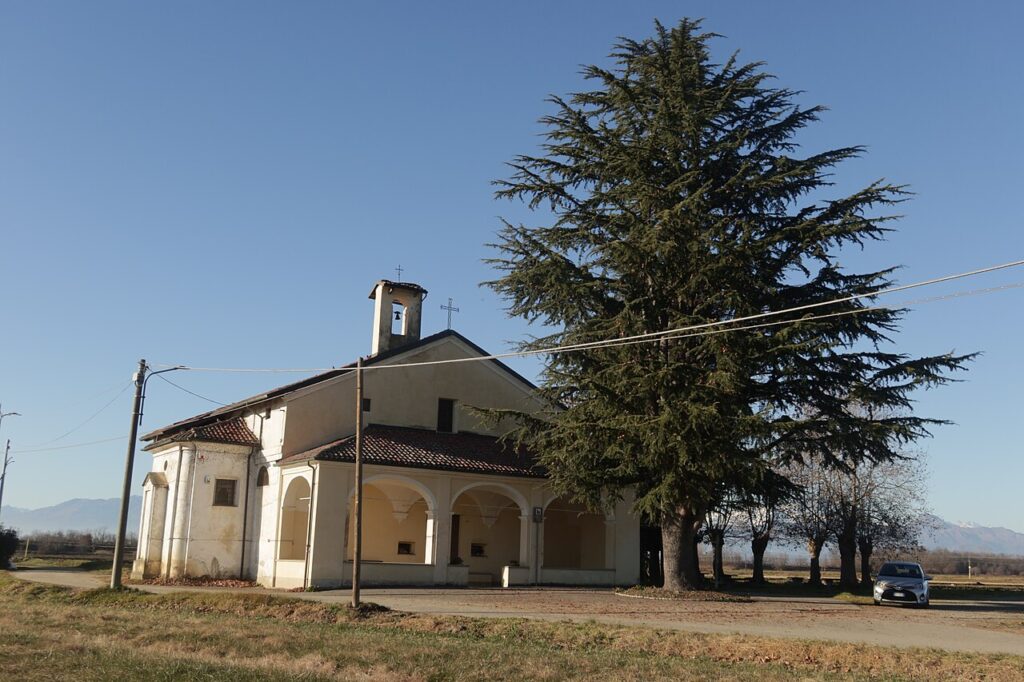
Located outside the village, this oratory preserves a cycle of frescoes dating from the fifteenth century. The paintings depict scenes from the Passion of Jesus Christ.
Antico Castello and Ricetto
The castle is first recorded in documents around 1224. Its upper section, the old rocca, retains several single-light windows with pointed arches. Attached to the castle, the former ricetto — a fortified enclosure typical of Piedmontese villages — survives in part, with a number of its original buildings still standing.
Rice Country on the Plate: Flavours of Arborio and the Vercelli Plain
Arborio is most famous worldwide for the rice variety that bears its name — a short-grain cultivar prized for risotto — and the surrounding Vercelli plain is one of Italy’s most productive rice-growing regions, with the certified Riso di Baraggia Biellese e Vercellese DOP representing the area’s highest-quality designation. A second local variety, Rosa Marchetti, was developed right here in 1946 by Domenico Marchetti, giving the village a second claim to rice-breeding history. Risicoltura remains the dominant agricultural activity of the territory.
Beyond rice, the broader provincial and regional larder adds further interest for visiting food lovers. Aged cheeses such as Grana Padano DOP and Gorgonzola DOP are produced in the wider area, alongside Nocciola Piemonte IGP — the celebrated Piedmontese hazelnut. Cured meats from the broader Po Valley region include Mortadella Bologna IGP, typical of Emilia-Romagna, and Salame Cremona IGP, typical of Lombardy. Among regional tradition products worth noting are the herbal liqueur Ratafià and Rosolio, as well as Vermouth, all deeply rooted in Piedmontese custom. Wine drinkers can look to nearby appellations: Gattinara DOCG and Bramaterra DOC are the most geographically close red wines, grown on volcanic soils to the north, while Erbaluce di Caluso DOCG offers a distinctive white from the southern edge of the broader territory.
Planning Your Journey to Arborio and the Vercelli Risaie
Arborio sits 27.9 km from Vercelli and roughly 79 km from Turin, making it straightforwardly reachable by car via the provincial roads of the Vercelli plain, and it is best visited in late spring or early autumn, when the flooded rice paddies or the golden harvest give the surrounding landscape its most striking character. The village lies on flat terrain between the river Sesia to the east and the torrente Marchiazza to the west, so driving is the most practical approach; there are no mountain passes or difficult roads to navigate.
Visitors exploring the wider Piedmontese countryside can combine a stop in Arborio with the textile city of Biella to the northwest, or venture toward the quieter hill village of Ailoche for a contrast with the plain. Those approaching from the direction of the lakes may also pass near Azeglio, another small Piedmontese settlement worth a detour.
| Departure | Distance | Time |
|---|---|---|
| Vercelli | approx. 28 km | approx. 30 min |
| Turin (city centre) | approx. 79 km | approx. 1 hour |
| Biella | approx. 30 km | approx. 35 min |
These practical references help organise the journey clearly, while the village itself is best understood slowly and on foot once you arrive.
Frequently asked questions about Arborio
What is the best time to visit Arborio?
Visit Arborio between June and September when rice paddies are lush and vibrant. The patron saint feast of San Martino is celebrated on the first Sunday of August, featuring local traditions and events. Spring (April–May) offers pleasant weather for cycling through the plain. Avoid winter months when the landscape is flooded for irrigation and becomes grey and waterlogged.
How do I reach Arborio from Turin and Vercelli?
Arborio lies approximately 79 kilometres from Turin and 28 kilometres from Vercelli. By car, take the motorway towards Vercelli and follow regional roads into the Po plain. The nearest train station is Vercelli (on the Turin–Milan line), from which you can rent a car or take local buses. Direct public transport connections are limited; private transport is recommended.
What historical landmarks should I see in Arborio?
Visit the circular parish church of San Martino, which features fifteenth-century frescoes and reflects the village's medieval origins. The ruins of an ancient castle remain visible in the landscape. Arborio entered documented history in 999 when Emperor Otto III granted it to the bishop of Vercelli, establishing its medieval significance that still shapes the village today.
How long should I spend in Arborio?
Plan a half-day to full-day visit. Two to three hours suffice for exploring San Martino church, the castle remains, and walking quiet village roads. For a deeper experience combining heritage with cycling through rice fields and sampling local Arborio rice cuisine, dedicate a full day or overnight stay to absorb the rural atmosphere and agricultural landscape.
Why is Arborio famous worldwide?
Arborio's name is globally recognized thanks to the Arborio rice variety cultivated in the surrounding Vercelli plain. This short-grain rice is prized for risotto due to its high starch content and ability to absorb flavours while maintaining firm texture. The village's modest size of 850 inhabitants contrasts sharply with its international culinary reputation and agricultural significance.
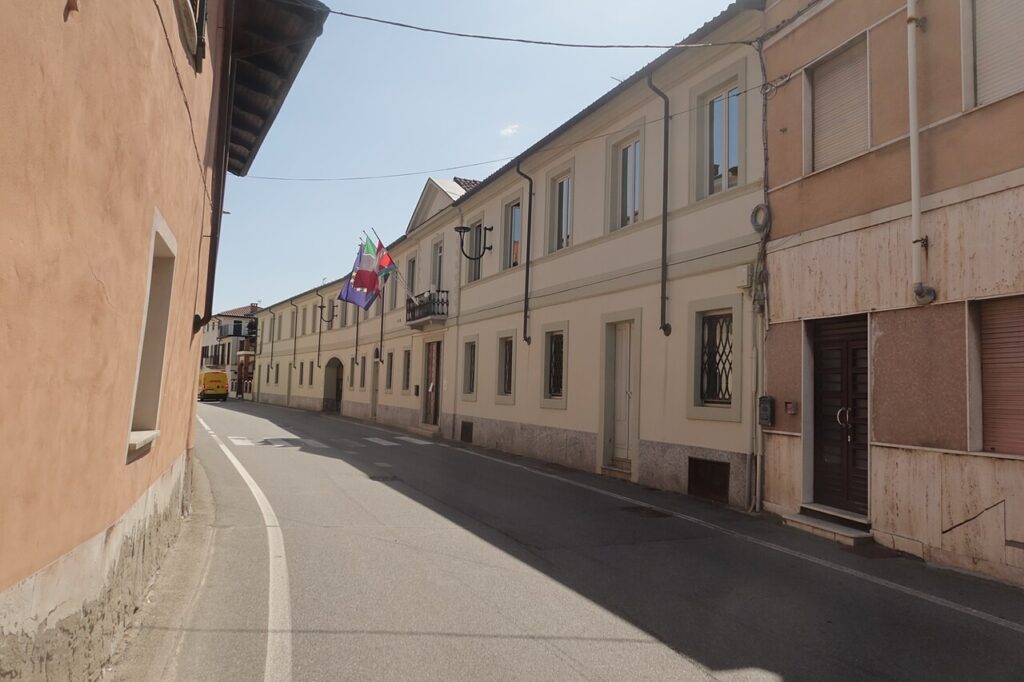
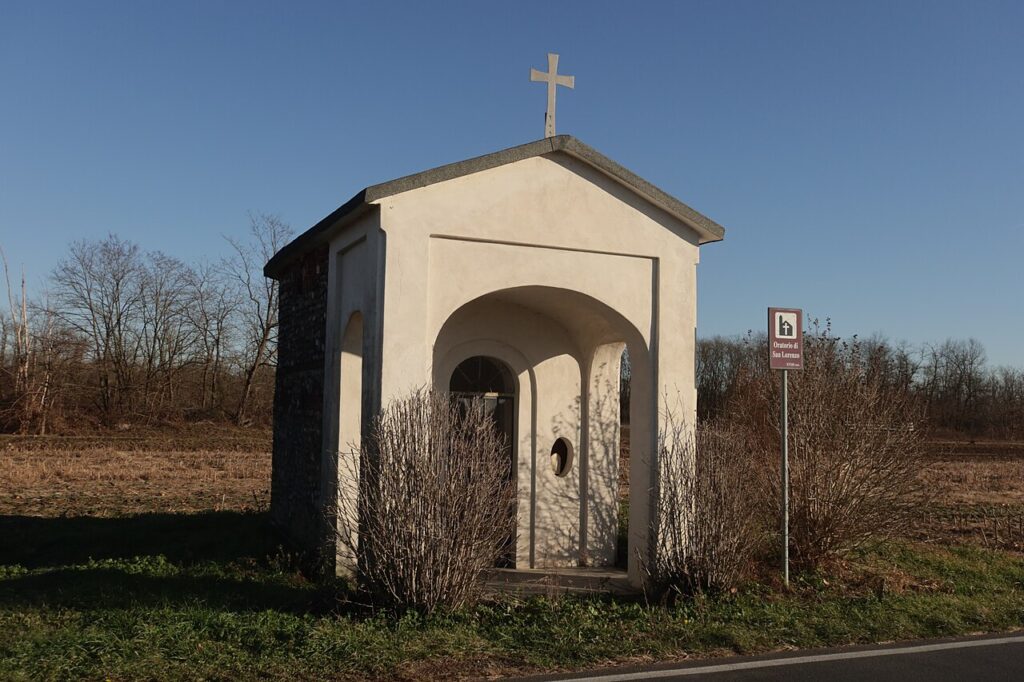
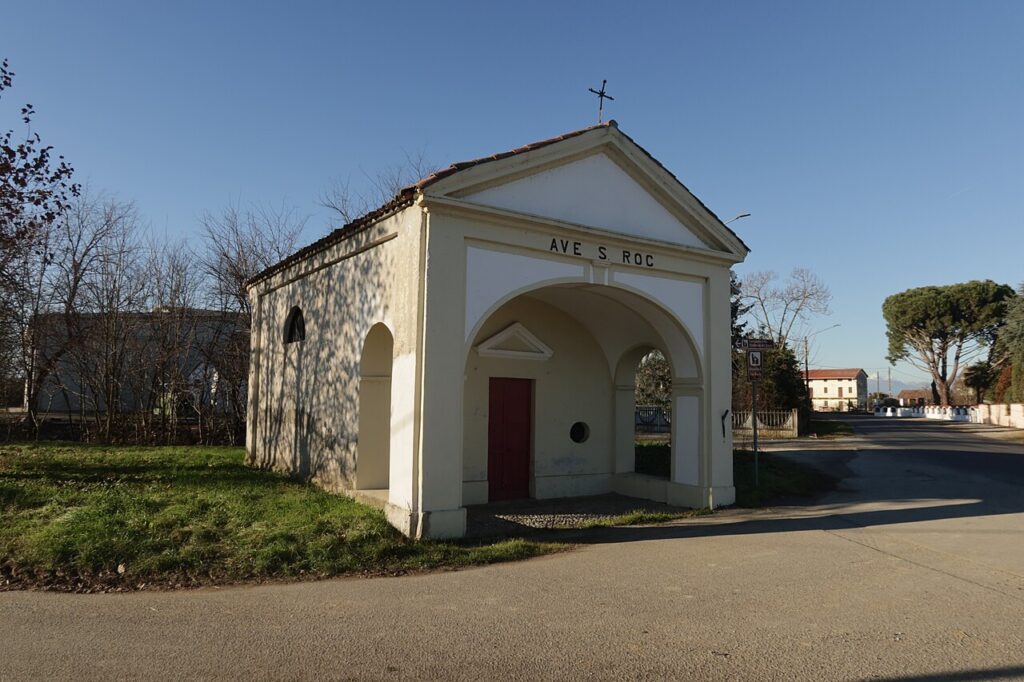
📷 Photo Gallery — Arborio
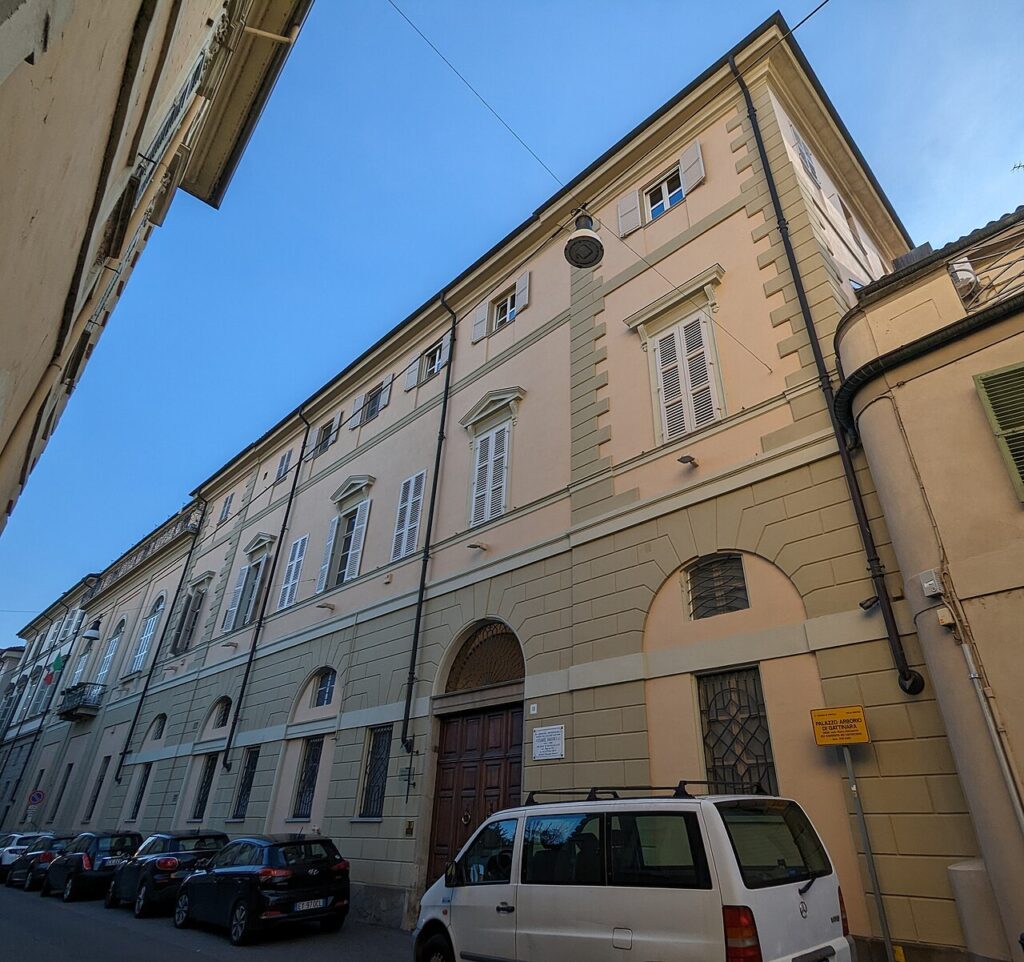
In Piedmont More villages to discover
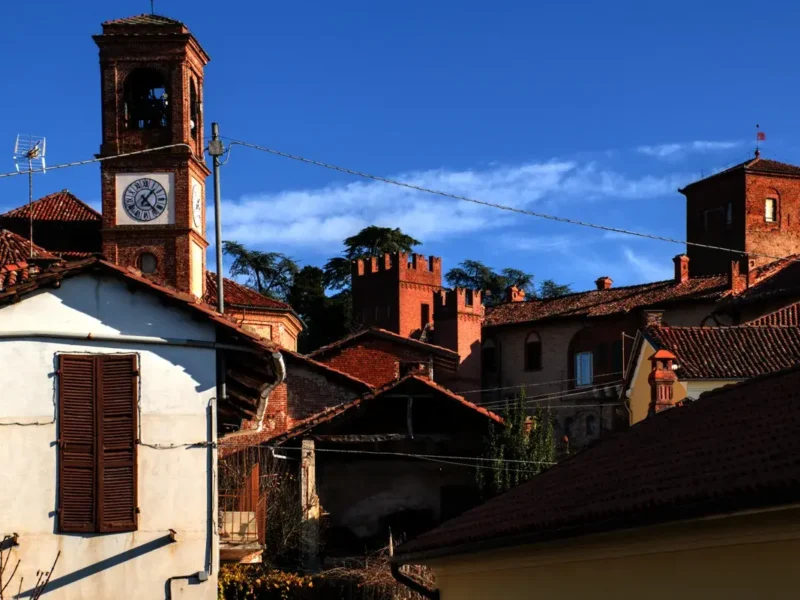
Moriondo Torinese
 Hills
Hills
Scopri Moriondo Torinese, un affascinante borgo del Piemonte ricco di storia, natura e tradizioni. Lasciati conquistare dalla sua bellezza autentica!
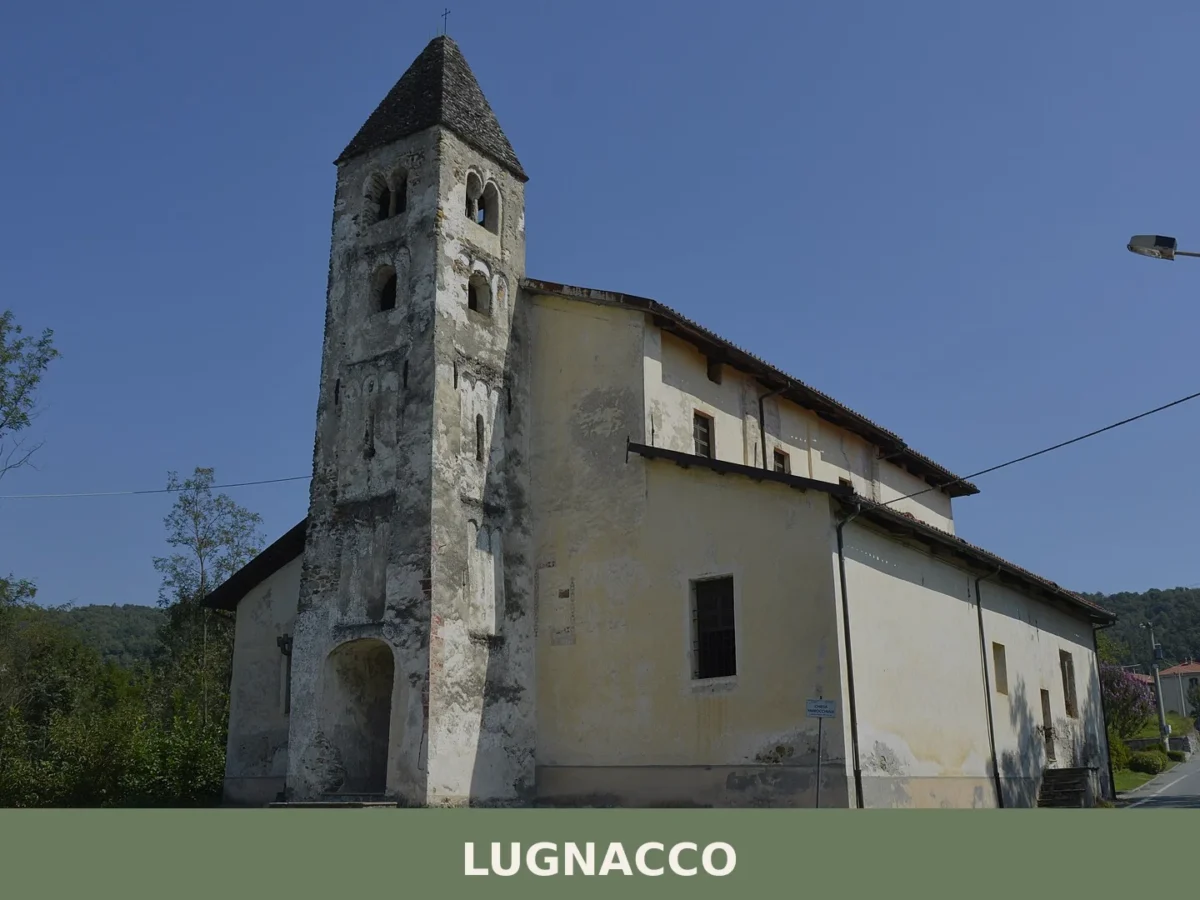
Lugnacco
Hills
One of three historic centres forming Val di Chy, Lugnacco offers alpine scenery at 563 m and a window into small-settlement Piedmont north of Turin.
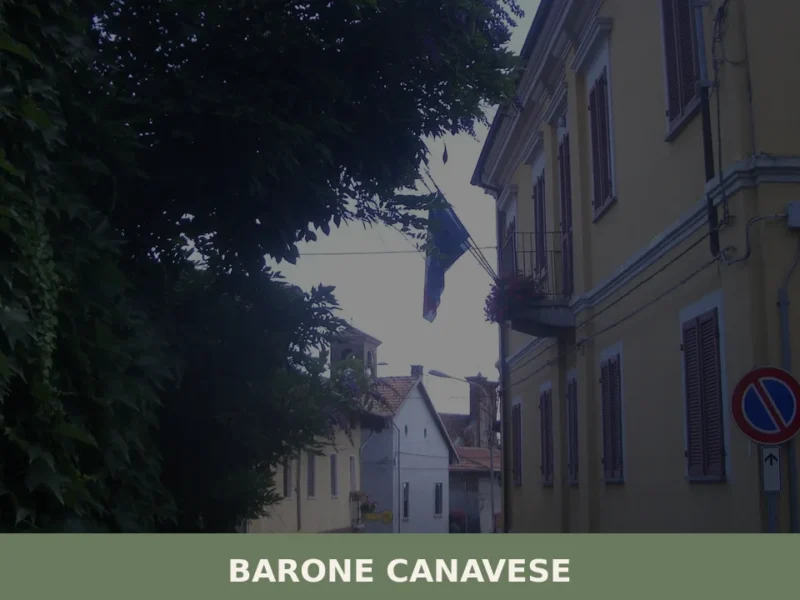
Barone Canavese
Hills
Barone Canavese has 554 inhabitants and sits at 325 metres above sea level, on the hills of eastern Canavese in the province of Turin. Those wondering what to see in Barone Canavese will find a small municipality set within a well-defined hill landscape, notable for its historic religious buildings and a road network connecting the […]
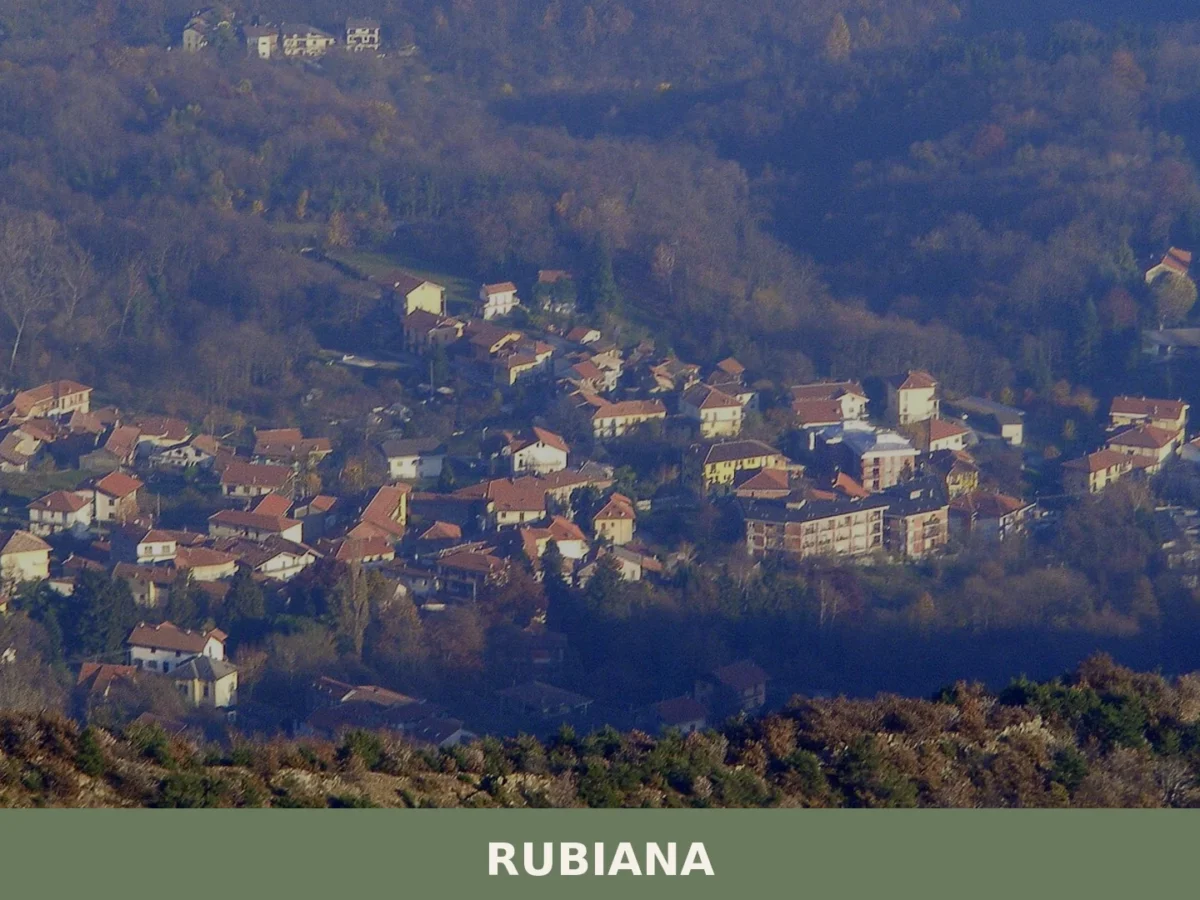
Rubiana
 Mountain
Population 2,516. Rubiana sits in a mountain amphitheatre at 640m altitude, with documented origins in a 1029 charter and a landscape shaped by Celtic settlement and 18th-century pilgrimage.
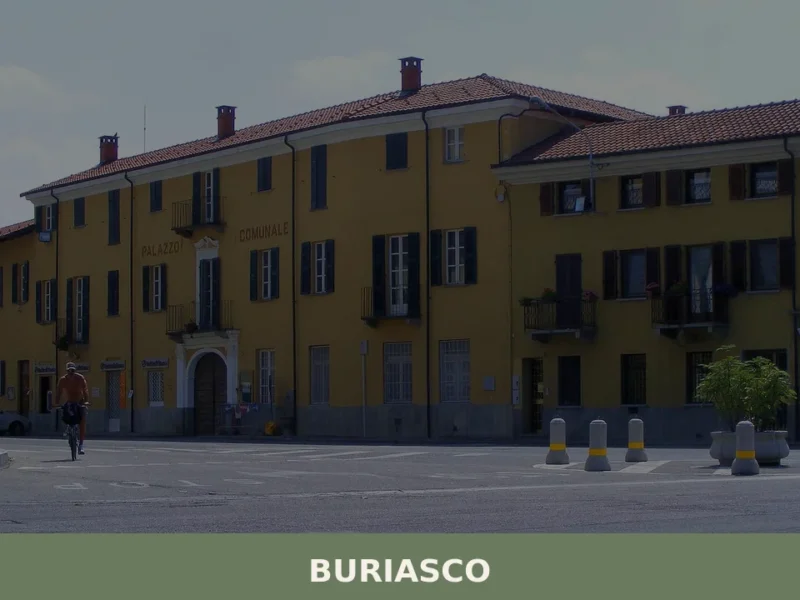
Buriasco
Hills
What to see in Buriasco, Italy: 5 top attractions, local food, festivals and how to get to this 301 m village near Turin. Discover Buriasco, Piemonte.
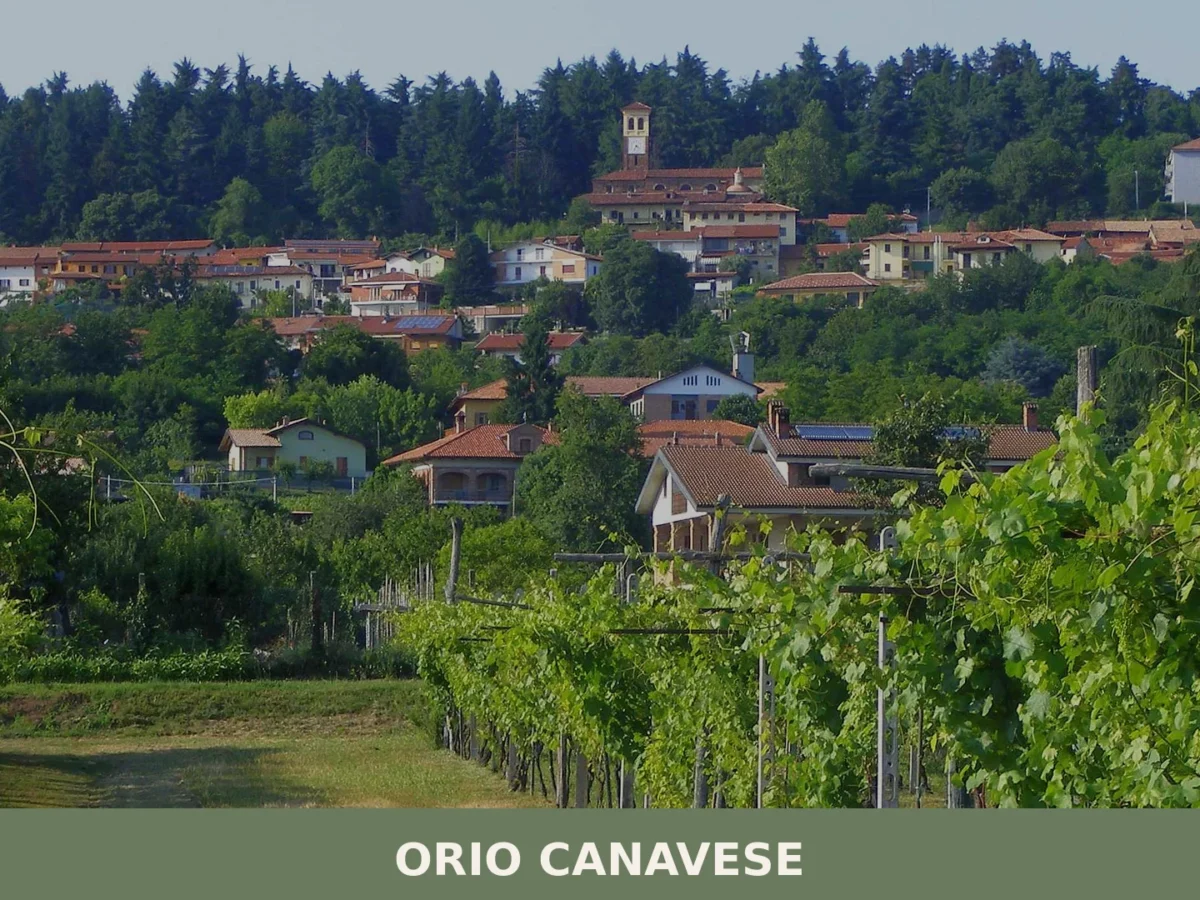
Orio Canavese
Hills
732 residents, a castle wrapped in ghost legends and late-baroque churches: Orio Canavese rewards visitors who look beyond the obvious Piedmont itineraries.

Rivara
Hills
A comune of 2,456 inhabitants north of Turin, Rivara preserves two castle complexes and Villa Ogliani, birthplace of the Scuola di Rivara artistic movement.

Rocca Canavese
Hills
Population 1,718. A fortified valley settlement with castle ruins, 11th-century religious architecture and a landscape of green hills rimmed by the Malone torrent.
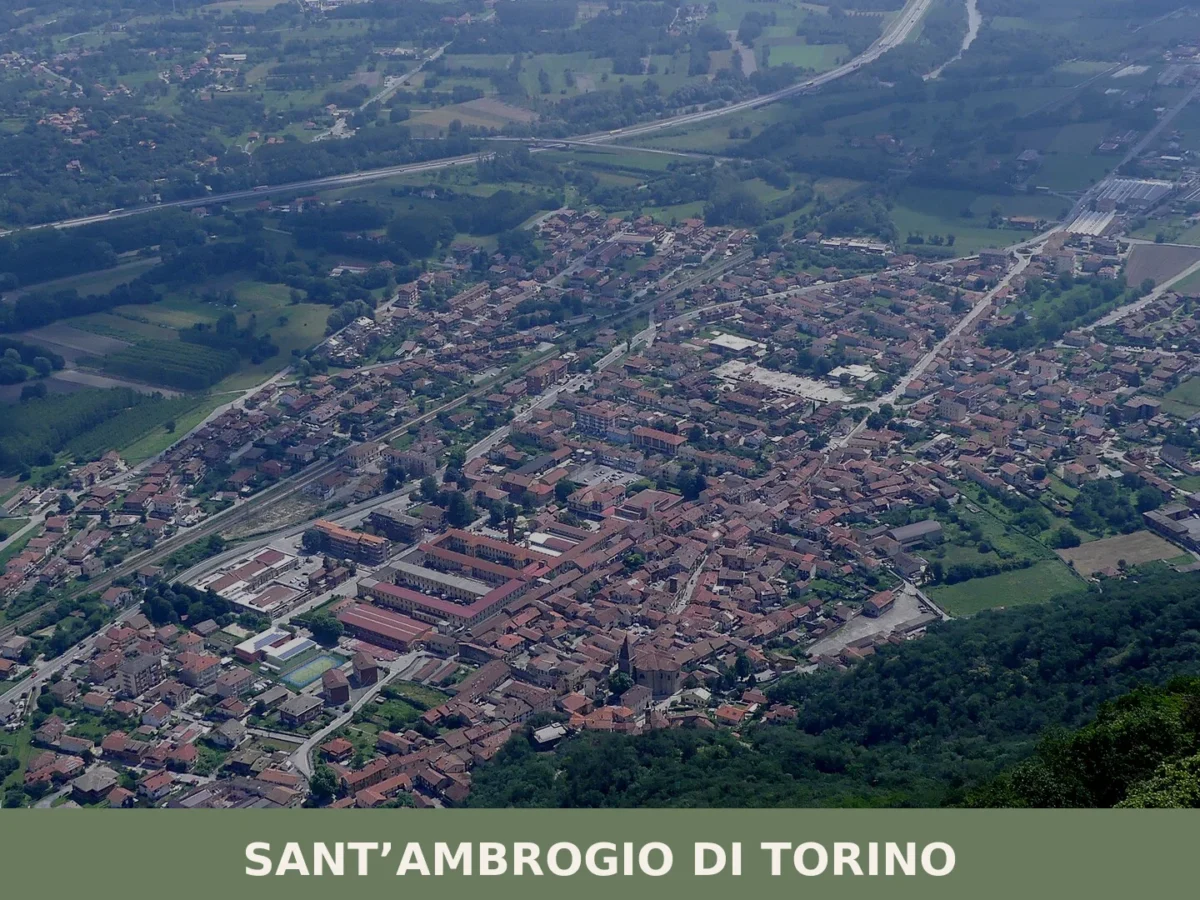
Sant’Ambrogio di Torino
Mountain
A village of 4,518 inhabitants at the threshold of the Turin foothills. Sant'Ambrogio di Torino stands on two major pilgrimage routes: the Via Francigena and the Cammino di San Michele.

Pratiglione
Mountain
A village of 445 souls near Turin with roots reaching back to 1014. Home to the ancestral past of Rage Against the Machine's Tom Morello.
🏡 Know Arborio better than we do?
If you’re a local or have been there, your knowledge matters: add what’s missing or fix a detail on this page.