


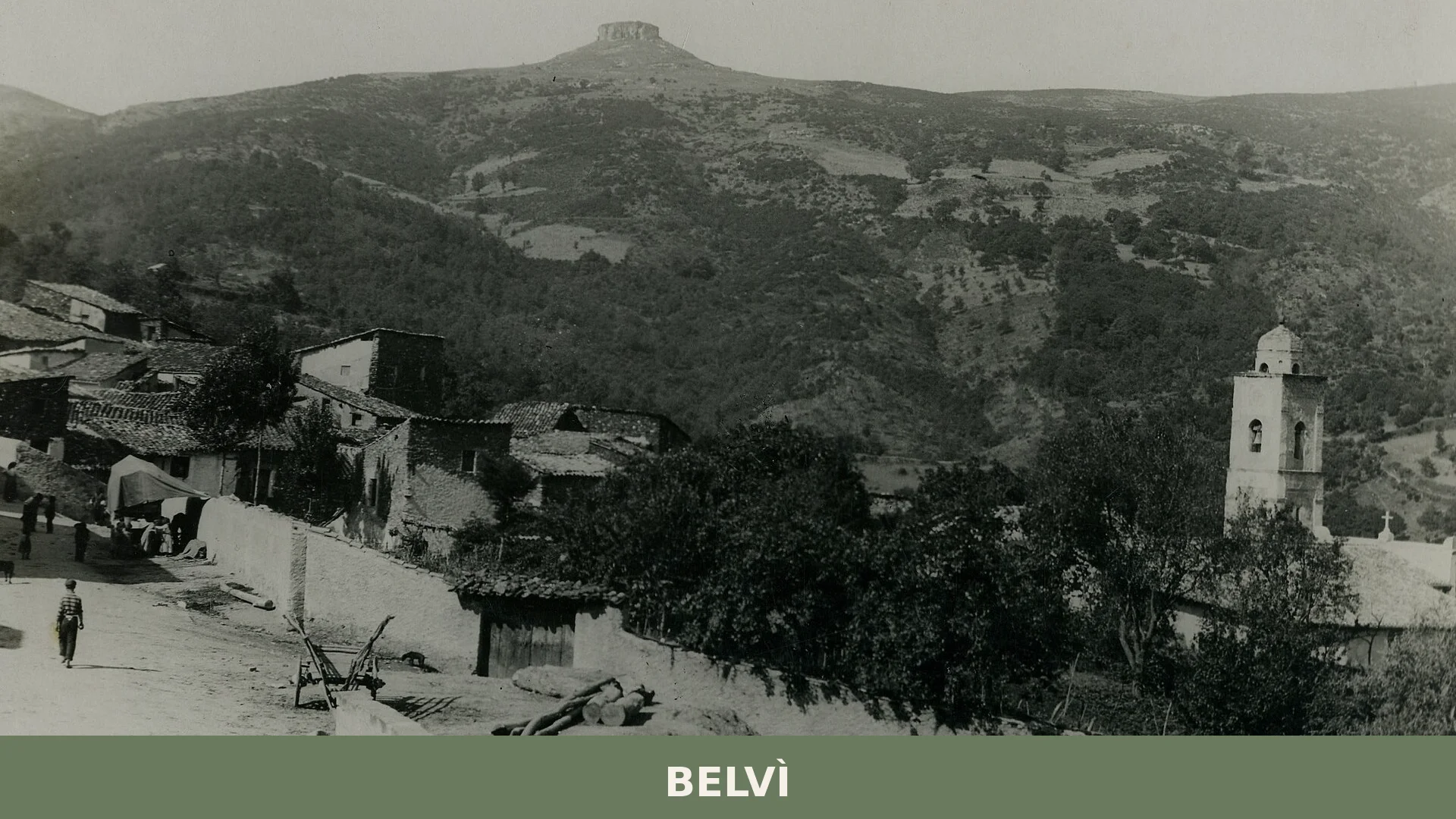

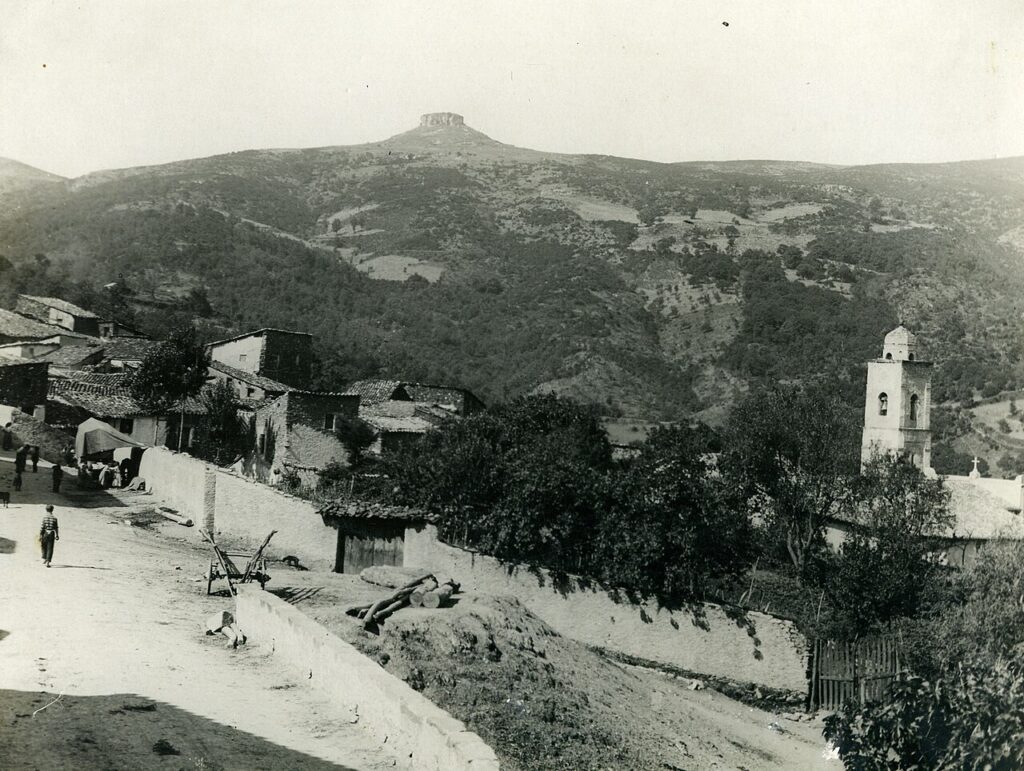
Belvì is a mountain comune in the province of Nuoro, Sardegna, at 669 metres above sea level, giving its name to the Barbagia di Belvì subregion and bordered by the Gennargentu massif.
Discover Belvì
Belvì is a mountain comune of 654 inhabitants in the province of Nuoro, Sardegna, set at 704 metres above sea level across roughly 18.1 square kilometres of forested slopes and rocky terrain at the edge of the Gennargentu range. The village gives its name to the surrounding subregion, the Barbagia di Belvì, and sits some 69 kilometres from Nuoro, framed to the west by the limestone formations known as Tonneri and to the east by the ancient schist ridges that climb toward Punta La Marmora.
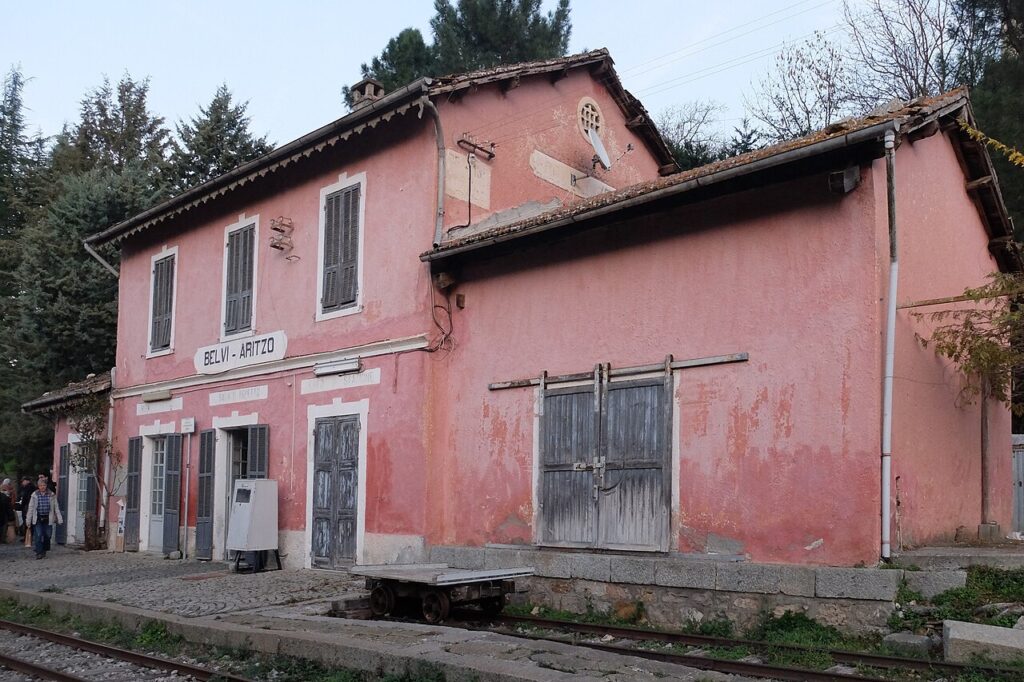
Belvì village in Sardinia rewards travellers who seek out quiet landscapes and authentic rural life rather than coastal crowds. A narrow-gauge railway — the Isili–Sorgono line managed by ARST — threads through the area, with the Belvì-Aritzo station active mainly in summer and for tourist groups, offering a scenic approach through chestnut, hazel and oak woodland. The village is also a starting point for exploring the Parco Nazionale del Golfo di Orosei e del Gennargentu and sits along the Cammino di Santu Jacu, a pilgrimage route of more than a thousand kilometres.
Belvì village in Sardinia: history and origins
Belvì is a Sardinian village whose human presence stretches back to the Neolithic period, documented by utensils and ceramics spanning from that era through to the Romanesque age, while the surrounding woodlands still conceal numerous domus de janas — the ancient rock-cut tombs the local tradition calls “houses of witches or fairies.”
During the medieval period Belvì formed part of the Giudicato d’Arborea, belonging first to the curatoria of the Barbagia di Meana, then in the fourteenth century transferred to the curatoria of the Mandrolisai. In 1388 the village passed under Aragonese rule, becoming part of the Signoria della Barbagia di Belvì, a feudal arrangement that endured for roughly four and a half centuries.
Churches, Stone Lanes, and Natural Sites in Belvì
Belvì has three churches, a historic centre built from local schist stone, prehistoric rock-cut tombs in the surrounding woodland, a naturalistic oasis, a working heritage railway station, and a Museum of Natural Sciences.
Church of Sant’Agostino
The parish church dedicated to Sant’Agostino was historically one of the few prominent structures in a village where most buildings were modest schist-and-mud constructions. No further details on its architecture are recorded in available sources.
Chiesetta di San Sebastiano
A small church dedicated to San Sebastiano. Beyond its name and presence in the village, the sources provide no additional description.
Church of Santa Margherita
A third place of worship, named in local records without further descriptive detail.
Historic Centre and Lime Kilns
The old town reflects the traditional building practices of the Barbagia highlands: narrow, winding streets once paved with material salvaged from footpaths and the residue of lime kilns. Belvì historically produced considerable quantities of lime for export. The surviving kilns — used for lime, roof tiles, bricks, and floor tiles — are among the civil heritage sites the village preserves.
Domus de Janas
Prehistoric rock-cut tombs, known in Sardinia as domus de janas, are found in the woods surrounding Belvì, alongside other finds — tools and ceramics — spanning from the Neolithic period through the Romanesque era.
Oasi Naturalistica SIC “Su de Maccioni–Texile di Aritzo”
This protected natural area includes Punta Tonnai and the summit pine forest of Pitz’e Pranu. It forms part of the broader landscape defined to the west by the limestone formations known as Tonneri or Mezeddos, and to the east by the ancient schist ridges of the Gennargentu chain, rising toward Punta La Marmora at around 704 metres above sea level.
Stazione di Belvì-Aritzo and the Trenino Verde
Located in the western part of the village, the station serves the Isili–Sorgono narrow-gauge railway, managed by ARST and used since the late twentieth century exclusively for tourist purposes. It operates mainly in summer and for organised group journeys. David H. Lawrence passed through on this line in the early nineteen twenties, recording the experience in Sea and Sardinia.
Museo di Scienze Naturali
The Museum of Natural Sciences came into being around 1980, promoted by the Associazione Amici del Museo. Its collections trace back to fieldwork carried out in the nineteen seventies by Professor Friedrich Reichsgraf von Hartig, an internationally recognised specialist in entomology and ecology who gathered naturalistic specimens in the Belvì area.
Flavours of Belvì and the Barbagia di Belvì Territory
The area around Belvì sits within a rich Sardinian food tradition anchored by several certified products, most notably Pecorino Sardo DOP, Fiore Sardo DOP, Pecorino Romano DOP, and Agnello di Sardegna IGP — staples of the pastoral economy that defines this stretch of the Nuoro province. These are regional and provincial products, deeply rooted in the landscapes surrounding the village rather than exclusives of Belvì itself.
The local wine landscape is anchored by the Mandrolisai DOC, whose vineyards grow in the same mid-mountain territory that frames Belvì, along with the Barbagia IGT and Provincia di Nuoro IGT denominations. Among traditional distilled and fermented drinks, the area is associated with a range of Sardinian PAT products including Filu e ferru (the island’s characteristic grape-based spirit), liquori di cardo selvatico, and beverages derived from genziana and figs.
The wooded terrain around Belvì — planted with hazelnuts, walnuts, chestnuts and holm oaks — lends a distinctly forested character to local gathering traditions, even if no single hyper-local product carries a formal certification tied to the comune alone.
Reaching Belvì and Planning Your Stay in the Barbagia Highlands
Belvì is most easily reached by road from Nuoro, the provincial capital, located approximately 69 km away, making it a manageable drive through the Sardinian interior; the village sits at 704 metres above sea level in a mountainous landscape best suited to visits from late spring through early autumn.
The comune is also served by the narrow-gauge railway line between Isili and Sorgono, managed by ARST, whose station — Belvì-Aritzo — sits on the western edge of the village. This line, active primarily in summer and for organised tourist groups, is the same route that the writer David H. Lawrence described in Sea and Sardinia (1921), and today it functions as a scenic tourist experience rather than a regular commuter service. Neighbouring Aritzo shares this station, making the two villages natural companions for a single itinerary in the Barbagia di Belvì.
The village’s central position within Sardinia means several major towns are within reach by car.
| Departure | Distance | Time |
|---|---|---|
| Nuoro | 69 km | approx. 1 hour |
| Oristano | 71 km | approx. 1 hour |
| Cagliari | 119 km | approx. 1 hour and 30 min |
| Sassari | 151 km | approx. 2 hours |
Walkers and pilgrims may also encounter Belvì along the Cammino di Santu Jacu, a long-distance route stretching some 1,371 km across Sardinia. The proximity of the Parco Nazionale del Golfo di Orosei e del Gennargentu — whose peaks, including Punta La Marmora at 1,834 m, rise to the east — makes the area a gateway for hiking in the Gennargentu massif. Visitors interested in a broader circuit of the inner province may also wish to explore Orotelli as part of a wider Nuoro province itinerary.
Frequently asked questions about Belvì
How do I reach Belvì by train?
Belvì is served by the Islille–Sorgono narrow-gauge railway, managed by ARST. The Belvì-Aritzo station operates primarily during summer months and for organized tourist groups. This scenic route winds through chestnut, hazel, and oak forests, offering an authentic approach to the village. Check ARST schedules in advance, as service is limited outside peak season.
When is the best time to visit Belvì?
Summer is ideal for visiting Belvì, when the narrow-gauge railway runs regularly and temperatures are mild at this 704-metre elevation. The Feast of Sant'Agostino on 28 August celebrates the village's patron saint with local traditions. Mountain landscapes are most accessible June through September, though spring and autumn offer quieter alternatives with pleasant weather.
What outdoor activities and trails are available in Belvì?
Belvì serves as a gateway to the Parco Nazionale del Golfo di Orosei e del Gennargentu, offering numerous hiking opportunities through the Gennargentu range. The village sits along the Cammino di Santu Jacu, a pilgrimage route spanning over 1,000 kilometres. The forested slopes and rocky terrain surrounding Belvì provide excellent terrain for mountain exploration and nature walks.
How long should I plan to spend in Belvì?
A day visit allows exploration of the village and nearby natural sites. However, staying overnight or two days is recommended to fully appreciate the mountain landscape, undertake hiking routes into the Gennargentu area, and experience local rural culture. The location serves well as a base for broader exploration of the Barbagia di Belvì subregion.
What is special about Belvì's geographical location?
Belvì sits at 704 metres elevation at the edge of the Gennargentu range, framed by distinctive limestone formations called Tonneri to the west and ancient schist ridges to the east leading toward Punta La Marmora. The village commands roughly 18 square kilometres of forested slopes and rocky terrain, positioning it uniquely between mountain landscapes and access to coastal national park areas.
📷 Photo Gallery — Belvì
In Sardinia More villages to discover
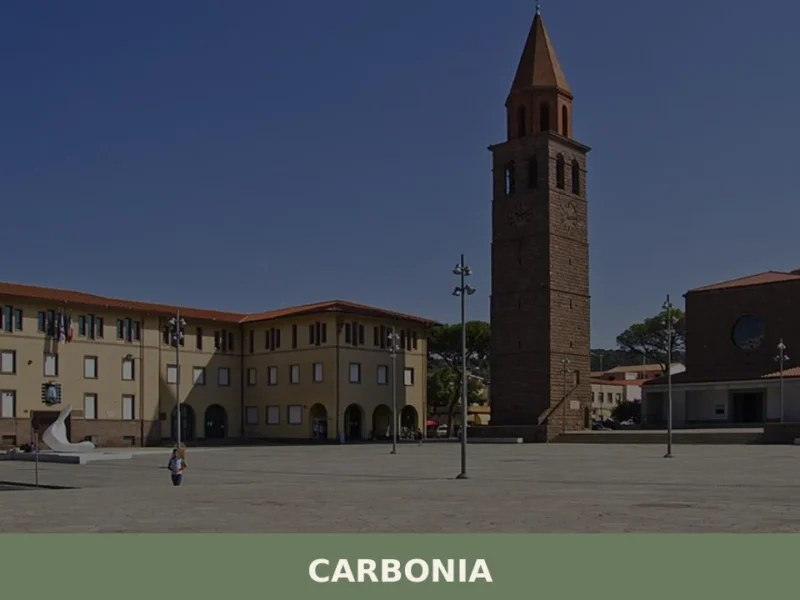
Carbonia
 Plains
What to see in Carbonia: 28,684 residents, rationalist architecture, and Nuragic sites in Sulcis Iglesiente. Plan your visit to the Coal Museum and Monte Sirai.
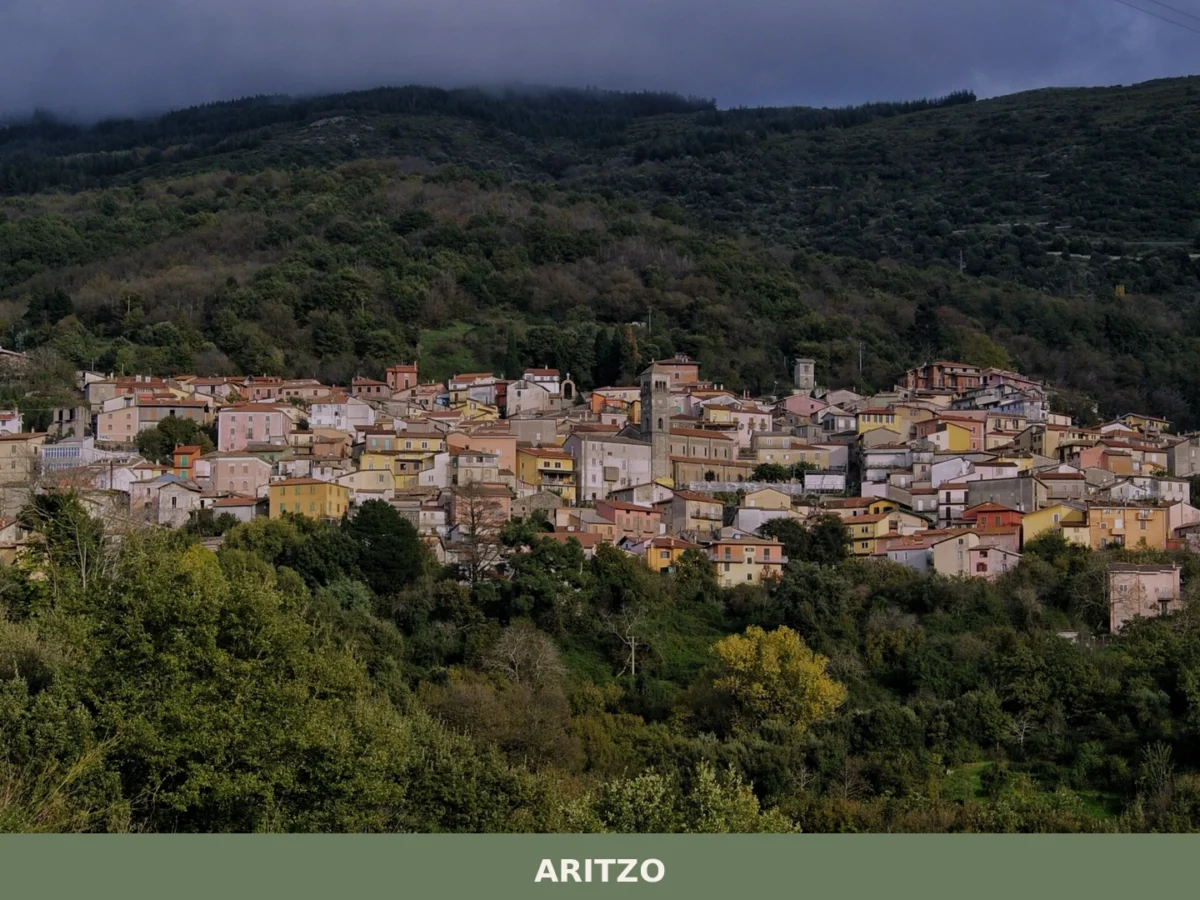
Aritzo
 Mountain
What to see in Aritzo, Italy: Explore a village of 1,272 residents in Sardegna, located 80 km from Cagliari. Discover its unique demographics and geographical setting.
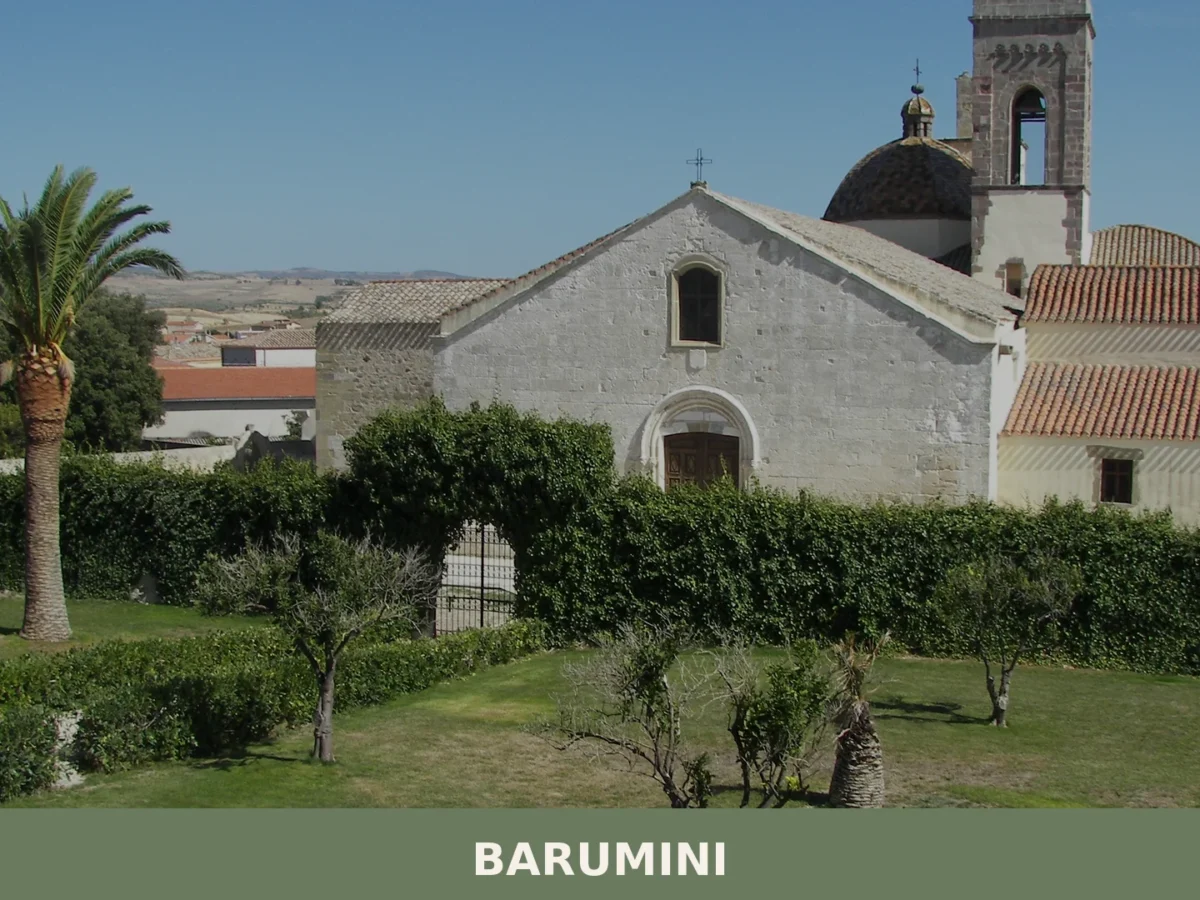
Barumini
Plains
Barumini is a small Sardinian comune in the Marmilla whose UNESCO-listed nuragic complex of Su Nuraxi and a seventeenth-century palace museum make it one of the island's most concentrated cultural des
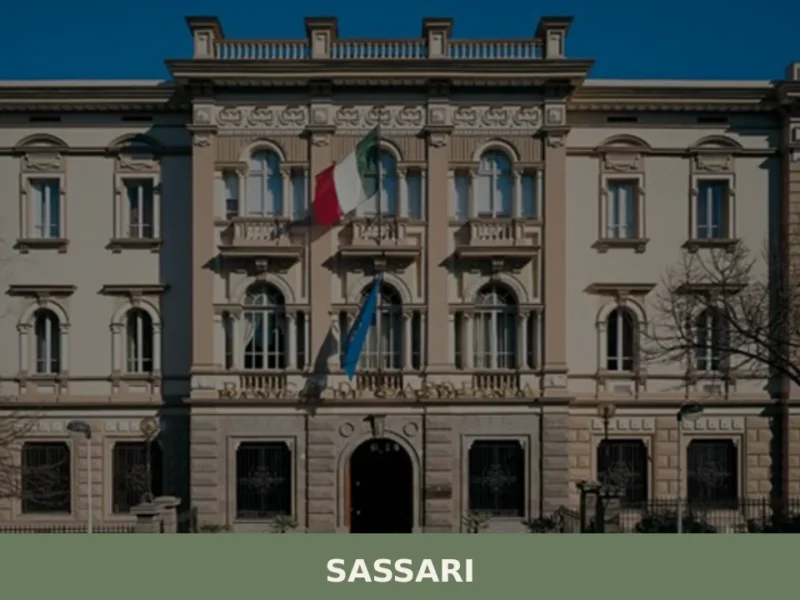
Sassari
 Sea
Sea
Discover Sassari, a captivating village in Sardegna, Italy. Explore its rich history, vibrant culture, stunning architecture, and authentic Italian charm.
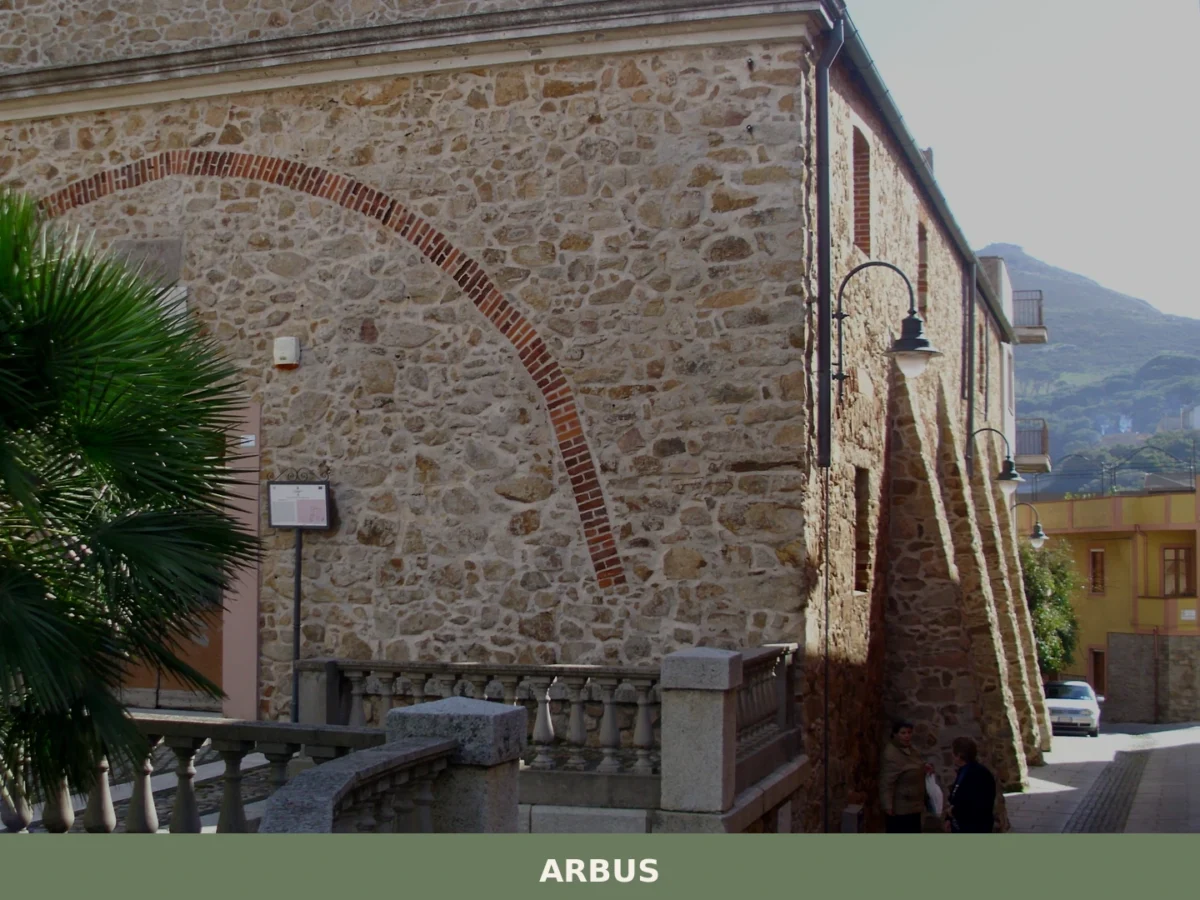
Arbus
 Hills
Hills
What to see in Arbus, Sardegna, Italy: explore coastal cliffs, historic mining sites and local food traditions. Discover the best of this South Sardinia village.
Lanusei
Sea
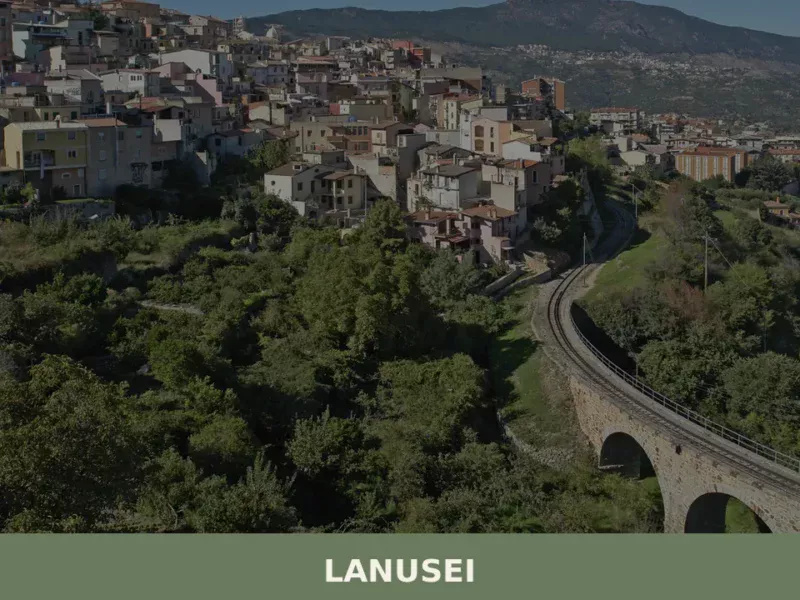
What to see in Lanusei, a Sardinian town at 595 m with 5,468 residents. Visit the Cathedral of Santa Maria Maddalena, the Natural History Museum and Gorropu Gorge. Plan your trip now.
Alà dei Sardi
Mountain
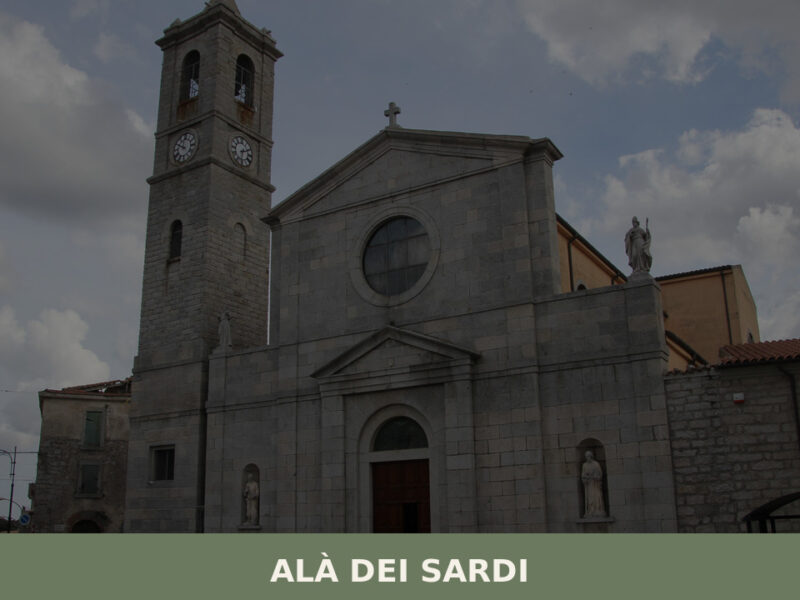
Morning mist rolls off the granite plateau and settles in the narrow streets, carrying the smell of woodsmoke and fresh bread from a communal oven that has not changed position in two centuries. At 663 metres above sea level, the air here is thinner, cooler, and quieter than on the coast below. Alà dei Sardi […]
Anela
Hills
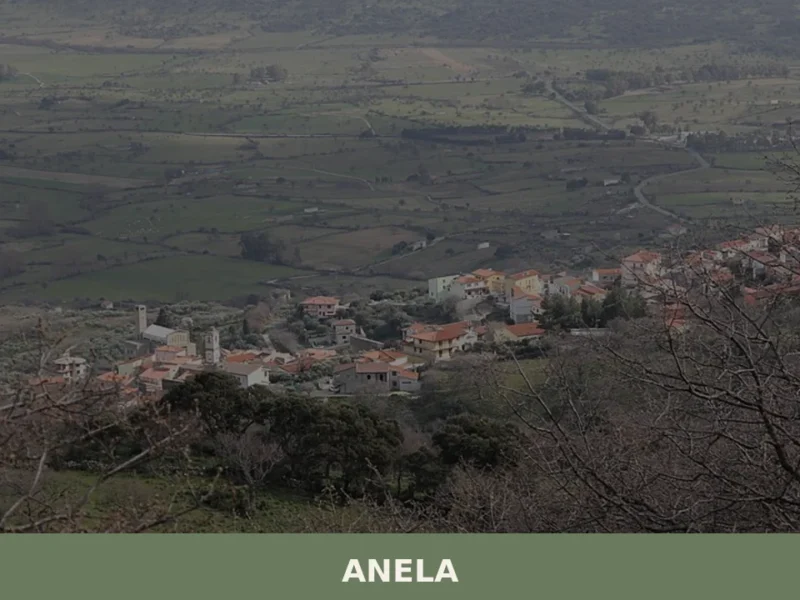
Discover what to see in Anela, Sardinia: Neolithic tombs at Sos Furrighesos, the Chiesa di San Giorgio, highland forests, and authentic pastoral cuisine.
Aidomaggiore
Hills
A village of 465 people anchored in Sardinian medieval history and Nuragic archaeology. Visit for unmediated landscape, ancient tombs, and rural traditions.
Benetutti
Hills
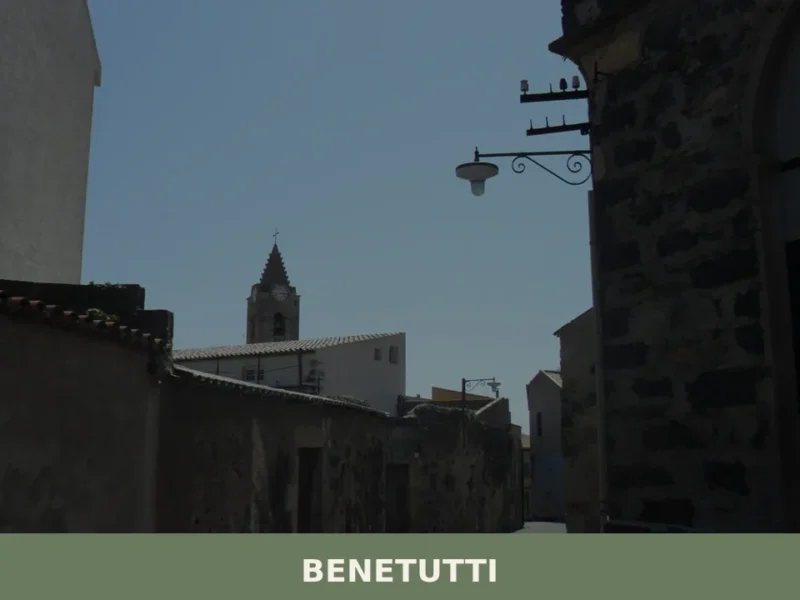
The thermal springs of San Saturnino, known since Roman times for their waters emerging at 43°C, define the identity of Benetutti more than any other element. This village of 1,686 inhabitants, at 406 metres above sea level in the province of Sassari, occupies a stretch of the Rio Tirso valley between granite formations and expanses […]

🏡 Know Belvì better than we do?
If you’re a local or have been there, your knowledge matters: add what’s missing or fix a detail on this page.