


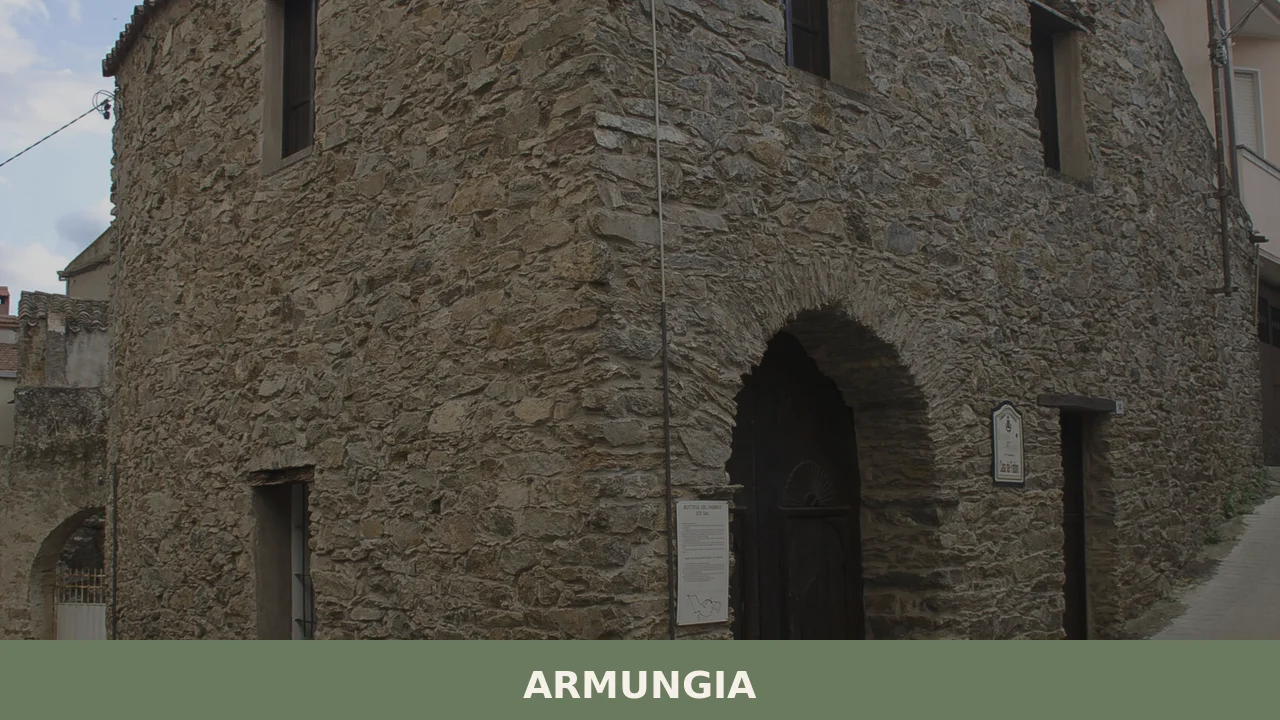

490 residents, three interconnected museums and a Bronze Age nuraghe accessible from the village centre make Armungia a concentrated cultural stop in inland Sardinia.
Armungia village in Sardinia: identity, history and landscape of the Gerrei
Stone walls catch the morning light at 355 metres above the Gerrei plateau, and the silence between one house and the next carries the particular weight of a place that has never needed to perform for visitors. The old centre holds its geometry well: narrow lanes, granite thresholds, a blacksmith’s workshop preserved exactly as it stood a century ago, and a Bronze Age tower that rises at the edge of the built fabric as though the village simply grew around it without asking permission.
Armungia village in Sardinia sits in the metropolitan area of Cagliari, roughly 65 kilometres from the regional capital, in the subregion historically known as the Gerrei. With a population of around 490, it offers visitors something rarer than a scenic viewpoint: a coherent, readable account of how a small Sardinian community lived, worked and remembered itself across many centuries, told through a museum system, a nuraghe and a pilgrimage route that together give the territory real cultural weight.
Armungia village in Sardinia: history and territory
The Gerrei is one of the inland subregions of Sardinia that historians have found difficult to date with precision. Settlement in this part of the island goes back at least to the Bronze Age, as the nuraghe within the village boundary confirms, but the written record thickens only from the medieval period onward. The elevated terrain at 355 metres would have offered practical advantages for any community seeking to manage the land below and monitor movement through the valley. The hill position is not a decorative accident: it reflects a logic of control and visibility that recurs across Sardinian inland settlements.
By the nineteenth century, Armungia had developed a recognisable civic structure. The old municipal palace, built around the mid-nineteenth century, housed the local granary and the primary school, and the same classrooms were attended by Emilio Lussu, who would become one of the most significant political and literary figures of twentieth-century Sardinia. His connection to the village is not incidental: it is the thread that links the local memory of a rural community to a much broader national and European story of antifascist resistance and democratic rebuilding. The museum dedicated to Emilio Lussu and his wife Joyce Lussu is now part of the village museum system, keeping that connection alive in a concrete and publicly accessible form.
The artisan economy left its own record in the built fabric. The blacksmith’s workshop, documented from the early nineteenth century, reflects the central role that metalworking played in a community dependent on working animals and agricultural tools. When the building was converted to an active smithy in 1928, it joined a layer of local economic history that the village has since chosen to preserve rather than erase. The municipality covers a surface of roughly 55 square kilometres, a territory large enough to include open pasture, scrubland and the geological formations typical of the Gerrei, but compact enough that most of what defines the commune can be reached on foot or by a short drive from the centre.
The places that define the village
Museo Emilio e Joyce Lussu
The museum dedicated to Emilio and Joyce Lussu occupies a building in the historic centre and documents the human, political and literary lives of the two figures through personal objects, documents and editorial materials. Emilio Lussu grew up in Armungia and attended the primary school housed in the adjacent old municipal palace. The museum situates his story within the specific geography and social fabric of the Gerrei, making the connection between biography and place concrete rather than symbolic. It belongs to the village museum system, which means a single visit can combine it with the other collections on a short circular route through the centre.
Museo Bottega del Fabbro
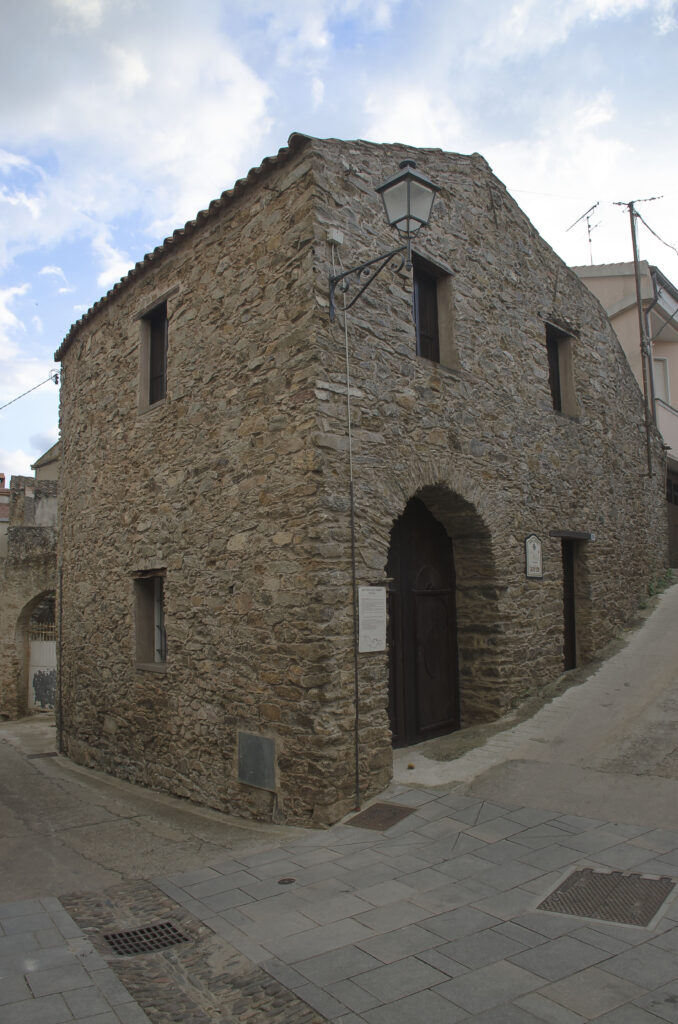
The blacksmith’s workshop stands in the part of the old centre where artisan activity was historically concentrated. The building dates to the early nineteenth century: it began as the home of the Vellini family and was converted into a working smithy in 1928. The stone structure has been restored using the original materials and building techniques. Inside, the ground floor preserves the traditional spaces of su ferreri, the Sardinian ironworker: the portico with the wooden frame used for shoeing working animals, the forge for metalworking, and the tools arranged as they would have been during active use. The two-storey building is small but precise in what it communicates about everyday working life.
Sa Domu de is Ainas
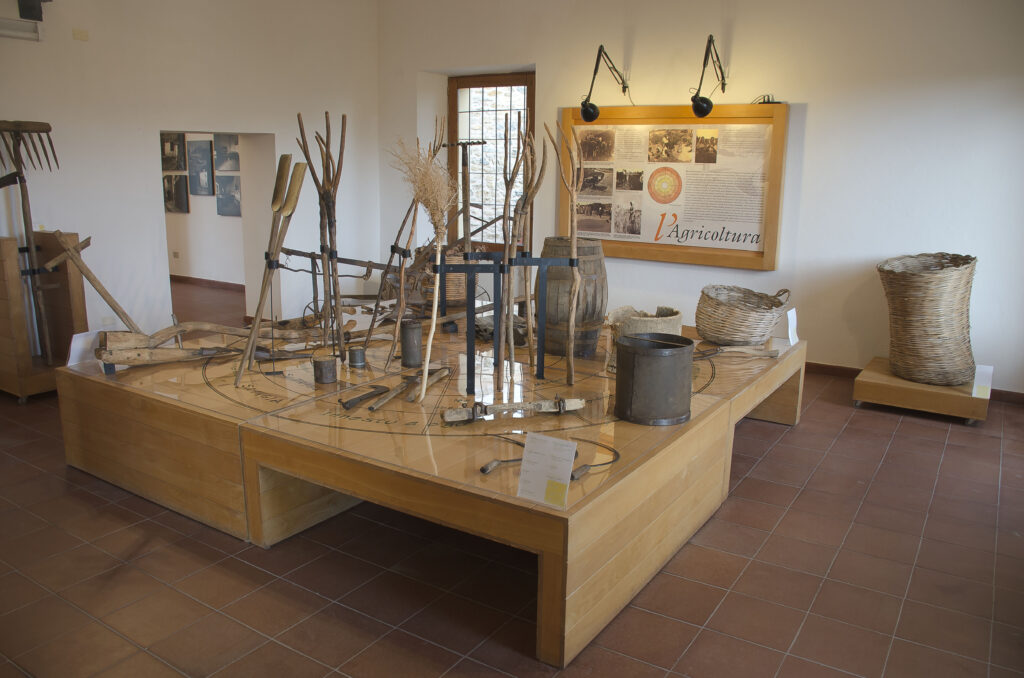
The name translates literally as the house of the work tools, and the collection it holds reflects exactly that purpose. Sa Domu de is Ainas occupies the old municipal palace, the same nineteenth-century building that once housed the local granary and the primary school. The exhibition is organised around the agricultural and domestic implements that defined rural life in the Gerrei across several generations. The museum forms part of the Armungia museum system alongside the blacksmith’s workshop and the Lussu museum, and it connects directly to the Nuraghe Armungia, which visitors can access from within the museum itself.
Nuraghe Armungia
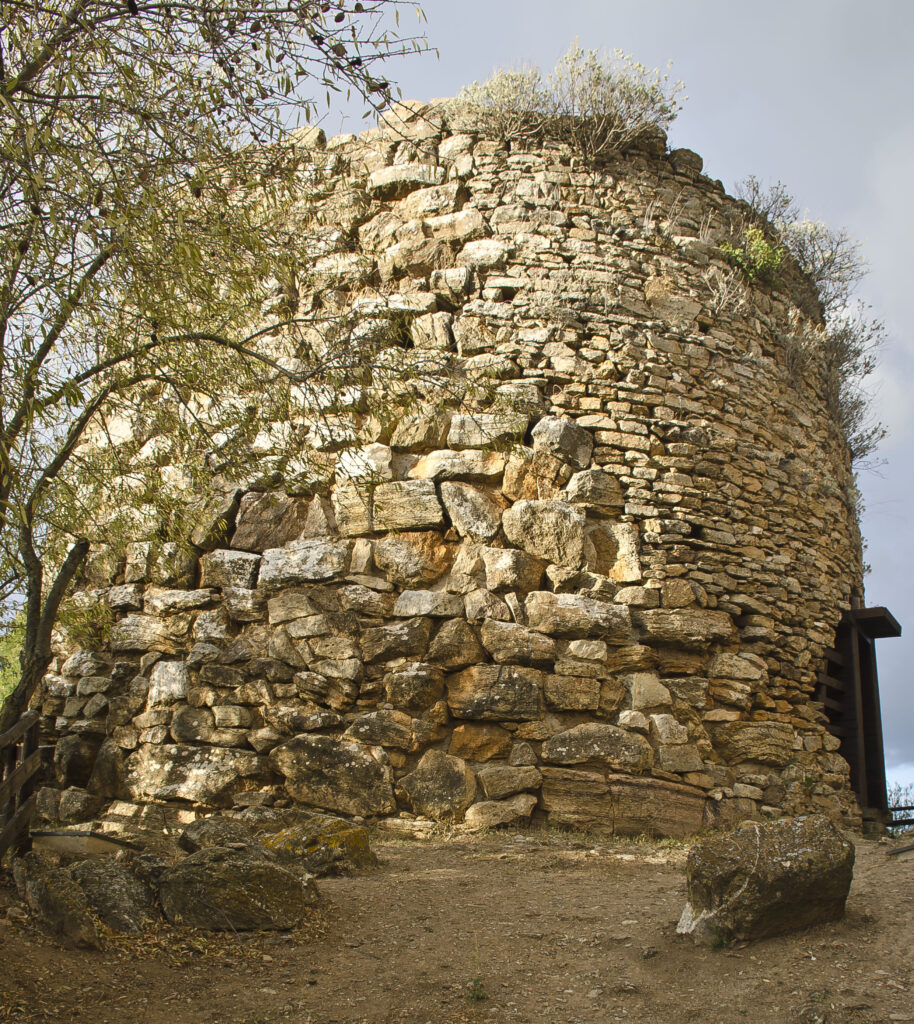
The Bronze Age tower known as the Nuraghe Armungia stands within the village boundary and can be reached directly through Sa Domu de is Ainas. Its presence inside a functioning commune is a result of the elevated terrain the builders chose: the same hill logic that served medieval and early modern communities had already served Bronze Age ones. The tower is a material trace of continuous human interest in this particular piece of ground, and its accessibility from the museum makes it an integral part of the cultural itinerary rather than a separate excursion. Visitors arriving at the museum will find the nuraghe included in the same visit.
The primary school that Emilio Lussu attended as a child was held in the same building that now houses Sa Domu de is Ainas, the museum of agricultural tools — a coincidence of function that condenses several layers of Armungia’s history into a single address.
Flavours of the Gerrei territory
The food culture of Armungia reflects the pastoral and agricultural character of the Gerrei. The broader territory is associated with several protected designations: Agnello di Sardegna IGP, Pecorino Sardo DOP, Fiore Sardo DOP and Culurgionis d’Ogliastra IGP circulate across this part of inland Sardinia, though they belong to a wider provincial and regional production area rather than to the village alone. The same is true of the local wines: the Cagliari DOC and Ogliastra IGT denominations cover the surrounding territory and appear on tables throughout the area. Traditional distillates such as filu e ferru, the clear spirit whose name refers to the wire used to mark buried bottles, are part of the same rural tradition.
Visitors looking for a more focused experience of local food should seek out agritourism producers in the Gerrei rather than expecting a concentrated gastronomic offer within the village itself. The territory rewards patience and direct contact with producers more than it rewards a list of restaurant recommendations.
When to visit and how to reach Armungia
Spring and early autumn are the most comfortable seasons for a visit. Between April and June the Gerrei landscape is green and the temperatures at 355 metres remain moderate, making it well suited to walking between the museum sites and exploring the surroundings on foot. The summer months bring heat to the inland areas of Sardinia, but the altitude provides some relief compared to the coast. The feast of the Madonna Immacolata, patron saint of the village, marks an important point in the local calendar and draws residents back from other parts of Sardinia.
The Cammino di San Giorgio Vescovo, a pilgrimage route of around 500 kilometres, passes through this part of Sardinia and connects Armungia to a broader network of cultural and religious itineraries across the island. Walkers following the route will find the village a natural stopping point for the museum system before continuing through the Gerrei.
Armungia is best reached by car. The road network in the Gerrei requires flexibility, and public transport connections to the village are limited. From Cagliari, the drive covers approximately 65 kilometres and takes around 1 hour and 15 minutes, depending on the route taken through the inland roads. From Lanusei, on the Ogliastra side, the distance is approximately 50 kilometres and the journey takes around 1 hour. Travellers coming from Sanluri or Nuraminis to the west can combine the visit with other stops in the Campidano area before turning inland toward the Gerrei. Those arriving from the north, perhaps after visiting Aritzo, will find the drive through the Barbagia and Ogliastra highlands a rewarding approach to the village.
| Departure | Distance | Time |
|---|---|---|
| Cagliari | approx. 65 km | approx. 1 hour 15 minutes |
| Lanusei | approx. 50 km | approx. 1 hour |
| Sanluri | approx. 80 km | approx. 1 hour 30 minutes |
If you arrive by car, parking is available near the village centre without difficulty. The museum system is compact enough to cover in a single morning, leaving the afternoon free for the surrounding Gerrei landscape or a drive toward the neighbouring communities of the inland Sardinian plateau.
Frequently asked questions about Armungia
How far is Armungia from Cagliari and how do I get there by car?
Armungia is located 65 kilometres from Cagliari in the Gerrei sub-region of south-central Sardinia. The village sits at 366 metres above sea level. By car, take the road towards the inland Gerrei territory from Cagliari. The journey takes approximately 1.5 hours depending on traffic and road conditions. The drive offers views of Sardinia's mountainous interior landscape.
When is the best time to visit Armungia?
Armungia celebrates its patron saint, Madonna Immacolata (Immaculate Mary), on 8 December, making this an excellent time to experience local traditions and festivities. Spring and autumn offer pleasant weather for exploring the village and surrounding trails. The elevated altitude of 366 metres provides cooler temperatures than coastal Sardinia, making it ideal for hiking year-round except during winter months.
What outdoor activities and trails are available near Armungia?
The hilly landscape surrounding Armungia features documented trails connecting the village centre to the countryside. These pathways are walkable and accessible for hikers of varying levels. The terrain reflects Sardinian mountainous geography. While specific CAI (Italian Alpine Club) routes require verification from local tourism offices, the village serves as an excellent base for exploring the rugged Gerrei inland territory.
What historical attractions can I visit in Armungia?
Armungia offers nuragic structures dating to prehistoric periods in the surrounding territory, evidence of ancient Sardinian civilisation. The village features a historic parish church and an ethnographic museum documenting rural life in the Gerrei region. These attractions provide insight into both prehistoric and traditional mountain culture, making Armungia ideal for those interested in authentic inland Sardinia.
📷 Photo Gallery — Armungia
In Sardinia More villages to discover
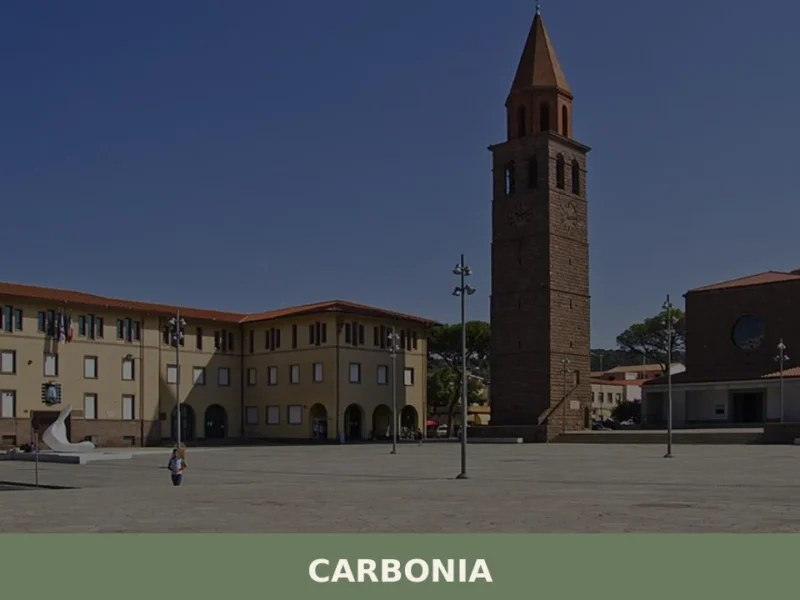
Carbonia
 Plains
What to see in Carbonia: 28,684 residents, rationalist architecture, and Nuragic sites in Sulcis Iglesiente. Plan your visit to the Coal Museum and Monte Sirai.
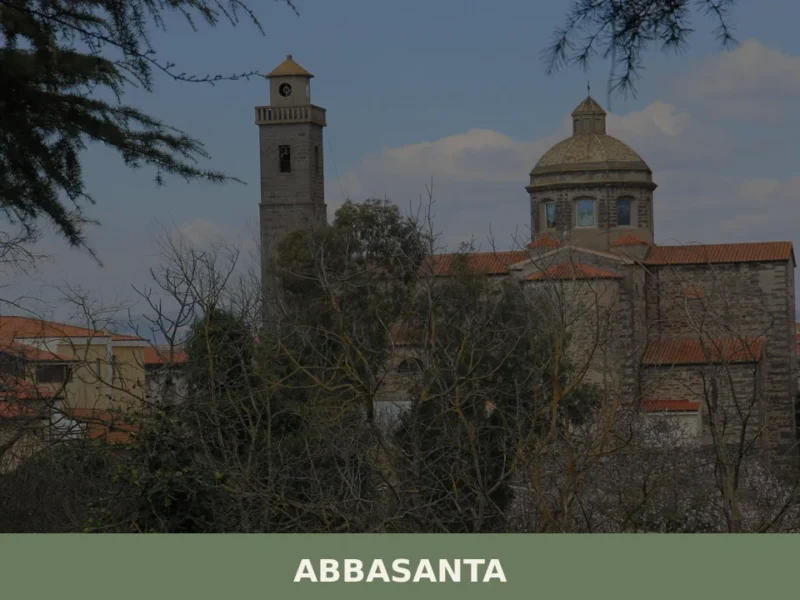
Abbasanta
 Hills
Hills
Scopri Abbasanta, affascinante borgo sardo ricco di storia, cultura e tradizioni. Un viaggio autentico nel cuore della Sardegna da non perdere.
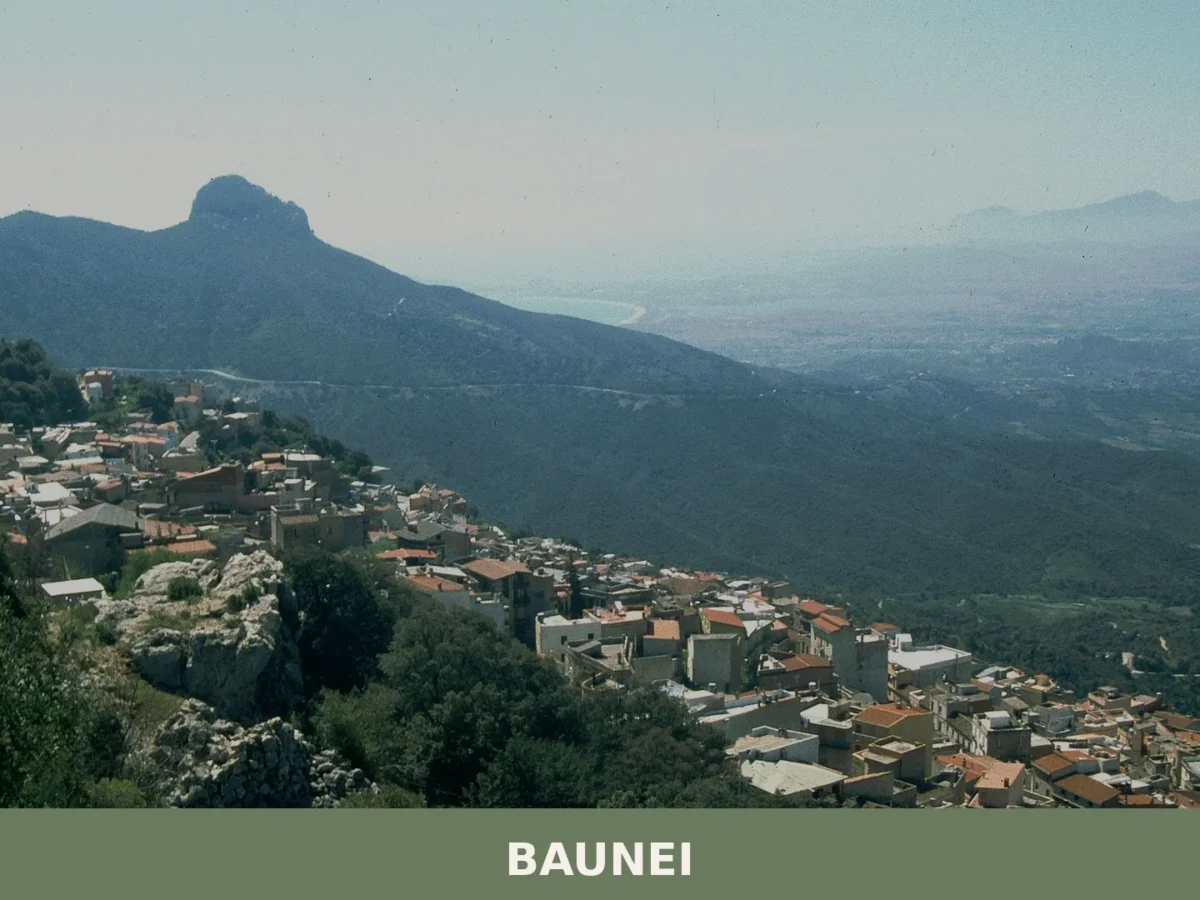
Baunei
Hills
Baunei is a commune of around 3,678 inhabitants in Ogliastra, eastern Sardinia, where a high calcareous plateau meets 40 kilometres of dramatic Tyrrhenian coastline inside a national park.
Bessude
Hills
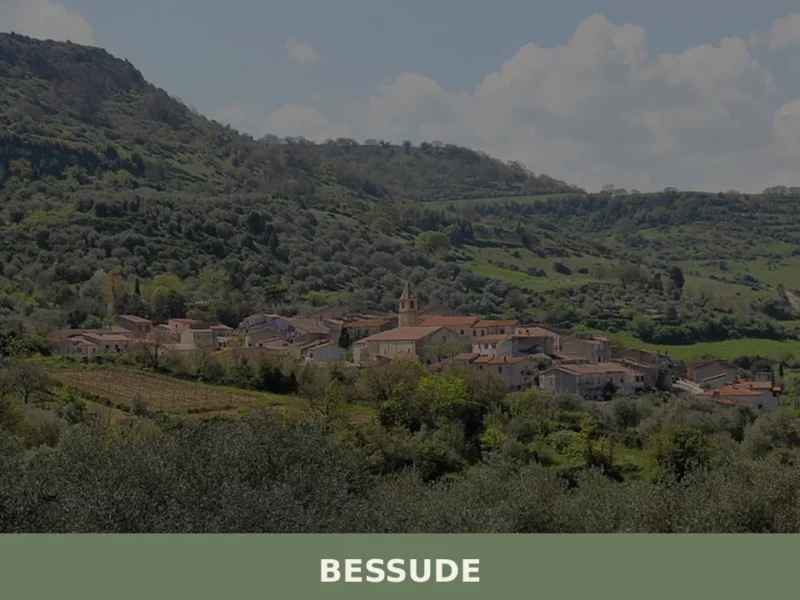
At 447 meters above sea level, with a population of 383 inhabitants as of 2023, Bessude is a small town in Logudoro-Meilogu, in the province of Sassari, whose existence is documented at least since 1341 in the Rationes Decimarum Sardiniae. The village, known for its hilly location and the Nuragic remnants that surround its territory, […]
Olbia
 Sea
Sea
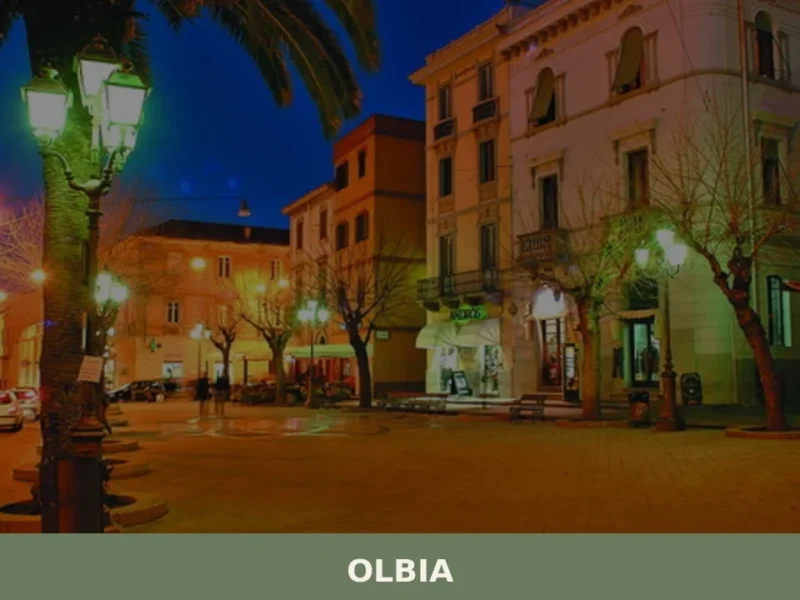
Discover Olbia, a charming village in Sardegna, Italy. Explore its rich history, stunning landscapes, and vibrant local culture in this Mediterranean treasure.
Sassari
Sea
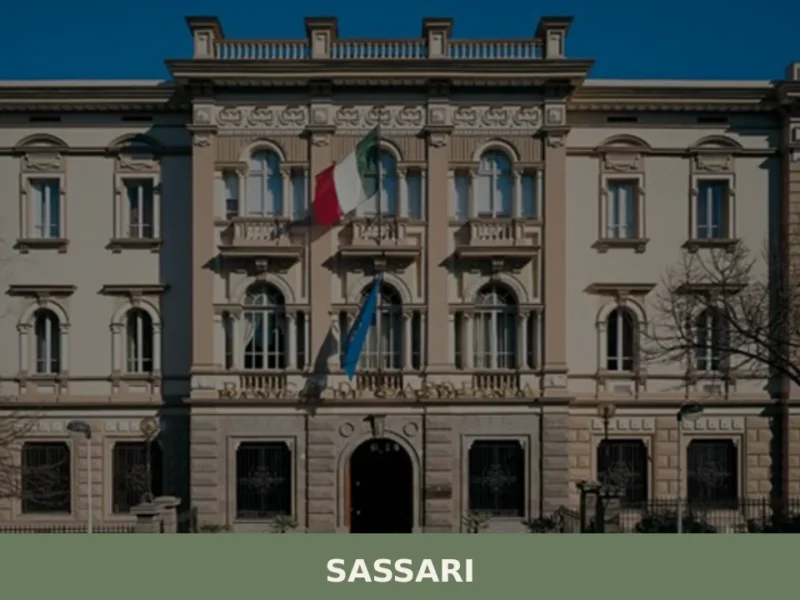
Discover Sassari, a captivating village in Sardegna, Italy. Explore its rich history, vibrant culture, stunning architecture, and authentic Italian charm.
Aritzo
 Mountain
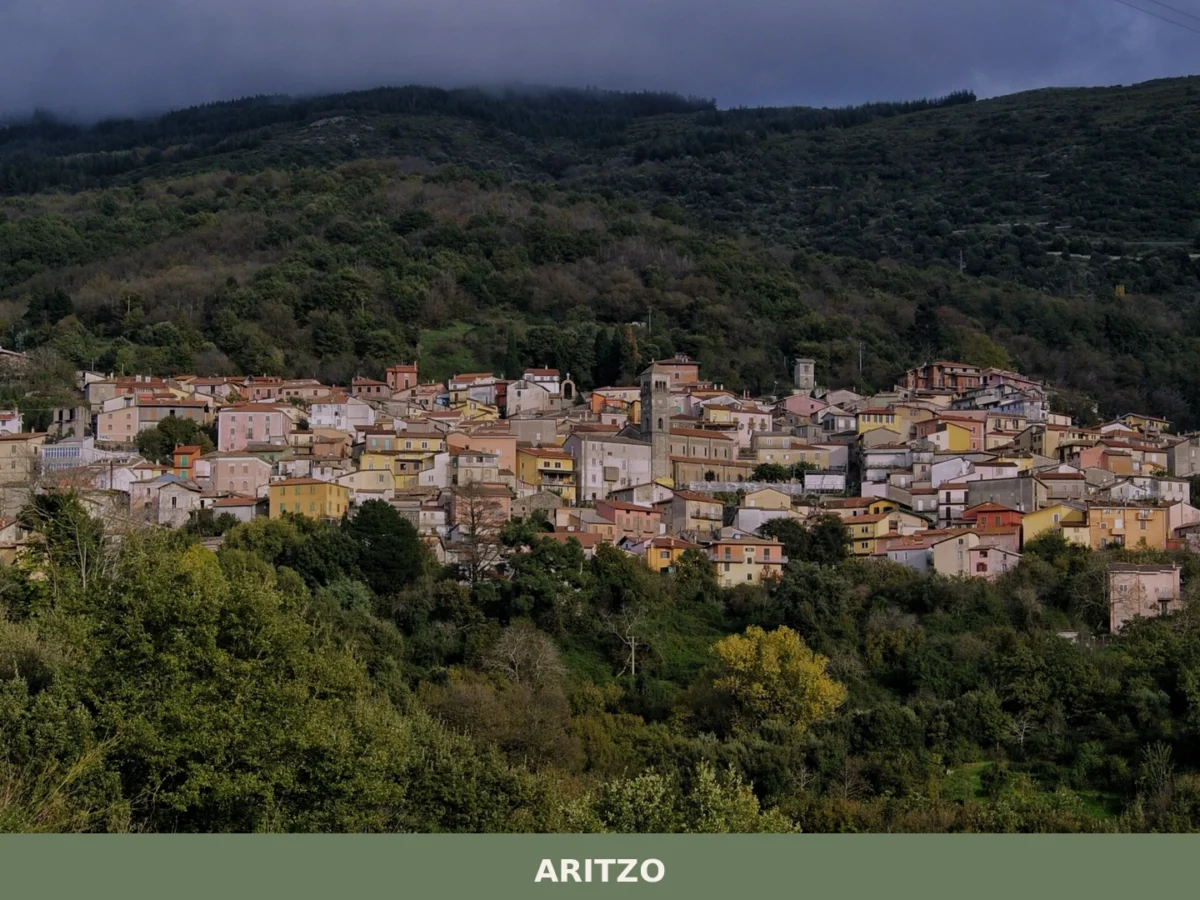
What to see in Aritzo, Italy: Explore a village of 1,272 residents in Sardegna, located 80 km from Cagliari. Discover its unique demographics and geographical setting.
Lanusei
Sea
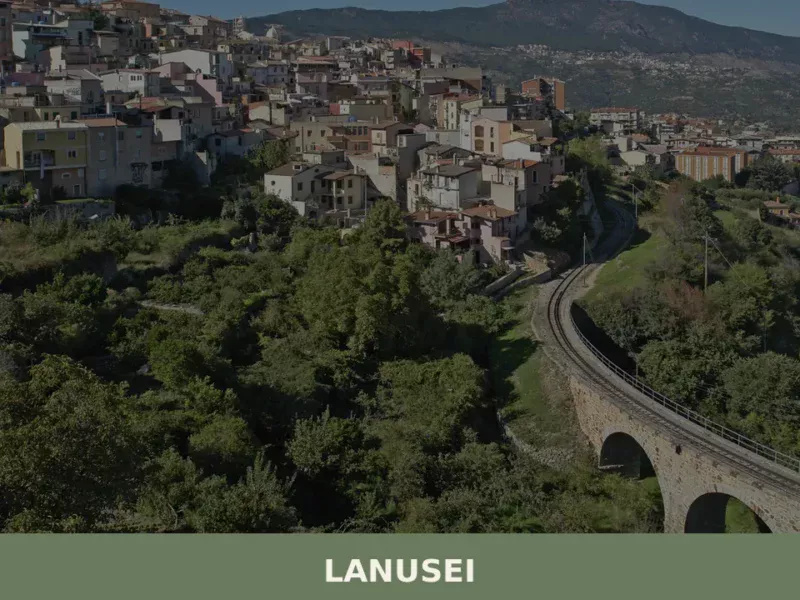
What to see in Lanusei, a Sardinian town at 595 m with 5,468 residents. Visit the Cathedral of Santa Maria Maddalena, the Natural History Museum and Gorropu Gorge. Plan your trip now.
Cagliari
Sea
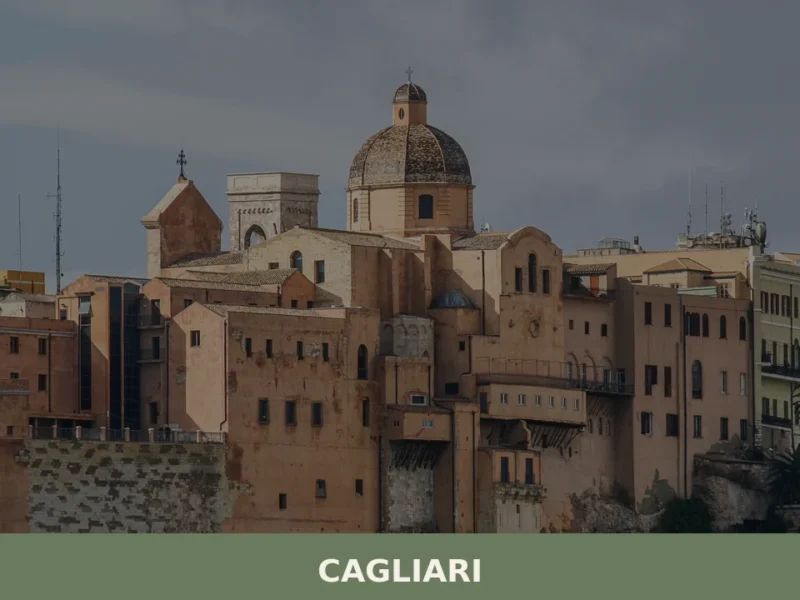
Discover Cagliari, a charming village in Sardegna, Italy. Explore its rich history, stunning landscapes, and local culture in the heart of Sardinia.
Nuoro
Hills
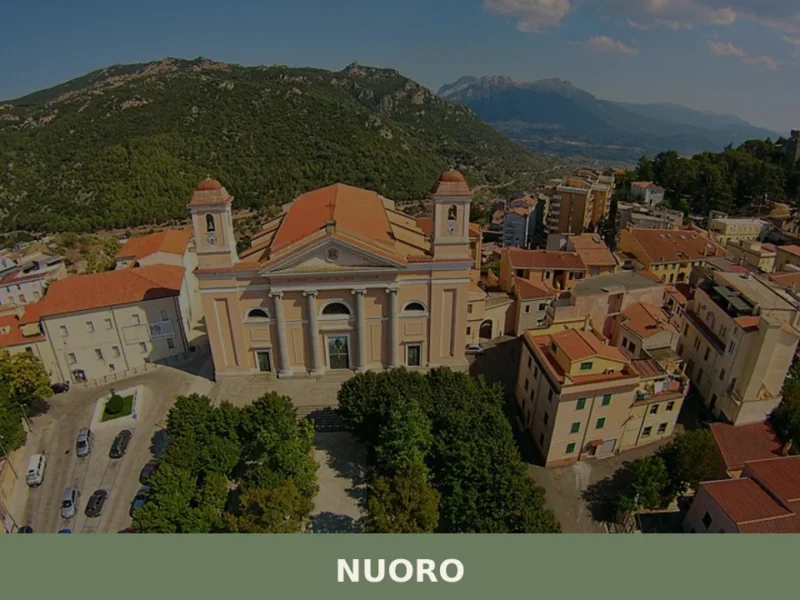
What to see in Nuoro: a city at 547m with 36,379 residents and birthplace of Nobel laureate Grazia Deledda. Explore museums, Monte Ortobene and Barbaricino cuisine. Plan your visit now.
🏡 Know Armungia better than we do?
If you’re a local or have been there, your knowledge matters: add what’s missing or fix a detail on this page.