


 Mountain
What to see in Aritzo, Italy: Explore a village of 1,272 residents in Sardegna, located 80 km from Cagliari. Discover its unique demographics and geographical setting.
Discover Aritzo
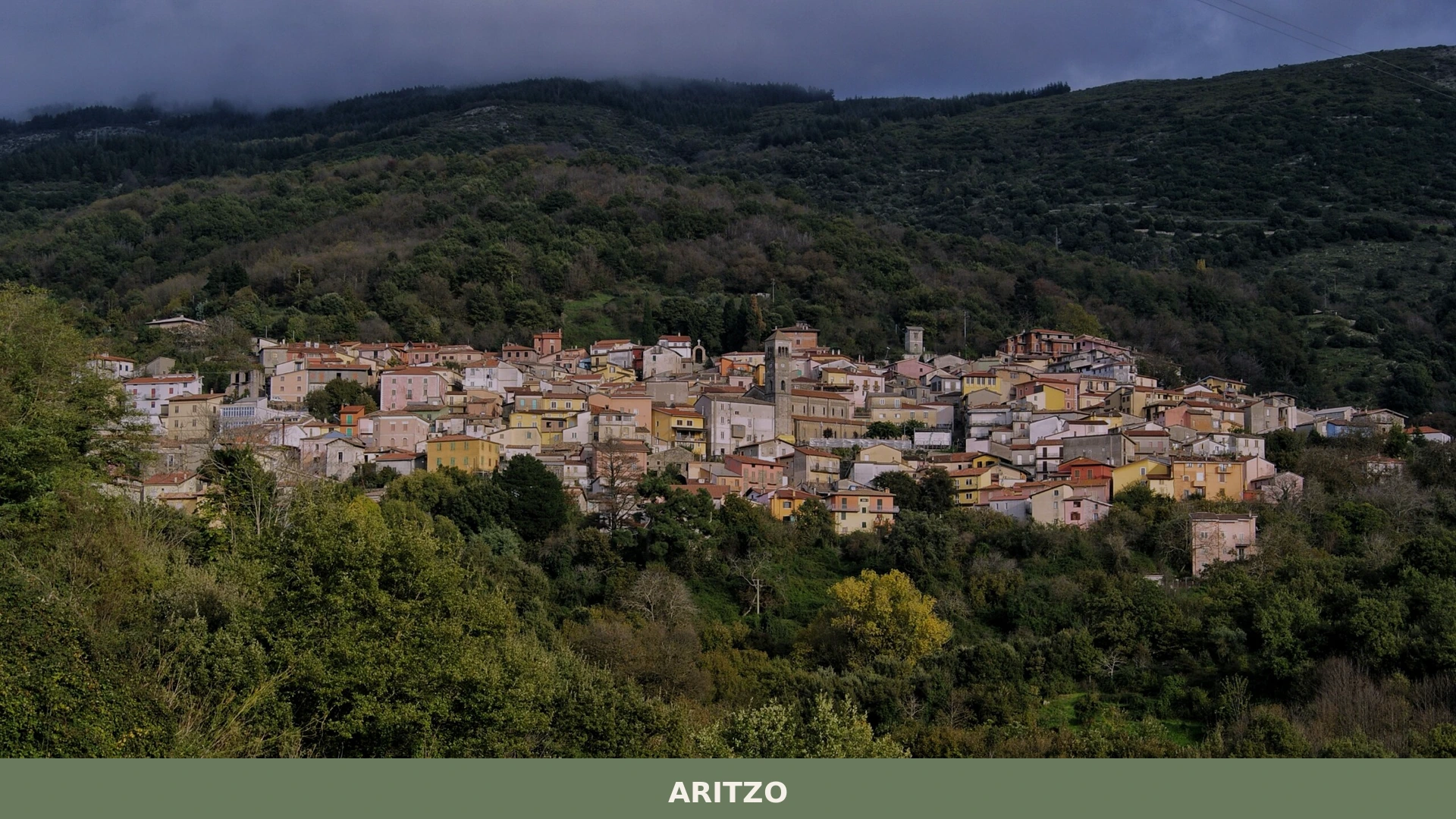
With a population recorded at 1,272 residents in 2026, Aritzo stands as a distinct community within the Province of Nuoro, on the autonomous island region of Sardinia in Italy. This village, situated approximately 80 kilometres (50 mi) north of Cagliari, maintains its character amidst the central Sardinian landscape.
Its modest size allows for a close-knit social fabric, defined by its specific demographic makeup and regional connections.
For those asking what to see in Aritzo, this Sardinian village, with its population of 1,272, offers a chance to observe its unique demographic composition and appreciate its location. Visitors to Aritzo find a community bordered by municipalities such as Belvì and Desulo, providing a clear understanding of its regional connections and local administrative structure. The Aritzo highlights include exploring its specific population data and appreciating its position in the Nuoro province.
History of Aritzo
The contemporary history of Aritzo, Sardegna, is best understood through its demographic profile, which provides a snapshot of the community as recorded in 2026. At that time, the village registered a total population of 1,272 inhabitants, reflecting its status as a smaller administrative entity within the province.
A detailed breakdown shows a male majority, comprising 59.4% of the population, while females accounted for 40.6%, indicating a specific gender distribution within the local populace.
Further analysis of the age structure reveals that minors constitute 10.4% of Aritzo’s residents, suggesting a relatively small younger generation. Conversely, seniors represent a significant portion at 27.4%, highlighting an aging population trend that is common in many rural Italian communities. These figures offer insights into the social dynamics and potential future challenges or opportunities for the village’s development and planning.
A more recent facet of Aritzo’s social evolution is visible in its immigration patterns, documented as of 2025. Out of 1,203 known residents by country of birth, the vast majority, 1,062 individuals (88.3%), were born in Italy, underscoring the strong local roots of the community. However, the presence of international residents adds a layer to the village’s identity, reflecting broader migratory trends that affect many European rural areas.
Significant groups among the foreign-born population include 60 individuals (5%) from Pakistan, 20 (1.7%) from Bangladesh, 10 (0.8%) from Afghanistan, and 7 (0.6%) from Nigeria.
These figures demonstrate Aritzo’s role, however modest, in hosting individuals from diverse global backgrounds, contributing to a slowly evolving cultural landscape within this Sardinian village. This influx, while numerically small, represents a notable shift in the village’s composition over time.
Aritzo’s administrative history is defined by its position within the Province of Nuoro, an affiliation that shapes its regional governance and identity. Geographically, the village is located approximately 40 kilometres (25 mi) southwest of Nuoro, the provincial capital, and about 80 kilometres (50 mi) north of Cagliari, the regional capital of Sardinia.
This dual proximity places Aritzo within a specific sphere of influence, connecting it to both local administrative hubs and the wider island infrastructure, much like how Sassari serves as another significant urban center in northern Sardegna.
The village shares its borders with several other municipalities, including Arzana, Belvì, Desulo, Gadoni, Laconi, Meana Sardo, and Seulo, outlining its historical and contemporary administrative boundaries. These bordering relationships imply shared regional interests and possibly historical ties with neighboring communities, forming a network of interconnected villages across the central Sardinian landscape. Understanding these relationships is key to comprehending Aritzo’s place in the broader Sardinian context and its administrative role.
What to see in Aritzo, Sardegna: top attractions
The Village’s Demographic Profile
Observing the distinct demographic profile of Aritzo offers a unique perspective for visitors interested in local community structures. As of 2026, the village recorded a population of 1,272 residents, with a notable male majority accounting for 59.4% of the total, shaping daily life and social interactions. This specific gender distribution provides a tangible element to explore, offering a real-world insight into rural Italian demographics.
Furthermore, the age distribution, showing 10.4% minors and 27.4% seniors, indicates a mature population, which can influence local traditions and the pace of life.
Visitors might notice the presence of different generations contributing to the village’s atmosphere, offering a real-world insight into rural Italian demographics. Paying attention to these figures provides a deeper understanding beyond mere numbers for those exploring what to see in Aritzo.
The Geographical Setting of Gennargentu
The geographical setting of Aritzo, situated in the Province of Nuoro, provides a compelling reason to understand what to see in Aritzo from a natural perspective. While specific natural landmarks are not detailed, its location approximately 40 kilometres (25 mi) southwest of Nuoro places it within the broader mountainous region of Gennargentu.
This area is known for its rugged terrain and natural beauty, offering a dramatic backdrop to the village’s existence.
The elevation and surrounding landscape, typical of inland Sardinia, invite visitors to appreciate the panoramic views and the distinct flora of the region. Exploring the immediate vicinity allows for an appreciation of the untouched natural environment that characterises this part of the island. Understanding this context helps visitors connect with the broader Sardinian wilderness and its unique ecological features.
The Network of Bordering Municipalities
A distinctive aspect of Aritzo is its position within a network of neighbouring communities, which can be explored as part of understanding what to see in Aritzo. The village borders Arzana, Belvì, Desulo, Gadoni, Laconi, Meana Sardo, and Seulo, forming a web of interconnected Sardinian settlements. These administrative boundaries represent historical and ongoing relationships between these local entities, each contributing to the regional identity and shared governance.
A visitor can gain insight into the intricate rural structure of Sardegna by observing how these villages relate to each other geographically.
Considering a day trip from Olbia, for example, would reveal a different coastal dynamic compared to Aritzo’s inland connections. Understanding these connections provides context to the village’s administrative and social fabric within the Nuoro province and its regional importance.
Sardinian Immigration Patterns
The immigration patterns of Aritzo offer a tangible aspect to consider when examining what to see in Aritzo, reflecting broader societal shifts. As of 2025, out of 1,203 known residents by country of birth, 1,062 (88.3%) were Italian-born, anchoring the village’s cultural identity.
This strong local foundation is complemented by a small but diverse international presence, indicating a subtle evolution in the community’s makeup over recent years.
Observing the contributions of residents from countries like Pakistan (60 individuals, 5%) and Bangladesh (20 individuals, 1.7%) provides a modern lens on local life. These newer influences, although numerically small, contribute to the contemporary social texture of Aritzo. Such demographic diversity can be a point of interest for visitors seeking to understand the changing face of rural Italy and its evolving communities.
The Proximity to Regional Hubs
The strategic proximity of Aritzo to significant regional hubs offers a practical element for visitors planning what to see in Aritzo and its surroundings. The village is located approximately 80 kilometres (50 mi) north of Cagliari, the regional capital, and 40 kilometres (25 mi) southwest of Nuoro, the provincial capital.
These distances frame Aritzo’s accessibility and its role within the wider Sardinian infrastructure, connecting it to major urban centers.
Understanding these connections is essential for planning travel and appreciating the village’s position within the island’s economic and cultural networks. The journey to or from these cities reveals the varied landscapes of central Sardinia, from coastal plains to the interior mountains. This geographical relationship makes Aritzo a potential waypoint for those exploring the heart of Sardegna, offering a glimpse into its varied topography.
Local food and typical products of Aritzo
Specific details regarding the traditional local food and typical products of Aritzo are not available within the provided authoritative sources. Therefore, it is not possible to describe particular dishes, ingredients, or culinary techniques unique to the village based on the given information. The absence of specific data means that any discussion of Aritzo’s gastronomy would necessarily be an invention, which is contrary to the strict guidelines for this official guide.
This commitment to factual reporting ensures that visitors receive only verified information about the village.
In the broader context of Sardegna, however, the island’s culinary traditions are generally known for their emphasis on robust, earthy flavours, often featuring local meats, cheeses, and durum wheat pasta. While Aritzo undoubtedly participates in these wider Sardinian customs, without specific documentation for the village itself, no particular dishes or products can be attributed directly to it in this guide. This guide adheres strictly to presenting only confirmed data, ensuring accuracy and avoiding unsubstantiated claims about local produce or culinary heritage.
Furthermore, the sources do not list any certified products with designations such as DOP (Denominazione di Origine Protetta) or IGP (Indicazione Geografica Protetta) originating specifically from Aritzo or its immediate vicinity. Therefore, no information can be provided on protected designations of origin or geographical indications for any local specialities.
This absence highlights the importance of relying solely on documented facts when compiling a comprehensive travel resource, ensuring its reliability for visitors.
Festivals, events and traditions of Aritzo
The provided authoritative sources do not contain specific information regarding the festivals, events, or traditional celebrations held in Aritzo. Consequently, this guide cannot detail any patron saint festivals, their exact dates, or the manner in which they unfold, such as processions, rituals, music, or fireworks. The absence of verifiable data means that no particular local traditions or annual gatherings can be described for the village, ensuring strict adherence to factual reporting.
Similarly, there is no documented information about any food fairs, markets, or other cultural events with specific months or seasons that take place in Aritzo. Without these details, it is not possible to offer insight into the vibrant community life that often characterises Sardinian villages through their yearly calendar of events. This section remains concise, reflecting the strict adherence to verifiable facts from the provided sources, providing only information that is confirmed and avoiding speculation.
When to visit Aritzo, Italy and how to get there
Determining the best time to visit Sardegna, and specifically Aritzo, largely depends on individual preferences for climate and crowd levels.
While specific events for Aritzo are not documented, the general Sardinian climate suggests spring (April-May) and autumn (September-October) offer pleasant temperatures, ideal for exploring the island’s interior without the intense summer heat. These periods typically see fewer visitors than the peak summer months, allowing for a more serene experience.
Summer (June-August) brings warm weather, which can be suitable for those who enjoy the heat, though inland areas like Aritzo may experience higher temperatures than the coast. Winter offers a quieter period, with cooler temperatures, and provides a different perspective on the island’s rugged landscapes. The terrain information for Aritzo is not specified in the sources, so general assumptions about accessibility for strollers or uneven paths are not possible to confirm.
Accessing Aritzo, Sardegna, Italy, requires planning, as its inland location means direct public transport links might be less frequent than coastal areas.
The village is situated approximately 80 kilometres (50 mi) north of Cagliari, which hosts the island’s main international airport, Cagliari Elmas Airport (CAG). From Cagliari, visitors typically rent a car or use regional bus services, though specific routes and timetables should be verified closer to the travel date for accurate planning.
Aritzo is also about 40 kilometres (25 mi) southwest of Nuoro, the provincial capital. While Nuoro itself does not have a major airport, it serves as a regional transport hub. For international visitors, it is advisable to carry some Euros cash, as smaller shops and services in villages like Aritzo may have limited card payment options. English may also be limited in local establishments, making basic Italian phrases or a translation app useful during your visit. The journey to or from these cities reveals the varied landscapes of central Sardinia, from coastal plains to the interior mountains, a diversity also seen when travelling towards Oristano on the western coast.
Frequently asked questions about Aritzo
What is the best time to visit Aritzo?
Aritzo, nestled at 796 meters in the Gennargentu mountains, is best visited from late spring to early autumn (May to October). This period offers mild, pleasant temperatures ideal for exploring the natural beauty of the surrounding rugged terrain and enjoying panoramic views. A significant date to consider is May 8th, when the village celebrates its patron saint, San Michele Arcangelo, offering a chance to observe local traditions and a vibrant community atmosphere. Visiting during these months allows for comfortable appreciation of the distinct flora and tranquil rural life.
What to see in Aritzo? Main monuments and landmarks
While specific historical monuments are not detailed in the provided information, Aritzo offers visitors the authentic charm of a traditional Sardinian mountain village. The experience lies in appreciating its characteristic architecture, the close-knit social fabric, and the overall atmosphere of a community shaped by its elevation and location within the Gennargentu region. The Church of San Michele Arcangelo, dedicated to the village's patron saint, stands as a central point of reference, reflecting local spiritual heritage. Visitors can also appreciate the unique demographic composition and the untamed natural environment that frames the village.
What are the main natural or scenic attractions of Aritzo?
Aritzo's primary natural attraction is its strategic location within the broader mountainous region of Gennargentu. Situated at 796 meters, the village is framed by rugged terrain and offers a dramatic backdrop of natural beauty. Visitors can appreciate the panoramic views and the distinct flora characteristic of inland Sardinia. While specific landmarks are not detailed, the untouched natural environment of the immediate vicinity invites exploration and provides a deep connection with the unique ecological features of this part of the island, perfect for nature enthusiasts.
Are there museums, churches or historic buildings to visit in Aritzo?
Aritzo is home to the Church of San Michele Arcangelo, dedicated to its patron saint, whose feast is celebrated on May 8th. While specific visitor information like opening hours or guided tours for the church are not detailed in the available sources, its presence is central to the village's identity and spiritual life. The village itself, with its characteristic architecture and historical ties to the Nuoro province, presents a living example of a traditional Sardinian mountain community. No museums or other specific historic buildings are detailed in the provided information.
What can you do in Aritzo? Activities and experiences
In Aritzo, visitors can immerse themselves in the authentic rhythm of a Sardinian mountain village. Key activities include observing the distinct demographic profile and immigration patterns, which offer unique insights into rural Italian community structures. Appreciating the panoramic views and the distinct flora of the surrounding Gennargentu region provides a connection with the untouched natural environment. Exploring the network of bordering municipalities offers a glimpse into the intricate rural structure of Sardegna and its administrative relationships, understanding the village's place in the broader island context.
Who is Aritzo suitable for? Families, couples, hikers, solo travelers?
Aritzo is ideal for travelers seeking tranquility, authentic rural experiences, and a deeper understanding of Sardinian inland culture. It appeals to nature lovers keen on appreciating mountainous landscapes, panoramic views, and distinct flora. Visitors interested in observing unique demographic profiles and the close-knit social fabric of a traditional Italian village will find Aritzo compelling. It suits solo travelers, couples, and families looking for a quiet retreat and a base to explore the heart of Sardegna away from coastal crowds and seeking a genuine local experience.
📷 Photo Gallery — Aritzo
Nearby Villages near Aritzo
In Sardinia More villages to discover
Bauladu
 Plains
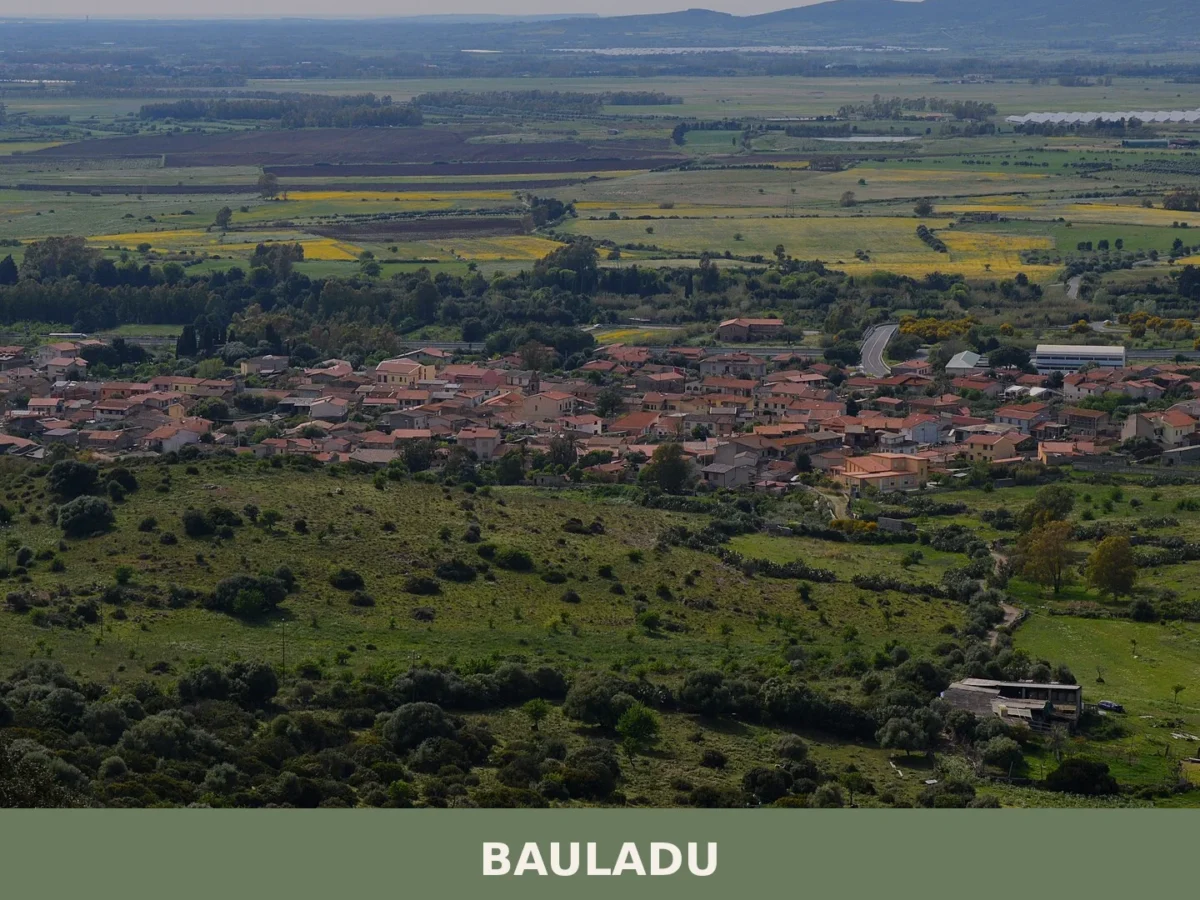
Bauladu is a small municipality of 706 inhabitants in the province of Oristano, Sardegna, with nuragic roots, a medieval parish church and a landscape shaped by volcanic hills and the rio Cìspiri.
Barumini
Plains
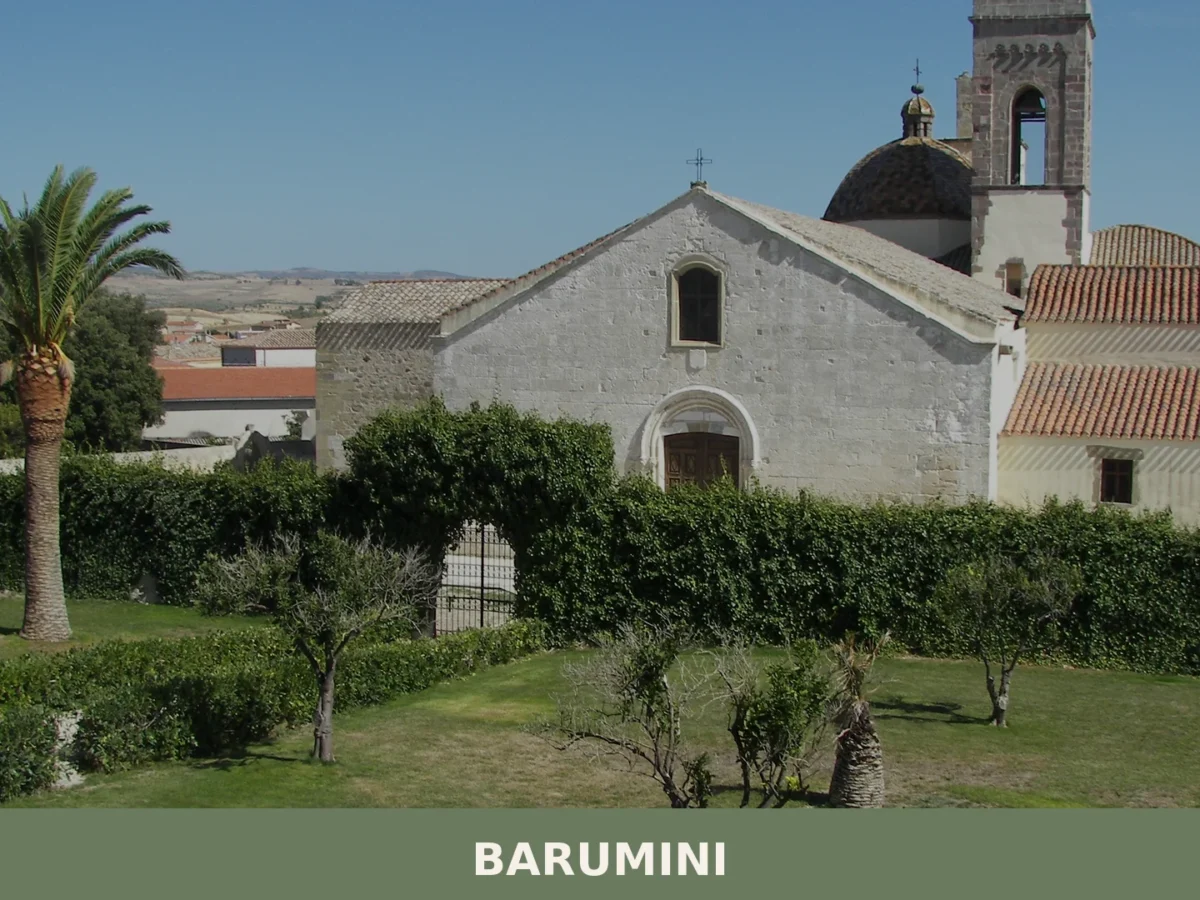
Barumini is a small Sardinian comune in the Marmilla whose UNESCO-listed nuragic complex of Su Nuraxi and a seventeenth-century palace museum make it one of the island's most concentrated cultural des
Abbasanta
 Hills
Hills
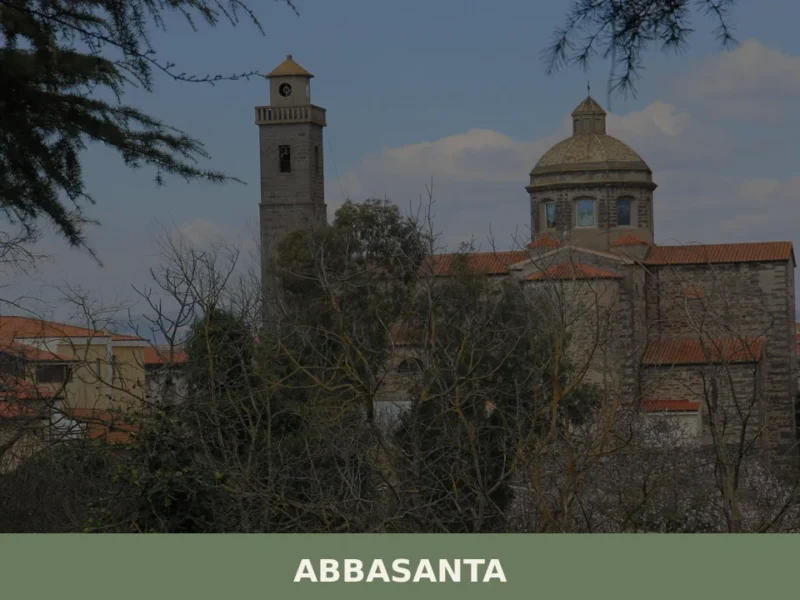
Scopri Abbasanta, affascinante borgo sardo ricco di storia, cultura e tradizioni. Un viaggio autentico nel cuore della Sardegna da non perdere.
Baunei
Hills
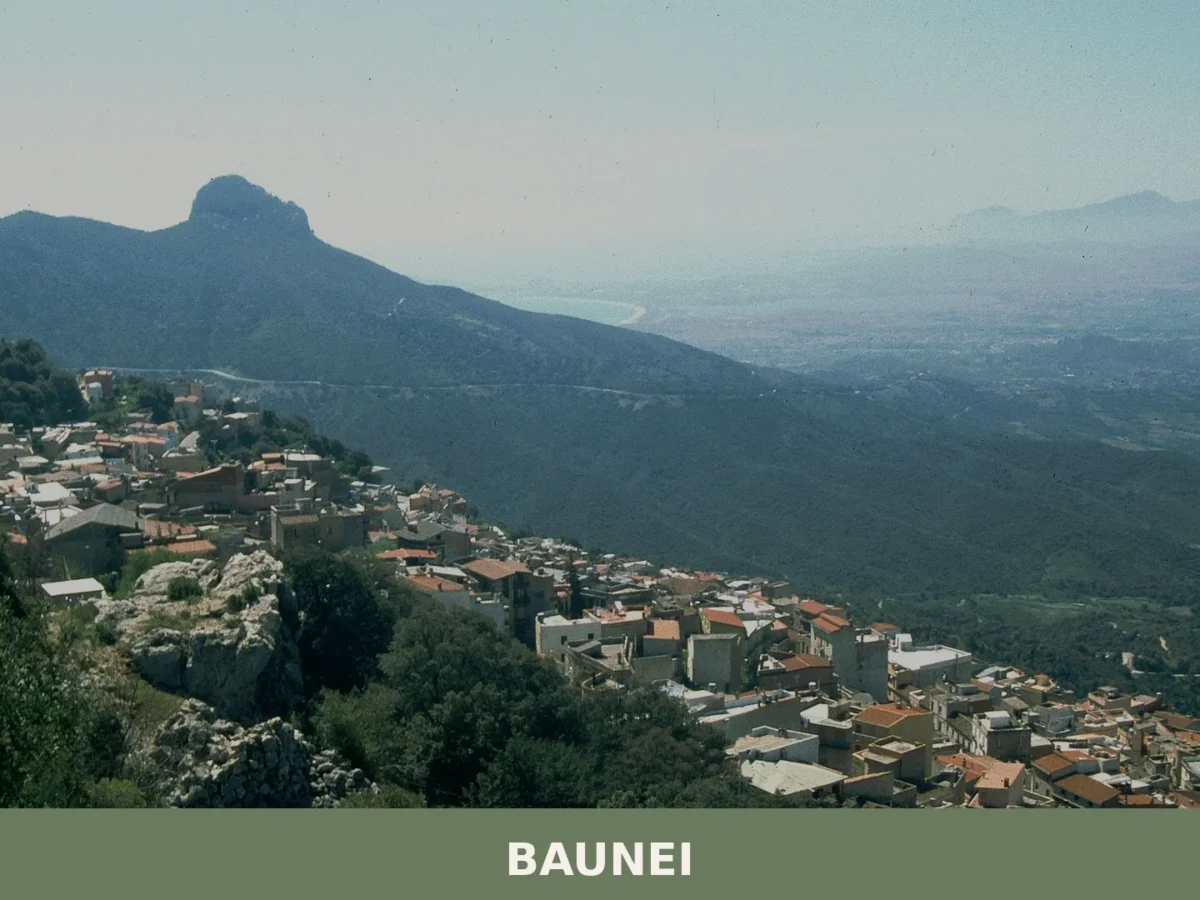
Baunei is a commune of around 3,678 inhabitants in Ogliastra, eastern Sardinia, where a high calcareous plateau meets 40 kilometres of dramatic Tyrrhenian coastline inside a national park.
Aggius
Hills
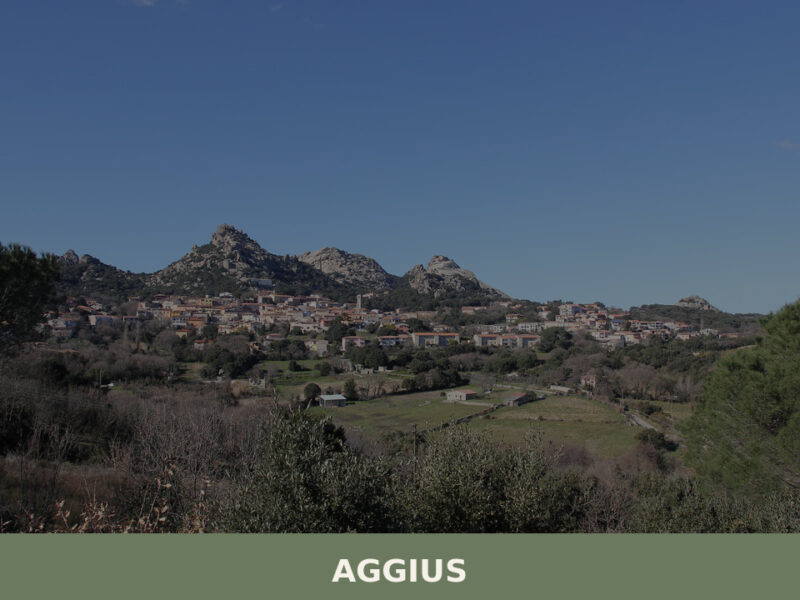
Granite boulders glow amber in the late afternoon, stacked like ancient sentinels across a valley floor that drops away toward the Gallura coast. Wind pushes through narrow lanes of grey stone houses, carrying the faint rhythm of a polyphonic chorus rehearsing behind closed shutters. At 514 metres above sea level, this village of just over […]
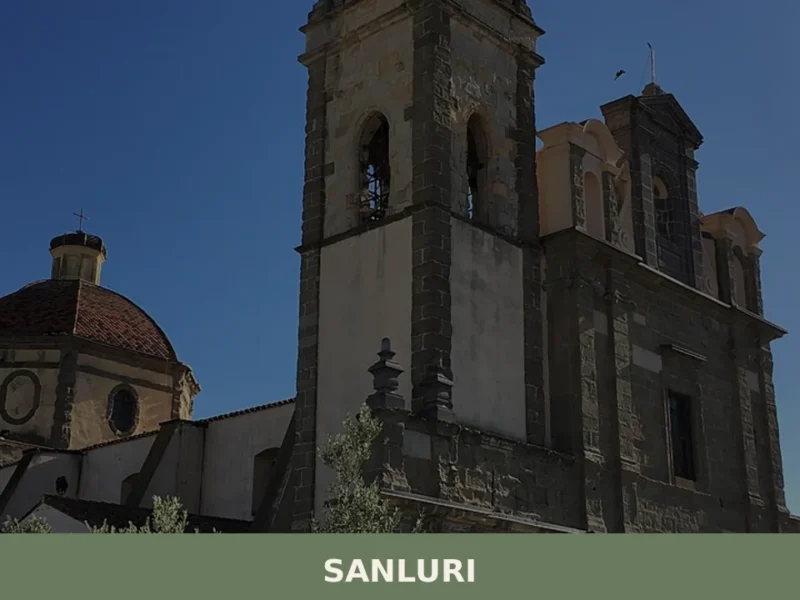
Sanluri
Plains
Discover Sanluri, a charming village in Sardegna, Italy, rich in history, culture, and stunning landscapes. Plan your visit today!
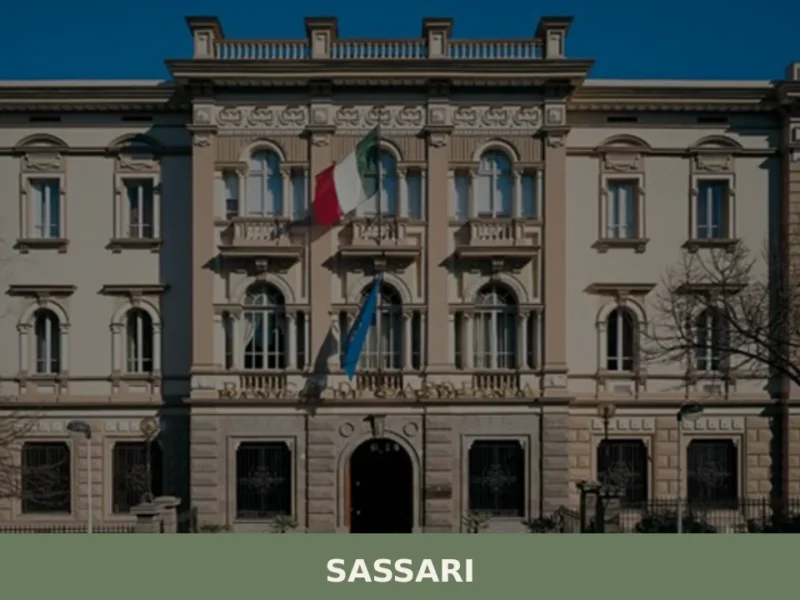
Sassari
 Sea
Sea
Discover Sassari, a captivating village in Sardegna, Italy. Explore its rich history, vibrant culture, stunning architecture, and authentic Italian charm.
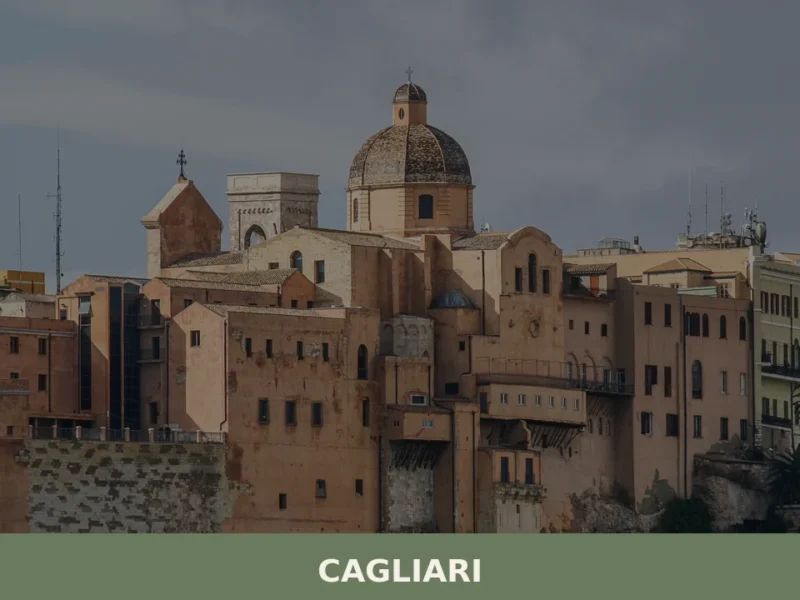
Cagliari
Sea
Discover Cagliari, a charming village in Sardegna, Italy. Explore its rich history, stunning landscapes, and local culture in the heart of Sardinia.
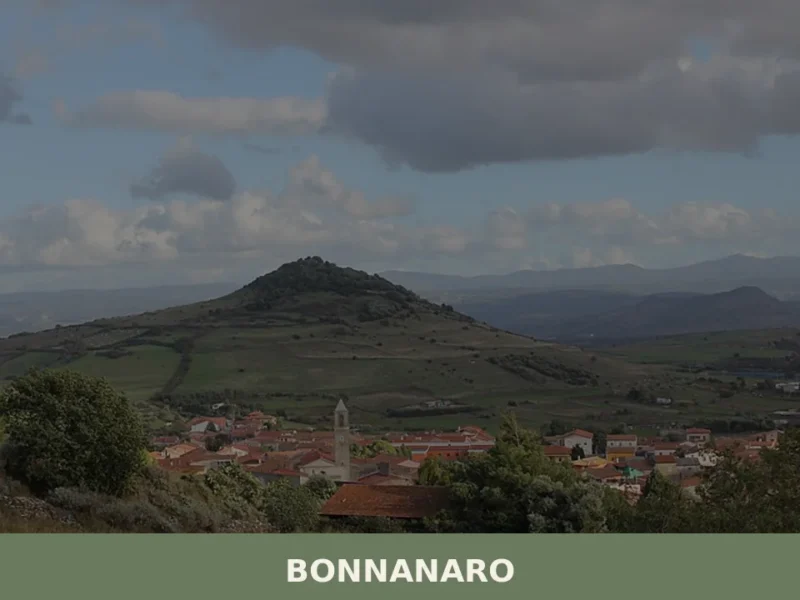
Bonnanaro
Hills
In 1388, when representatives of the Sardinian villages signed the peace treaty with the Crown of Aragon, among the signatories was the village of Bonnanaro, an agricultural centre already known for the fertility of its volcanic soils on the slopes of Monte Pelao. Today this village of 921 inhabitants, situated at 405 metres above sea […]
Bessude
Hills
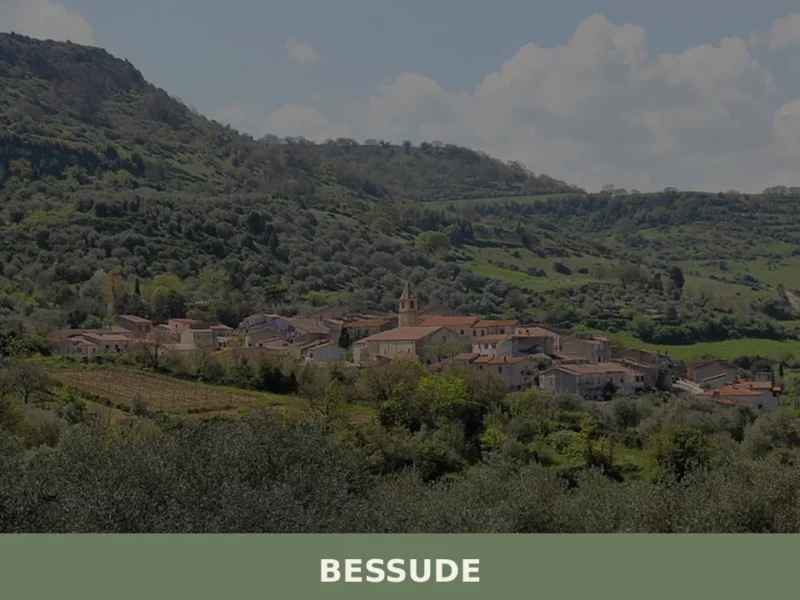
At 447 meters above sea level, with a population of 383 inhabitants as of 2023, Bessude is a small town in Logudoro-Meilogu, in the province of Sassari, whose existence is documented at least since 1341 in the Rationes Decimarum Sardiniae. The village, known for its hilly location and the Nuragic remnants that surround its territory, […]


🏡 Know Aritzo better than we do?
If you’re a local or have been there, your knowledge matters: add what’s missing or fix a detail on this page.