


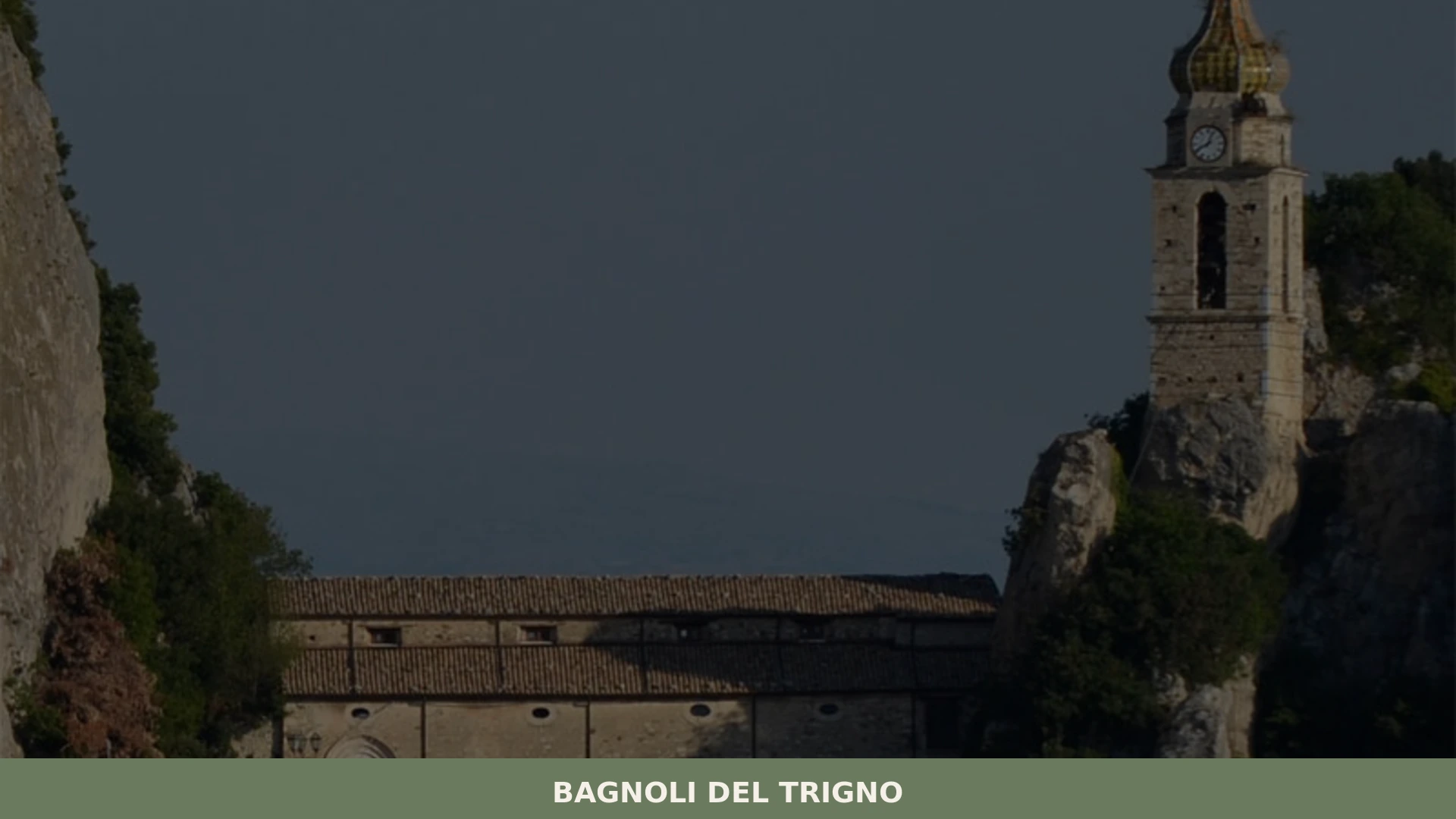
Bagnoli del Trigno
 Mountain
Discover what to see in Bagnoli del Trigno: medieval streets, parish churches, Trigno valley landscapes and upland food traditions in the Province of Isernia, Molise.
Discover Bagnoli del Trigno
Bagnoli del Trigno is a comune of approximately 605 inhabitants in the province of Isernia, positioned along the valley of the Trigno river in the interior of Molise. Known locally as Vagnuolë in the Molisan dialect, it sits at a considerable altitude in the Apennine uplands of the region’s southern sector. For anyone researching what to see in Bagnoli del Trigno, the village offers a concentrated study of medieval Molisan architecture, religious heritage and the kind of small-scale rural economy that has defined this part of central-southern Italy for centuries.
History of Bagnoli del Trigno
The village’s name itself contains a layer of documentary evidence.
The term Bagnoli derives from the Latin balneum, suggesting the existence of thermal or bathing waters in the area during the Roman or early medieval period — a place-name formation common across southern Italy wherever natural springs were exploited by early settlements. The suffix del Trigno was added administratively to distinguish this comune from others sharing the same root name, anchoring its identity firmly to the river that defines its geographical context.
During the Norman and later Angevin periods of southern Italian history, the inland territories of what is now Molise were organised under a feudal system that parcelled the land among baronial families loyal to the ruling dynasty. Villages like Bagnoli del Trigno functioned as fortified agricultural communities, their layout typically centred on a castle or defensive tower with the parish church forming the second pole of civic life. The province of Isernia, to which Bagnoli del Trigno administratively belongs, was a significant node in this feudal network, and the small comuni within it were subject to changes in lordship that frequently altered local governance and taxation.
The administrative history of Molise itself is relevant here: the region was not constituted as a separate entity until 1963, when it was separated from the Abruzzo e Molise region by the Italian Republic.
Before that, these territories had formed part of various administrative units stretching back through the Bourbon Kingdom of the Two Sicilies and the Napoleonic reorganisation of the early nineteenth century. For a commune as small as Bagnoli del Trigno — today holding around 605 residents — the twentieth century brought the same demographic pressures that affected most Apennine villages: emigration toward industrial centres in northern Italy and abroad, a contraction of the agricultural workforce, and a gradual ageing of the resident population.
What to see in Bagnoli del Trigno: 5 must-visit attractions
1. The Medieval Village Centre
The historic core of Bagnoli del Trigno preserves the compact, stone-built layout characteristic of medieval Molisan settlements at altitude. Streets are narrow and follow the natural contours of the terrain, with buildings constructed in the local limestone. The overall fabric of the centro storico reflects a settlement pattern established no later than the Norman period and consolidated through the Angevin era.
2. Parish Church of Sant’Antonio Abate
The main parish church dedicated to Sant’Antonio Abate stands as the primary religious building of the village. Like many southern Italian rural churches, its current structure incorporates elements from different construction phases, with the façade and interior detailing reflecting the influence of Baroque interventions common across the Province of Isernia from the seventeenth century onward.
3. The Trigno River Valley Landscape
The landscape immediately surrounding the village, descending toward the Trigno river valley, is a working Apennine environment of mixed woodland, scrub and agricultural terracing. The river itself, which gives the village its distinguishing name, runs through a valley corridor that connects the interior of Molise with the Adriatic coast, and the geography here is readable directly from the village’s elevated position.
4. Rural Fortification Remains
As with the majority of medieval settlements in the Province of Isernia, Bagnoli del Trigno retains traces of its original defensive infrastructure. Sections of older masonry integrated into later residential buildings, along with the spatial logic of the village plan, indicate the former presence of walls or a fortified perimeter consistent with the feudal period of settlement consolidation in the region.
5. The Province of Isernia’s Apennine Setting
The broader territory around Bagnoli del Trigno belongs to the upland Apennine zone of Molise that the Regione Molise has increasingly promoted for slow tourism and ecological interest. The altitude, the forest cover and the relative isolation of this corridor make it a coherent destination for walking and observation of the pre-Apennine ecosystem, with the Trigno valley acting as a natural corridor through the terrain.
What to see in Bagnoli del Trigno: local food and typical products
The food culture of Bagnoli del Trigno belongs to the pastoral and agricultural tradition of the Isernia uplands.
Pasta formats based on hand-rolled dough — including cavatelli and fusilli made by hand rather than extruded — remain the foundation of the local table, served with ragù of lamb or pork, both animals historically central to the transhumance economy of the Molisan interior. Legumes, in particular lentils and dried beans grown at altitude, appear frequently in winter preparations alongside cured meats made from the local black pig breed, il maiale nero, which has been the subject of regional recovery efforts. The cultural and gastronomic heritage of Molise broadly, including these upland food traditions, is documented within the region’s institutional frameworks.
Pecorino cheese, produced from sheep’s milk in the surrounding hill farms, is another product with deep roots in this territory. In the absence of large-scale restaurants in a commune of 605 inhabitants, visitors will find that the most reliable access to local food is through agriturismo operations in the surrounding countryside, family-run establishments during local feast days, and the weekly markets that circulate through the small comuni of the Isernia province. The APT Molise regional tourism office maintains updated listings of food producers and local events across the province.
Best time to visit Bagnoli del Trigno
The Apennine altitude of Bagnoli del Trigno produces a climate meaningfully different from the Adriatic coast of Molise.
Winters are cold and can bring snow, with temperatures regularly dropping below zero between December and February. Spring — from late April through June — is the most practical season for visiting: vegetation is fully developed, roads through the upland valleys are clear, and the feast days dedicated to local saints begin to animate the village calendar. The feast of Sant’Antonio Abate, the village’s patron, anchors the religious calendar and typically involves processions and communal gatherings that give a direct view of village social life.
Summer brings the return of emigrants and their descendants for August, the traditional period of village festivals and communal dinners across Molise. Temperatures at altitude remain more moderate than on the coast, making July and August viable months for walking the valley terrain. Autumn brings mushroom-gathering and the pig-slaughtering season, both of which are embedded in local food culture and observable in the surrounding countryside.
Visitors arriving outside the summer peak should verify in advance which services — accommodation, eating establishments — are operational, as the small resident population means provision can be limited in the off-season.
How to get to Bagnoli del Trigno
Bagnoli del Trigno is located in the Province of Isernia in inland Molise and is reached primarily by car. The village is not served by a railway station; the nearest rail connections are at Isernia, the provincial capital, which is served by regional trains on the Campobasso–Isernia line.
- By car from Isernia: approximately 35–40 km via provincial roads through the Trigno valley corridor; allow around 45–55 minutes depending on road conditions.
- By car from Campobasso: approximately 70–80 km; allow around 1 hour 15 minutes via the SS87 and connecting provincial roads.
- By car from Rome: approximately 240 km via the A1 motorway to Cassino, then east via Isernia; allow around 3 hours.
- By car from Naples: approximately 200 km via the A1 to Caianello, then the A3/SS85 toward Isernia; allow around 2 hours 30 minutes.
- Nearest airport: Napoli Capodichino (NAP) is the most practical international gateway, approximately 200 km away. Rome Fiumicino (FCO) is an alternative at around 250 km. Neither airport is served by direct public transport to Bagnoli del Trigno; a hire car is the most practical arrangement.
Where to stay in Bagnoli del Trigno
A commune of approximately 605 residents does not support a large hospitality infrastructure, and visitors should approach accommodation expectations accordingly. The most realistic options in and around Bagnoli del Trigno are agriturismo properties in the surrounding countryside, which combine working farms with guest rooms and typically include meals based on local produce.
B&B and holiday apartment options may be available within the village itself, particularly during the summer months when returning residents sometimes make properties available for short-term rental.
For a wider range of accommodation — hotels, guesthouses, serviced apartments — the town of Isernia, approximately 35–40 km away, provides the most practical base for exploring this part of the Trigno valley while offering reliable services year-round. Booking directly through local accommodation aggregators or the regional tourism office is advisable, particularly for the August peak period when availability in the entire upland zone of Isernia province contracts significantly.
More villages to discover in Molise
The Province of Isernia where Bagnoli del Trigno sits is one of two provinces that make up Molise, and its counterpart to the east, the province centred on the regional capital, offers contrasting urban scale. Campobasso, the regional capital of Molise, functions as the administrative and commercial hub of the region and provides a point of comparison with the small-commune experience of the Trigno valley.
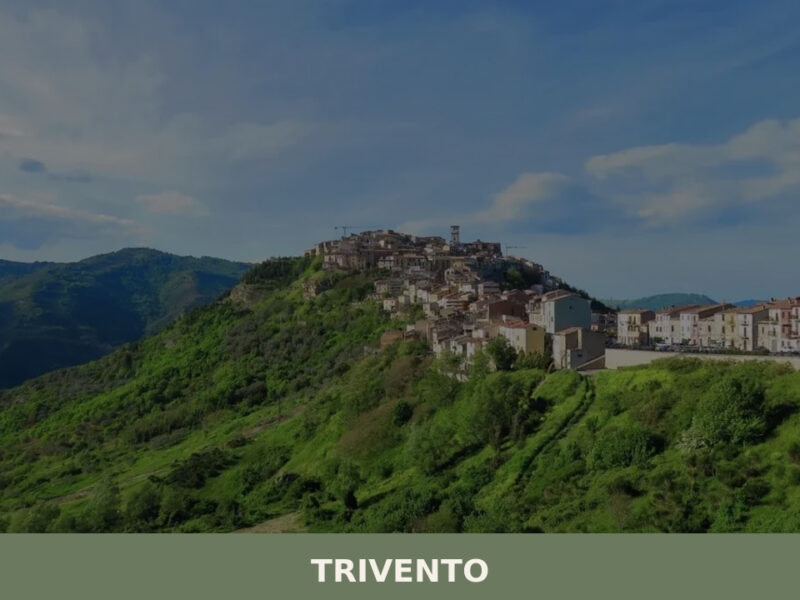
Further along the Trigno river corridor, Trivento is a hilltop diocese town with a cathedral complex and a more substantial medieval centre, offering a denser concentration of ecclesiastical architecture than the smaller villages of the valley.
Moving toward the Adriatic side of Molise, the landscape opens and the settlements take on a different character. Bonefro is a small comune in the lower Molisan hills whose particular interest lies in a distinctive local artistic heritage.
Further south along the Adriatic-facing slopes, Guglionesi represents the more agricultural lowland tradition of Molise, with a well-preserved historic centre and a position that makes it a practical stop on a broader circuit of the region. Together, these villages form a coherent picture of the varied settlement geography of one of Italy’s least densely populated regions.
Frequently asked questions about Bagnoli del Trigno
What is the best time to visit Bagnoli del Trigno?
The most practical time to visit Bagnoli del Trigno is spring (late April to June) for pleasant weather, blooming vegetation, and the start of local feast days. Summer, particularly July and August, is also ideal, with moderate mountain temperatures perfect for walking and the lively return of emigrants for village festivals. Notably, the feast of San Vitale di Roma, the village patron, is celebrated on August 20th, offering a vibrant cultural experience. Autumn brings unique local food traditions like mushroom gathering. Winters are cold with snow.
What are the historical origins of Bagnoli del Trigno?
The name Bagnoli del Trigno likely originates from the Latin u0022balneum,u0022 suggesting the historical presence of thermal or bathing waters in the area. The suffix u0022del Trignou0022 clearly links the village to the Trigno river, which defines its geographical context. Historically, Bagnoli functioned as a fortified agricultural community under feudal lords during the Norman and Angevin periods, with its layout centered around a defensive structure and a parish church, reflecting its strategic importance in the Apennine uplands of Molise.
What to see in Bagnoli del Trigno? Main monuments and landmarks
Bagnoli del Trigno offers a concentrated experience of medieval Molisan heritage. Key attractions include its well-preserved **Medieval Village Centre**, characterized by narrow stone streets and ancient buildings reflecting a settlement pattern from the Norman period. The **Parish Church of Sant'Antonio Abate** is the primary religious edifice, showcasing Baroque architectural elements. Visitors can also explore the **Rural Fortification Remains**, traces of older masonry integrated into the village's fabric, which hint at its historical defensive past.
What are the main natural or scenic attractions of Bagnoli del Trigno?
Bagnoli del Trigno is nestled within the captivating **Trigno River Valley Landscape**, an Apennine environment featuring mixed woodlands, scrub, and agricultural terraces. This valley serves as a natural corridor connecting the Molise interior to the Adriatic coast. The broader **Apennine Setting of the Province of Isernia** offers opportunities for slow tourism, ecological observation, and walking amidst its high altitude and forest cover, providing a coherent destination for nature enthusiasts interested in the pre-Apennine ecosystem.
Where to take the best photos in Bagnoli del Trigno?
For the best photographs in Bagnoli del Trigno, focus on the **Medieval Village Centre**. Its compact, stone-built architecture, narrow streets, and traditional houses provide evocative shots of Molisan history and rural charm. Additionally, the village's **elevated position** offers panoramic views of the surrounding **Trigno River Valley Landscape** and the Apennine uplands. These vistas are particularly stunning during sunrise or sunset, capturing the dramatic beauty of Molise's interior.
Are there museums, churches or historic buildings to visit in Bagnoli del Trigno?
Yes, visitors to Bagnoli del Trigno can explore the **Parish Church of Sant'Antonio Abate**, the village's main religious building, which features intriguing Baroque architectural details. The entire **Medieval Village Centre** is itself a historic site, offering a journey through its stone-built alleys and traditional structures dating back to the Norman period. Traces of **Rural Fortification Remains** are also integrated into the older parts of the village, providing glimpses into its defensive past. Specific opening hours for the church are generally tied to religious services.
What can you do in Bagnoli del Trigno? Activities and experiences
In Bagnoli del Trigno, visitors can immerse themselves in **slow tourism**, exploring the rich **medieval architecture** and **religious heritage** of the historic centre. The surrounding **Apennine landscape** is ideal for **walking and observing the pre-Apennine ecosystem**. Culinary experiences are central, with opportunities to enjoy **local food** at agriturismo operations or during **weekly markets**. Attending **village feast days**, particularly the patron's feast of San Vitale on August 20th, offers a direct insight into local traditions and communal life.
Who is Bagnoli del Trigno suitable for? Families, couples, hikers, solo travelers?
Bagnoli del Trigno is ideal for **slow tourists**, **history enthusiasts**, and **nature lovers** seeking an authentic, off-the-beaten-path Italian experience. It appeals to **hikers** and those interested in **ecological observation** within the Apennine uplands. **Couples** and **solo travelers** who appreciate medieval architecture, local food traditions, and a tranquil rural setting will find it particularly rewarding. It's also suitable for **families** looking for a quiet retreat and a glimpse into traditional Molisan village life, especially during summer festivals.
What to eat in Bagnoli del Trigno? Local products and specialties
The cuisine of Bagnoli del Trigno is rooted in the pastoral and agricultural traditions of the Isernia uplands. Must-try specialties include **hand-rolled pasta** like cavatelli and fusilli, often served with rich **lamb or pork ragù**. **Legumes**, particularly lentils and dried beans grown at altitude, feature prominently in winter dishes. Also, look for **cured meats** made from the local u0022maiale nerou0022 (black pig breed) and authentic **Pecorino cheese** from surrounding hill farms. These can be savored at local agriturismo establishments or found at weekly markets.
📷 Photo Gallery — Bagnoli del Trigno
Getting there
Via Guglielmo Marconi, 86091 Bagnoli del Trigno (IS)
Nearby Villages near Bagnoli del Trigno
In Molise More villages to discover
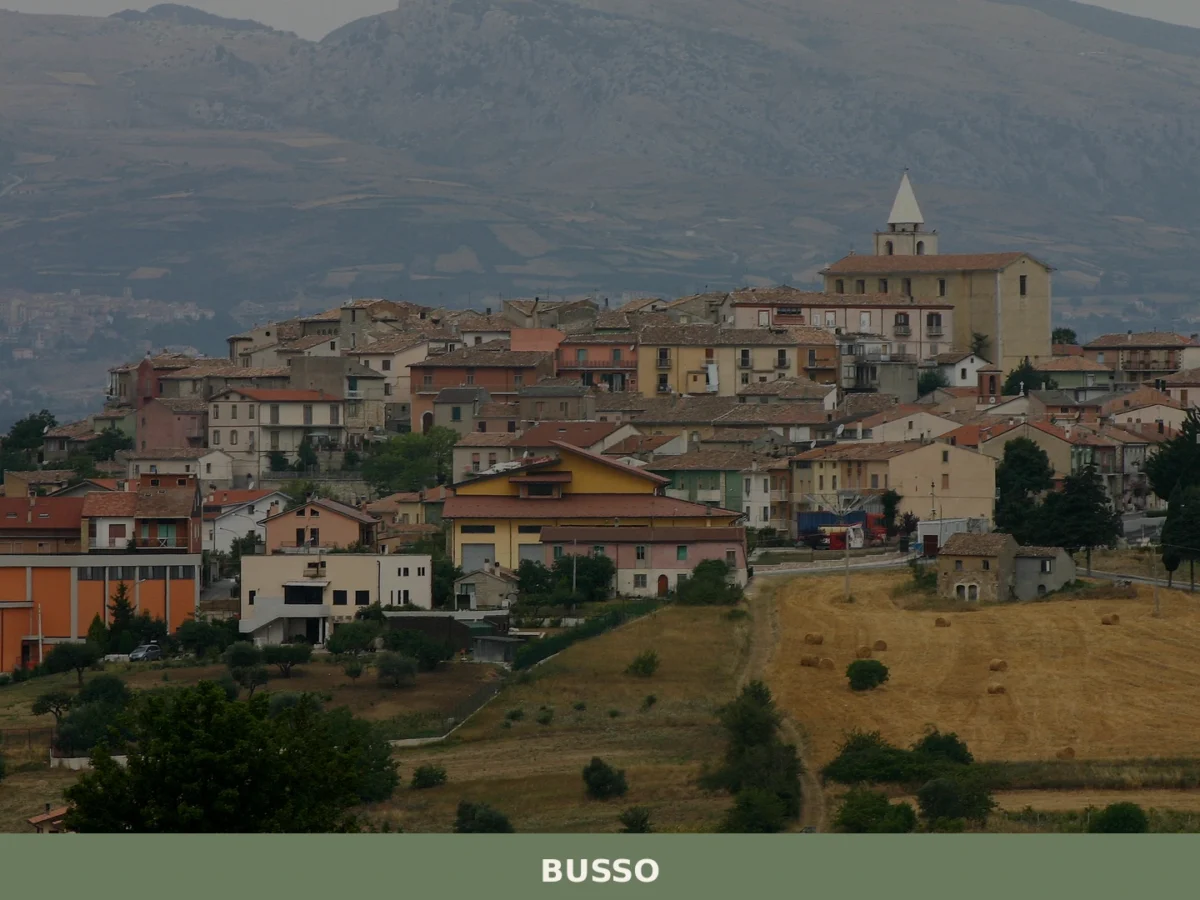
Busso
Mountain
What to see in Busso, Molise, Italy: explore 5 top attractions 10 km from Campobasso. Discover local food, festivals and how to get there. Complete travel guide.
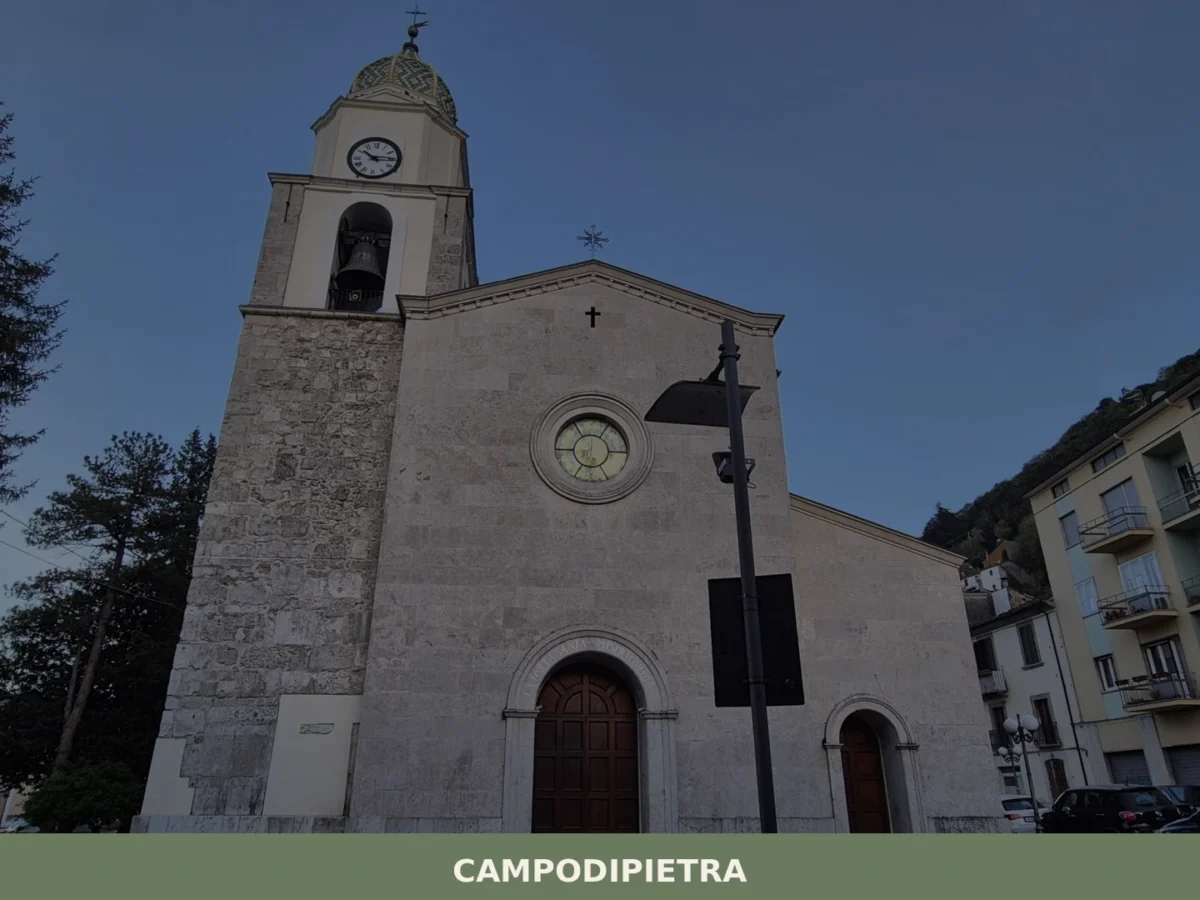
Campodipietra
 Hills
Hills
What to see in Campodipietra, Italy: 7 km from Campobasso, discover the 13th-century church of San Martino, medieval walls, and local Molise food traditions. Explore now.
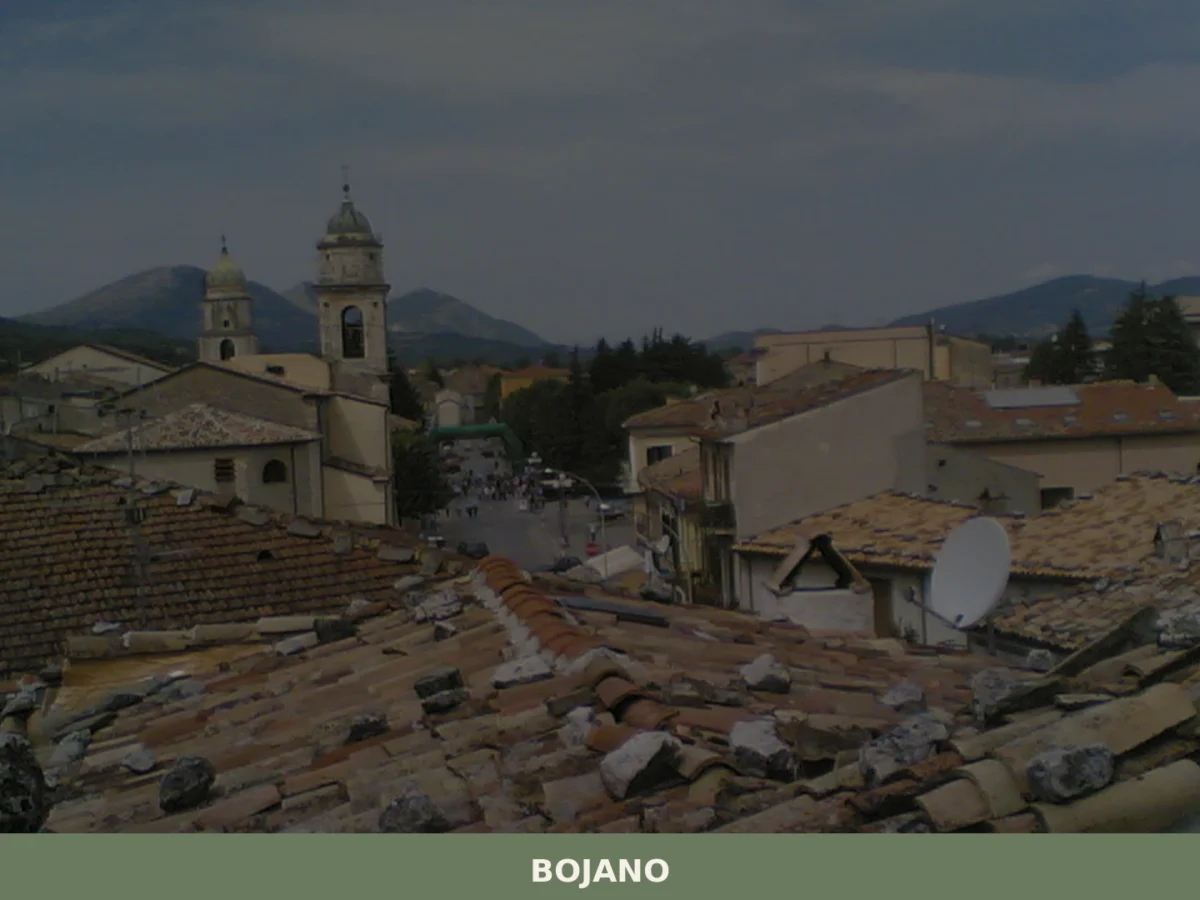
Bojano
Mountain
Discover what to see in Bojano, Molise u2014 from Samnite ruins and Norman castle remains to the Biferno valley and Matese mountain park. History, food, and travel tips.
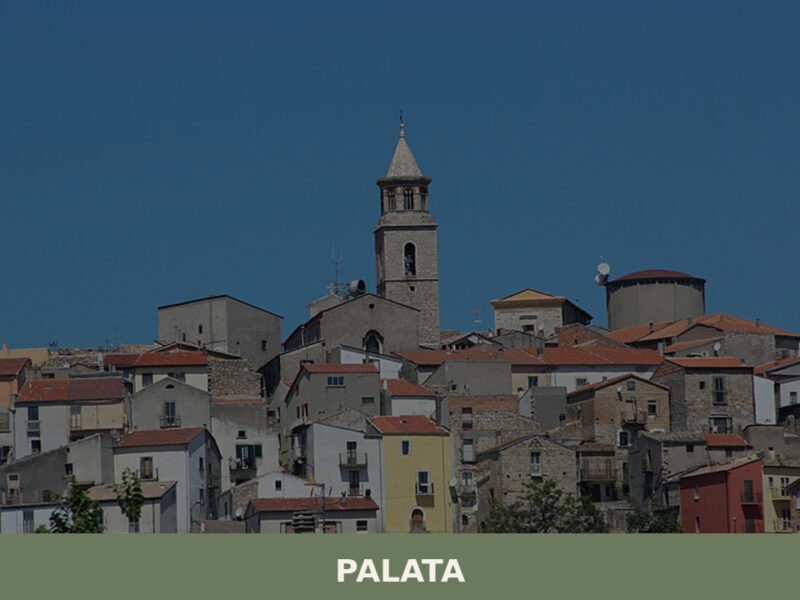
Palata
Hills
what to see in palata, Italy, a village at 520 m. Discover its historic core and the San Rocco festival. Explore Molise's authentic rural heritage.


🏡 Know Bagnoli del Trigno better than we do?
If you’re a local or have been there, your knowledge matters: add what’s missing or fix a detail on this page.