


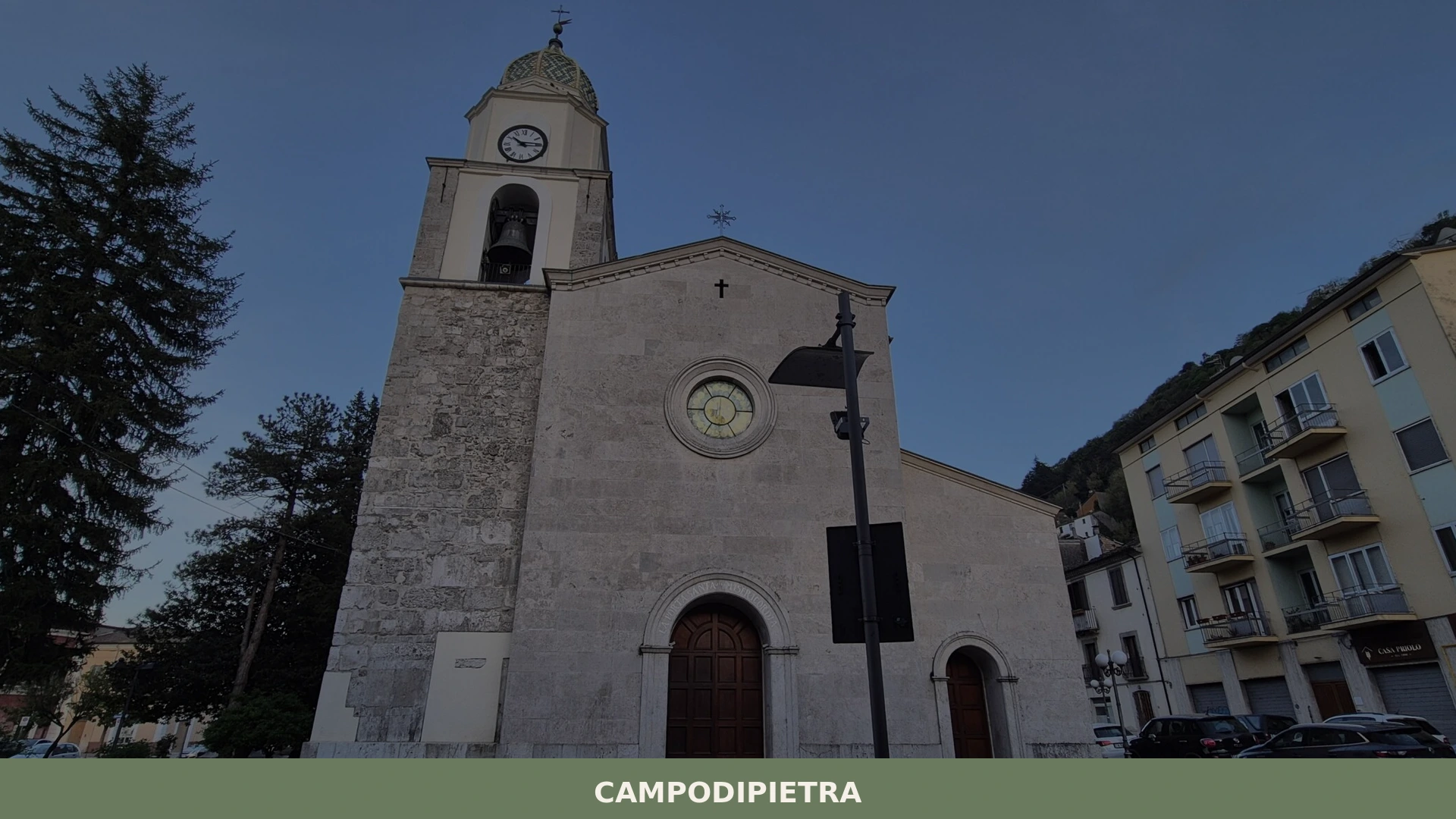

What to see in Campodipietra, Italy: 7 km from Campobasso, discover the 13th-century church of San Martino, medieval walls, and local Molise food traditions. Explore now.
Discover Campodipietra
A rocky spur of limestone rises just east of Campobasso, and on its crown sits a tight cluster of stone buildings that have occupied the same ground since the thirteenth century.
Three gateways once opened through the encircling walls — the only points of entry into a borough designed for defence rather than welcome.
The church at the highest point stands where a baron’s castle once commanded the surrounding territory, its stones reused and repurposed across seven hundred years of continuous habitation.
What to See in Campodipietra, Molise: Top Attractions
Deciding what to see in Campodipietra becomes straightforward once you understand the village’s scale and logic: this is a compact comune in the Province of Campobasso, located 7 km (4.3 mi) east of the regional capital, with two documented historic churches, surviving stretches of medieval walling, and a civic identity shaped by a recorded vote held in 1705.
Visitors to Campodipietra find a village where the built fabric and the community’s documented past remain closely legible — the kind of place where a single afternoon repays careful attention.
History of Campodipietra
The village takes its name directly from its physical foundation: campo di pietra, meaning field of stone, refers to the rocky spur on which the settlement was established.
In the thirteenth century, a colony of German soldiers built the original borough on this elevated position, organising it around what would become the church of San Martino.
The site chosen was not accidental — the spur offered natural defensive advantages above the surrounding valley, and the soldiers enclosed their settlement with walls pierced by only three doors, limiting access and reinforcing control over the territory.
The church of San Martino itself rose on the foundations of an earlier barons’ castle, a pattern of ecclesiastical buildings superseding feudal military structures that recurs across medieval Molise.
The decision to repurpose the castle’s site for a church rather than rebuild the fortification reflects a broader shift in the village’s function across the late medieval period, as Campodipietra consolidated its identity as a civilian settlement rather than a garrison point.
The walls that once enclosed the original borough remain partially visible today, giving a legible outline to the thirteenth-century footprint. The village borders six municipalities: Campobasso, Ferrazzano, Gildone, Jelsi, San Giovanni in Galdo, and Toro — a position at the intersection of several communal territories that historically gave it administrative significance within the province.
The most precisely documented episode in Campodipietra’s recorded history is also one of its most unusual.
In 1705, the inhabitants gathered inside the church of San Bonaventura to resolve a question of communal identity: which saint should serve as their patron? The choice lay between San Bernardino da Siena and San Martino. The community voted, and San Martino was chosen. The fact that the vote took place inside San Bonaventura — the smaller of the two churches — rather than in San Martino’s own building suggests a deliberate procedural neutrality.
The outcome fixed San Martino’s primacy in the village’s religious calendar, a status the church has held for over three centuries.
What to See in Campodipietra, Molise: Top Attractions
Church of San Martino
The church occupies the highest point of the rocky spur, built directly over the footprint of the medieval barons’ castle that preceded it.
Construction dates to the thirteenth century, making it the oldest continuously used structure in the village.
Standing at the entrance, the elevation gives a clear sense of why the site was chosen: the land drops away on multiple sides, and the building commands unobstructed lines of sight across the surrounding territory. Inside, the spatial organisation reflects its dual heritage — part place of worship, part reuse of a fortified foundation. San Martino has served as the patron saint’s church since the vote of 1705, and the building remains central to the village’s annual religious calendar.
Visit in the morning when the light enters from the east-facing windows.
Church of San Bonaventura
Smaller than San Martino and positioned lower within the historic centre, the church of San Bonaventura carries a specific historical weight: this is where the inhabitants of Campodipietra assembled in 1705 to vote on the choice of patron saint.
The interior dimensions are modest, which makes the documented assembly of the entire community inside it a significant logistical fact — the village’s population at the time was concentrated enough to gather within these walls.
The church’s name refers to the Franciscan theologian and cardinal Bonaventure of Bagnoregio, canonised in 1482. For anyone researching what to see in Campodipietra with an interest in local civic history, San Bonaventura is the more layered of the two churches. The building is best visited alongside San Martino to understand the spatial relationship between the two.
Medieval Walls and the Three Gates
The original borough was enclosed by defensive walls with precisely three points of entry.
Sections of this medieval perimeter remain legible within the current urban fabric, embedded in later construction or standing as freestanding remnants along the edges of the spur.
Walking the perimeter of the historic centre, the topography makes the logic of the walls immediately clear — the natural rock faces on certain sides reduced the length of masonry required, while the three controlled gates concentrated movement and surveillance.
The walls date to the thirteenth-century foundation of the settlement by the German soldiers’ colony. No significant later fortification replaced or extended them, which means what survives corresponds closely to the original defensive layout. Allow time to walk the full circuit of the old centre, tracing where the walls once ran even where the masonry has been absorbed into private buildings.
The Rocky Spur and its Views over the Province
The geological feature that determined the village’s existence — the limestone spur rising above the surrounding countryside — remains its most immediate geographical experience.
Campodipietra sits at an elevation that places it above the valley floor east of Campobasso, and from the outer edges of the historic centre the land descends in visible steps toward the neighbouring municipal territories of Ferrazzano, Gildone, and Toro.
The spur is compact enough to cross on foot in under ten minutes, but the changes in elevation within the village itself are sharp.
For visitors coming from the regional capital, the view back toward Campobasso — 7 km (4.3 mi) to the west — clarifies the spatial relationship between the two settlements.
Late afternoon light defines the relief of the surrounding hills more sharply than midday, making the final hours before sunset the most rewarding time for observation from the village’s outer edges.
The Historic Centre’s Street Fabric
The layout of Campodipietra’s historic centre preserves the thirteenth-century logic of a fortified borough: narrow lanes connect the three former gate positions, with the church of San Martino at the apex and the lower residential buildings arranged around it in concentric lines.
The stonework of the older buildings uses local material consistent with the spur’s limestone geology.
Several facades show construction phases from different centuries layered into single structures — a ground floor of heavy-cut stone from the medieval period, upper floors rebuilt in later centuries with different coursing. This accumulation of building phases is readable without specialist knowledge: the changes in stone colour and joint technique mark the periods clearly. The village is small enough that the entire historic fabric can be covered on foot in under an hour, which makes Campodipietra a focused destination rather than a site requiring a full day.
Local Food and Typical Products of Campodipietra
Campodipietra sits within the broader gastronomic tradition of the Province of Campobasso, a territory where the food culture reflects both the pastoral economy of the Molise interior and the agricultural practices of the lower valley zones.
The province’s cuisine draws on centuries of sheep farming, cereal cultivation, and small-scale vegetable production, with techniques that prioritise preservation — cured meats, dried legumes, stored cheeses — over fresh ingredients requiring rapid consumption.
The village’s proximity to Campobasso, 7 km (4.3 mi) to the west, means that its food traditions intersect with those of the provincial capital while retaining the character of a smaller rural settlement.
The typical dishes of this part of Molise rely on a small set of repeated ingredients: durum wheat pasta, lamb, pork, wild herbs, and sheep’s milk cheeses.
Pasta e fagioli, a dense soup of pasta and dried borlotti beans cooked with lard and rosemary, represents the most direct expression of the region’s peasant kitchen — a dish built for caloric density and winter resilience rather than subtlety.
Agnello alla brace, lamb grilled over hardwood embers with wild fennel and peperoncino, appears at local celebrations and family tables in spring, when the animals slaughtered after the Easter period provide the freshest meat.
Cavatelli, short hand-rolled pasta with a characteristic indentation made by pressing the dough against a wooden board with two fingers, is the pasta format most associated with Molise as a whole and appears in Campodipietra in versions sauced with braised pork ragù or, in summer, with fresh tomato and basil.
The cheese tradition of the Campobasso province includes caciocavallo, a stretched-curd cheese made from cow’s milk and aged hanging in pairs from wooden beams — the name derives from the practice of suspending the forms a cavallo, astride, over a pole. Younger caciocavallo has a mild, slightly elastic texture; versions aged beyond six months develop a sharper, more granular character suitable for grating.
Scamorza, a related stretched-curd cheese, is produced in both plain and smoked versions throughout the province.
Neither product carries a protected designation of origin specific to Campodipietra, but both form part of the daily food landscape of the area.
Local food is most accessible during the summer months, when village festivals and outdoor markets bring producers directly into contact with visitors.
The feast of San Martino, the patron saint, provides the most concentrated opportunity to encounter locally made products alongside the religious and civic programme of the celebration. For those visiting the broader province, the village of Agnone, further north in Molise, is documented for its production of copper bells and its own distinct food traditions, making it a complementary stop for visitors exploring the region’s material culture.
Festivals, Events and Traditions of Campodipietra
The central event in Campodipietra’s annual calendar is the feast of San Martino, the patron saint chosen by communal vote in 1705.
San Martino’s feast falls on 11 November, placing it in the early winter period when the agricultural year has largely concluded and the village can turn its attention to a celebration combining religious observance with communal gathering. The feast typically includes a procession through the historic centre, with the saint’s image carried through the streets that the medieval walls once enclosed.
The date — 11 November — also corresponds in popular Italian tradition with the period of the first tastings of new wine, a coincidence that reinforces the communal and festive character of the day.
The story of the 1705 vote itself has the character of a living tradition: the choice between San Bernardino da Siena and San Martino, resolved by a formal assembly inside the church of San Bonaventura, is the kind of founding narrative that small Italian communities retain with precision across generations.
Local memory of the event gives the feast of San Martino a specific civic dimension — this is not simply a generic patron saint’s day but a commemoration of a documented communal decision.
Visitors present in Campodipietra around 11 November will find the village at its most socially concentrated, with the procession and the communal gathering providing the clearest window into the settlement’s collective life.
When to Visit Campodipietra, Italy and How to Get There
The best time to visit Campodipietra depends on what a traveller prioritises. Spring — specifically April through June — offers the most comfortable walking conditions: temperatures in the Campobasso province at this elevation are mild, the surrounding countryside is green, and the light on the limestone buildings is clear without the harshness of high summer.
The feast of San Martino on 11 November makes early November a worthwhile period for those interested in the village’s civic and religious traditions, though the weather in Molise by that date can be cool and occasionally wet.
Summer, from July through August, brings the warmest conditions but also the highest visitor numbers to the broader Molise region, which remains modest by Italian standards — the village itself sees little congestion at any time of year.
Getting to Campodipietra from Campobasso is straightforward: the two settlements are 7 km (4.3 mi) apart, and the drive on the provincial road takes under fifteen minutes. From Rome, the journey by car covers approximately 240 km (149 mi), following the A1 motorway south to the A24 junction and then the SS17 state road through the Apennines toward Campobasso — total travel time is roughly two and a half to three hours depending on traffic.
Campobasso is the nearest city with a functioning rail connection; Trenitalia operates services to Campobasso from Naples (approximately two hours) and from Rome via Isernia (three hours or more with a change).
From Campobasso station, Campodipietra is reachable by taxi or local bus.
The nearest airport with regular international connections is Naples Capodichino, approximately 170 km (106 mi) to the south, from which a car or hired vehicle is the most practical onward option.
International visitors should be aware that English is not widely spoken in smaller shops and service points in this part of Molise; carrying cash in euros is advisable, as card payment terminals are not universal in rural villages of the province.
Campodipietra works well as a half-day stop combined with a visit to Campobasso, or as one point in a wider circuit of the Campobasso province.
The nearby village of Tavenna, also in Molise, lies within the same provincial territory and shares the pattern of a small medieval settlement preserving its historic centre.
Those approaching from the Adriatic coast can incorporate a stop at Campomarino, a coastal comune in Molise that offers a contrasting landscape to the inland spur villages of the Campobasso interior.
Visitors extending their stay in the region will find that Petacciato, a hillside village on the Molise coast, sits within a two-hour drive of Campodipietra and provides a further point of comparison for anyone studying the variation in settlement types across this compact but geographically diverse region.
Frequently asked questions about Campodipietra
What is the best time to visit Campodipietra?
The best time to visit Campodipietra is generally during spring or early autumn, when the hill climate (520m altitude) offers pleasant temperatures for exploring. Spring allows you to experience local culinary traditions like u0022Agnello alla braceu0022 after Easter. For optimal photography and appreciating the landscape, late afternoon before sunset provides the most defined relief of the surrounding hills. If interested in local traditions, plan your visit around November 11th for the feast day of San Martino Vescovo, the village's patron saint. The Church of San Martino is best visited in the morning for its east-facing light.
What to see in Campodipietra? Main monuments and landmarks
Campodipietra, a compact village, offers several key sights. The Church of San Martino, built on a former castle, is the oldest structure and offers commanding views; visit in the morning for optimal light. The Church of San Bonaventura is historically significant as the site of the 1705 patron saint vote. Explore the remnants of the Medieval Walls and the Three Gates by walking the perimeter of the historic centre to trace the 13th-century defensive layout. Don't miss the Rocky Spur itself, which offers panoramic views, especially rewarding in the late afternoon. The entire historic centre's stone fabric, with its narrow lanes and layered architecture, can be explored on foot in under an hour.
What are the main natural or scenic attractions of Campodipietra?
The primary natural attraction of Campodipietra is the rocky limestone spur itself, which defines the village's unique setting at 520 meters altitude. From the outer edges of the historic centre, visitors can enjoy expansive panoramic views over the surrounding valley and towards the neighbouring municipalities of Ferrazzano, Gildone, and Toro, as well as Campobasso 7 km away. The late afternoon, just before sunset, is particularly recommended for observing the landscape, as the light enhances the relief of the hills.
Where to take the best photos in Campodipietra?
For captivating photos in Campodipietra, start at the Church of San Martino in the morning to capture the light through its east-facing windows and the commanding views from its high vantage point. The outer edges of the rocky spur provide excellent panoramic shots of the surrounding Molise countryside, especially in the late afternoon when the light sharply defines the hills. Additionally, the narrow, stone-paved lanes and historic building facades within the compact centre offer atmospheric details and a sense of the village's ancient character.
Are there museums, churches or historic buildings to visit in Campodipietra?
Yes, Campodipietra offers significant historic buildings for visitors. The Church of San Martino, dating to the 13th century, is the oldest structure, built atop a former castle, and remains central to village life. The Church of San Bonaventura is notable for hosting the historic 1705 vote for the village's patron saint. Visitors can also explore the visible remnants of the medieval walls and gates that once enclosed the original borough. The entire historic centre itself, with its ancient stone architecture and street fabric, acts as an open-air testament to centuries of continuous habitation. There are no dedicated museums mentioned in the village.
What can you do in Campodipietra? Activities and experiences
In Campodipietra, visitors can immerse themselves in the village's rich history and serene atmosphere. Key activities include walking the full circuit of the medieval walls to trace the 13th-century defensive layout, and exploring the compact historic centre on foot, observing its unique stone architecture. Enjoy panoramic views from the rocky spur, particularly rewarding in the late afternoon. A significant experience is savouring the local Molise gastronomy, which features traditional dishes like u0022Pasta e fagioli,u0022 u0022Agnello alla brace,u0022 and u0022Cavatelli,u0022 along with local cheeses such as caciocavallo, reflecting the region's pastoral and agricultural heritage.
Who is Campodipietra suitable for? Families, couples, hikers, solo travelers?
Campodipietra is ideal for history and culture enthusiasts seeking an authentic, compact Italian village experience where the past is u0022closely legible.u0022 It appeals to solo travelers and couples looking for quiet exploration and a deep dive into medieval architecture and local civic history. Visitors who appreciate panoramic views and traditional Molise gastronomy will also find it rewarding. Given its size, it's a focused destination perfect for a half-day or an afternoon visit, rather than requiring an extended stay, making it suitable for those exploring the broader Molise region.
What to eat in Campodipietra? Local products and specialties
Campodipietra's cuisine reflects the rich gastronomic traditions of the Campobasso province, emphasizing pastoral and agricultural products. Local specialties to savor include u0022Pasta e fagioli,u0022 a hearty soup made with pasta, dried borlotti beans, lard, and rosemary, embodying the region's peasant kitchen. u0022Agnello alla brace,u0022 lamb grilled over hardwood embers with wild fennel and peperoncino, is a highlight, especially in spring. The quintessential Molise pasta, u0022Cavatelli,u0022 is typically served with a braised pork ragù or, in summer, with fresh tomato and basil. Don't miss sampling u0022Caciocavallo,u0022 a stretched-curd cow's milk cheese characteristic of the area.
📷 Photo Gallery — Campodipietra
Getting there
Piazza della Rimembranza, 86010 Campodipietra (CB)
Nearby Villages near Campodipietra
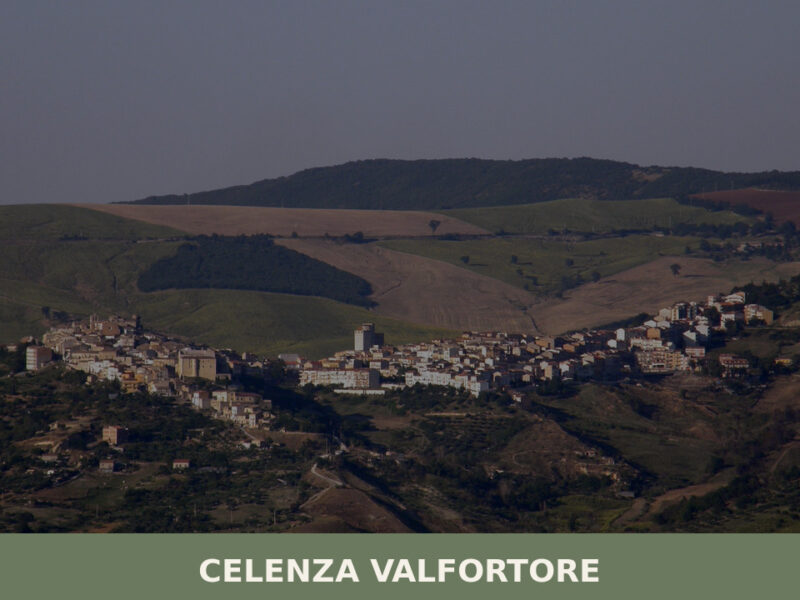
In Molise More villages to discover
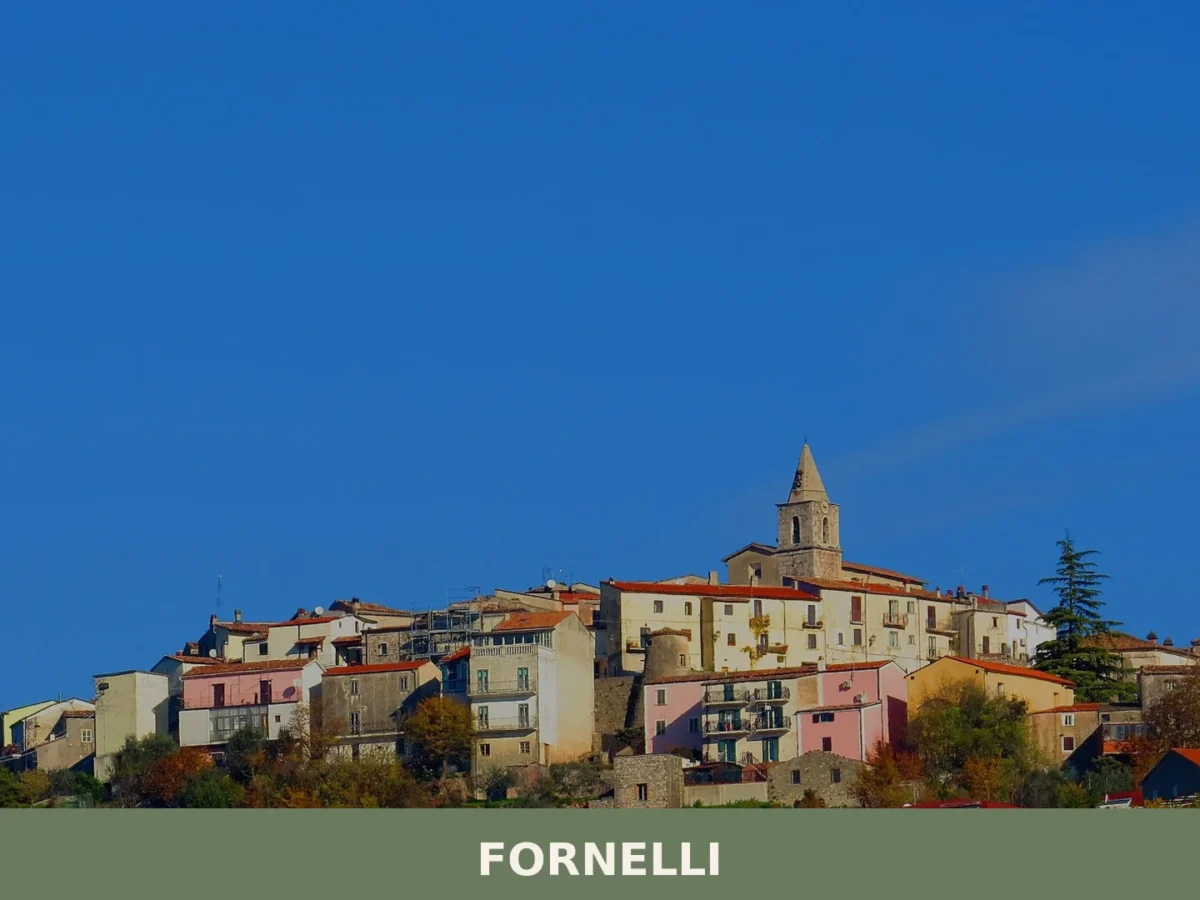
Fornelli
 Hills
Hills
Around 1,800 residents and a medieval castle with monumental portal: Fornelli rewards visitors with an intact historic centre and a moving Resistance heritage.
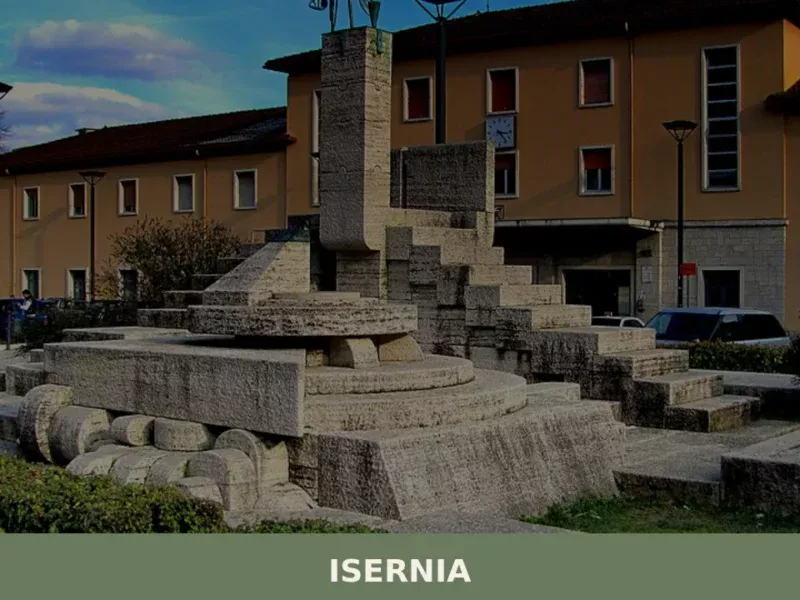
Isernia
Hills
what to see in isernia, Italy, and discover 5 top attractions. Explore its Roman heritage, including the Fraterna Fountain, and find travel tips for this Molise capital.
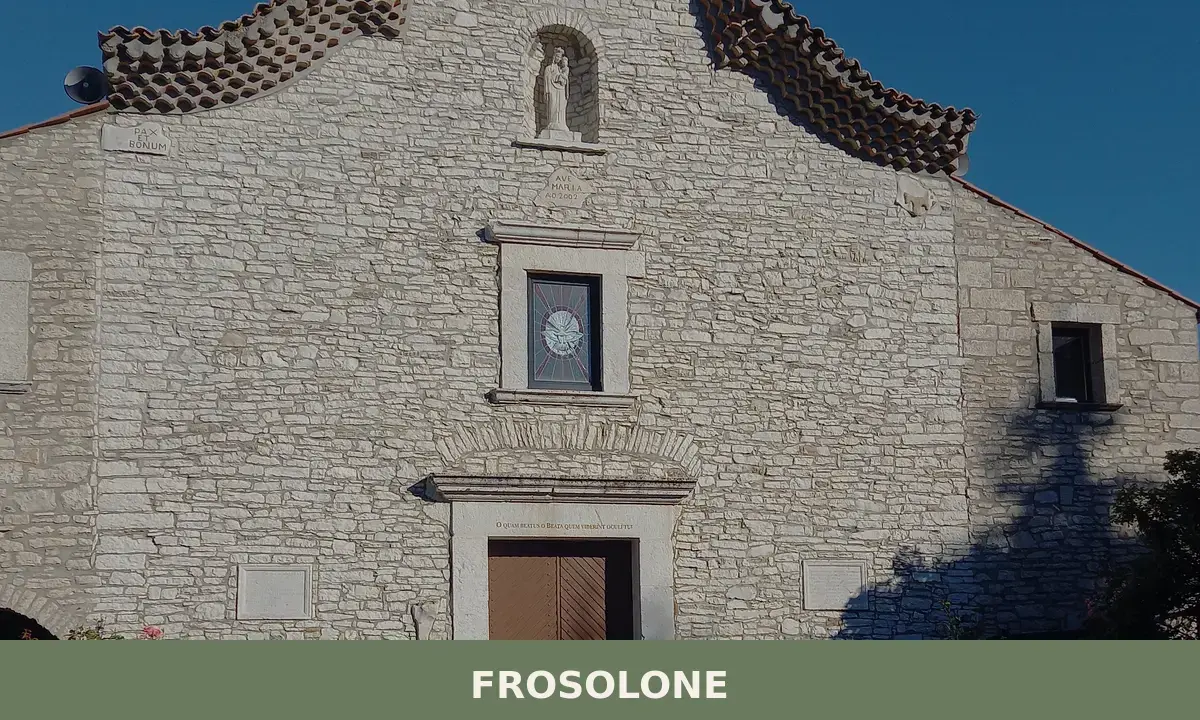
Frosolone
 Mountain
Frosolone is a mountain comune of 2,745 residents in Isernia province, Molise, renowned for its historic blade-making tradition and a hilltop old town with Samnite and medieval remains.
Duronia
Mountain
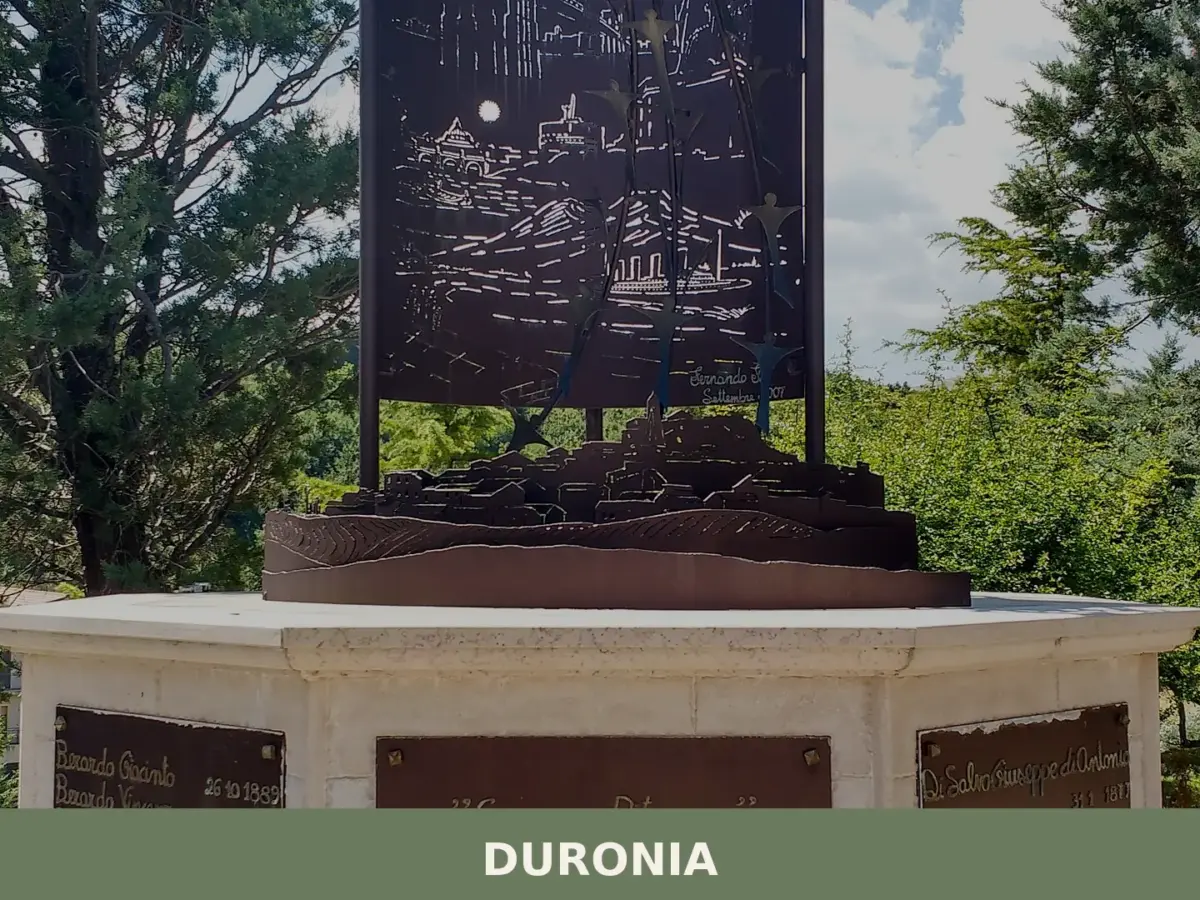
390 residents, 864 metres altitude, and a natural rock formation declared a regional monument — Duronia offers Samnite ruins, medieval stone and an ancient drovers' route.
Agnone
Mountain
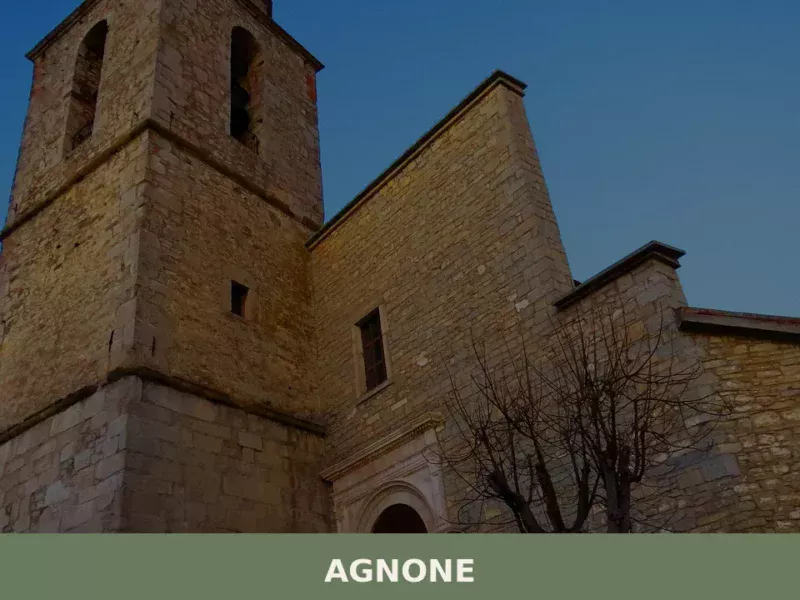
Discover what to see in Agnone, Molise: the 1040 Marinelli bell foundry, medieval churches, Samnite museum, local food and practical travel tips.
Civitanova del Sannio
Mountain
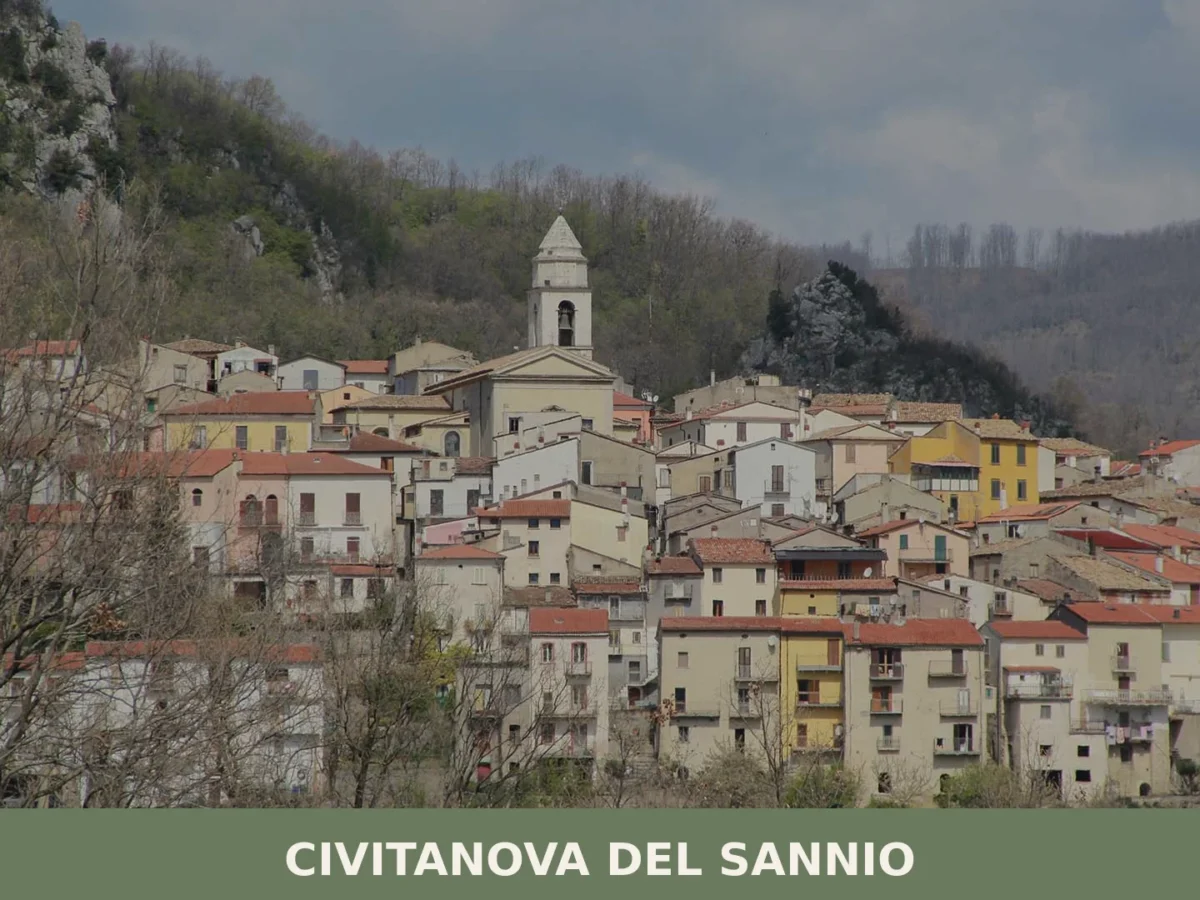
Civitanova del Sannio is a mountain commune of 874 inhabitants in the province of Isernia, Molise, with a documented history spanning from the tenth century through a rich succession of feudal lordshi
Termoli
 Sea
Sea
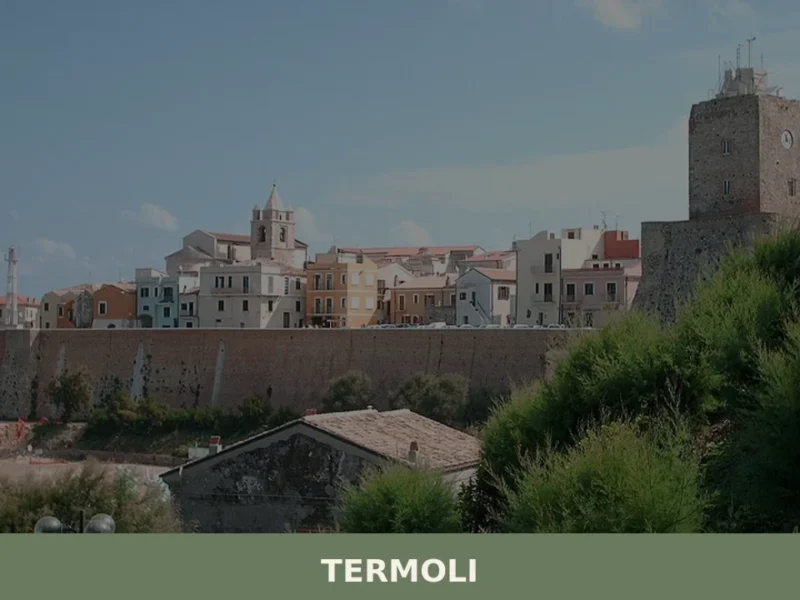
Salt air sharpens every breath along the stone ramparts at dawn, and the Adriatic below shifts between grey-green and pale blue as fishing boats throttle out from the harbour, trailing diesel and the promise of the day’s catch. Termoli — a working coastal town of roughly 32,000 people in the province of Campobasso — sits […]
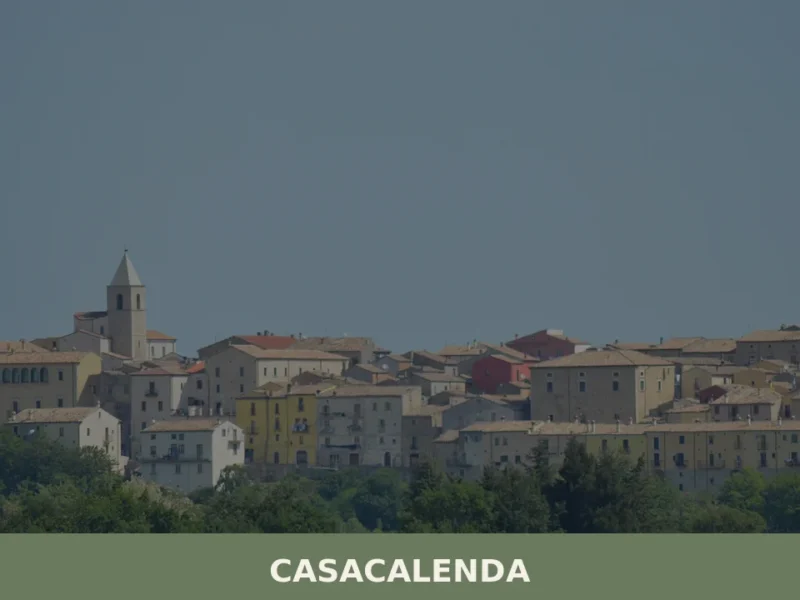
Casacalenda
Mountain
Morning light hits the limestone facades along Corso Roma and the sound is not silence but something close — a dog barking two streets away, the clatter of a shutter being folded back, the low idle of a Fiat Panda parked outside the only bar open before eight. Casacalenda sits at 631 metres above sea […]
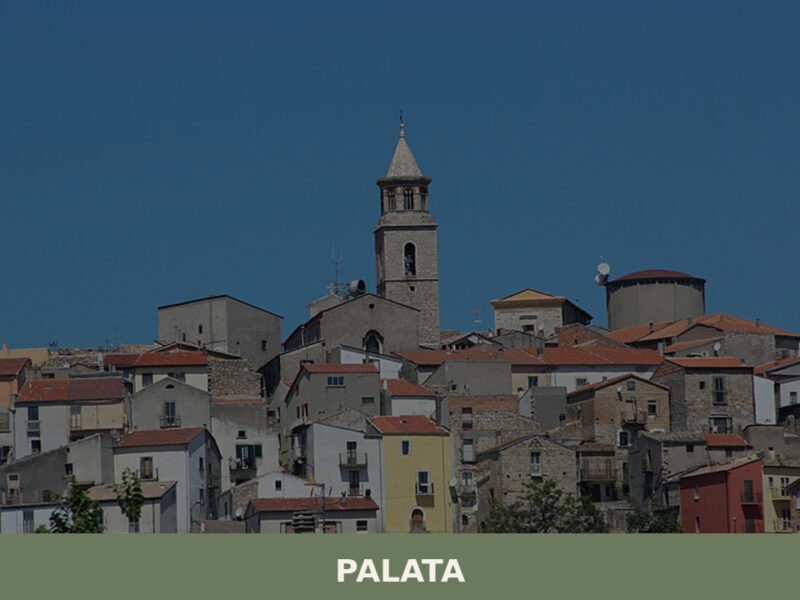
Palata
Hills
Palata is an inland Molise village at 472 metres in the province of Campobasso, shaped by earthquakes, Ottoman raids and a sixteenth-century Slavic resettlement still visible in its historic church.
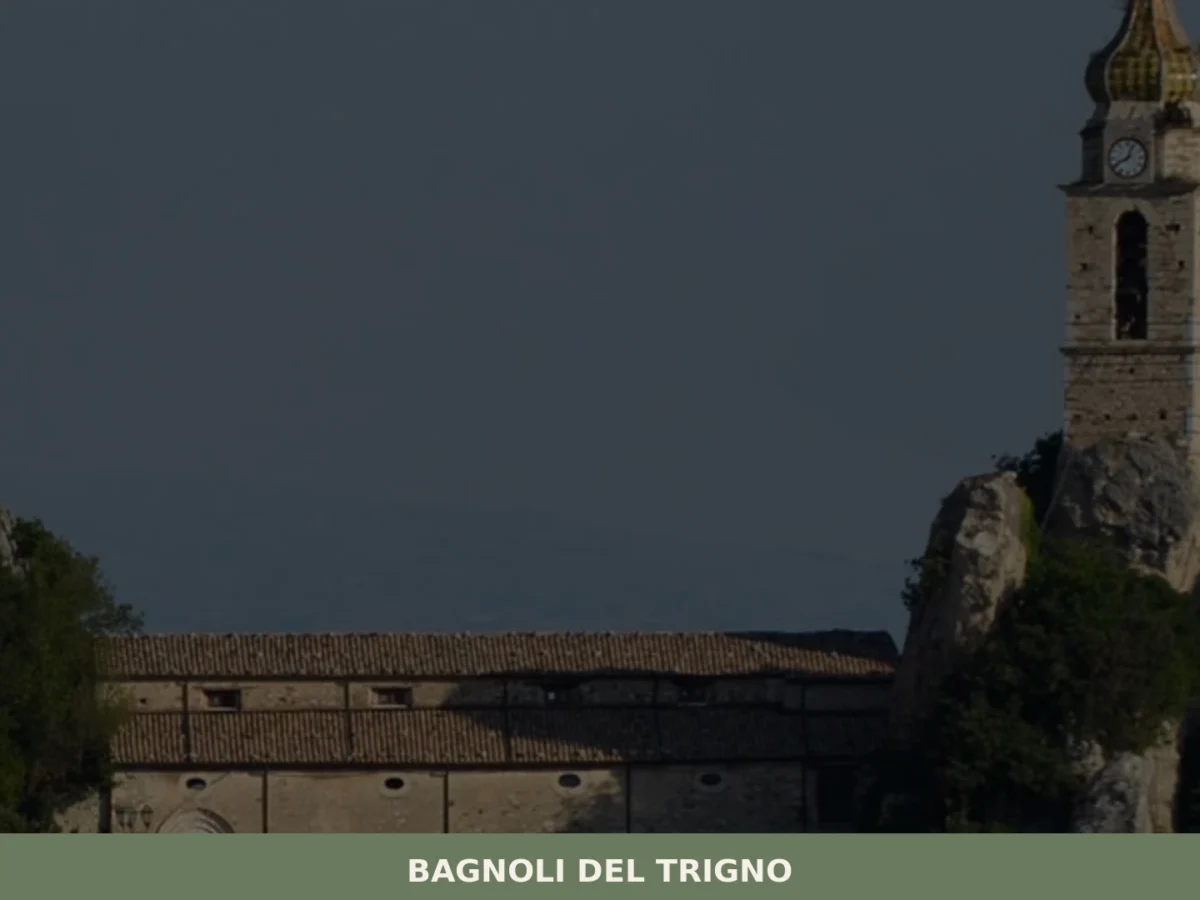
Bagnoli del Trigno
Mountain
Discover what to see in Bagnoli del Trigno: medieval streets, parish churches, Trigno valley landscapes and upland food traditions in the Province of Isernia, Molise.




🏡 Know Campodipietra better than we do?
If you’re a local or have been there, your knowledge matters: add what’s missing or fix a detail on this page.