


Ferrandina
 Hills
Hills
What to see in Ferrandina, Basilicata, Italy: 6 historic churches, olive oil production, and a hilltop at 482 m. Discover top attractions and how to get there.
Discover Ferrandina
Three Byzantine domes press against the Basilicatan sky above a hilltop that rises 482 metres (1,581 ft) above the Basento Valley. The Mother Church of St Mary of the Cross has stood at the top of this ridge since 1490, its three carved sixteenth-century doors facing a valley where the river Basento runs along the western bank below.
The hill itself carries a name older than any church: the ancient settlement of Troilia, built by Greeks from Magna Graecia around 1000 BC, once occupied this same ground, its acropolis known as Obelanon.
Deciding what to see in Ferrandina is a question of six centuries of religious architecture, a history of political resistance, and some of the most documented olive oil production in the province of Matera.
At 482 m (1,581 ft) above sea level, the town commands views across the Collina Materana territory and sits 35 kilometres (22 mi) from Matera and 77 kilometres (48 mi) from Potenza. Visitors to Ferrandina find monastic complexes with verified Baroque organs, paintings attributed to the Neapolitan school, and sculptures carved by the Renaissance master Altobello Persio — all concentrated within a walkable historic centre in the southern Italian region of Basilicata.
History of Ferrandina
The earliest documented occupation of this hill dates to around 1000 BC, when Greek settlers from Magna Graecia established a town they called Troilia — a name chosen deliberately to evoke the city of Troy in Asia Minor.
The acropolis of that settlement was known as Obelanon, later identified with the site called Uggiano. The layered geography of the place, a defensible ridge above a navigable river valley, made it attractive to successive populations across the centuries that followed.
The modern town takes its name from Ferdinand I of Naples, father of King Frederick of Naples. In 1507, Ferdinand II of Aragon formally conferred on the settlement the title of Civitas, a designation that carried legal and administrative weight within the Kingdom of Naples.
Almost immediately after, the Dominican order established an agricultural centre here, specializing in wool production that was considered high quality across the Kingdom. By 1517, the Dominicans had constructed the Monastery of Saint Dominic, and in 1546 they formalized it further.
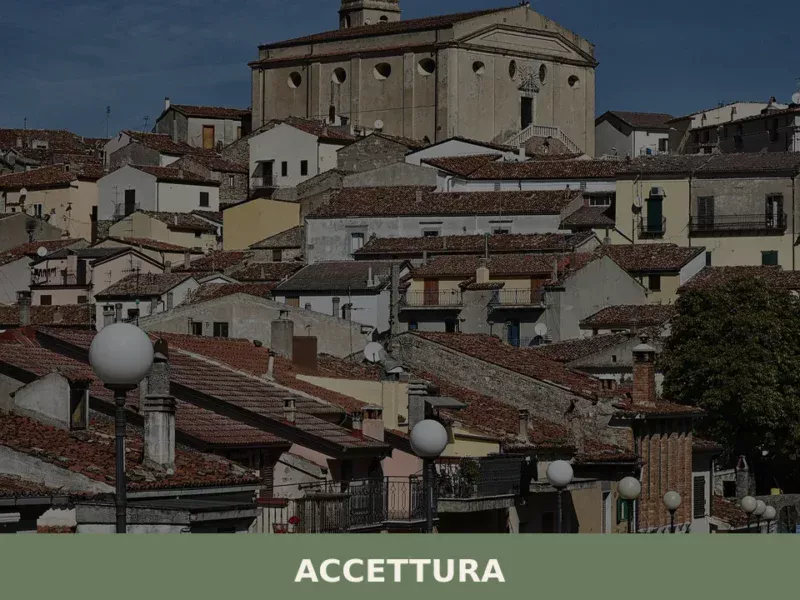
The order’s presence shaped the town’s built fabric for the following two centuries, culminating in the Baroque renovation of Saint Dominic Monastery in 1760. Nearby villages in the Collina Materana territory shared similar patterns of Dominican and Franciscan influence during this period; the village of Accettura, set in the same hilly interior of Basilicata, developed comparable monastic traditions across the same centuries.
The nineteenth and twentieth centuries brought repeated episodes of political conflict to Ferrandina. The town participated in the uprisings of 1820 and 1860. In March 1862, the brigand leader Carmine Crocco led an engagement in which a company of Italian troops was defeated and destroyed within the town.
Eight decades later, in September 1943, the farmers of Ferrandina rose against fascist landlords, seizing their land and cutting the town off from electricity and telecommunications.
The provisional government responded by dispatching military troops; Mario Scelba, then a member of the provisional anti-fascist government of Southern Italy, travelled personally to Ferrandina to address the situation. In 2003, the town took part in protests against a plan to site a nuclear waste facility in the area.
What to See in Ferrandina, Basilicata: Top Attractions
Mother Church of St Mary of the Cross
The sandstone mass of this church has defined the hilltop skyline since 1490, though the interior was substantially transformed at the end of the eighteenth century.
Three carved doors dating from the sixteenth century punctuate the façade, and three Byzantine domes crown the roof — a structural combination that reflects the overlapping cultural influences present in southern Basilicata at the time of construction.
Inside, visitors can examine a sculptural group depicting the Virgin with the Child alongside two statues representing Ferdinand of Aragon and his wife Isabella del Balzo, all three executed by the Renaissance sculptor Altobello Persio. The church is the most architecturally dense building in Ferrandina and the logical starting point when planning what to see in Ferrandina on a single-day visit.
Saint Dominic Monastery
Construction of this monastery began in 1517, but the building visible today is largely the product of a restoration and completion campaign carried out in Baroque style in 1760. The interior holds a seventeenth-century pipe organ — one of the few surviving instruments of its period in this part of Basilicata — alongside a carved wooden choir and a marble altar.
A collection of paintings attributed to the Neapolitan school fills the walls, documenting the cultural connections between this inland hill town and the artistic workshops active in Naples during the seventeenth and eighteenth centuries. The monastery is 35 km (22 mi) from Matera, making it a viable stop on a day trip from the provincial capital.
St.
Clare Monastery
Built in 1688, this monastery is distinguished by a tower that rises visibly above the surrounding fabric of the inner town and functions as an orientation point within the historic centre. The interior holds two significant works on canvas: a Crucifixion painted by Pietro Antonio Ferro and a Immaculate Conception attributed to Francesco Solimena, a Neapolitan painter active in the late seventeenth and early eighteenth centuries whose work appears in religious institutions across southern Italy.
The combination of a documented local painter and a major Neapolitan master within a single monastic complex of this size is unusual for a town of Ferrandina’s population. The tower itself is visible from several points on the approach road and is worth locating on arrival to calibrate your position within the historic centre.
Capuchin Convent
The Capuchin Convent houses a group of works attributed to Pietro Antonio Ferro, the seventeenth-century painter whose output is spread across several religious buildings in Ferrandina. Two paintings are specifically documented here: a Virgin and Child and a composition depicting Saints Peter and Francis. Ferro’s presence across multiple sites in the town — the Capuchin Convent, the St. Clare Monastery, and the Madonna dei Mali Chapel — suggests he had a sustained working relationship with the religious communities of Ferrandina during the 1600s.
For visitors interested in tracking a single artist’s work across an entire town, Ferrandina offers an unusually concentrated opportunity.
Madonna dei Mali Chapel
This small countryside church stands outside the main built perimeter of the town and holds a cycle of frescoes painted by Pietro Antonio Ferro in the seventeenth century.
Its position in the agricultural land surrounding Ferrandina reflects the historic pattern of rural religious buildings in the Basento Valley, where chapels served farming communities whose daily work kept them away from the town centre. The frescoes, executed directly on the interior walls, represent the most fragile of Ferro’s surviving works in the Ferrandina area and merit close examination. Reaching the chapel requires leaving the town on foot or by vehicle and heading into the surrounding countryside, which also offers direct views across the Basento Valley floor.
Local Food and Typical Products of Ferrandina
The agriculture of the Basento Valley and the Collina Materana territory has determined what people in Ferrandina have grown, processed, and eaten for centuries.
The Dominican order, which arrived here in the early sixteenth century, established an agricultural centre in the town immediately after receiving the Civitas title in 1507, prioritizing wool production at that stage. Over the following centuries, the cultivation of olives became the dominant agricultural activity, and Ferrandina today is documented as a centre for the production of high-quality olive oil within the province of Matera.
The climate — hot and dry in summer, cold and wet from October to May — suits olive cultivation in the valley slopes surrounding the town.
The culinary tradition of Ferrandina draws on the ingredients available in the Lucanian interior: legumes, bread baked from locally milled grain, lamb and pork from hill farming, and the olive oil that the territory produces in quantity.
Pane di Matera, the large sourdough loaf made from durum wheat semolina with a dense crumb and thick crust, is the bread type characteristic of this part of Basilicata and appears on tables throughout the province. Peperoni cruschi — dried red peppers fried briefly in olive oil until they become crisp and slightly sweet — are a staple of the Lucanian pantry used to season pasta, dried salt cod, and egg dishes. The technique depends on a specific drying process carried out in the warm, dry air of the late summer months.
Ferrandina’s standing as an olive oil production centre is the most thoroughly documented aspect of its food economy. The olive groves on the slopes of the Collina Materana yield oil pressed from local cultivars, and the product circulates within the provincial market.
For visitors seeking to purchase local oil, the period following the autumn harvest — roughly November through January — is when freshly pressed oil becomes available directly from producers in the area.
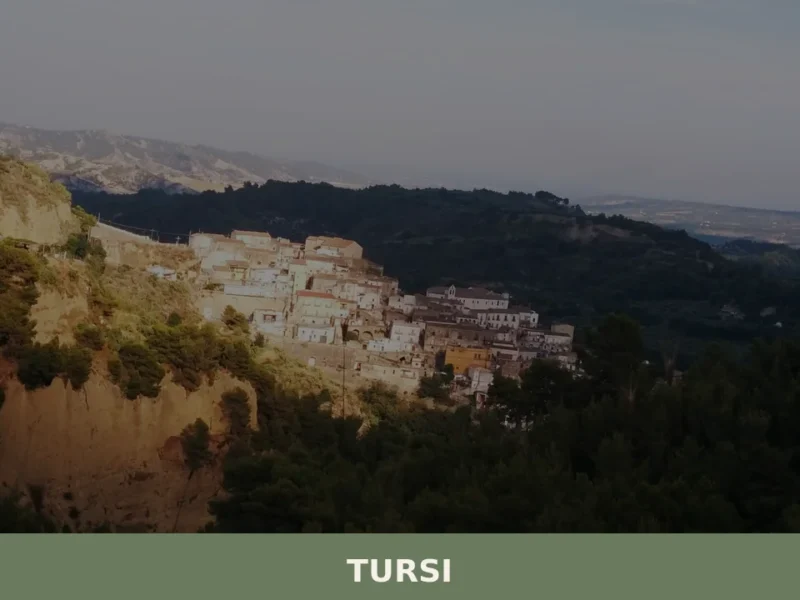
The town’s position 35 km (22 mi) from Matera and its proximity to the agricultural villages of the valley makes it a practical base for exploring the food production of the broader Matera province. The village of Tursi, another Lucanian comune with documented agricultural traditions, shares the same hill-farming and olive-cultivation landscape found around Ferrandina.
Festivals, Events and Traditions of Ferrandina
The sources confirm that Ferrandina has a documented history of civic and political mobilization, most sharply expressed in September 1943 when the farming population rose collectively against fascist landlords. That September uprising is part of local historical memory and has been referenced in regional accounts of the anti-fascist resistance in southern Italy. The town also participated in the national protests of 2003 against nuclear waste facility siting, demonstrating a consistent tradition of collective public action that distinguishes its civic culture within the Matera province.
The religious calendar of Ferrandina is anchored by the feast days connected to its principal churches and monasteries.
The Mother Church of St Mary of the Cross, the Capuchin Convent, the St.
Clare Monastery, and the Saint Dominic Monastery each carry their own liturgical observances, and the Dominican presence — documented continuously since 1517 — has shaped the ritual year of the town across five centuries. Specific dates for patron saint festivals and sagre (traditional local food festivals tied to the agricultural calendar) are best confirmed with the municipal offices before travel, as schedules may vary by year.
When to Visit Ferrandina, Italy and How to Get There
The climate of Ferrandina follows the pattern typical of the Materan hills: summers are hot and dry, winters are cold with regular rainfall and occasional snow, and heavy fog is common in autumn and early winter. For most international visitors, the most practical window runs from late April through June, when temperatures are moderate, rainfall has eased, and the olive groves on the surrounding slopes are in full leaf. September is also suitable, falling before the fog season and coinciding with the end of the summer heat.
Visitors who want to purchase freshly pressed olive oil should plan a November or December visit, arriving after the harvest.
Ferrandina sits 35 km (22 mi) from Matera and 77 km (48 mi) from Potenza, making it a feasible day trip from either provincial capital. From Matera, the drive takes approximately 35 to 40 minutes via the SS407 Basentana road. From Rome, the journey by car covers roughly 400 km (249 mi) southbound via the A1 motorway toward Naples, then southeast through Basilicata — a realistic transfer for visitors spending several days in the region rather than a single-day excursion.
The nearest rail access is via Trenitalia services to Ferrandina-Scalo station on the Potenza–Taranto line, which sits in the valley below the town; from the station, the historic centre on the hill requires a car or taxi connection. The nearest commercial airport is Bari Karol Wojtyła Airport, approximately 100 km (62 mi) to the east, with connections to major Italian and European cities.
For those planning the route as part of a wider Basilicata itinerary, the village of Castelsaraceno, located in the mountainous western part of the region, represents a contrasting landscape within the same province. International visitors should note that English is not widely spoken in smaller shops and local establishments in this part of Basilicata; carrying cash in euros is advisable, as card payment infrastructure can be limited outside the main commercial streets.
Visitors exploring what to see in Ferrandina as part of a broader Basilicata itinerary can extend their route westward to include Castelgrande, a high-altitude comune in the Agri Valley area with its own medieval layers and hilltop position. The two towns represent different registers of Basilicatan settlement — Ferrandina the larger, lower hill town of the Basento Valley, Castelgrande the more isolated upland village — and together they give a clearer picture of how varied the interior of the region actually is across relatively short distances.
Frequently asked questions about Ferrandina
What is the best time to visit Ferrandina?
Late spring (April–June) and early autumn (September–October) offer the most pleasant conditions, with mild temperatures and clear views across the Basento Valley. August brings the feast of San Rocco on 16 August, the town's main religious and community celebration, making it the liveliest time to visit. Autumn has a practical bonus for food lovers: from November through January, freshly pressed olive oil becomes available directly from local producers following the harvest on the Collina Materana slopes.
What are the historical origins of Ferrandina?
The hill was first settled around 1000 BC by Greek colonists from Magna Graecia, who founded a town called Troilia — a name deliberately evoking Troy. Its acropolis was known as Obelanon, later identified with the site of Uggiano. The modern town takes its name from Ferdinand I of Naples; in 1507 Ferdinand II of Aragon formally designated it a Civitas within the Kingdom of Naples. The Dominican order arrived almost immediately, establishing a monastery by 1517 and shaping the town's architectural and agricultural identity for the following two centuries.
What to see in Ferrandina? Main monuments and landmarks
The Mother Church of St Mary of the Cross (1490) is the essential starting point: its three Byzantine domes, three sixteenth-century carved doors, and Renaissance sculptures by Altobello Persio — including Ferdinand of Aragon and Isabella del Balzo — are all concentrated in one building. Saint Dominic Monastery (completed in Baroque style in 1760) houses a rare seventeenth-century pipe organ and Neapolitan school paintings. St Clare Monastery (1688) contains works by Pietro Antonio Ferro and a canvas attributed to Francesco Solimena. All three are within the walkable historic centre.
Where to take the best photos in Ferrandina?
The three Byzantine domes of the Mother Church of St Mary of the Cross are the town's most distinctive skyline element and best photographed from the approach roads below the ridge. The tower of St Clare Monastery rises visibly above the surrounding rooftops and serves as a natural focal point within the historic centre. The Madonna dei Mali Chapel, set in the agricultural countryside outside the town perimeter, offers unobstructed views across the Basento Valley floor — particularly photogenic in the soft light of early morning or late afternoon.
Are there museums, churches or historic buildings to visit in Ferrandina?
Ferrandina has four main religious buildings of documented artistic significance, all within or just outside the historic centre. The Mother Church of St Mary of the Cross holds sculptures by Altobello Persio. Saint Dominic Monastery preserves a seventeenth-century pipe organ, a carved wooden choir, and a marble altar. St Clare Monastery contains paintings by Pietro Antonio Ferro and a work attributed to Francesco Solimena. The Capuchin Convent and the rural Madonna dei Mali Chapel both hold further documented works by Ferro. Specific opening hours are best confirmed locally on arrival.
What can you do in Ferrandina? Activities and experiences
Ferrandina rewards a focused art itinerary: tracking the paintings of seventeenth-century local artist Pietro Antonio Ferro across four separate sites — the Capuchin Convent, St Clare Monastery, the Capuchin Convent, and the Madonna dei Mali Chapel — is an unusually concentrated experience for a town of this size. The Madonna dei Mali Chapel requires a short trip into the surrounding countryside, combining the visit with views over the Basento Valley. Autumn visits can be combined with purchasing freshly pressed extra-virgin olive oil directly from producers in the area, typically available November through January.
Who is Ferrandina suitable for?
Ferrandina suits travellers with an interest in southern Italian religious art and architecture: the density of Baroque, Renaissance and Byzantine heritage within a compact, walkable historic centre is high for a town of around 8,000 inhabitants. Art history enthusiasts will find the cross-site Ferro itinerary particularly rewarding. Couples and independent travellers seeking an unhurried, non-commercialised Basilicatan hill town will feel at home here. It also works well as a day trip from Matera (35 km) for visitors wanting to explore the broader Collina Materana territory beyond the Sassi.
What to eat in Ferrandina? Local products and specialties
Ferrandina is a documented centre for extra-virgin olive oil production within the province of Matera; oil pressed from local cultivars on the Collina Materana slopes is the most characteristic product to seek out. Regional staples found on local tables include Pane di Matera, the large durum wheat sourdough loaf with a thick crust and dense crumb, and peperoni cruschi — dried red peppers briefly fried in olive oil until crisp and lightly sweet, used to season pasta, salt cod and egg dishes. Lamb and pork from hill farming complete the traditional Lucanian table.
Nearby Villages near Ferrandina
In Basilicata More villages to discover
Calvera
 Mountain
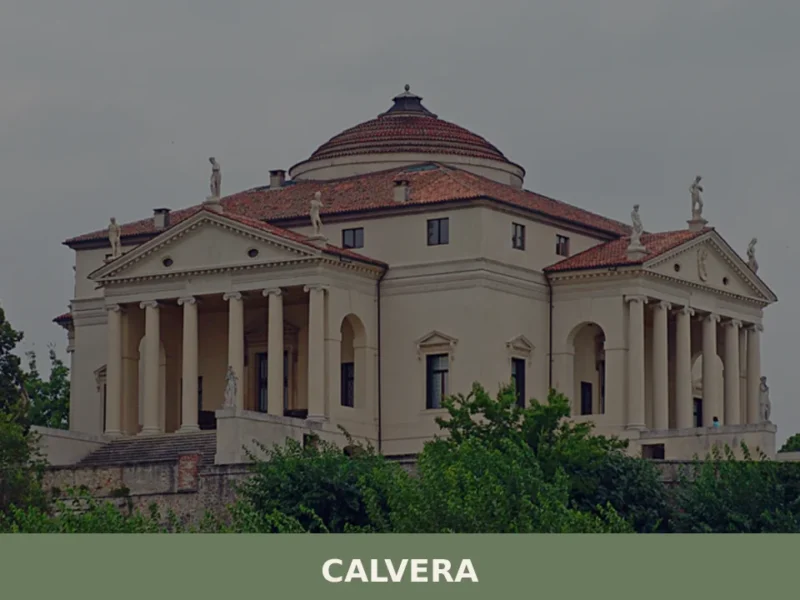
At 630 meters above sea level, in the heart of the province of Potenza, lies Calvera, a small Lucanian municipality distinguished by its elevated position and authentic atmosphere. The village, with its stone houses clinging to the hillside, offers panoramic views of the surrounding valley, bearing witness to a history of mountain life and a […]
Chiaromonte
Mountain
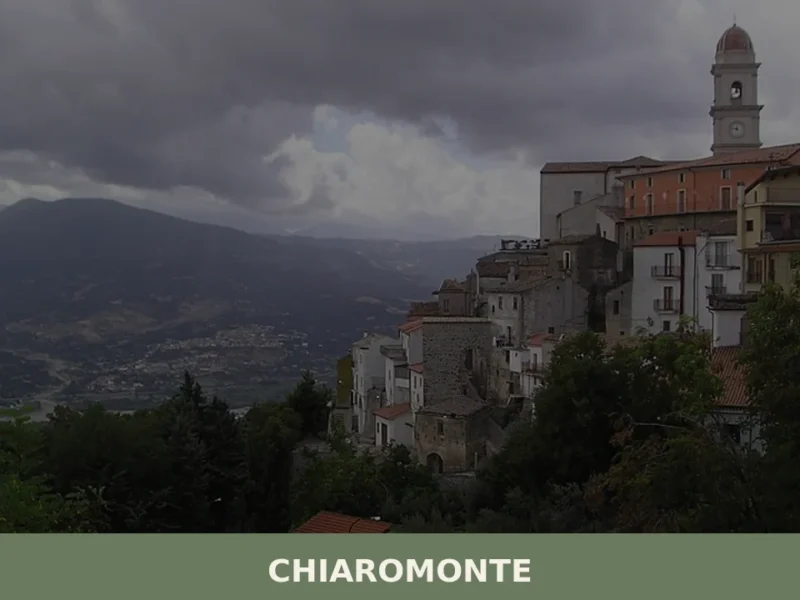
what to see in chiaromonte, Italy: Discover its 794m altitude and delve into its history, from ancient roots to the case study of Montegrano. Explore Basilicata.

Castelluccio Inferiore
Mountain
What to see in Castelluccio Inferiore: 5 must-see attractions, from the historic center to baroque churches. Discover the complete guide to this Basilicata village.

Cirigliano
Mountain
What to see in Cirigliano, Italy: a medieval village with a 17th-century Pietu00e0, an oval castle tower, and local pasta traditions. Discover 5 top attractions.

Craco
Mountain
What to see in Craco, Italy: explore the abandoned town at 400 m (1,312 ft), its medieval tower, film locations, and Basilicata's landscape. Discover it all here.

Colobraro
Hills
What to see in Colobraro, Italy: explore the village at 630 m altitude known as 'that village'. Discover its curse legend, Sinni valley views & local food. Read the guide.
Cancellara
Mountain
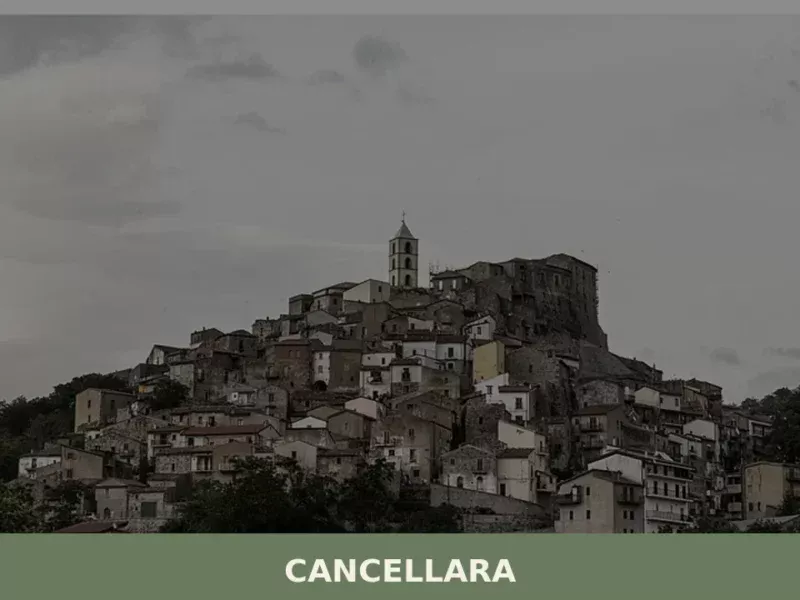
What to see in Cancellara: Discover Italy's Basilicata region, a village at 680 m (2,231 ft) known for its medieval castle and ancient necropolis. Explore its history and salami festival.
Calciano
Hills
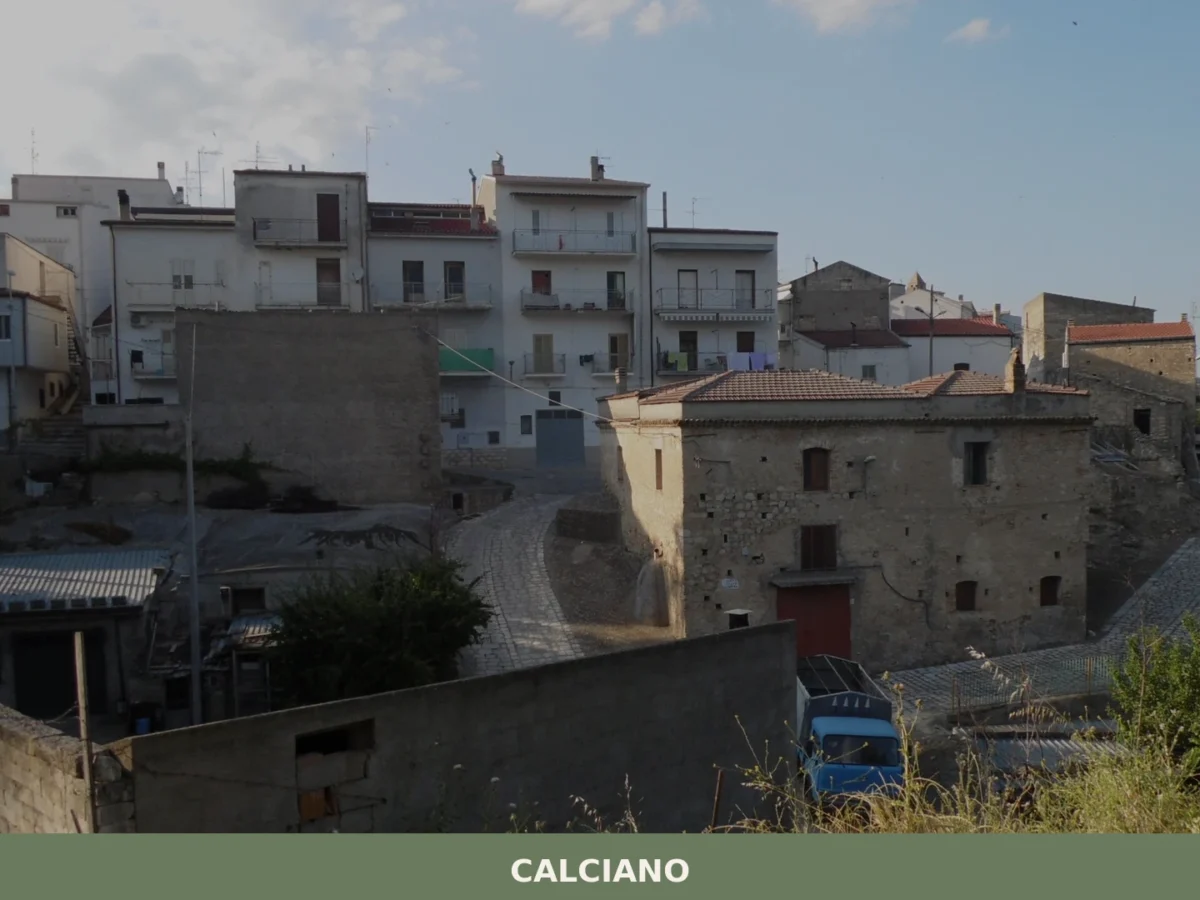
Six hundred inhabitants, a dialect that calls the town Caucësciànë, and a landscape that the province of Matera renders with geometric precision: clay hills that change colour with the passing hours, narrow streets where the wind carries dust in summer and silence in winter. In this article History and origins of Calciano What to See […]

🏡 Know Ferrandina better than we do?
If you’re a local or have been there, your knowledge matters: add what’s missing or fix a detail on this page.