


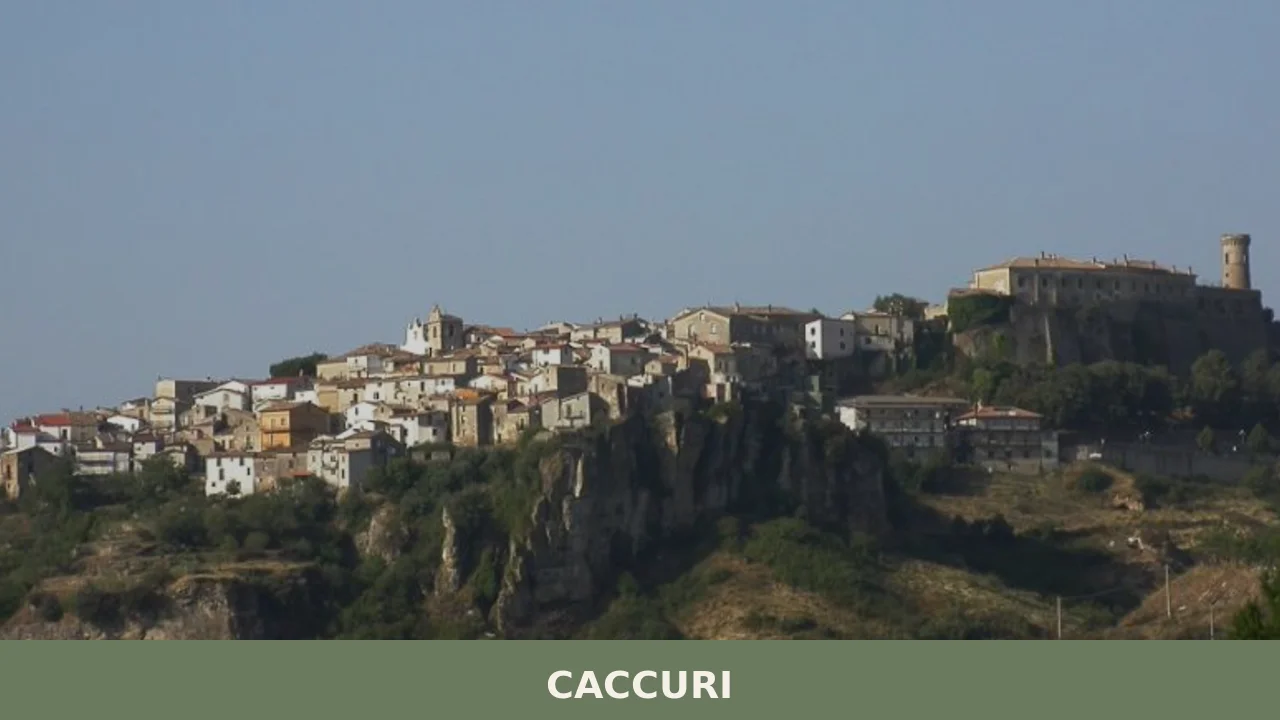

Caccuri is a hilltop commune in the province of Crotone, Calabria, rising to 638 metres on a rocky spur in the Presila crotonese, with a history spanning from the Bronze Age to the present day.
Discover Caccuri
Caccuri is a hilltop commune in the province of Crotone, Calabria, rising to 646 metres above sea level on a rocky spur in the Presila crotonese, with a surface area of approximately 57.27 square kilometres and a resident population of around 1,500. Its medieval castle, the church of Santa Maria delle Grazie, and the remains of early monastic foundations give the borough a historical density uncommon even by southern Italian standards. The old town is divided into four quarters — Centro storico, Croci, Parte, and San Nicola — and three ancient gateways once controlled entry to the settlement: Porta Grande, Porta Piccola, and Porta Nuova. The nearest city is Crotone, roughly 45 kilometres away and about 50 minutes by road via the S.S. 107, the state road that also connects the village westward to Cosenza, approximately 70 kilometres distant and about 1 hour and 15 minutes by car; Catanzaro lies around 60 kilometres to the south-west, reachable in approximately 1 hour and 10 minutes.
Caccuri village in Calabria encompasses more than three thousand years of layered history, from a Bronze Age settlement at the locality of Timpa dei Santi through Roman rural occupation, tenth-century Basilian monasticism, and successive feudal lordships — including, memorably, that of Polissena Ruffo, wife of Francesco Sforza. The Cammino Basiliano, a long-distance route of 1,535 kilometres, passes through this territory, tracing the footprint of the Greek-Orthodox monastic culture that once shaped the Calabrian interior. Each August, the borough hosts the Premio Letterario Caccuri for non-fiction writing, and roughly every seven years the Dramma de I Giudei is performed during Holy Week, drawing visitors to a tradition whose roots reach deep into local religious practice.
Caccuri village in Calabria: history from ancient settlements to feudal rule
Caccuri’s history spans from prehistoric occupation through Greek and Roman periods, medieval monastic settlement, and centuries of feudal lordship, leaving a layered architectural and cultural record across its rocky hilltop site in the Presila crotonese. Archaeological finds suggest human presence in the area as far back as the Neolithic, and an organised Bronze Age settlement has been identified at the locality known as Timpa dei Santi, dating to roughly the period between the eighteenth and twelfth centuries B.C. The same locality preserves rupestrian caves with paintings attributed to the Byzantine era.
In the Roman period the territory was occupied through scattered rural dwellings rather than a concentrated nucleus. By the tenth century the area had become a site of monastic activity: three small Basilian monasteries were established here, known as the Monastery of the Three Boys, the Monastery of Abbot Marco, and the Monastery of Santa Maria. The districts of Patia, Lepore, and Montagna — local rural neighbourhoods in the wider municipal territory — still retain traces of these early religious foundations.
During the medieval and early modern centuries, Caccuri passed through a succession of feudal families: the Sangiorgio, De Riso, Spinelli, Cimino, Carafa, Cavalcanti, and Barracco all held the fief at different times. Among the most noted early lords was Polissena Ruffo, wife of Francesco Sforza, whose room inside the castle is said to survive. The medieval castle itself is traditionally dated to around the sixth century. The borough was once entered through three gates — Porta Grande, Porta Piccola, and Porta Nuova — and the street named Via Judeca preserves evidence, through surviving bas-reliefs, of a former Jewish community and synagogue.
Later milestones include the founding of the Badia di Santa Maria del Soccorso in 1518 by the Dominican friar Andrea da Gimigliano, and the commissioning in 1578 of a bell for the Chiesa Madre by the Università di Caccuri, cast by the craftsman Angelo Rinaldi. In the nineteenth century, legislation known as the Leggi Siccardi prompted the friars to leave the Badia, which was subsequently sold to the baron Barracco. The agriturismo now operating in the masseria del Bordò recalls another episode of that era: the patriot brothers Bandiera spent a night there before their execution in the vallone di Rovito.
Castles, churches and archaeological sites: Caccuri’s built heritage
Caccuri offers visitors a medieval castle, two significant religious complexes, a cluster of smaller churches and chapels, an outdoor archaeological area at Timpa dei Santi, and a historic centre whose lanes and small piazzas all converge on the castle promontory.
The medieval castle and Villa Comunale
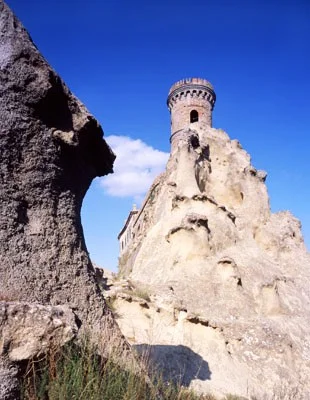
The castle, whose origins date to the sixth century, dominates the town from its rocky spur. It is associated with Polissena Ruffo, wife of Francesco Sforza, and a room connected with her presence is still visible inside. At the foot of the castle lies the Villa Comunale, a public park characterised by calcareous rock formations of unusual shape rising among the pine trees; the municipal offices are housed within the same complex.
Chiesa Madre di Santa Maria delle Grazie
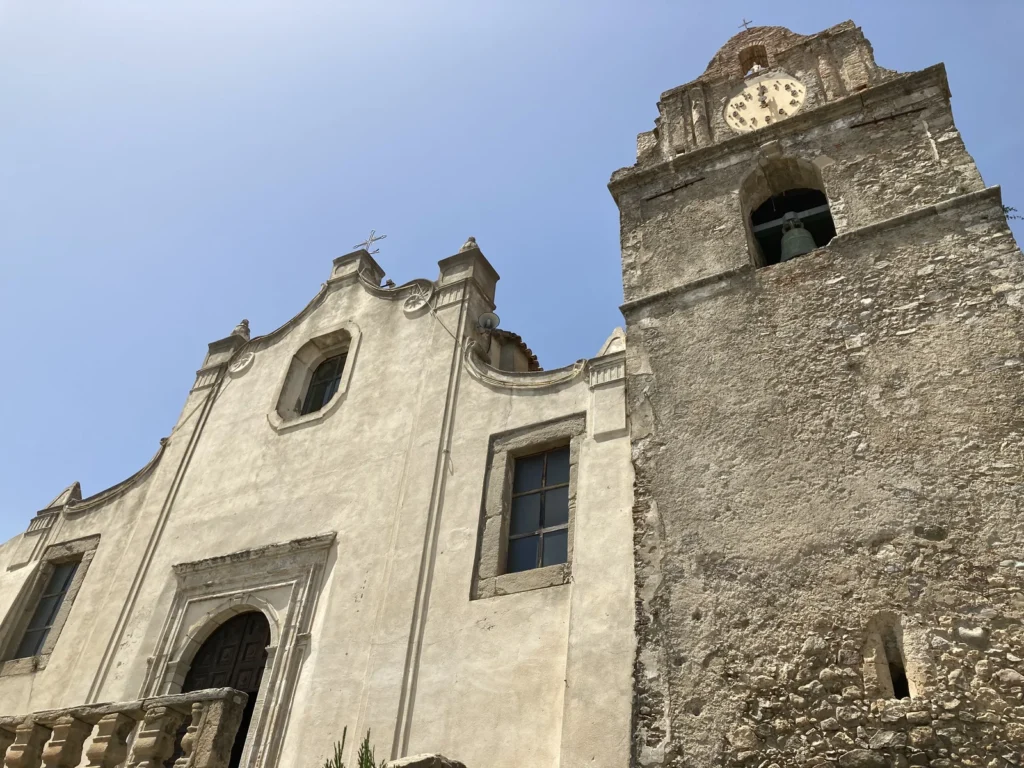
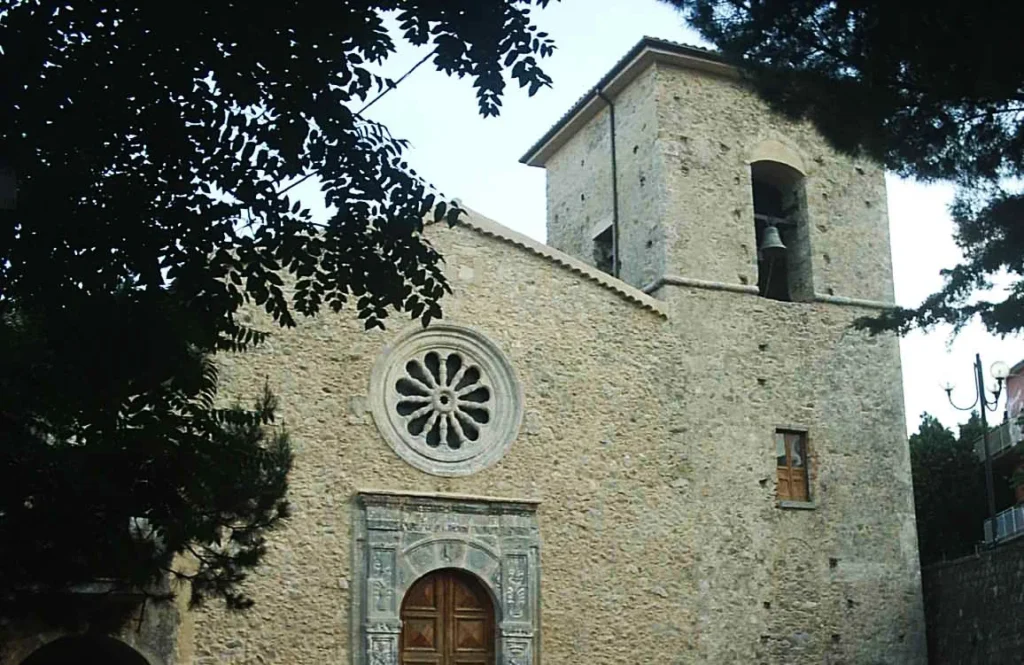
The parish church, dating to the fourteenth century, stands at the highest point of the historic centre. Its interior is organised on three naves in a Renaissance arrangement, with a series of altars bearing statues and paintings. Among the works cited in the sources are a seventeenth-century canvas of the Transfiguration, a large Marian painting in the sacristy, and a wooden statue of the Madonna delle Grazie also from the XVII secolo. The bell tower holds a bronze bell dedicated to the Madonna, cast in 1578 by Angelo Rinaldi on commission from the Università di Caccuri. Opening off the right nave is the Cappella di San Gaetano, also known as the Cappella De Franco, which local tradition identifies as the original baptistery of the village.
Complesso monumentale della Badia di Santa Maria del Soccorso
Founded in 1518 by the Dominican friar Andrea da Gimigliano, this monastic complex passed from the Dominicans to the Franciscan Reformers before being sold in the late nineteenth century to the baron Barracco under the Siccardi laws. The building is still referred to locally as “il convento.” Its church is also known as the Chiesa della Riforma. The sources describe its interior as conveying a strong sense of austerity and note the presence of significant artistic works, without specifying individual attributions beyond what is recorded above.
Chiesa di San Rocco
Situated to the east of the historic centre, near the site of the former Porta Piccola, the church was probably built during the seventeenth century and is documented with certainty in the catasto onciario of 1749. After storm damage in 1855 — heavy rains brought down the vaulted ceiling and lightning destroyed the façade — the municipality funded repairs. The church holds an image of San Rocco, patron of Caccuri, identified in the sources as likely a preparatory sketch for an altarpiece datable to the late eighteenth or early nineteenth century.
Arco di Murorotto and Via Judeca
Along Via Murorotto, which follows the line of the former town walls, stands a brick arch known as the Arco di Murorotto. Nearby, Via Judeca preserves bas-reliefs that the sources associate with a former Jewish synagogue.
Timpa dei Santi and other archaeological sites
The locality of Timpa dei Santi contains rock-cut caves with Byzantine-period paintings and evidence of a Bronze Age settlement dated by the sources to between the eighteenth and twelfth centuries BC. In the locality of Pantano, traces of ancient burials have been recorded. The districts of Patia, Lepore and Montagna — rural areas outside the centre — preserve remains of the three Basilian monasteries that, according to tenth-century documentation, once stood in this territory.
Fontana di Canalaci
Caccuri and its territory: food, wine and certified products
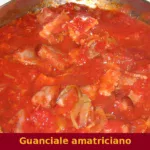
Caccuri’s table draws on the agricultural traditions of the Presila crotonese, where local bakers still prepare distinctive breads and pastries alongside a handful of seasonal specialities rooted in the village calendar. The most recognisable everyday product is the pitta, a round flatbread baked locally, while the calzone con la sardella — a stuffed pastry filled with cured fish paste — represents one of the area’s more characterful street foods. The festive calendar adds further variety: pitte ‘mpigliate appear at Christmas, while cuzzupe and muccellati are typical of Easter, and mastacciuoli are prepared across the colder months.
The surrounding countryside yields a generous harvest of wild mushrooms — among them porcini, ovoli, chiodini and several local varieties known by dialect names such as vavusi, rositi, cocolini, mucchiaruli, mussi e vovi and pinnelle — gathered from the woods around the village. Uliveti (olive groves) form the backbone of local agriculture and the primary source of farm income, linking Caccuri directly to the Olio di Calabria IGP and the broader Alto Crotonese DOP designation that covers extra-virgin olive oil from this part of the province.
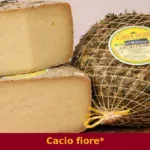
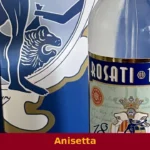
The wider provincial and regional pantry adds further certified names worth knowing before a visit: Capocollo di Calabria DOP, Liquirizia di Calabria DOP, Clementine di Calabria IGP and Finocchio di Isola Capo Rizzuto IGP are all produced in Calabria and available across the province of Crotone, though none is exclusive to Caccuri itself. Regional liqueurs made from liquorice, bergamot, citrus and anise are also part of the area’s traditional repertoire. On the wine side, the denominations closest to the territory include Melissa DOC, S. Anna di Isola Capo Rizzuto DOC and the Val di Neto IGT and Lipuda IGT designations, alongside the broader Calabria IGT. Locally, a red wine of village production completes the picture.
Planning your visit and getting there
Caccuri can be reached easily from the lower Val Pellice and the Turin area. The practical distances and journey times below are kept concise on purpose, so the access information stays clear and consistent.
| Departure | Distance | Time |
|---|---|---|
| Crotone | approx. 40 km | approx. 50 min |
| Cosenza | approx. 70 km | approx. 1h 15 min |
| Catanzaro | approx. 60 km | approx. 1h 10 min |
These practical reference points are enough to plan the journey without overloading the text with unstable logistics. Once on site, the village is best understood slowly, on foot and in relation to the surrounding landscape.
Frequently asked questions about Caccuri
What is the best time of year to visit Caccuri?
Late summer is ideal, particularly around August 16th, when the Feast of San Rocco—the village's patron saint—transforms Caccuri into a celebration of local traditions, food, and culture. Spring and early autumn offer pleasant mountain weather suitable for exploring the historic quarters and surrounding Presila landscape. Winter can be cold at 646 metres elevation, while summer heat is moderated by altitude, making it comfortable for walking the medieval streets.
How do I reach Caccuri by car from major cities?
From Crotone (45 km, ~50 minutes), take the S.S. 107 state road northbound. From Cosenza (70 km, ~75 minutes), follow the S.S. 107 southeastward. From Catanzaro (60 km, ~70 minutes), travel north-westward via provincial routes. The S.S. 107 is the primary access corridor. There is no motorway directly serving the village; nearest major roads are regional highways connecting Calabria's interior mountain communities.
What are the main historical attractions in Caccuri?
The medieval castle dominates the skyline; the Church of Santa Maria delle Grazie showcases religious architecture; and remnants of tenth-century Basilian monastic foundations reveal the Orthodox Christian heritage. The old town preserves four historic quarters—Centro storico, Croci, Parte, and San Nicola—accessible through three ancient gateways: Porta Grande, Porta Piccola, and Porta Nuova. This density of medieval and early monastic sites is exceptional even for southern Italy.
Does Caccuri connect to the Cammino Basiliano hiking route?
Yes. The Cammino Basiliano, a 1,535-kilometre long-distance pilgrimage trail tracing Greek-Orthodox monastic culture across southern Italy, passes through Caccuri's territory. This route offers walkers an opportunity to experience the landscape and spiritual heritage that shaped the region from the tenth century onwards. It is an established trekking network suitable for cultural and outdoor tourism.
How long should I plan to spend in Caccuri?
A full day (6–8 hours) allows thorough exploration of the medieval quarters, castle, and main churches. Visitors interested in hiking the Cammino Basiliano or undertaking longer mountain excursions should allocate 2–3 days. The village's compact size and historical density make it ideal as a cultural stop within a broader Calabrian mountain itinerary rather than as a multi-day base.
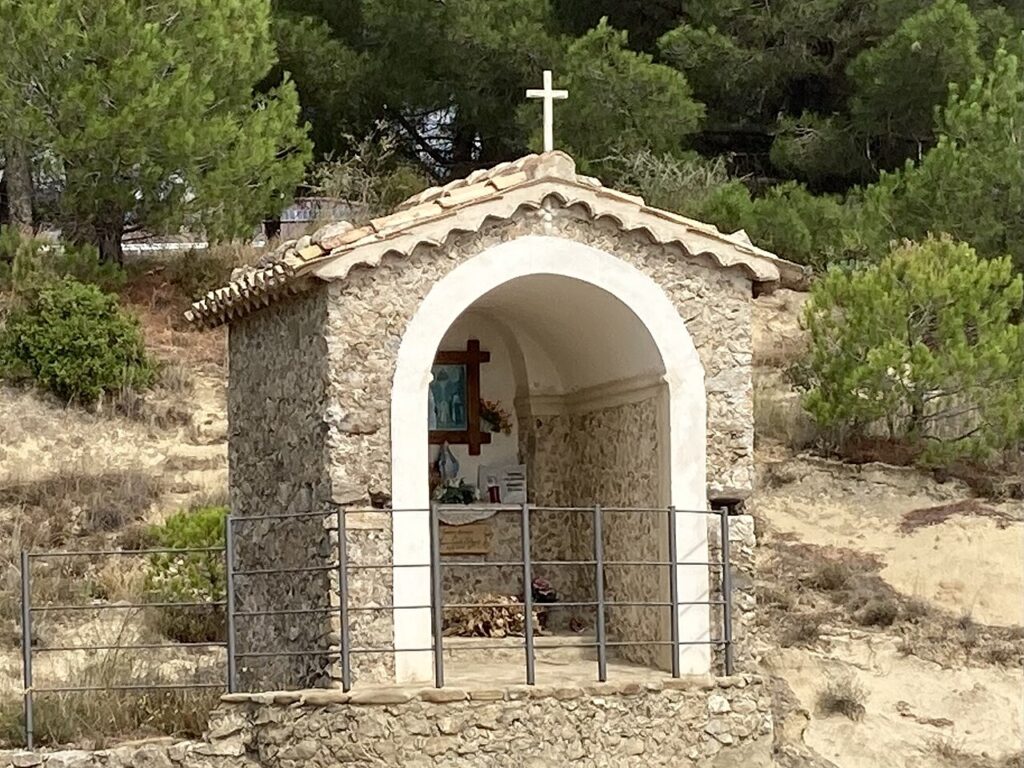
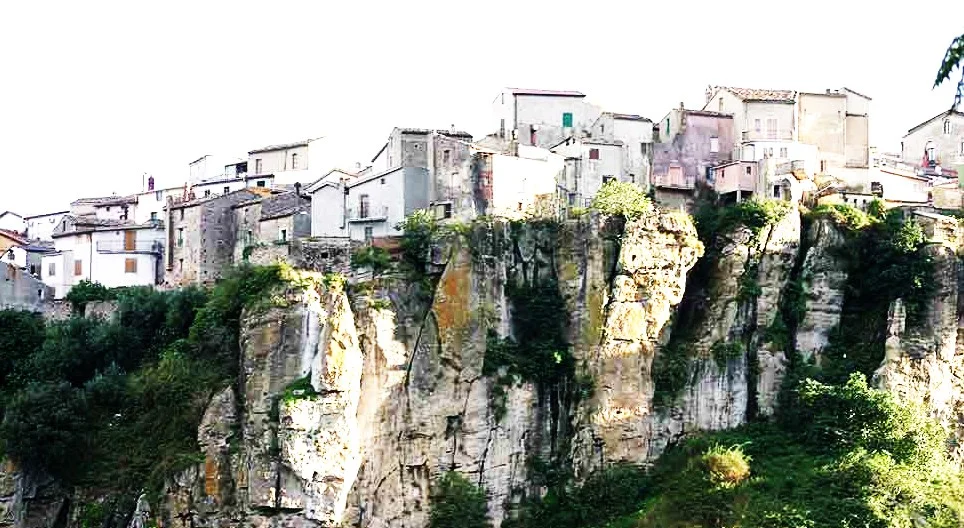
📷 Photo Gallery — Caccuri


In Calabria More villages to discover
Africo
 Sea
Sea
Discover what to see in Africo, Calabria: the abandoned mountain village, Ionian coast, Aspromonte landscapes, local food and practical travel tips.
Amantea
Sea
Explore the picturesque village of Amantea Calabria. Discover its historic center, beautiful beaches, and authentic Italian charm. Plan your perfect trip to this hidden gem on the Tyrrhenian coast.
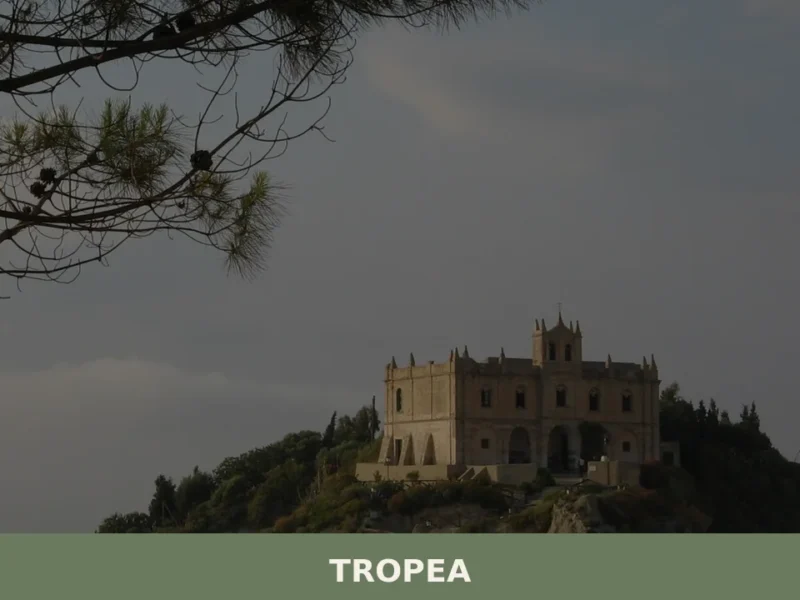
Tropea
Sea
Tropea, a coastal gem in Calabria, is a village where ancient roots intertwine with the vibrant rhythm of contemporary life.

Gizzeria
Sea
5,362 residents, two faces — hilltop village and thermal-wind shore — and a documented Albanian foundation make Gizzeria one of Calabria's most layered communities.
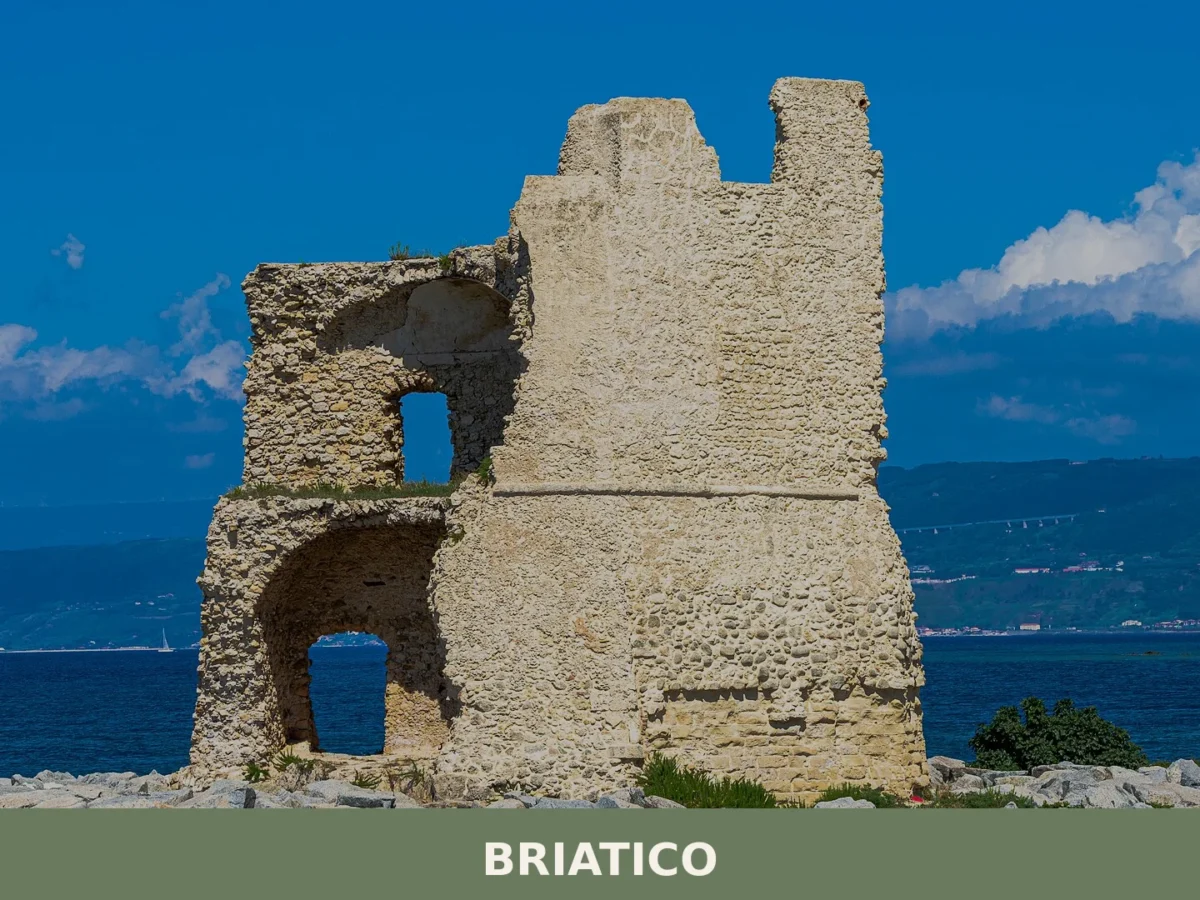
Briatico
Sea
Briatico is a coastal Calabrian municipality in the province of Vibo Valentia, facing the Gulf of Sant'Eufemia on the Costa degli Dei, with a documented history stretching back to a twelfth-century No
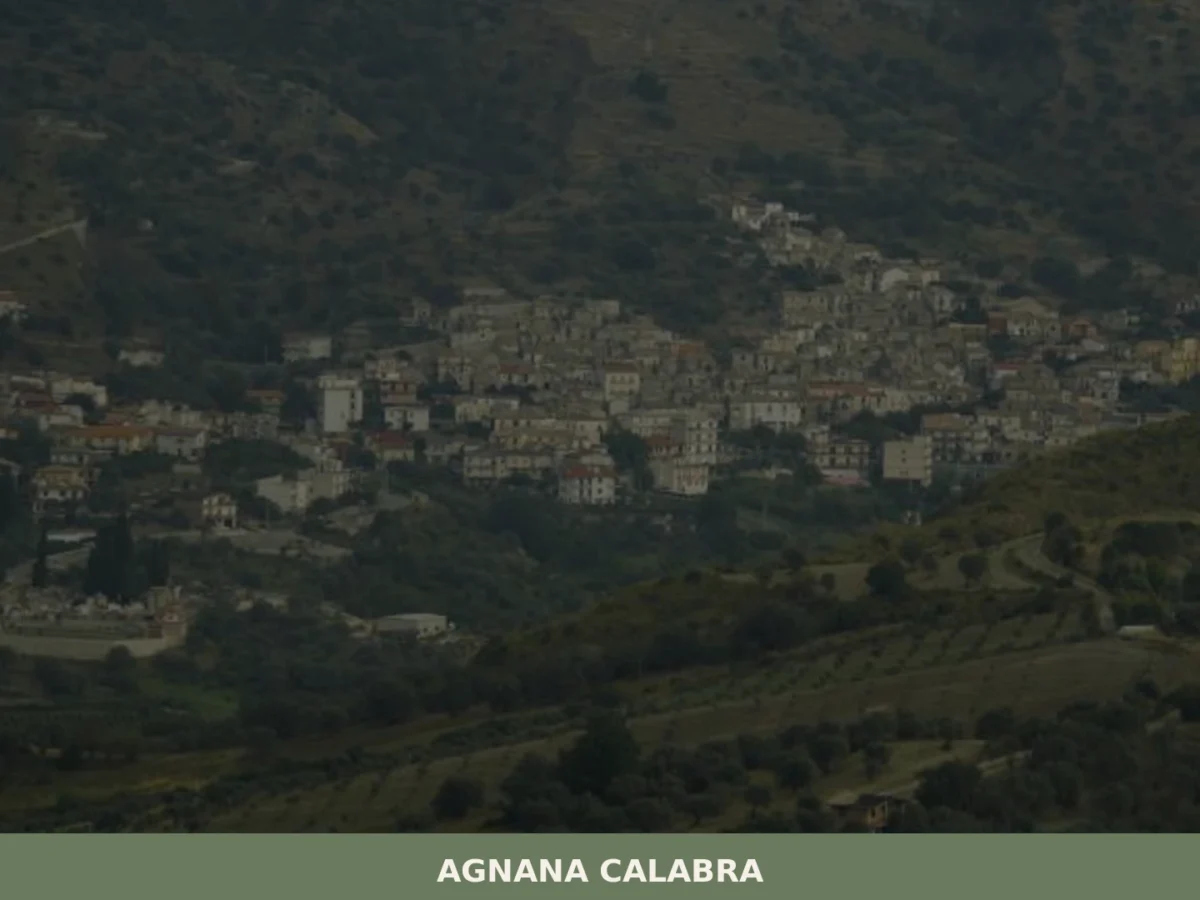
Agnana Calabra
 Mountain
Planning a visit? Discover what to see in Agnana Calabra u2014 history, local food, best time to visit and how to reach this Reggio Calabria village.
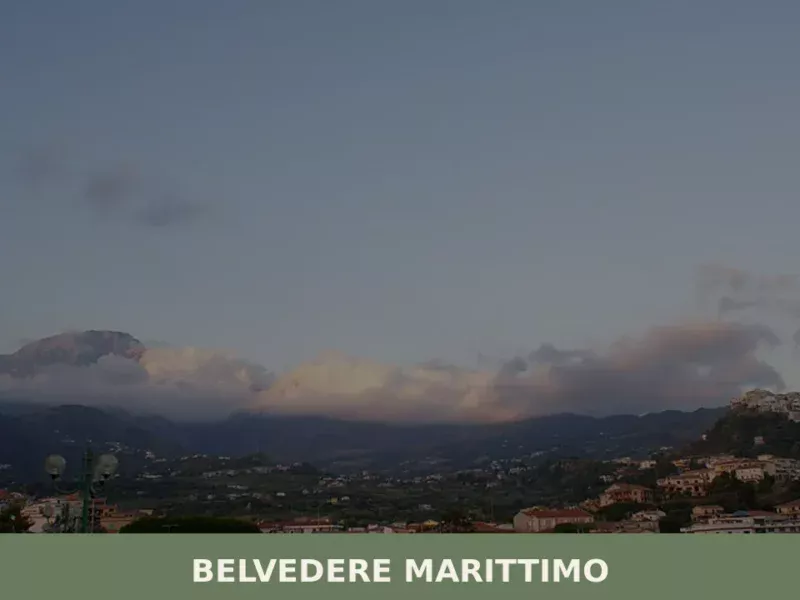
Belvedere Marittimo
Sea
Belvedere Marittimo, a village in the province of Cosenza, stands at 150 meters above sea level and has a population of 9,292 inhabitants. This Calabrian location, classified among the lowland villages, offers a view of the Cosenza Tyrrhenian coast, combining historical elements with its proximity to the coast. Its geographical position has shaped its identity […]
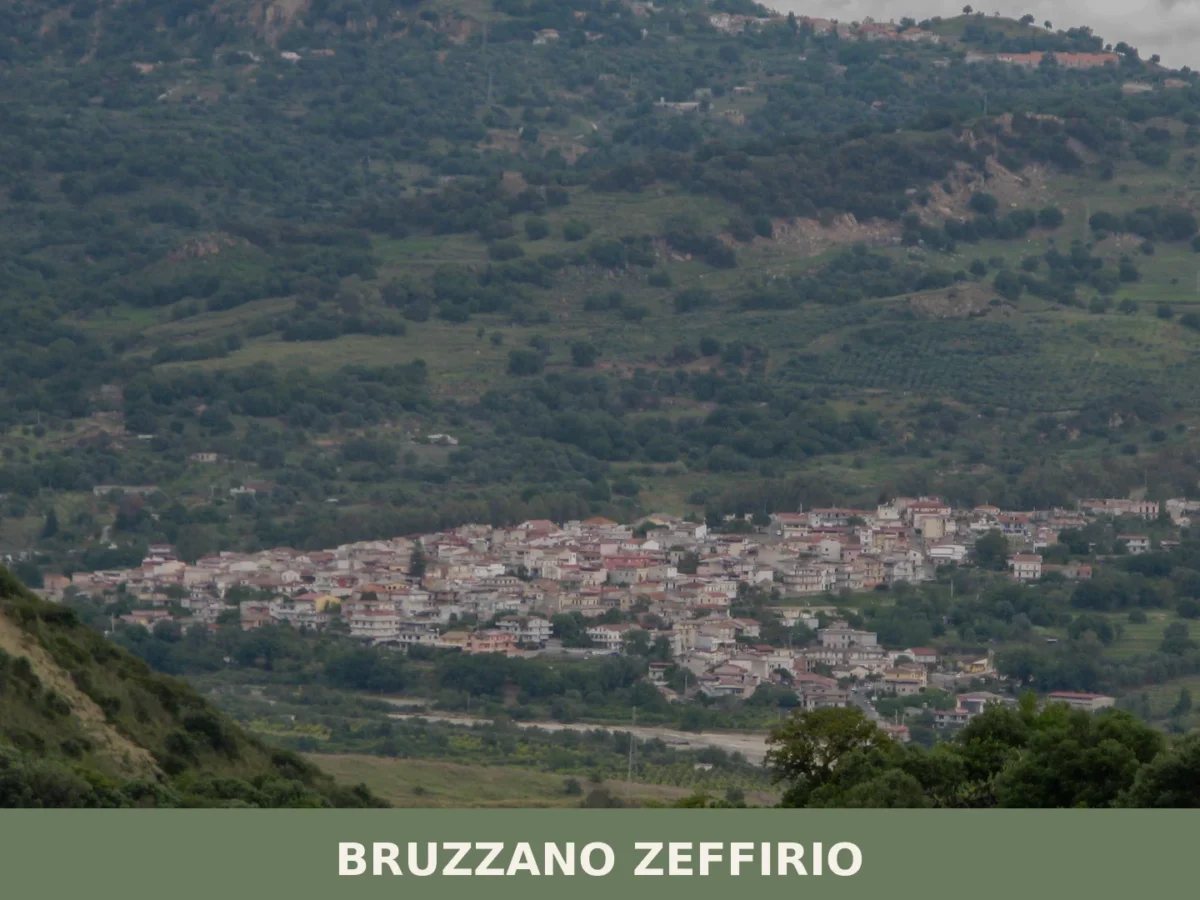
Bruzzano Zeffirio
Sea
Bruzzano Zeffirio is a small Calabrian municipality in the province of Reggio Calabria, shaped by Greek colonisation, Byzantine fortification, and a twentieth-century rebuilding after earthquake.
Anoia
 Plains
What to see in Anoia? Explore the 5 main attractions of this Calabrian village. The complete guide awaits to help plan your visit. Learn more!
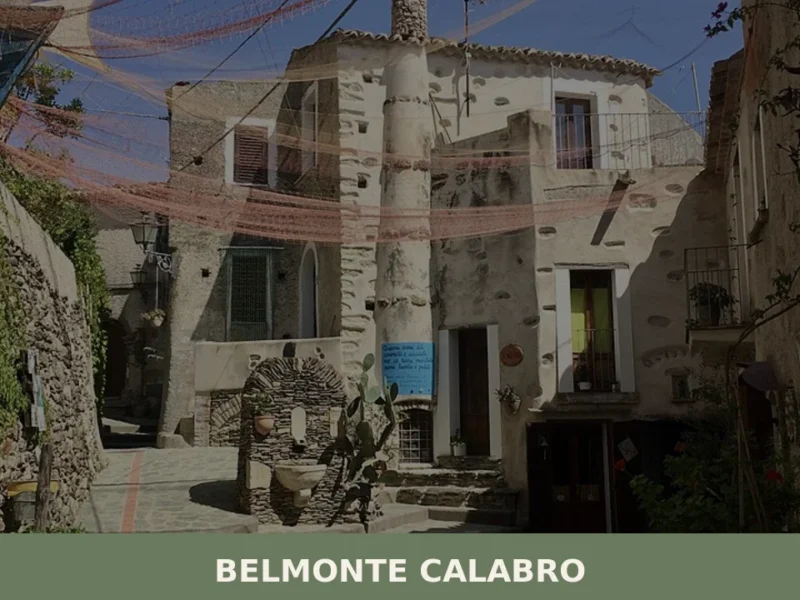
Belmonte Calabro
Sea
In 1270, Charles I of Anjou granted Drogone de Beaumont the fief that would give rise to the name Belmonte — from the French Beaumont, meaning beautiful mountain. Sitting at 262 metres above sea level on the Tyrrhenian side of the Cosenza province, the village today has 1,984 inhabitants and preserves a historic centre layered […]
🏡 Know Caccuri better than we do?
If you’re a local or have been there, your knowledge matters: add what’s missing or fix a detail on this page.