


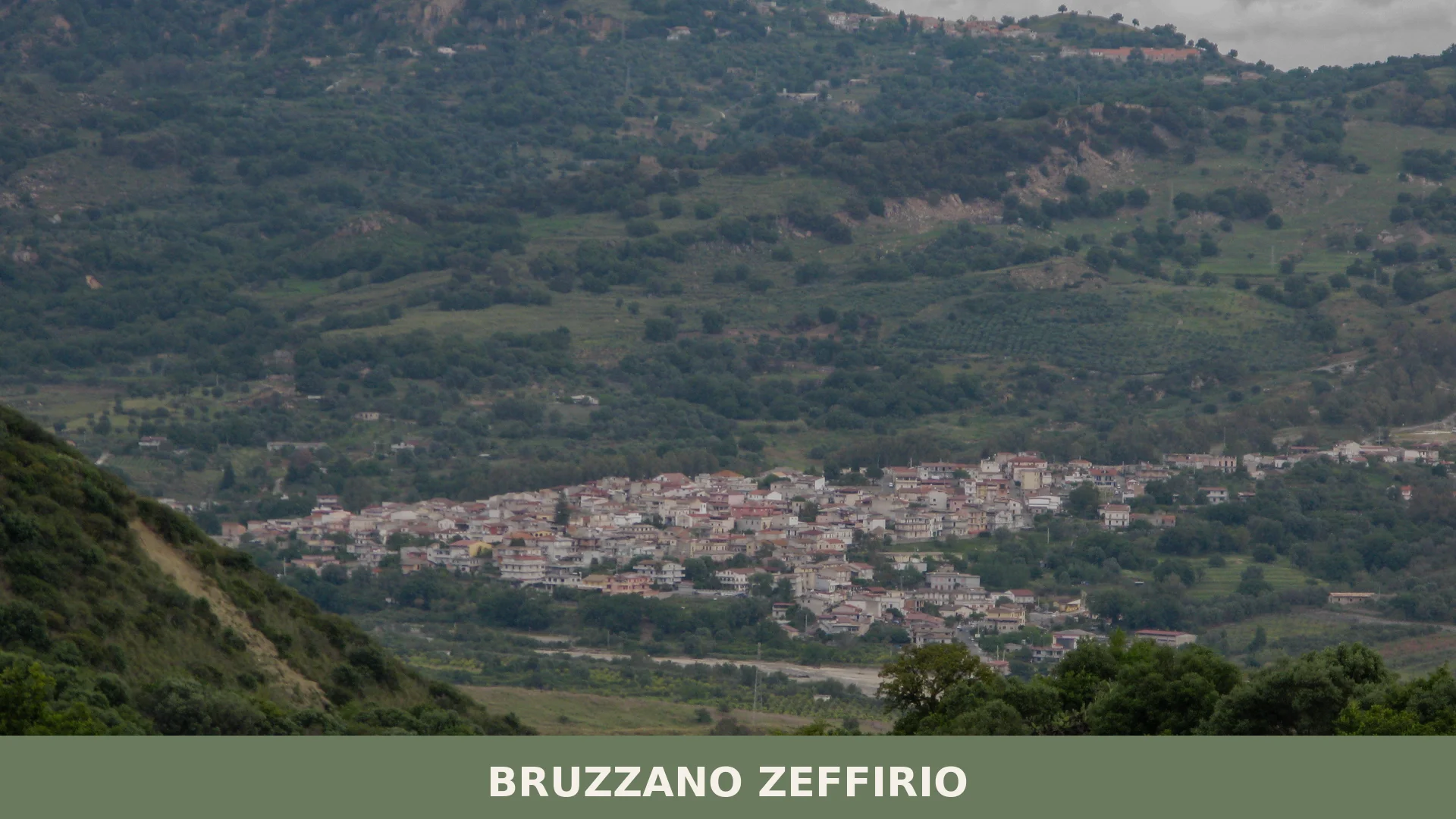

Bruzzano Zeffirio is a small Calabrian municipality in the province of Reggio Calabria, shaped by Greek colonisation, Byzantine fortification, and a twentieth-century rebuilding after earthquake.
Discover Bruzzano Zeffirio
Bruzzano Zeffirio is a small municipality of around 1015 inhabitants in the province of Reggio Calabria, Calabria, covering approximately 20.88 square kilometres at a coastal-hill elevation of 82 metres above sea level. The town sits along the route of the Strada Statale 106 Jonica and falls within the boundaries of the Parco Nazionale dell’Aspromonte, while the locality of Bruzzano Vecchia preserves the ruins of the older settlement together with the striking natural formation known as the Rocca Armenia, a sandstone monolith whose summit reaches 82 metres above sea level.
Few places in Calabria carry quite so many layers of history within so compact an area, and the Bruzzano Zeffirio village in Calabria rewards the curious traveller willing to look beyond the modern town rebuilt after the devastating earthquake of 1908. That reconstruction gave the lower settlement its orderly, grid-plan layout, a visible contrast to the abandoned heights of Bruzzano Vecchia, where the ruined castle and the bare rock speak of Byzantine emperors, Saracen encampments, and a long line of feudal dynasties that held the territory from the late thirteenth century to the early nineteenth.
Bruzzano Zeffirio village in Calabria: history and origins
Bruzzano Zeffirio is a settlement of ancient origin in the province of Reggio Calabria, traditionally linked to early Greek colonisation and later shaped by Byzantine fortification, Saracen occupation, and a long succession of feudal lords spanning from the thirteenth to the early nineteenth century. According to one historical thesis, the site was originally established by Greek colonists; as the community grew, part of the population moved toward the coast and founded first Locri Zefiria — placed in the area known today as contrada Palazzi in the territory of Bianco — and subsequently Locri Epizefirii.
The castle of Bruzzano Zeffirio, known also as the “castello d’Armenia”, stands on the summit of the Rocca Armenia at around 82 metres above sea level in the locality of Bruzzano Vecchia. Its construction is attributed to the troops of the Byzantine emperor Niceforo Foca the Elder, presumably in the ninth century, and around 925 the fortress served as the headquarters of Saracen forces in the area. The castle subsequently passed through the hands of Giovanni De Brayda (1270–1305), the Marquess of Busca (1305–1328), the Marchesi Ruffo (1328–1456), the Marullo (1456–1550), the Danotto (1550–1563), the Aragona de Ajerbe (1563–1597), the Stayti (1597), and finally the Carafa di Roccella, who held it until 1806.
Castles, Springs and a Clifftop Ruin: the Built Heritage of Bruzzano Zeffirio
Bruzzano Zeffirio’s principal points of interest are the ruined castle known as the “castello d’Armenia” on the Rocca Armenia, the historic abandoned settlement of Bruzzano Vecchia, two noted water sources — the small thermal springs of San Phantino and the Acqua Munda spring — and the coastal landmark of Promontorio Capo Bruzzano.
Castello di Bruzzano Zeffirio
The castle, also called “castello d’Armenia,” stands at 82 metres above sea level on the flat summit of the Rocca Armenia, in the locality of Bruzzano Vecchia. The Rocca Armenia itself is a compact sandstone monolith whose base lies at around 82 metres, creating a vertical rise of roughly 82 metres to the ruins above. The structure is now in a state of ruin, the result of successive earthquake damage — notably from the tremors of 1783, 1905 and 1908. Over the medieval and early modern centuries it underwent numerous modifications and additions, reflecting the succession of feudal lords who controlled it: from the Marchese di Busca and the Marchesi Ruffo in the fourteenth and fifteenth centuries, through the Marullo, Danotto, Aragona de Ajerbe and Stayti families, to the Carafa di Roccella, who held it until 1806.
Bruzzano Vecchia
The abandoned earlier settlement sits at the foot of the Rocca Armenia. After the 1908 earthquake reduced it to rubble, the town was relocated to the valley below and rebuilt on a regular grid plan.
Springs and Water Sources
The territory is notable for its spring waters. The small thermal springs of San Phantino and the Acqua Munda source — which rises at the foot of the frazione of Motticella — are both cited for their local significance.
Promontorio Capo Bruzzano
This coastal promontory is associated with the local tradition of the Madonna della Catena: according to the account, a marble statue of the Madonna with Child and a chained figure at her feet was found in a crate on the beach here, and subsequently became the focus of a church built at the border between Bruzzano and the neighbouring territory of Ferruzzano.
Flavours of Bruzzano Zeffirio and the Locride Coast
Bruzzano Zeffirio sits within a stretch of Calabrian coastline renowned for a cluster of protected products, most notably the Bergamotto di Reggio Calabria DOP essential oil, Liquirizia di Calabria DOP, and Olio di Calabria IGP, alongside the cured meats Capocollo di Calabria DOP and Pancetta di Calabria DOP, and the citrus fruit Clementine di Calabria IGP.
These are provincial and regional designations — not exclusive to Bruzzano itself — but they define the flavour landscape any visitor will encounter in local markets and on restaurant tables throughout this corner of Reggio Calabria. The bergamot, grown along the nearby coast, is the most distinctive product of the entire area, used primarily for its intensely aromatic essential oil.
Local artisan liqueurs worth seeking out include preparations based on bergamot, liquorice, and Calabrian citrus, all cited among the traditional products of the territory. At the table, the cured pork specialities — capocollo and pancetta in particular — reflect a long tradition of small-scale rural production across the province.
For wine, the closest denominations to Bruzzano are Greco di Bianco DOC and Bivongi DOC, both produced in the Locride area; the Locride IGT and Costa Viola IGT labels also cover wines from this part of Calabria.
Getting to Bruzzano Zeffirio and Planning Your Visit
Bruzzano Zeffirio is reached most directly by the Strada Statale 106 Jonica, which runs along the Ionian coast and passes through the municipality, placing the village roughly 90 km south of Reggio Calabria and within easy driving distance of the broader Locride area.
The village sits at 82 metres above sea level in the coastal hill zone, which means mild winters and warm, breezy summers — the Zefiro wind referenced in the town’s own name. Spring and early autumn offer the most comfortable conditions for exploring the ruins at Bruzzano Vecchia and climbing toward the Castello d’Armenia on its sandstone outcrop at 82 metres, where heat in midsummer can make the exposed rock demanding.
A visit pairs naturally with the surrounding area. Africo, another village of the Aspromonte foothills, lies not far inland along the same stretch of Ionian coast. Heading north along the SS 106, the wine country around Bianco — home of the Greco di Bianco DOC — is within a short drive. Those willing to venture further into the Aspromonte massif, which borders Bruzzano through the Parco Nazionale dell’Aspromonte, can reach Bova, the historic Greco-Calabrian settlement perched high above the coast. For a coastal alternative to the south, Ardore is another Locride village worth including in a multi-stop itinerary.
| Departure | Distance | Time |
|---|---|---|
| Locri (SS 106) | approx. 20 km | approx. 20 min |
| Reggio Calabria (SS 106) | approx. 90 km | approx. 70 min |
| Bova Marina (SS 106) | approx. 15 km | approx. 15 min |
Accommodation in Bruzzano itself is limited, given its small size of around 1015 inhabitants; visitors typically base themselves along the Ionian coast or in Locri and make day trips. The Cammino Basiliano, a long-distance route of 1,535 km tracing early Christian monastic paths through southern Italy, passes through this territory and draws walkers seeking a slower, more contemplative way to experience the landscape.
Frequently asked questions about Bruzzano Zeffirio
When is the best time to visit Bruzzano Zeffirio?
The ideal period is late August through September, particularly around the first Sunday of September when the Festa Patronale di Maria SS. della Catena takes place. This religious celebration honours the village's patron saint and offers authentic cultural insights. Summer months provide warm Mediterranean weather suitable for coastal exploration, though September offers milder temperatures and fewer crowds while maintaining excellent beach and hiking conditions.
How do I reach Bruzzano Zeffirio by car?
Bruzzano Zeffirio is accessible via the Strada Statale 106 Jonica, the main coastal highway running along Calabria's Ionian shore. From Reggio Calabria city, drive south approximately 30 kilometres along this route. The village lies within the Parco Nazionale dell'Aspromonte boundaries. No motorway serves the village directly; the SS106 provides the primary vehicular access through the region.
What is Rocca Armenia and can it be visited?
Rocca Armenia is a striking natural sandstone monolith rising 139 metres above sea level, located near the abandoned settlement of Bruzzano Vecchia. This geological formation stands as a remarkable landscape feature visible throughout the area. While the exact access conditions and guided tour availability require confirmation locally, the monument represents an important natural heritage site within the national park territory.
What happened to the old town of Bruzzano Vecchia?
Bruzzano Vecchia, the original hilltop settlement, was largely abandoned after the catastrophic 1908 earthquake. The ruins, including a feudal castle, remain preserved at the higher elevation. The modern town was subsequently rebuilt below on a grid-plan layout, creating a visible contrast between the reconstructed lower settlement and the atmospheric ruins above, which preserve centuries of Byzantine, Saracen, and medieval feudal history.
How long should I plan to spend visiting Bruzzano Zeffirio?
A half-day visit suffices for exploring the modern town centre, while a full day enables visits to Bruzzano Vecchia ruins and Rocca Armenia, plus coastal walks along the Jonian shoreline. Those interested in hiking routes within the Aspromonte National Park boundaries should allocate additional time. The village's compact size means efficient exploration, though the surrounding park landscape rewards extended outdoor recreation.
📷 Photo Gallery — Bruzzano Zeffirio

In Calabria More villages to discover
Caccuri
 Mountain
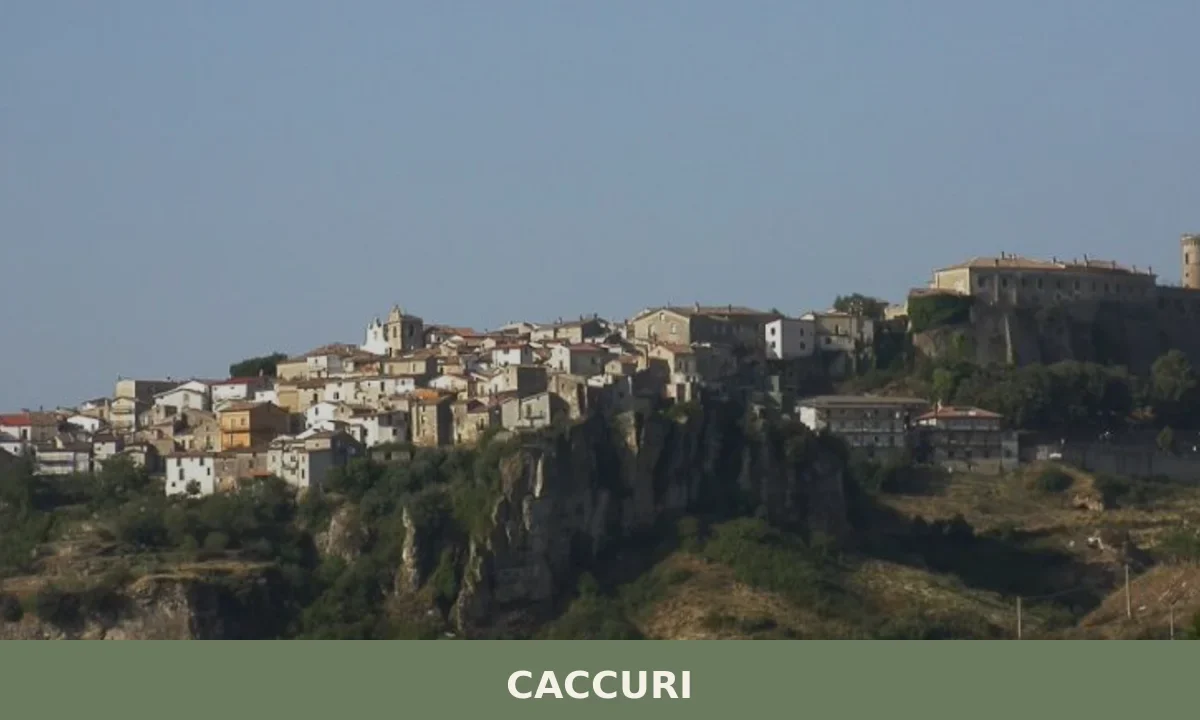
Caccuri is a hilltop commune in the province of Crotone, Calabria, rising to 638 metres on a rocky spur in the Presila crotonese, with a history spanning from the Bronze Age to the present day.
Amaroni
 Hills
Hills
Discover what to see in Amaroni, a village of 1,587 inhabitants in the province of Catanzaro, Calabria. History, food, travel tips and nearby villages.
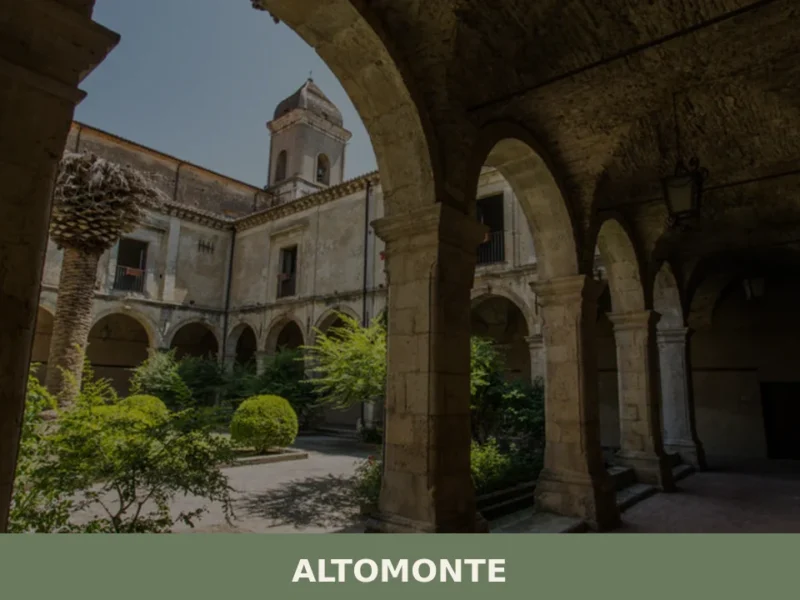
Altomonte
Hills
What to see in Altomonte: a hill village at 455m in Calabria with a 14th-century Gothic church, Civic Museum and medieval castle. Plan your visit today.
Ardore
 Sea
Sea
what to see in ardore: Discover Italy with Ardore’s altitude at 250 m, explore scenic landscapes and local festivals in Calabria.
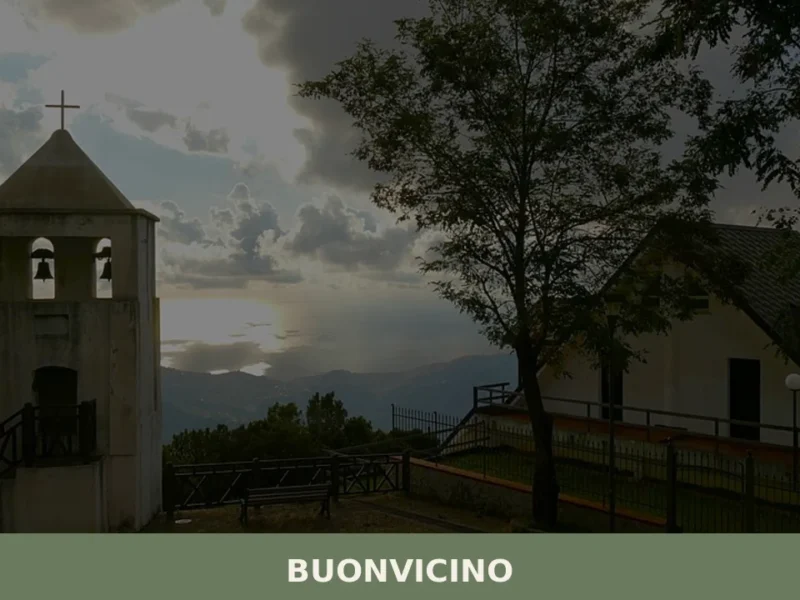
Buonvicino
Hills
what to see in buonvicino: Explore this Calabrian village at 400m above sea level. Discover its historic center and traditional cuisine, including homemade pasta.
Amato
Hills
The enduring presence of the Arbëreshë language in Amato, a distinctive cultural marker, hints at centuries of layered history within this Calabrian village, where cultural traditions often define daily life. Its ancient foundations stretch back to a time even before Roman influence, earning mentions from revered classical figures like the Greek philosopher Aristotle and the […]
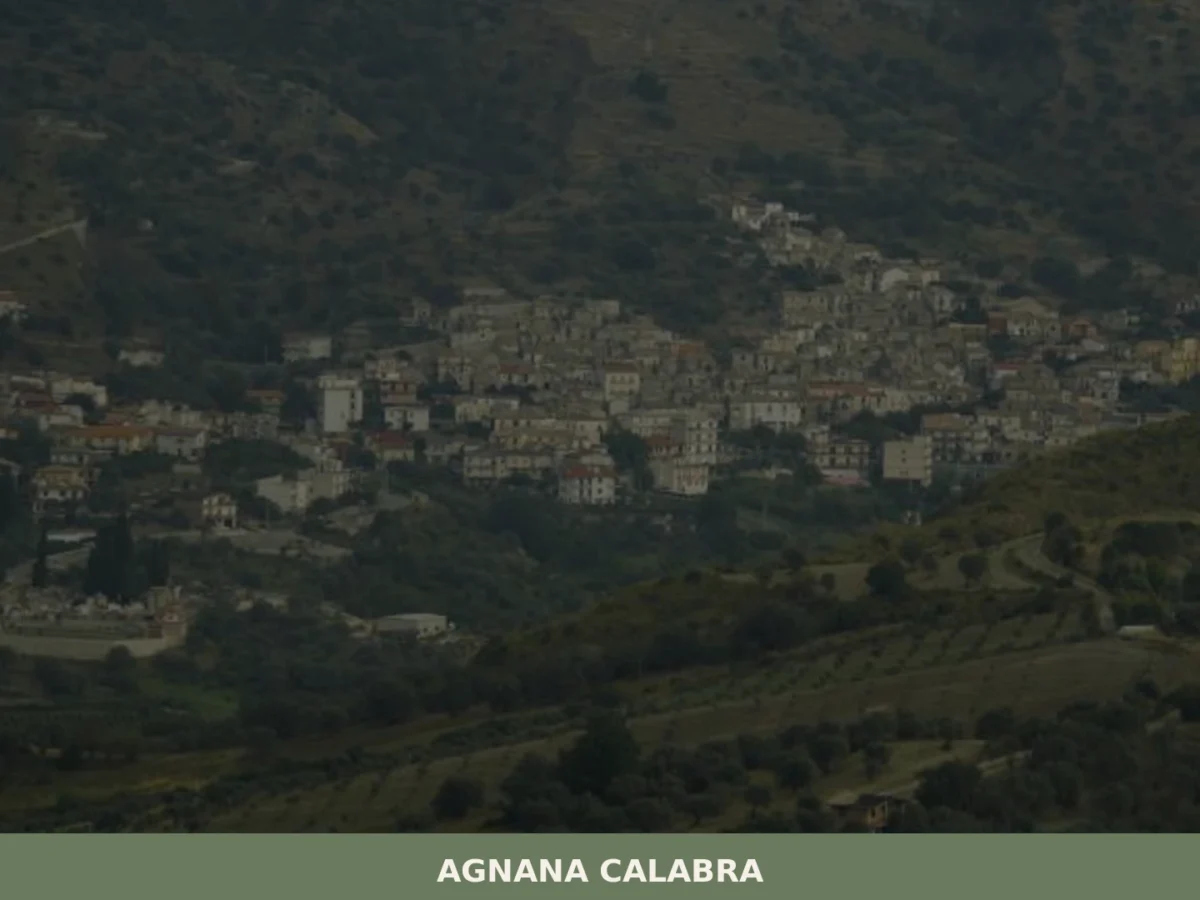
Agnana Calabra
Mountain
Planning a visit? Discover what to see in Agnana Calabra u2014 history, local food, best time to visit and how to reach this Reggio Calabria village.
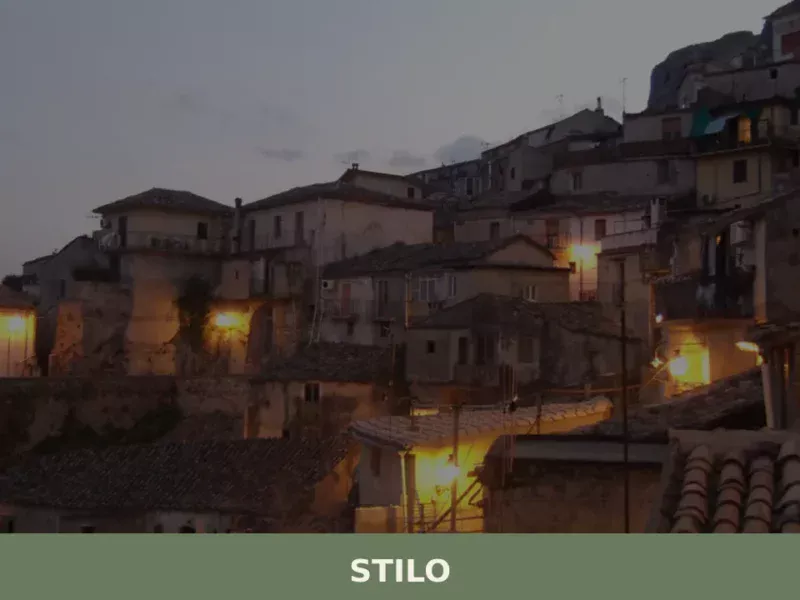
Stilo
Sea
Stilo, a historic municipality in the Reggio Calabria province of Calabria, stands at an elevation of 369 meters, overlooking the Ionian Sea from its position on a coastal hill.
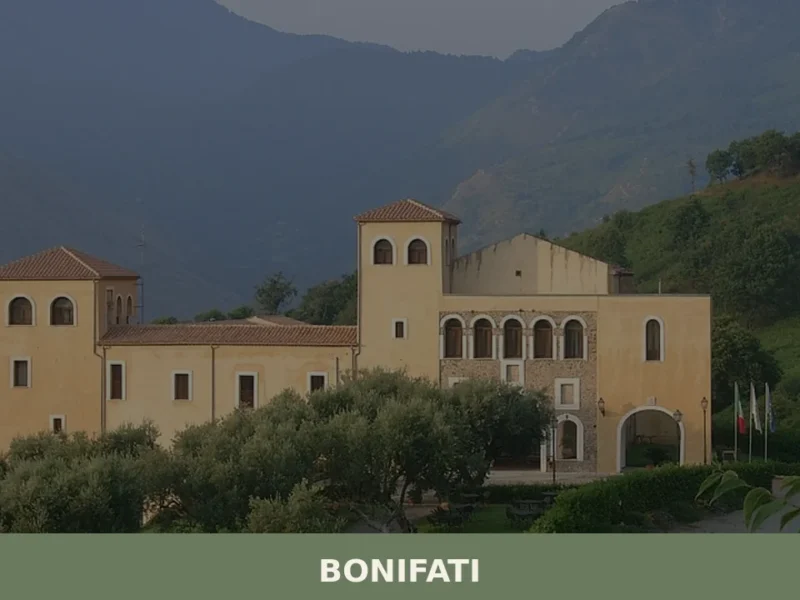
Bonifati
Sea
The village of Bonifati, located in the Cosenza hinterland but with a view towards the Tyrrhenian Sea, has historical roots deeply embedded in a past of fortifications and coastal defense. Already in the Middle Ages, this settlement stood out for its strategic position, an element that shaped its urban layout and identity. In this article […]
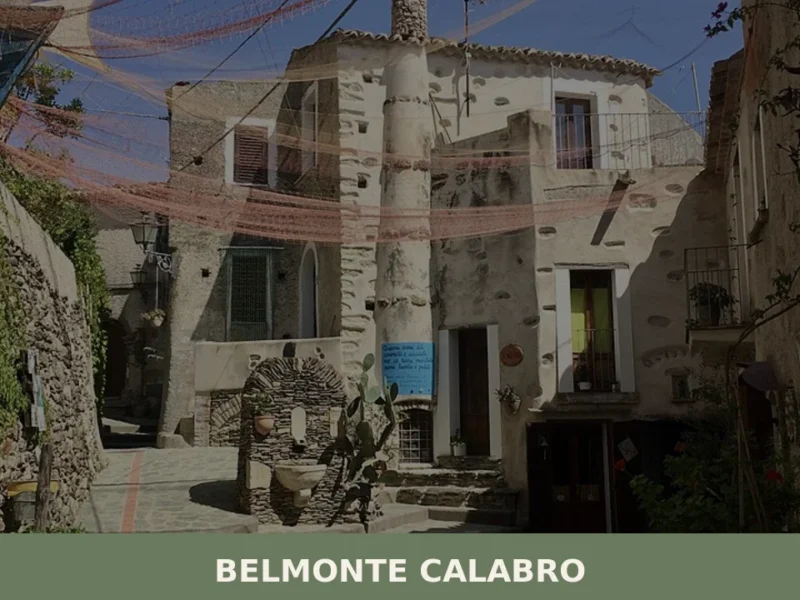
Belmonte Calabro
Sea
In 1270, Charles I of Anjou granted Drogone de Beaumont the fief that would give rise to the name Belmonte — from the French Beaumont, meaning beautiful mountain. Sitting at 262 metres above sea level on the Tyrrhenian side of the Cosenza province, the village today has 1,984 inhabitants and preserves a historic centre layered […]


🏡 Know Bruzzano Zeffirio better than we do?
If you’re a local or have been there, your knowledge matters: add what’s missing or fix a detail on this page.