


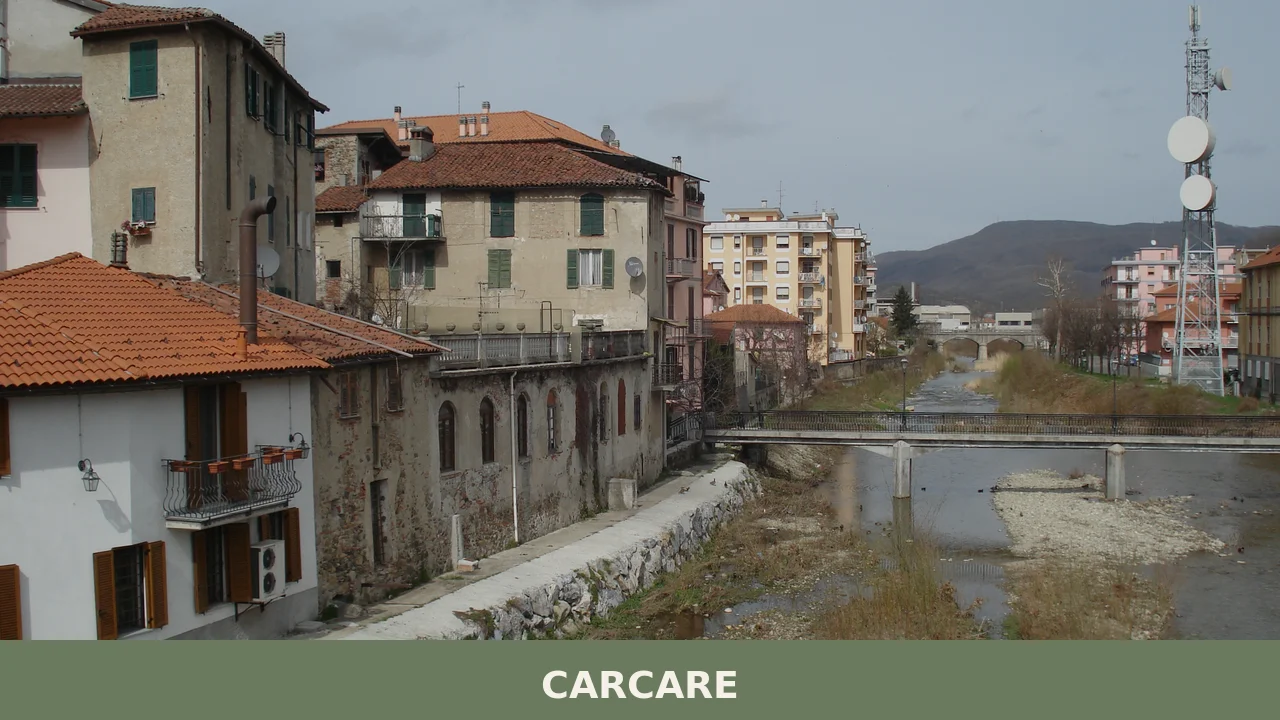

Carcare is a Ligurian Apennine comune of about 5,232 residents at 354 metres above sea level in the province of Savona, offering history, culture and an important civic library.
Discover Carcare
Carcare is a municipality of around 5,232 residents in the province of Savona, Liguria, situated at roughly 350 metres above sea level in the Val Bormida valley, covering a territory of just over ten square kilometres. The town lies along a historical corridor that once carried Roman traffic along the Via Aemilia Scauri, and it has since grown into one of the more substantial centres of inland western Liguria, with a civic library holding close to 150,000 volumes and a pair of museums that draw visitors interested in local literary and military heritage.
Carcare village in Liguria preserves layers of history that stretch from medieval feudal politics — shaped for centuries by the Del Carretto family — through the Napoleonic era and unification, down to the present day, when the town honours its patron Saint John the Baptist every 24 June and welcomes those who come to explore the Alpine Museum, the Anton Giulio Barrili study centre, and the quiet parish churches of San Giovanni Battista and Sant’Antonio Abate.
Carcare village in Liguria: history and origins
Carcare is a settlement in the Val Bormida with roots reaching back to Roman times, when it served as a stopping point along the Via Aemilia Scauri between the important Roman centres of Acqui Terme and Vado, and later passed through the hands of the Del Carretto family, the Republic of Genova, Napoleonic France, and finally the Kingdom of Sardinia before becoming part of unified Italy in 1861. Two documents dating to 998 and 999 record the transfer of tithes and rights by Emperor Otto III of Saxony to the Bishop of Savona, while the first appearance of the toponym Carcaris occurs in a donation deed of 1111 connected to the abbey of Ferrania.
From the eleventh century onward, the territory came under the control of Bonifacio del Vasto and subsequently passed to his son Enrico I Del Carretto around 1142, founder of the Del Carretto del Finale line. After further divisions among heirs and brief periods of Saluzzo and Scarampi ownership, the feudal rights over Carcare remained substantially tied to various branches of the Del Carretto family throughout the fifteenth and into the sixteenth century, until the last marquis ceded them to Spain in 1598. A severe outbreak of plague between around 1629 and 1637 claimed an estimated 770 lives — a significant portion of the population at the time.
In 1713 Carcare passed to the Republic of Genova together with the rest of the Finale marquisate, and the town subsequently experienced the passage of Austrian troops and, later, French forces under Napoleon Bonaparte. A marble plaque embedded in a building at number 7, Piazza Germano, records the French general’s stay there in April 1796 during the campaigns of Dego and Cosseria; in 1809 Pope Pius VII, then a prisoner of the French, also briefly stopped at the same address. Following the Congress of Vienna, Carcare entered the Kingdom of Sardinia in 1815 and remained part of it until Italian unification. A notable institutional landmark from an earlier era is the Scolopi college, founded in 1621 — reputedly the first such institution outside Rome established by the Fathers of the Pious Schools — which after suppression of religious orders in 1866 passed to the municipality and has housed state secondary schools since 1962.
Churches, Museums and Historic Buildings of Carcare
Carcare offers visitors two museums, several churches of note, and a town centre that retains traces of its layered past, including a commemorative plaque marking a documented French military presence in the late eighteenth century.
Chiesa parrocchiale di San Giovanni Battista
The parish church dedicated to the town’s patron saint dates from the end of the nineteenth century. Its interior contains a crucifix attributed to Anton Maria Maragliano.
Chiesa scolopica di Sant’Antonio Abate
Built in 1623 and adjoining the Scolopi Fathers’ college, the church has a Greek-cross interior plan. Among the works it preserves are a painting of the Virgin with Child and Saint Philip Neri from an eighteenth-century Genoese school, together with two sculptures depicting Saint Joseph and the dead Christ.
Cappella di San Rocco
Originally consecrated to Saint Sebastian, this chapel holds a sixteenth-century fresco behind the altar depicting the Madonna with Saints Sebastian and Rocco. The ground surrounding the chapel served as a burial site for Scolopi fathers before 1664.
Museo Alpino
Opened in 2004 and established by the local Alpine troops association, the museum preserves material related to Italian military history, including letters and postcards sent from the front during the First and Second World Wars.
Museo del Centro Studi Anton Giulio Barrili
Connected to the civic library bearing the name of the writer and patriot Anton Giulio Barrili — who died in Carcare in the early twentieth century — this centre holds a collection that forms part of one of the most significant library institutions in western Liguria, with holdings approaching one hundred and fifty thousand volumes.
Tastes of the Val Bormida: What Carcare and Its Province Offer
Carcare sits within the Savona province and the broader Ligurian food landscape, where the most recognisable certified products include Acciughe sotto sale del Mar Ligure IGP (salt-cured anchovies from the Ligurian Sea) and Basilico Genovese DOP, alongside Riviera Ligure DOP olive oil — none of them exclusive to the town, but all genuine expressions of the regional table that visitors can seek out in the area.
The Val Bormida territory also falls within the reach of two local wine designations worth exploring: the Riviera Ligure di Ponente DOC and the Colline Savonesi IGT, both produced in the hills surrounding the valley. Those curious about traditional artisan preparations may also come across area products such as apple vinegar, amaretto, and distilled plum spirits — items documented among the Ligurian PAT heritage of the province, available in local markets and specialty shops rather than tied exclusively to Carcare itself.
The town’s inland position, set among the hills of the Bormida di Pallare valley at around 354 metres, means the food culture leans toward the heartier mountain traditions of the Ligurian interior, a counterpoint to the coastal cuisine found further south toward Savona and the sea.
Reaching Carcare and Exploring the Bormida Valley: Planning Your Visit
Carcare is most conveniently reached by road via the Val Bormida, roughly 30 kilometres north of Savona along the A6 motorway (Turin–Savona), making it accessible in under 30 minutes from the coast and around two hours from Turin or Genoa by car. The town sits at 365 metres above sea level in an inland mountain zone, sheltered within a basin on both banks of the Bormida di Pallare river — conditions that make spring and early autumn the most pleasant seasons for a visit, when temperatures are mild and the valley landscape is at its most vivid.
The surrounding villages are easy to include in a day’s itinerary. Pallare, which gives its name to the branch of the Bormida river running through the valley, lies close by and offers a quiet extension to any walk or drive in the area. Plodio and Cosseria are similarly within easy reach along the valley road, each a compact stop on a broader exploration of this inland Ligurian corner.
| Departure | Distance | Time |
|---|---|---|
| Savona | ~30 km | ~25–30 min |
| Genoa | ~85 km | ~1 h 10 min |
| Turin | ~130 km | ~1 h 30 min |
The feast of San Giovanni Battista, celebrated on 24 June, is the town’s principal patronal festival and can be a rewarding occasion to time a visit, offering a glimpse into local tradition. Carcare has a resident population of just over 5,000 and covers a compact area of roughly 10 square kilometres, so it is naturally suited to a half-day or full-day stop rather than a multi-night stay on its own — best paired with the wider Val Bormida itinerary for a more complete experience of this lesser-known slice of Liguria.
Frequently asked questions about Carcare
How do I get to Carcare by car or public transport?
By car, take the A6 Turin–Savona motorway and exit at Millesimo or Altare, both within a few kilometres of Carcare. By train, the nearest station is Cairo Montenotte, on the Savona–Turin line; from there local buses connect to Carcare. From Savona the drive takes roughly 30 minutes via the SS29 road through Val Bormida. Genoa is approximately 80 kilometres away via the A26 and A6 motorways.
When is the best time to visit Carcare?
Spring and early summer offer mild temperatures ideal for exploring Val Bormida on foot or by bike. The highlight of the local calendar is the feast of the patron saint John the Baptist, celebrated on 24 June, when the town hosts traditional religious and civic festivities. Autumn is equally pleasant for valley walks, while summer weekends attract visitors to the surrounding hills. Avoid mid-August when many local businesses close for the Ferragosto holiday.
Are there hiking or cycling routes near Carcare?
Carcare sits within a network of trails connecting Val Bormida with the Ligurian Apennines. The area is covered by CAI (Club Alpino Italiano) marked paths suitable for trekking between villages and up towards the Ligurian ridge. Cycling routes follow the valley floor along the Bormida river, making for relatively easy rides linking Carcare with nearby towns such as Millesimo and Cairo Montenotte. Local tourist offices in Savona province can supply updated trail maps.
How long should I plan to spend in Carcare?
A half-day is sufficient to visit the main town centre, the parish church of San Giovanni Battista, and the Sant'Antonio Abate church. Allocating a full day allows time for the Alpine Museum and the Anton Giulio Barrili study centre, plus a leisurely lunch sampling Val Bormida cuisine. Combining Carcare with neighbouring villages such as Millesimo, Cosseria, or Altare — famous for its glassmaking tradition — makes for a rewarding two-day itinerary in inland western Liguria.
What historical curiosity distinguishes Carcare from other Ligurian villages?
Carcare was the site of a notable Napoleonic event: on 22 April 1796, General Napoleon Bonaparte established his headquarters in the town immediately after the Battle of Millesimo, using it as a strategic base during his first Italian campaign. A commemorative plaque marks this episode. The town's position along the ancient Via Aemilia Scauri, a Roman consular road, further underlines its centuries-long role as a key transit point between the Ligurian coast and the Po Valley.
In Liguria More villages to discover
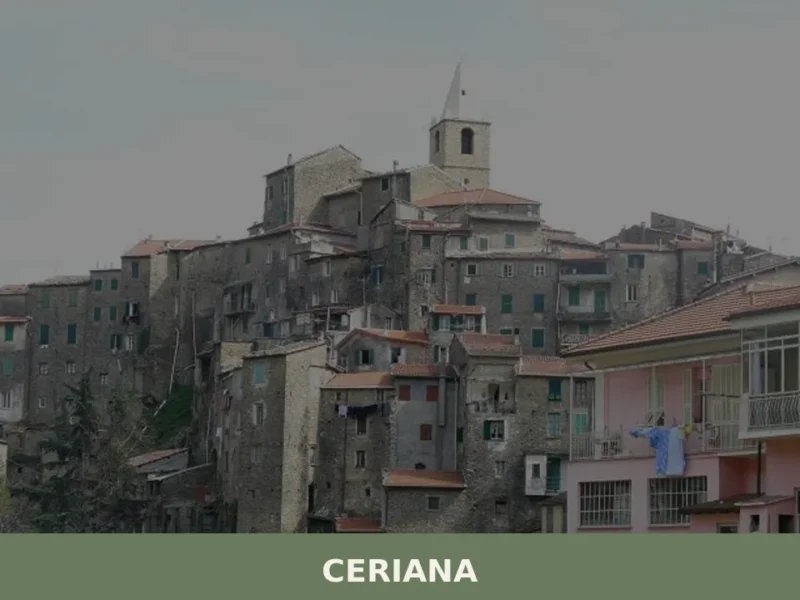
Ceriana: A Ligurian Hill Village Guide
 Hills
Hills
What to see in Ceriana, Italy: Explore this Ligurian village at 369 m (1,211 ft) altitude. Discover historical sites and lively festivals. Read our guide.
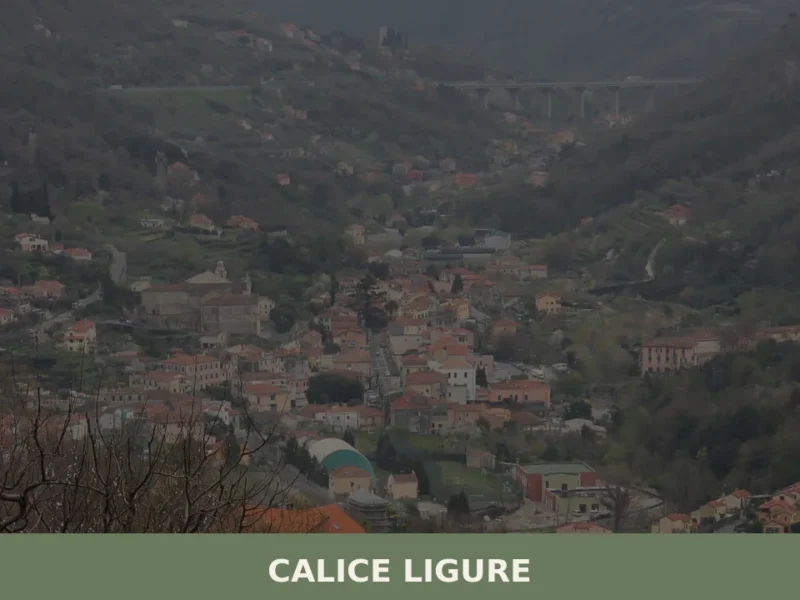
Calice Ligure
 Plains
Calice Ligure, a village in Liguria, offers a unique blend of mountain landscapes, maritime appeal, and a vibrant contemporary art scene for visitors.
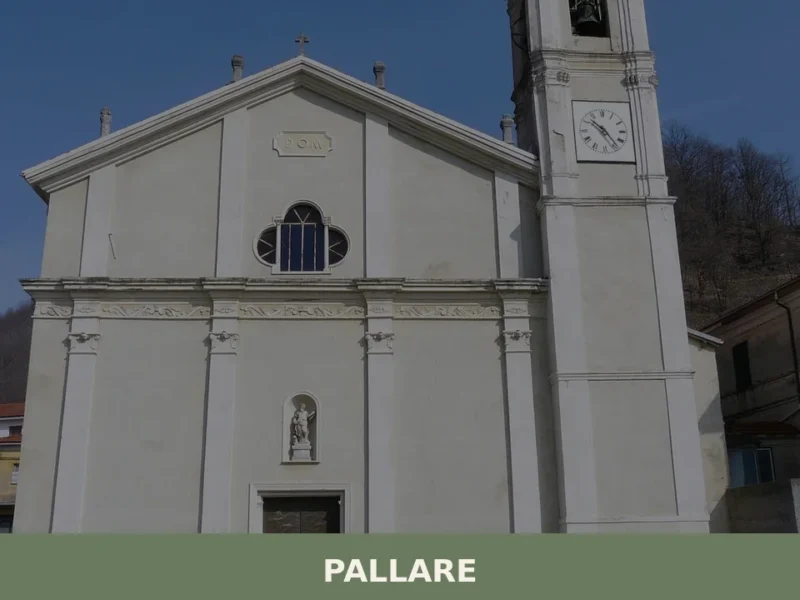
Pallare
 Mountain
A mountain village of 861 residents in inland Savona, Pallare rewards slow arrivals with pre-Roman rock carvings, richly decorated churches, and a protected valley landscape far from the Ligurian coas
Villa Faraldi
Hills
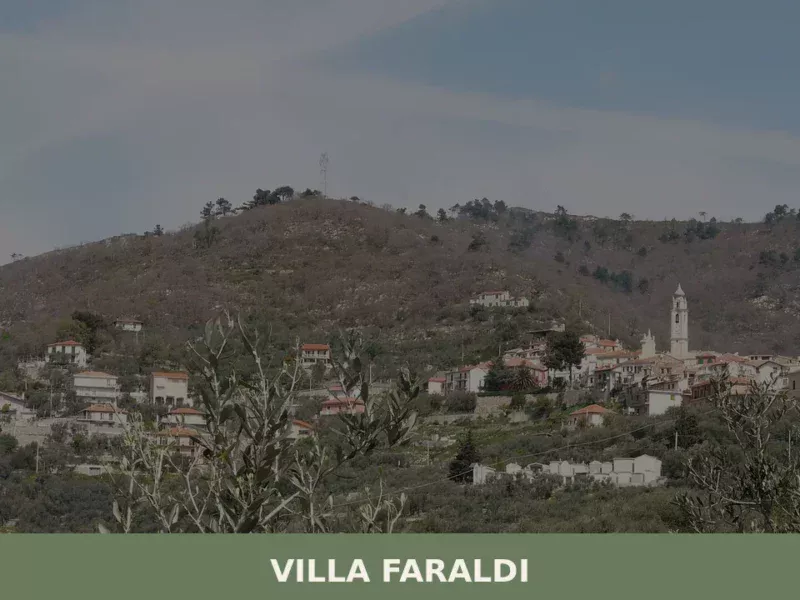
Villa Faraldi is a quietly compelling hill municipality in Imperia province, where olive terraces and chestnut woods frame a cluster of stone hamlets in the upper Cervo valley.
Campomorone
Mountain
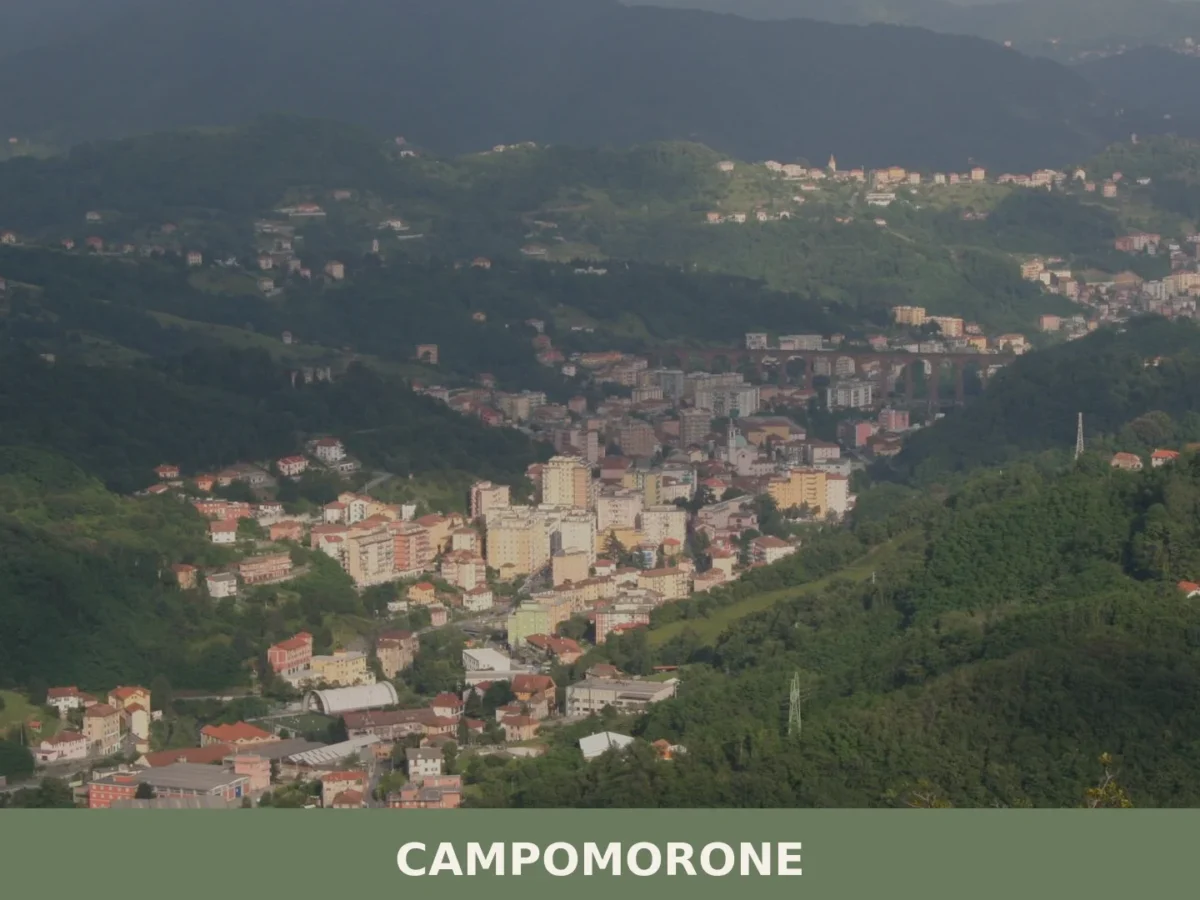
Campomorone is a Ligurian comune of about 6,400 people in the Val Polcevera, 18 kilometres north of Genova, where a seventeenth-century palazzo houses three museums and a long-distance pilgrimage rout
Lorsica
Hills
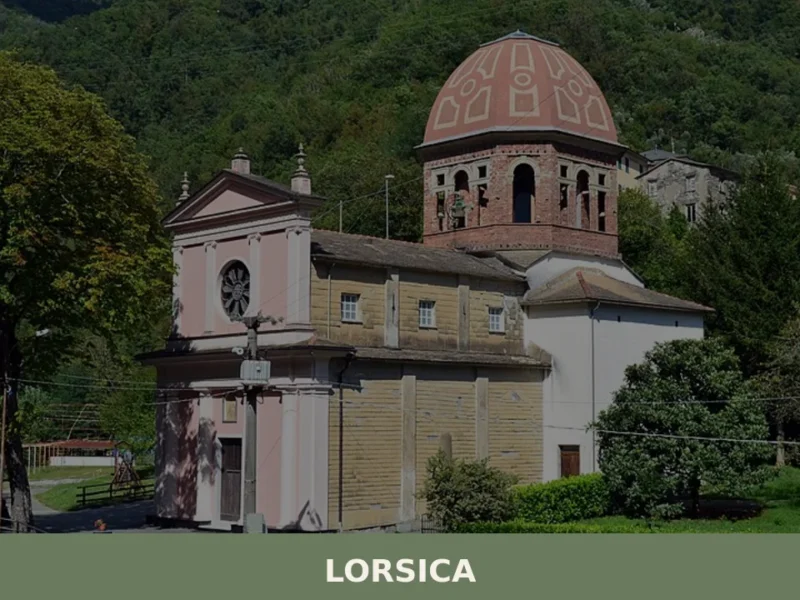
What to see in Lorsica: a Ligurian village at 343 m with 395 residents. Explore historic churches, Val Sturla trails and local food. Plan your visit today.
Castelbianco
Hills
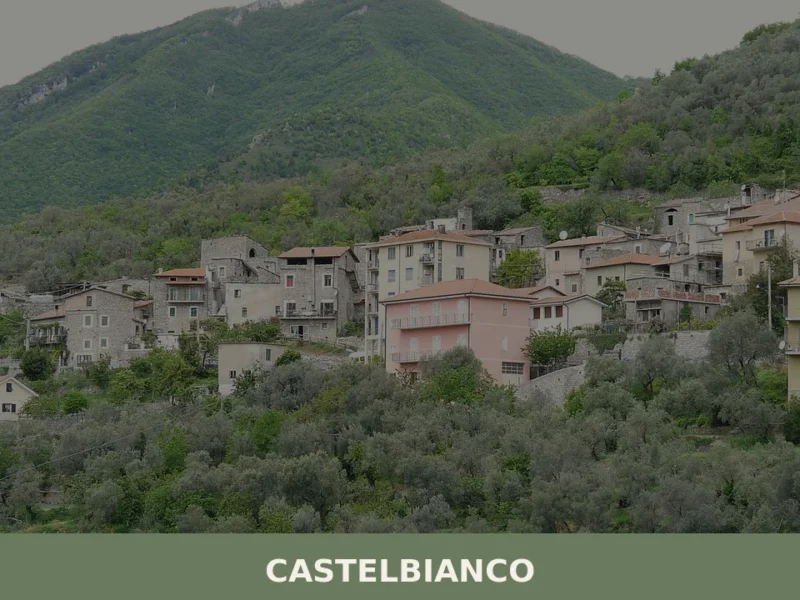
What to see in Castelbianco, Italy: a village of 326 people, 80 km from Genoa. Discover top attractions, local food, and how to get there. Explore now.
Vessalico
Plains
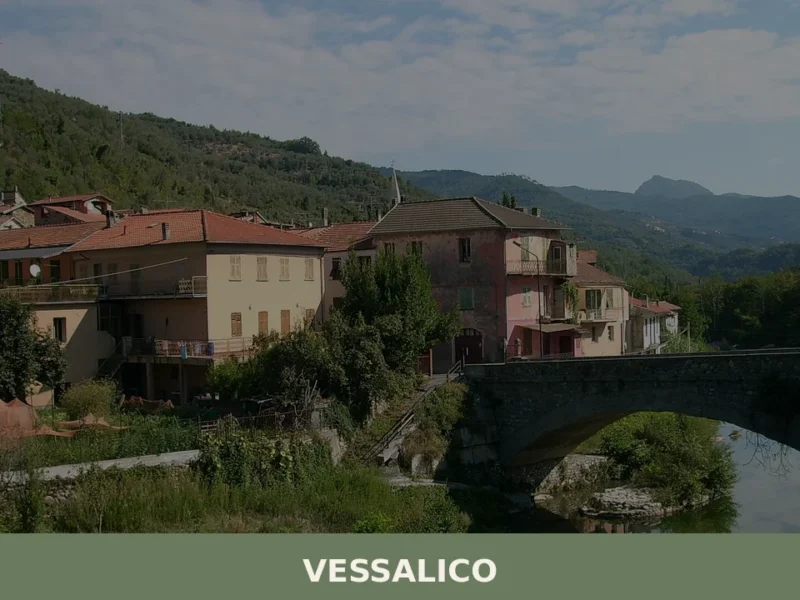
Vessalico, a village in the heart of Liguria’s Arroscia Valley, is shaped by the flow of its namesake torrent and framed by the rising slopes of Monte Frascinello.
Mezzanego
Plains
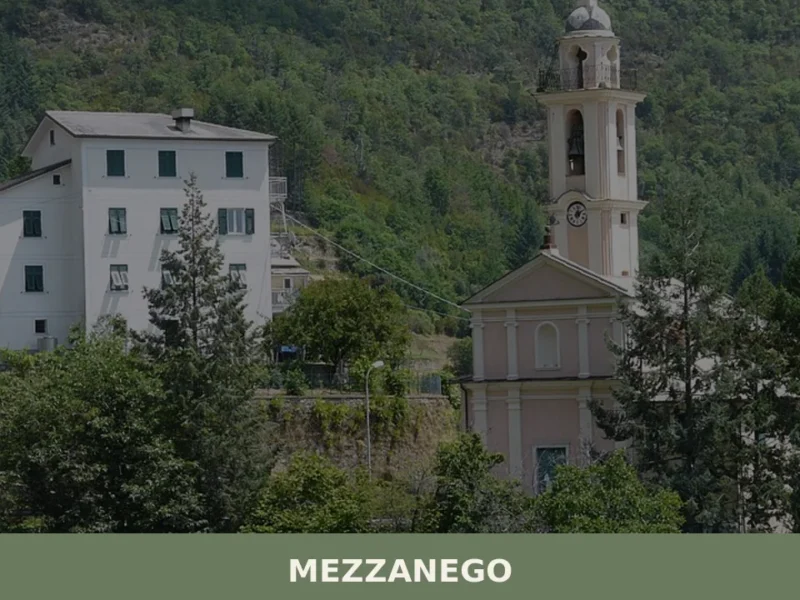
Mezzanego, a municipality in the Sturla valley of Liguria, offers a journey into the rugged beauty of the Genovese hinterland.
Framura
 Sea
Sea
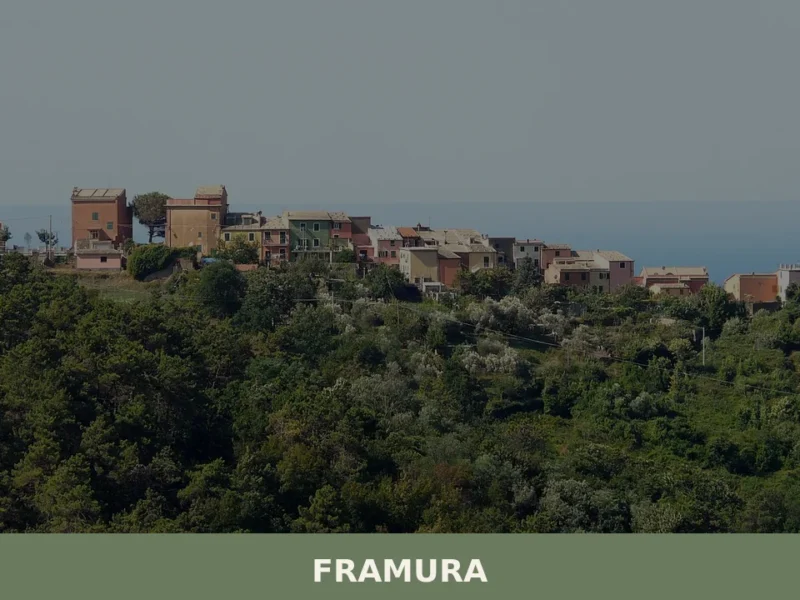
Framura offers a unique blend of maritime and hilly landscapes with ancient pathways connecting scattered settlements.


🏡 Know Carcare better than we do?
If you’re a local or have been there, your knowledge matters: add what’s missing or fix a detail on this page.