



Castel di Lama is a commune of roughly 8,400 inhabitants in the province of Ascoli Piceno, Marche, whose hilltop quarter, Roman vestiges and contemporary art collection make it a quietly rewarding sto
Discover Castel di Lama
Castel di Lama is a commune of roughly 8397 inhabitants in the province of Ascoli Piceno, Marche, covering about 10.97 square kilometres at a municipal centre altitude of 201 metres. Its territory divides into two distinct urban clusters: the older hilltop quarter of Piattoni-Sambuco and the lower-lying settlement of Villa Sant’Antonio, spread across the valley floor of the Tronto. The commune sits close to the junction of the Ascoli-Mare expressway, within easy reach of Ascoli Piceno — approximately 8 km away, around 10 to 15 minutes by road — and of San Benedetto del Tronto, approximately 30 km distant and reachable in about 30 minutes.
Two medieval fortifications, a Roman-era countryside of scattered villas, a baroque church, a small archaeological deposit, and a collection of contemporary art that reaches from local Marchigian artists to names such as Dalí and De Chirico: together these layers give Castel di Lama a character that rewards unhurried attention. The Castel di Lama village in Marche is not a destination built around a single landmark but around the accumulation of things quietly present — a targa commemorating sixteen citizens executed in 1799, Roman milestone fragments along the ancient Via Salaria, and the late-summer sound of a crossbow tournament held during the same week that recalls the historic installation of the Podestà.
Castel di Lama village in Marche: history and identity
Castel di Lama traces its origins to two medieval fortifications — the Castello di Sesto, documented in the area of Chiarini-Piattoni around the eleventh and twelfth centuries, and the Castello di Serraglia, later known as Castrum Lamae, in the zone of Sambuco between the twelfth and fourteenth centuries — before emerging as a free commune in the fourteenth century, formally reconstituted on 6 December 1543 after a period of decline.
In the Roman era, villas and rural settlements spread across the territory, traces of which survive in the archaeological record. During the medieval period, the land was traditionally held as a fief by the Odoardi, an Ascolano family whose name remained intertwined with the area for centuries. The commune adopted its own Statutes in 1545, took part in the second war of the Tronto in 1556, and in 1749 pope Benedict XIV elevated the territory of the Lama to a Marchesate at the request of the Odoardi family. On 29 July 1780, a pontifical decree granted Pian di Mignano in emphyteusis to Count Giacomo Rosati of Monteprandone. The year 1799 brought violence: sixteen inhabitants were executed by Napoleonic troops, and a memorial plaque in Sambuco still records their fate.
Through the eighteenth century, noble villas multiplied across the territory in a dispersed, patchwork pattern that gave rise to the name Ville della Lama — a mosaic of hamlets and estates that still shapes the commune’s layout today, with principal villas including Piattoni, Chiarini, Croce, Sambuco and Sant’Antonio alongside smaller settlements. The parish church of Santa Maria in Mignano was founded in 1506, and the church of Santa Maria degli Angeli in Chiarini was built between 1693 and 1695. Villa Seghetti-Panichi, formerly the Odoardi residence, preserves construction layers spanning the thirteenth to the eighteenth century and stands among the earliest and most complex buildings in the commune. In the decades following the Second World War, Castel di Lama underwent substantial commercial, industrial and residential growth, consolidating its present character as an active settlement in the Tronto valley.
Villas, Churches and Archaeological Finds: Heritage in Castel di Lama
Castel di Lama preserves a range of heritage sites spread across its hilltop quarter and valley floor, including Villa Seghetti-Panichi, the church of Santa Maria degli Angeli di Chiarini, the parish church of Santa Maria in Mignano, a Roman cistern, and two civic collections — one archaeological, one of contemporary art.
Villa Seghetti-Panichi
Formerly associated with the Odoardi family, Villa Seghetti-Panichi together with its ancillary buildings represents construction layers spanning the thirteenth to the eighteenth century, making it among the earliest and most complex structures in the commune’s territory.
Church of Santa Maria degli Angeli di Chiarini
Built between 1693 and 1695, this church stands in the Chiarini district. The sources identify it by name and date of construction; no further documentary detail is available beyond these facts.
Parish Church of Santa Maria in Mignano
Founded in 1506 and subsequently reworked in the eighteenth century, the parish church of Santa Maria in Mignano is one of the oldest religious buildings in the commune. The church dedicated to the Madonna degli Angeli is also among the sacred sites associated with the village.
Ancient Communal Buildings of Piattoni
In the older hilltop quarter of Piattoni-Sambuco, a group of communal buildings dating from the sixteenth and nineteenth centuries survives. Their presence marks Piattoni as the administrative and civic nucleus of the settlement’s earlier phases.
Roman Cistern and Milestone Markers
A Roman cistern survives in Contrada Colle Cese, a tangible trace of the agricultural and residential occupation that characterised the territory in the Roman period. Along the Via Salaria, the ancient markers of the seventh and eighth mile remain visible, while further milestone markers have been recorded in Villa Sant’Antonio.
Deposito Archeologico Comunale
Housed in two underground municipal rooms fitted with twenty-two display cases, the communal archaeological deposit holds material recovered mainly from surface finds at Roman rural sites and villas across the territory. Roughly sixty percent of the collection consists of ceramic fragments of prehistoric and protohistoric date; the remaining forty percent belongs to the Roman period. Since 1985 the material has been held for inventory and cataloguing by the Soprintendenza Archeologica delle Marche.
Raccolta d’Arte Contemporanea “Arte on”
Opened in 2001 through the initiative of artists Vittorio Amadio and Marisa Marconi, the collection occupies a portion of the former Sacet complex. The two founders restored the space to house their own holdings alongside works by Italian and international artists. The collection includes painting, printmaking, sculpture, ceramics and photography, with works attributed to Italian and international artists.
Olives, Lamb and Regional Wines: What to Eat in the Castel di Lama Area
The territory around Castel di Lama is best represented at the table by the Oliva Ascolana del Piceno DOP — the celebrated Piceno stuffed olive — and by Agnello del Centro Italia IGP, two certified products that anchor the food identity of this corner of the Marche. The area also produces Ciauscolo IGP, a soft spreadable salami typical of the region, and Formaggio di Fossa di Sogliano DOP, a pit-aged cheese with an intense flavour rooted in ancient curing traditions.
These are provincial and regional specialities rather than products exclusive to Castel di Lama itself, yet they define what visitors will find on local menus. Among traditional preparations cited for the broader Marche territory, vino cotto (cooked grape must) and sapa are longstanding craft products worth seeking out. The local wine landscape is anchored by the Offida DOCG and Rosso Piceno DOC appellations, with Falerio DOC offering a dry white alternative; the wider Marche IGT designation rounds out the choice available in the area’s restaurants and cantinas.
In early September, the Fiera Agricola del Santissimo Crocifisso brings together local producers and traditions in a setting that gives a direct introduction to the agricultural character of the Lama territory.
Planning your visit and getting there
Castel di Lama can be reached easily from the lower Val Pellice and the Turin area. The practical distances and journey times below are kept concise on purpose, so the access information stays clear and consistent.
| Departure | Distance | Time |
|---|---|---|
| Ascoli Piceno | approx. 8 km | approx. 10-15 min |
| San Benedetto del Tronto | approx. 30 km | approx. 30 min |
These practical reference points are enough to plan the journey without overloading the text with unstable logistics. Once on site, the village is best understood slowly, on foot and in relation to the surrounding landscape.
Frequently asked questions about Castel di Lama
How far is Castel di Lama from Ascoli Piceno, and what is the best way to reach it?
Castel di Lama lies approximately 8 kilometres from Ascoli Piceno, reachable in 10–15 minutes by car. The village sits near the Ascoli-Mare expressway junction, making it easily accessible by private vehicle. San Benedetto del Tronto is about 30 kilometres away, roughly 30 minutes' drive. Public transport connections exist via regional bus services linking to Ascoli Piceno.
When is the best time to visit Castel di Lama?
Late summer is particularly rewarding: the Patron Saint feast of Santissimo Crocifisso falls on September 14th, accompanied by a historic crossbow tournament held the same week, recreating the medieval installation of the Podestà. Spring and early autumn offer pleasant hillside weather ideal for exploring the dual urban centres and countryside Roman villas scattered across the territory.
What are the two main areas of Castel di Lama I should explore?
The village divides into Piattoni-Sambuco, the older hilltop quarter with medieval character, and Villa Sant'Antonio in the valley floor below, spread across the Tronto plains. Both clusters merit unhurried exploration: the higher zone contains fortifications and baroque architecture, while the lower settlement offers access to Roman-era countryside villas and archaeological deposits.
What historical and cultural attractions does Castel di Lama offer?
The village preserves two medieval fortifications, scattered Roman villas from antiquity, a baroque church, and a noteworthy contemporary art collection featuring local Marchigian artists alongside works by Dalí and De Chirico. A commemorative plaque marks sixteen citizens executed in 1799; Roman milestone fragments from the ancient Via Salaria remain visible throughout the territory.
In Marche More villages to discover
Castelplanio
 Hills
Hills
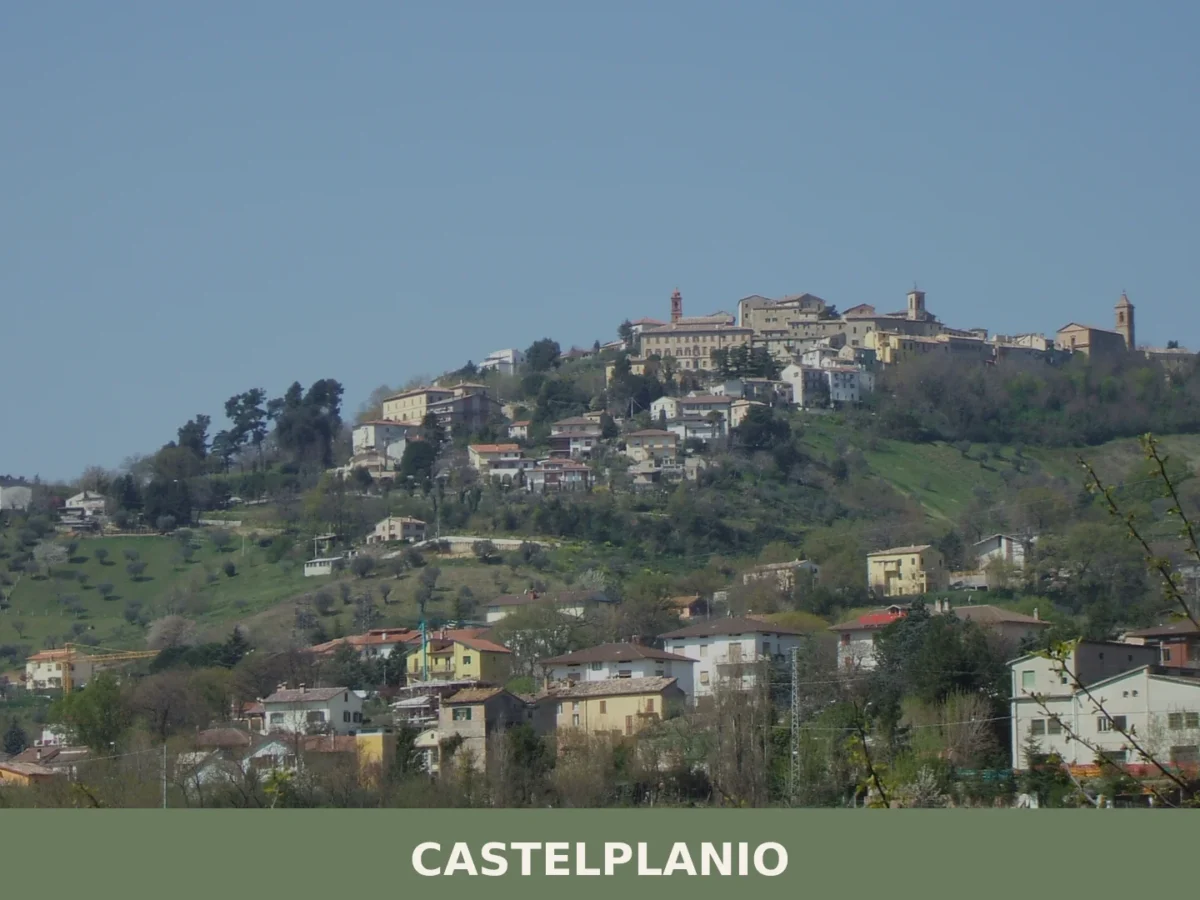
Home to 3,579 residents, Castelplanio rewards visitors with a medieval abbey, a civic art collection and a museum dedicated to a pioneering physician.
Agugliano
 Sea
Sea
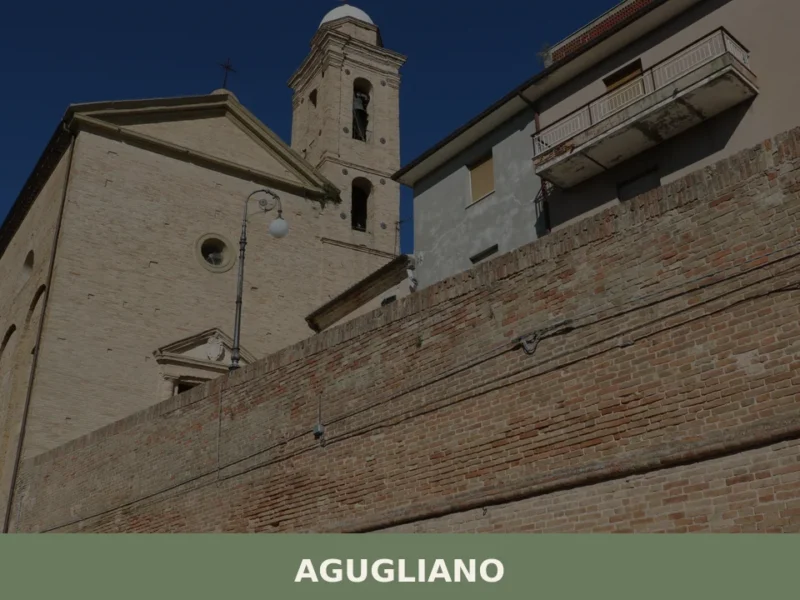
Discover what to see in Agugliano, a hill comune near Ancona in Marche. History, food, attractions, travel tips and where to stay.
Castelfidardo
Hills
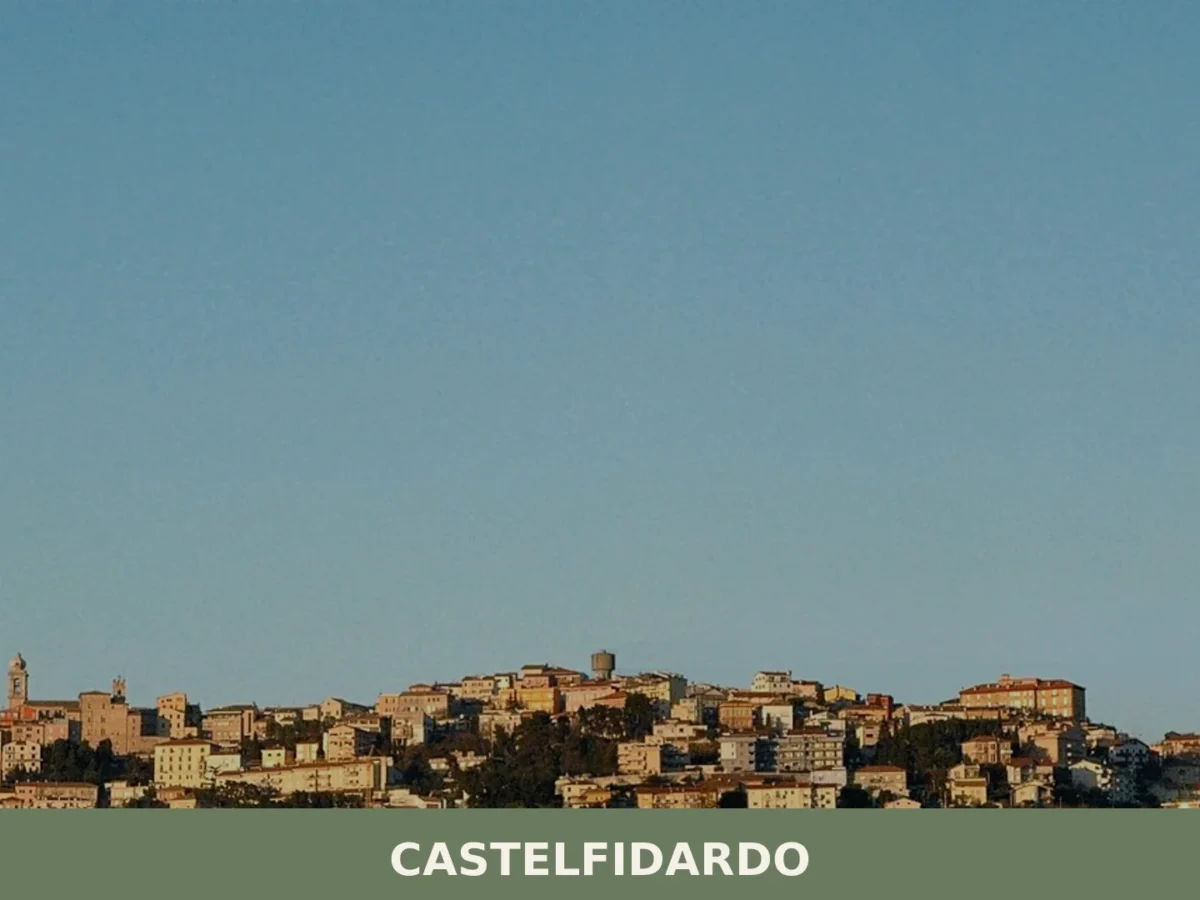
Castelfidardo is a hill town of around 18,400 inhabitants in the province of Ancona, Marche, known for the decisive Risorgimento battle of 1860 and for its centuries-old tradition of accordion manufac
Monte Cerignone
Hills
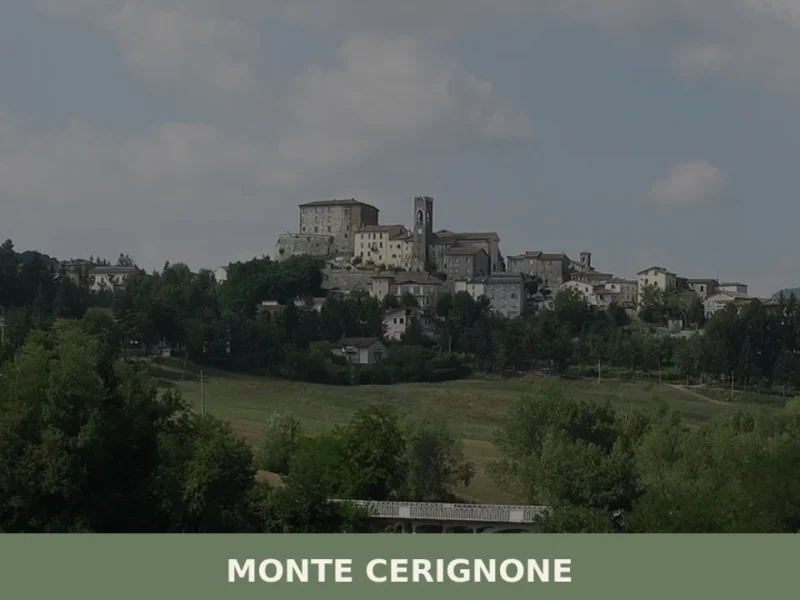
What to see in Monte Cerignone: discover 5 must-see attractions, from Malatesta Fortress to St. Blaise Church. Plan your trip to this Marche village.
Fratte Rosa
Hills
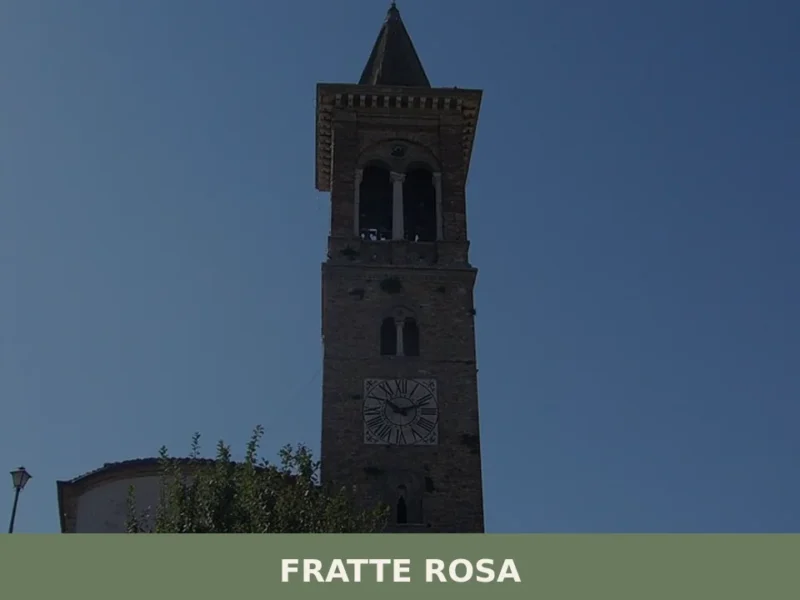
With its 847 inhabitants and an altitude of 419 meters above sea level, Fratte Rosa is located in the province of Pesaro and Urbino, a hilly area of the Marche region. The village’s name “Rosa” is historically linked to the color of a local clay, an essential component for the practice of pottery, documented in […]
Fermo
Sea
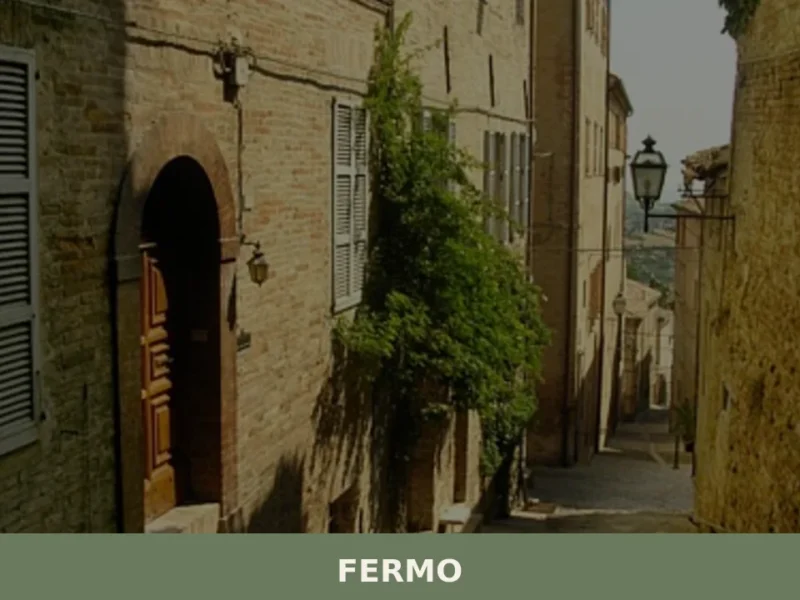
Fermo is a hilltop city in the Marche region where Roman cisterns, a medieval cathedral and nearly three thousand years of continuous habitation coexist on a single ridge six kilometres from the Adria
Mercatello sul Metauro
Hills
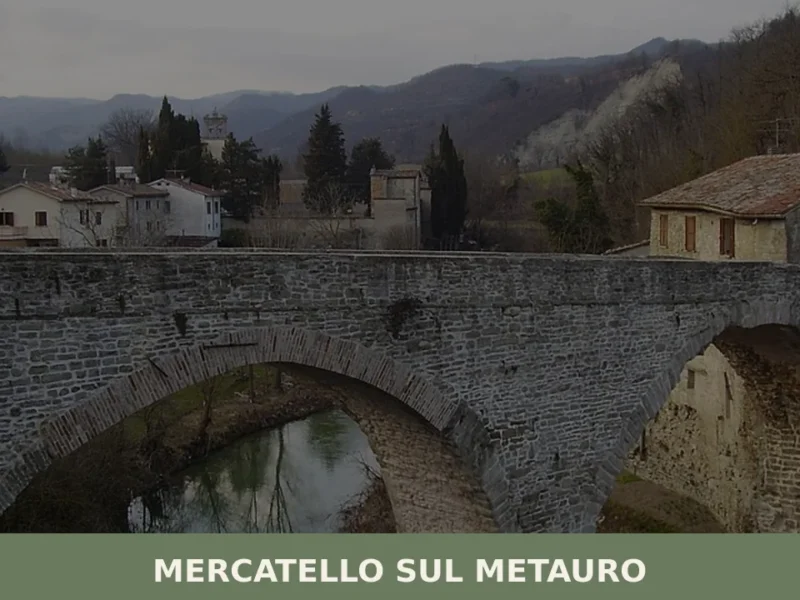
Mercatello sul Metauro has a current population of 1,326 and sits at an elevation of 429 metres in the middle Metauro valley, in the province of Pesaro and Urbino. The village owes its identity to one specific figure: Saint Veronica Giuliani, a Capuchin mystic born here in 1660, beatified in 1804 and canonised in 1839. […]
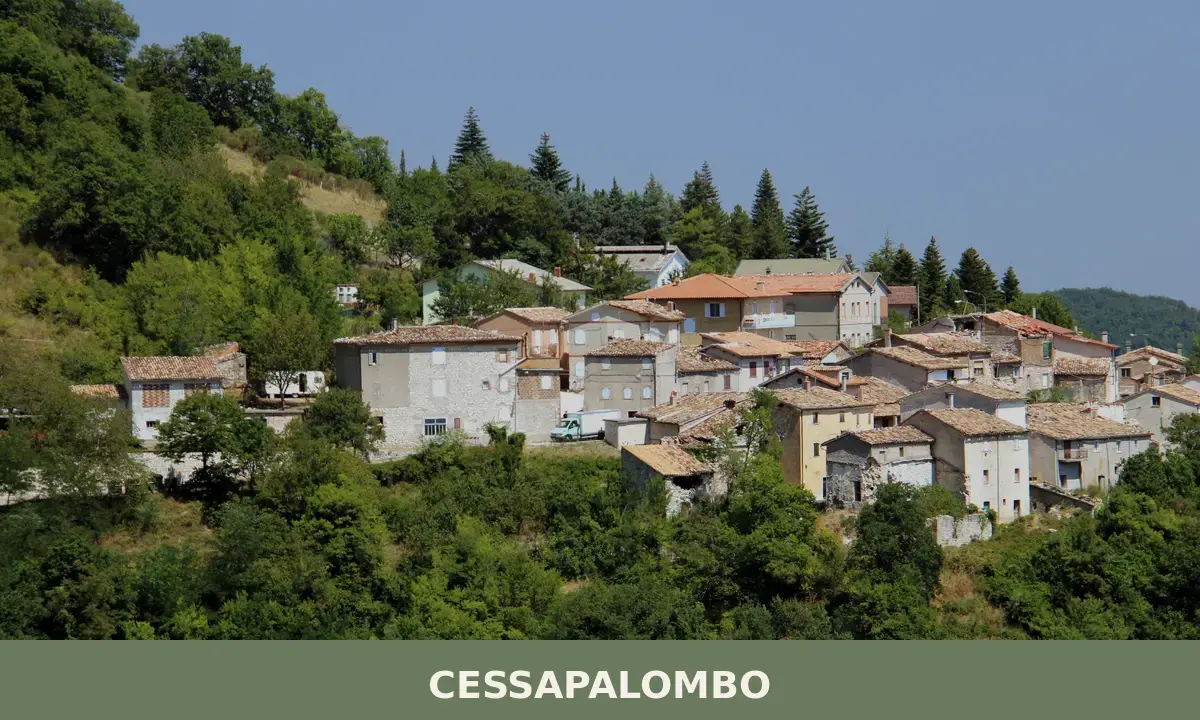
Cessapalombo
 Mountain
Cessapalombo is a mountain commune of 426 residents in the province of Macerata, set within the Monti Sibillini national park and rich in medieval heritage and Apennine landscape.
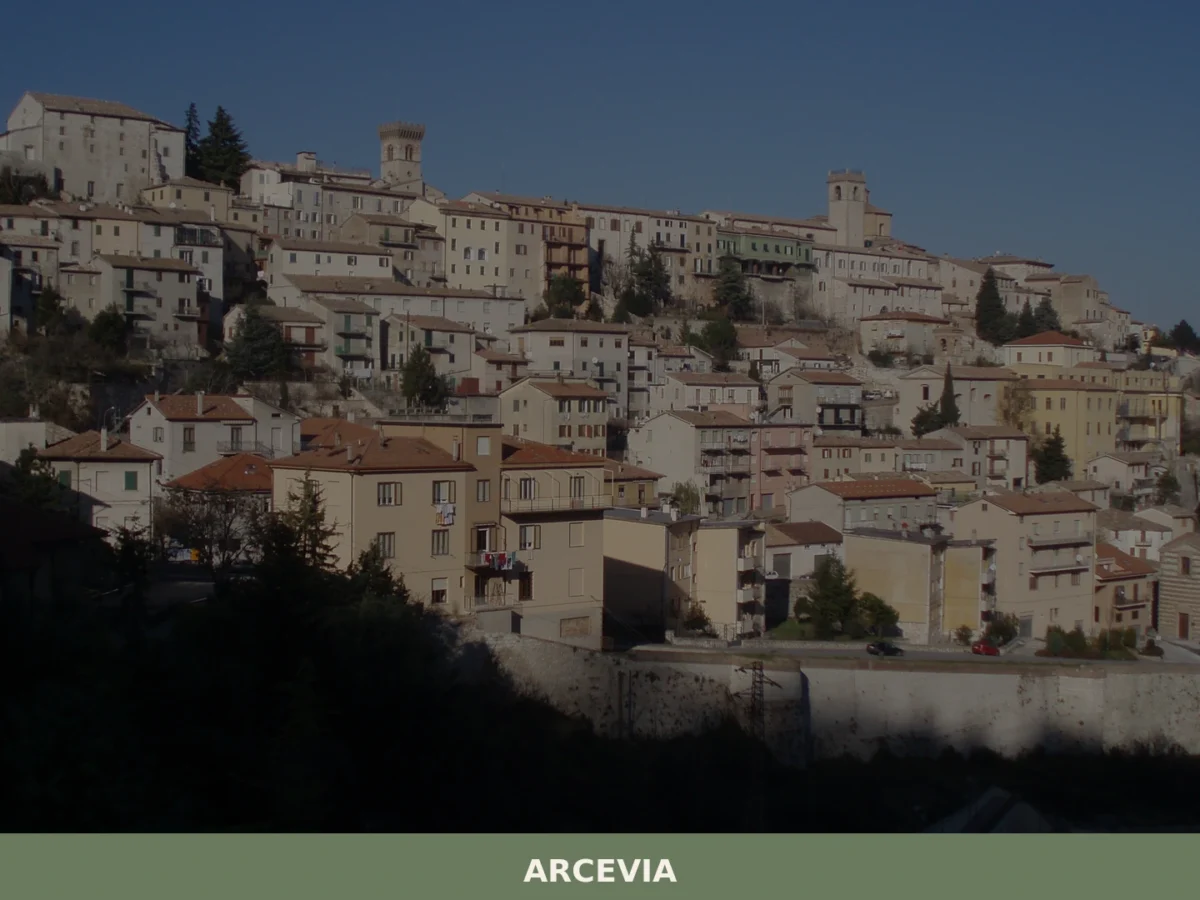
Arcevia
Hills
A hill at 535 metres (1,755 ft) above the Misa and Nevola river valleys: this is where Arcevia stands, its streets running along a ridge in the province of Ancona, roughly 50 kilometres (31 mi) south-west of the regional capital. The town was fortified by Pippin the Younger, fought over by condottieri, renamed by a […]
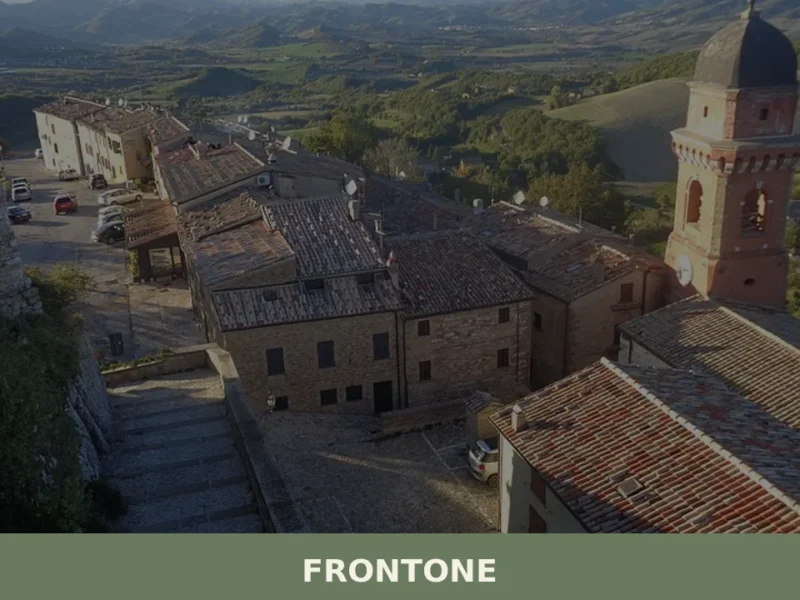
Frontone
Hills
Frontone Castle, whose original structure dates between the 11th and 12th centuries, overlooks the village of the same name, a municipality of 1,218 inhabitants in the province of Pesaro and Urbino. Situated at 412 meters above sea level, Frontone extends along the slopes of Mount Catria, offering a view of the surrounding hilly landscape. Its […]



🏡 Know Castel di Lama better than we do?
If you’re a local or have been there, your knowledge matters: add what’s missing or fix a detail on this page.