


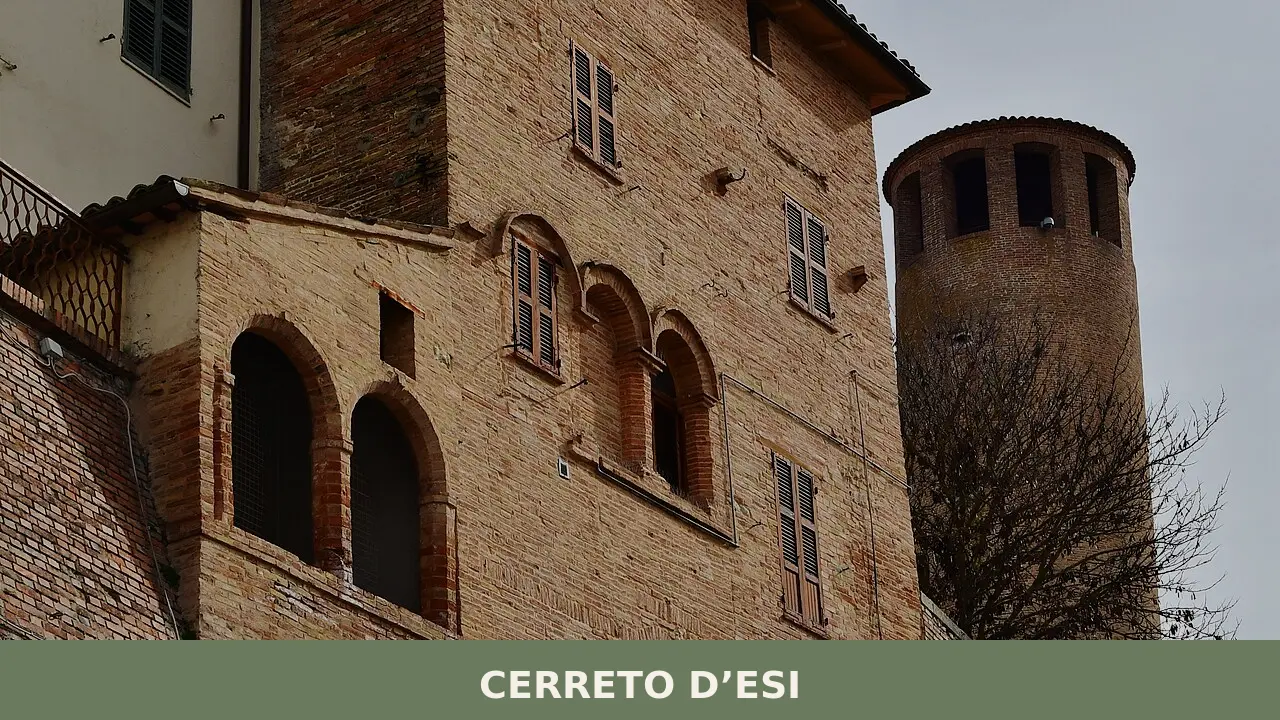

Cerreto d’Esi is a medieval hill town of 3,367 residents in the province of Ancona, Marche, known for its civic tower, historic churches and long-distance pilgrimage routes.
Discover Cerreto d’Esi
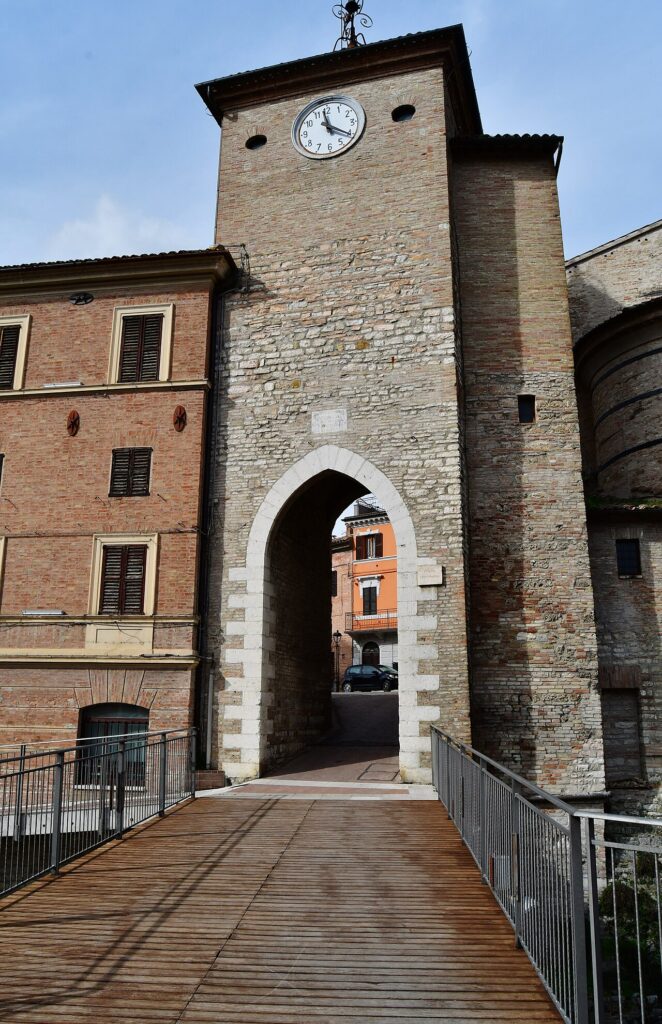
Cerreto d’Esi is a small hill town of around 3,367 residents in the province of Ancona, Marche, sitting at 264 metres above sea level across a compact territory of roughly 16.6 square kilometres. Its medieval core, linked by the Porta Giustiniana and a civic tower long associated with the general Belisarius, retains a coherent historic character reinforced by several churches and a museum collection of paintings spanning the fifteenth to seventeenth centuries.
For travellers moving through central Italy, the Cerreto d’Esi village in Marche offers a quieter counterpoint to the busier destinations of the Esino valley: Fabriano lies around 15 kilometres away — roughly a 20-minute drive — while Ancona is approximately 55 kilometres distant, reachable in about 50 minutes. Three long-distance pilgrimage routes pass through or near the area, the local calendar turns on the feast of Maria SS. Assunta on 15 August, and the surrounding territory shares in the food and wine traditions of the Marche and Ancona province, from Verdicchio-based whites to aged regional cured meats.
Cerreto d’Esi village in Marche: history and identity
Cerreto d’Esi traces its origins to the period of the Lombard invasions, when inhabitants of the nearby settlement of Tuficum sought refuge in the surrounding hills and gradually formed a new community — one that, during the Gothic-Byzantine war, was reportedly fortified and used as a stronghold by the general Belisarius.
Through the medieval centuries the town developed its own civic character: ancient documents from the sixteenth century record that it held the authority to enact its own laws, a mark of considerable local autonomy for a settlement of its size. Around this same period, the historic core began to take on the form still partly visible today, anchored by landmarks such as the civic tower — traditionally associated with the name of Belisarius — and the Porta Giustiniana.
The town’s religious and cultural life deepened in later centuries. The church of San Leopardo, for instance, is recorded as having depended on the Monastery of San Vittore delle Chiuse from around the early thirteenth century, while several other churches and oratories were founded or rebuilt between the sixteenth and eighteenth centuries, leaving the historic centre with a layered architectural heritage that reflects successive generations of local devotion and civic pride.
Stone, Sacred Art and Civil Architecture in Cerreto d’Esi
Cerreto d’Esi preserves a historic centre with several churches, a civic tower, medieval gates, a Renaissance fountain and a small museum of paintings housed in a former pharmacy — all contained within a compact hilltop nucleus at 264 metres above sea level.
Antica Farmacia Giuli — Museum of Paintings
The museum is reached through what was once the Giuli pharmacy, part of whose original wooden furnishings and a number of officinal jars have survived. The rooms behind this entrance hold eight paintings dating from the fifteenth, sixteenth and seventeenth centuries.
Churches
The parish church of Santa Maria Assunta is the main place of worship and the focus of the patronal feast on 15 August. The church of Santa Maria delle Grazie, in the quarter of the same name, bears an entrance inscription recording the late sixteenth century as the period of its construction. The sacristy contains a fresco attributed to the Fabriano school of the fifteenth century, depicting the Madonna flanked by Sant’Antonio Abate and San Leopardo Martire. A gilded wooden altar was added in the late seventeenth century, with a canvas representing the Virgin, San Rocco and San Vincenzo Ferreri. The church of San Leopardo was, in the early thirteenth century, dependent on the Monastery of San Vittore delle Chiuse. The church of Santa Maria della Porta stands near one of the village gates.
Civic Tower, Gates and Fountain
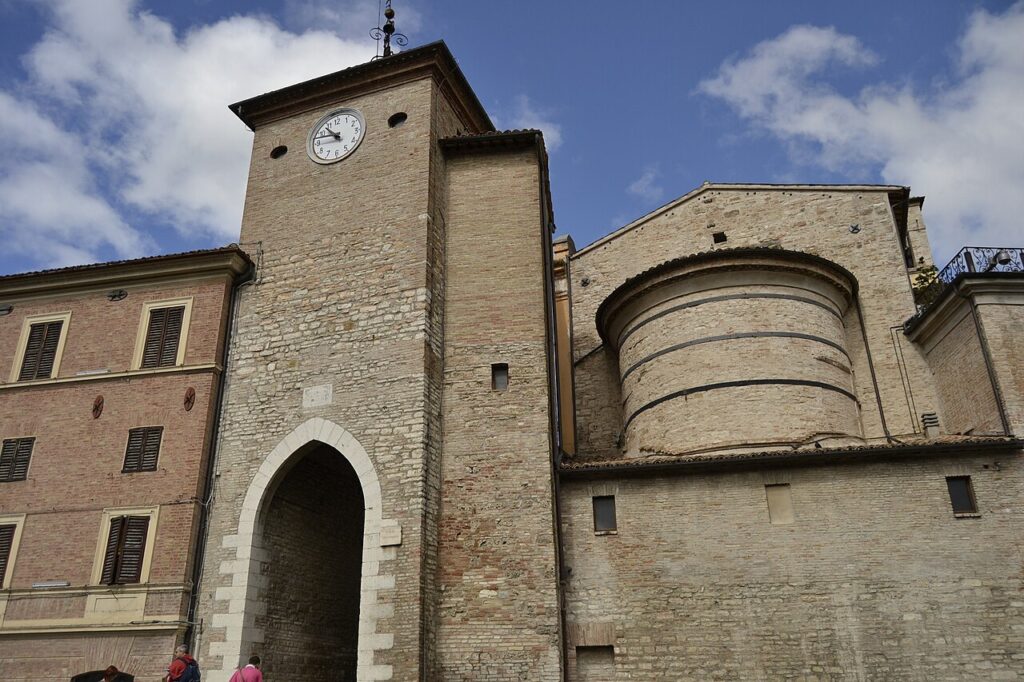
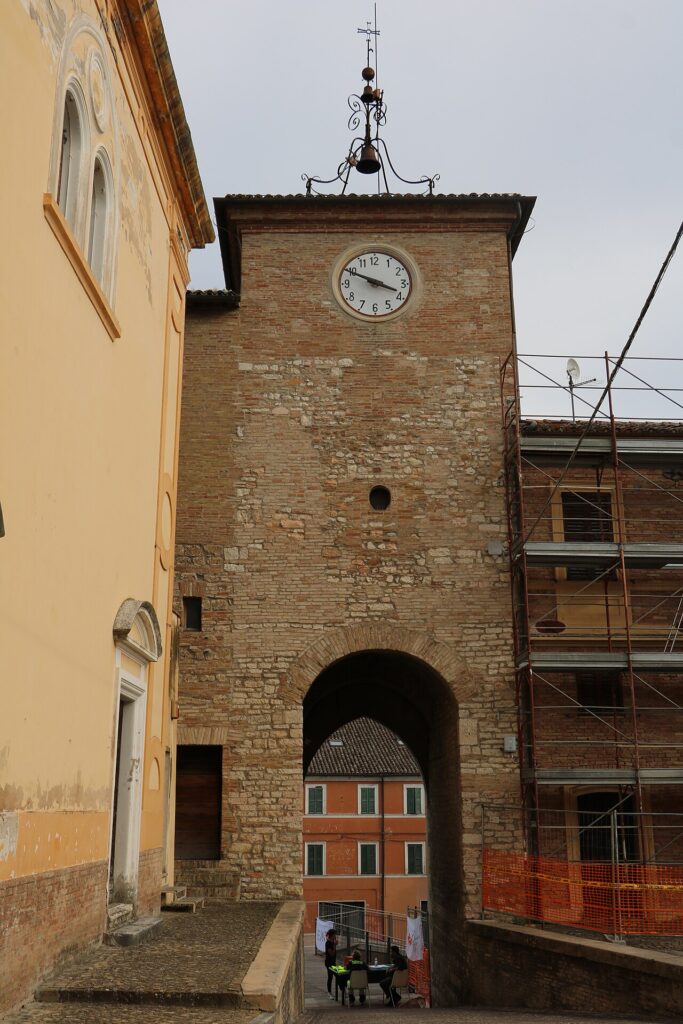
The civic tower — known as the Tower of Belisario — rises within the historic centre. Porta Giustiniana, also called the upper gate, is among the surviving elements of the old fortified perimeter. The Fontana dei Delfini is carved in sandstone from the Signa area of Tuscany: a circular basin surrounds a triangular base from which a column with a Corinthian capital rises, with three dolphins coiling around its shaft.
Other Civil Structures
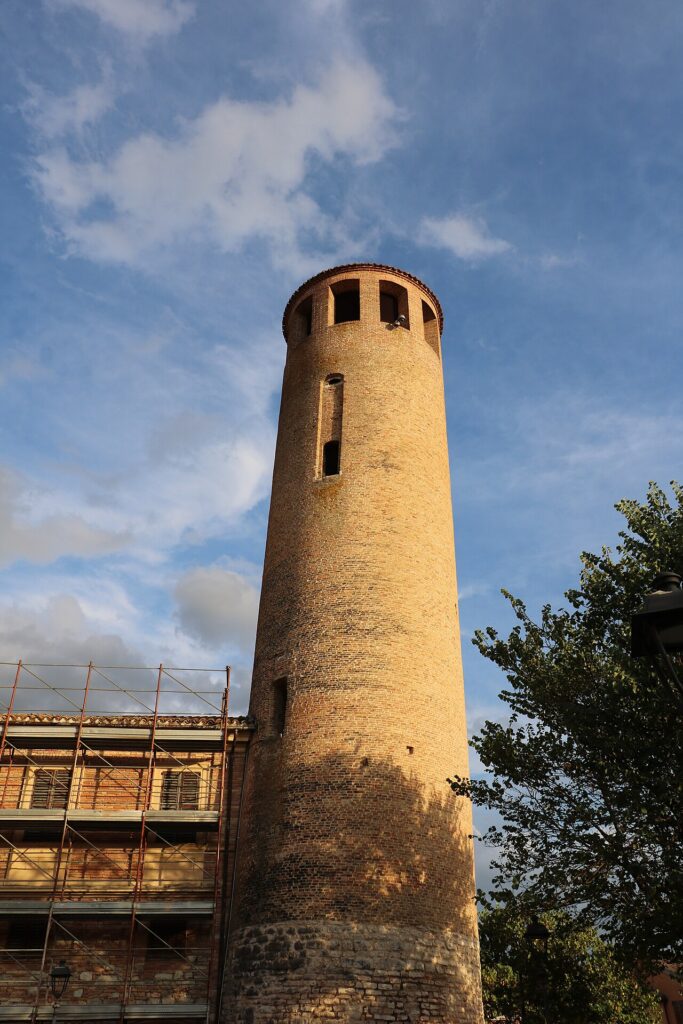
The historic centre also retains the Ex Casa Ottoni, the Torrione dell’Agostino, a bassorilievo depicting a siren, and the remains of the town’s former moat, recorded as an archaeological area. The Teatro Casanova is a small theatre that returned to use in the early twenty-first century.
Flavours of Cerreto d’Esi and the Esino Valley
Cerreto d’Esi sits within a provincial and regional food tradition that includes several certified products, among them Ciauscolo IGP, a soft spreadable salami typical of the Marche interior, and Salamini italiani alla cacciatora DOP, alongside Agnello del Centro Italia IGP and the distinctive Formaggio di Fossa di Sogliano DOP, an aged cheese ripened in underground pits.
The broader territory also produces charcuterie recognised under the Mortadella Bologna IGP designation. Among regional PAT products worth noting are sapa and vino cotto, traditional grape-based preparations with deep roots in Marche country kitchens, as well as vino di visciole, a wine made from sour cherries.
For wine, the area falls within reach of several notable appellations. The whites include Riserva Castelli di Jesi Verdicchio DOCG and Verdicchio di Matelica Riserva DOCG, two of the most respected white wine designations in central Italy. Reds are represented by Conero DOCG and Vernaccia di Serrapetrona DOCG, together with a range of DOC wines — among them Esino and Colli Maceratesi — and the broad Marche IGT category. These are products of the wider province and region rather than exclusive to Cerreto d’Esi itself.
Planning your visit and getting there
Cerreto d’Esi can be reached using the practical reference points below. Distances and journey times are kept concise so the access information stays clear and consistent.
| Departure | Distance | Time |
|---|---|---|
| Fabriano | ~15 km | ~20 min |
| Ancona | ~55 km | ~50 min |
| Macerata | ~45 km | ~45 min |
These practical reference points are enough to plan the journey without overloading the text with unstable logistics. Once on site, the village is best understood slowly, on foot and in relation to the surrounding landscape.
Frequently asked questions about Cerreto d’Esi
What is the nearest railway station to Cerreto d'Esi, and how do I get there by public transport?
The nearest railway station is Fabriano, on the Orte–Falconara line, approximately 15 kilometres from Cerreto d'Esi. From Fabriano, local buses operated by Contram connect to the village. Travellers arriving by car from the A14 Adriatic motorway should exit at Ancona Nord or Fabriano and follow the SS76 Vallesina state road toward Fabriano, then take the provincial road toward Cerreto d'Esi. Journey time from Ancona by car is roughly 50 minutes.
When is the best time to visit Cerreto d'Esi?
Late spring (May–June) and early autumn (September) offer mild temperatures and uncrowded conditions, ideal for exploring the historic centre and surrounding hills. The most atmospheric moment is 15 August, when the village celebrates its patron feast of Maria SS. Assunta with religious processions and local festivities. Summer evenings in August are lively, while winter months are quiet and cold at 264 metres above sea level, occasionally seeing snow in the surrounding Esino valley hills.
Are there marked hiking or cycling trails around Cerreto d'Esi?
The territory of Cerreto d'Esi falls within the broader network of trails connecting the Esino valley to the Apennine foothills. The area is crossed by pilgrimage routes, and the surrounding countryside is accessible on mountain bike along unpaved provincial roads linking the valley floor to hilltop villages. For formally marked CAI trails, the nearest well-documented network is centred on the Frasassi gorge area and the hills above Fabriano, both reachable within 20–30 minutes by car.
How long should I plan for a visit to Cerreto d'Esi, and is parking available?
A focused visit to the historic centre — including the Porta Giustiniana, the civic tower, the main churches and the painting collection — typically takes two to three hours. Combining the village with a meal sampling local Esino valley products can comfortably fill half a day. Free parking areas are available on the perimeter of the old town, as is common in small Marche hilltop villages, making arrival by car the most practical option for day visitors.
What local food and wine products should I look for in the Cerreto d'Esi area?
The surrounding Esino valley and Ancona province are prime territory for Verdicchio dei Castelli di Jesi DOC, one of central Italy's most respected white wines, produced in vineyards a short drive toward Jesi. Local cured meats follow Marche traditions, including ciauscolo (a soft spreadable salami with IGP status) and lonza. Pecorino cheeses from the Apennine foothills and freshwater fish from the Esino river historically complemented the local table. Many of these products are available at markets in Fabriano and surrounding villages.
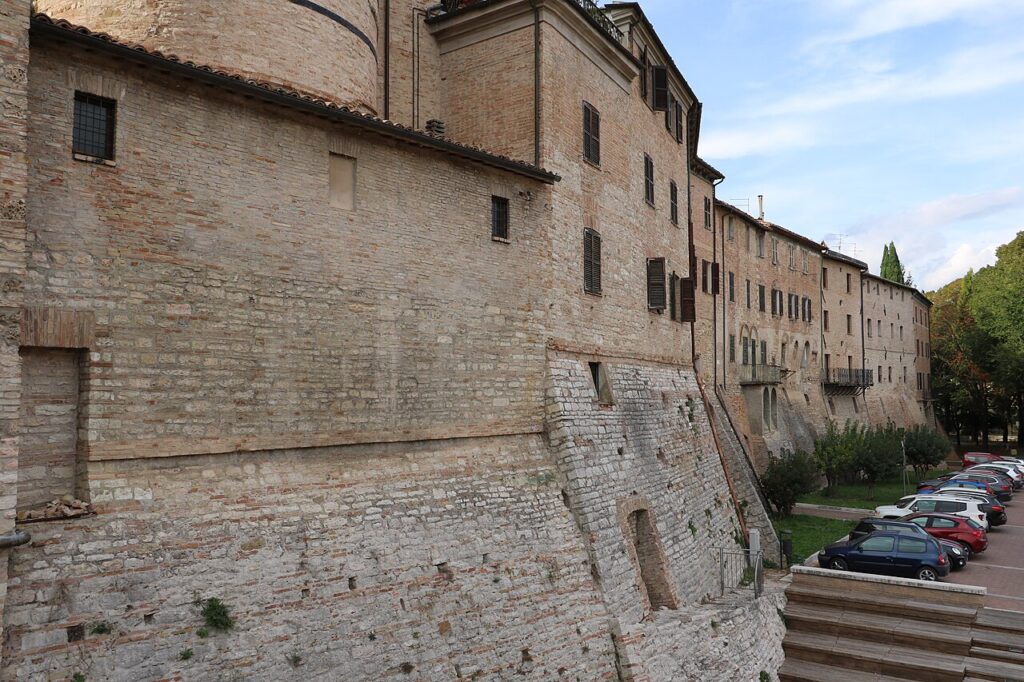
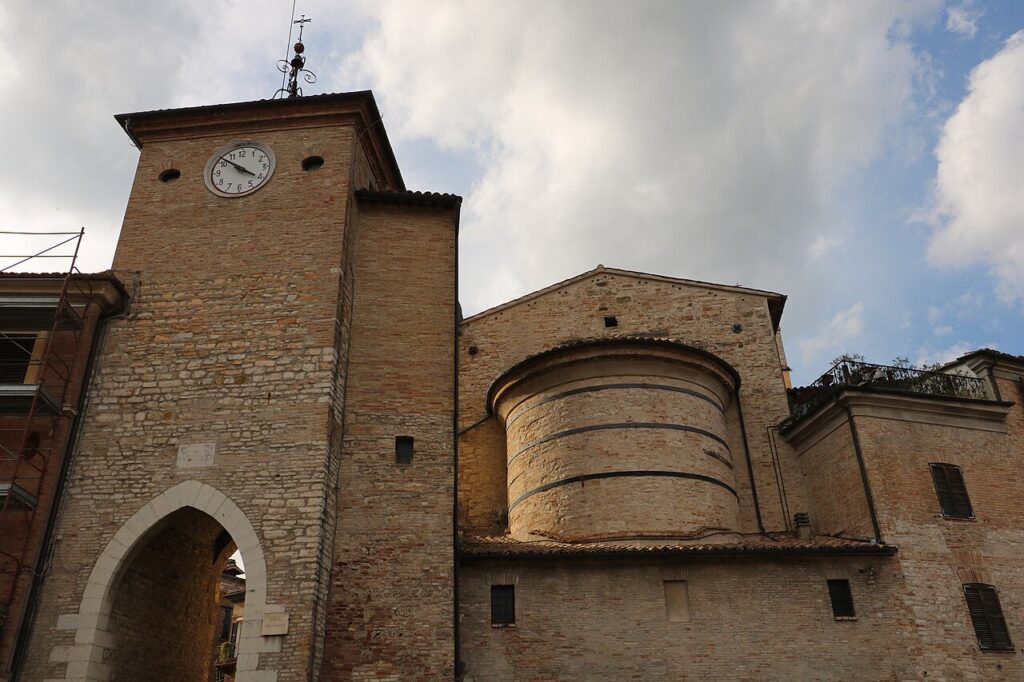
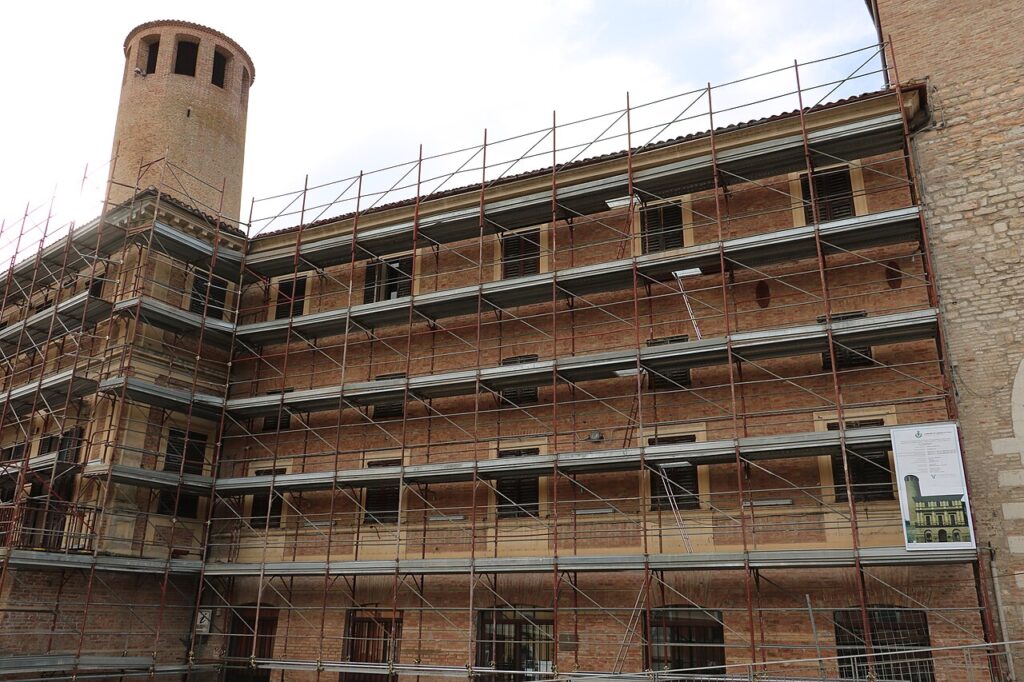
📷 Photo Gallery — Cerreto d’Esi
In Marche More villages to discover
Fermo
 Sea
Sea
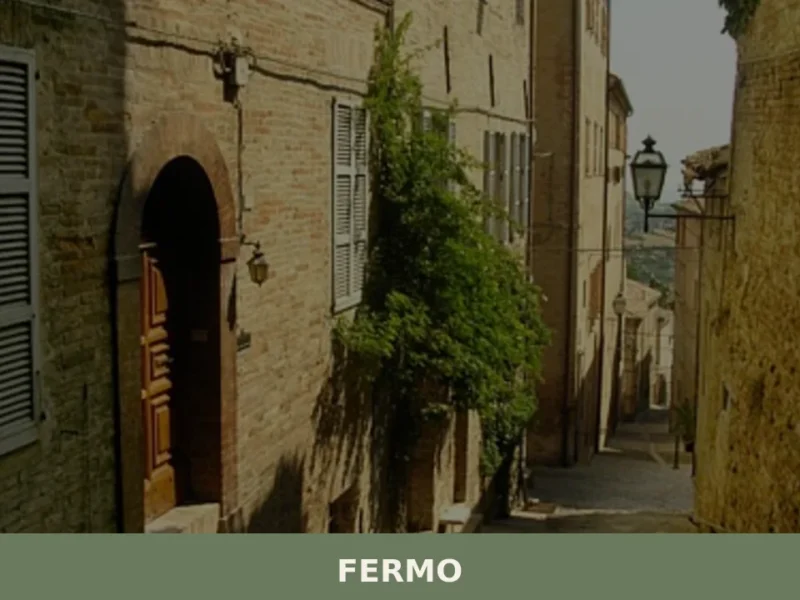
Fermo is a hilltop city in the Marche region where Roman cisterns, a medieval cathedral and nearly three thousand years of continuous habitation coexist on a single ridge six kilometres from the Adria
Castel di Lama
 Hills
Hills
Castel di Lama is a commune of roughly 8,400 inhabitants in the province of Ascoli Piceno, Marche, whose hilltop quarter, Roman vestiges and contemporary art collection make it a quietly rewarding sto
Gradara
 Plains
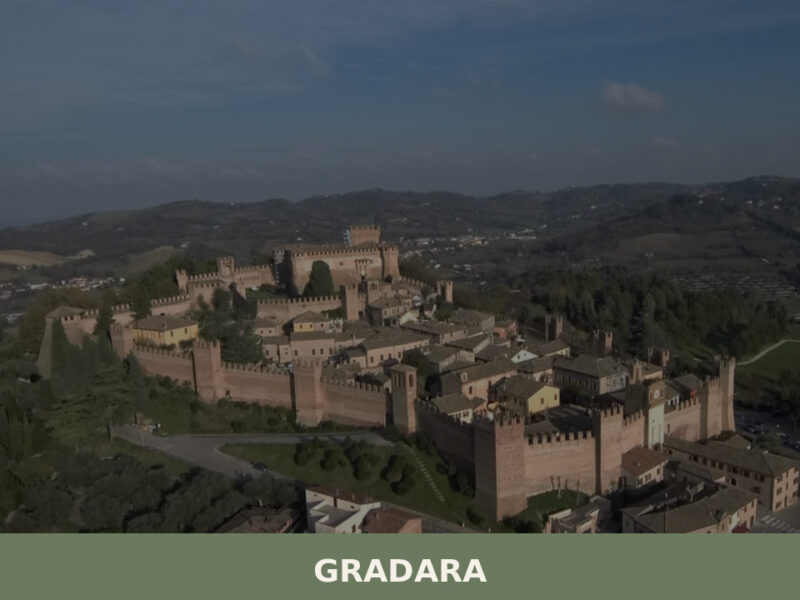
What to See in Gradara: discover Malatesta Castle and 4 other must-see attractions. Plan your trip to this Marche village of 4,889 inhabitants.
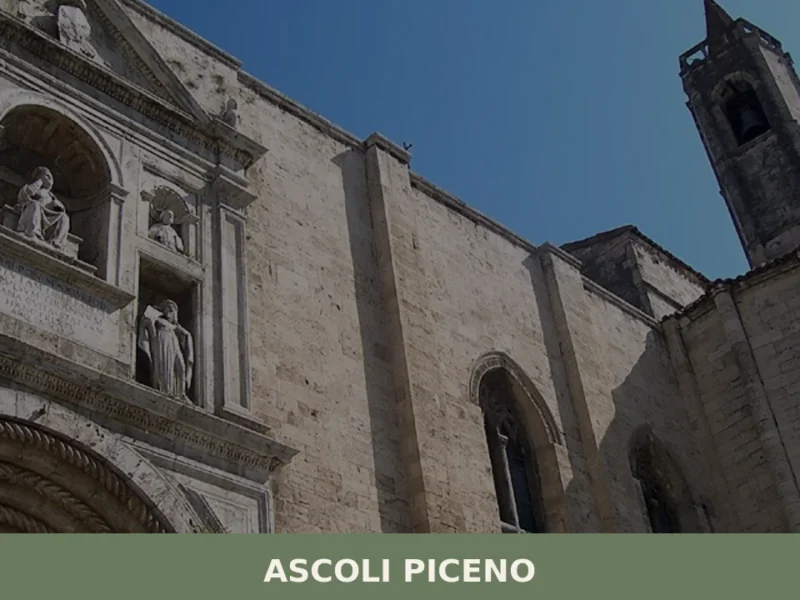
Ascoli Piceno
Plains
Ascoli Piceno is a provincial city of 45,277 residents in Marche, renowned for its medieval towers, travertine historic centre, and deep-rooted Picene heritage.
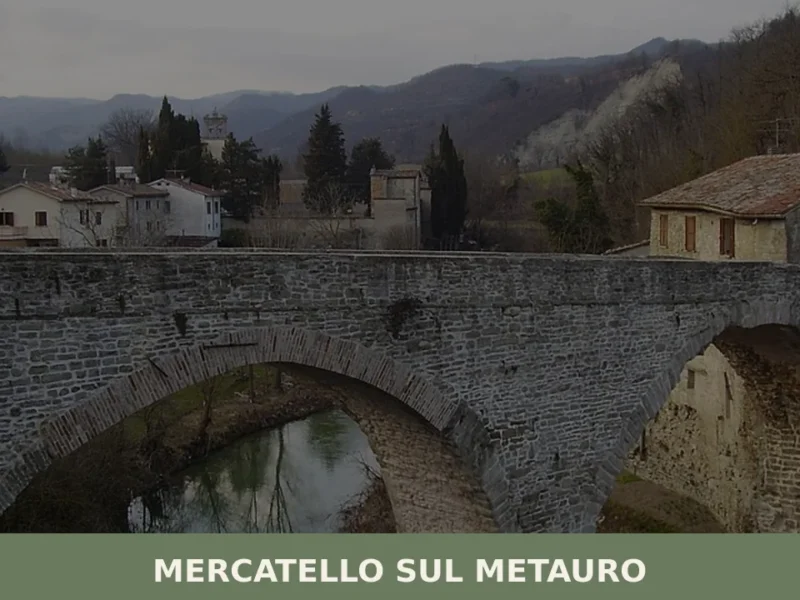
Mercatello sul Metauro
Hills
Mercatello sul Metauro has a current population of 1,326 and sits at an elevation of 429 metres in the middle Metauro valley, in the province of Pesaro and Urbino. The village owes its identity to one specific figure: Saint Veronica Giuliani, a Capuchin mystic born here in 1660, beatified in 1804 and canonised in 1839. […]
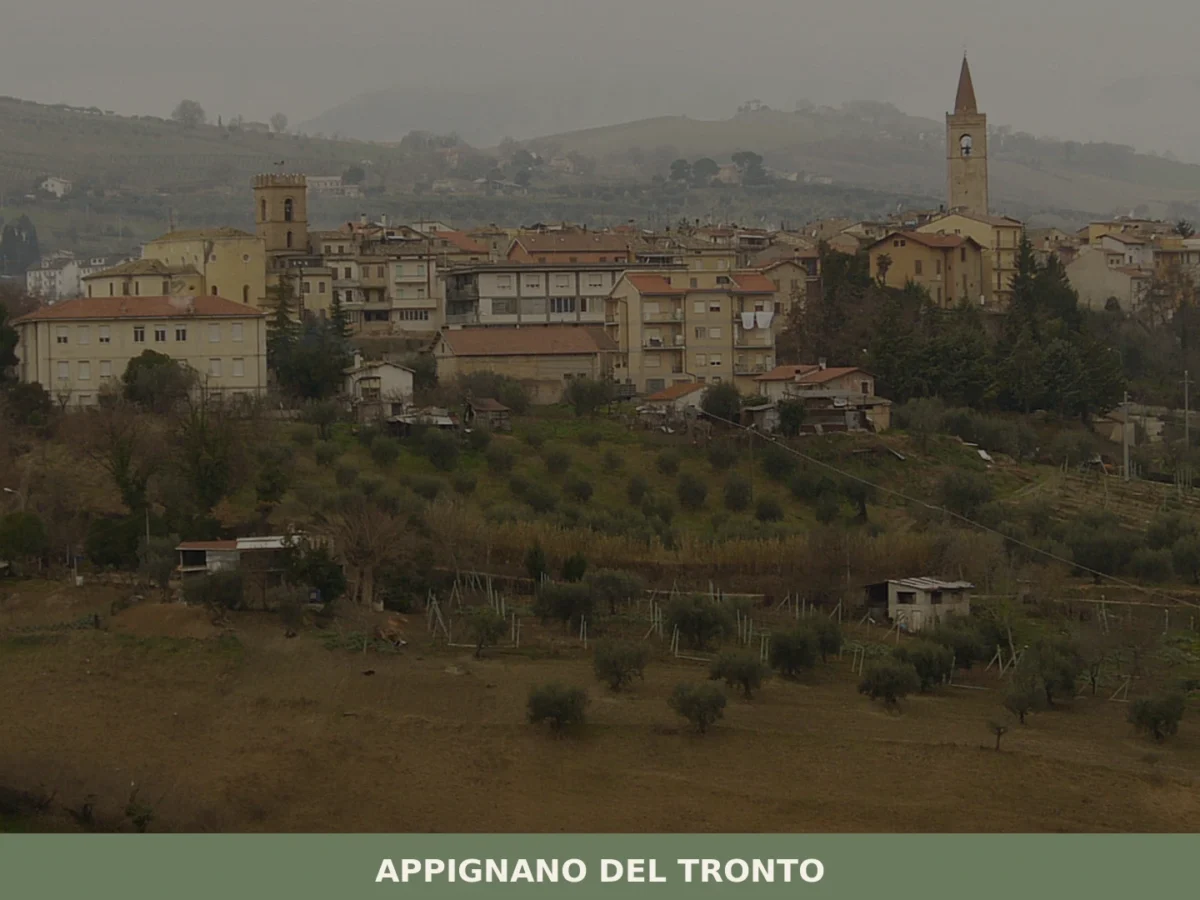
Appignano del Tronto
Plains
What to see in Appignano del Tronto, Italy: 9 km from Ascoli Piceno, discover top attractions, local food, and travel tips for this Marche village. Explore now.
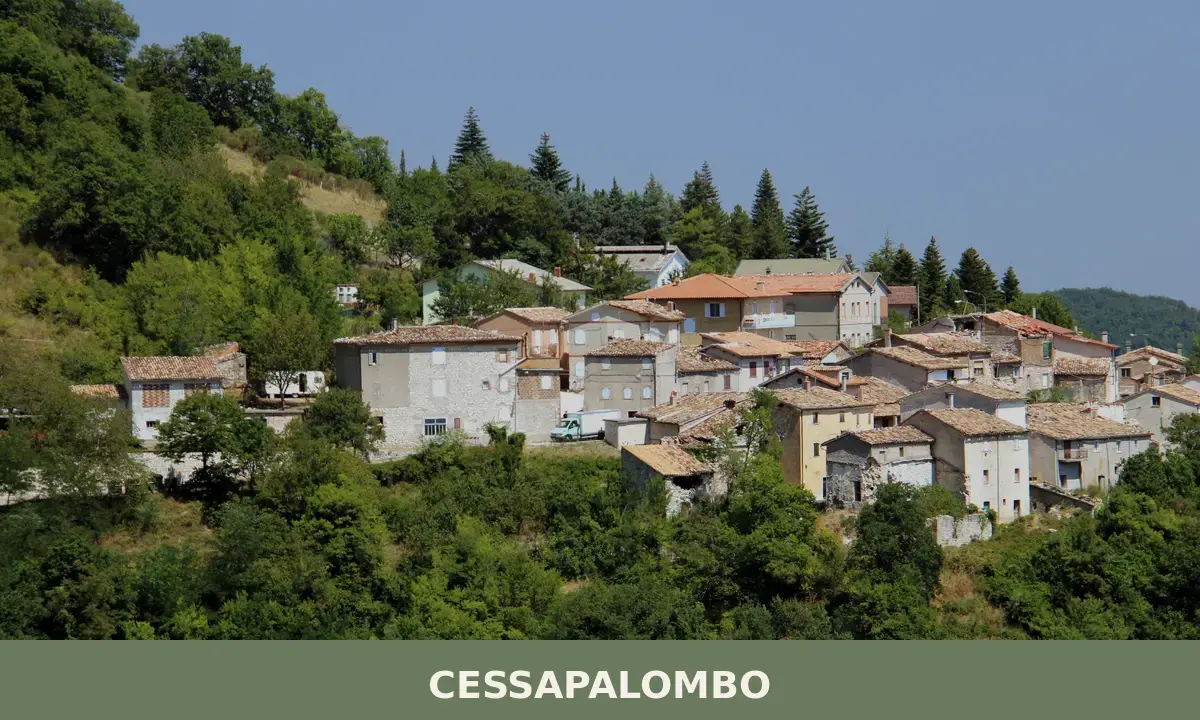
Cessapalombo
 Mountain
Cessapalombo is a mountain commune of 426 residents in the province of Macerata, set within the Monti Sibillini national park and rich in medieval heritage and Apennine landscape.
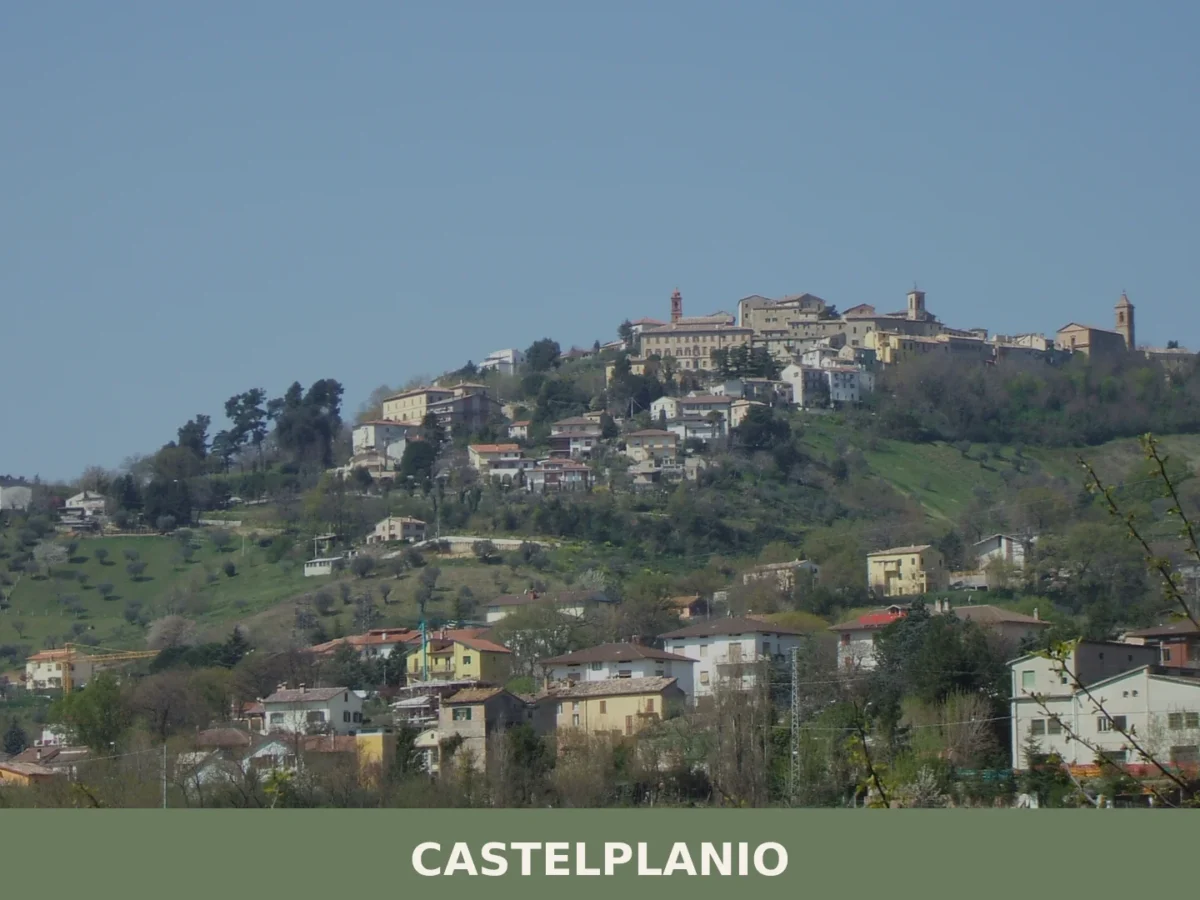
Castelplanio
Hills
Home to 3,579 residents, Castelplanio rewards visitors with a medieval abbey, a civic art collection and a museum dedicated to a pioneering physician.
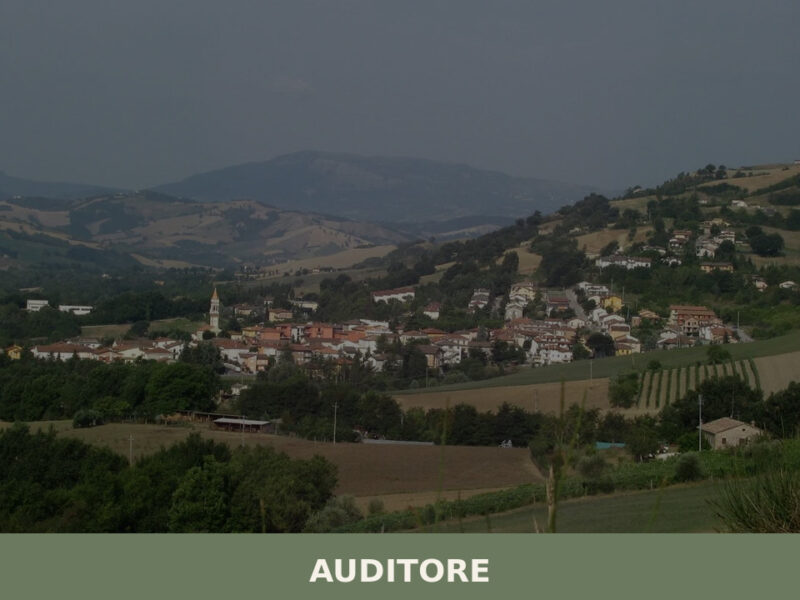
Auditore
Hills
Morning light falls across a line of stone houses the colour of dry wheat, and somewhere below the rooftops a church bell marks the hour with a single, unhurried stroke. Auditore sits in the hill country of the province of Pesaro e Urbino, a settlement of 1,631 people where the Foglia river valley opens toward […]
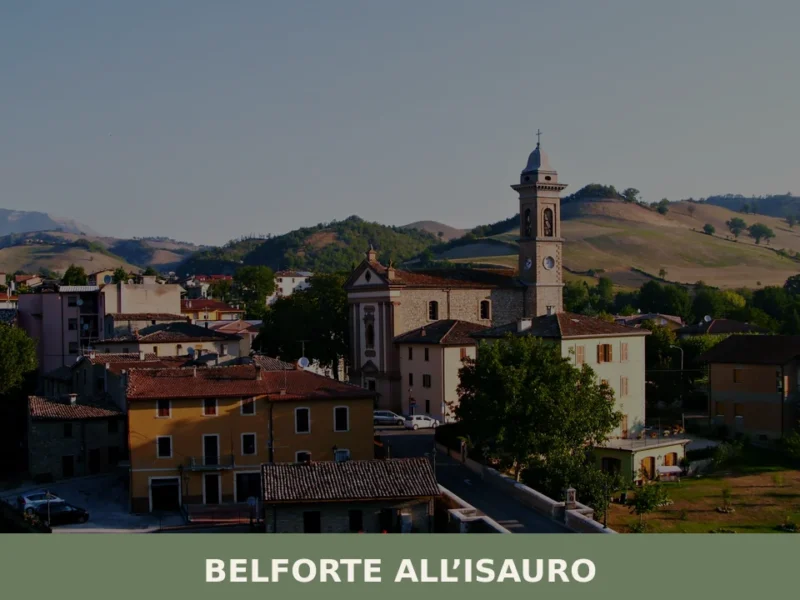
Belforte all’Isauro
Hills
Morning light catches the stone walls of the old borgo before it reaches the valley floor, warming the façades to a pale amber. Below, the Isauro river — a modest tributary of the Foglia — moves quietly between wooded banks. With fewer than 800 inhabitants, Belforte all’Isauro occupies a stretch of the upper Montefeltro where […]





🏡 Know Cerreto d’Esi better than we do?
If you’re a local or have been there, your knowledge matters: add what’s missing or fix a detail on this page.