


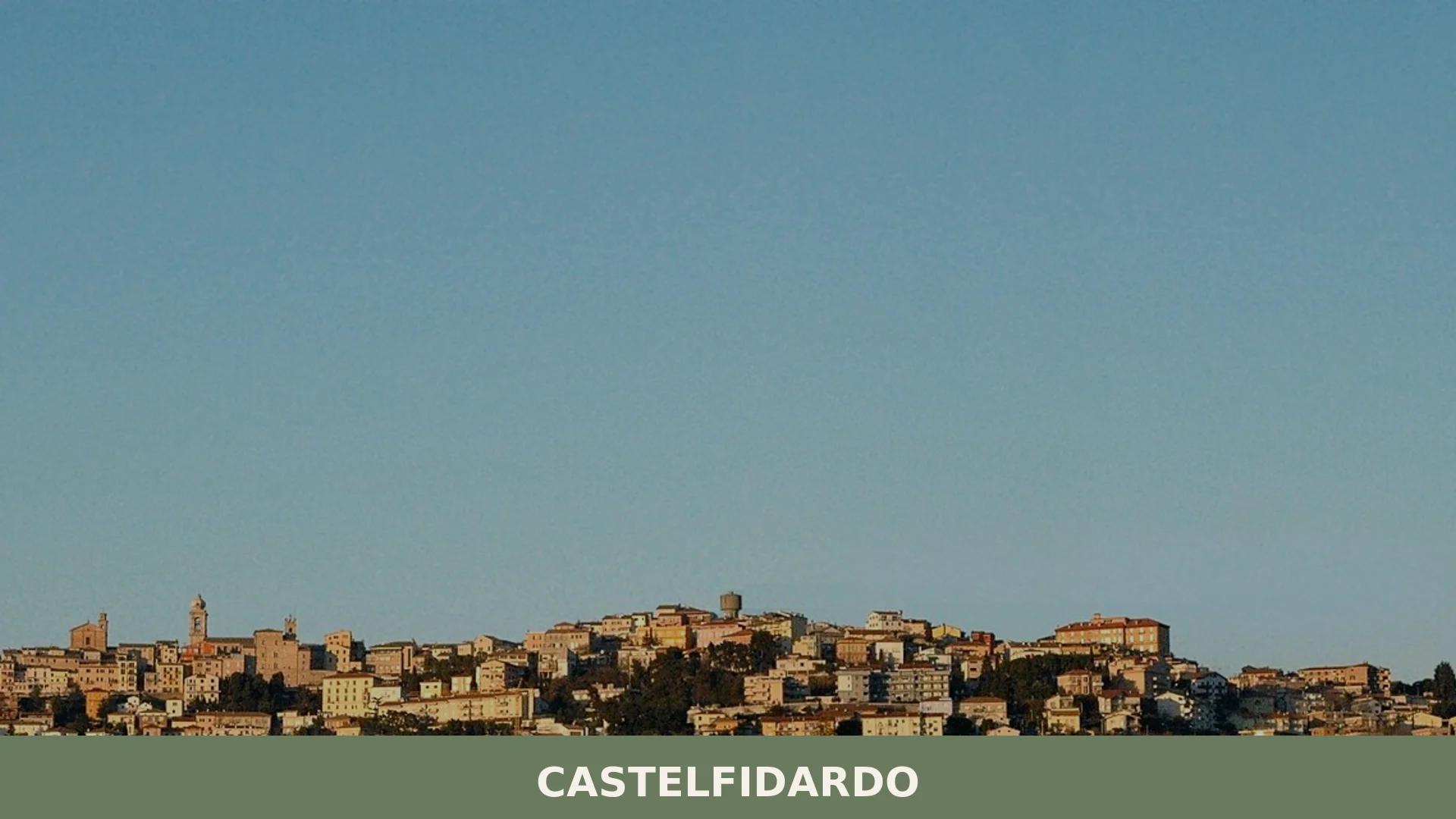

Castelfidardo is a hill town of around 18,400 inhabitants in the province of Ancona, Marche, known for the decisive Risorgimento battle of 1860 and for its centuries-old tradition of accordion manufac
Discover Castelfidardo
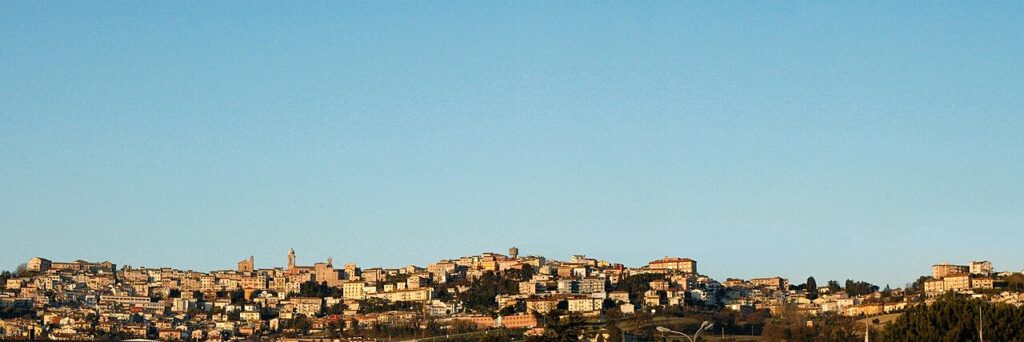
Castelfidardo is a town of around 18418 inhabitants set on a hill at roughly 199 metres above sea level in the province of Ancona, in the Marche region of central Italy, positioned between the valleys of the rivers Aspio and Musone and within easy reach of the Riviera del Conero. Its 32.7 square kilometres encompass a landscape shaped over millennia, from Palaeolithic flint tools recovered in the Musone plain to Iron Age Picene burials, Roman centuriation patterns, and a medieval fortified core whose origins trace back to around the year one thousand. Today it is best known for two reasons that might seem unlikely companions: a battle fought on 18 September 1860 that proved decisive in the unification of Italy, and an accordion-manufacturing tradition that since the mid-nineteenth century has made the town a reference point for the instrument across the world.
For any visitor planning a journey through central Italy, the Castelfidardo village in Marche offers a genuinely layered experience — a historic town centre divided into the ancient terzieri of Cassero, Varugliano, and Montebello, a woodland nature reserve at the Selva di Castelfidardo, two significant museums, and a calendar of events anchored in a fair whose origins date to 1602.
Castelfidardo village in Marche: history from prehistoric times to the Risorgimento
Castelfidardo is a town in the Marche region whose recorded human presence stretches from the Palaeolithic era through to a pivotal battle in 1860 that helped shape the unified Italian state. Flint tools found in the plain of the river Musone confirm the earliest occupation of the area, while an agricultural settlement dating to the late Copper Age or early Bronze Age was uncovered in contrada Campograsso, near the fosso Vallato. Iron Age burials attributable to the Piceni have also come to light, including a tomb found in zona Figuretta dated to somewhere between the late fourth and early third century BC, pointing to commercial exchange between the local communities and Picene populations of the Conero area.
Under Roman rule the territory belonged almost entirely to the colony of Auximum, and traces of two large centuriated land divisions survive near the hamlets of Crocette and Villa Poticcio. Around the year one thousand a fortified stronghold known as Castrum Ficardi was raised close to a woodland called Waldum de Fico. The earliest written record of this castle dates to 24 May 1139, when Pope Innocent II confirmed the rights of the hermitage of Fonte Avellana over the nearby church of San Silvestro. By the end of the twelfth century the community was obliged to swear allegiance to Bishop Gentile of Osimo (1196), and it joined the Peace of Polverigi in 1202. The following centuries brought repeated hardship: in 1240 the town was half-destroyed by the forces of King Enzo, and in 1354 a mercenary company led by Frà Moriale sacked it. A 1357 papal document, the Constitutions of Egidio, describes Castelfidardo as a terra parva — a small settlement — divided into three districts, the Cassero, Varugliano, and Montebello, enclosed by walled defences with three gates.
During the fifteenth century Castelfidardo navigated pressure from neighbouring powers: when Alessandro Sforza sought to seize it, the townspeople obtained protection from the Republic of Ancona, and when Recanati went to war against it in 1445, Pope Eugene IV backed a formal request for the town to be incorporated into Ancona’s territories, an arrangement that lasted nine years before Osimo’s influence detached it in 1454. Eighteenth-century renovations transformed the urban fabric — the Palazzo Comunale was rebuilt from its foundations in the course of the eighteenth century, the convents of San Francesco and San Benedetto were reconstructed, and the Collegiate church went up. The defining modern event came on 18 September 1860, when Piedmontese forces under General Cialdini defeated the papal army commanded by General Lamoricière at the Battle of Castelfidardo, one of the decisive engagements of the Risorgimento. Just three years later, in 1863, Paolo Soprani launched industrial-scale accordion manufacture in the town, establishing a vocation that would make Castelfidardo renowned worldwide.
Battlefield, Accordions and Sacred Stones: the Built Heritage of Castelfidardo
Castelfidardo holds two national museums, a documented battlefield with its ossuary and monument, a historic palazzo that houses four public institutions, and a cluster of churches spread across the medieval terzieri of Cassero, Varugliano and Montebello.
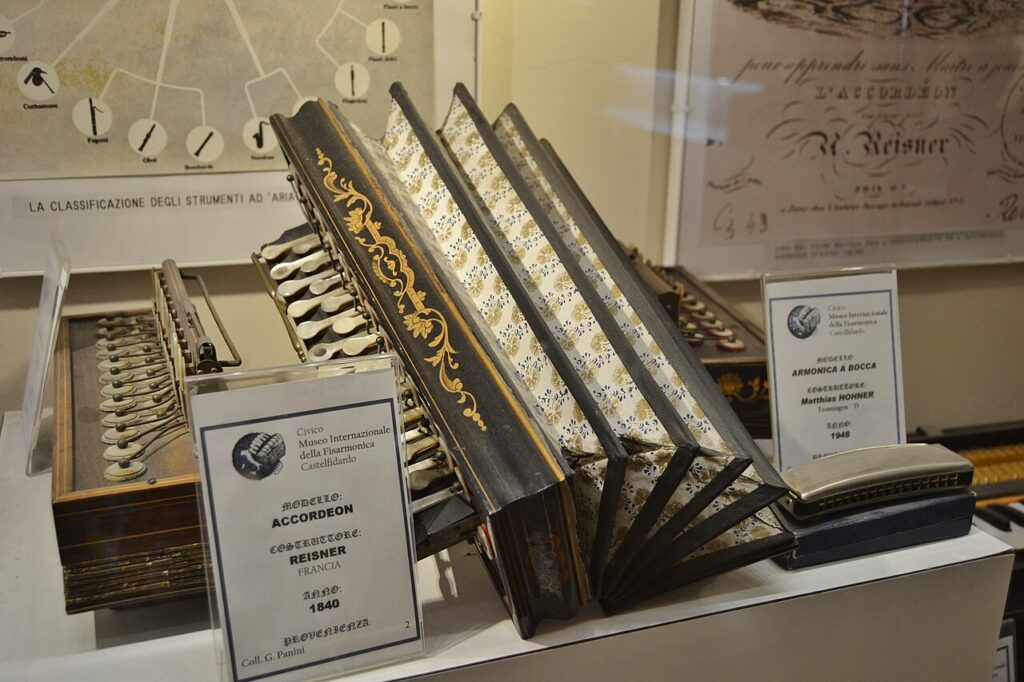
Museo Internazionale della Fisarmonica
Housed in a seventeenth-century wing of the Palazzo Comunale, the museum occupies more than 500 square metres. The permanent collection comprises some five hundred instruments in total, of which around one hundred are on display at any one time. The building was fully restructured before the museum opened on 9 May 1981, and the exhibits have been renewed progressively over the years. The palazzo itself was restored in the course of the eighteenth century and stands on Piazza della Repubblica; its interior includes the Salone degli Stemmi.
Museo del Risorgimento
Opened in 1994, the museum is spread across three connected elements. The exhibition rooms occupy Palazzo Mordini — a building that served as a monastery of cloistered nuns before being restored by the entrepreneur and philanthropist Ciriaco Mordini toward the end of the nineteenth century, and that also houses the municipal library, the historical archive and the Civica Scuola di Musica Paolo Soprani. The rooms document the military, political, cultural and social events of the Risorgimento, with particular focus on the battle fought at Castelfidardo on 18 September 1860, when Piedmontese forces under General Cialdini defeated the papal troops commanded by General Lamoricière. A painting by Gallucci depicting the final phase of the battle is preserved in the palazzo comunale. Adjacent to Palazzo Mordini stands the small Chiesetta della Misericordia, open to the public only at Christmas as the setting for a nativity scene.
Ossario-Sacrario dei Caduti and Monumento Nazionale delle Marche
At the southern edge of the Selva di Castelfidardo, the Ossario-Sacrario dei Caduti was erected between 1861 and 1870 to commemorate those who fell in the 1860 battle. Within the Parco delle Rimembranze, the Monumento Nazionale delle Marche was completed and inaugurated in 1912; it is the work of the Venetian sculptor Vito Pardo and honours those who fought on the Piedmontese side.
Monumento alla Fisarmonica e al Lavoro
Inaugurated in 2002 and created by the local sculptor Franco Campanari, this monument stands as a civic acknowledgement of the accordion-manufacturing tradition that Paolo Soprani established on an industrial scale in 1863.
Churches
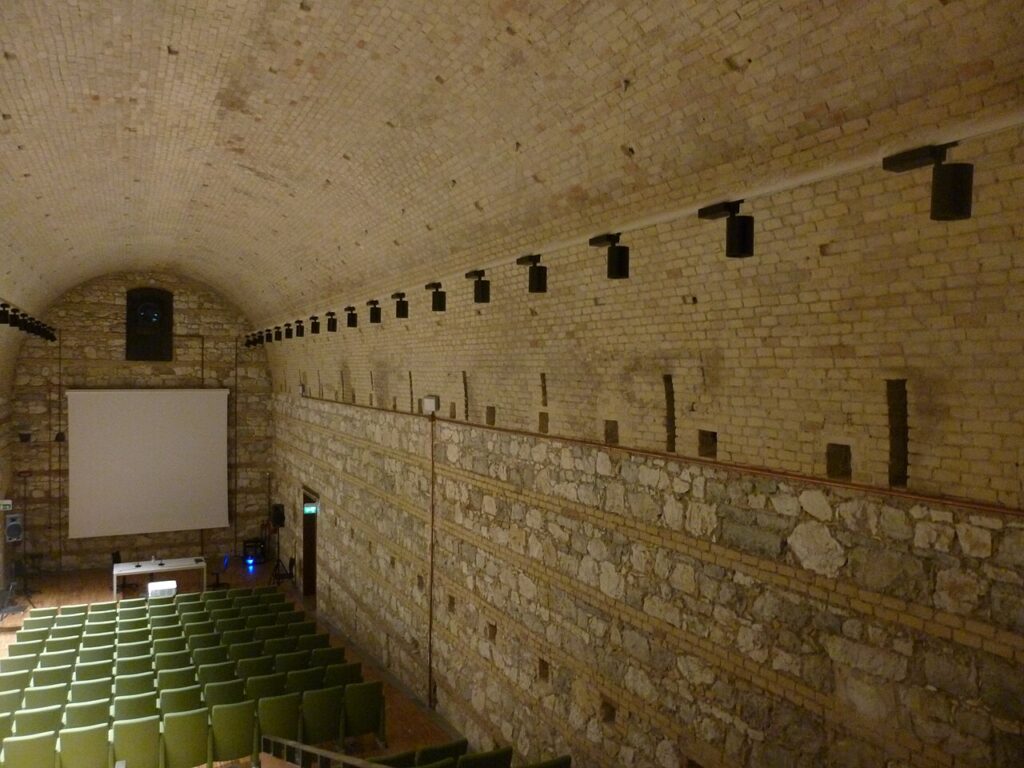
The Collegiata di Santo Stefano is the principal parish church of the historic centre. The Chiesa della Madonna della Consolazione, the Chiesa e Convento di Sant’Agostino, and the Chiesa di Santa Maria del Suffragio are all within the town. The former church of San Francesco, facing the Museo del Risorgimento, has been converted into an auditorium.
Palazzo Soprani and Villa Pace
Palazzo Soprani was built at the beginning of the twentieth century. Villa Pace, in the contrada Fossaccio, dates from around 1830 and was once the residence of the Conti Mei-Gentilucci family; it is currently unoccupied.
Castelfidardo and Its Territory: Flavours and Certified Products
Castelfidardo sits within a rich food landscape shared across the province of Ancona and the broader Marche region, where certified products include IGP-recognised Agnello del Centro Italia (Central Italy lamb), Ciauscolo (a soft, spreadable cured meat typical of the Marche interior), and Mortadella Bologna, alongside DOP-certified Formaggio di Fossa — a cave-aged cheese with a distinctively sharp character — and Salamini italiani alla cacciatora. These are products of the wider provincial and regional area, not exclusives of the town itself.
From the regional pantry also come traditional preparations worth seeking out with appropriate caution: Vino cotto, a cooked grape must reduction used in sweets and sauces; Vino di visciole, made from sour wild cherries; Sapa, another grape-must condiment; and the aromatic Moretta fanese, a traditional spiked coffee drink from the coast. The liqueur Barbaglia, also known as Goletta, and a local cherry-based preparation called Visner are further expressions of Marche’s artisan distilling tradition.
On the wine front, the territory around Castelfidardo falls within several notable denominations. Among the DOCGs, Verdicchio dei Castelli di Jesi Riserva and Conero — the latter produced from Montepulciano grapes on the slopes near the Conero promontory — stand out as the most geographically proximate. Drinkers will also find DOC wines including Esino, Lacrima di Morro d’Alba, and Colli Maceratesi, as well as a broad range of IGT Marche bottles from local producers.
Getting to Castelfidardo and Planning Your Visit
Castelfidardo is most easily reached by road from Ancona, which lies roughly 20 kilometres to the north, making the town accessible in under half an hour by car via the SS16 Adriatica or connecting provincial roads; the best seasons to visit are late spring and early autumn, when the hillside setting between the Aspio and Musone valleys is at its most pleasant and outdoor sites such as the Selva di Castelfidardo nature area can be explored comfortably.
The town sits at around 199 metres above sea level in the coastal hill zone of the Marche, and its position between the Conero riviera to the east and the inland valleys to the west makes it a practical base for combining a cultural itinerary — centred on the Museo internazionale della fisarmonica and the Museo del Risorgimento — with short excursions toward the Adriatic coast. Travellers arriving by train can use the Ancona station and continue by local bus or taxi; the nearest motorway exit on the A14 Adriatica is at Ancona Sud.
Visitors exploring the wider area may also consider the nearby villages of Agugliano and Camerata Picena, both set in the same rolling hill country of the Ancona province. The traditional September fair held near the church of Crocette — an institution dating to 1602 — provides a well-timed reason to plan a visit in that month.
| Departure | Distance | Time |
|---|---|---|
| Ancona | approx. 25 km | approx. 25 min |
| Agugliano | approx. 7 km | approx. 15 min |
| Camerata Picena | approx. 10 km | approx. 15 min |
| Recanati | approx. 15 km | approx. 20 min |
These practical references help organise the journey clearly, while the village itself is best understood slowly and on foot once you arrive.
Frequently asked questions about Castelfidardo
What is the best time to visit Castelfidardo?
May is ideal, coinciding with the patron saint feast of San Vittore on 14 May, which features traditional celebrations. Spring and early autumn offer pleasant weather for exploring the medieval centre and nature reserves. The town's accordion fair, rooted in traditions dating to 1602, typically draws crowds during autumn months. Summer can be warm, but the proximity to the Riviera del Conero coastal areas provides cooling alternatives nearby.
How do I reach Castelfidardo by car?
Castelfidardo is located in the province of Ancona in the Marche region. Access via the A14 motorway, exiting at Ancona Nord or Senigallia depending on direction. From Ancona airport (Raffaello Sanzio), the drive takes approximately 45 minutes. The town is roughly 30 km from Ancona city centre. Free and paid parking is available in the town; use the valley car parks for easy access to the historic centre on the hill.
What historical sites should I see in Castelfidardo?
The medieval fortified core, originating around 1000 AD, is divided into three historic quarters: Cassero, Varugliano, and Montebello. The town is famous for the Battle of Castelfidardo (18 September 1860), a decisive moment in Italian unification. Two significant museums document this history. The Selva di Castelfidardo woodland nature reserve offers natural heritage. Evidence of Roman centuriation patterns and Iron Age Picene burials further illustrate the site's layered past.
How long should I spend in Castelfidardo?
A full day (6–8 hours) allows thorough exploration of the medieval centre, both major museums, and one nature walk. Half-day visits suit those focusing on the historic core and accordion heritage only. Overnight stays enable leisurely visits to the Selva di Castelfidardo and attendance at local events. The compact size—32.7 square kilometres—makes extended stays optional unless combining with nearby Riviera del Conero coastal activities.
Why is Castelfidardo famous for accordions?
Since the mid-nineteenth century, Castelfidardo has been a world-renowned accordion manufacturing centre. Multiple factories and artisans established the town as a reference point for the instrument globally. This tradition reflects both industrial heritage and craftsmanship. Visitors can observe production techniques and purchase instruments directly. The accordion heritage is celebrated through festivals and exhibitions, making it a unique cultural dimension of the town.
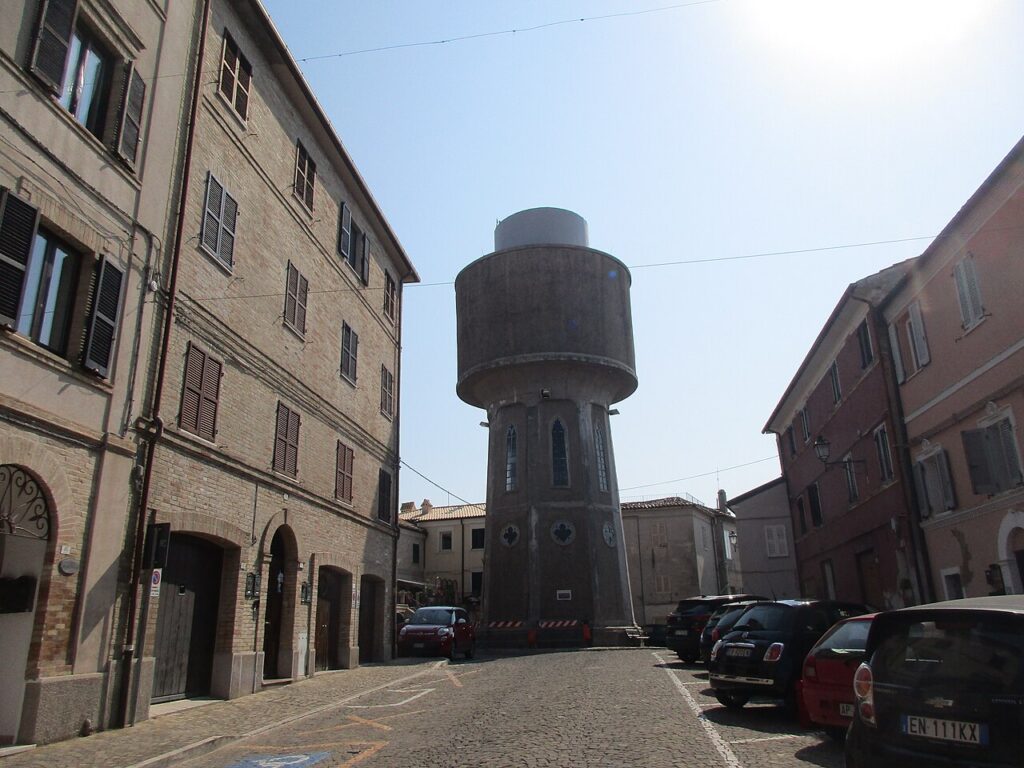
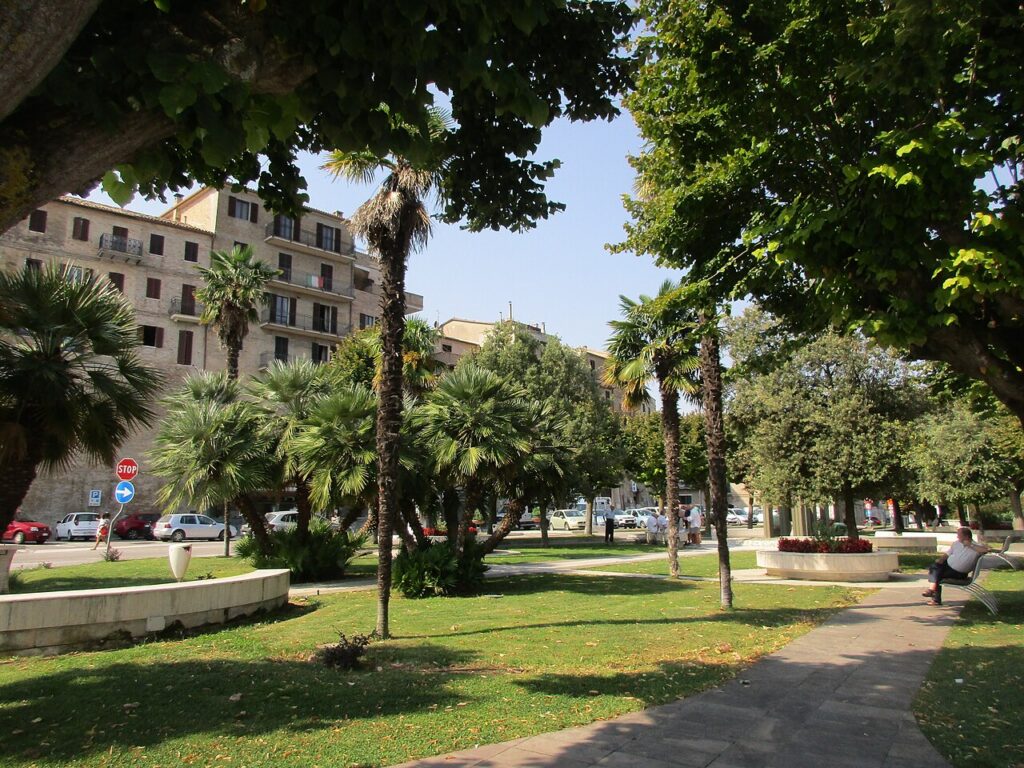
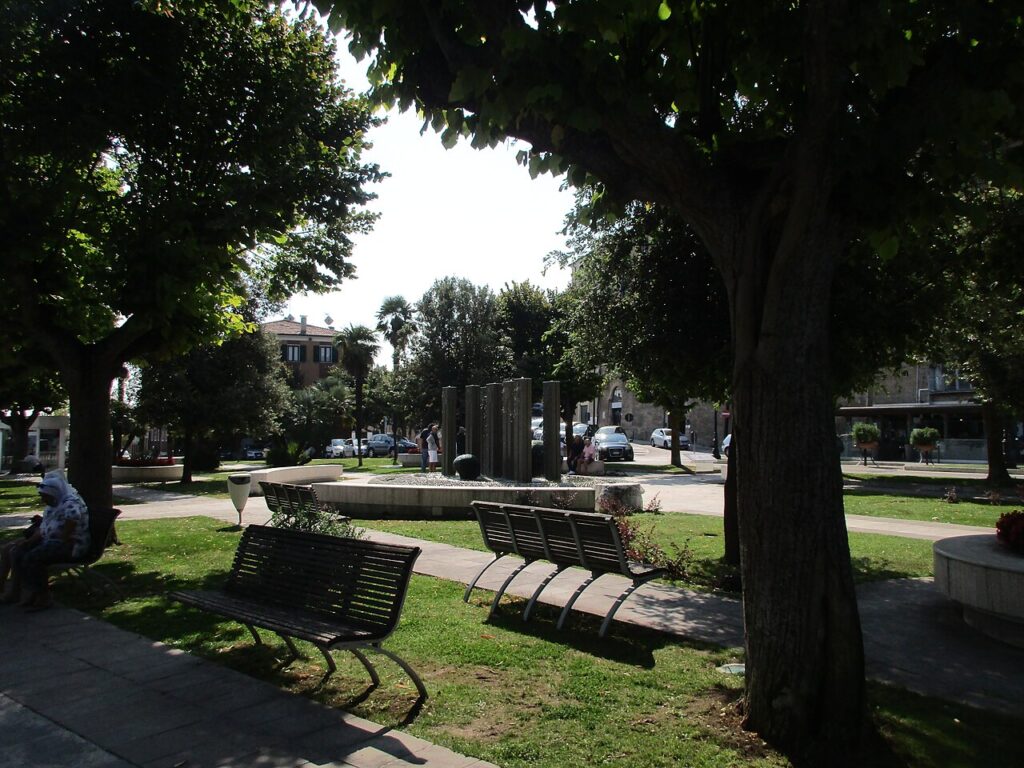
📷 Photo Gallery — Castelfidardo
In Marche More villages to discover

Grottammare
 Sea
Sea
Home to a perfectly preserved medieval borgo and 15,924 residents, Grottammare offers a rare meeting of Adriatic beaches and Renaissance history on the Marche coast.
Monteciccardo
 Hills
Hills
Monteciccardo first appears in a document from 1233 under the name Mons Sicardi, referring to a Lombard lord of whom no other trace survives. Standing at 384 metres above sea level, with its 1,643 inhabitants spread between the historic centre and scattered hamlets, the village commands a stretch of the Pesaro hills sloping down towards […]
Apiro
Hills
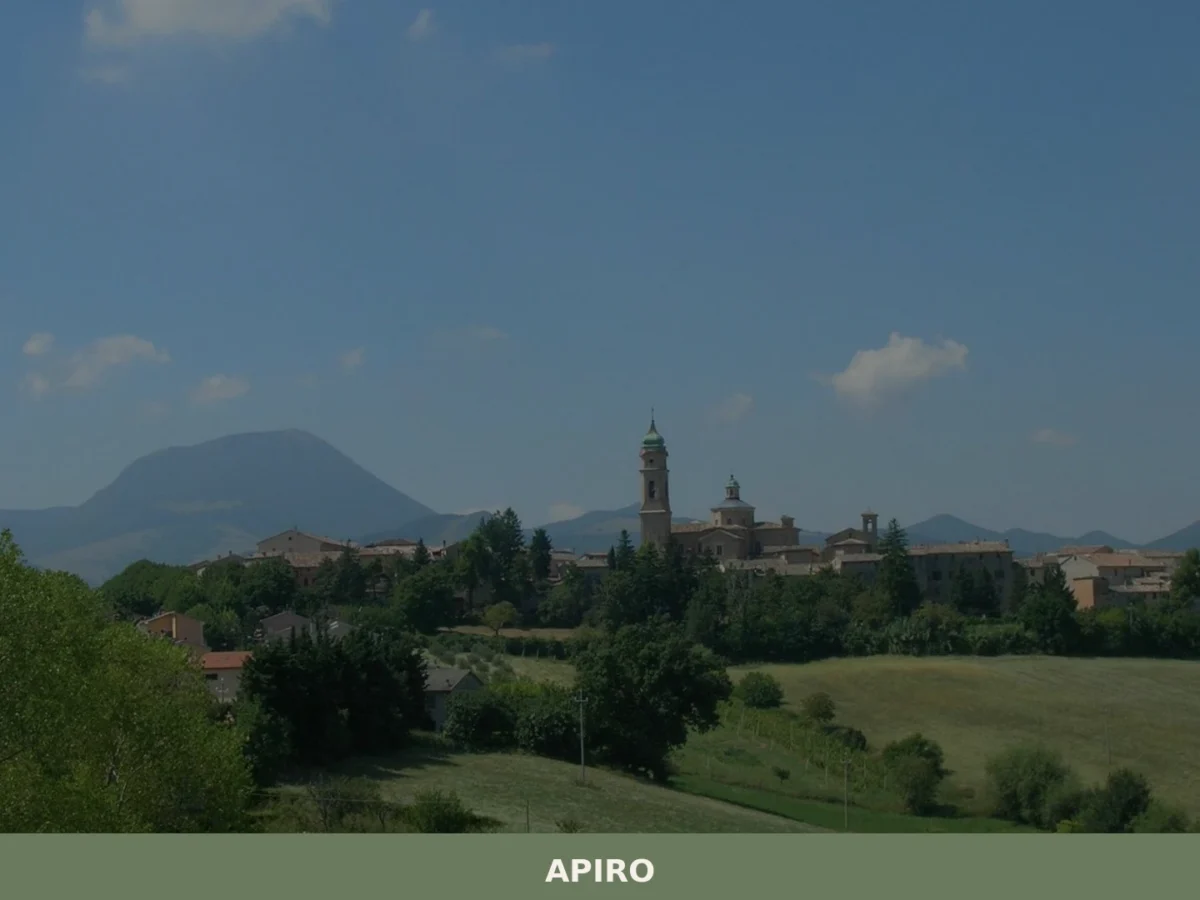
What to see in Apiro, Marche, Italy: discover the Sant'Urbano museum, a 14th-century church, and local cuisine 40 km from Ancona. Explore the full guide.
Auditore
Hills
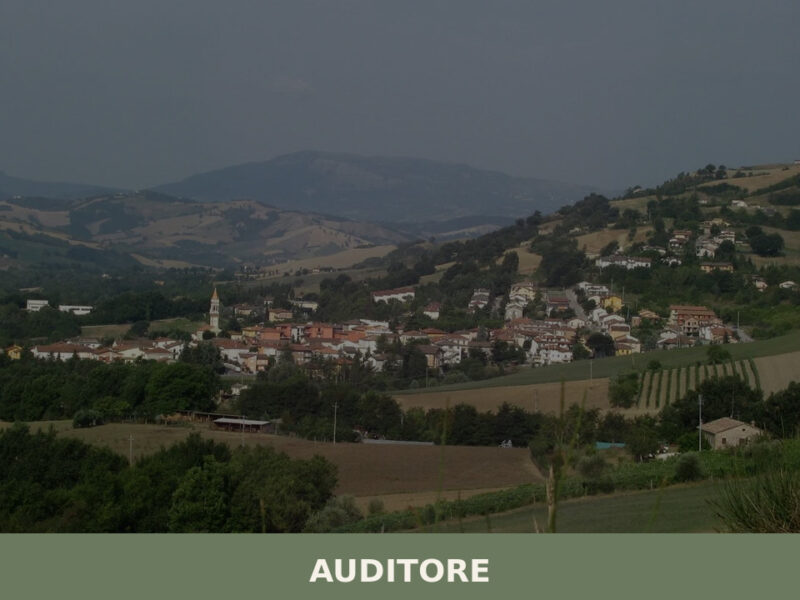
Morning light falls across a line of stone houses the colour of dry wheat, and somewhere below the rooftops a church bell marks the hour with a single, unhurried stroke. Auditore sits in the hill country of the province of Pesaro e Urbino, a settlement of 1,631 people where the Foglia river valley opens toward […]
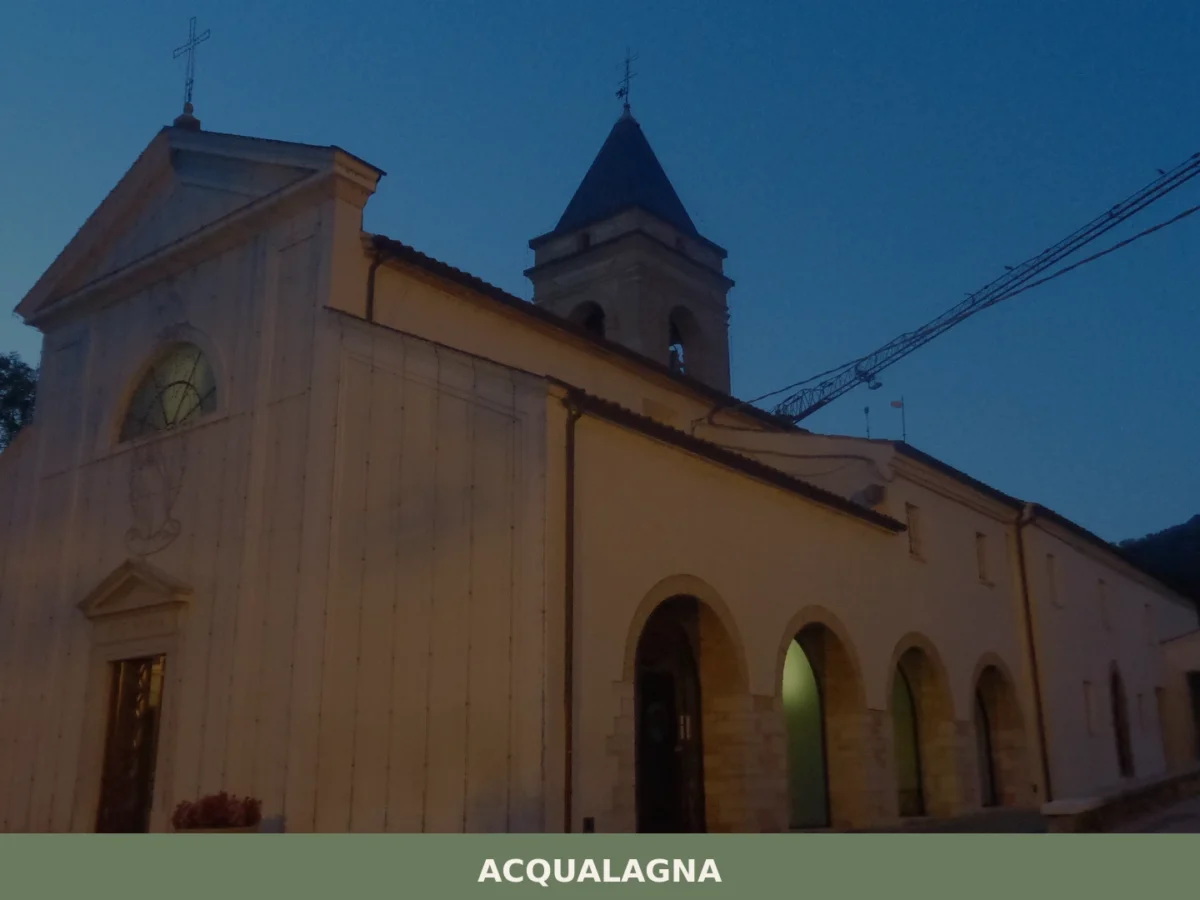
Acqualagna
 Plains
Discover what to see in Acqualagna, Marche: the Furlo Gorge, Via Flaminia, white truffle fairs and Apennine woodlands. Practical travel guide to Pesaro e Urbino.
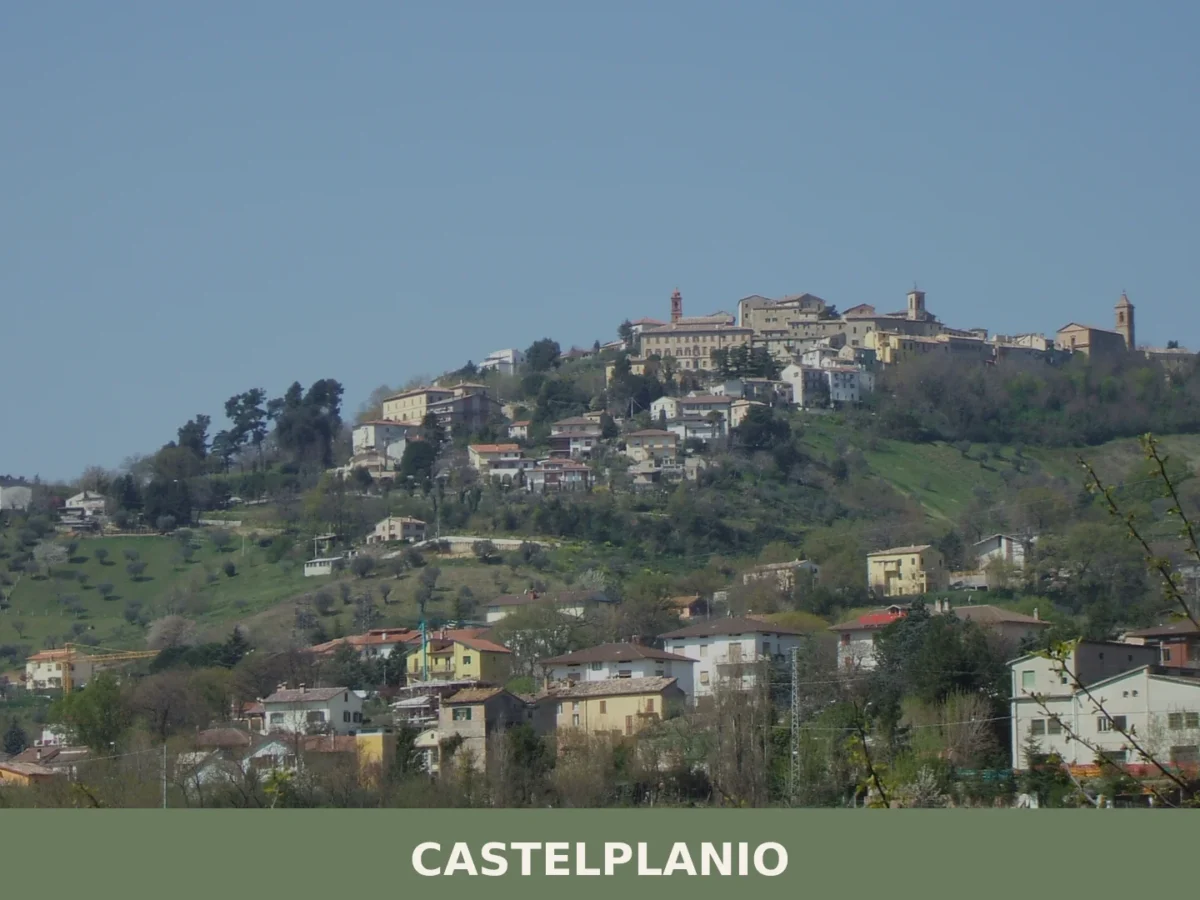
Castelplanio
Hills
Home to 3,579 residents, Castelplanio rewards visitors with a medieval abbey, a civic art collection and a museum dedicated to a pioneering physician.
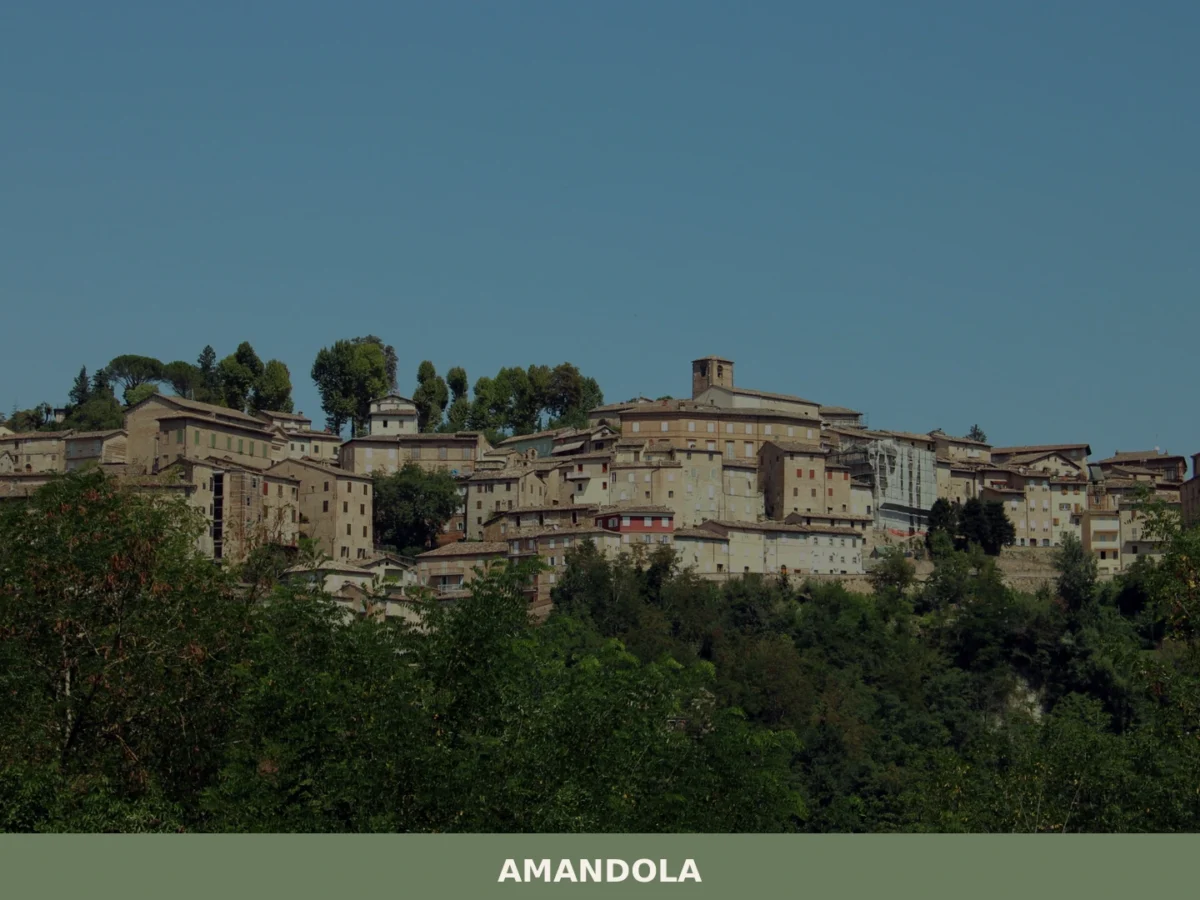
Amandola
Hills
What to see in Amandola: 5 attractions in this Marche village, from the historic centre to the Sibillini Mountains. Discover the complete guide and plan your visit.
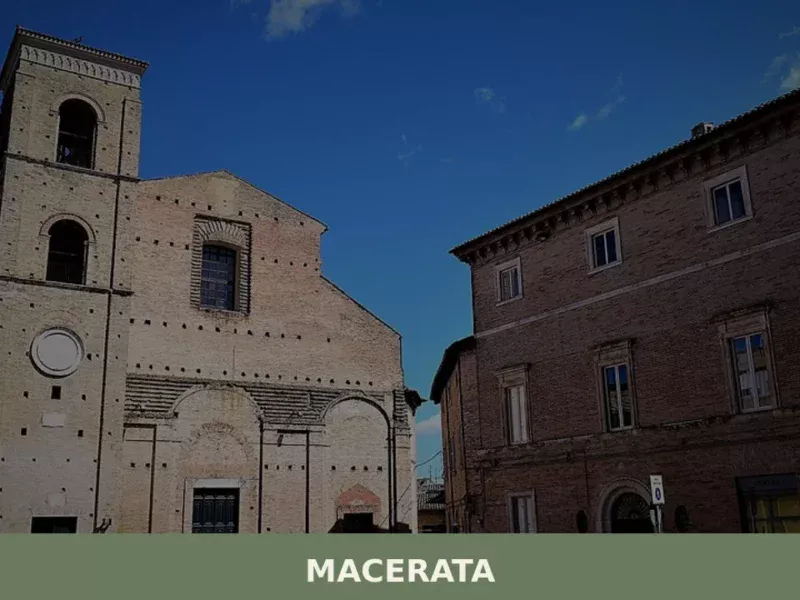
Macerata
Hills
Macerata is a hilltop city in the Marche region of central Italy, sitting at about 323 metres above sea level between the Chienti and Potenza valleys, with a rich cultural and artistic heritage.
Castelraimondo
Hills
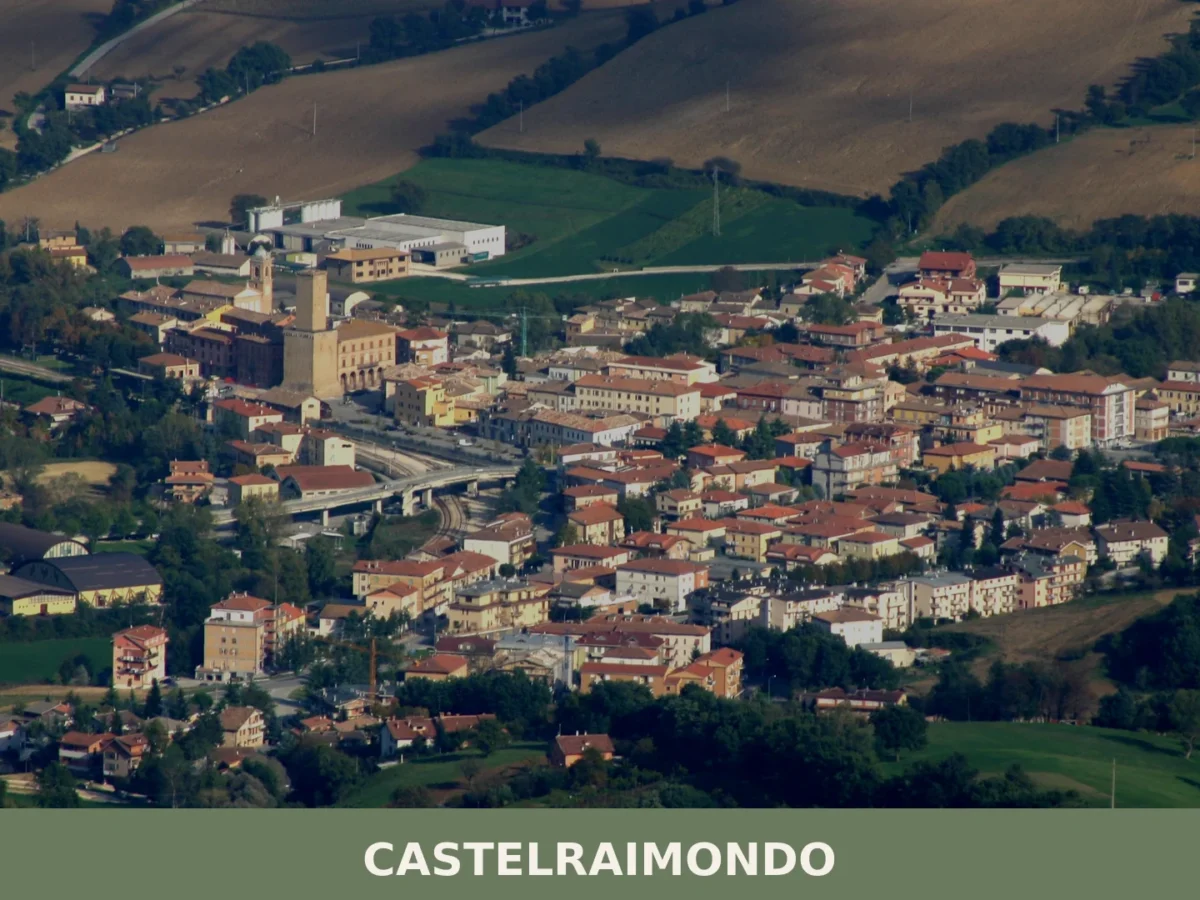
4,280 residents and a 38.3-metre tower that still dominates the skyline. Castelraimondo rewards visitors with medieval architecture, a fine-arts castle museum and one of the Marche's most vivid Corpus Domini traditions.
Altidona
Sea
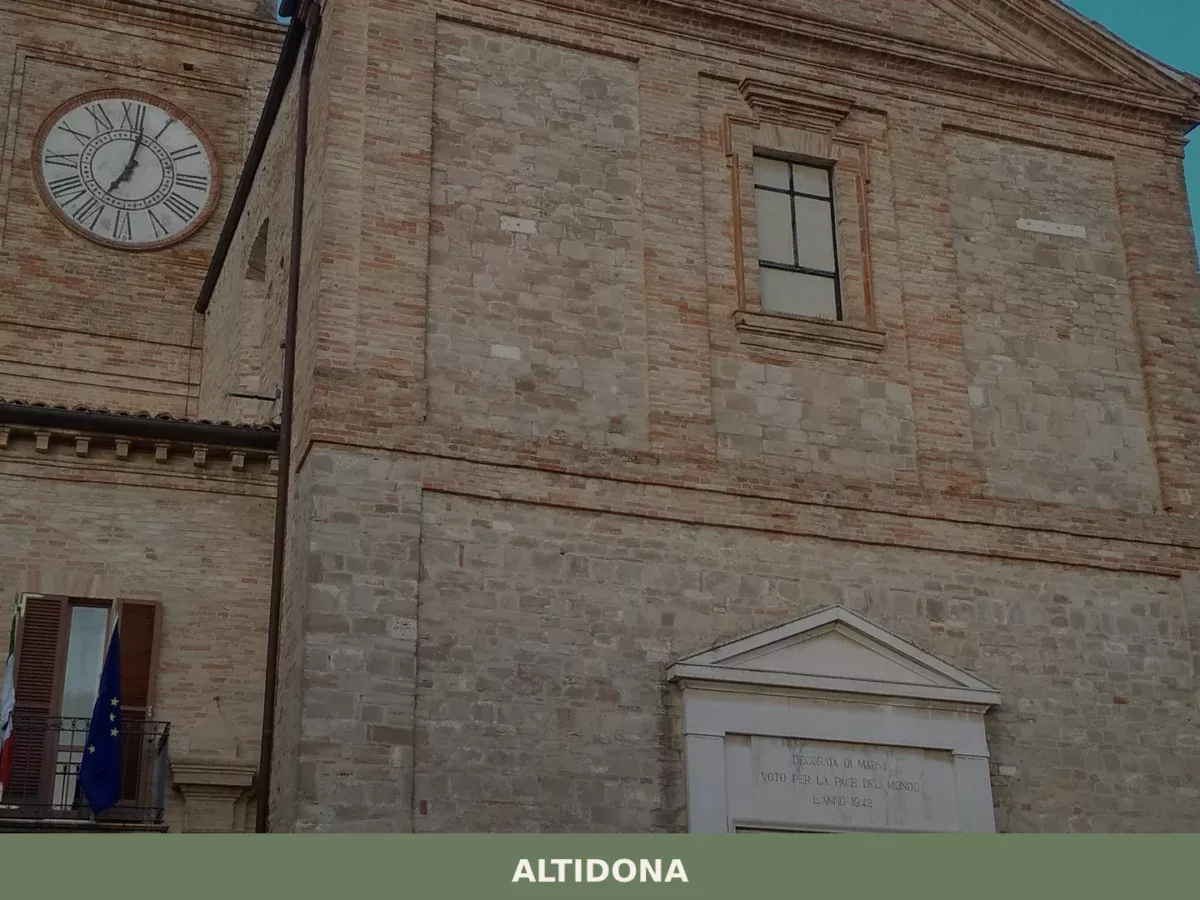
Discover what to see in Altidona, a Marche village in the Province of Fermo. History, attractions, local food, and practical travel tips.



🏡 Know Castelfidardo better than we do?
If you’re a local or have been there, your knowledge matters: add what’s missing or fix a detail on this page.