


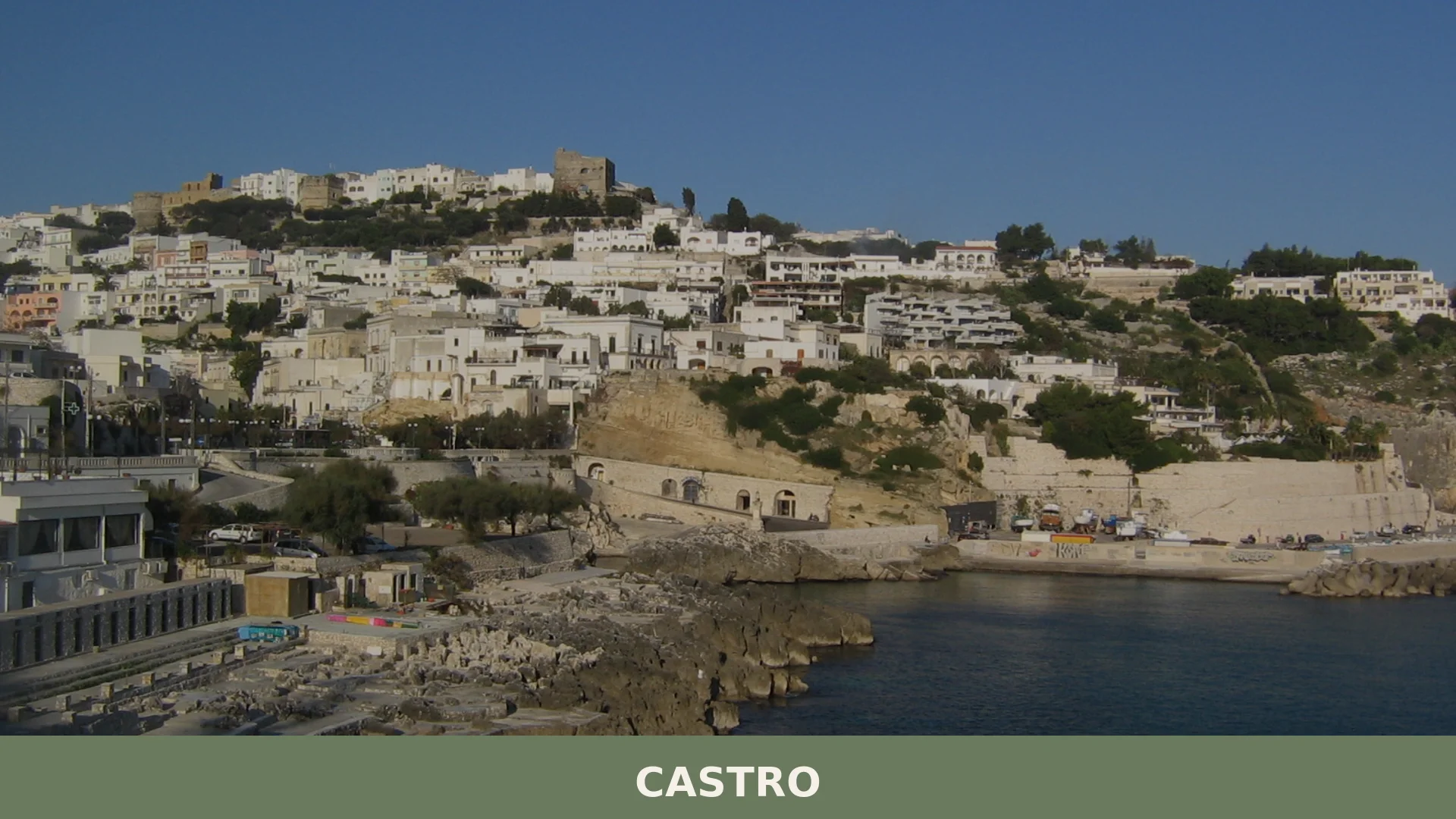
Castro
 Sea
Sea
Population 2,318 on 4.44 km². Visit for the 12th-century castle, 11th-century church, and Byzantine remains overlooking the Canale d’Otranto.
Castro: Stone Fortress and Harbor on the Salento Coast
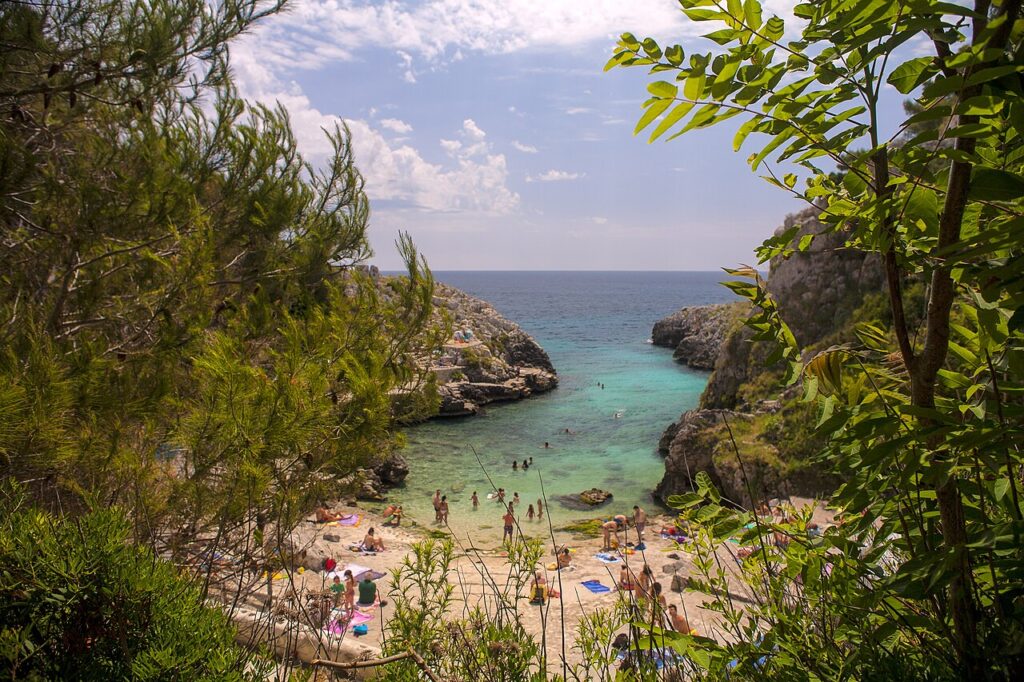
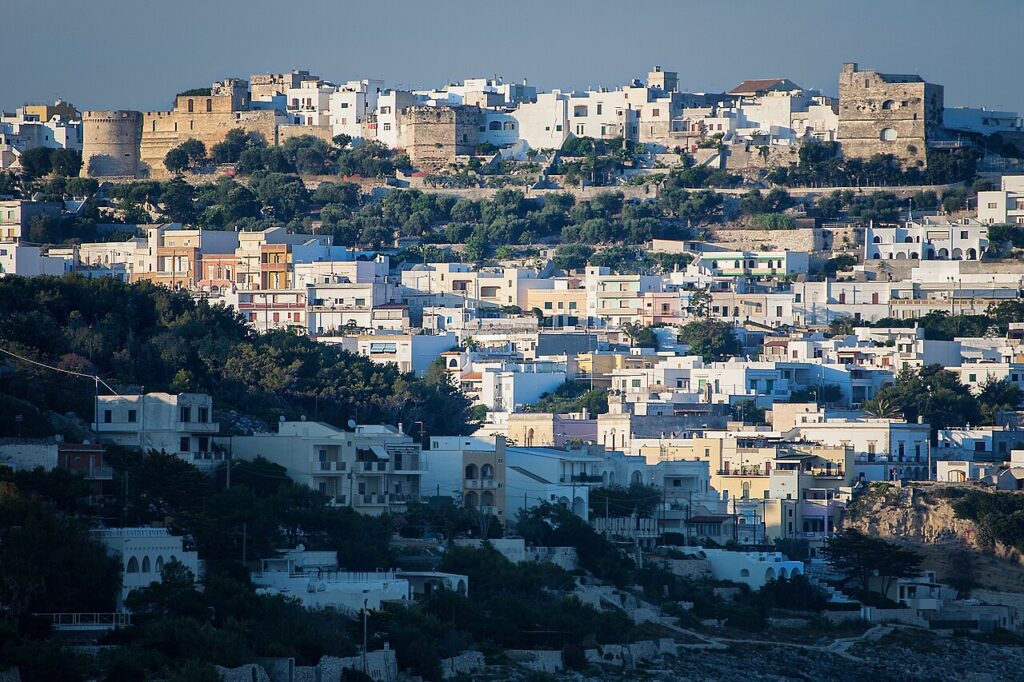
Castro clings to a limestone promontory above the Adriatic, its pale stone catching salt spray and morning light. The village rises sharply from the water—a walled medieval core of narrow streets and weathered facades, below which Castro Marina opens toward the horizon and the fishing boats that have sustained the inhabitants of this village for centuries.
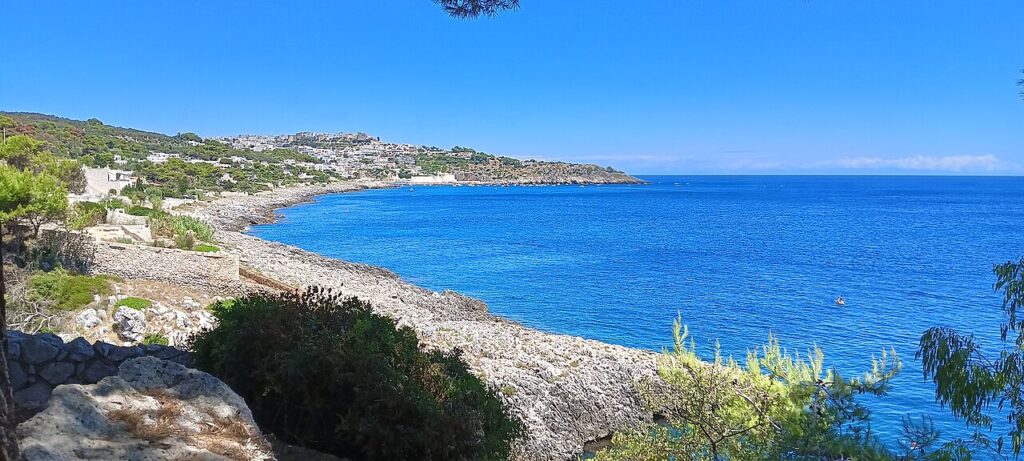
Castro lies in the province of Lecce, occupying one of Puglia’s smallest municipal territories at just 4.44 square kilometers. The landscape is compact and dramatic: modest hills slope sharply toward the sea, crowned by Monte Mattia at 123 meters above sea level. This geography has shaped everything—the defensibility of the medieval settlement, the rhythm of the fishing trade, and the climate of mild winters and warm, humid summers characteristic of the lower Salento coast.
From Roman Fortification to Norman Earldom
The name Castro derives from the Latin Castrum, meaning fortress. The settlement took the fuller designation Castrum Minervae from a temple dedicated to Minerva that once stood here. Greek and Roman-era geographers knew it by this name; even in Greek texts from the third century onward, the place appeared as Κάστρον (Kàstron).
Human presence in the surrounding coastal caves—particularly the Grotta Romanelli and Grotta Zinzulusa—reaches back into prehistory. The first organized urban settlement emerged during the period of Liburnian-Illyrian and Pelasgian migrations, roughly in the seventeenth to sixteenth centuries before Christ, when peoples from the Balkans moved westward from nearby Epirus. The Messapians inhabited the site, followed by Greek settlers. In 123 BCE, Castro became a Roman colony formally known as Castrum Minervae, a status recorded in the Peutinger Table.
When the Roman Empire divided, Castro fell under Byzantine control. The settlement endured successive raids by the Alani and Ostrogoths in 378, the Vandals in 456, the Goths in 543, and later by Longobards and Hungarians. In 682, Pope Leo II elevated Castro to an episcopal seat—one of the earliest bishoprics in the Salento—a privilege that would define its importance until the dissolution of the diocese in 1818.
The Norman conquest and subsequent Swabian rule transformed Castro into a flourishing commercial harbor and military stronghold. Arab forces occupied it for eleven years, recording it in their maritime charts as Al Qatara, “the Castle.” Between 1046 and 1068, the town was contested between Normans and Byzantines. In 1103, it was created a county under the Altavilla family, marking its rise as a feudal power center. Over the next two centuries, the county changed hands repeatedly—among them the De Franco, De Bugiaco, Orsini del Balzo, and della Posta lineages.
In 1534, Charles V granted the county to the Gattinara family. However, the sixteenth century brought devastation: raids by Saracen pirates in 1537 and again in 1573 shattered the town’s security so severely that the counts and bishops abandoned it for safer seats. The surviving population retreated inland to farming settlements. The once-vital Roman and medieval stronghold fell into desolation, its harbor empty.
Successive rulers—the Ruiz de Castro, López de Zúñiga, and from 1777 the Rossi family—held the empty title until feudalism was abolished in 1806. The suppression of the diocese in 1818 completed Castro’s institutional collapse. The comune was absorbed into the municipality of Diso as a mere fraction. Recovery came only in the second half of the twentieth century, when fishing and tourism revived the port settlement. Castro regained municipal autonomy in 1975.
Stone Testament: Castle, Church and Basilica
The Aragonese Castle
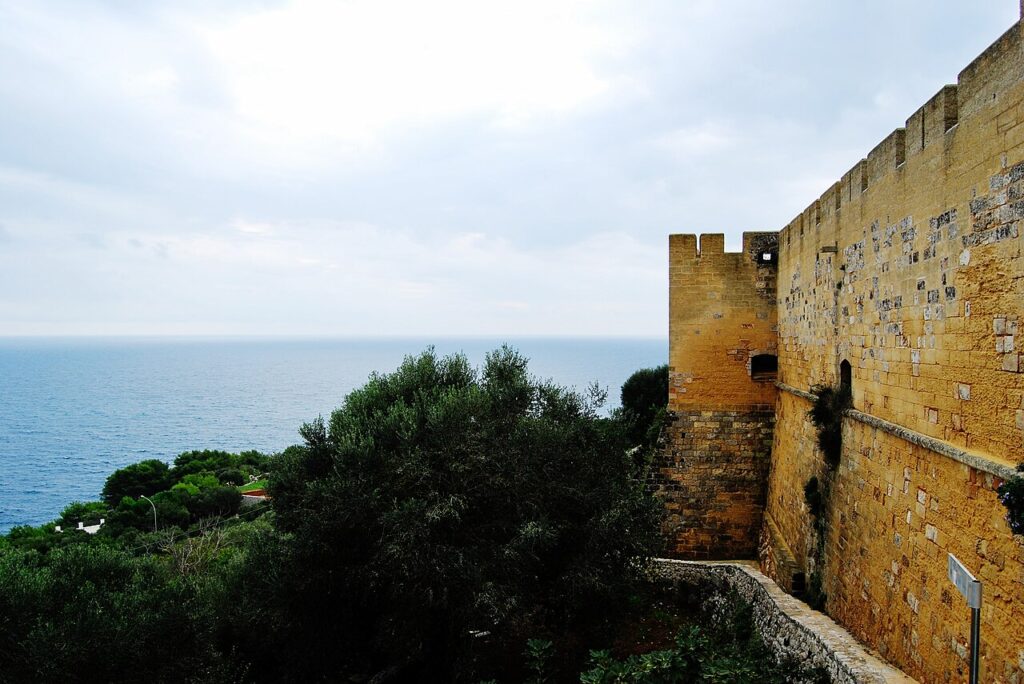
The fortress that dominates Castro’s skyline has medieval roots reaching back to the twelfth and thirteenth centuries, constructed on the remains of an earlier Byzantine stronghold. The original structure followed a roughly rectangular plan. Following the period of Ottoman raids in the region, a circular bastion with angled scarps was added to strengthen the medieval defenses. Following further damage in the early 1500s and subsequent repopulation, the castle required reinforcement, and the defensive perimeter was rebuilt in a modern scheme, transforming the medieval structure into a polygonal fortification. The castle stands today with its defensive towers and curtain walls reconfigured in a modern military style, its courtyard once used for grain storage and agricultural commerce, now a silent witness to centuries of trade and siege.
Church of the Annunziata
The mother church of Castro, dedicated to Maria SS. Annunziata, is a medieval structure. Successive centuries of repairs and rebuilding have altered its original Romanesque appearance significantly. The façade, restored in 2010, displays a central portal and round window; side elevations retain typical Puglian Romanesque elements. The interior follows a Latin cross plan with a single nave ending in the presbytery. The wooden roof of the nave was replaced in 1670. The church preserves an important Byzantine-style fresco of Saint Lucy, a seventeenth-century wooden pulpit, a pipe organ from the same century, and wooden reliquary with relics of Saint Dorothy, co-patroness of Castro, along with processional statues of papier-mâché. Until 1818, this church served as the cathedral of the diocese.
Byzantine Basilica
Beneath the modern plaza lie the remains of a Byzantine-era church, built between the ninth and tenth centuries atop an earlier paleochristian foundation. Over the centuries it was repurposed as an ossuary and partially demolished in the early 1800s to expand the town square. The ruins were discovered and studied in the nineteenth century, with proposals made for restoration modeled on the church of San Pietro in nearby Otranto. Traces of at least three distinct fresco cycles remain on the walls, depicting figures including Saint Onofrio, Saint John the Baptist, and the Redeemer. The basilica’s recovery and scholarly study remain incomplete, but its existence affirms Castro’s role as an early Christian and Byzantine religious center.
Walled Town and Harbor
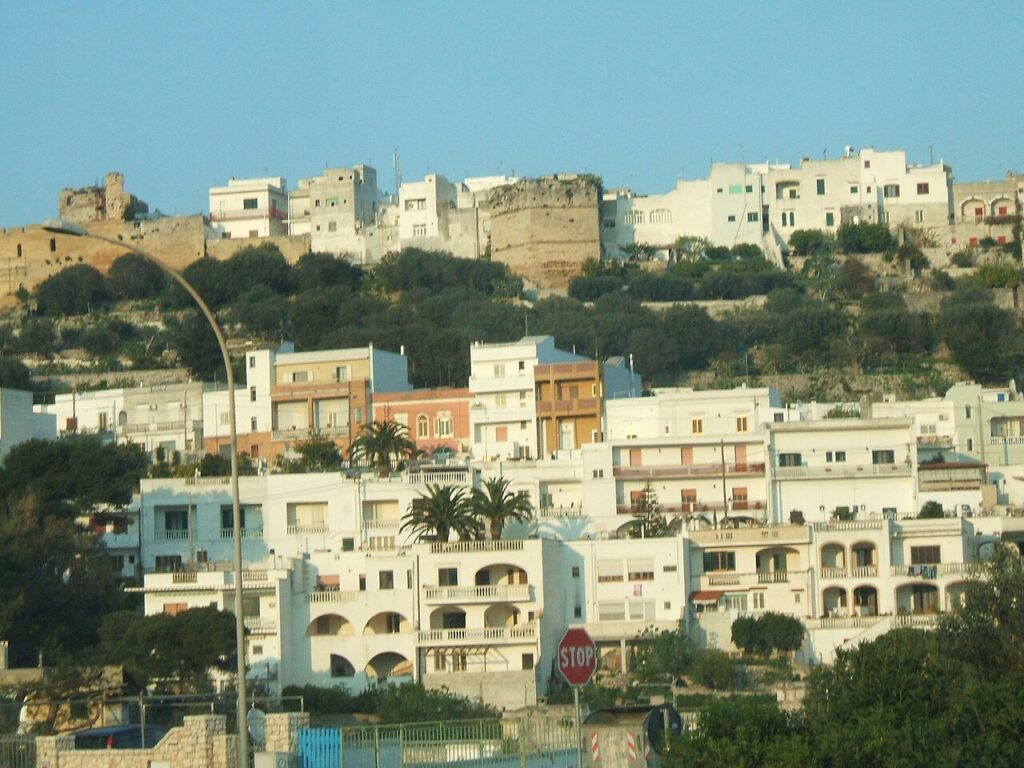
The perimeter fortifications that still encircle the old town stretch approximately 700 meters and are reinforced by the castle and several towers of varying size and form. Most of the medieval walls now serve as foundations for houses built against them, yet long stretches of curtain wall and four substantial towers remain visible. The sole historical entrance, the Porta Terra, survives only in name; the physical gate has long since vanished. The lower settlement, Castro Marina, developed around the harbor mouth and remains the working port where fishing boats still moor, maintaining the maritime livelihood that has defined the village since the medieval trade boom.
Flavors and Agriculture of the Lower Salento
The compact territory of Castro yields olives and vegetables typical of the Salento kitchen. The surrounding province produces protected-designation products including Olio di Puglia (IGP olive oil) and Burrata di Andria (IGP cheese). Local tradition favors seafood—fresh fish, octopus, and mussels prepared simply with local oil and herbs—reflecting the village’s maritime heritage.
The climate of the lower Salento—mild winters averaging around 9 degrees Celsius, warm summers—permits year-round cultivation. Mediterranean winds moderated by the protective ridges of the Salento peninsula shape both the microclimate and the agricultural calendar, making this corner of Lecce province distinct in its exposure to the sea.
Planning Your Visit
Castro is accessible by road from the provincial capital of Lecce. The village’s small size spread across one of Puglia’s smallest municipal areas means that exploration on foot is essential. The medieval core rises steeply from the modern harbor; wear sturdy shoes. Parking is limited; early morning or late afternoon visits avoid congestion in summer months. Summer temperatures in the lower Salento rise significantly; spring and autumn offer more comfortable conditions for walking the narrow streets and coastal paths.
The site is included in the Cammino del Salento, a pilgrim trail through the Lecce region. Visitors interested in early Christian and Byzantine archaeology will find the basilica site and fresco remains compelling, though access requires inquiry at the local comune office. The proximity to the Punta Mucurune headland—where the 40th parallel north marks the maritime boundary between the Ionian and Adriatic seas—offers a geographic reference point of navigational significance.
| Departure Point | Distance | Travel Time |
|---|---|---|
| Lecce city center | 35 km | 45 minutes by car |
| Brindisi airport | 65 km | 1 hour 15 minutes by car |
| Otranto (nearby coastal village) | 12 km | 20 minutes by car |
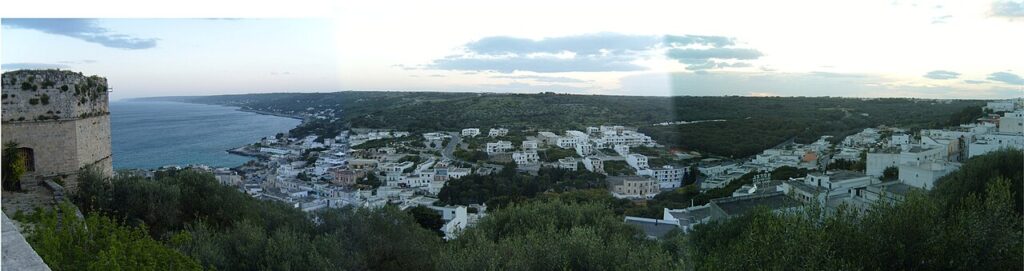
The village faces the Canale d’Otranto, a broad and deep strait separating the Salento from Greece and Albania, rather than the open sea. This enclosed waterway has historically shaped Castro’s maritime identity and remains visually and culturally significant. Sunset views from the castle ramparts and harbor walk reward the climb and the winding streets. The festa of the patroness, Maria SS. Annunziata, falls on 25 March and draws local devotion and ceremony.
From October 2006 onward, part of Castro’s municipal territory has been incorporated into the Parco Costa Otranto – Santa Maria di Leuca e Bosco di Tricase, a regional marine and terrestrial protected area. This inclusion reinforces the ecological and cultural importance of the coastal zone and ensures that future development respects the landscape and biodiversity that have sustained the village for two thousand years.
Frequently asked questions about Castro
What is the best time to visit Castro?
Late spring through early autumn (May–September) offers warm weather ideal for swimming and coastal exploration. The patron saint feast of Maria SS. Annunziata on March 25 draws local celebrations. Summer brings peak tourism; consider shoulder months for fewer crowds. Winters are mild but can be windy. The lower Salento coast experiences warm, humid summers and pleasant winters, making Castro accessible year-round.
How do I reach Castro from major cities?
Castro lies in Lecce province, southeastern Puglia. From Lecce (approximately 40 km south), take the SS366 or SR365 toward Santa Cesarea Terme, then follow local roads to Castro. From Brindisi airport (80 km north), rent a car or use regional buses. No direct train service; nearest stations are Lecce or Otranto. The drive from Lecce takes roughly 50–60 minutes via coastal routes.
How long should I plan to spend in Castro?
A half-day visit allows exploration of the medieval village core, Castro Marina waterfront, and key landmarks. A full day accommodates leisurely wandering, swimming, or boat excursions. Multi-day stays enable visits to nearby caves (Grotta Romanelli, Grotta Zinzulusa) and the Salento coastal trail. Castro's compact size—just 4.44 square kilometers—makes it ideal for short, focused visits or longer relaxation-focused stays.
What historical sites should I not miss in Castro?
The medieval walled village core showcases centuries of defensive architecture. The castle and the church dedicated to Maria SS. Annunziata (patroness) are central landmarks. Nearby prehistoric caves—Grotta Romanelli and Grotta Zinzulusa—contain archaeological evidence extending back millennia. The village's name derives from Latin 'Castrum' (fortress); Roman texts referred to it as Castrum Minervae after a Minerva temple once located here.
Are there organized boat trips or water activities in Castro?
Castro Marina serves as the primary harbor, home to active fishing boats and traditional maritime culture. Boat excursions to coastal caves and nearby marine sites typically operate in summer months. Swimming and snorkeling are popular from the rocky shoreline. Confirm current tour operators and schedules directly with local tourism information or accommodations, as seasonal availability varies. The harbor reflects centuries of fishing tradition sustaining the village.
📷 Photo Gallery — Castro
In Apulia More villages to discover
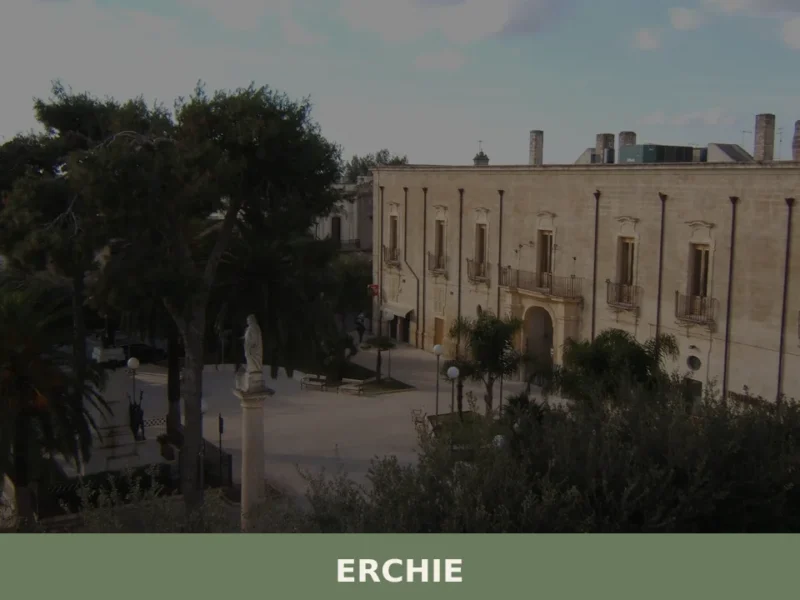
Erchie
 Plains
Discover what to see in Erchie, Puglia u2014 a village at the crossroads of three provinces, with Baroque churches, masserie, and authentic Salento cuisine.
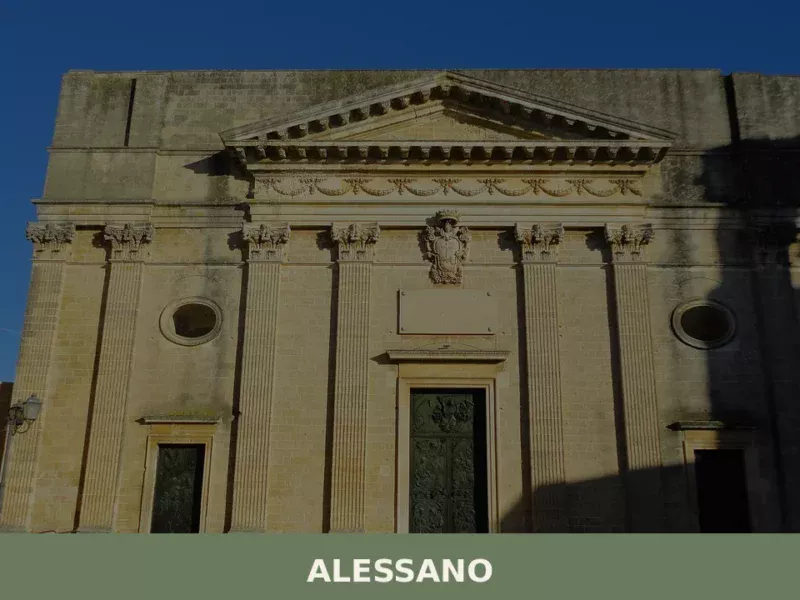
Alessano
Sea
Until 1818, Alessano was the seat of its own diocese — a fact that explains the density of sacred architecture concentrated in a village of fewer than 6,000 inhabitants. Located in the basso Salento, the southernmost stretch of Puglia’s heel, the comune includes the hamlet of Montesardo and the coastal locality of Marina di Novaglie. […]
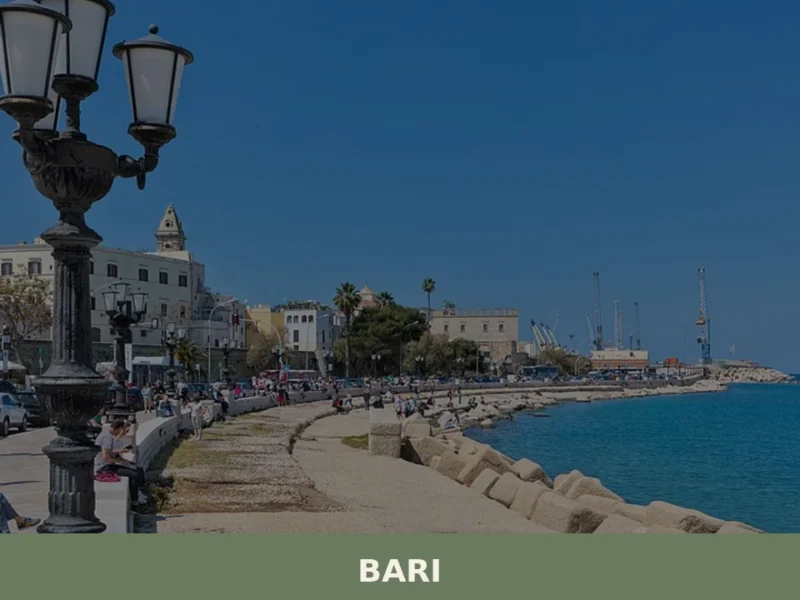
Bari
Sea
In Bari, the dawn over the Adriatic Sea paints the ancient walls of the old town in shades of pink, while the first rays of sunlight illuminate the imposing façade of the Basilica di San Nicola, the focal point of a city that has welcomed pilgrims and merchants for centuries. Here, history is etched into […]
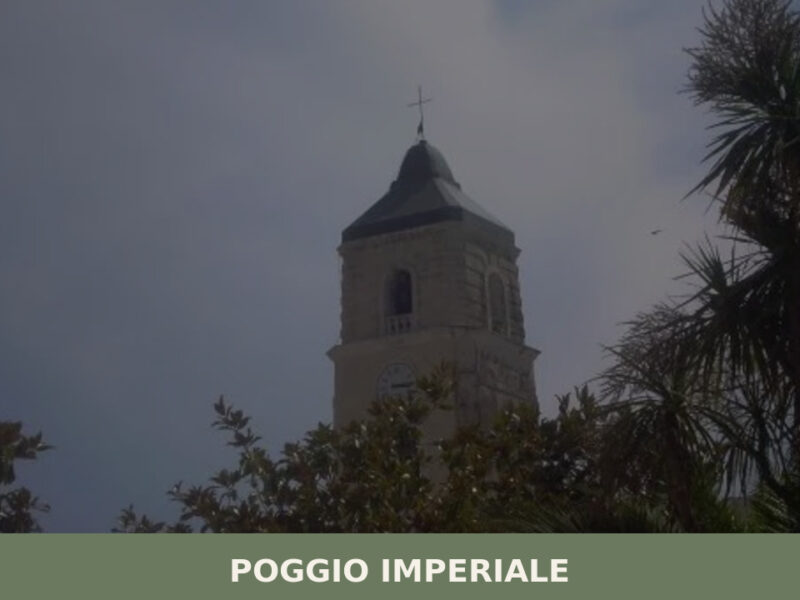
Poggio Imperiale
Plains
A planned eighteenth-century village on the Tavoliere plain, Poggio Imperiale offers grid-pattern streets, agricultural landscapes, and the unhurried rhythms of northern Puglia.
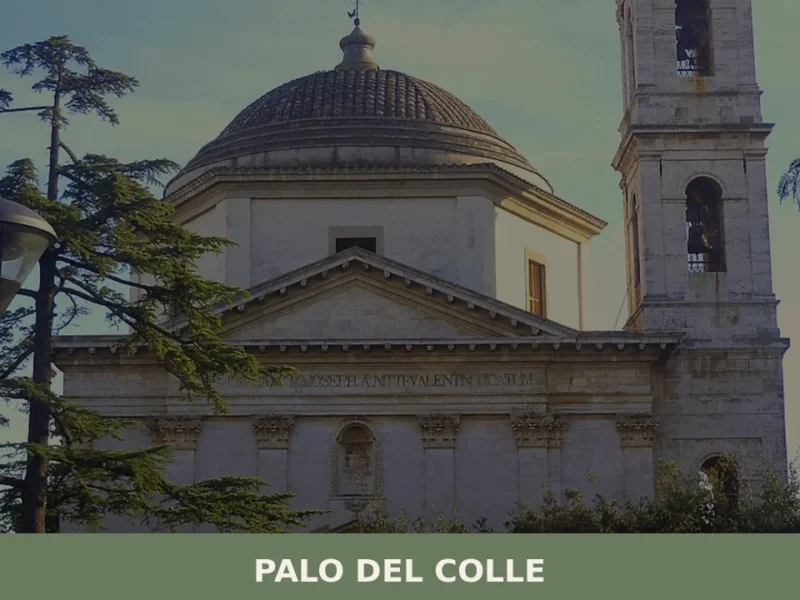
Palo del Colle
Plains
What to see in Palo del Colle: town at 177 m near Bari. Explore the Norman castle, cathedral, and Acquasale PAT. Plan your visit with our full guide.
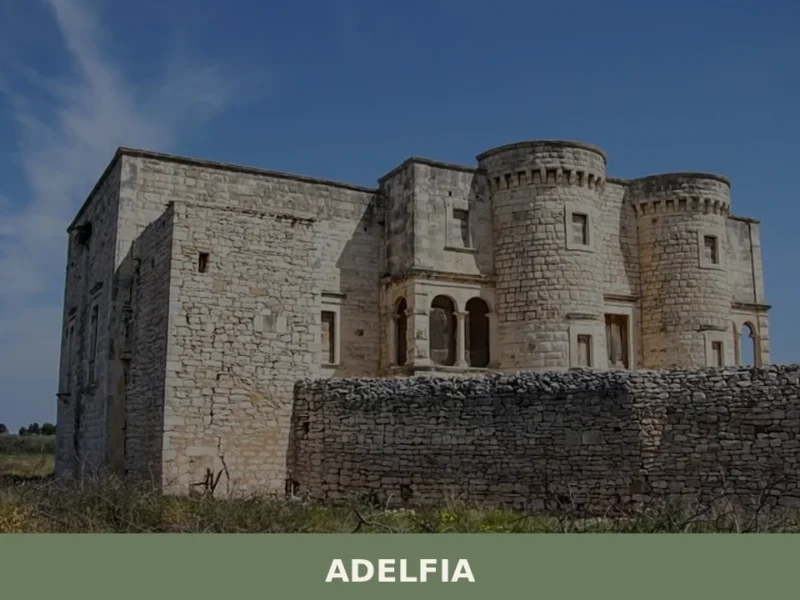
Adelfia
Plains
In 1927, a royal decree unified two separate municipalities — Canneto di Bari and Montrone — into a single administrative entity given the name Adelfia, from the Greek adelphós, meaning brother. It was a political gesture that encapsulated centuries of coexistence between two settlements separated by less than a kilometre of countryside, yet each fiercely […]
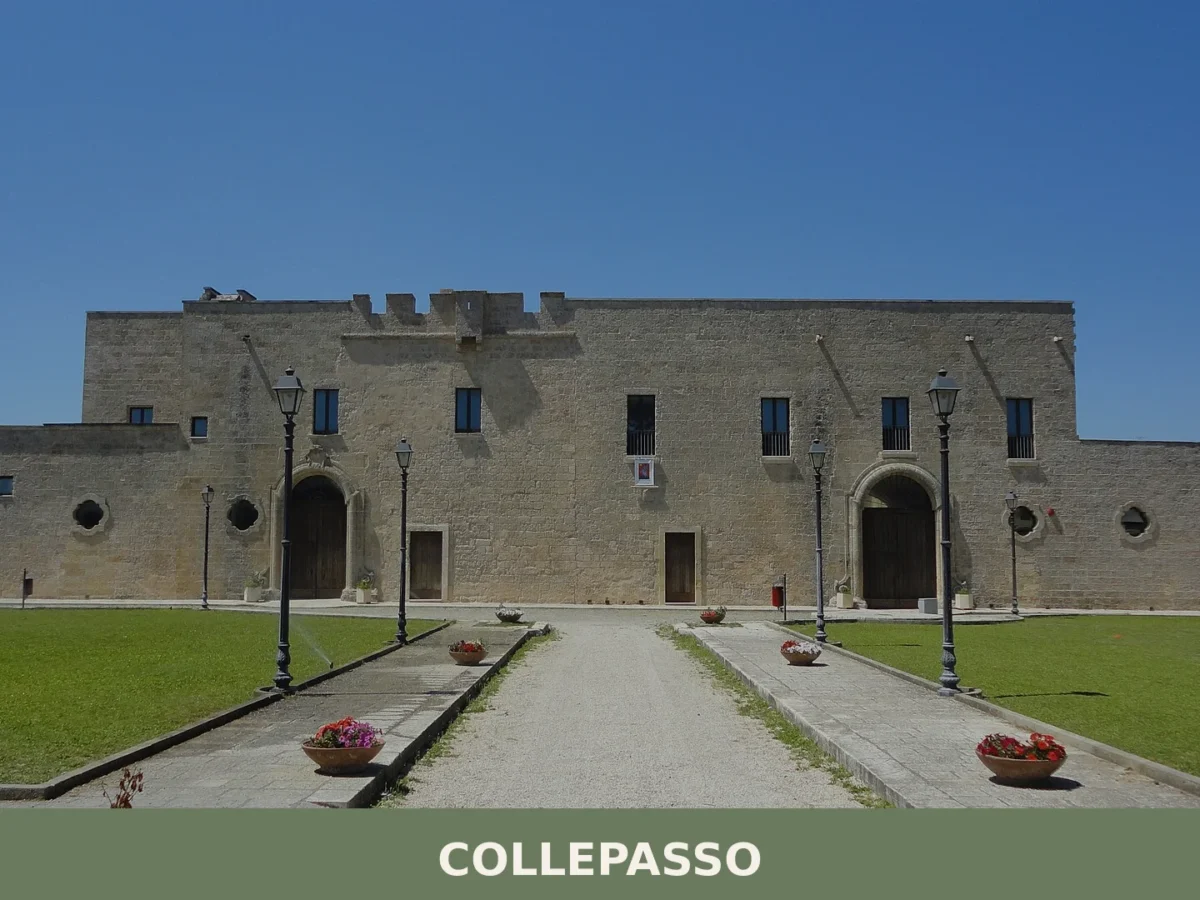
Collepasso
Plains
A village of 5,500 souls on the Salento plateau, founded in 1805 by a noble couple from Naples. Explore baroque churches, strategic hilltop setting and agricultural heritage.
Canosa di Puglia
 Hills
Hills
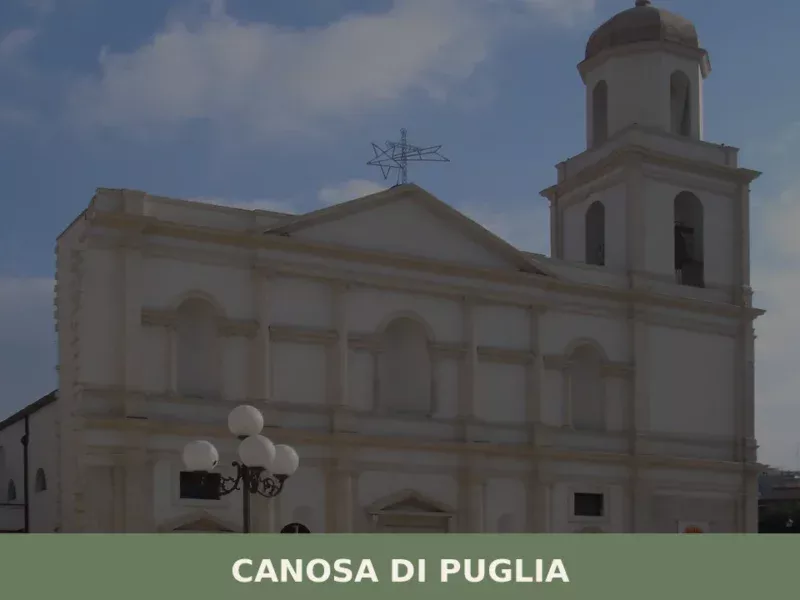
Discover what to see in Canosa di Puglia: Roman hypogea, Norman mausoleum, cathedral, archaeology museum and local food in northern Puglia.
Ostuni
Sea
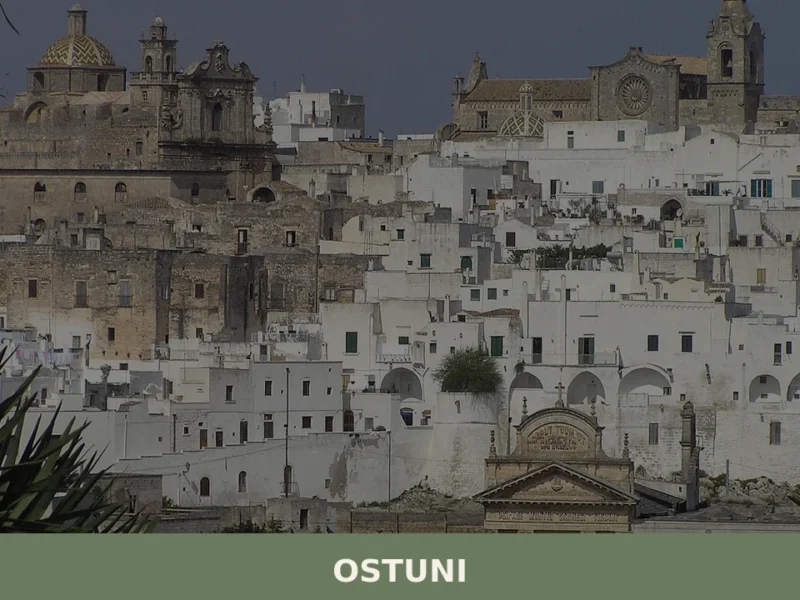
What to see in Ostuni, Italy: Discover the 'White Town' with its 30,143 residents and explore 5 key historical sights. Read our guide for top attractions and travel tips.
Motta Montecorvino
 Mountain
A 651-inhabitant hilltop village in Puglia's Daunia hills, Motta Montecorvino rewards slow visitors with medieval lanes, long views over the Tavoliere plain, and robust mountain cooking.


🏡 Know Castro better than we do?
If you’re a local or have been there, your knowledge matters: add what’s missing or fix a detail on this page.