


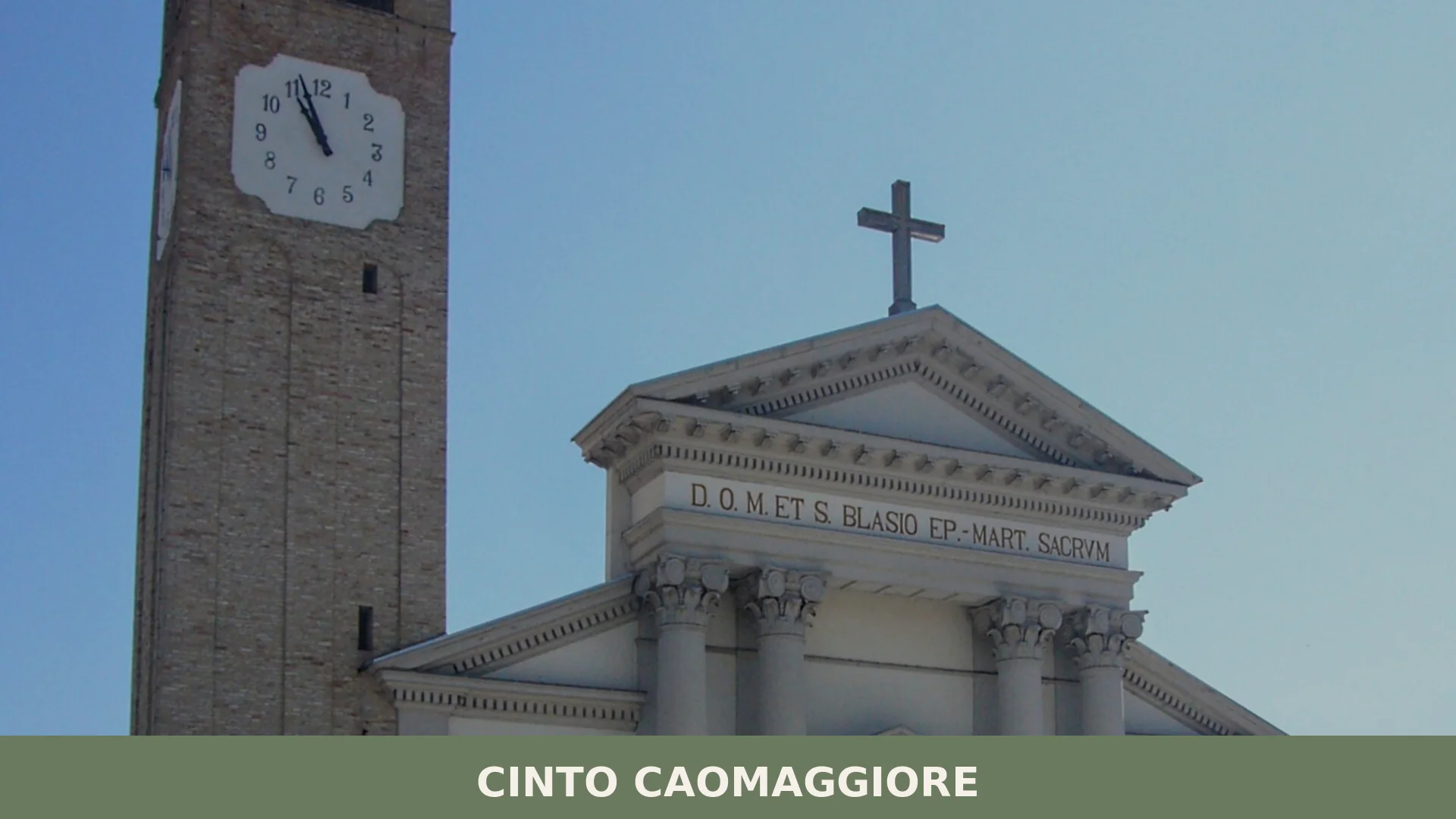

Cinto Caomaggiore is a small comune on the eastern Veneto plain, where Neolithic greenstone axes, Roman farmsteads, and flooded former quarries now thriving as a major heronry trace thousands of years
Discover Cinto Caomaggiore
Cinto Caomaggiore is a small commune of around 3182 inhabitants covering roughly 21.47 square kilometres in the Metropolitan City of Venice, set in the flat lowland plain that stretches between the Veneto and Friuli regions at an elevation of about 11 metres above sea level. Two rivers of spring-fed origin, the Caomaggiore and the Reghena, cross its territory alongside a network of historic canals — the Melon, Suiedo, Lison, Trator and San Piero — while the subsoil is fed by a branch of the Tagliamento aquifer. The commune borders Chions to the north, Pramaggiore to the west, Sesto al Reghena and Gruaro to the east, and Portogruaro to the south.
Cinto Caomaggiore village in Veneto carries a human story that reaches back to the fifth millennium BC, when the first greenstone axes were left behind by Neolithic communities in what is now quiet agricultural land. Centuries of Roman settlement, medieval lordships, Lombard and Patriarchal rule, the long era of the Venetian Republic, and finally incorporation into unified Italy have all shaped a place that today is perhaps best known for its flooded former gravel quarries — the Laghi di Cinto — which rank among the most important heronries in the whole of Veneto, hosting grey herons, cattle egrets, black-crowned night herons and pygmy cormorants.
Cinto Caomaggiore village in Veneto: history from the Neolithic to the Kingdom of Italy
The history of Cinto Caomaggiore stretches back to at least the fifth millennium BC, as shown by the discovery of three Neolithic greenstone axes in the local area — one found at Pramaggiore and two within the commune itself, including one recovered in the late 1980s at the locality known as Boschetta by Livio Marcorin, and another found more recently by Nicola Morettin at the hamlet of Settimo. Roman presence followed: scholar Vincenzo Gobbo has identified as many as eleven Roman-era settlements across the territory, likely a mix of small farms and rural estates. The most remarkable find from this period comes from the locality of San Biagio, which yielded over six thousand silver denarii — a concentration that makes it one of the most significant and intriguing archaeological sites in the whole of eastern Veneto. The coins, along with the greenstone axe, are now kept at the Museo Nazionale Concordiese in Portogruaro.
Through the early medieval period the territory passed through successive powers. Around 568 the area was absorbed into the Lombard Duchy of Friuli, and after the Frankish takeover it came under the Patriarchate of Aquileia, which had existed since late antiquity; in 1077 Patriarch Sigehard obtained a privilege from Emperor Henry IV granting temporal jurisdiction over the territory. Within the patriarchal administration the villages of Cinto and Settimo were placed in the Gastaldia of San Vito al Tagliamento, later split between two separate gastaldies. A documented landmark of this era involves the brothers Erfo and Marco — sons of a Duke of Friuli — who made a donation to the Benedictine abbey of Santa Maria in Silvis at Sesto al Reghena of holdings that included land at Settimo, drawing that village closer to abbatial influence.
In 1420 the Patriarchate was absorbed by the Republic of Venice, and the villages of Cinto and Settimo were incorporated into the administrative entity known as the Patria del Friuli. This arrangement lasted until the Treaty of Campoformio in 1797, when the Republic ceased to exist and the territory passed to the Austrian Empire. Under the Treaty of Pressburg in 1805, it was transferred to the Kingdom of Italy, governed by Napoleon as king but constituting a separate political entity from France. Under the French reorganisation, Cinto and Settimo were initially placed in the Dipartimento del Tagliamento, then assigned to the Canton of Portogruaro; a royal decree of 1806 aggregated that canton to the Dipartimento dell’Adriatico based in Venice. It was under this Napoleonic municipal system that the villages of Cinto and Settimo were unified into a single commune with the name Cinto Caomaggiore. Following the Congress of Vienna in 1815 the territory had returned to Habsburg rule before the Veneto’s annexation to the Kingdom of Italy in 1866.
Churches, Ancient Finds, and Natural Lakes: What Remains in Cinto Caomaggiore
Cinto Caomaggiore offers visitors the church of San Biagio, the Laghi di Cinto — a network of flooded former gravel quarries — and a territory that has yielded over 6,000 silver coins now held at the Museo Nazionale Concordiese in Portogruaro.
Chiesa di San Biagio
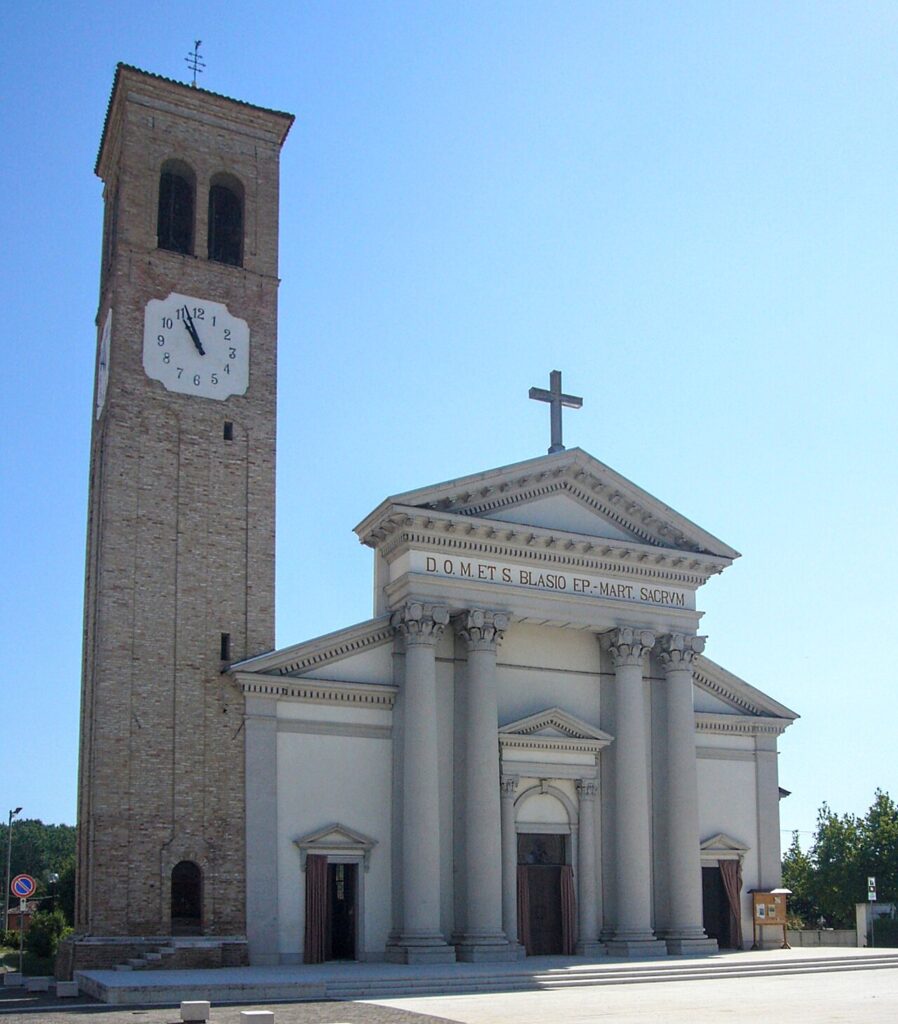
The church of San Biagio gives its name to a locality that has proven to be one of the most archaeologically significant sites in the eastern Veneto. The area around it produced an exceptional quantity of silver denarii — more than 6,000 coins recovered over the course of roughly a century — alongside other Roman-era material. The sources provide no further detail on the building’s architecture or date of construction.
Laghi di Cinto
These lakes are former gravel extraction pits, dug in successive phases from the early twentieth century onward: the oldest workings date to the 1920s, later ones to the 1940s and 1960s. Once extraction ceased, the groundwater fed by a branch of the Tagliamento filled the excavations, creating a wetland habitat that today ranks among the most important nesting colonies in the Veneto. Grey herons, cattle egrets, and night herons are among the species recorded here.
Museo Nazionale Concordiese, Portogruaro (deposit site)
The finds unearthed on the municipal territory — including the silver coin hoards from San Biagio and Neolithic polished stone axes — are conserved at the Museo Nazionale Concordiese in nearby Portogruaro. Visitors wishing to examine the documentary record of local pre-Roman and Roman discoveries can also consult the volumes compiled by Luigi Rossi, available at the Cinto Caomaggiore municipal library.
Flavours of Cinto Caomaggiore and the Portogruaro Area
The territory around Cinto Caomaggiore sits within a stretch of the Veneto that produces several certified products, most notably the Lison DOCG and Piave DOC wines — designations whose vineyards extend across the very plains surrounding the village — alongside the broader Lison-Pramaggiore DOC, whose name directly references the neighbouring comune of Pramaggiore to the west.
Among the wines with the closest geographical ties to Cinto Caomaggiore, the Lison DOCG and the Piave Malanotte / Malanotte DOCG stand out, together with the Corti Benedettine del Piave DOC. The broader Veneto Orientale IGT also covers this corner of the Venetian plain. Visitors with an interest in wine will find the Lison-Pramaggiore DOC zone particularly easy to explore directly from the village.
On the food side, the provincial and regional context brings several protected products within reach. Radicchio di Chioggia IGP and Radicchio Rosso di Treviso IGP are characteristic of the Venetian plain, while Grana Padano DOP and Montasio DOP — the latter a cheese with strong ties to the Friulian tradition that borders this territory — are staples of local tables. The Asparago di Badoere IGP rounds out the picture of certified products associated with the wider province of Venezia.
Regional craft liqueurs such as the egg-based liquore all’uovo and the alpine liquore del Cansiglio belong to the Veneto’s PAT heritage and may be encountered in the area’s smaller producers and rural hospitality venues.
Reaching Cinto Caomaggiore and Planning Your Stay
Cinto Caomaggiore is best reached by road from Portogruaro — its immediate urban centre to the south — via the provincial network that crosses the low Venetian plain, with the nearest motorway junction on the A4 (Venice–Trieste) at Portogruaro itself, roughly 8–10 km from the village; the most comfortable season for a visit is late spring or early autumn, when the flat landscape is green and the birdlife at the Laghi di Cinto is at its most active, while summer brings the heat typical of the humid Po plain.
The village sits in the low-lying pianura friulano-veneta, in the low-lying pianura friulano-veneta, bordered to the north by Chions, to the west by Pramaggiore, to the east by Sesto al Reghena and Gruaro, and to the south by Portogruaro. Cycling is a natural choice across this terrain: distances between centres are short and the land is almost entirely flat. The rivers Caomaggiore and Reghena, along with several smaller canals, punctuate the countryside and give the journey a distinctive character.
The wider region rewards those who combine a stop at Cinto Caomaggiore with other destinations. Venezia lies around 70 km to the southwest and is reachable by car along the A4 or by regional rail from Portogruaro. To the northwest, Conegliano — gateway to the Prosecco hills — is approximately 50 km away and easily combined into a wider Veneto itinerary.
| Departure | Distance | Time |
|---|---|---|
| Portogruaro | approx. 8 km | approx. 10 min |
| Venezia | approx. 70 km | approx. 55 min |
| Conegliano | approx. 50 km | approx. 40 min |
| Sesto al Reghena | approx. 5 km | approx. 8 min |
The Laghi di Cinto — the flooded former gravel pits that now form one of the most significant heronry sites in the Veneto — are the principal natural attraction. Grey herons, cattle egrets, and night herons nest and transit here, making early morning visits particularly rewarding for birdwatchers. The area known as Palù, whose name recalls the marshland that once covered this depression, adds historical texture to a walk along the waterways.
Frequently asked questions about Cinto Caomaggiore
What is the best time to visit Cinto Caomaggiore?
Spring and early autumn are ideal for visiting Cinto Caomaggiore. These seasons offer mild weather perfect for exploring the Laghi di Cinto lakes and observing the resident bird populations, including grey herons and cattle egrets. The patron saint feast of San Biagio is celebrated in February. Summer can be warm in the Veneto plains, while winter is typically cool and damp. Visit during these transitional seasons for comfortable conditions and excellent wildlife viewing opportunities.
How do I reach Cinto Caomaggiore by car or train?
Cinto Caomaggiore is located in the Metropolitan City of Venice in northeastern Italy. The nearest major train station is at Portogruaro, just south of the commune. By car, access the area via the A4 motorway (Venice-Trieste) or regional roads connecting to the Veneto plains. The village sits approximately 13 metres above sea level in the flat lowland between Veneto and Friuli regions. For precise directions and distances, consult regional transport websites or GPS navigation.
What wildlife can I see at the Laghi di Cinto?
The Laghi di Cinto, former flooded gravel quarries, rank among Veneto's most important heronries. You can observe grey herons, cattle egrets, black-crowned night herons, and pygmy cormorants. These lakes represent one of the region's significant natural attractions for birdwatchers and nature enthusiasts. The site offers excellent opportunities for wildlife photography and ornithological study. Access and viewing conditions should be verified locally before visiting to ensure proper conservation practices.
How long should I plan to spend in Cinto Caomaggiore?
A half-day to full-day visit suits most travelers. Time depends on your interests: 2-3 hours for exploring the village, churches, and local heritage; 2-4 hours for nature observation at the Laghi di Cinto, especially if birdwatching. The commune covers approximately 21 square kilometres with a population of around 3,180, so it's a compact destination. Combine your visit with nearby Portogruaro or other Veneto lowland towns for an extended regional itinerary.
What is significant about Cinto Caomaggiore's history?
Human presence dates back to the fifth millennium BC, evidenced by Neolithic greenstone axes discovered in the area. The commune experienced Roman settlement, medieval lordships, Lombard and Patriarchal rule, followed by centuries under the Venetian Republic before Italian unification. This layered history reflects the broader political transformations of northeastern Italy. Archaeological finds and administrative structures still reflect these historical periods, making it valuable for understanding Veneto's cultural heritage.
📷 Photo Gallery — Cinto Caomaggiore
In Veneto More villages to discover
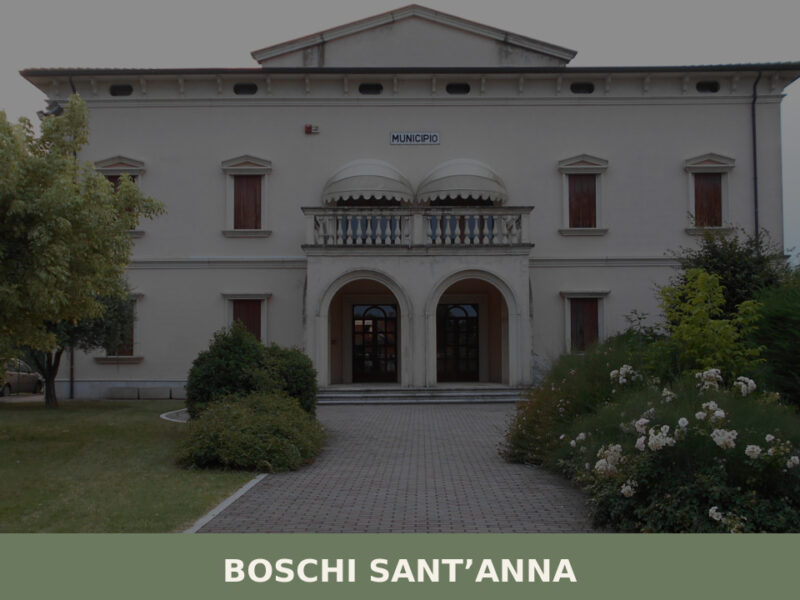
Boschi Sant’Anna
 Plains
A quiet farming village of 1,359 inhabitants on the Veronese plain. Discover what to see in Boschi Sant'Anna, from its parish church to the canal-laced agricultural landscape.
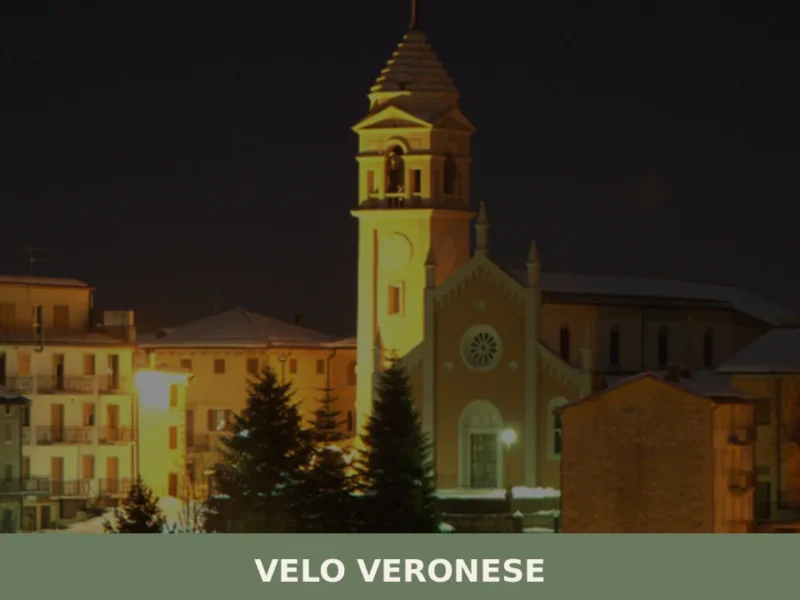
Velo Veronese
 Mountain
At 1,087 metres above sea level, on the eastern slope of the Lessinia range in the Verona province, Velo Veronese has 770 inhabitants spread between its central nucleus and the scattered contrade (hamlets) across the plateau. Anyone wondering what to see in Velo Veronese should know that this municipality is the main gateway to the […]

Sommacampagna
Plains
Sommacampagna offers 3 DOC wine appellations and two landmark Risorgimento battle sites on the Custoza morainic hills, just 12 km from Verona.
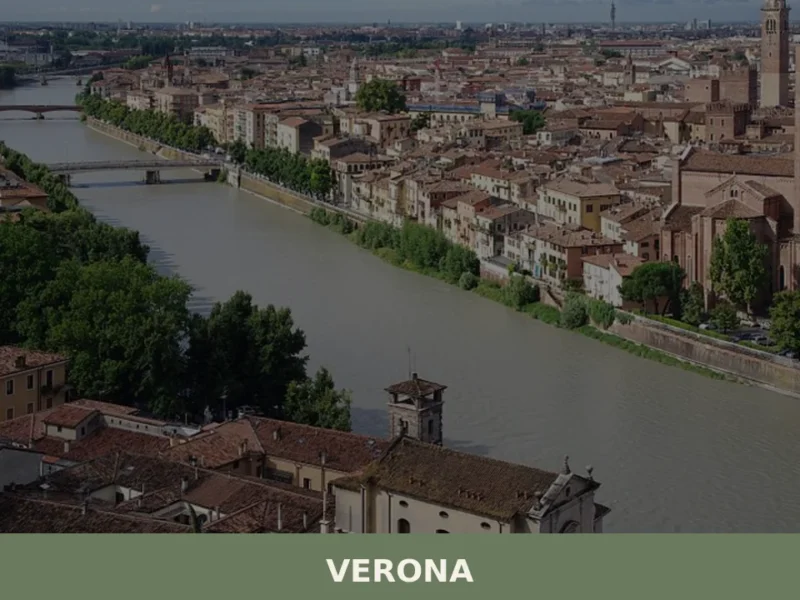
Verona
Plains
What to see in Verona, a UNESCO city of 255,000 people. Explore the Roman Arena, Juliet's House, San Zeno Basilica and local dishes like bollito and pearà. Plan your visit now.
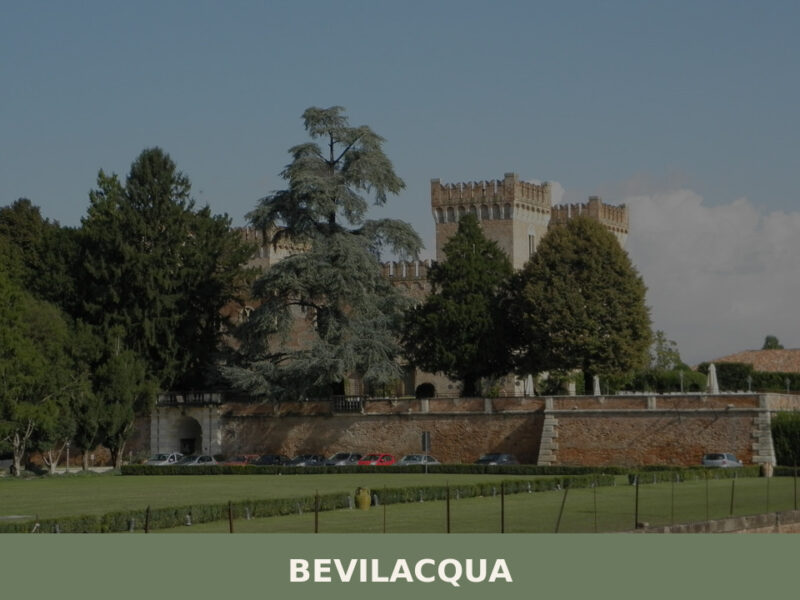
Bevilacqua
Mountain
A castle rising over the Fratta River, fewer than 1,800 inhabitants, and the quiet agricultural heart of the Veronese plain. Here's what to see in Bevilacqua.
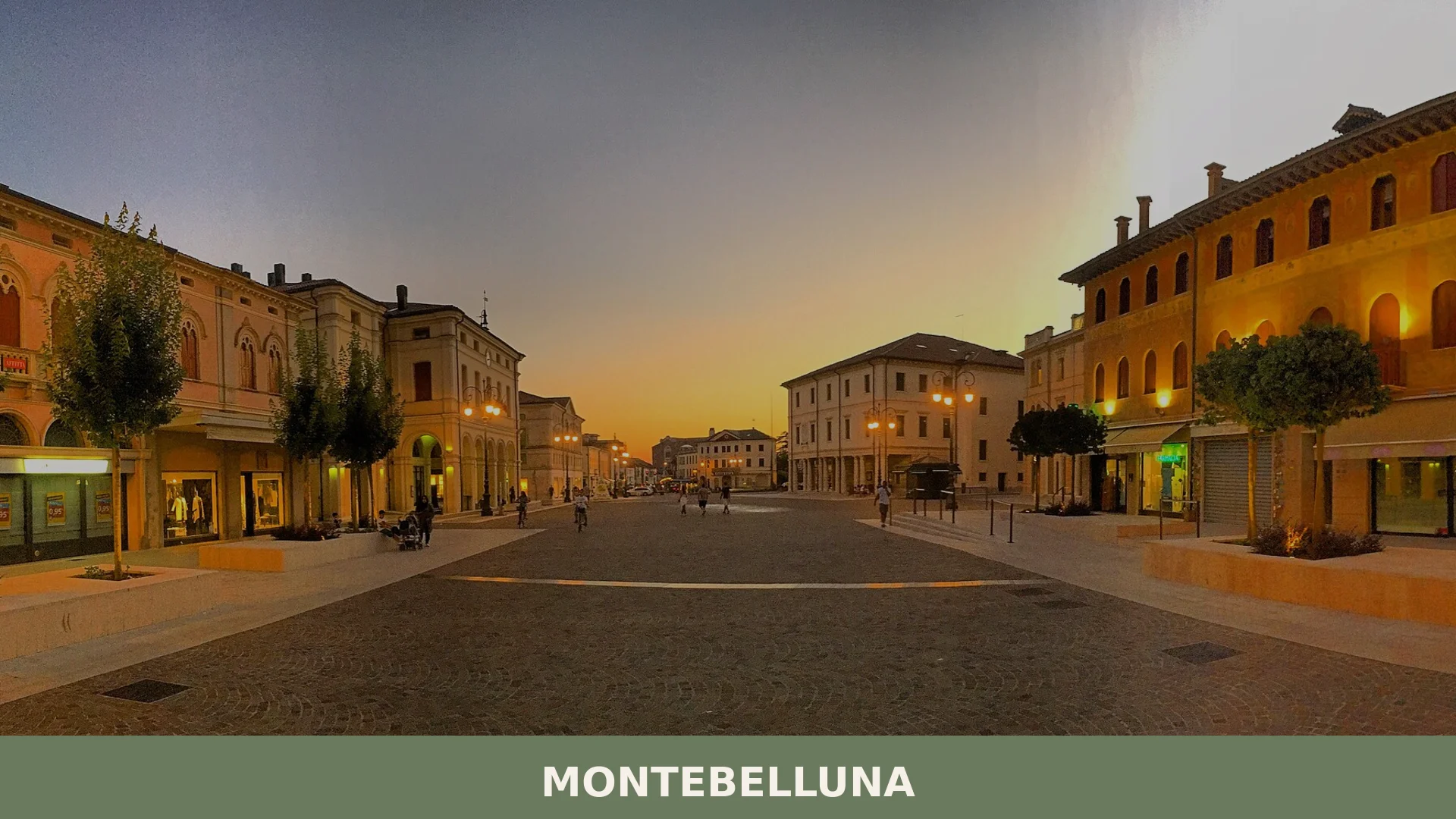
Montebelluna
Plains
Montebelluna is a historically layered town of around 31,000 inhabitants in the province of Treviso, Veneto, strategically positioned at the mouth of the Piave valley where plain meets pre-Alpine foot
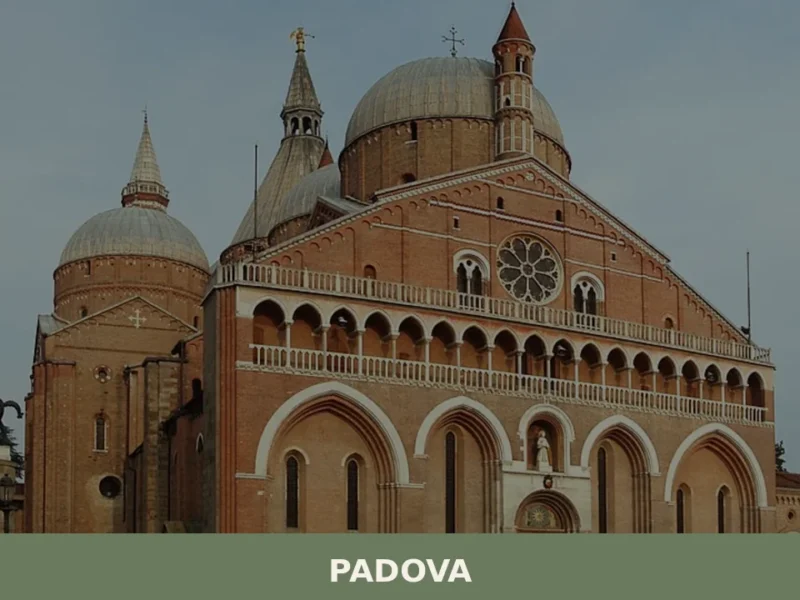
Padova
Plains
A city of 208,202 inhabitants where Trojan legend meets Renaissance innovation. UNESCO-listed art cycles and the world's oldest botanical garden define this Veneto capital.
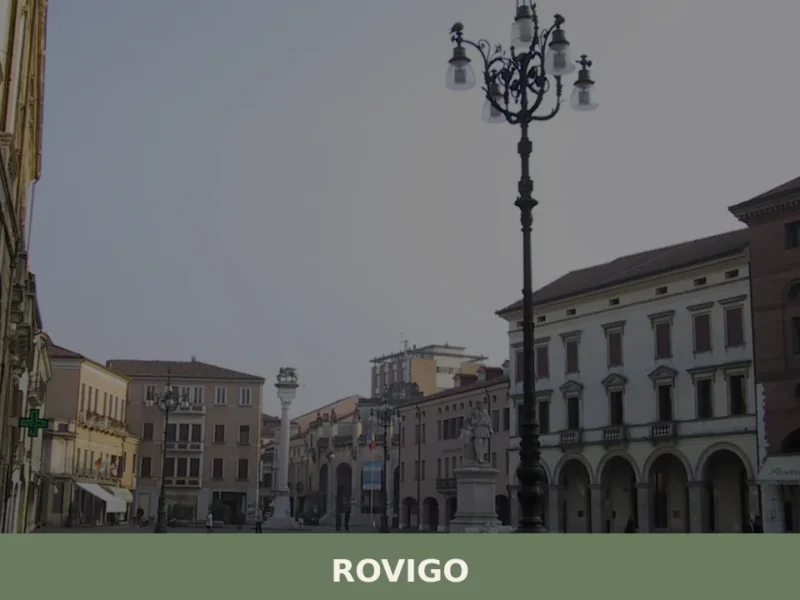
Rovigo
Plains
what to see in rovigo? Discover 5 top attractions in this city of 50,000 residents, from Rovigo Castle to La Rotonda. Explore the Polesine region.
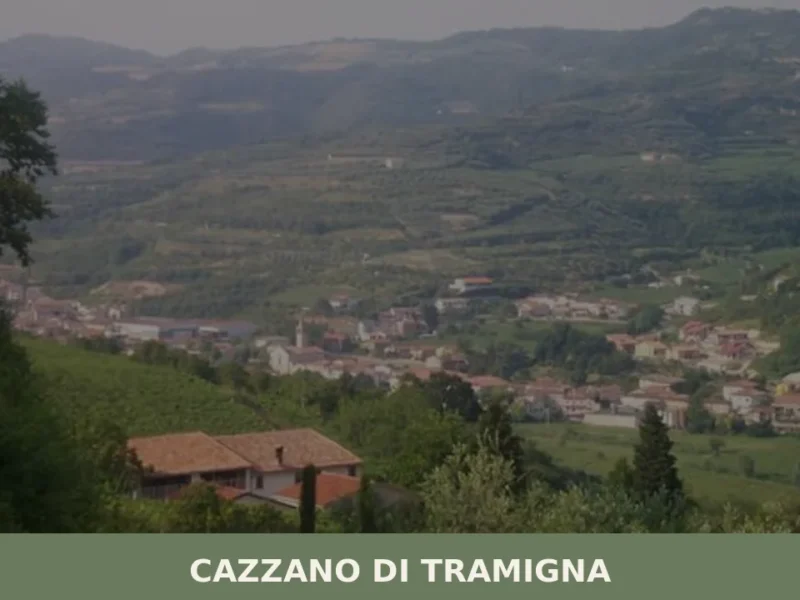
Cazzano di Tramigna
Plains
Cazzano di Tramigna has a population of 1,502 and occupies a basin at 100 metres above sea level in the Val Tramigna, a side valley that opens to the east of the Valpolicella area near Verona. The Tramigna stream — from which the village takes part of its name — crosses the municipal territory before […]
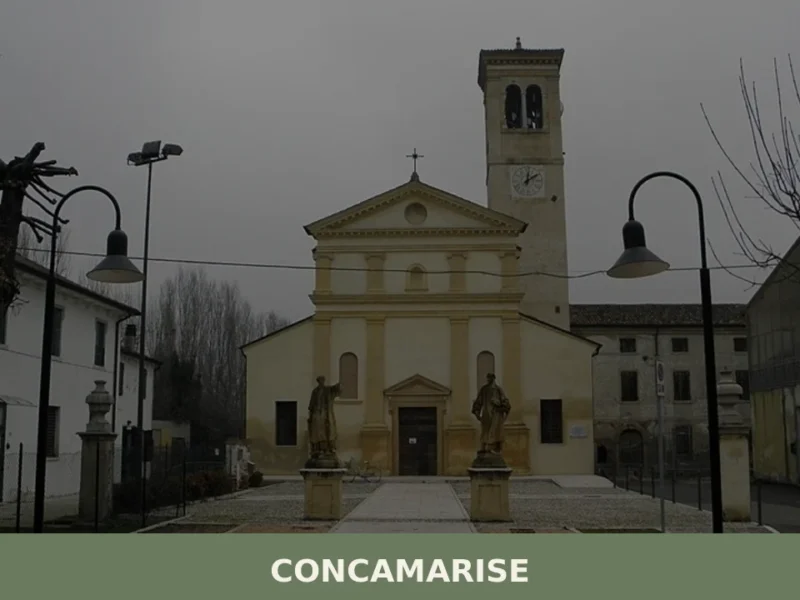
Concamarise
Plains
Concamarise, a municipality in Verona province with 1,053 inhabitants, rises only 21 meters above sea level, located in the Bassa Veronese, an area known for its long-standing agricultural tradition and complex hydrographic network. Its very name suggests a connection with water: “Conca” refers to a territorial depression, while “Marise” is likely linked to the marshy […]




🏡 Know Cinto Caomaggiore better than we do?
If you’re a local or have been there, your knowledge matters: add what’s missing or fix a detail on this page.