


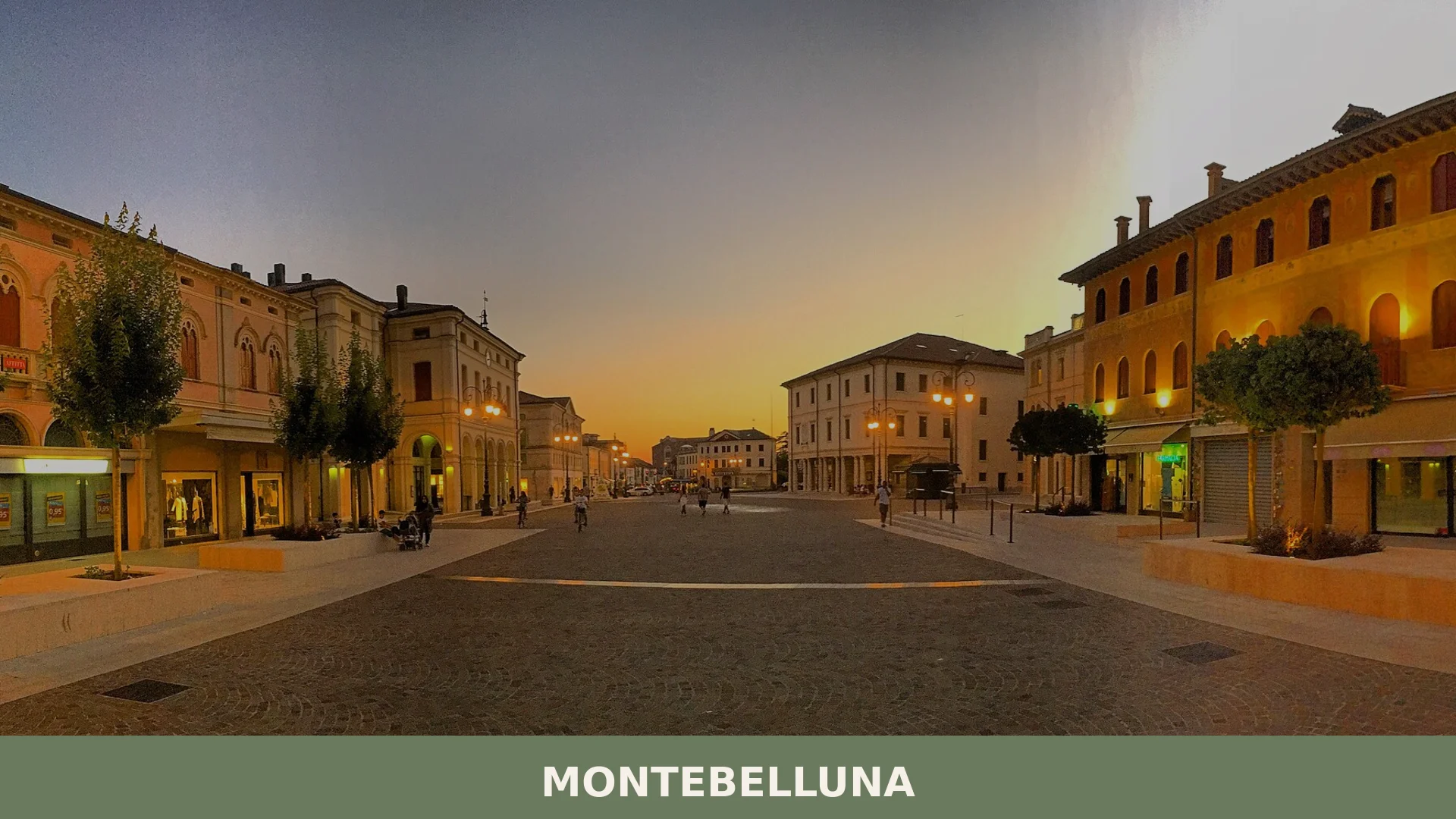

Montebelluna is a historically layered town of around 31,000 inhabitants in the province of Treviso, Veneto, strategically positioned at the mouth of the Piave valley where plain meets pre-Alpine foot
Discover Montebelluna
Montebelluna is a town of around 31142 inhabitants in the province of Treviso, Veneto, occupying roughly 48.98 square kilometres of mostly flat terrain at the mouth of the Piave valley, where the plain meets the pre-Alpine foothills at an elevation of 109 metres. Its territory extends between two modest hills — the western spur of the Montello, reaching 109 metres, and the Capo di Monte at 109 metres — with a natural corridor between them that has made this a strategically significant crossroads since prehistoric times. Burial grounds uncovered at Santa Maria in Colle and Posmon, along with collections now held in the local natural history and archaeology museum, document human presence from the Middle Palaeolithic onward, culminating in Montebelluna’s emergence as the most important pre-Roman centre in the Veneto around the ninth century BC.
Few towns of its size carry as long and rich a history as this one does: from Roman integration into the municipality of Acelum, through medieval feudal grants and episcopal fiefs, to a nineteenth-century transformation driven by market relocation, railway connections, and an emerging footwear industry that would define the modern economy. Travellers approaching the Montebelluna village in Veneto today encounter a place whose layered past — legible in its churches, its hilltop remnants, and its museum collections — sits alongside a lively, working town that has never become merely a monument to itself.
Montebelluna village in Veneto: history and origins
Montebelluna has been continuously occupied since the Middle Palaeolithic, grew into the most important pre-Roman centre in the Veneto by around the ninth century BC, passed under Roman administration as part of the municipality of Acelum (modern Asolo) between the second and first centuries BC, and entered the medieval period as a fortified feudal possession documented from the year 1100 onward. The strategic position at the mouth of the Piave valley — a natural corridor between the plain and the pre-Alpine foothills — underlies every phase of this long trajectory. Burial sites excavated at Santa Maria in Colle and Posmon have provided the principal archaeological evidence for the earliest settlements.
The medieval castle is first firmly attested through an imperial grant by Otto III to Rambaldo II, Count of Treviso. The holding subsequently became a episcopal fief: in 1047 Emperor Henry III confirmed it to Bishop Rotario, and in 1065 Emperor Henry IV repeated the confirmation for Bishop Volframmo. By the late sixteenth century the castle had fallen into such decline that it survived chiefly through a celebrated written description by a chronicler named Bonifacio, who recorded what little remained standing at that time.
The transition to the modern era accelerated sharply in the second half of the nineteenth century. The weekly market, long held on the historic hilltop of Capo di Monte, was relocated to the plain in 1872, and around it the present town centre gradually took form. The opening of the Treviso–Montebelluna railway line on 1 April 1884, followed by connections to Padua on 22 July 1886 and to Belluno in November of that year, drew Montebelluna firmly into the regional economy. Population rose from roughly 7,100 at the time of the market’s relocation to over 9,000 by 1885 and exceeded 10,000 in the early years of the twentieth century. A mutual-aid society founded in 1870, a savings bank established in 1877, a school of applied drawing set up in 1901, and electrification completed in 1903 all marked the same period of concentrated civic growth.
Industrialisation built upon an artisanal tradition of shoemaking that stretched back to the Middle Ages: ten cobblers were recorded in 1808, a figure that climbed to 36 by the 1830s, 55 in 1873, and around 200 at the turn of the twentieth century. As late as 1885 the only non-agricultural activity of any real scale had been seven silk-cocoon spinning mills employing 140 women; within two decades, textile works, food-processing plants, and the expanding footwear trade had transformed the economic profile of the town entirely.
Churches, a Museum, and Two Hills: Montebelluna’s Built Heritage
Montebelluna’s main sites worth visiting are the duomo, the church of Santa Maria in Colle, the Museo di Storia Naturale e Archeologia, and the historic hilltop area of Capo di Monte, with a further point of interest in the church of the Santi Lucia e Vittore at Biadene.
Duomo dell’Immacolata Concezione
The town’s principal place of worship was built from 1908 onwards, following the wishes of the prevosto Mons. Giuseppe Furlan. The project was entrusted to the Montebelluna engineer Guido Dall’Armi, who designed a Neo-Gothic building that now anchors the centre of the lower town.
Church of Santa Maria in Colle
Situated in the locality that has yielded some of the most significant archaeological finds in the area, this ancient prepositural church was rebuilt in 1609 and brought to completion around the mid-eighteenth century by Giorgio Massari (1686–1766). The initial rebuild of 1609 predates Massari’s birth by over 80 years; his involvement applied to a later completion phase rather than to the rebuild as a whole. The interior holds several works of note: the large ceiling canvas La Gloria del Paradiso by Francesco Fontebasso, a carved wooden choir dating from the late seventeenth century, the joint work of Francesco Comin and Paolo Della Mistra, and a double organ designed by Gaetano Callido.
Church of the Santi Lucia e Vittore, Biadene
This eighteenth-century church, in the locality of Biadene, was built by the Pisani family and subsequently donated to the local community. Its interior includes an early fresco by Gian Battista Tiepolo.
Museo di Storia Naturale e Archeologia
Active since 1984, the museum is organised into two main sections. The natural history section covers Earth sciences across five rooms and life sciences across a further six. The archaeological section addresses the prehistoric and protohistoric period — including the culture of the ancient Veneti — alongside finds from the Roman era, reflecting the long occupation of this territory from the Middle Palaeolithic through to the second century AD. The naturalistic collections include both closed historical collections assembled in the eighteenth and nineteenth centuries and more recent acquisitions through donations. A detached section is located at Schievenin di Quero, in the province of Belluno.
Capo di Monte
Also known as Montebelluna Alta or the hill of Mercato Vecchio, this modest eminence rises to 109 metres and was the original seat of the medieval settlement and its market. Together with the western spur of the Montello — which reaches 109 metres and forms the highest point of the municipal territory — it defines the distinctive dual-hill silhouette of the town’s surroundings. A natural corridor between the two hills carries the Feltrina road, running along what was once the original course of the Piave.
Certified Tastes of Montebelluna and the Treviso Hills
The Montebelluna area sits within a province rich in certified products, most notably the IGP-protected Asparago di Badoere and Asparago Bianco di Cimadolmo, the DOP cheeses Casatella Trevigiana and Asiago, and the IGP-labelled Marrone di Combai, a prized chestnut grown in the foothills not far from town. Grana Padano DOP also falls within the broader territorial orbit. None of these products are exclusive to Montebelluna itself, but they represent the honest table of this corner of Veneto.
For wine, the territory looks towards some of Veneto’s most celebrated appellations. The Montello Rosso DOCG grows on the volcanic soils of the Montello ridge that forms the western edge of Montebelluna’s landscape. Colli Asolani Prosecco DOCG and the wider Conegliano Valdobbiadene Prosecco DOCG are produced within easy reach, as are Colli di Conegliano DOCG and Piave Malanotte DOCG. Among IGT wines, Marca Trevigiana and Colli Trevigiani provide the everyday local backdrop. Regional tradition also includes a handful of PAT-listed preparations — among them a veneta-style espresso coffee and a selection of herbal and fruit liqueurs — though these belong to the wider regional food culture rather than to Montebelluna specifically.
Getting to Montebelluna and Planning Your Stay
Montebelluna is most comfortably reached by car or train from Treviso, approximately 25 kilometres away and around 30 minutes by road, with a direct rail connection inaugurated as far back as April 1884; from Conegliano the distance is roughly 30 kilometres, or about 35 minutes by car. The town sits on largely flat terrain at elevations between 69 and 109 metres above sea level, with its territory ranging from the lower plains to the pre-Alpine foothills, making it an easy base for day trips into the surrounding hills.
Spring and early autumn are the most rewarding seasons for a visit: temperatures in January average around 3 °C, while July averages 23 °C with peaks near 29 °C and a tendency for afternoon storms and occasional hail. Winters bring only infrequent and light snowfall. The town’s position at the mouth of the Piave valley also makes it a practical entry point for the pre-Alpine foothills, and the nearby village of Monfumo sits a short distance into that hill country. Walkers with longer ambitions will find that Montebelluna lies along the Cammino di Sant’Agostino, a pilgrimage and hiking route of some 770 kilometres.
| Departure | Distance | Time |
|---|---|---|
| Treviso | approx. 25 km | approx. 30 min |
| Venezia | approx. 50 km | approx. 50 min |
| Conegliano | approx. 30 km | approx. 35 min |
| Padova | approx. 55 km | approx. 55 min |
These practical references help organise the journey clearly, while the village itself is best understood slowly and on foot once you arrive.
Frequently asked questions about Montebelluna
How do I reach Montebelluna by train?
Montebelluna railway station is served by regional trains connecting to major cities in the Veneto region. The station is located on the Treviso–Belluno line. Direct connections link to Treviso (approximately 20 minutes), Venice, and other towns. Check Trenitalia or regional transport websites for current schedules and ticket prices. The station is within walking distance of the town centre.
What is the patron saint feast day in Montebelluna?
The patron saint of Montebelluna is the Immaculate Conception (Immacolata Concezione), celebrated on December 8th. This feast day is traditionally honoured with religious ceremonies and local festivities. The celebration reflects centuries of devotion in this historically significant Veneto town and attracts both residents and visitors interested in authentic Italian religious traditions.
What outdoor activities are available near Montebelluna?
The town's strategic location between the Montello hill (343 metres) and Capo di Monte (199 metres) offers hiking and cycling opportunities across the pre-Alpine foothills and surrounding plain. The natural corridor between these hills provides accessible routes for outdoor enthusiasts. The transition zone between the Piave valley plain and pre-Alpine terrain creates diverse landscapes ideal for walking and cycling exploration.
Is there a museum in Montebelluna worth visiting?
Montebelluna has a local natural history and archaeology museum housing important collections documenting human presence from the Middle Palaeolithic period onward. The museum showcases artefacts from prehistoric burial grounds at Santa Maria in Colle and Posmon, and displays materials related to Montebelluna's status as the most important pre-Roman centre in the Veneto around the ninth century BC.
How much time should I spend visiting Montebelluna?
A half-day visit allows exploration of the town centre, churches, and museum collections. For a more thorough experience including hilltop sites and surrounding terrain, plan a full day. The layered historical narrative—from Roman Acelum through medieval structures to nineteenth-century industrial heritage—rewards leisurely exploration. Nearby attractions in Treviso province extend possibilities for longer regional visits.
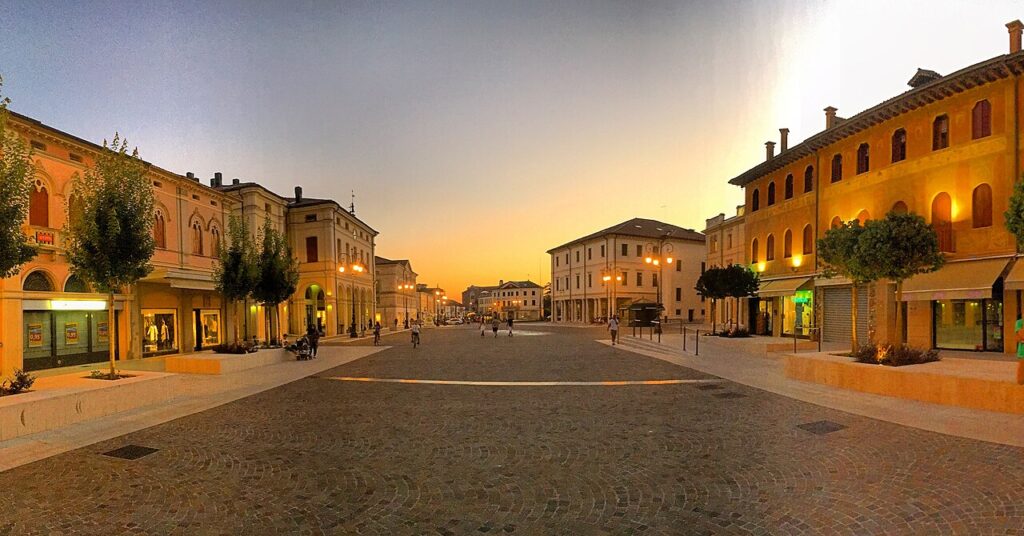
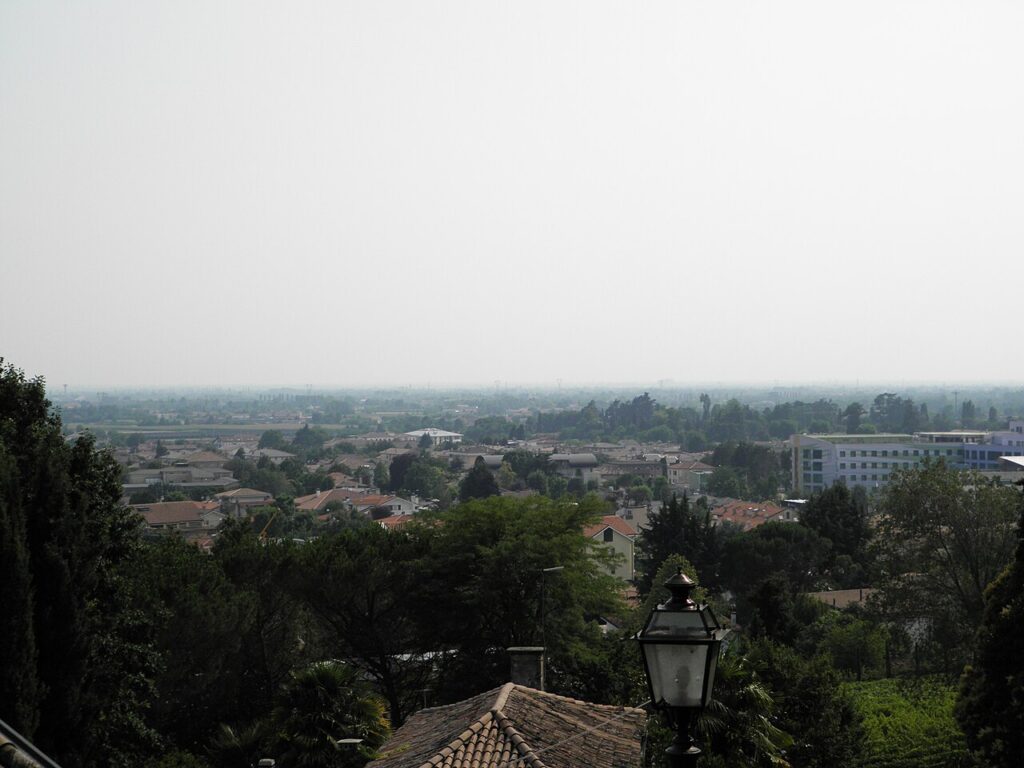
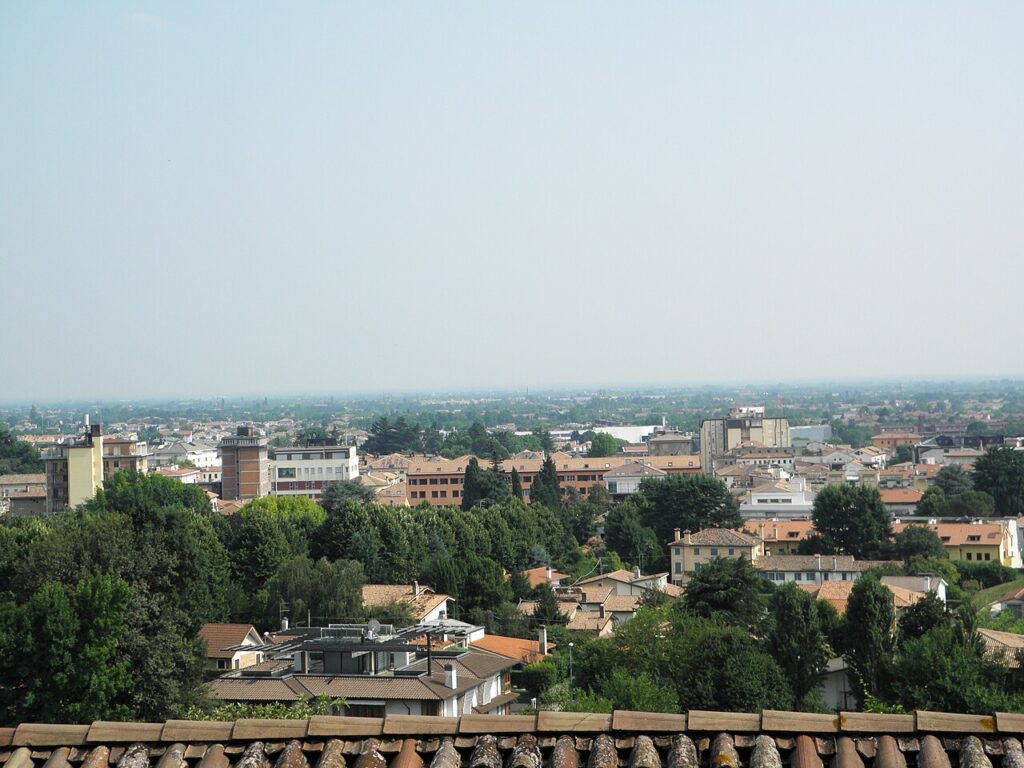
📷 Photo Gallery — Montebelluna
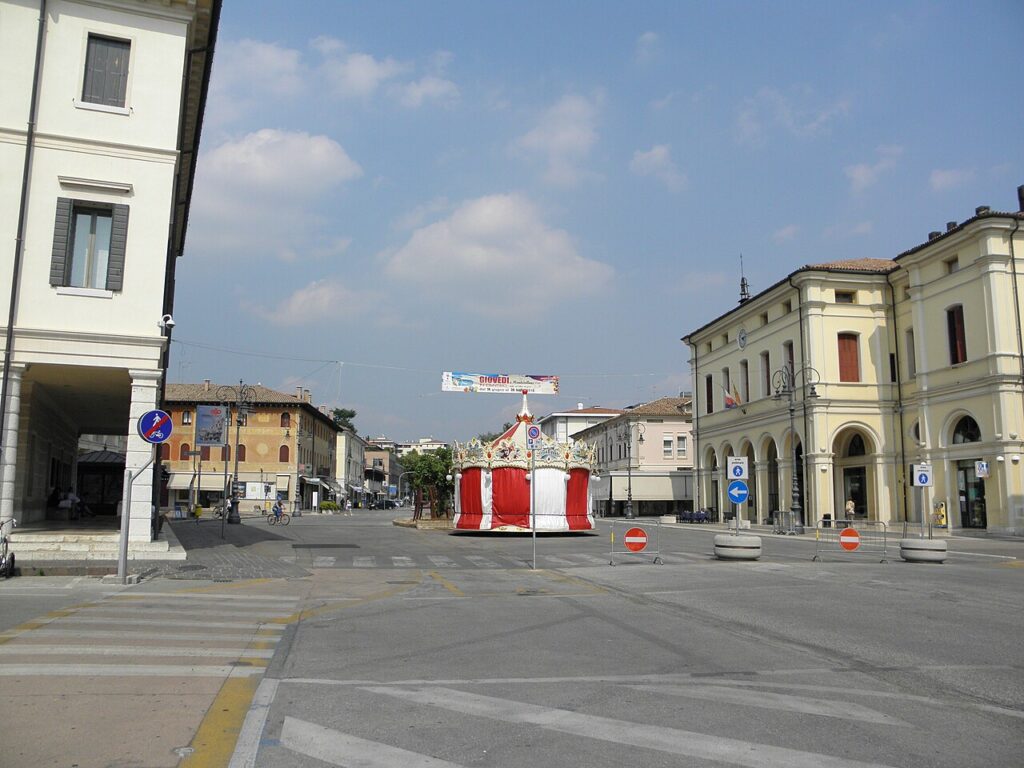
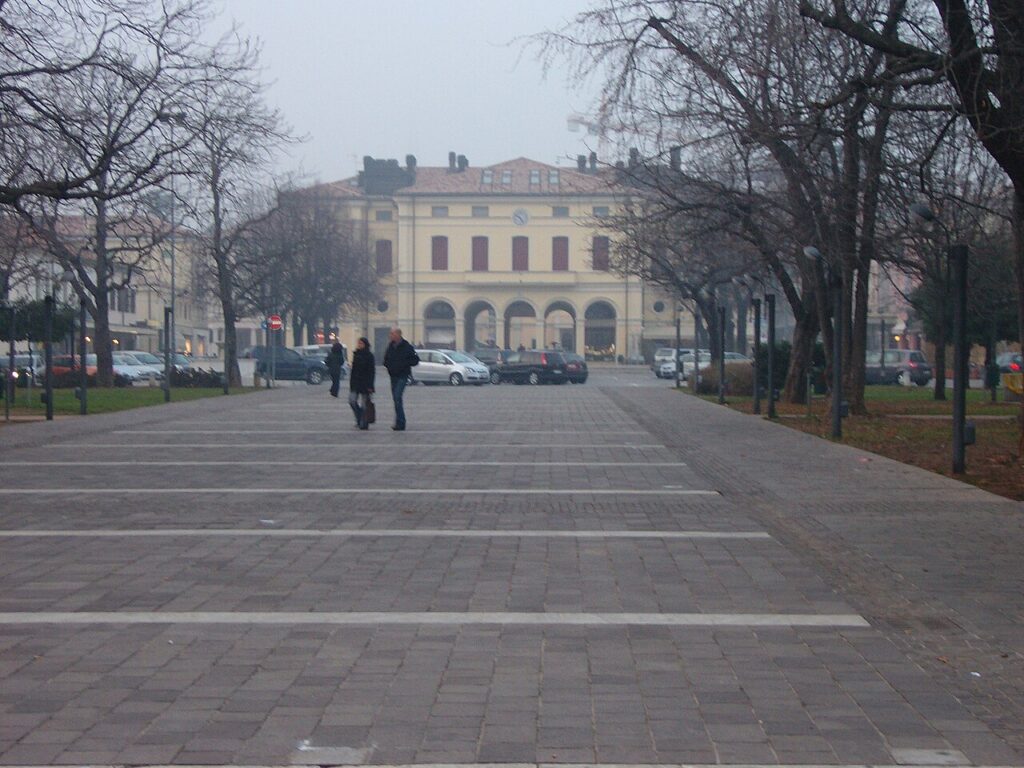
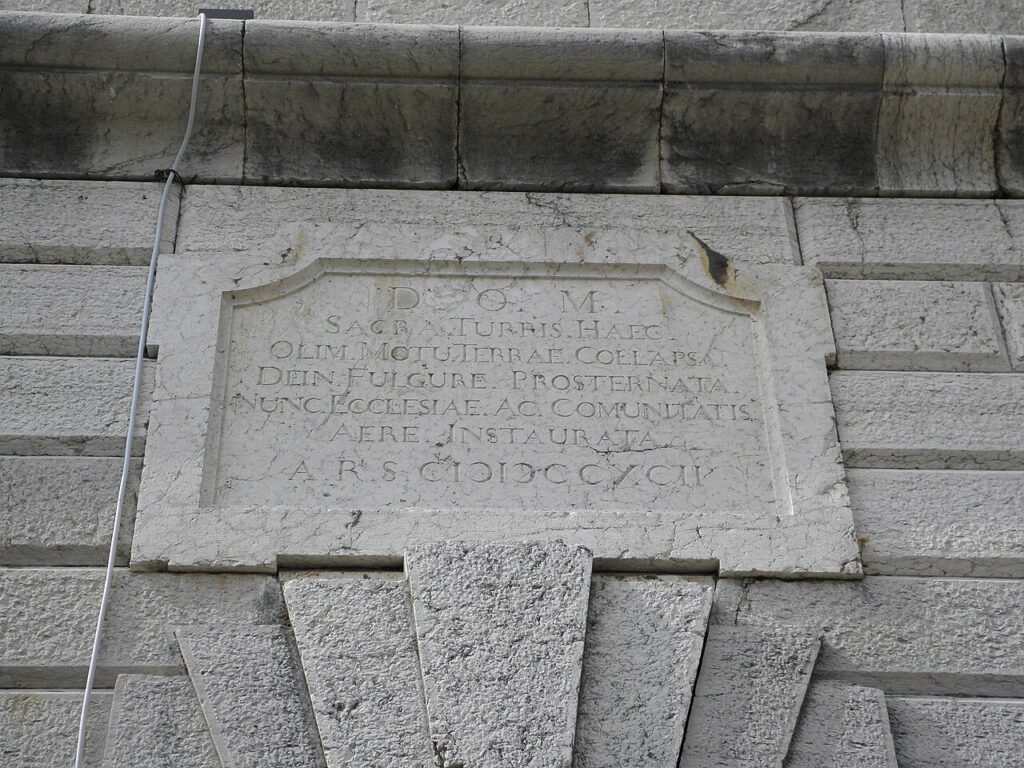
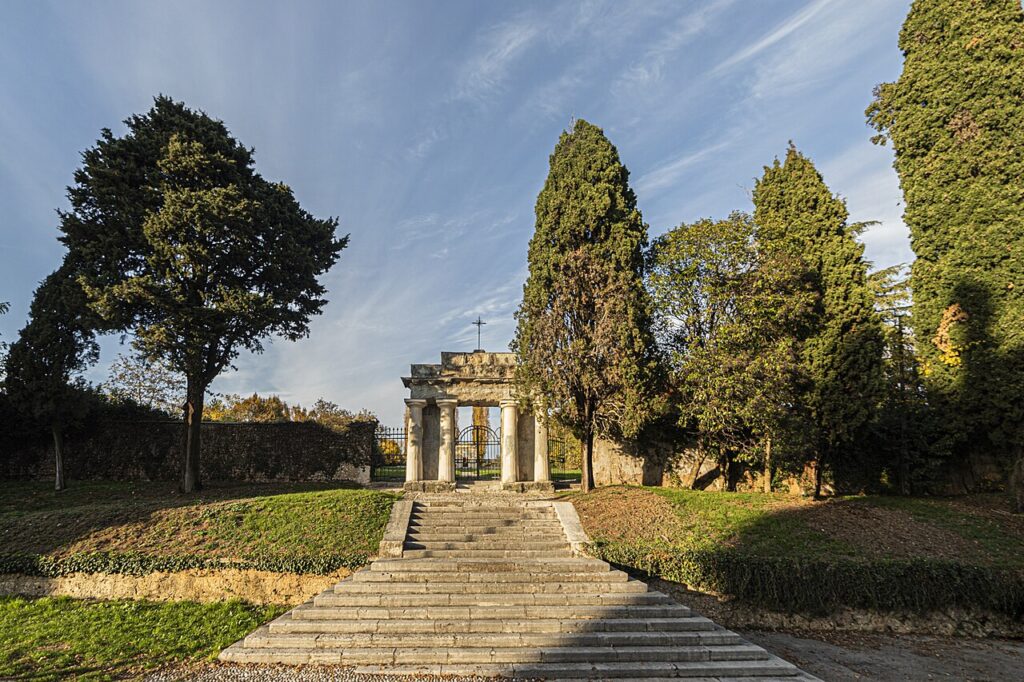
In Veneto More villages to discover

Vittorio Veneto
 Hills
Hills
Home to a decisive World War I battle and a dual medieval identity, Vittorio Veneto offers 5 exceptional monuments and a rich local food culture in Treviso province.
Cortina d’Ampezzo
 Mountain
A complete guide to what to see in Cortina d'Ampezzo — from Dolomite peaks and WWI tunnels to Ladin cuisine and centuries-old communal traditions.
Brentino Belluno
 Plains
At 137 metres above sea level, where the Adige Valley narrows between Monte Baldo and the Lessini Mountains, Brentino Belluno is a municipality of 1,363 inhabitants created in 1929 through the administrative merger of two distinct settlements: Brentino, on the left bank of the Adige, and Belluno Veronese, clinging to the eastern slope of Monte […]
Cinto Caomaggiore
Plains
Cinto Caomaggiore is a small comune on the eastern Veneto plain, where Neolithic greenstone axes, Roman farmsteads, and flooded former quarries now thriving as a major heronry trace thousands of years
Cazzano di Tramigna
Plains
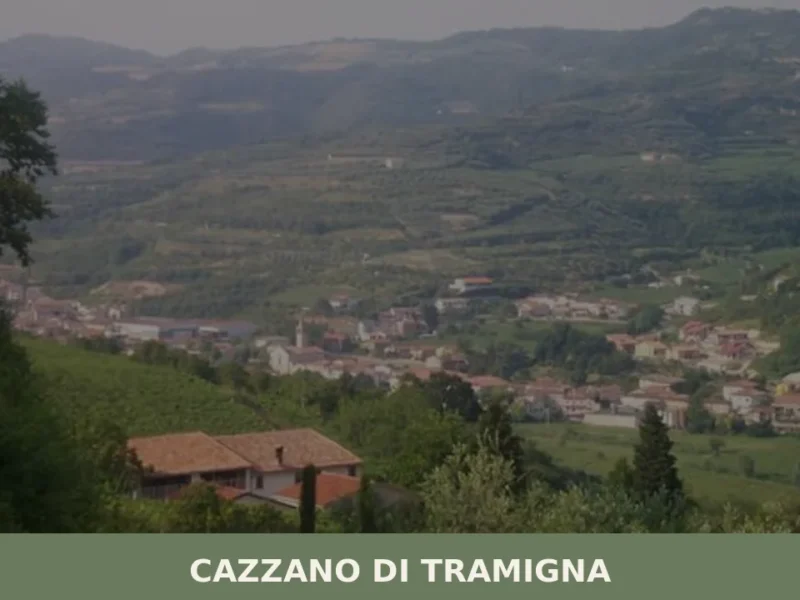
Cazzano di Tramigna has a population of 1,502 and occupies a basin at 100 metres above sea level in the Val Tramigna, a side valley that opens to the east of the Valpolicella area near Verona. The Tramigna stream — from which the village takes part of its name — crosses the municipal territory before […]
Erbè
Plains
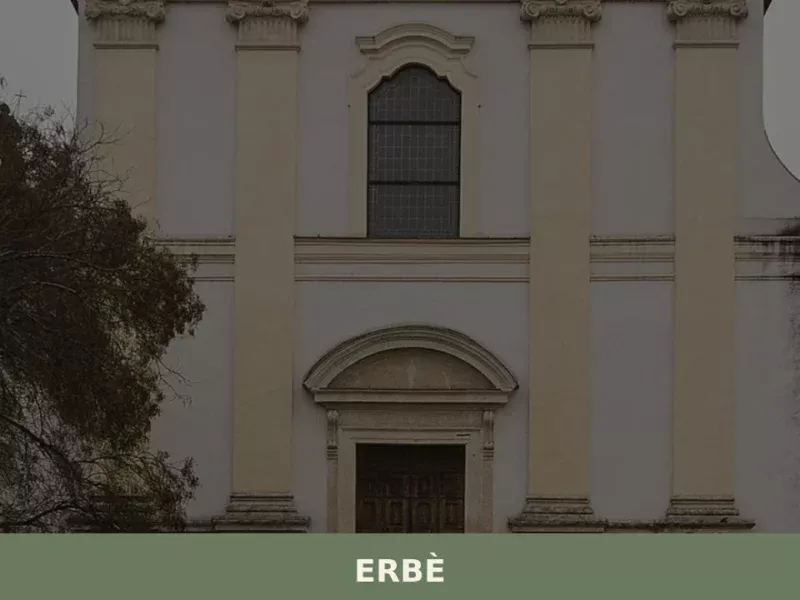
Erbè has 1,838 inhabitants and occupies a stretch of the Veronese plain north of the Tione dei Monti river, along the road connecting Verona to Mantua. The municipal territory, almost entirely flat and crossed by a dense network of irrigation canals, was progressively reclaimed starting in the 15th century under the administration of the Republic […]

San Giorgio delle Pertiche
Plains
A Paduan comune of 10,000 inhabitants where ancient Roman centuriation meets medieval defence architecture. The Torre Millenaria and layered waterways tell stories of two millennia.
Bevilacqua
Mountain
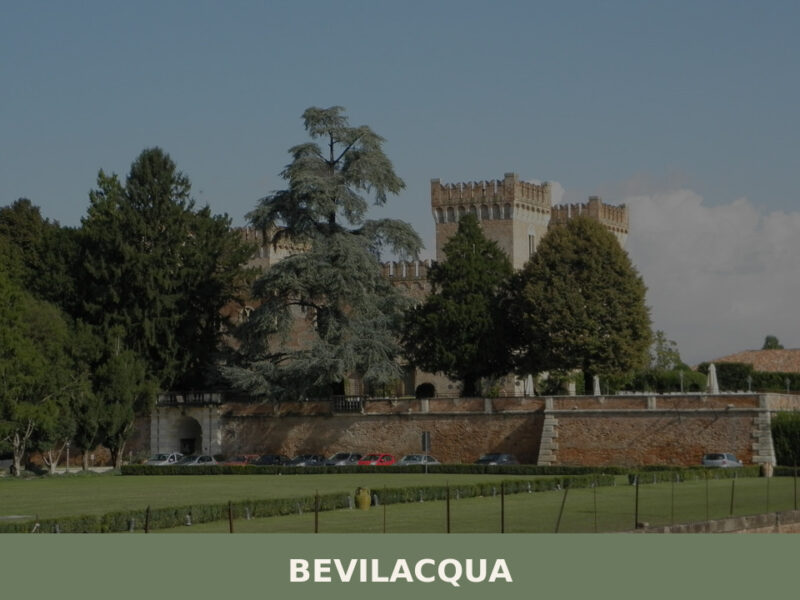
A castle rising over the Fratta River, fewer than 1,800 inhabitants, and the quiet agricultural heart of the Veronese plain. Here's what to see in Bevilacqua.
Belluno
Hills
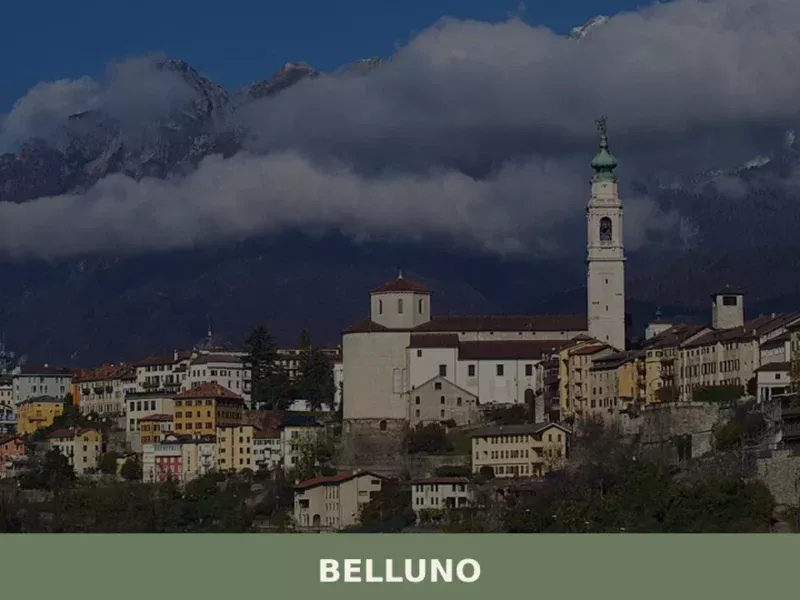
What to see in Belluno: a city at 389m with Venetian palaces, a Baroque bell tower and Alpine views. Plan your visit with this complete guide. Includes food and travel tips.
Affi
Hills
Discover what to see in Affi, a Veronese commune in the Garda Morainic Hills. Wine country, lake access, history and practical travel tips.


🏡 Know Montebelluna better than we do?
If you’re a local or have been there, your knowledge matters: add what’s missing or fix a detail on this page.