


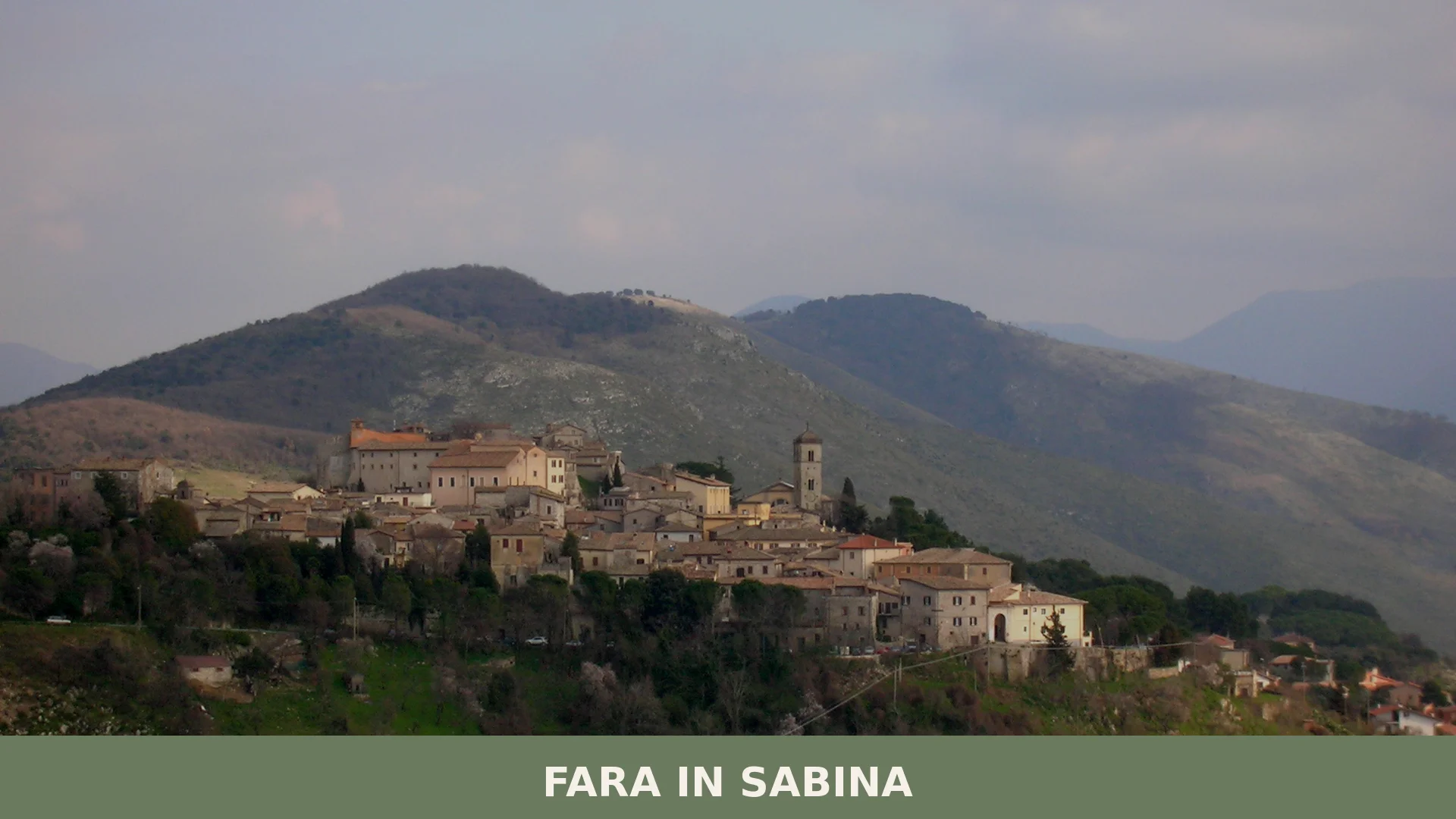

Fara in Sabina is a historic hill town in the province of Rieti, Lazio, at 493 metres above sea level, where prehistoric remains, a medieval abbey and Risorgimento memories meet in the Sabine hills no
Discover Fara in Sabina
Fara in Sabina is a hill town in the province of Rieti, Lazio, sitting at 482 metres above sea level across a territory of roughly 54.88 square kilometres and home to about 13,885 residents known as faresi. It occupies the north-western slopes of Monte degli Elci, with the river Farfa flowing through its municipal lands and the railway line between Rome and Florence passing along the outer edge of its territory near the frazione of Passo Corese. From prehistoric camps on Monte San Martino to a medieval castle first documented in 1006, from the Benedictine world of the Abbey of Farfa to echoes of the Risorgimento, the town holds an unusually dense record of human settlement and historical event for a place of its size.
That record unfolds across churches, palaces, museums and protected natural land — all within easy reach for anyone planning a stay in the Sabine hills north of Rome. The Fara in Sabina village in Lazio draws visitors who follow the Via di Francesco pilgrimage routes through central Italy, those drawn by the Abbazia di Farfa and its State Library, and travellers content to move slowly through a landscape shaped equally by agriculture and by time. The provincial area contributes well-regarded products — among them Sabina DOP olive oil and Colli della Sabina DOC wines — that belong to a tradition reaching across the whole Sabine territory, not exclusive to the town itself.
Fara in Sabina village in Lazio: history from prehistoric times to the modern era
Fara in Sabina has been continuously inhabited from the Paleolithic through to the present day, moving from prehistoric settlements and Sabine city-states to a medieval castle documented from 1006 and, in later centuries, to episodes that touched the broader currents of Italian history. Archaeological finds confirm human presence during the Middle Paleolithic and across successive Bronze Age phases, while the height of Monte San Martino preserves the remains of a late Bronze Age settlement identified with Mefula, an ancient city of the Aborigines mentioned by Dionysius of Halicarnassus, who noted the presence of walls — an exceptional detail for that people. This settlement vanished during the early Iron Age, possibly as Sabine communities took root in the valley below.
Between the ninth and the sixth centuries BC, the locality of Santa Maria in Arci became home to a Sabine settlement identified with Cures, a city cited by both Cicero and Virgil, which continued to function into the Roman period. The surrounding territory was worked through a dense network of rural estates, built on terraced hillsides in polygonal masonry during the second century BC and in quasi-reticulate construction during the first century BC. The origins of the present-day town are traditionally attributed to the Lombard period, toward the close of the sixth century, a date suggested by the place name itself, which derives from the Lombard term fara, meaning a family clan. The castle is documented from 1006; by 1050 it had passed under the authority of the Abbey of Farfa, and it subsequently became a fief of the Orsini family. From 1400 it served as the seat of the commendatory abbot of Farfa, and a succession of noble families held it thereafter, ending with the Barberini: Cardinal Francesco Barberini, nephew of Pope Urban VIII, founded the Monastery of the Cloistered Hermit Clarisses within the old castle in 1678.
The nineteenth and early twentieth centuries brought Fara in Sabina into contact with national events. In 1867, the Garibaldian campaign for the liberation of Rome touched the local frazione of Coltodino; after his defeat at Mentana, Giuseppe Garibaldi and his volunteers reached the railway station at Passo Corese and departed northward. From the banks of the Tiber near Fara, the ill-fated expedition of the Cairoli brothers set out by boat, concluding tragically at Villa Glori. Then, on 10 December 1920, the frazione of Canneto Sabino was the scene of a grave episode of social violence: during a demonstration by agricultural labourers seeking better working conditions, a group of Carabinieri killed eleven people at Colle San Lorenzo, making it one of the deadliest single incidents of the period known as the Biennio Rosso.
Abbeys, Museums and Historic Palaces in Fara in Sabina
Fara in Sabina offers visitors a concentration of religious and civic heritage spread across the town centre and the surrounding territory, anchored by the Abbazia di Farfa, two civic museums housed in historic palaces, several medieval and early modern churches, and a natural reserve along the Tiber.
Abbazia di Farfa
Founded between the sixth and seventh centuries and refounded in the early Middle Ages, the Abbey of Farfa became one of the most significant Benedictine monasteries in central Italy, reaching considerable political, economic and religious importance during the Carolingian period. The complex preserves Carolingian traces in the bell tower and in sections of the masonry. The abbey church follows a basilical plan with a Latin cross layout and three naves; the façade rises to a series of stepped gables and is pierced by a portal in marble and by rose windows. The interior is articulated by columns and round arches, with a polygonal apse and a high altar with a ciborium.
Biblioteca Statale del Monumento Nazionale di Farfa
Housed within the walls of the abbey, the State Library became a public institution in 1964 following the adaptation of the original monastic structure. A substantial restoration carried out around the turn of the twenty-first century enlarged its spaces and services. The library holds a patrimony of more than sixty thousand volumes.
Palazzo Brancaleoni and the Museo Civico Archeologico
A fifteenth-century building that originally belonged to the noble Brancaleoni family, the palace was formed by combining a number of medieval structures, including two tower-houses absorbed into a Renaissance reorganisation. Today it houses the archaic-period section of the Civic Archaeological Museum of Fara in Sabina and the municipal historical archive. The medieval section of the same museum is located inside the Abbey of Farfa.
Museo del Silenzio
The Museum of Silence is situated within the monastery of the Clarisse Eremite, founded in 1678 by Cardinal Francesco Barberini, nephew of Pope Urban VIII, on the site of the old castle.
Collegiata di Sant’Antonino Martire
The collegiate church of Sant’Antonino has medieval origins and assumed its current form in 1513. It was subsequently restored in later periods.
Other Religious Buildings
- The church of San Giacomo, dating from 1619.
- The church of Santa Chiara, built in 1643 and today deconsecrated, serving as a municipal ceremony hall.
- The church of the Madonna della Neve and the church of Santa Croce are also present in the commune.
Civic Palaces and Historic Structures
- Palazzo Farnese, built in 1585.
- Palazzo Orsini, a fifteenth-century building.
- A cistern in the Piazza del Duomo, constructed by the Farnese family in 1588.
- A deposit for grain and a monte di pietà, both from the fifteenth century, today housing the municipal library.
Archaeological Site of Cures Sabini
In the locality of Santa Maria in Arci, remains of the Sabine settlement identified with the ancient city of Cures survive, including traces of baths, a small theatre and necropoli. The site was occupied from between the ninth and sixth centuries BC through the Roman period. On Monte San Martino, the remains of a Bronze Age proto-historic settlement have been identified with Mefula, an ancient city of the Aborigines as recorded by Dionysius of Halicarnassus.
Riserva Naturale di Nazzano, Tevere-Farfa
At the margins of the municipal territory lies this nature reserve, which formed around the lake of Nazzano after a dam was built on the Tiber.
Olive Oil, Cured Meats and the Flavours of the Sabina Territory Around Fara
The Sabina area around Fara in Sabina is best known for its olive oil, certified under the Sabina DOP designation, one of the oldest protected olive oil appellations in Italy, and for a range of quality cured meats and dairy products recognised at the provincial and regional level. These reflect a broader Sabine and Lazio tradition rather than being exclusive to the town itself.
Among the protected products associated with this territory, Ricotta Romana DOP stands out as a fresh sheep’s milk cheese typical of the Lazio pastoral tradition. The area also falls within the production zones of Abbacchio Romano IGP and Agnello del Centro Italia IGP, two designations covering young lamb raised according to traditional methods in central Italy. Cured meat traditions are represented by Prosciutto Amatriciano IGP, produced in the wider Rieti province, and Mortadella Bologna IGP, whose distribution zone extends into this part of Lazio.
Local liqueur-making draws on the wild plants of the Sabine hills. Among the traditional preparations cited for this regional area are genziana liqueur, made from gentian root, nocino walnut liqueur, fragolino strawberry liqueur, mistrà, rattafia, and versions of sambuca. These are artisan productions rooted in the rural traditions of the broader territory.
Still wines produced in the local area carry the Colli della Sabina DOC designation, covering both white and red styles, alongside the wider Lazio IGT classification.
Reaching Fara in Sabina and Planning Your Stay in the Sabine Hills
Fara in Sabina is most easily reached by train on the Rome–Florence line, with the station of Fara Sabina–Montelibretti located in the frazione of Passo Corese, roughly 12 kilometres from the municipal centre; by car from Rome the journey covers approximately 50 kilometres via the A1 motorway or the Via Salaria, taking around 45 to 50 minutes under normal conditions. The town sits at 482 metres above sea level in the Sabine hills of the province of Rieti, and its inland hill climate — with cool winters and warm, drier summers — makes spring and early autumn the most comfortable seasons for exploring on foot or by car.
The Abbazia di Farfa, the archaeological museum at Palazzo Brancaleoni, the Riserva Naturale di Nazzano Tevere-Farfa and the Museo del Silenzio are all best visited outside the peak summer heat. The reserve around the lake of Nazzano is particularly rewarding for birdwatching in spring and autumn. The surrounding Sabine hills also offer walking routes that connect the town to nearby villages: Castelnuovo di Farfa, Mompeo and Casaprota all lie within a short drive and share the same hill landscape and Sabine heritage.
| Departure | Distance | Time |
|---|---|---|
| Roma (centro) | approx. 50 km | approx. 1 hour |
| Rieti | approx. 35 km | approx. 40 min |
| Stazione Fara Sabina–Montelibretti | approx. 12 km | approx. 15 min |
Accommodation options in the area range from agriturismo farms in the olive groves to small hotels and rooms in the historic centre. Visitors following the Via di Francesco — whose Umbrian stretch covers around 320 kilometres and whose Tuscan route extends to roughly 490 kilometres — will find Fara in Sabina a natural reference point along the pilgrimage corridor between Rome and Assisi.
Frequently asked questions about Fara in Sabina
How do I reach Fara in Sabina by train?
Fara in Sabina is served by the Rome–Florence railway line. The nearest station is Passo Corese, located at the edge of the municipality's territory. From Rome Termini, trains to Florence stop here regularly. Journey time from Rome is approximately 45–60 minutes depending on service type. From the station, local transport or taxi can take you into the town centre.
What is the best time to visit Fara in Sabina?
Spring (April–May) and autumn (September–October) offer mild weather ideal for exploring the Sabine hills and walking routes. Summer can be warm but pleasant for outdoor activity. The feast of Sant'Antonino, the town's patron saint, is celebrated annually and provides a cultural highlight. Winter is quieter but accessible for those preferring fewer crowds.
Can I visit the Abbey of Farfa from Fara in Sabina?
Yes. The Abbazia di Farfa, a major Benedictine foundation, is located within the municipal territory and is one of the primary attractions drawing visitors to the area. The abbey houses a State Library of historical significance. Opening hours and guided tour availability should be confirmed with the abbey directly or local tourist information before your visit.
Are there marked hiking trails around Fara in Sabina?
The town sits on the north-western slopes of Monte degli Elci within the Sabine hills landscape, offering walking opportunities through agricultural and natural terrain. The Via di Francesco pilgrimage route passes through the area, connecting central Italy. Detailed trail maps and CAI (Italian Alpine Club) routes should be obtained from local tourism offices or hiking guides.
How long should I plan to spend in Fara in Sabina?
A full day allows time to explore the town's churches, palaces, and museums at a leisurely pace, plus a visit to the Abbey of Farfa. Two days permit deeper immersion in local history and nearby hiking. Those following the Via di Francesco pilgrimage typically pass through as part of a multi-day journey through central Italy's religious and cultural landscape.
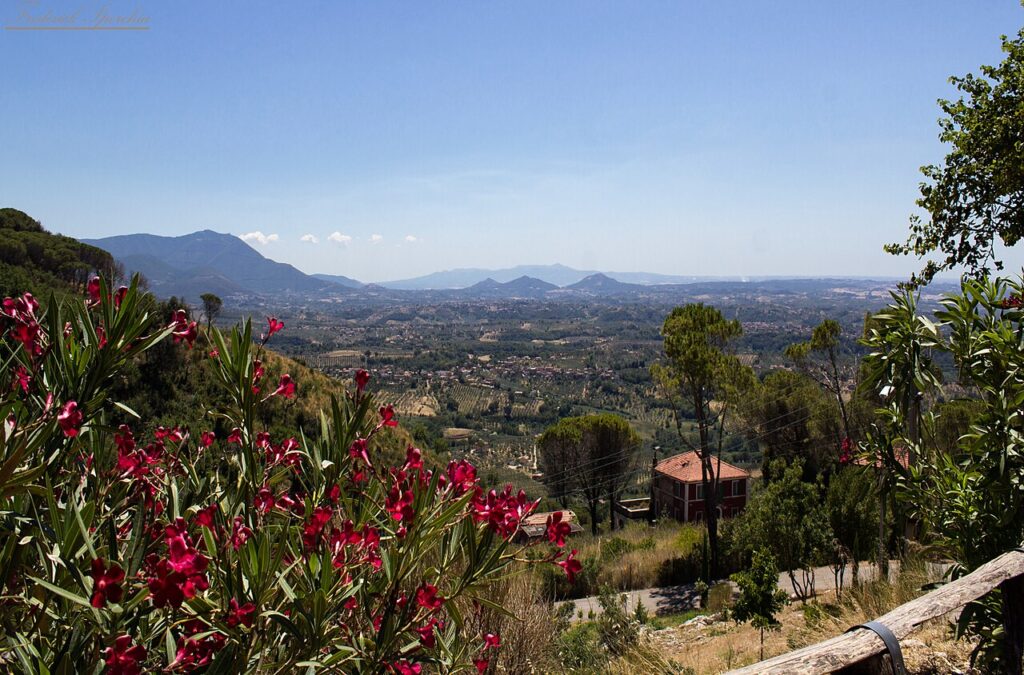
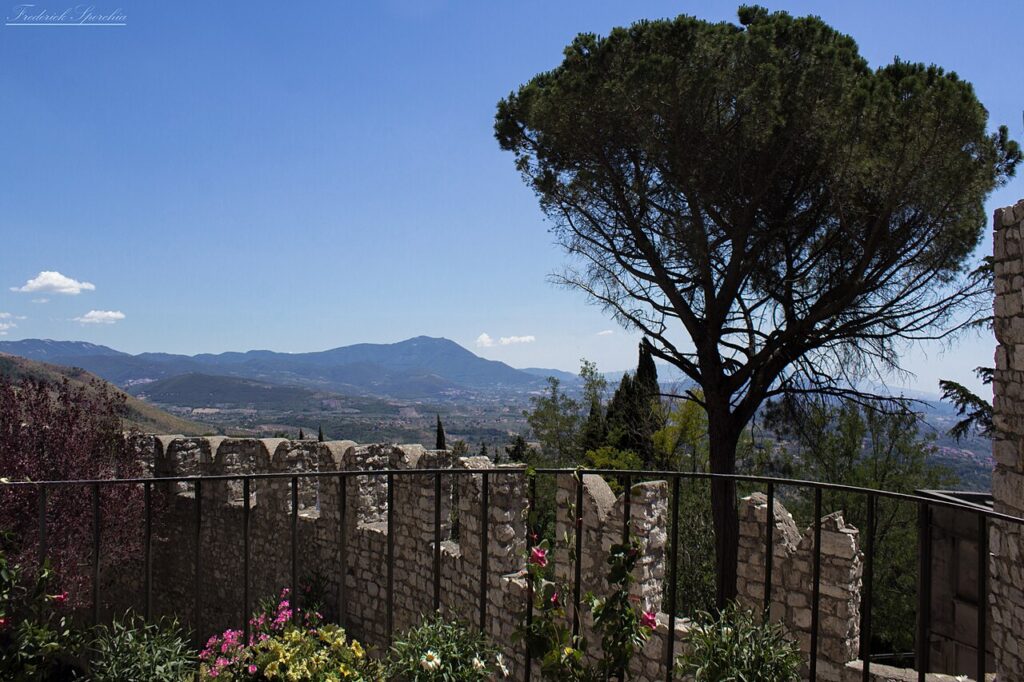
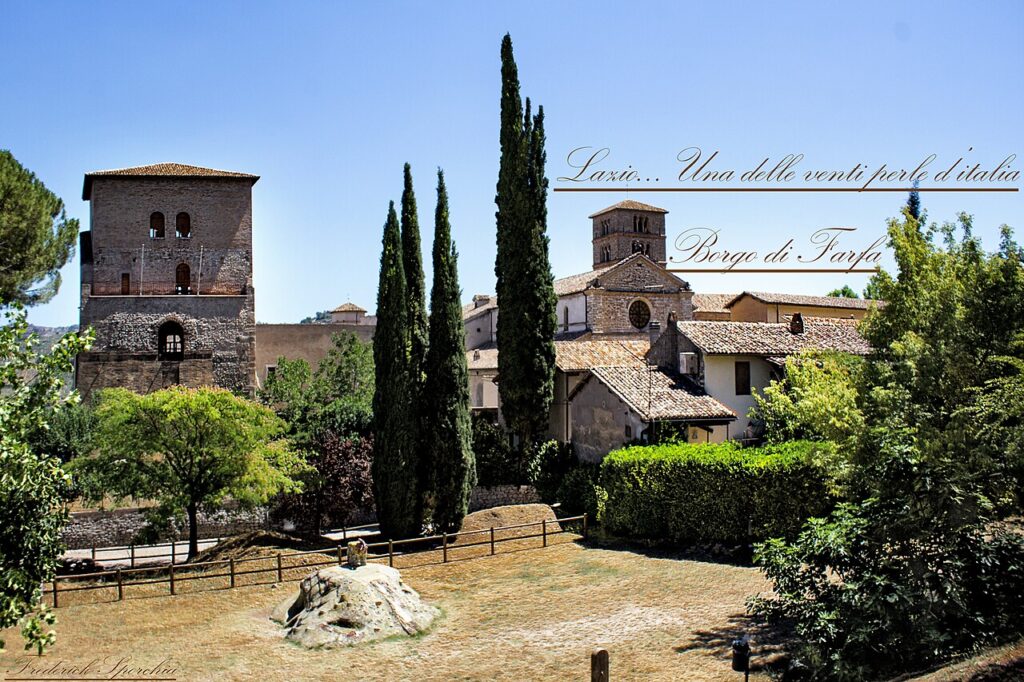
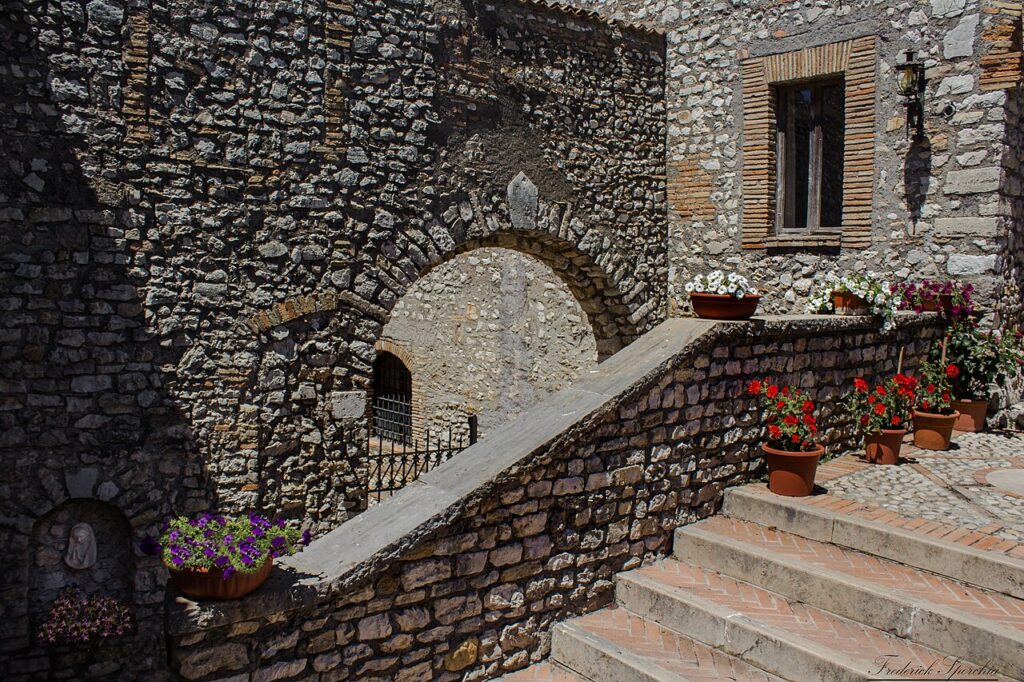
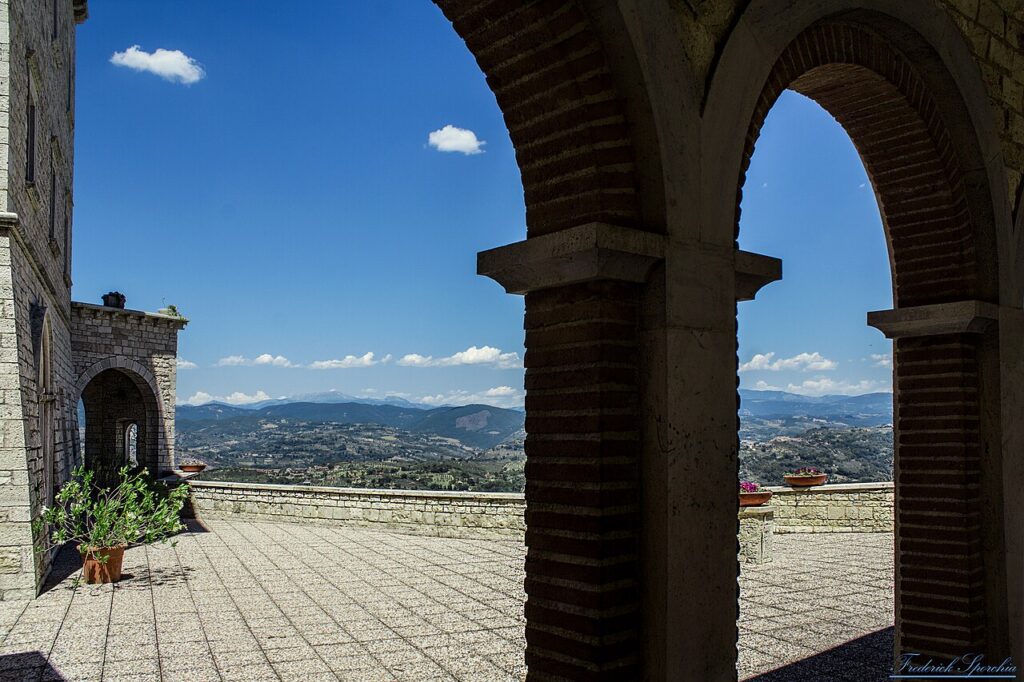
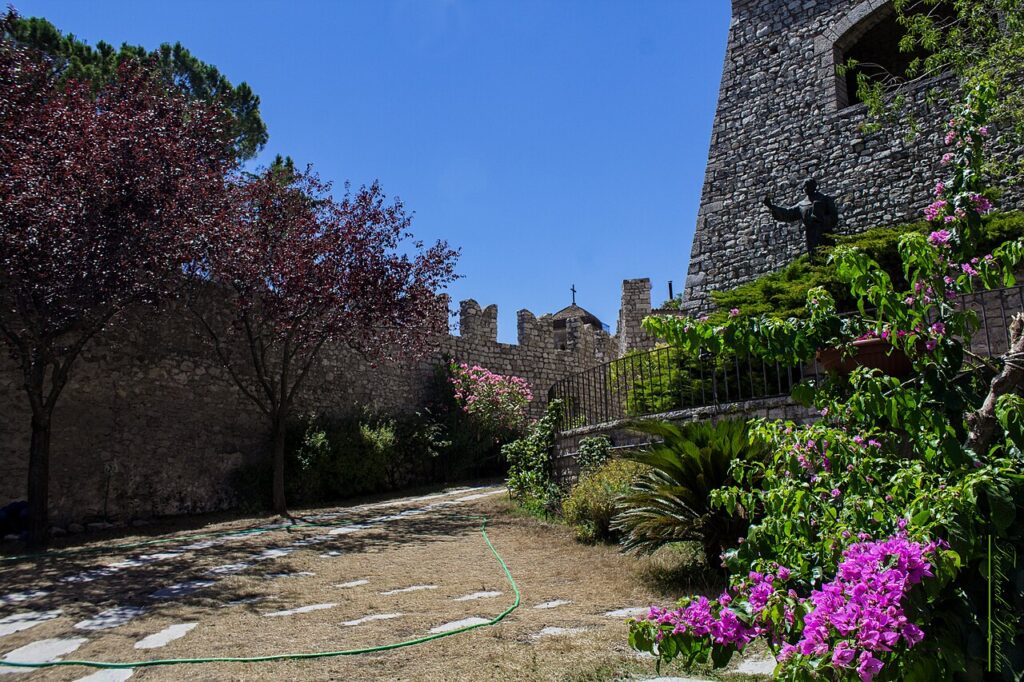
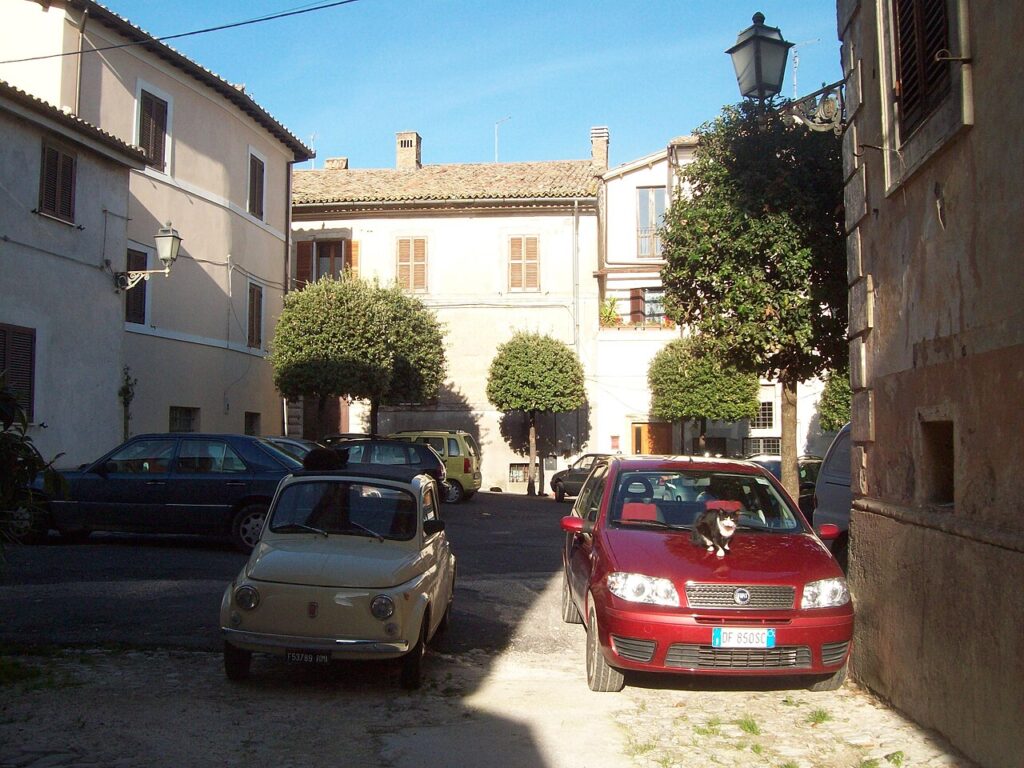
📷 Photo Gallery — Fara in Sabina

In Lazio More villages to discover
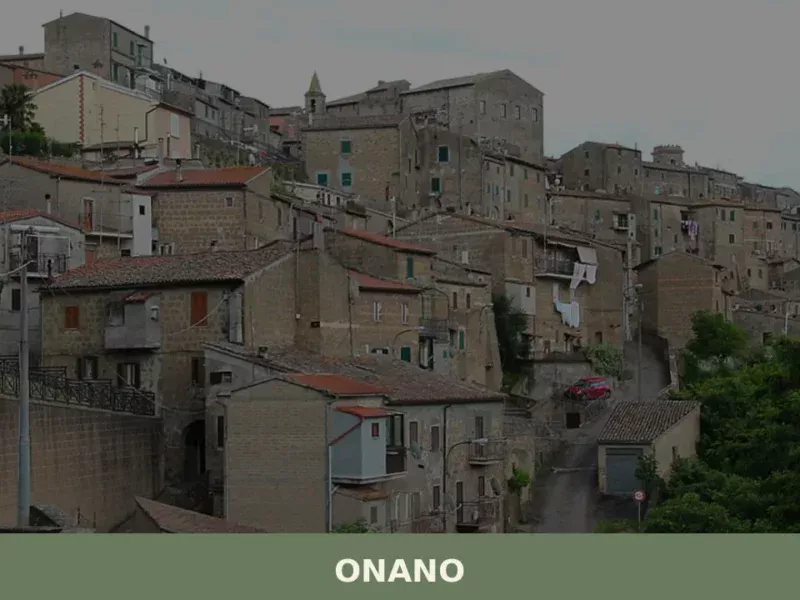
Onano
 Hills
Hills
Onano has 898 inhabitants and sits at 485 metres above sea level on the southern slopes of Lake Bolsena, in the province of Viterbo. The municipal territory, stretching across lentil fields and oak groves, borders both Umbria and Tuscany — a point of triple regional convergence that has shaped the town’s economic and linguistic history. […]
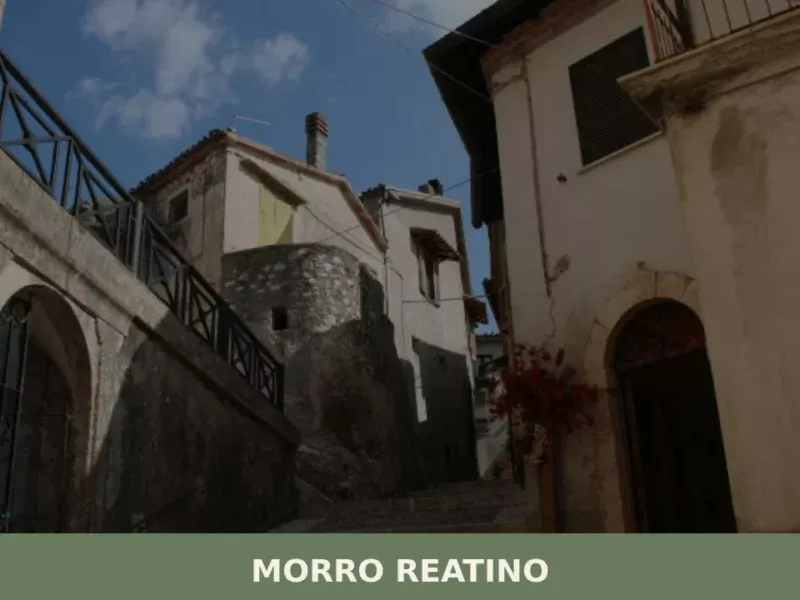
Morro Reatino
 Mountain
What to see in Morro Reatino: a village at 750 m in Rieti with 353 residents. Visit the medieval church of San Lorenzo, the historic centre, and discover PAT-certified guanciale amatriciano.
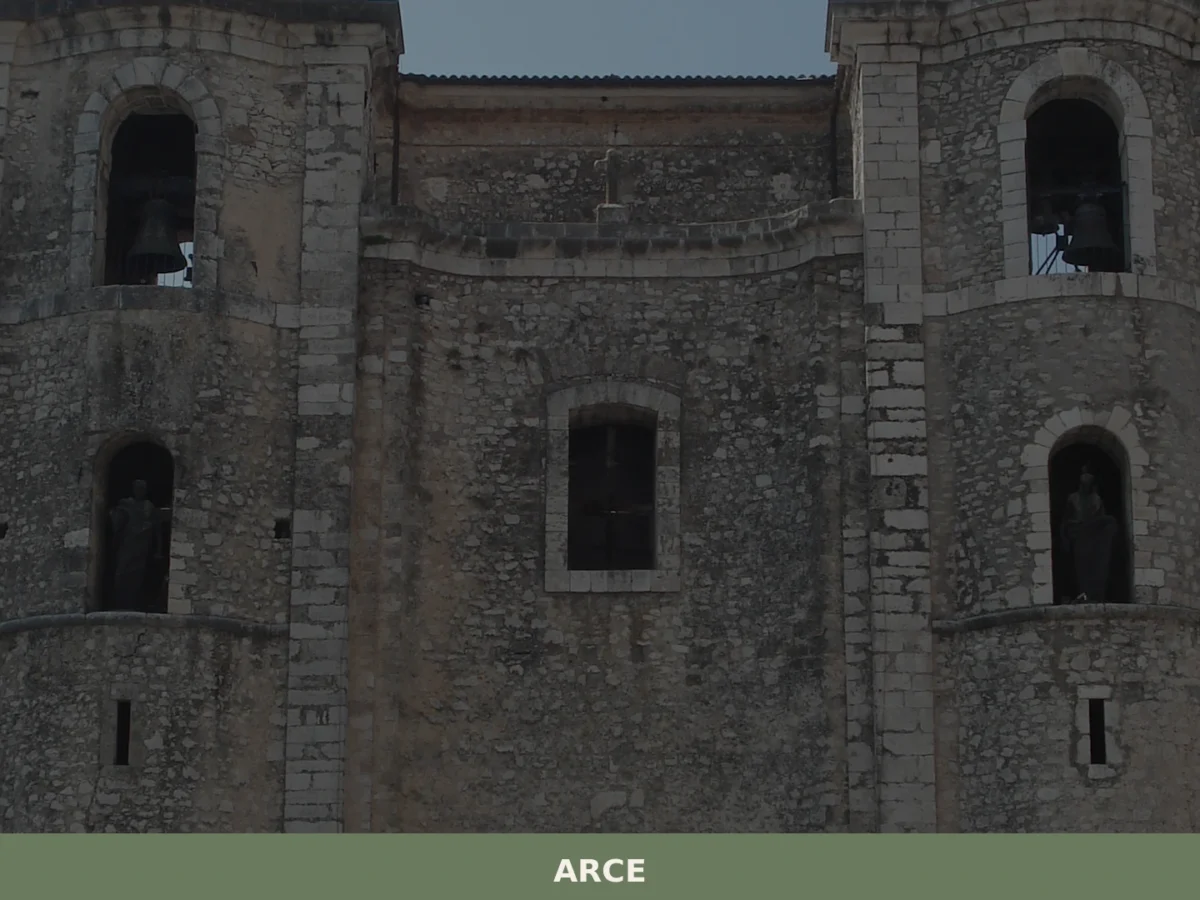
Arce
 Plains
What to see in Arce: discover the 5 unmissable aspects of this Lazio village. From medieval fortresses to scenic views, your complete guide. Plan your visit!
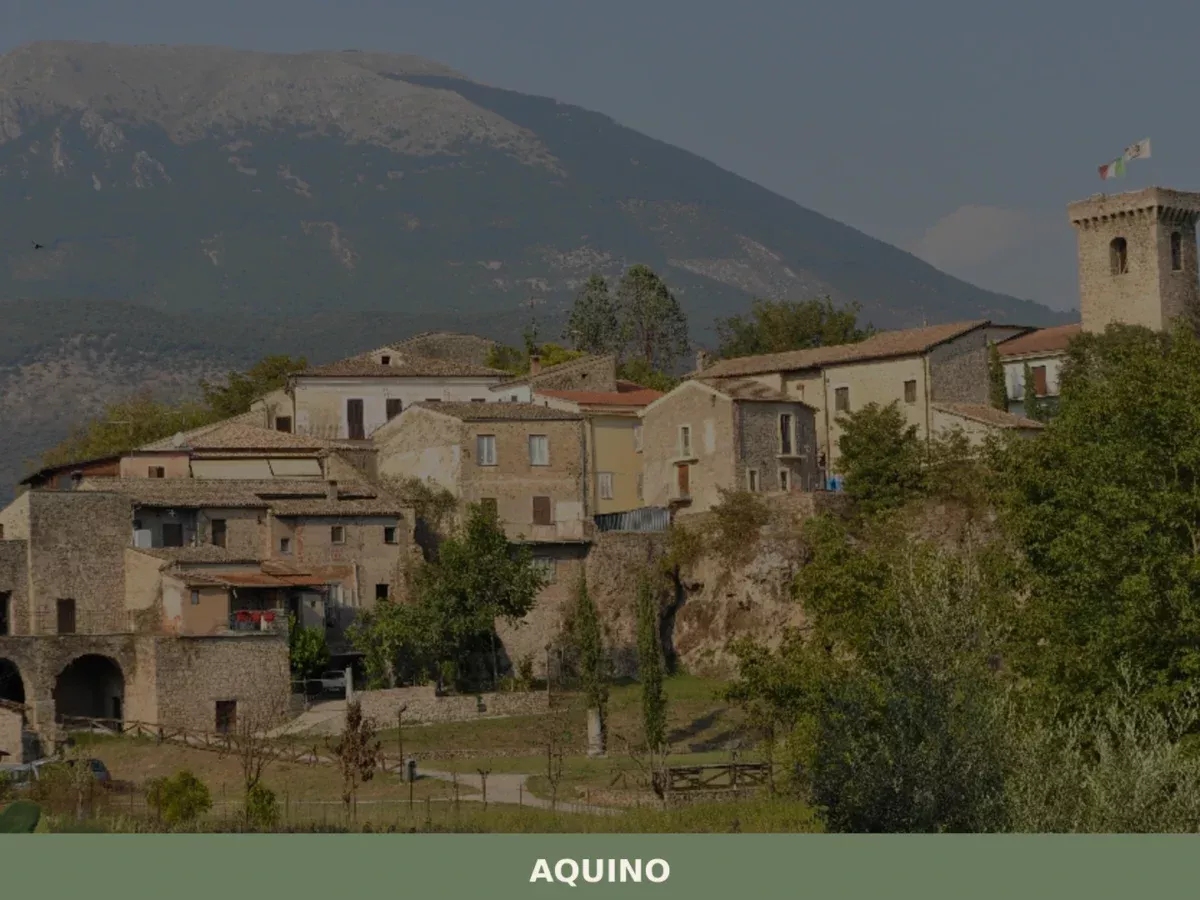
Aquino
Plains
What to see in Aquino? Discover 5 must-see historic attractions in this definitive guide to the Lazio village. Plan your visit now!
Belmonte in Sabina
Mountain
What to see in Belmonte in Sabina: a hilltop village at 756 m in Rieti province with 644 residents. Explore the medieval centre, PAT guanciale and cacio fiore cheese. Plan your visit now.
Capranica
Hills
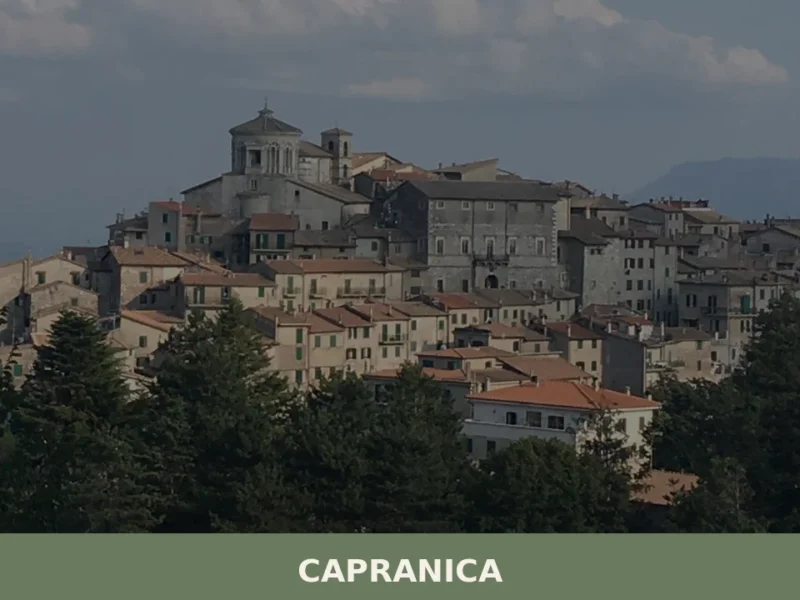
Capranica is a historic hill town of 6,341 inhabitants in the province of Viterbo, set at 367 metres in northern Lazio roughly 50 kilometres north of Rome.
Acquafondata
Mountain
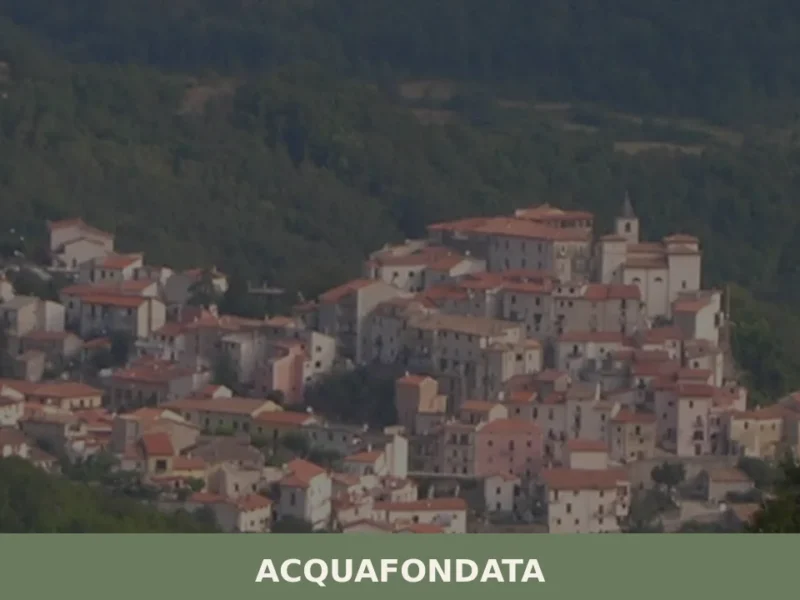
A mountain commune of 249 inhabitants at 919 metres, Acquafondata carries the silent landscapes of the Mainarde and the visible legacy of the Gustav Line.
Caprarola
Hills
 Lake
Lake
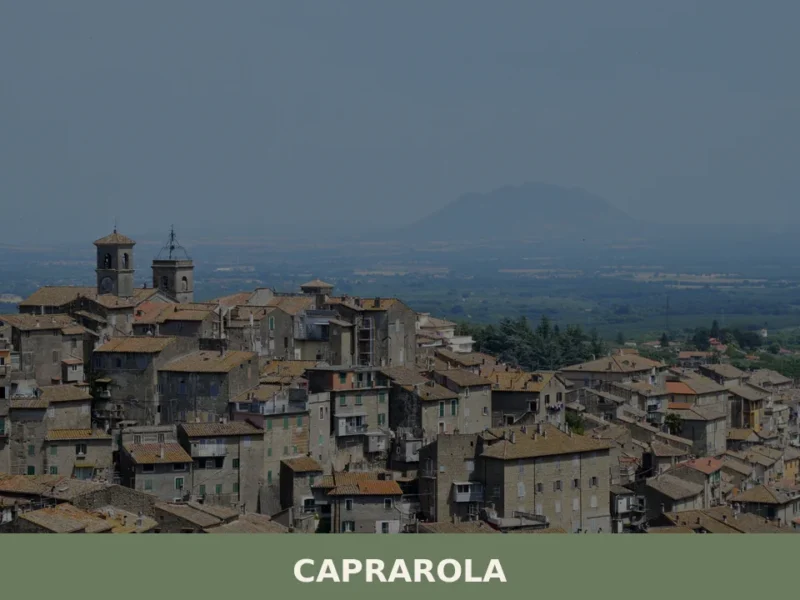
Caprarola is a hilltop comune of 5,157 residents in the Monti Cimini area of northern Lazio, best known for the magnificent Palazzo Farnese designed by Jacopo Barozzi da Vignola.
Bagnoregio
Hills
Lake
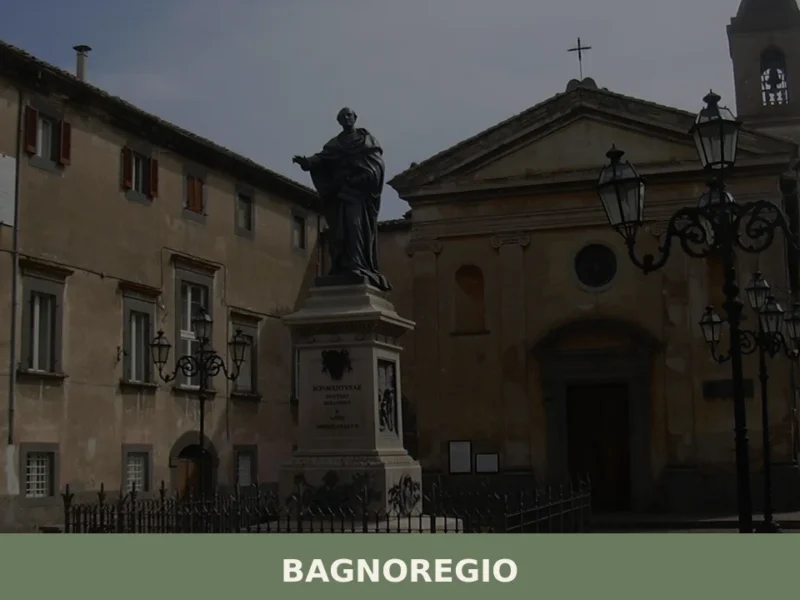
Bagnoregio is a comune in the province of Viterbo, Lazio, rising at about 487 metres above sea level and home to the iconic tufa spur of Civita di Bagnoregio.
Cantalupo in Sabina
Hills
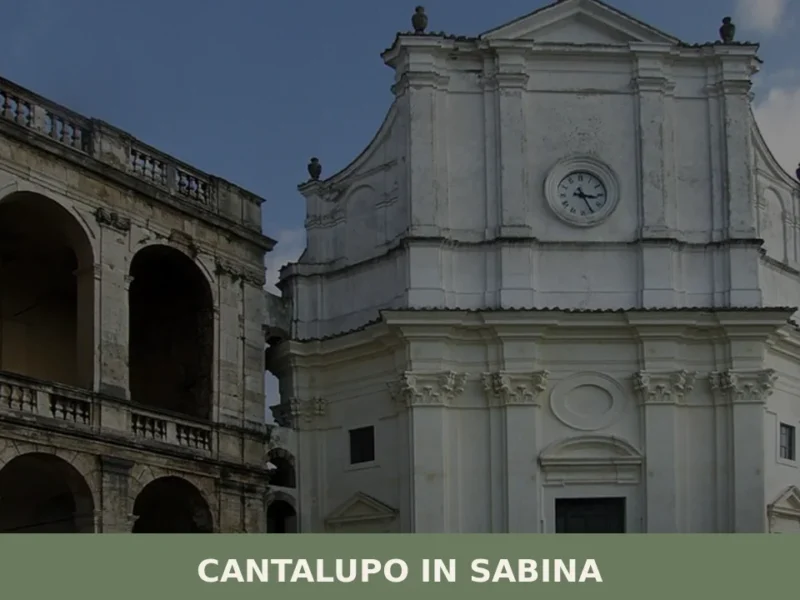
Cantalupo in Sabina is a medieval hill village in the Province of Rieti, Lazio, whose fortified origins date to at least 1037 and whose historic centre still reflects centuries of feudal heritage.

🏡 Know Fara in Sabina better than we do?
If you’re a local or have been there, your knowledge matters: add what’s missing or fix a detail on this page.