


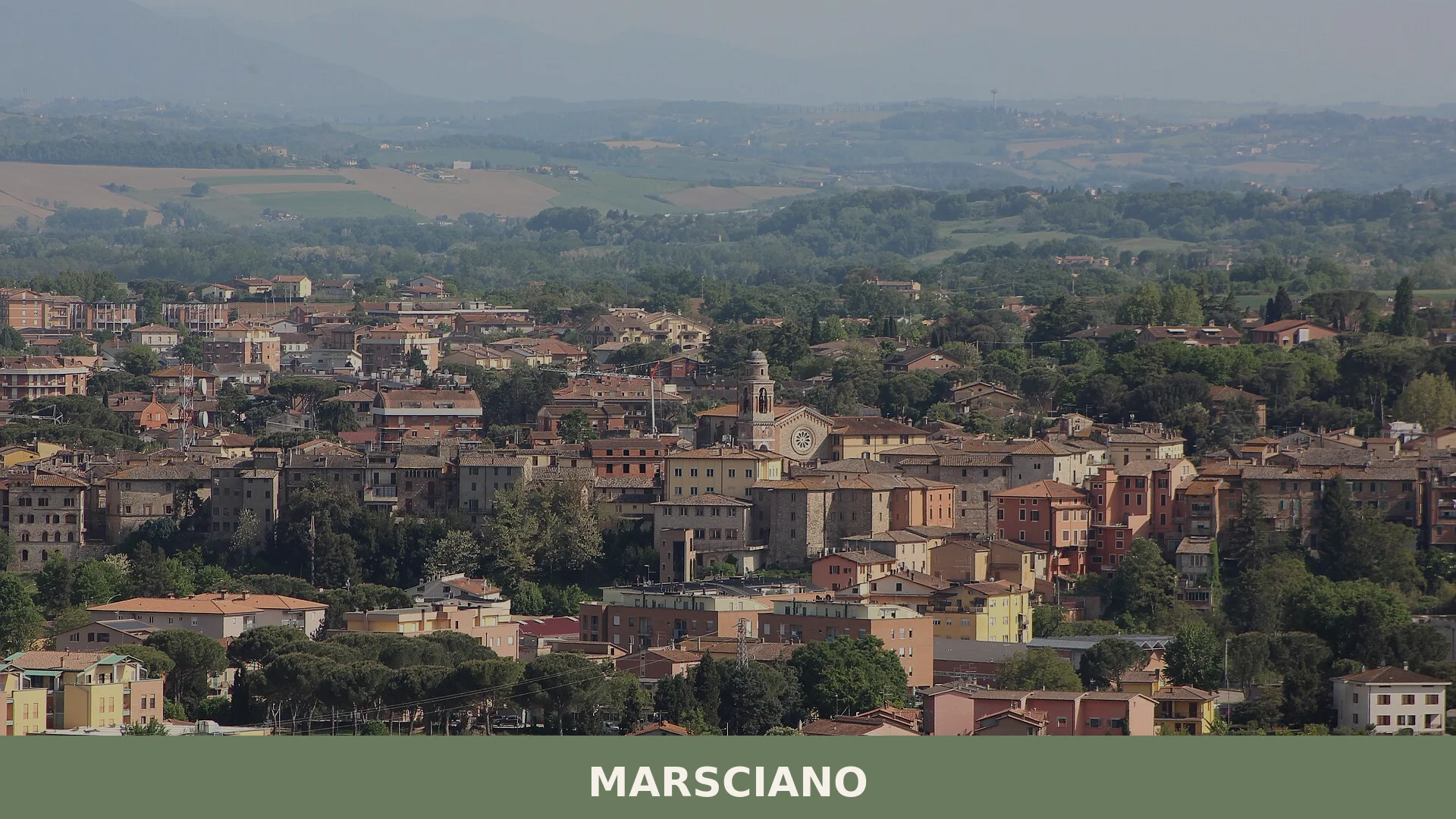

Marsciano is a hill town in the province of Perugia, Umbria, renowned as the region’s principal centre of brick and terracotta production and shaped by layers of history from Etruscan settlement to Re
Discover Marsciano
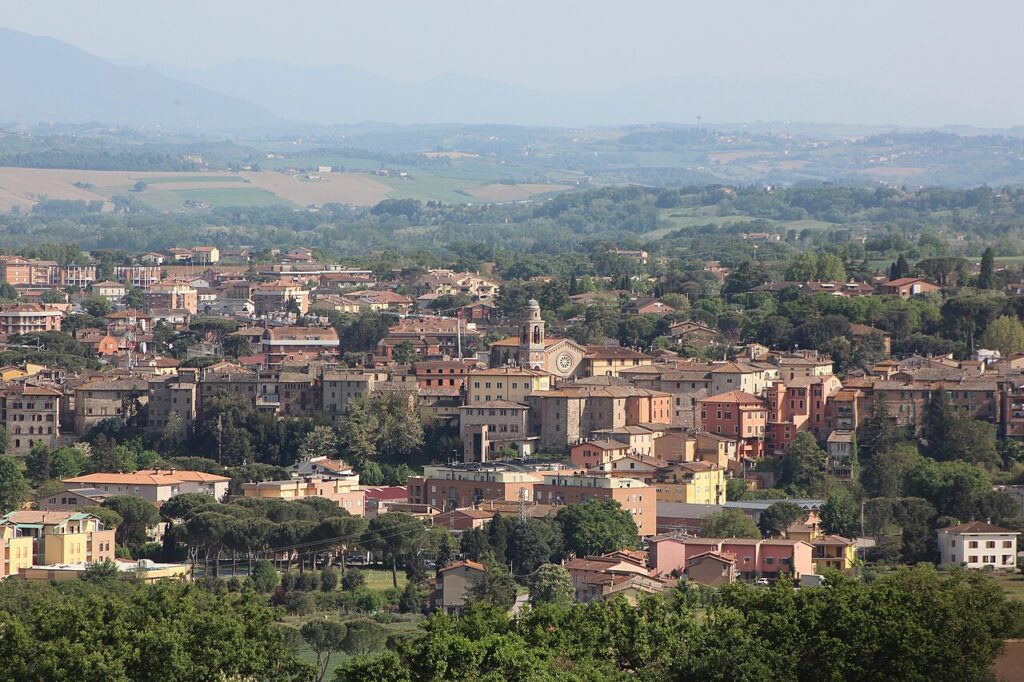
Marsciano is a hill town in the province of Perugia, Umbria, with a population of around 17,900 spread across a municipal territory of roughly 161.55 square kilometres at an elevation of 184 metres. It sits at the heart of the Valnestore and the middle Tiber valley, divided by the river Nestore and flanked by tributaries — Caina, Genna, Fersinone, Calvana, Fossatone and Rigo — that have shaped both its landscape and its long history. The town is known above all as the principal centre of brick and terracotta production in Umbria, a vocation so defining that the surrounding area is formally called the Territorio del laterizio e delle terrecotte.
Inhabited since at least the pre-Roman era, with Etruscan traces along the Fersinone and archaeological finds scattered across its frazione — bronze and terracotta objects at San Valentino della Collina, cinerary urns at Cerqueto, sixth-century BC amphoras at Villanova — this corner of central Italy has accumulated layer upon layer of history from antiquity through the medieval contests between Perugia and Todi, the Renaissance intrigues of the Baglioni family, and the industrial age of fired clay. For travellers drawn to an Umbria beyond the well-worn circuits, the Marsciano village in Umbria offers a rare combination: tangible ancient roots, a singular craft identity, and a quietly distinctive landscape of internal hills and river valleys that rewards unhurried exploration.
Marsciano village in Umbria: history from the Etruscans to the modern era
Marsciano has been inhabited since at least the pre-Roman era, with Etruscan settlements documented along the Fersinone river and archaeological finds — including bronze and terracotta objects dated to around 500 BC at San Valentino della Collina, cinerary urns uncovered at Cerqueto in 1834, and sixth-century BC amphoras at Villanova — pointing to a territory that served as a crossroads of ancient Etruria. The town’s most celebrated figure from antiquity is Treboniano Gallo, born in the fraction of Monte Vibiano Vecchio, who ruled as Emperor of Rome from 251 to 253 AD.
With the collapse of the Western Roman Empire in 476 AD, Marsciano passed successively under the Heruli, the Ostrogoths, and then into the orbit of Byzantine power, during which period the Castello di Sant’Apollinare served a vital strategic role guarding the surrounding territory. The Lombards confronted the Byzantines in the Valnestore around 568 AD, and the area was long disputed between Todi and Perugia. Around the year 1000 it became a fief of the Lombard Bulgarelli family — the first lords of the place, who later took the title counts of Marsciano — and towards the end of the thirteenth century they placed the town under Perugia’s protection against the threat posed by neighbouring Todi, after which Marsciano was regarded as Perugia’s forward sentinel against both Todi and Orvieto.
The town’s medieval history became closely bound up with the Baglioni dynasty of Perugia. On the night of 14–15 July 1500, during the so-called “Nozze Rosse” — the wedding of Lavinia Colonna and Astorre Baglioni II — a conspiracy led by Carlo di Oddo, detto il Barciglia, and others resulted in a bloody massacre of the Baglioni family. Gian Paolo Baglioni, then approximately eighteen or nineteen, escaped over the rooftops of Perugia and took refuge in Marsciano, where he regrouped his forces and returned to exact revenge. In recognition of the support Marsciano gave to the Baglioni, the Council of Priors of Perugia granted its inhabitants full Perugian citizenship in January 1504, a right declared permanently heritable. Gian Paolo’s story ended in Rome, where Pope Leo X had him arrested and executed in 1520 following a swift nocturnal trial. The aftermath of those events inspired artistic commissions, including a work by Raphael known as the Pala Baglioni, with its main panel in the Galleria Borghese in Rome.
The town remained under Papal authority through the Renaissance and the following centuries, suffering a devastating plague in 1630 and a military attack by Mattia de’ Medici in 1643, along with the gradual rise of new local families such as the Pietromarchi, who gave their name to the palace built in the eighteenth and nineteenth centuries. Marsciano sent 398 soldiers to their deaths during the First World War, and was liberated from Nazi occupation on 17 June 1944 by the British Eighth Army advancing up the Tiber valley. In November 2012, the Nestore river flooded Viale Ponte Nestore and caused widespread damage across Mercatello, Compignano and Morcella, sweeping away a wall that had stood since 1917.
Brick, clay and medieval stone: the monuments of Marsciano
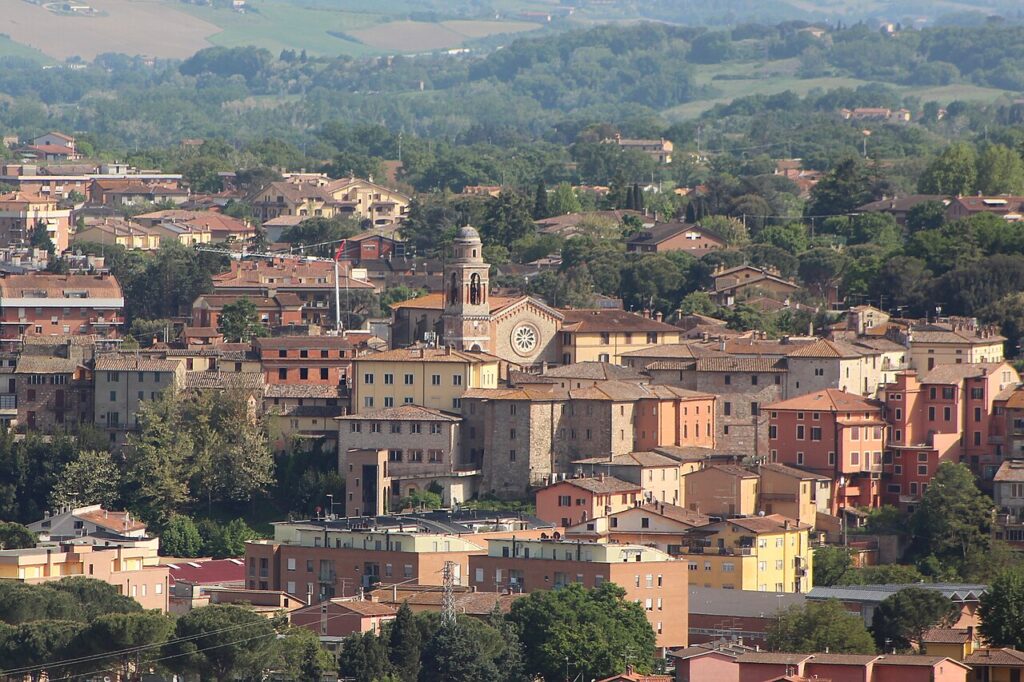
Marsciano’s principal monument is the fourteenth-century Palazzo Pietromarchi, which houses the Museo Dinamico del Laterizio e delle Terrecotte; the town also preserves five named churches, two medieval castles, and a handful of civic buildings erected in the eighteenth and nineteenth centuries.
Museo Dinamico del Laterizio e delle Terrecotte “Enzo Briziarelli”
The palazzo that contains this museum was built in the fourteenth century by the Bulgarelli counts of Marsciano. The building later passed to the Pietromarchi family, whose name it still carries. The museum reflects Marsciano’s identity as the leading producer of bricks and roof tiles in Umbria and one of the foremost in central Italy: the entire town is built in fired brick, and the surrounding territory has been defined as the “Territorio del laterizio e delle terrecotte.” The museum is conceived as the starting point of a wider itinerary extending across the municipality, taking in the former industrial sites at Compignano and San Fortunato — ancient kilns that document pre-industrial brick production in the area.
Churches
Five churches are documented within the municipality: Santa Maria Assunta, San Giovanni Battista, San Silvestro, San Valentino, and San Benedetto. No further description of their architecture or contents is recorded in the available sources.
Castello di Montelagello and Castello di Sant’Apollinare
Two medieval castles survive in the municipal territory. The Castello di Sant’Apollinare held a specific strategic function: it was considered vital by the Byzantine Duchy for surveillance of the surrounding lands during the period of Lombard-Byzantine confrontation in the Valnestore, from the late sixth century onward. The Castello di Montelagello is documented by name among the territory’s medieval heritage.
Civic buildings
The Palazzo Comunale and the Palazzo dei Conti Pietromarchi were both erected during the eighteenth and nineteenth centuries, reflecting the prosperity of that period under the Pietromarchi family, who had by then replaced the Baglioni and the Bulgarelli as the town’s dominant presence.
Laterizio, Terrecotte and the Flavours of the Marsciano Territory
Marsciano and its surrounding territory are most distinctively associated with the production of bricks, roof tiles and terracotta goods — the area ranks among the leading centres in central Italy for laterizio output and carries the official designation Territorio del laterizio e delle terrecotte. On the table, the province of Perugia supplies a broad range of certified products that visitors will encounter across the area: Agnello del Centro Italia IGP, Prosciutto di Norcia IGP, Lenticchia di Castelluccio di Norcia IGP, Patata Rossa di Colfiorito IGP, Farro di Monteleone di Spoleto DOP and Caciottone di Norcia IGP. None of these is exclusive to Marsciano itself; they are regional and provincial specialities found across Umbria.
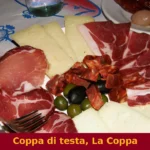
Cured meats of the Umbrian tradition — including porchetta, corallina salame, mazzafegati and coppa di testa — appear regularly at local markets and agriturismi throughout the Valnestore. The wines produced closest to Marsciano include the Colli Martani DOC and Colli Perugini DOC, with the celebrated Montefalco Sagrantino DOCG and Torgiano Rosso Riserva DOCG produced a short distance away in the broader Perugia province.
Getting to Marsciano and Planning Your Stay
Marsciano is most conveniently reached by road from Perugia — approximately 30 km away, a drive of around 30 minutes — and sits at an altitude of 184 metres on the rolling hills of the Valnestore, making it an agreeable destination in every season, with mild winters and warm but not extreme summers. Autumn brings the heaviest rainfall and the richest harvest atmosphere across the surrounding countryside.
From Todi, one of the most celebrated hilltop towns of Umbria and a historic rival of Marsciano, the distance is approximately 20 km, covered in around 25 minutes by car. The smaller comune of Fratta Todina lies even closer, in the same stretch of the Tiber valley, and makes a natural pairing for a day’s exploration. Orvieto, further south in the direction of Terni, is roughly 55 km away — approximately 50 minutes by car.
| Departure | Distance | Time |
|---|---|---|
| Perugia | approx. 30 km | approx. 30 min |
| Todi | approx. 20 km | approx. 25 min |
| Orvieto | approx. 55 km | approx. 50 min |
The territory is well suited to visitors who wish to combine the town centre with the surrounding borghi: Monte Castello di Vibio, set on a ridge overlooking the Tiber valley, lies within easy reach and offers a complementary perspective on this part of Umbria. The municipal website at www.comune.marsciano.pg.it provides current information on opening hours and local events.
Frequently asked questions about Marsciano
When is the best time to visit Marsciano?
June is ideal, as the Feast of San Giovanni Battista (the town's patron saint) takes place on June 24th, featuring local celebrations and traditions. Spring (April–May) and autumn (September–October) offer pleasant weather for exploring the hills and river valleys. Summer can be warm, while winters are mild but occasionally rainy in Umbria's inland regions.
How do I reach Marsciano by car or public transport?
Marsciano lies in the province of Perugia, Umbria, accessible via the E45 motorway (Raccordo Perugia–Betona exit). The nearest major train station is Perugia Fontivegge (approximately 40 km away), with regional connections to Umbria. Local bus services operate from Perugia. A car is recommended for exploring the surrounding Valnestore and tributary valleys.
What makes Marsciano unique in Umbria?
Marsciano is the principal centre of brick and terracotta production in Umbria—a heritage so significant that the region is officially designated the Territorio del laterizio e delle terrecotte (Territory of Fired Clay and Terracottas). The town's identity is deeply rooted in this centuries-old craft tradition, distinguishing it from other Umbrian destinations focused on art and medieval architecture.
What archaeological sites can I visit in Marsciano?
The town contains multiple Etruscan and pre-Roman layers. San Valentino della Collina features bronze and terracotta objects; Cerqueto holds cinerary urns; and Villanova contains sixth-century BC amphoras. These scattered archaeological finds across the town's frazioni (hamlets) reveal continuous habitation from the Etruscan era through antiquity, accessible through local cultural routes and museums.
How long should I spend in Marsciano?
A full day allows exploration of the historic centre, archaeological sites, and terracotta workshops or museums. Two days enable leisurely walks through the surrounding hills, river valleys of the Nestore and its tributaries (Caina, Genna, Fersinone, Calvana), and visits to nearby frazioni. Marsciano rewards unhurried exploration beyond standard Umbrian circuits.
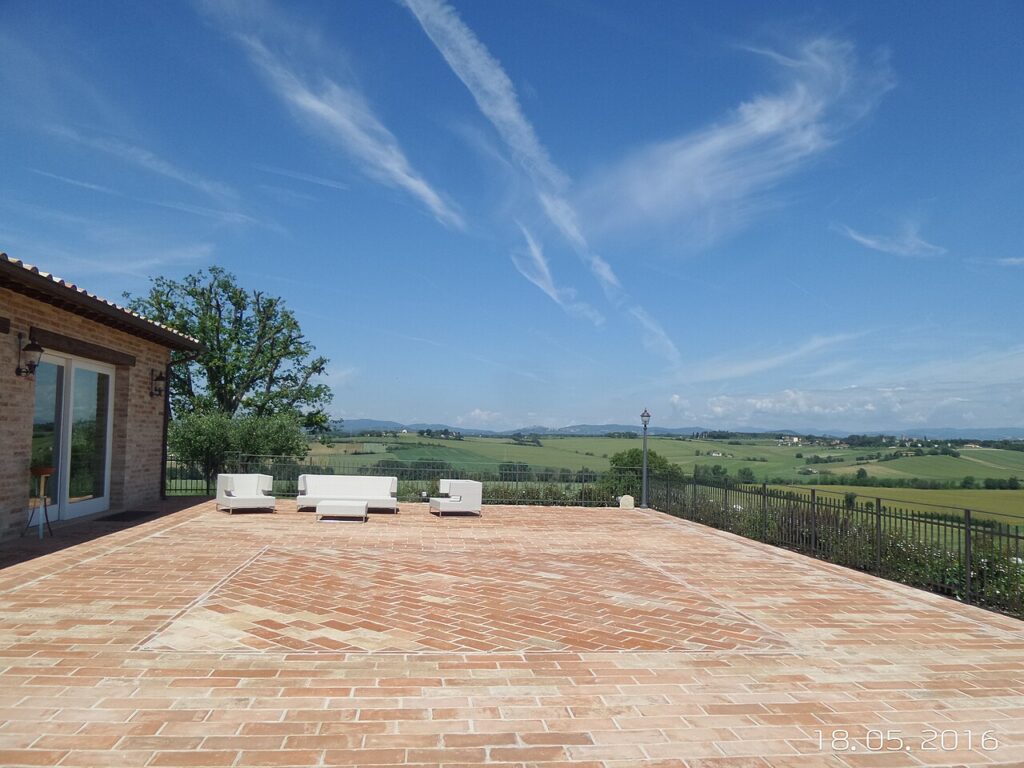
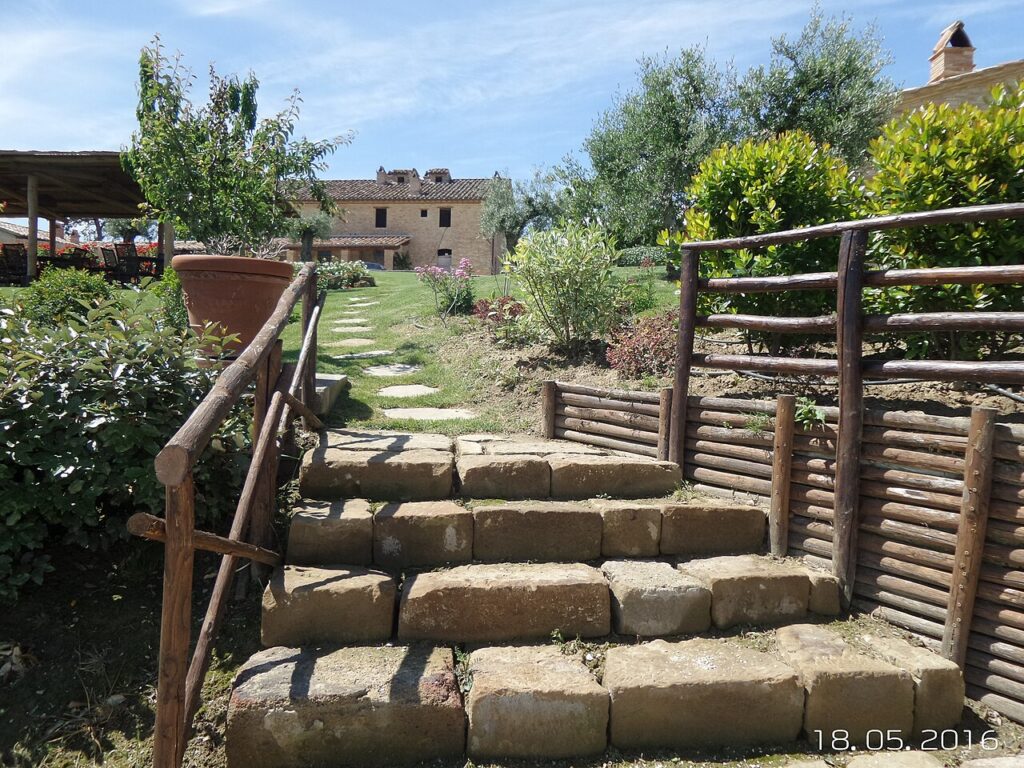
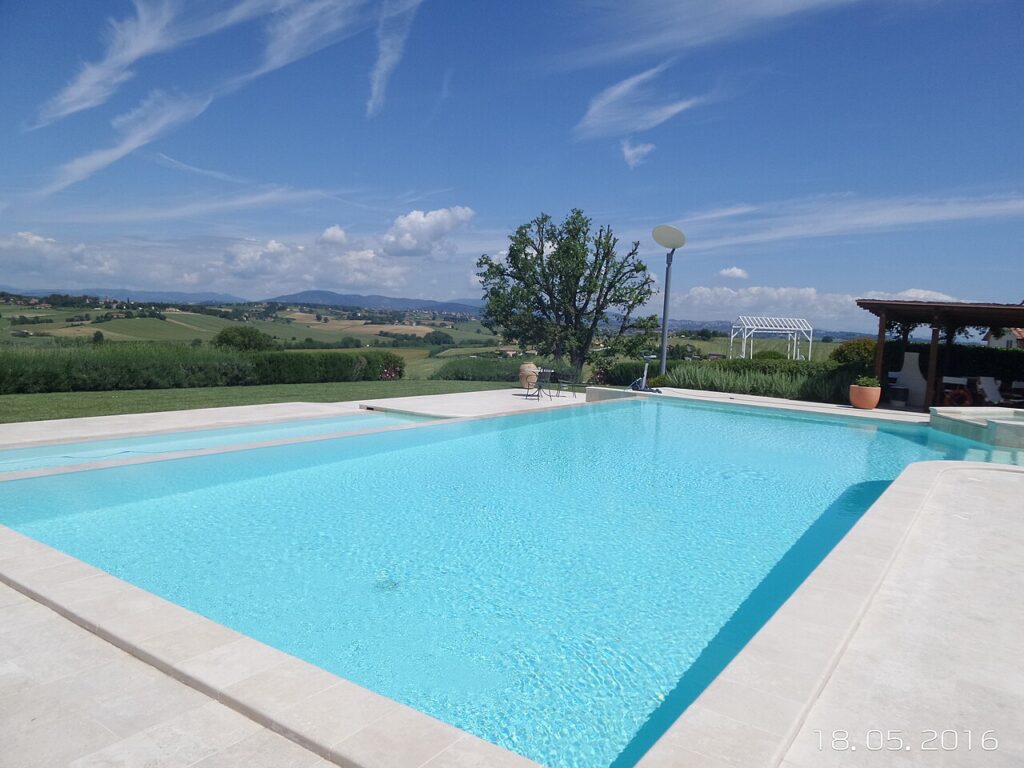
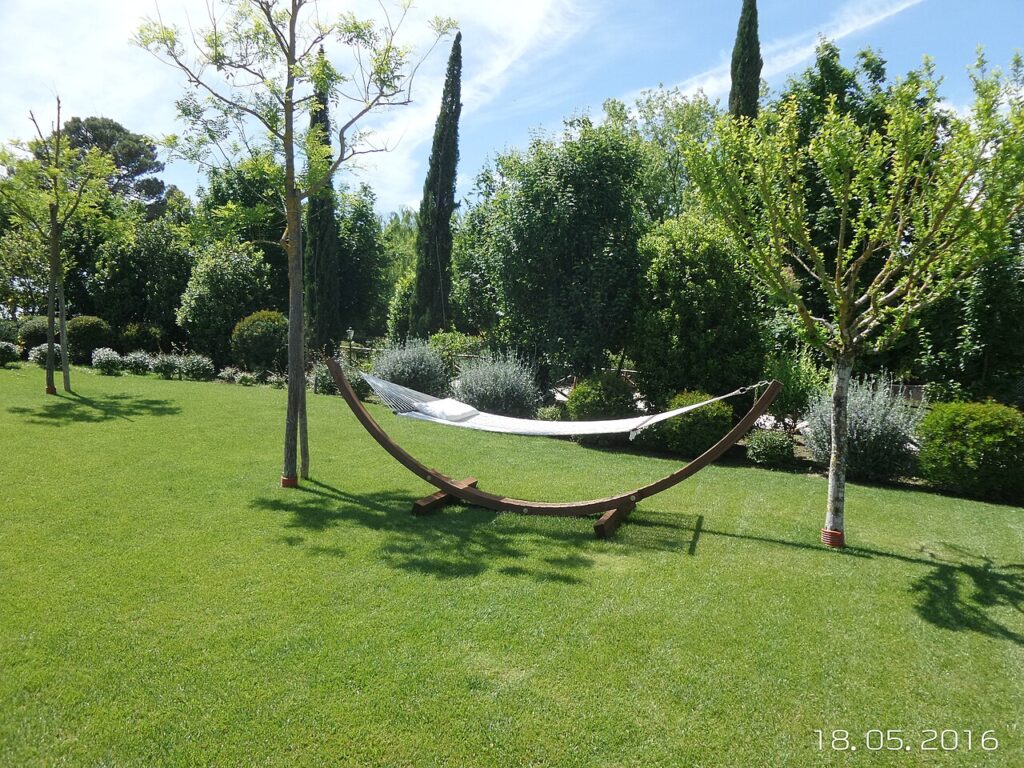
📷 Photo Gallery — Marsciano
In Umbria More villages to discover
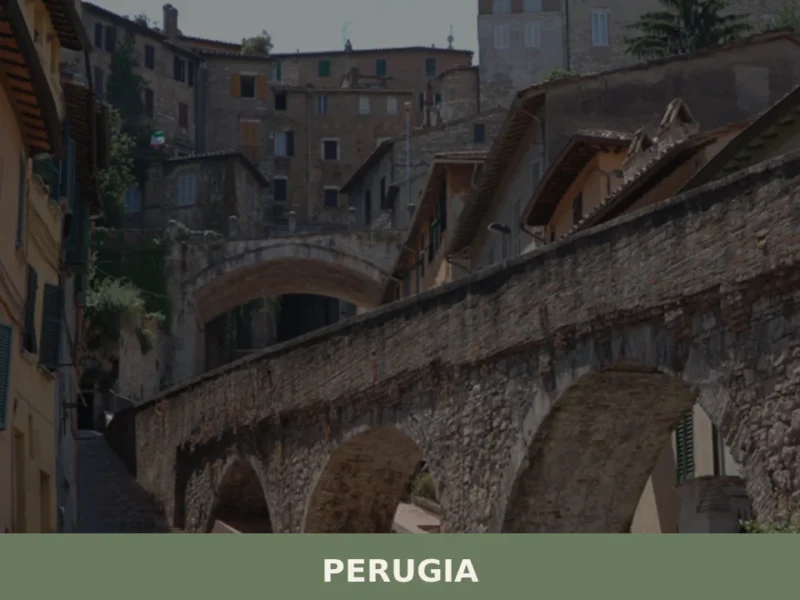
Perugia
 Hills
Hills
Perugia, the hilltop regional capital of Umbria at 484 metres above sea level, offers visitors more than three thousand years of continuous history, from Etruscan walls to Renaissance frescoes.
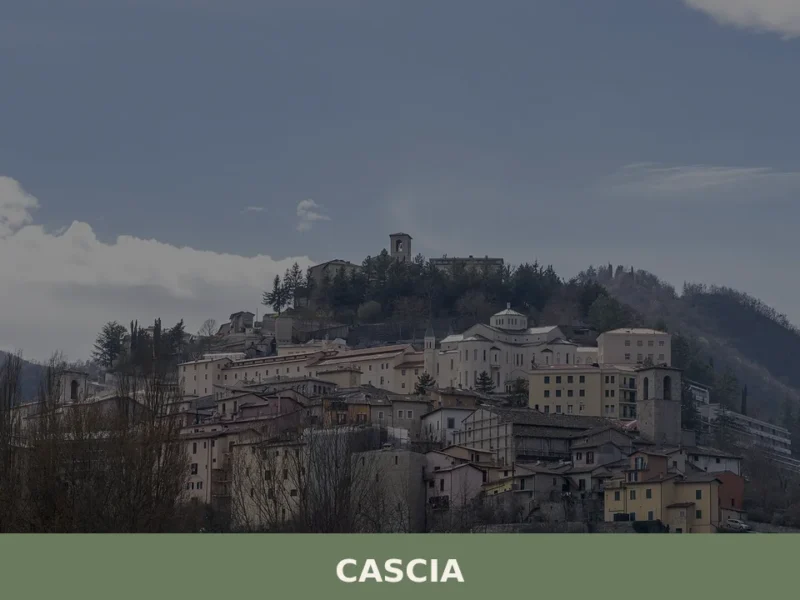
Cascia
 Mountain
What to see in Cascia, Umbria, Italy: explore the Basilica of Santa Rita, medieval churches, and local truffles at 653 m altitude. Discover the full travel guide.
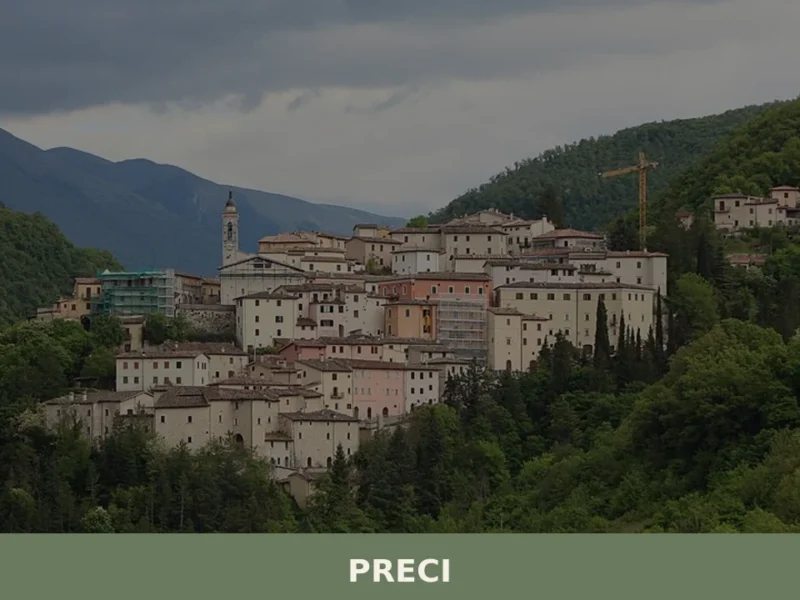
Preci
Hills
With a recorded population of 681 inhabitants, Preci stands at an elevation of 596 metres above sea level in the heart of Umbria, a region often referred to as Italy’s ‘green heart’. This small village, historically shaped by its monastic tradition and a renowned surgical school (see English Wikipedia), offers a distinct window into a […]
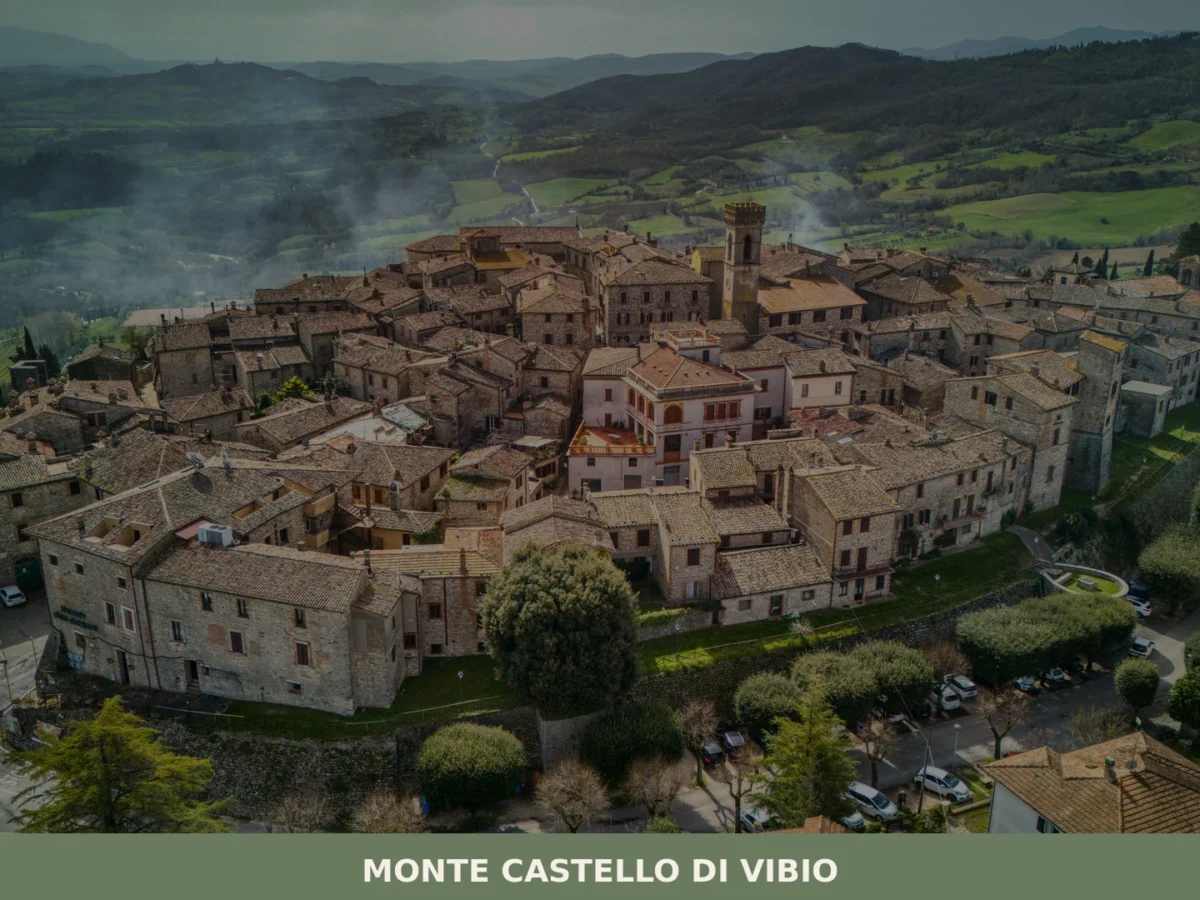
Monte Castello di Vibio
Hills
Monte Castello di Vibio holds the world's smallest theatre and an intact medieval centre above the Tiber valley. A complete guide to its history, attractions, and local food.
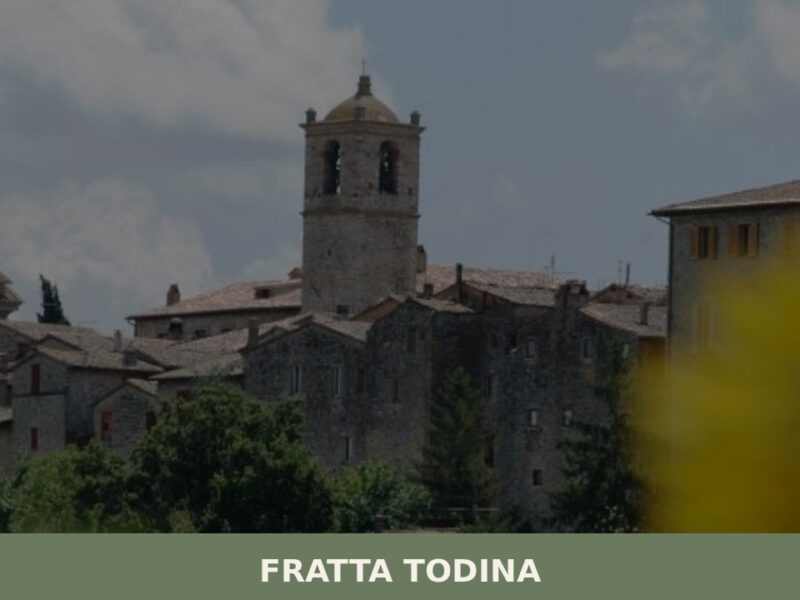
Fratta Todina
Hills
Morning light falls across a line of stone façades, turning the tufa walls the colour of raw honey. A church bell marks the hour from somewhere above the rooftops, its sound carrying across the Tiber valley below. Fratta Todina sits on a low hill in the province of Perugia, home to just 1,817 residents — […]
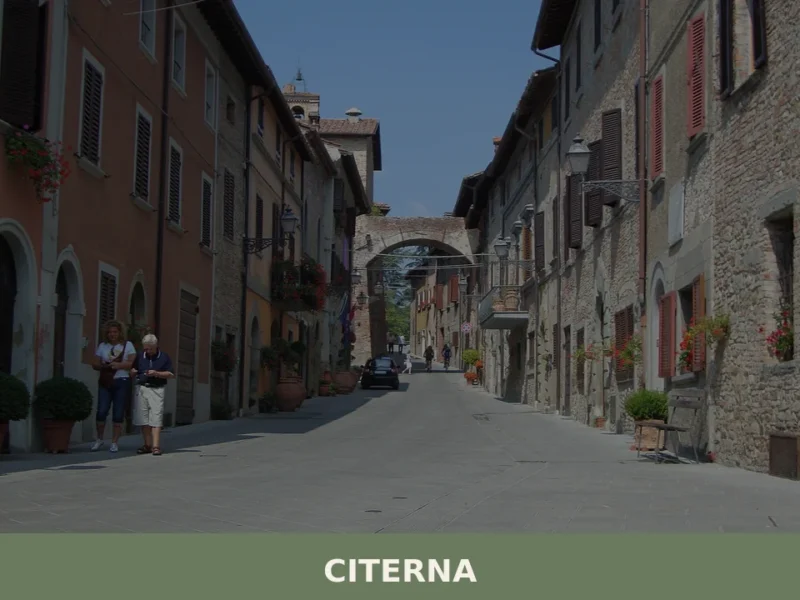
Citerna
Hills
Citerna is a captivating Umbrian village that offers a journey through history, art, and authentic Italian flavors.
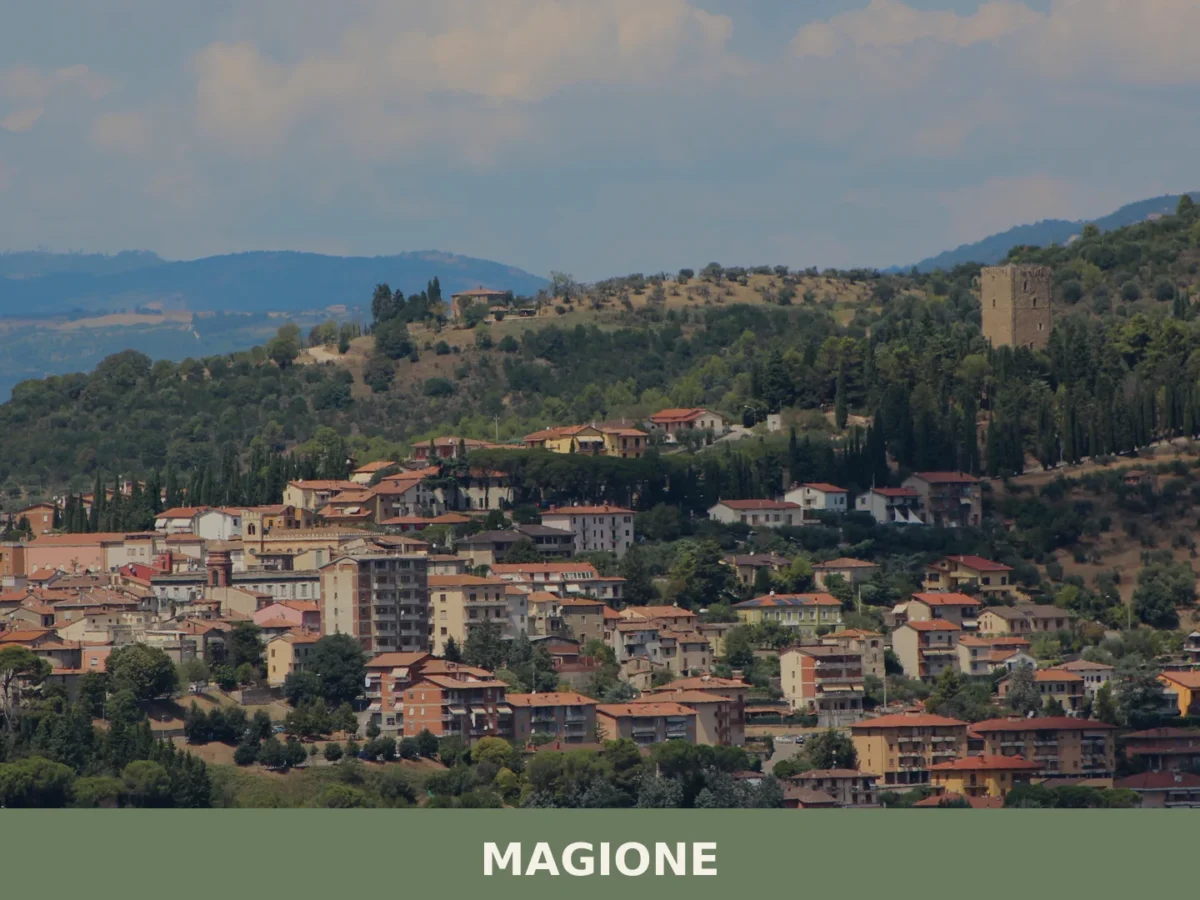
Magione
Hills
 Lake
Lake
Magione is a hilltop comune of around 14,680 inhabitants on the eastern shore of Lake Trasimeno, province of Perugia, first recorded around 1075 and internationally known as the site of the 1502 Congi
Scheggia e Pascelupo
Hills
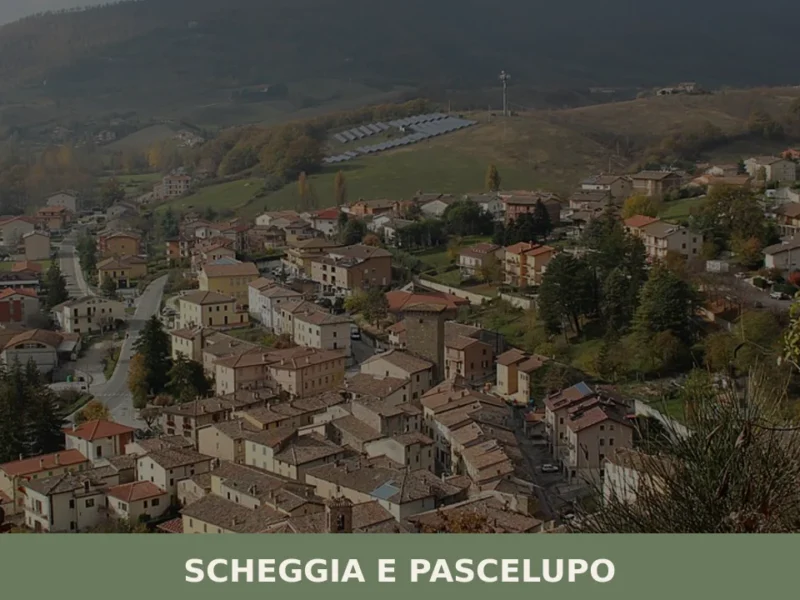
Scheggia e Pascelupo sits at 580 metres above sea level along the ancient Via Flaminia, the Roman consular road that connected Rome to Rimini from 220 BC. The municipality, formed by merging two distinct settlements in 1879, counts 1,232 inhabitants across a territory of deep gorges and limestone ridges in the province of Perugia. For […]
Monte Santa Maria Tiberina
Mountain
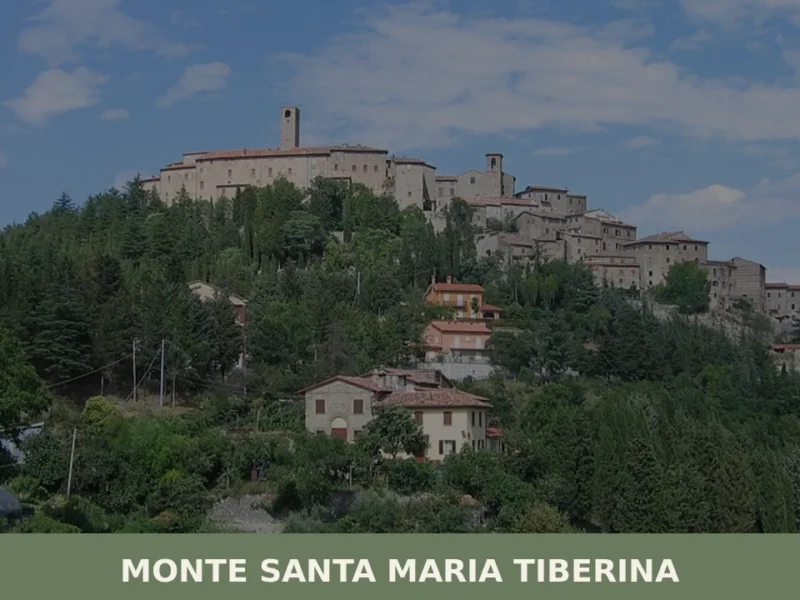
A quiet hush often settles over the stone lanes of Monte Santa Maria Tiberina as the morning sun climbs, painting the ancient walls with a warm ochre glow. From its vantage point at 688 metres above sea level, the village awakens slowly, the distant murmur of the Tiber River a faint counterpoint to the rustle […]
Cerreto di Spoleto
Hills
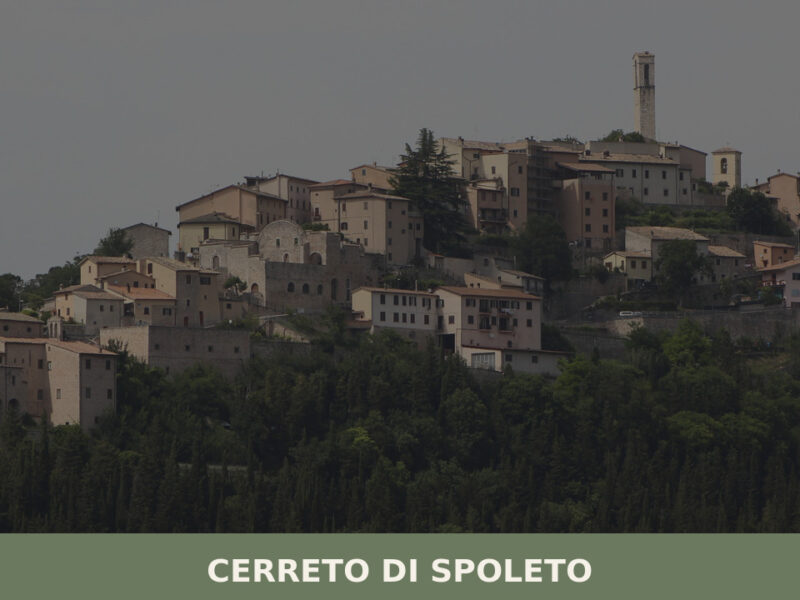
A ridge-top village of 975 inhabitants in the Valnerina, Cerreto di Spoleto holds medieval streets, scattered hamlets, and a centuries-old tradition of itinerant herbalists.


🏡 Know Marsciano better than we do?
If you’re a local or have been there, your knowledge matters: add what’s missing or fix a detail on this page.